Baby Cosmetic Lotion Pump Suppliers and Manufacturers
Source 29 verified suppliers for Baby Cosmetic Lotion Pump options. Compare key dimensions including ISO certifications, OEM/ODM capabilities, lead times, and pricing ranges. Review product specifications and request samples to evaluate quality and fit for your packaging needs; review the available evidence before requesting comparable quotations from suitable candidates.
Updated
Suppliers List

Yuyao Luhang Daily Necessities Co., Ltd.
- Verified by TUVRHEINLAND
- Combined
- China Zhejiang
- Lead time23 days
- Avg. response≤ 6h
Main productsTrigger Sprayer, Lotion Pump, Fine Mist Sprayer, Sprayer Pen&Card Sprayer, Treatment Pump, Foam Pump, Nail&Cleaning Pump, Plastic Cap, Airless Bottle, Bottle
Main marketsSouth America,Others(foreignTradeCapacity.exportBusinessCapacityMarketOther),Southeast Asia/ Mideast,Domestic

Ningbo Fantasy Packaging Co., Ltd.
- Verified by SGS
- Trading Company,Manufacturer/Factory
- China Zhejiang
- Lead time23 days
- Avg. response≤ 7h
Main productsLotiton Pump, Trigger Sprayer, Mini Sprayer, Foam Pump, Mist Sprayer, Card Sprayer, Plastic Cap, Plastic Jar, Plastic Bottle, Airless Bottle
Main marketsSouth America,Eastern Europe,Mid East,North America,Southeast Asia,Eastern Asia,Oceania,Western Europe,Africa

ningbo crown commodity co.,ltd
- Verified by SGS
- Combined
- China Zhejiang
- Lead time30 days
- Avg. response≤ 25h
Main productsPerfume Sprayer, Lotion Pump, Trigger Sprayer, Pet Bottle, Cosmetic Package, Eyeliner Package
Main marketsAfrica,Southeast Asia/ Mideast,Europe,North America

Guangzhou Zhengxi Packing Products Co., Ltd.
- Verified by BV
- Combined
- China Guangdong
- Lead time15 days
- Avg. response≤ 14h
Main productsLotion Pump
Main marketsSouth America,Southeast Asia/ Mideast,East Asia(Japan/ South Korea),Europe,Australia,North America

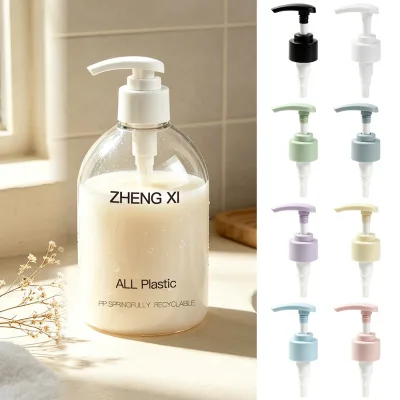
Custom Colours Body Milk Lotion Pump HDPE Plastic Cosmetic Lotion Pump
$0.01 - $0.078
MOQ: 10000 Pieces

Wholesale Luxury 33mm All Plastic Cosmetic Baby Body Cream Screw Lotion Pump
$0.04 - $0.089
MOQ: 10000 Pieces

Wholesale Luxury 24mm 28mm Plastic Cosmetic Baby Body Cream Recyclable Lotion Pump
$0.04 - $0.089
MOQ: 10000 Pieces

Wholesale Luxury Plastic Cosmetic Baby Body Cream 33/410 Recyclable Lotion Pump
$0.09 - $0.18
MOQ: 10000 Pieces

Elegant Plastic Lotion Pump for Cosmetic Cream and Serum Skincare Bottles
$0.04 - $0.089
MOQ: 10000 Pieces


YUYAO SHUOHONG COMMODITY CO., LTD.
- Verified by BV
- Combined
- China Zhejiang
- Lead time23 days
- Avg. response≤ 5h
Main productsMist Sprayer, Lotion Pump, Trigger Sprayer, Perfume Atomizer, Plastic Cap, Plastic Bottle, Cream Jar, Plastic Tube, Foam Pump, out Spring Lotion Pump
Main marketsSouth America,Africa,Southeast Asia/ Mideast,East Asia(Japan/ South Korea),Europe,Australia,North America

ZHANGJIAGANG HUAXING PACKING CO., LTD.
- Verified by CTI
- Combined
- China Jiangsu
- Lead time23 days
- Avg. response≤ 5h
Main productsPlastic Bottles, Lotion Pump, Glass Bottles, Plastic Medical Products, Perfume Spray, Perfume Bottle, Skincare Pumps, Mist Sprayer, Vomit Bags, Emesis Bags
Main marketsDomestic


Plastic Foundation Pump, Lotion Pump, Skin Care Pump, Bb Cream Pump, Essential Oil Screw Pump
$0.15 - $0.35
MOQ: 5000 Pieces

High Quality Foundation Pump, Lotion Pump, Skin Care Pump, Cream Pump, Essential Oil Pump
$0.05 - $0.15
MOQ: 10000 Pieces

Plastic and Aluminum Lotion Pump, Foundation Pump, Skin Care Pump, Oil Pump with Glass Bottle
$0.15 - $0.35
MOQ: 5000 Pieces

- Verified by CTI
- Trading Company
- China Zhejiang
- Lead time30 days
- Avg. response≤ 3h
Main productsAirless Bottle, Glass Bottle, Comb, Cosmetic Packaging, Food Packaging, Sprayer, Lotion Pump Machine, Gift, Roll on Ball
Main marketsAfrica,Southeast Asia/ Mideast

NINGBO UBPACK PACKAGING CO., LTD
- Verified by CTI
- Trading Company
- China Zhejiang
- Lead time30 days
- Avg. response≤ 4h
Main productsPlastic Packaging, Trigger Spray, Plastic Mold, Lotion Pump, Airless Bottla, Aluminum Bottle
Main marketsSoutheast Asia/ Mideast,Europe,North America
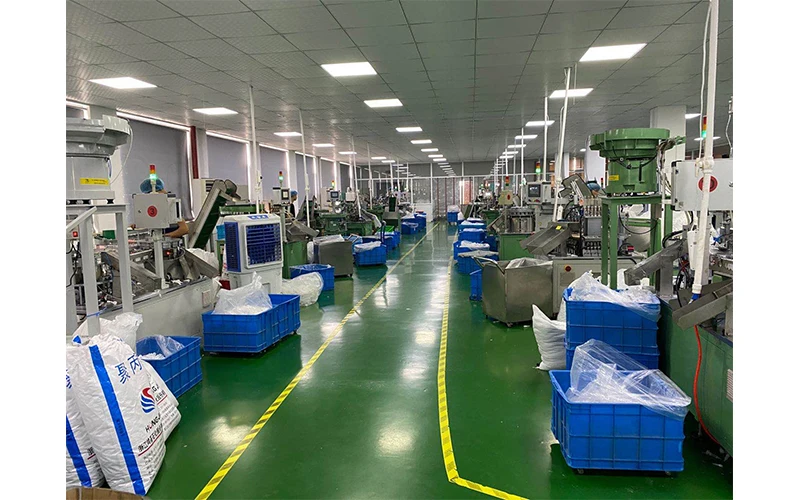
Ningbo Kylin Packaging Solutions Co., Ltd.
- Manufacturer
- Zhejiang, China
- Lead time25 days
- Avg. response≤ 9h
Main productsmist sprayer,lotion pump,foam pump,trigger sprayer,mini trigger
Main marketsMid East(40.00%), Western Europe(20.00%), North America(20.00%), South America(20.00%)

Yuyao Zhuoyu Plastic Industry Co., Ltd.
- Verified by SGS
- Combined
- China Zhejiang
- Lead time30 days
- Avg. response≤ 14h
Main productsCream pump
Main marketsSoutheast Asia/ Mideast


Cosmetic Packaging 20-410 Liquid Foundation Plastic Pump Lotion Cream Pump
$0.045 - $0.046
MOQ: 10000 piece


Jinhua Allies Import and Export Co., Ltd.
- Verified by SGS
- Manufacturer/Factory
- China Zhejiang
- Lead time23 days
- Avg. response≤ 6h
Main productsCanister, Container, Bottle, Cosmetic, Make up, Plastic Packaging, Eyeshadow, Palette, Box, Compact Case
Main marketsSouth America,Mid East

Yuyao Mingsheng Commodity Co., Ltd.
- Verified by SGS
- Combined
- China Zhejiang
- Lead time15 days
- Avg. response≤ 5h
Main productsLotion Pump, Trigger Sprayer, Plastic Cap, Airless Bottle
Main marketsSouth America,Southeast Asia/ Mideast,Europe
Yuyao Blooming Commodity Co., Ltd.
- Verified by TüVRheinland
- Manufacturer, Trading Company
- Lead time15 days
- Avg. response≤ 3h
Main productsCream Pump, Roll On Bottle, Airless Bottle, All Plastic Trigger Sprayer, Deodorant Stick Tube
Main marketsNorth America(26%), Eastern Europe(22%), Domestic Market(15%)
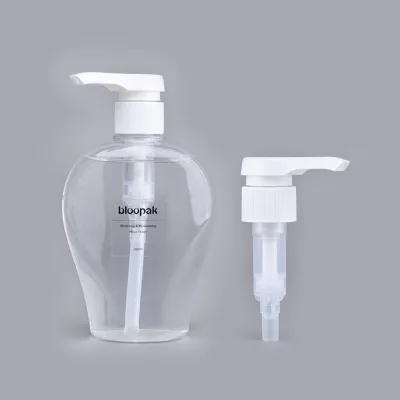
$0.1021 - $0.1225
MOQ: 10000 Minimum
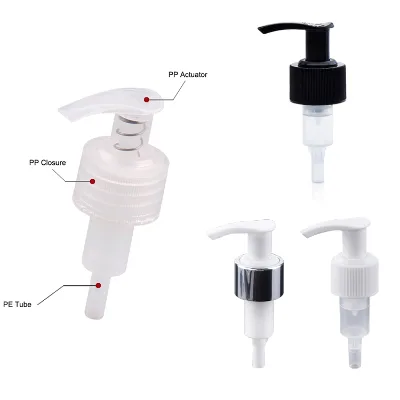
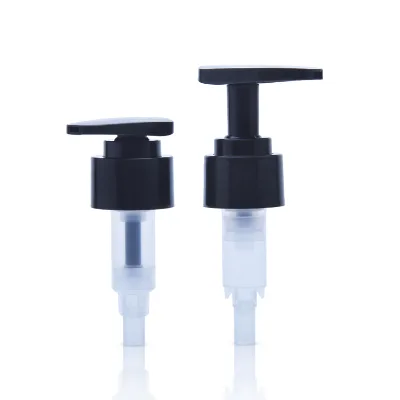
$0.049 - $0.14
MOQ: 50000 Minimum
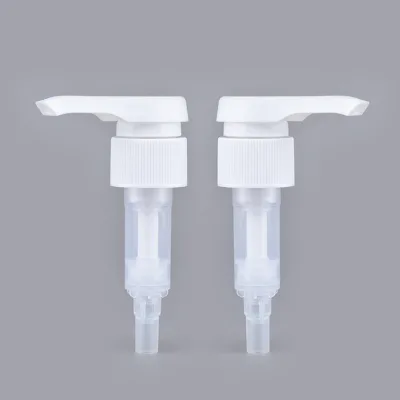

Ningbo Henghong Packaging Co., Ltd.
- Verified by SGS
- Trading Company
- China Zhejiang
- Lead time15 days
- Avg. response≤ 14h
Main productsLotion Pump Mist Sprayer Plastic Cap
Main marketsOthers(foreignTradeCapacity.exportBusinessCapacityMarketOther),Europe

Shijiazhuang Blue Morpho Import And Export Co., Ltd.
- Trading Company
- Hebei, China
- Lead time5 days
- Avg. response≤ 6h
Main productsPlastic packing products,Kraft paper bagsgs,Take out products,Cornstarch container,Paper box
Main marketsEastern Europe(20.00%), Southeast Asia(15.00%), Northern Europe(10.00%), Western Europe(10.00%), Eastern Asia(10.00%), Southern Europe(10.00%), South America(10.00%), North America(10.00%), Africa(5.00%)
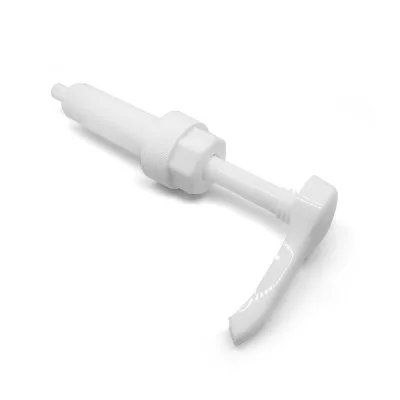
Plastic Lotion Sprayer Body Wash Lotion Pump Kids Bath Cream Pump with Best Price
$0.02 - $0.11
MOQ: 3000 units
Yuyao Lonshine Sprayer Co.,ltd
- Verified by SGS Group
- Manufacturer, Trading Company
- Lead time20 days
- Avg. response≤ 3h
Main productsTrigger Sprayer, Nail & Cleaning Pump, Fine Mist Sprayer, Lotion Pump, Airless Bottle
Main marketsSoutheast Asia(60%), North America(10%), South America(10%)
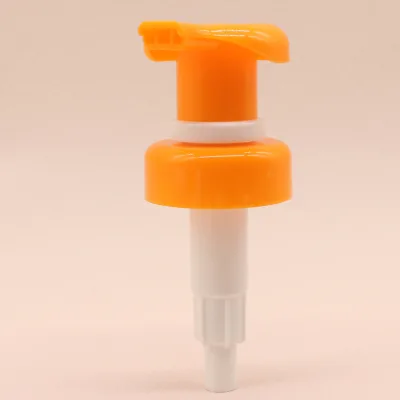
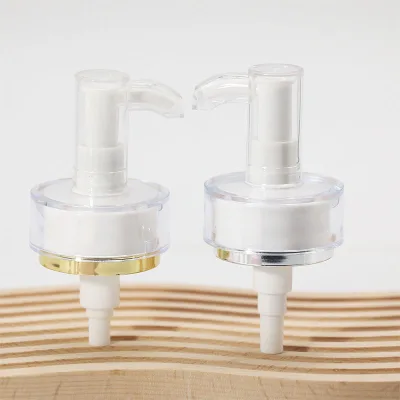
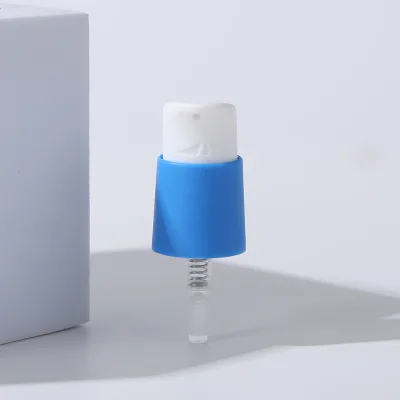
Cosmetic Pump Sprayer Lotion Cream Treatment for Skincare Essential Oil Bottle Packaging
$0.0416 - $0.0624
MOQ: 10 Minimum
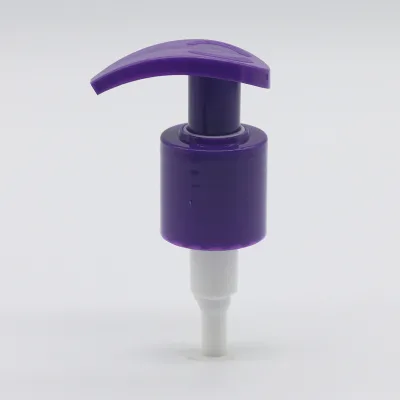
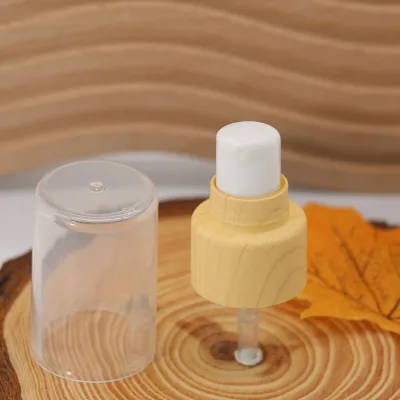
24/410 Hot Selling Treatment Cream Pump Bamboo Lotion Pump for Cosmetic
$0.0924 - $0.1027
MOQ: 10000 pieces
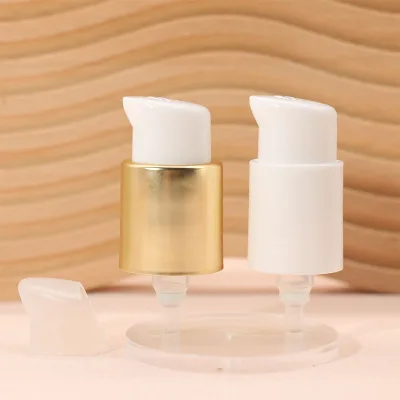
$0.1137 - $0.1556
MOQ: 10000 Minimum

YUYAO MENG HONG PLASTIC CO., LTD.
- Combined
- China Zhejiang
- Lead time30 days
- Avg. response≤ 9h
Main productsLotion Pump, Mist Sprayer, Trigger Sprayer, Perfume Pen, Press Cap, Foam Pump, Cream Pump, Dispenser Pump, Nail Pump, Sprayer
Main marketsSoutheast Asia/ Mideast,Europe,North America
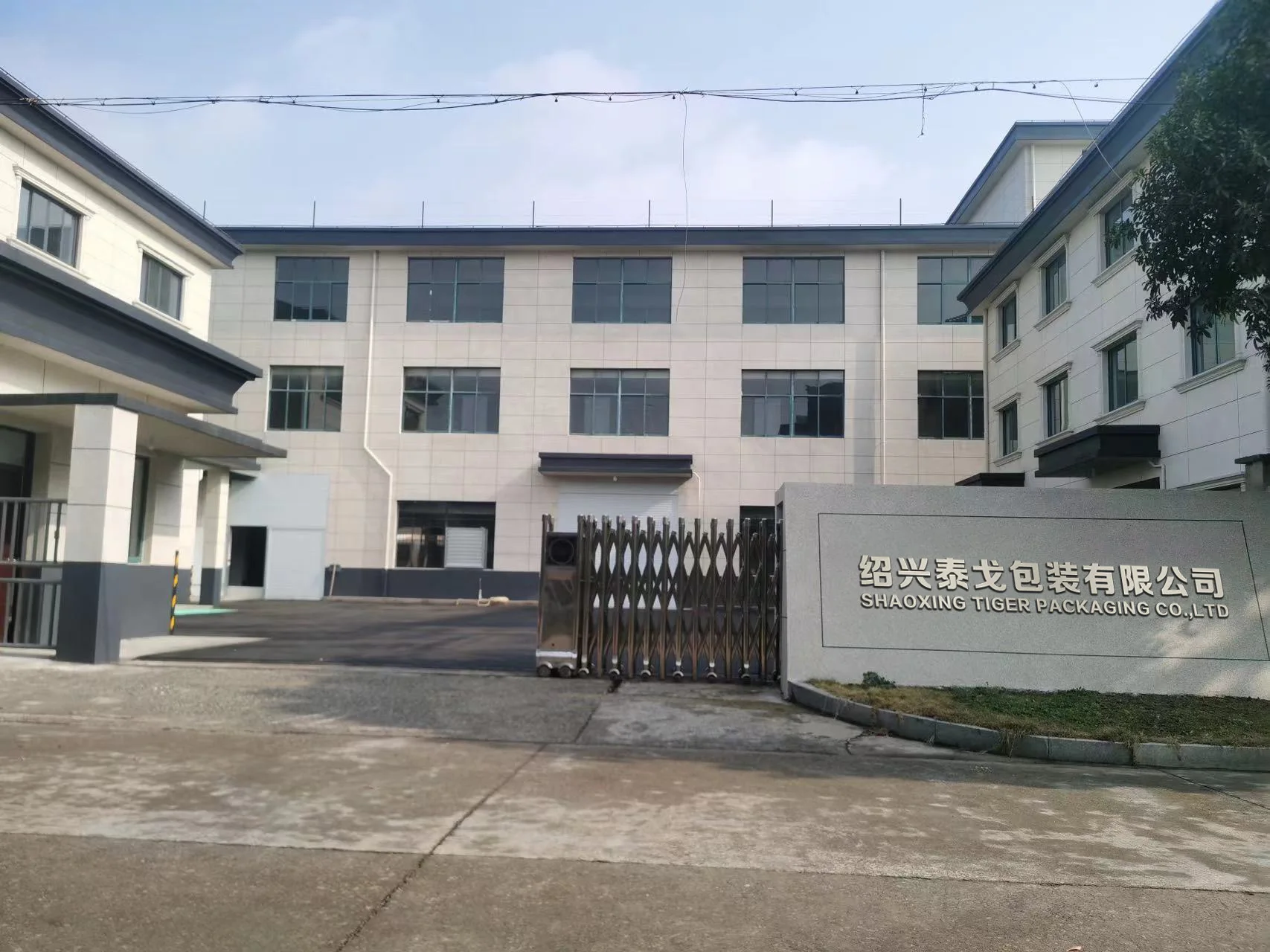
Shaoxing Tiger Packaging Co., Ltd.
- Trading Company
- Zhejiang, China
- Lead time20 days
- Avg. response≤ 3h
Main productsPlastic Cap, Mist Sprayer, Lotion Pump, Lip Stick Tube, Plastic Bottle
Main marketsDomestic Market(50.00%), North America(15.00%), Southeast Asia(15.00%), Eastern Asia(10.00%), Mid East(10.00%)

Ningbo Ola Commodity Co., Ltd.
- Verified by BV
- Manufacturer/Factory
- China Zhejiang
- Lead time0 days
- Avg. response≤ 13h
Main productsTrigger Sprayer, Lotion Pump, Crimp Pump, Mist Sprayer, Aluminium Bottle, Pet Bottle, Cosmetic Packaging, Perfume Atomizer, Cap, Tube
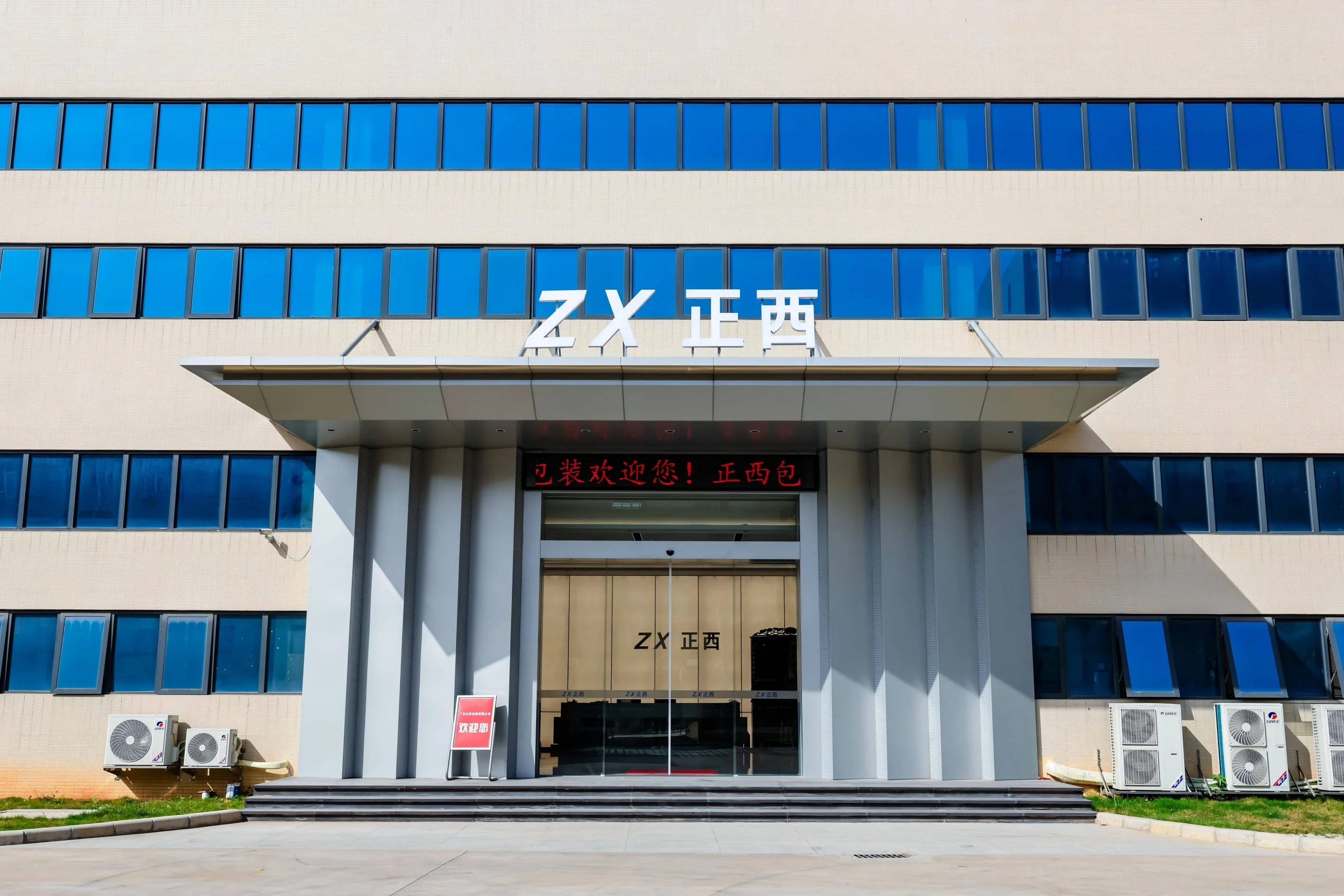
Guangzhou Zhengxi Packing Products Co., Ltd.
- Manufacturer, Trading Company
- Guangdong, China
- Lead time30 days
- Avg. response≤ 4h
Main productsLotion Pump,Foam Pumps,Spray Pumps,Trigger Sprayers,Plastic Bottle
Main marketsDomestic Market(70.00%), Eastern Asia(20.00%), North America(10.00%)
Beyaqi Cosmetics (hangzhou) Co., Ltd.
- Verified by TüVRheinland
- Manufacturer, Trading Company
- Lead time30 days
- Avg. response≤ 5h
Main productsAirless Bottle, Deodorant Bottle, Glass Bottle, Foam Pump, Trigger Sprayer
Main marketsNorth America(38%), Mid East(20%), Northern Europe(8%)
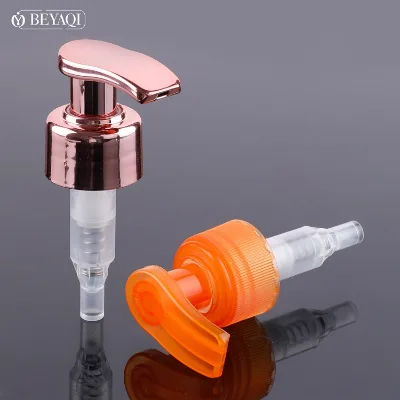
$0.049 - $0.20
MOQ: 30000 Minimum
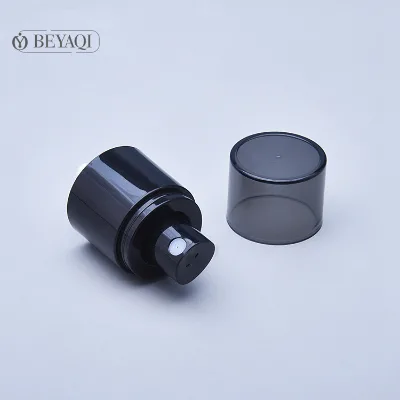
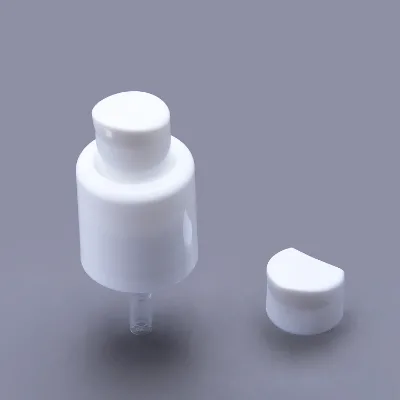
$0.08 - $0.09
MOQ: 30000 pieces

Guangzhou T&E Packaging Co., Limited
- Verified by SGS
- Trading Company,Manufacturer/Factory
- China Guangdong
- Lead time45 days
- Avg. response≤ 6h
Main productsPerfume Bottle, Cosmetic Bottle, Pet Bottle, Glass Bottle, Plastic Bottle, Lotion Pump, Fine Mist Sprayer, Bottle Cap, Closure, Plastic Tube
Main marketsEastern Europe,Mid East,North America,Southeast Asia,Eastern Asia,Western Europe,Africa
Guangdong Zhongkai Plastics Co., Ltd.
- Manufacturer
- Guangdong, China
- Lead time15 days
- Avg. response≤ 23h
Main productsLotion Pump, Spray Pump, Foam Pump
Main marketsDomestic Market(85.00%), Southeast Asia(8.00%), North America(2.00%), Northern Europe(2.00%), Africa(2.00%), Mid East(1.00%)
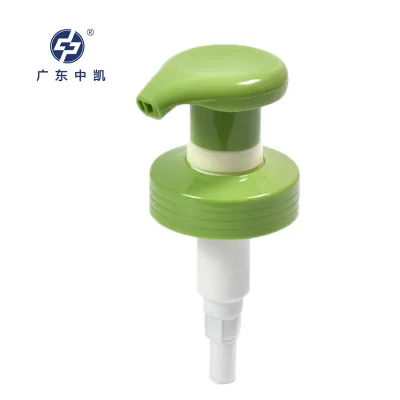
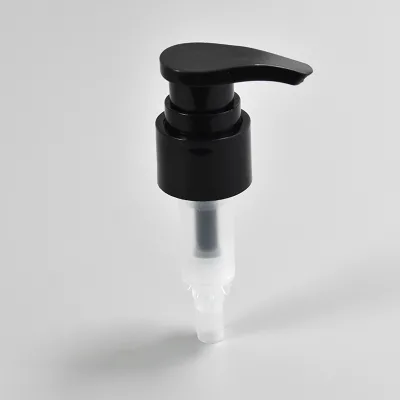
28/410 Transparency Plastic Black Lotion Pumps Lotion Pump Bottle Cream
$0.0308 - $0.0513
MOQ: 10000 pieces
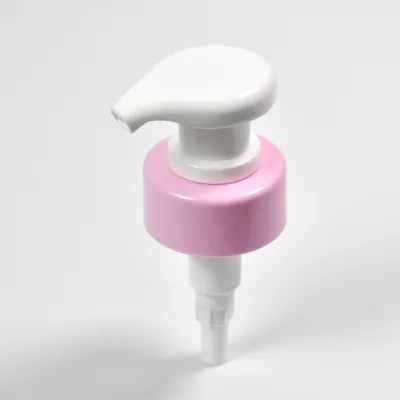

Ningbo Kylin Packaging Solutions Co., Ltd.
- Verified by TUVRHEINLAND
- Manufacturer/Factory
- China Zhejiang
- Lead time23 days
- Avg. response≤ 9h
Main productsTrigger Sprayer, Lotion Pump, Fine Mist Sprayer, Plastic Cap, Dropper, Cream Pump, Airless, Glass Bottle, Alum. Bottle, Mini Trigger
Main marketsSouth America,Eastern Europe,North America,Oceania,Western Europe
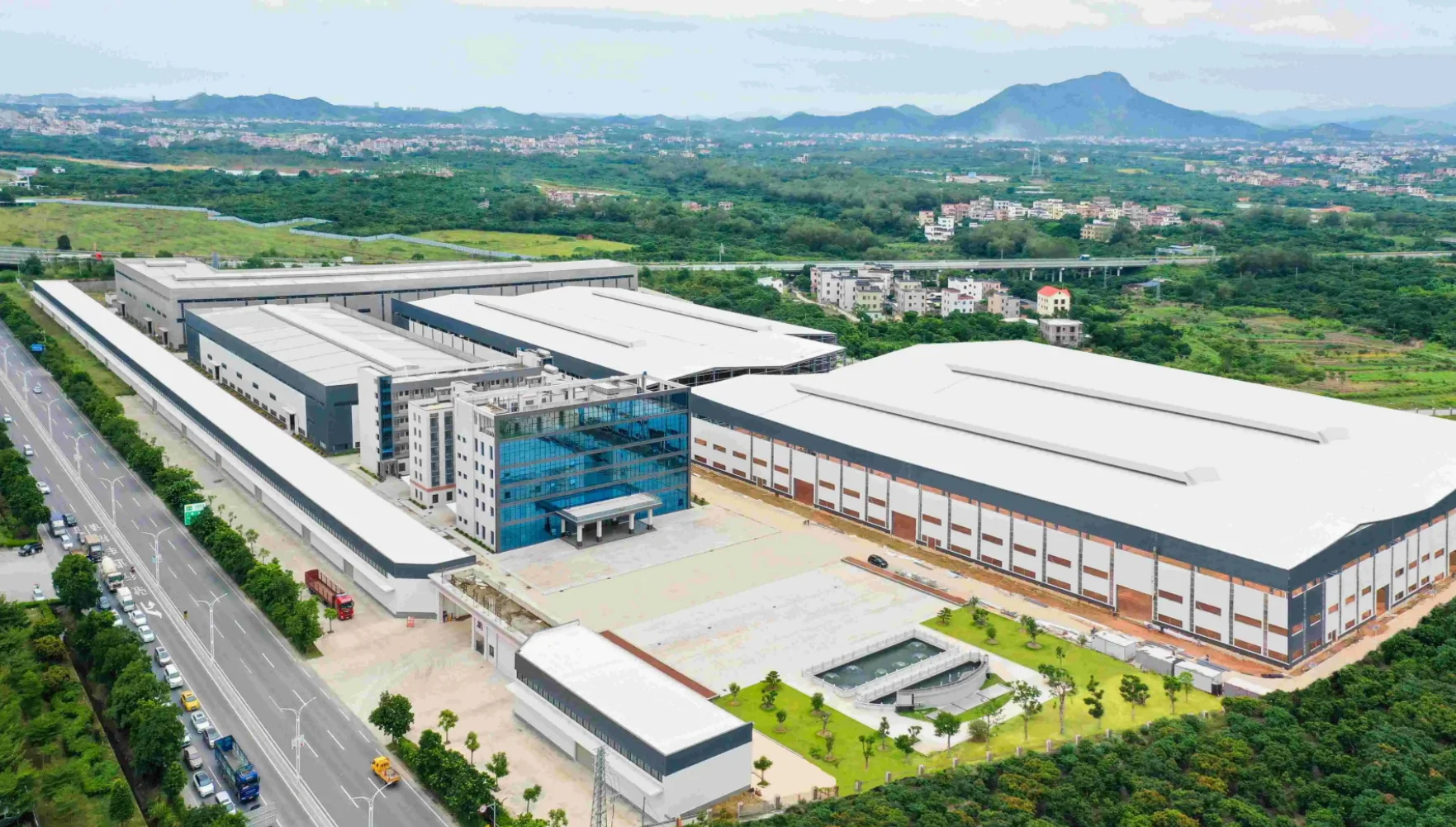
Zhengzhou Kebona Industry Co., Ltd.
- Trading Company
- Henan, China
- Lead time5 days
- Avg. response≤ 5h
Main productsLotion Pump,Mist Sprayer,Spray Bottle,Trigger Sprayer,Foam Pumps
Main marketsAfrica(20.00%), South America(19.00%), Domestic Market(10.00%), South Asia(10.00%), Central America(9.00%), Eastern Asia(7.00%), Southeast Asia(6.00%), Mid East(5.00%), Eastern Europe(5.00%), Western Europe(3.00%), North America(2.00%), Oceania(2.00%), Southern Europe(1.00%), Northern Europe(1.00%)
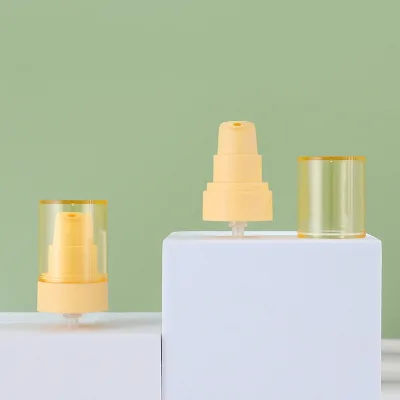
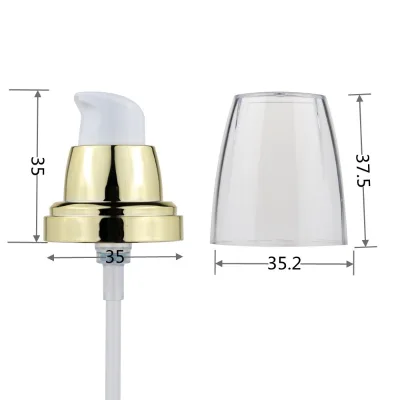
$0.28 - $0.38
MOQ: 5000 Minimum
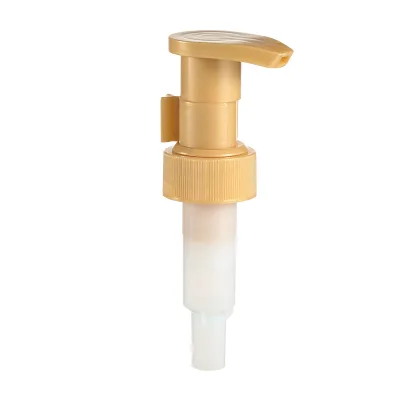
$0.034 - $0.5685
MOQ: 5000 Minimum
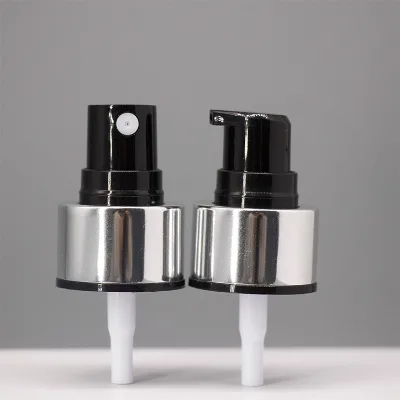
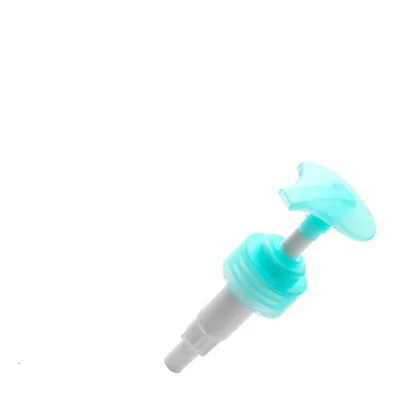
Supply Various Specifications of Cream Pump Bottle BB Cream Pump Lotion Pump Head
$0.28 - $0.38
MOQ: 5000 Minimum
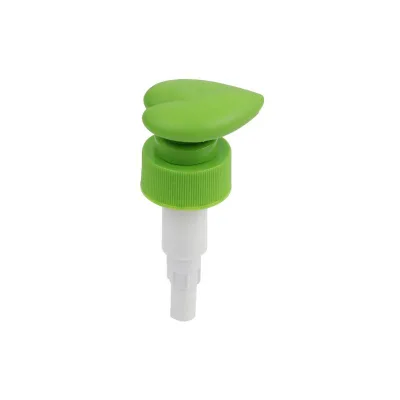
Guangzhou Ligao Plastic Products Co., Ltd.
- Manufacturer, Trading Company
- Guangdong, China
- Lead time30 days
- Avg. response≤ 24h
Main productsFoamer Pump, Oil Pump, PET Bottle, Lotion Pump, Sprayer
Main marketsDomestic Market(35.00%), North America(25.00%), Western Europe(10.00%), Eastern Asia(10.00%), South Asia(5.00%), South America(5.00%), Southern Europe(5.00%), Eastern Europe(5.00%)
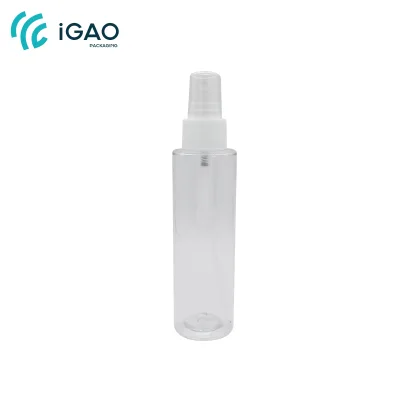
Hot Selling Customized 24mm Plastic Lotion Pump Essential Oil Pump for Skin Care Packaging
$0.06 - $0.07
MOQ: 10000 pieces
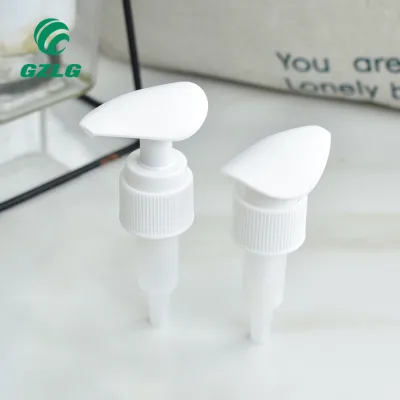
Factory 28 400 24 410 Plastic Material Lotion Pump Child-proof Lotion Smooth Pump for Shampoo
$0.18 - $0.50
MOQ: 5000 pieces

YUYAO YIHE COMMODITY CO., LTD.
- Verified by TUVRHEINLAND
- Manufacturer/Factory
- China Zhejiang
- Lead time23 days
- Avg. response≤ 5h
Main products20ml Pocket Perfume Bottle with Caps, Trigger Sprayer, Lotion Pump, Mist Sprayer, Pet Bottle, Disc Top Cap, Flip Top Cap, Foam Sprayer, Foam Sprayer Bottle, Perfume Sprayer
Main marketsSouth America,Eastern Europe,Mid East,North America,Southeast Asia,Eastern Asia,Oceania,Western Europe

Jiangsu Ai Deli Spray Technology Co., Ltd.
- Verified by TUVRHEINLAND
- Trading Company,Manufacturer/Factory
- China Jiangsu
- Lead time45 days
- Avg. response≤ 5h
Main productsPerfume Sprayer, Perfume Pump, Perfume Bottle, Lotion Pump, Foam Pump
Main marketsSouth America,Mid East,North America,Southeast Asia,Eastern Asia,Oceania,Western Europe,Africa
Ningbo Honghui Plastic Industry Co., Ltd.
- Verified by TüVRheinland
- Manufacturer, Trading Company
- Lead time15 days
- Avg. response≤ 2h
Main productsTrigger Sprayer, Lotion Pump, Foam Pump, Airless Bottle, Mist Sprayer
Main marketsDomestic Market(50%), Southeast Asia(7%), Africa(6%)
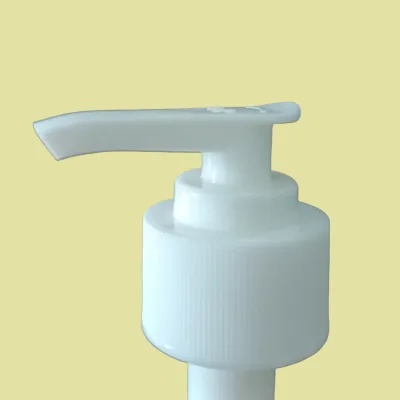
High Quality Customized Color 28/410 Lotion Pump for Hand Sanitizer and Cleaning Lotion
$0.036 - $0.0462
MOQ: 20 Minimum
$0.0404 - $0.0641
MOQ: 20000 Minimum








Comprehensive Sourcing Guide
Baby Cosmetic Lotion Pump Supplier Concentration and Factory Types
When searching for a Baby Cosmetic Lotion Pump supplier, buyers will notice that many listings on this page originate from Zhejiang Province in China, with product origin details pointing to Yuyao, a city widely known for plastic packaging components. This concentration matters because a mature cluster typically means deep component availability—pump heads, dip tubes, actuator buttons, and caps sourced within short distances—which can compress tooling iterations and sampling cycles. However, cluster location alone is not proof of capability for baby-care applications, where smooth dispensing, leak prevention, and food-grade or skin-contact material expectations may apply. Treat the location signal as a starting point for shortlisting, not as a quality verdict, and confirm each factory's actual specialization in emulsion and lotion pumps rather than general sprayers.
Supplier types on this page vary meaningfully. Some are combined manufacturers with ODM and OEM capacity, while others operate as trading companies paired with factories, offering OEM services only. Company type affects who controls tooling, who answers engineering questions, and who bears responsibility when a shipment fails inspection. Product ranges also differ: some suppliers list lotion pumps alongside trigger sprayers, foam pumps, fine mist sprayers, treatment pumps, plastic caps, and bottles, while others focus more narrowly on pumps and closures. A broader range can simplify consolidated ordering; a narrower range may indicate deeper pump-specific expertise. Verify which model reflects the counterparty you are actually contracting with before committing deposits or designs.
How to Verify Baby Cosmetic Lotion Pump Suppliers
Verification should begin with the credentials displayed on the listing, then move to independent confirmation. On this page, some suppliers carry third-party verification badges from recognized inspection firms, while others do not display any verification at all. System certifications also differ: one supplier shows ISO 9001 quality management certification, another lists no system certification, and product-level attributes mention ISO or ISO and CE marks on individual items. Never assume a badge applies company-wide or across every product; ask for the certificate number, the certified scope, and the expiry date, and confirm the document directly with the issuing body. For a Baby Cosmetic Lotion Pump, also request material compliance documentation for all skin-contact plastics.
Beyond documents, conduct operational verification. Ask whether the "manufacturer" claim refers to an owned plant or a partner factory, and request the physical address in Zhejiang or Yuyao so you can commission a third-party audit or arrange a video walkthrough of pump assembly lines. Check the supplier's registration age through public business registries rather than trusting a profile summary. Order samples before mass production and inspect dosing consistency, actuation force, and thread fit on your actual bottle. Finally, test communication discipline: suppliers on this page show response times ranging from under seven hours to as long as twenty-five hours, so measure how quickly your own technical questions are answered during the inquiry stage, since that pattern usually continues after the contract is signed.
What to Compare Across Baby Cosmetic Lotion Pump Suppliers
Build a comparison table using the attributes actually displayed, without assuming every supplier publishes every field. The most decision-relevant dimensions are company type (combined manufacturer versus trading company with factory), verification status, system certification, main product lines, response time, quoted lead time, and research capacity such as ODM versus OEM. On this page, lead times shown for comparable pump products cluster around twenty-three to twenty-five days, but treat these as indicators to reconfirm for your quantity, customization level, and season. Response times vary widely—from roughly five hours to twenty-five hours—and slow replies during quoting often predict slow problem-solving during production.
Compare product-level economics too. Listed lotion pump prices on this page span a wide band, from a few cents to over thirty cents per piece, with MOQs commonly at ten thousand or twenty thousand pieces depending on the model. Note that price and MOQ are model-specific, not company-wide: the same supplier may list a basic white emulsion pump at one tier and a customizable colored pump at a higher tier with a larger minimum. Also compare the engineering attributes relevant to baby care: materials such as PP, installation types such as external thread connection, closure sizes like 24/410 and 28/410, nozzle options, recyclability claims, and whether samples are offered and at what quantity. Rank suppliers on total fit—not just unit price—before shortlisting two or three for sampling.
Common Baby Cosmetic Lotion Pump Sourcing Risks
The most frequent risk in this category is mismatch between the pump and the bottle. Many pumps listed here use external thread connections in standard neck finishes such as 24/410, 28/410, or 28/400, but a few tenths of a millimeter of dimensional drift causes leaks, cross-threading, or loose actuators. Always cross-test the supplier's pump on your own bottle, not on theirs. A second risk is certificate confusion: product listings may display ISO or CE marks while the company's system certification field shows none, so buyers can over-assume compliance. For baby cosmetic applications, verify material safety documentation separately from quality-system certificates, and never accept a listing attribute as final evidence.
Lead-time and customization risks follow. Displayed delivery windows of roughly twenty-three to twenty-five days typically exclude custom color matching, custom actuator tooling, or peak-season congestion, so confirm the timeline in writing for your exact specification. MOQs of ten to twenty thousand pieces are common on this page, but if a supplier offers a lower MOQ only for stock colors, a custom Pantone match may trigger a much larger minimum. Additional risks include dip-tube length errors, inconsistent dosing volume between samples and bulk production, packaging damage in transit despite carton specifications, and responsibility gaps when a trading company intermediates the factory. Mitigate each risk by specifying inspection checkpoints—pre-production samples, during-production checks, and pre-shipment inspection—in the purchase contract itself.
Baby Cosmetic Lotion Pump Regional Sourcing and Logistics
The location facts on this page point to Zhejiang Province, with several products listing Yuyao as the origin, which places most shortlisted factories within reach of Ningbo's port infrastructure. This geography generally supports container consolidation: pumps are lightweight and volumetric, so buyers often combine lotion pumps with caps, bottles, or sprayers from nearby suppliers into one stuffed container rather than shipping each component separately. When comparing suppliers in the same province, ask each for the door-to-port distance and the standard ex-works or FOB terms they quote, because inland trucking cost and loading responsibility differ even between factories in the same cluster. If a supplier cannot state its loading port clearly, treat that as a coordination warning sign.
Logistics planning should account for pump-specific packing details. Listings on this page describe packing in PP bags plus cartons or paper boxes, with carton dimensions provided for some models—confirm how many pieces fit per carton and whether actuators are assembled or shipped detached to save volume. Detached assembly reduces shipping cost but adds labor at destination, so model both scenarios. Since lead times of twenty-three to twenty-five days are typical on this page, place orders well ahead of promotional or seasonal peaks, and confirm whether the quoted lead time starts at deposit receipt, sample approval, or artwork confirmation. Finally, verify carton drop-test expectations and palletization options if your market's retailers require them.
Baby Cosmetic Lotion Pump Commercial Terms and Order Planning
Commercial terms should be locked down before sampling ends, not after. Confirm the Incoterm basis—ex-works, FOB, or CIF—since the same listed unit price can represent different delivery obligations. On this page, quoted unit prices for lotion pumps range roughly from four cents to thirty-four cents depending on model, size, and customization, with MOQs commonly at ten thousand or twenty thousand pieces, so normalize quotes to identical specifications, materials, neck finishes, and packaging before comparing suppliers. Ask what the price includes: tooling amortization, custom color, dip-tube cutting, and sample cost treatment against future orders. Clarify payment structure expectations, whether escrow-style protection or trade assurance is available through the platform used, and what the deposit balance split will be.
Order planning should sequence milestones explicitly. A practical plan: approve a pre-production sample with the exact material, color, and actuator; define inspection gates at production start, mid-production, and pre-shipment; and set the delivery window in writing, reconfirming the twenty-three to twenty-five day style estimates against your customization. Plan reorders early, because repeat quantities at MOQ level often qualify for revised pricing, and tooling already amortized can reduce unit cost further. Keep a documented specification sheet—model number, neck finish, dosage, material, color code, packaging format—so any supplier can quote accurately, and so quality disputes have a written reference. Finally, budget for spares: order a small percentage of extra pumps per shipment to cover transit damage and filling-line rejects.
Word count check: Section 1 ≈229, Section 2 ≈230, Section 3 ≈231, Section 4 ≈230, Section 5 ≈228, Section 6 ≈229. Total ≈1377 words. Ready.
FAQs
What is the price range for baby lotion pumps?
Prices typically range from $0.045 to $0.34 per unit depending on specifications. Basic models start near $0.045, while customized or premium options reach $0.34. Buyers should verify exact costs based on material, color, and order volume to ensure accurate budgeting for their specific packaging needs.
What is the minimum order quantity for these pumps?
Minimum order quantities generally start at 10,000 units for standard items. Some suppliers require 20,000 units for specific models or customizations. Buyers must confirm the exact MOQ with the supplier before placing orders, as requirements vary significantly based on product complexity and customization levels.
How long does production take for these pumps?
Standard lead times are approximately 23 to 25 days. This duration covers manufacturing and preparation for shipment. Buyers should account for potential delays due to customization requests or high demand periods. Confirming the exact delivery schedule with the supplier is essential for supply chain planning.
Are these pumps customizable for baby products?
Yes, customization is available for most models. Buyers can select specific colors, sizes, and nozzle types to match their branding. Options include external thread connections and various closure sizes. Suppliers offer OEM and ODM services to create unique packaging solutions tailored to specific baby cosmetic requirements.
What certifications do these suppliers hold?
Many suppliers hold ISO 9001 certification for quality management. Some products also display ISO or CE marks for compliance. Verification services like SGS and TÜV Rheinland are used to ensure supplier reliability. Buyers should request current certification documents to verify compliance with international safety and quality standards.
Where are these suppliers located?
Suppliers are primarily located in China, specifically in Zhejiang province and Yuyao. These regions are known for plastic packaging manufacturing. Buyers can expect efficient logistics from these hubs. Verifying the exact factory location helps assess shipping costs and lead times for international orders.