Screen Printing Cream Pill Jar Suppliers and Manufacturers
Source Screen Printing Cream Pill Jar options from 32 verified suppliers. Compare lead times, MOQs, certifications, and response rates to find the right partner. Contact suppliers directly to request samples and pricing details; review the available evidence before requesting comparable quotations from suitable candidates.
Updated
Suppliers List
Shanghai Bropack Trade Co., Ltd.
- Trading Company
- Shanghai, China
- Lead time30 days
- Avg. response≤ 2h
Main productsPlastic Jar, Plastic Cap, Plastic Bottle, Airless Jar, Plastic Pump
Main marketsNorth America(30.00%), Western Europe(30.00%), Southeast Asia(20.00%), Eastern Europe(10.00%), Northern Europe(5.00%), Mid East(5.00%)
$0.04
$0.30

Yuyao Zhuoxin Import & Export Co., Ltd.
- Trading Company,Manufacturer/Factory
- China Zhejiang
- Lead time0 days
- Avg. response≤ 13h
Main productsTrigger Sprayer, Lotion Pump, Mist Sprayer, Cream Pump, Plastic Vacuum Bottle, Plastic Acrylic Jar, Plastic Cap, Card/Pen Perfume Sprayer, Lipstick Case, Cream Jar
Main marketsSouth America,Eastern Europe,Mid East,North America,Southeast Asia,Eastern Asia,Oceania,Western Europe,Africa

Shangyu Shengruisi Packaging Co., Ltd.
- Verified by CTI
- Combined
- China Zhejiang
- Lead time60 days
- Avg. response≤ 9h
Main productsRoll on Bottle, Roller Bottle, Airless Bottle, Perfume Bottle, Essential Oil Bottle, Cosmetic Packaging, Plastic Bottle, Make up Series, Pet Bottle, Cosmetic Jar
Main marketsSouth America,Southeast Asia/ Mideast,East Asia(Japan/ South Korea),Europe,Australia,North America

Yuyao Xianghao Mold Technology Company Limited
- Verified by BV
- Trading Company
- China Zhejiang
- Lead time30 days
- Avg. response≤ 7h
Main productsInjection Mold, Plastic Mold, Injection Molding, Rapid Prototyping, 3D Pritting, Manhole Cover Mold, Silicone Rubber Mould, Wire Rack, Car Air Compressor, LED Light
Main marketsNorth America

NINGBO UBPACK PACKAGING CO., LTD
- Verified by CTI
- Trading Company
- China Zhejiang
- Lead time30 days
- Avg. response≤ 4h
Main productsPlastic Packaging, Trigger Spray, Plastic Mold, Lotion Pump, Airless Bottla, Aluminum Bottle
Main marketsSoutheast Asia/ Mideast,Europe,North America
Hangzhou Rainbow Packaging Co., Ltd.
- Verified by SGS Group
- Manufacturer, Trading Company
- Lead time30 days
- Avg. response≤ 7h
Main productsGlass Bottle, Plastic Bottle
Main marketsNorth America(33%), South America(15%), Western Europe(12%)
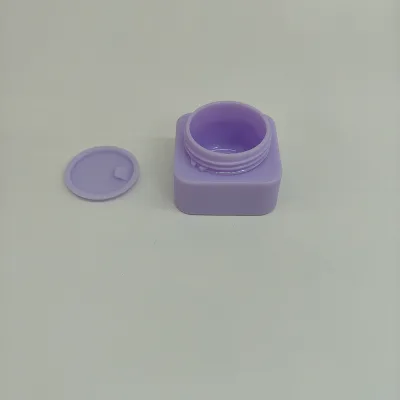
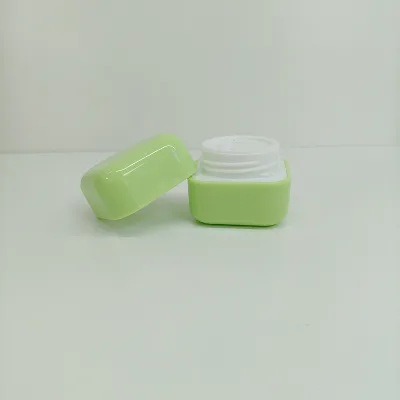
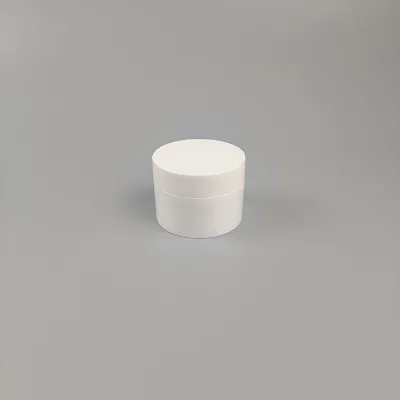
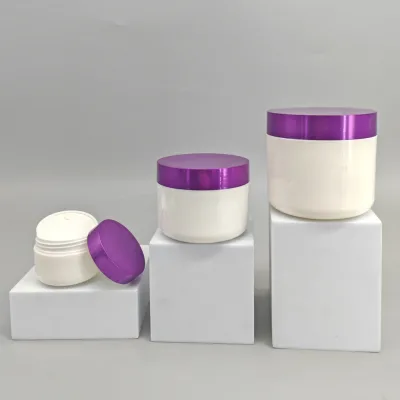
5g Double Wall Purple Plastic Cream Jars, Special Shape PP Plastic Jar with Screw Lid
$0.0786 - $0.2798
MOQ: 10 Minimum
Jieting Packaging Products (Hebei) Co., Ltd.
- Verified by Intertek
- Trading Company
- Lead time30 days
- Avg. response≤ 2h
Main productsGlass Jar, Glass Bottle, Plastic Jar, Plastic Bottle, Plastic Tube
Main marketsNorth America(40%), Eastern Europe(10%), Western Europe(10%)
Hangzhou Sunshine Packaging Technology Co., Ltd.
- Verified by SGS Group
- Trading Company
- Lead time30 days
- Avg. response≤ 4h
Main productsBottles
Main marketsNorth America(35%), Mid East(30%), Eastern Asia(15%)

Kinpack(Ningbo) Packaging Technology Co., Ltd.
- Manufacturer/Factory
- China Zhejiang
- Lead time23 days
- Avg. response≤ 9h
Main productsAirless Bottle, Glass Bottle, Trigger Sprayer
Main marketsSouth America,Eastern Europe,Mid East,North America,Southeast Asia,Eastern Asia,Oceania,Western Europe,Africa
Guangzhou Jiatai Plastics Co., Ltd.
- Manufacturer
- Guangdong, China
- Lead time15 days
- Avg. response≤ 3h
Main productscosmetic bottles,plastic bottles,nail bottles,acrylic bottles,cosmetic jar
Main marketsSouth Asia(30.00%), Central America(10.00%), Africa(9.00%), Eastern Asia(8.00%), North America(5.00%), Western Europe(5.00%), Northern Europe(5.00%), South America(5.00%), Southern Europe(4.00%), Southeast Asia(2.00%), Domestic Market(2.00%), Mid East(2.00%), Eastern Europe(2.00%), Oceania(2.00%)

guangzhou huaxin plastic product co.ltd
- Verified by CTI
- Combined
- China Guangdong
- Lead time30 days
- Avg. response≤ 4h
Main productsPlastic Tube, Cosmetic Tube, Soft Tube, Plastic Tube Packaging, PE Tube, Clear Plastic Tube, Hand Cream Tube, Eye Cream Tube, Pet Bottle, Cosmetic Jar
Main marketsSouth America,Africa,Southeast Asia/ Mideast,East Asia(Japan/ South Korea),Domestic,Europe,Australia,North America

Xuzhou Youchum International Trade Co., Ltd.
- Verified by SGS
- Trading Company
- China Jiangsu
- Lead time15 days
- Avg. response≤ 8h
Main productsGlass Bottle, Cosmetic Packaging, Household, Liquor Packagin, Food Packaging, Cartons, Cardboard Box, Essential Oil Packaging
Main marketsEurope


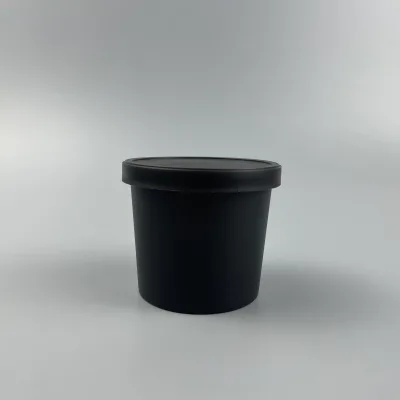
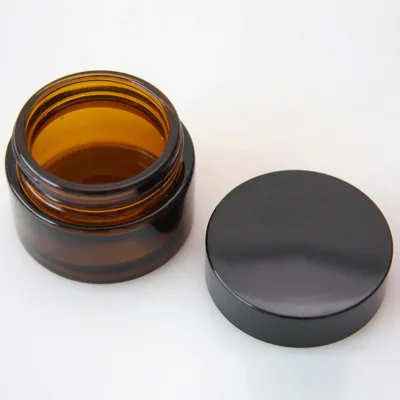
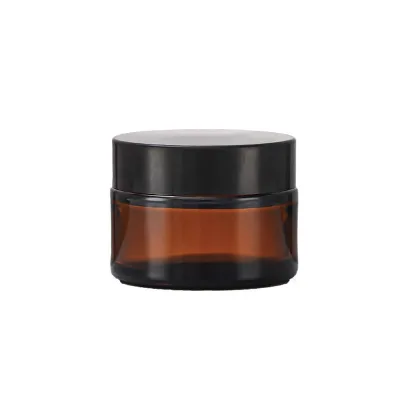
Customized Cosmetic Clear Round Glass Cream Jars with Black Plastic Lids
$0.05 - $0.11
MOQ: 1000 Pieces
Guangzhou Bright Smart Enterprise Limited
- Verified by Intertek
- Manufacturer, Trading Company
- Lead time15 days
- Avg. response≤ 3h
Main productsPlastic Bottles, Plastic Jars, Plastic Lotion Pump, Plastic Sprayer, Plastic Caps
Main marketsDomestic Market(30%), North America(15%), Mid East(13%)
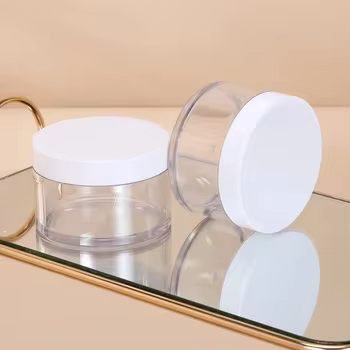
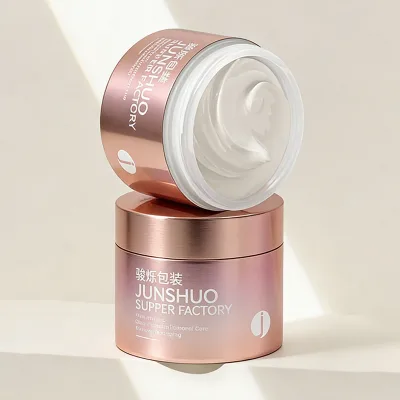
Custom 120ml Double Wall PP Cream Jar with Holographic Laser Effect Eco Friendly Cosmetic Packaging
$0.205 - $0.2259
MOQ: 5000 pieces
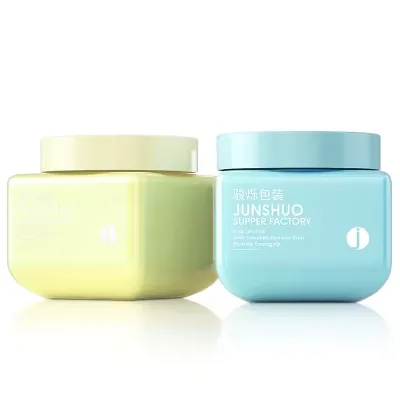
New Design 250ml Solid Color PET square Shape Cream Jar with Solid Color Screw Lid
$0.2708 - $0.2902
MOQ: 5000 pieces

Guangzhou Jialian Trading Co., Ltd.
- Manufacturer, Trading Company
- Guangdong, China
- Lead time20 days
- Avg. response≤ 3h
Main productsGlass Bottlle,Plastic Bottle,Soft Tubes,Lipstick Tubes,Paper Boxes
Main marketsNorth America(30.00%), Mid East(10.00%), Oceania(10.00%), Eastern Europe(10.00%), South America(10.00%), Africa(5.00%), Southeast Asia(5.00%), Eastern Asia(4.00%), Southern Europe(3.00%), Northern Europe(3.00%), Central America(3.00%), Western Europe(3.00%), Domestic Market(2.00%), South Asia(2.00%)

Ningbo Passen Technology Co., Ltd.
- Verified by BV
- Trading Company
- China Zhejiang
- Lead time30 days
- Avg. response≤ 10h
Main productsWide Mouth Jar, Cosmetic Bottle, Plastic Bottle, Cosmetic Jar, Cosmetic Packaging, Aluminum Bottle, Cream Jar, Plastic Packaging, Aluminum Jar, Lotion Bottle
Main marketsSouth America,Africa,Southeast Asia/ Mideast,East Asia(Japan/ South Korea),Europe,Australia,North America
- Trading Company
- Shandong, China
- Lead time35 days
- Avg. response≤ 5h
Main productsAirless Bottle,Lotion Bottle,Cosmetic Jar,Plastic cap,Trigger Sprayer
Main marketsWestern Europe(44.00%), North America(20.00%), Eastern Europe(15.00%), Mid East(12.00%), Oceania(5.00%), Southeast Asia(3.00%), Eastern Asia(1.00%)

- Verified by CTI
- Trading Company
- China Zhejiang
- Lead time30 days
- Avg. response≤ 3h
Main productsAirless Bottle, Glass Bottle, Comb, Cosmetic Packaging, Food Packaging, Sprayer, Lotion Pump Machine, Gift, Roll on Ball
Main marketsAfrica,Southeast Asia/ Mideast


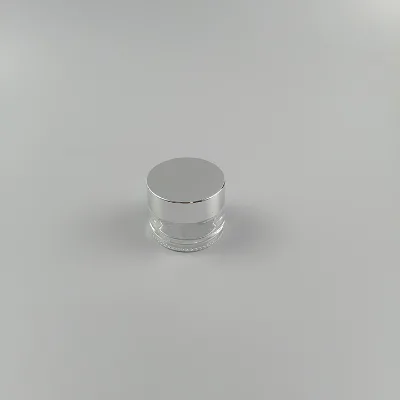
Transparent Glass Cream Jars with Silver - Rimmed White Lids - Ideal for Cosmetics
$0.72 - $0.80
MOQ: 10000 Pieces

Ningbo Beyon Plastic Co., Ltd.
- Manufacturer
- Zhejiang, China
- Lead time25 days
- Avg. response≤ 7h
Main productsPET Bottles, Airless Bottle, PET Thick Wall Bottle, Travel Kit, Sprayer Parts
Main marketsNorth America(30.00%), Southern Europe(20.00%), Domestic Market(20.00%), Southeast Asia(20.00%), Oceania(5.00%), Eastern Asia(5.00%)

Shaoxing Xinglong Packaging Technology Co., Ltd.
- Verified by SGS
- Trading Company,Manufacturer/Factory
- China Zhejiang
- Lead time150 days
- Avg. response≤ 5h
Main productsPlastic Bottle, Plastic Airless Bottle, Glass Bottle, Plastic Jar, Coametic Bottle, Foundation Bottle, Lotion Bottle, Glass Jar, Dropper Bottle, Spray Bottle
Main marketsSouth America,Eastern Europe,Mid East,North America,Southeast Asia,Eastern Asia,Western Europe,Africa


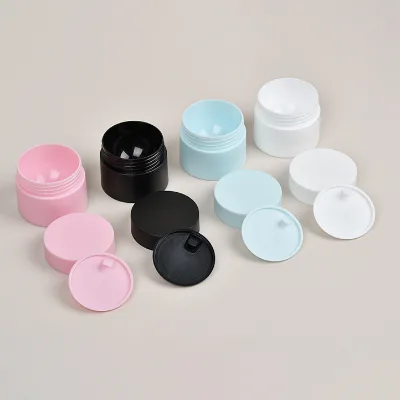
Colorful and Multiple Specification PP Cream Jar for Eye Cream and Face Cream
$0.24 - $0.25
MOQ: 5000 pieces

Newly Design Factory Direct Sale PP Cream Jar with Spoon Replaceable Small Container
$0.37 - $0.39
MOQ: 10000 pieces


The Most Attractive Design Small Plastic Container Cream Jar with Mirror and Spoon
$0.59 - $0.60
MOQ: 5000 pieces
Guangdong Idealpak Plastics Tech Co., Ltd.
- Verified by SGS Group
- Manufacturer, Trading Company
- Lead time30 days
- Avg. response≤ 3h
Main productsPlastic Bottles, Plastic Jars, Plastic Caps, Plastic Tubes, Injection Products
Main marketsNorth America(40%), Oceania(15%), Eastern Europe(10%)

Ningbo Langyi Plastic Industry Co., Ltd.
- Verified by TUVRHEINLAND
- Combined
- China Zhejiang
- Lead time23 days
- Avg. response≤ 3h
Main productsCosmetic Packaging, Trigger Sprayer, Mist Sprayer, Lotion Pump, Cream Pump, Cosmetic Bottle, Acrylic Bottle, Airless Bottle, Cream Jar, Packaging Bottles
Main marketsSouth America,Southeast Asia/ Mideast,Europe

HANG ZHOU KOSMETEK INDUSTRY CO., LTD.
- Verified by CTI
- Trading Company,Manufacturer/Factory
- China Zhejiang
- Lead time23 days
- Avg. response≤ 25h
Main productsTrigger Sprayer, Lotion Pump, Mist Sprayer, Foam Pump, Nail Polish Bottle, Perfume Sprayer, Pet Preforms, Nail Polish Pump, Plastic Cap, Pet Bottles
Main marketsSouth America,Eastern Europe,Mid East,North America,Southeast Asia,Eastern Asia,Oceania,Western Europe,Africa

Guangzhou Shengni Plastic Products Co., Ltd.
- Verified by SGS
- Trading Company
- China Guangdong
- Lead time15 days
- Avg. response≤ 4h
Main productsPlastic Bottle, Plastic Cap, Plastic Pump, Fine Mist Sprayer, Plastic Preform, Trigger Sprayer, Cream Pump, Sprayaer Bottle, Sprayer Pump, Lotion Bottle
Main marketsAfrica,Southeast Asia/ Mideast,Europe


Manufacturers Wholesale Printing Screw Lid Cream Storage Containers 500ml Round Plastic Jars
$0.07 - $0.30
MOQ: 10000 Pieces
Guangzhou Wusu Plastic Products Co., Ltd.
- Manufacturer, Trading Company, Distributor/Wholesaler
- Guangdong, China
- Lead time15 days
- Avg. response≤ 4h
Main productsplastic pet bottle,disinfecting water bottle,cosmetic hose,Nail bottle,Hand washing bottle
Main marketsNorth America(35.00%), Domestic Market(25.00%), Southeast Asia(20.00%), Mid East(10.00%), Africa(5.00%), Oceania(5.00%)

Qingdao Xinte Packaging Co., Ltd.
- Verified by TUVRHEINLAND
- Trading Company,Manufacturer/Factory
- China Shandong
- Lead time15 days
- Avg. response≤ 7h
Main productsGlass Jar, Glass Bottles, Plastic Bags, Perfume Bottle, Dropper Bottles, Paper Box, Tin Box, Glass Syringe, Glass Tubes, Plastic Bottle
Main marketsSouth America,Eastern Europe,North America
Xiamen Finepack Industrial Co., Ltd.
- Verified by Intertek
- Trading Company
- Lead time25 days
- Avg. response≤ 2h
Main productsPET Bottle, HDPE Bottle, PET Jar, PP Jar, Plastic Cap
Main marketsNorth America(26%), Western Europe(25%), Oceania(15%)

Shandong Jingyuan Glass Co., Ltd.
- Verified by SGS
- Trading Company
- China Shandong
- Lead time30 days
- Avg. response≤ 8h
Main productsGlass Bottle, Glass Jar, Glass Perfume Bottle, Glass Wine Bottle, Glass Beverage Bottles, Glass Dropper Bottle
Main marketsDomestic,Europe

Glass Cream Jar with Airtight Lid for Skincare Cosmetic Cream Packaging
$0.15 - $0.28
MOQ: 1000 Pieces


Ningbo Kylin Packaging Solutions Co., Ltd.
- Verified by TUVRHEINLAND
- Manufacturer/Factory
- China Zhejiang
- Lead time23 days
- Avg. response≤ 9h
Main productsTrigger Sprayer, Lotion Pump, Fine Mist Sprayer, Plastic Cap, Dropper, Cream Pump, Airless, Glass Bottle, Alum. Bottle, Mini Trigger
Main marketsSouth America,Eastern Europe,North America,Oceania,Western Europe

Ningbo Beixuan International Trading Co., Ltd.
- Verified by TUVRHEINLAND
- Manufacturer/Factory
- China Zhejiang
- Lead time15 days
- Avg. response≤ 9h
Main productsPlastic Bottle, Plastic Cup, Plastic Honey Jar, Plastic Food Container, Glass Juice/ Beverage Bottle, Glass Jar, Glass Wine Bottle, Glass Essential Oil Bottles, Cosmetic & Perfume Glass Bottles, Paper Cup
Main marketsSouth America,Eastern Europe,Mid East,North America,Southeast Asia,Eastern Asia,Oceania,Western Europe,Africa
Jiangyin Beauty Packaging Material Co., Ltd.
- Verified by SGS Group
- Trading Company
- Lead time20 days
- Avg. response≤ 5h
Main productsPlastic Bottles, Glass Bottles, Aluminum Bottle, Sprayer, Cap
Main marketsNorth America(30%), Eastern Europe(10%), Southeast Asia(10%)

- Verified by SGS
- Manufacturer/Factory
- China Shanghai
- Lead time30 days
- Avg. response≤ 3h
Main productsCosmetic Packaging, Glass Dropper Bottle, Cosmetic Jar, Essential Oil Bottle, Glass Jar, Glass Bottle, Roll on Glass Bottle, Plastic Bottle, Airless Bottle and Jar, Personal Care
Main marketsSouth America,Eastern Europe,Mid East,North America,Southeast Asia,Eastern Asia,Oceania,Western Europe,Africa
Hebei Meibo Packaging Products Co., Ltd.
- Verified by SGS Group
- Trading Company
- Lead time20 days
- Avg. response≤ 2h
Main productsPlastic Bottle, Glass Bottle, Glass Jar, Candle Jar, Food Jar
Main marketsNorth America(50%), South America(10%), Eastern Europe(5%)








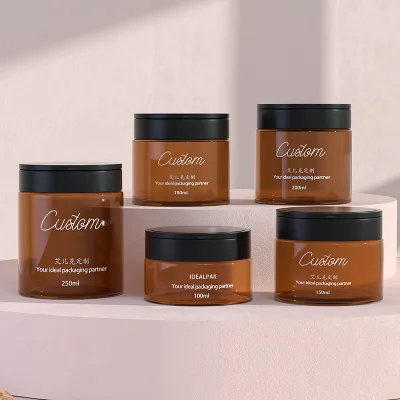








Comprehensive Sourcing Guide
Screen Printing Cream Pill Jar Supplier Concentration and Factory Types
When you search for Screen Printing Cream Pill Jar suppliers, the results you see will usually mix two very different business models. Some listings are manufacturers or factories that produce plastic or glass jars in-house and can control the decoration process directly. Others are trading companies or combined operations that buy from multiple factories and consolidate quality checks, printing, and export paperwork. Neither model is inherently better: factories may offer tighter control over screen printing alignment and mold consistency, while trading companies often cover a wider product range, including jars, caps, pumps, and sprayers, which helps if you want matched components from one source. Study the company type label on each listing rather than assuming a supplier is a factory.
Geographic clustering matters in this category because jar molding, decoration, and cap supply tend to sit near each other. When a supplier's location is displayed in the results, treat it as a signal for logistics planning and component sourcing, since regions with dense packaging suppliers often shorten the distance between the resin, the jar body, the cap, and the printing workshop. If location data is missing or vague, do not guess. Instead, ask each supplier directly where the jars are molded, where printing happens, and whether those steps occur at the same site. Document their answers, because the answers will reveal whether you are dealing with one integrated factory or a chain of subcontractors whose consistency you must verify separately.
How to Verify Screen Printing Cream Pill Jar Suppliers
Verification should begin with the attributes displayed on the listing, then move to questions the listing does not answer. Check whether the supplier shows a system certification, such as an ISO-type quality management credential, and ask for the current certificate document rather than accepting the badge. Some results also show third-party verification of the business, which is worth noting but should not replace your own checks. Request the business license, confirm the registered scope covers packaging or cosmetics, and match the legal entity name to the bank account that will receive your deposit. A supplier whose listing shows cosmetic-grade product applications should be able to state which materials they use and why they suit skin care products.
Next, verify actual capability rather than paperwork. Ask each supplier to send recent photos or videos of screen printing on jars similar in diameter and material to yours, because printing on curved plastic surfaces is a distinct skill from decorating flat items. Request a printed sample with your artwork before committing to production, and note which suppliers offer in-stock samples and which charge for them. Ask who owns the printing screens and who is responsible for color matching between production runs. Finally, confirm the production location and staffing during your peak season, since a supplier juggling seasonal orders may deprioritize a smaller buyer. Keep a simple verification scorecard per supplier so you can compare evidence, not impressions.
What to Compare Across Screen Printing Cream Pill Jar Suppliers
Build a comparison table using the dimensions that appear in supplier data. Main products tell you whether a jar specialist sits alongside caps, pumps, sprayers, and bottles, which matters if you need a full packaging set. Response time, when displayed, is a useful proxy for account management; some listings show very fast replies while others show response times measured in hours, and both patterns are informative. Lead time figures vary widely across this category, so record each supplier's stated production window after deposit rather than assuming a category norm. Company type, verification status, and certifications should also appear in your table, along with the supplier's capacity for OEM or ODM work if you need custom tooling or custom decoration.
Beyond labels, compare the product evidence itself. Some suppliers list specific jar models with capacities ranging from small sample sizes through larger cream jars, sample lead times of several days, production windows after deposit, and screw-cap sealing types; others publish less detail, and the absence of detail is itself a data point. Record whether customization is explicitly offered, what decoration methods are named, and what sizes or standards are published. Ask every supplier the same questions about screen printing durability, ink types, and minimum order quantities so the answers are comparable. Do not penalize a supplier for an attribute the listing never displayed; simply flag it as unverified and resolve it through direct inquiry before shortlisting.
Common Screen Printing Cream Pill Jar Sourcing Risks
The most frequent risk in this category is a mismatch between the printed sample and mass production. A hand-printed or lab-printed sample may show crisp registration and accurate color, while the production line uses different screens, inks, or curing conditions. Protect yourself by specifying that the golden sample must be produced on the actual production equipment, and by agreeing in writing on acceptable tolerances for color and artwork placement. A second risk is material ambiguity: listings may say plastic without specifying the resin, and some jars marketed as glass may use different glass grades. If your product is skin care, ask what material is used, whether it suits cosmetic applications, and what documentation supports that claim.
Other risks cluster around order mechanics. Some suppliers advertise very low unit prices that apply only at high volumes or only for a specific size, so confirm the price that applies to your exact capacity, decoration, and packaging requirements. Customized orders may carry longer lead times than stock items, and a supplier whose standard lead time is short may still quote a longer window once printing and packing are customized. Payment structure is another pressure point: deposits paid before production are standard, but you should know what recourse you have if the run fails inspection. Finally, beware of leakage and quality claims presented as absolutes in marketing copy; request test evidence or inspect goods yourself instead of relying on slogans.
Screen Printing Cream Pill Jar Regional Sourcing and Logistics
Where a supplier is based shapes your freight cost, transit time, and consolidation options more than most buyers expect. Results in this category show suppliers concentrated in packaging-heavy regions of China, including a major commercial hub and an eastern coastal province known for packaging components, and some product listings even display the specific city of origin for individual items. When a supplier displays its location, map it against nearby ports and component suppliers: a factory close to a major export port reduces inland haulage, and a cluster of cap, jar, and printing specialists nearby allows faster replacement of defective components. If a listing does not show a location, ask directly and verify the answer against the shipping address on the quotation.
Logistics planning should also account for the product's physical profile. Jars are bulky relative to their weight, so carton dimensions, stacking strength, and container utilization deserve attention before you compare unit prices. Ask each supplier how goods are packed; some listings specify multi-layer corrugated cartons, which is a reasonable baseline for export, but you should still confirm carton specs for your order size. If you plan to source jars from one region and caps or pumps from another, decide who assembles and who books freight, since mixed-origin consolidation adds coordination cost. Finally, confirm Incoterms early, because a supplier's quoted price may assume terms that differ from your standard purchasing policy, and reconciling this late delays shipment.
Screen Printing Cream Pill Jar Commercial Terms and Order Planning
Commercial terms in this category vary enough that you should normalize them before comparing suppliers. Unit prices displayed on listings can range from a few cents for small plastic jars to substantially more for glass versions, but those figures often reflect a single size or configuration, so always request a quotation for your exact specification. Minimum order quantities also differ sharply; some products list MOQs in the thousands of pieces, others in the tens of thousands, and stock or promotional items may carry different thresholds than customized runs. Confirm whether MOQ changes when screen printing is added, whether mixed sizes can share an order, and what happens to pricing at your realistic annual volume rather than at a one-trial purchase.
Order planning should start from your delivery deadline and work backward. Add the supplier's stated production lead time after deposit, plus sample development time if custom printing is required, plus transit, customs clearance, and inland delivery. Build in buffer for one inspection cycle and one corrective reprint, because first-run printing defects are common enough to plan for. Agree on payment structure, acceptance criteria, and who pays for rejected units before paying any deposit, and document the golden sample on both sides. For repeat business, negotiate a framework covering screen retention, reorder lead times, and price validity periods. Keep reorder thresholds in mind: a supplier whose MOQ fits your first order may price reorders differently once tooling and screens are amortized.
FAQs
What is the price range for plastic cream jars?
Plastic cream jars are available from $0.04 to $0.57 per unit. Specific models like the 3g cream jar start at $0.04, while specialized jars with tweezers cost around $0.57. Prices vary based on material, capacity, and customization options selected by the buyer.
What are the typical lead times for production?
Production lead times generally range from 25 to 60 days. Some suppliers offer a production time of 25-30 days after receiving a deposit, while others may require up to 60 days. Sample times are typically 4-6 days, allowing for quick evaluation before bulk orders.
What is the minimum order quantity for these jars?
Minimum order quantities vary by supplier and product type. Some aluminum cream jars require a minimum of 5,000 pieces, while glass cream jars with aluminum caps may require 10,000 pieces. Buyers should verify specific MOQs with suppliers to ensure alignment with their inventory needs.
Are these jars suitable for cosmetic packaging?
Yes, these jars are specifically designed for cosmetic and skin care applications. Products are labeled with industrial uses such as cosmetic packaging, face cream jars, and lotion jars. Materials include plastic, glass, and aluminum, ensuring compatibility with various cosmetic formulations and branding requirements.
What certifications do the suppliers hold?
Suppliers hold various certifications including ISO 9000, QC 080000, and ISO9001:2015. Some products also list ISO9001 certification. These certifications indicate adherence to quality management standards, ensuring reliable production processes and product consistency for international buyers seeking compliant packaging solutions.
Where are these suppliers located?
Suppliers are located in Shanghai, China, and Zhejiang, China, with some products originating from Ningbo. These regions are known for manufacturing packaging materials, providing buyers with access to established supply chains and efficient logistics for exporting cosmetic jars and containers globally.
Can suppliers provide OEM or ODM services?
Yes, many suppliers offer OEM and ODM services. Capabilities include customization of materials, sizes, and logos via silk printing or hot stamping. Buyers can request customized packing and specific models, allowing for unique branding and product differentiation in the competitive cosmetic packaging market.