Biodegradable Plastic Film Blowing Machine Suppliers and Manufacturers
Find 29 verified suppliers offering biodegradable plastic film blowing machines with CE and ISO 9001 certifications. Compare response times, lead times, and production capacities to source reliable factories in Zhejiang, China for your packaging needs; review the available evidence before requesting comparable quotations from suitable candidates.
Updated
Suppliers List

Ruian Queensense Machine Co., Ltd.
- Verified by BV
- Combined
- China Zhejiang
- Lead time30 days
- Avg. response≤ 25h
Main productsFilm Blowing Machine, Bag Making Machine, Printing Machine, Recycling Machine, Packaging Machine, Thermoforming Machine, Stretch Film Making Machine, Bubble Film Making Machine, Extruding Machine, Slitting & Rewinding Machine
Main marketsSouth America,Africa,Southeast Asia/ Mideast,Europe,North America

Film Blowing Machine Bio Plastic Machine Biodegradable Film Blowing Machine
$16000.00 - $16500.00
MOQ: 1 Sets


Ruian Mingfeng Machinery Co., Ltd.
- Manufacturer/Factory
- China Zhejiang
- Lead time23 days
- Avg. response≤ 2h
Main productsFilm Blowing Machine, Bag Making Machine, Glove Making Machine, Slitting and Rewinding Machine, Flexo Printing Machine, Plastic Recycling Machine, Paper Sheeting Machine, Plastic Bag Making Machine, Slitting Machine, Slitter Rewinder
Main marketsSouth America,Eastern Europe,Mid East,North America,Southeast Asia,Eastern Asia,Oceania,Western Europe,Africa

Polyethylene PE Film Blowing Machine Biodegradable Plastic Film Blowing Machine
$7500.00 - $8500.00
MOQ: 1 Sets


Plastic Film Blowing Machine Price Plastic Blowing Machine Film Blowing Machine
$7500.00 - $8500.00
MOQ: 1 Sets


Good Quality High Speed PE Biodegradable Plastic Film Blowing Machine
$12000.00 - $18000.00
MOQ: 1 Sets
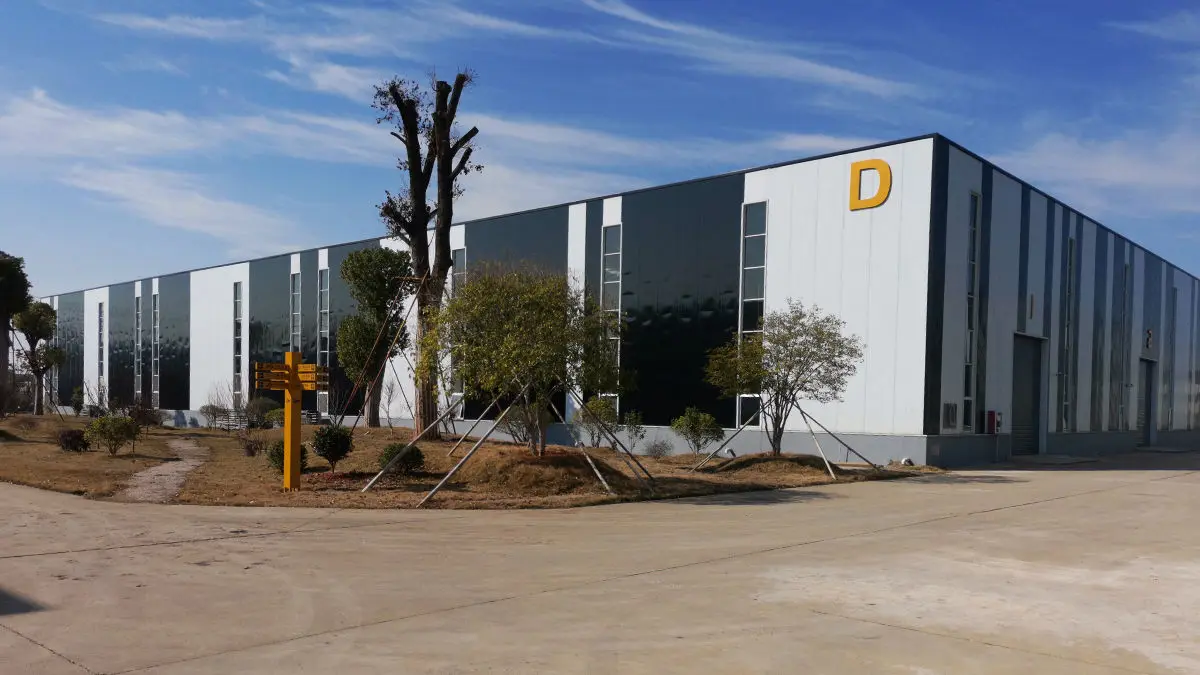
Wenzhou Sanhui Machinery Manufacturing Co., Ltd.
- Manufacturer, Trading Company
- Zhejiang, China
- Lead time40 days
- Avg. response≤ 3h
Main productsFilm Blowing Machine,Printing Machine,Slitting Machine,Bag Making Machine,Center Sealing Machine Series
Main marketsNorth America(38.00%), Eastern Europe(20.00%), South America(15.00%), Eastern Asia(6.00%), Western Europe(5.00%), Oceania(5.00%), Africa(5.00%), Mid East(3.00%), Southeast Asia(3.00%)
Ruian Huana Machinery Co., Ltd.
- Manufacturer, Trading Company
- Zhejiang, China
- Lead time30 days
- Avg. response≤ 10h
Main productsFilm machine,Bag machine,Printing machine,Recycling machine
Main marketsAfrica(30.00%), Domestic Market(28.00%), Mid East(15.00%), Eastern Europe(10.00%), South America(10.00%), Southeast Asia(5.00%), South Asia(2.00%)
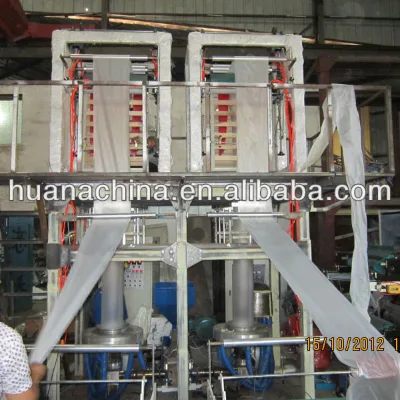
Single Layer Film Blowing Machine Plastic Film Blowing Machine
$11500.00 - $12000.00
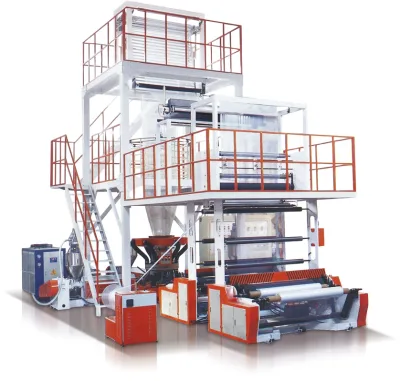
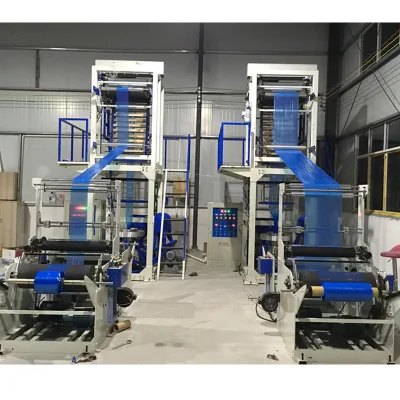
Medical Use Plastic Film Blowing Machine PE Film Extruder
$7500.00 - $7800.00
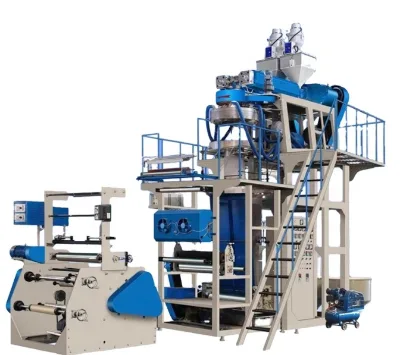
Ruian Tplast Machine Co., Ltd.
- Verified by TüVRheinland
- Manufacturer, Trading Company
- Lead time30 days
- Avg. response≤ 4h
Main productsBag Making Machine, Film Blowing Machine
Main marketsMid East(30%), North America(25%), South America(20%)
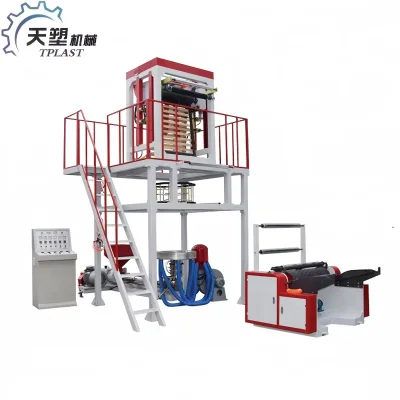
$17647.6324 - $17955.44
MOQ: 1 sets
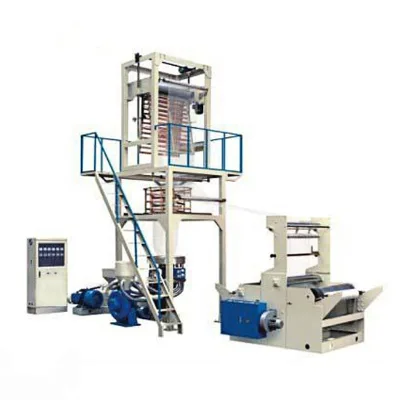
$16655.8246 - $16964.2658
MOQ: 1 sets
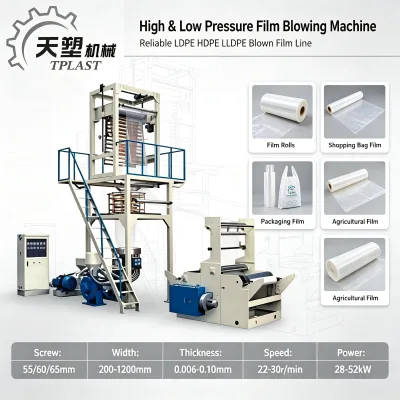
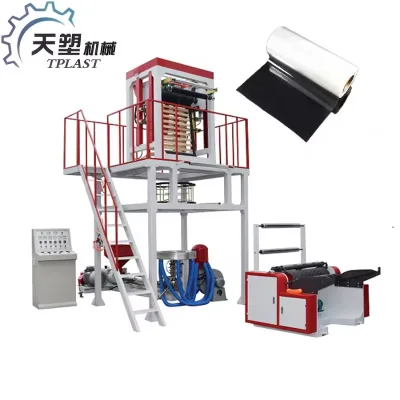
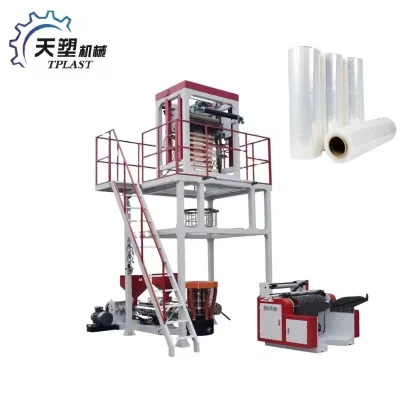
High Speed ABA Biodegradable Pe Hdpe Extrusion Film Blow Machine Price
$27200.00 - $27500.00

Ruian Sanwin Machinery Co., Ltd.
- Manufacturer/Factory
- China Zhejiang
- Lead time23 days
- Avg. response≤ 11h
Main productsBag Making Machine, Slitting Machine, Flexographic Printing Machine, Plastic Glove Making Machine, Bag on Roll Making Machine, Side Sealing Bag Making Machine, Bottom Sealing Bag Making Machine, Plastic T-Shirt Bag Making Machine, Paper Straw Making Machine, Paper Tube Making Machine
Main marketsSouth America,Eastern Europe,Mid East,North America,Southeast Asia,Eastern Asia,Oceania,Western Europe,Africa


High-Speed Blown Film Extrusion Lines Blowing Machine for Biodegradable Materials
$5000.00 - $20000.00
MOQ: 1 Pieces


HEBEI CHENGHENG PLASTIC MACHINERY TECHNOLOGY CO., LTD.
- Verified by BV
- Combined
- China Hebei
- Lead time23 days
- Avg. response≤ 4h
Main productsFilm Blowing Machine, ABA Film Blowing Machine, Co Extrusion Film Blowing Machine, 3 Layer Film Blowing Machine, Two Layer Film Blowing Machine, Plastic Film Blowing Machine, 3-5 Layer Film Extrusion Production Line, HDPE LDPE LLDPE Film Blowing Machine, Multi Layer Blown Film Extruder Machine, Plastic Film Extrusion Machine
Main marketsSouth America,Africa,Europe

High Speed Plastic Film Making Five Layers Co-Extrusion Film Biodegradable Film Blowing Machine
$41500.00 - $120000.00
MOQ: 1 Pieces

High Quality Plastic Three Layers Film Blowing Machine 3-Layers Blown Film Machine
$50000.00 - $55000.00
MOQ: 1 set
JIANGXI DEXINDA TECHNOLOGY CO., LTD.
- Manufacturer, Trading Company
- Jiangxi, China
- Lead time25 days
- Avg. response≤ 1h
Main productsFilm Blowing Machine, Bag Making Machine, Printing Machine
Main marketsSoutheast Asia(50.00%), Africa(20.00%), North America(10.00%), South America(10.00%), Eastern Europe(10.00%), South Asia(0.00%), Eastern Asia(0.00%), Oceania(0.00%), Western Europe(0.00%), Southern Europe(0.00%), Central America(0.00%), Northern Europe(0.00%), Domestic Market(0.00%), Mid East(0.00%)
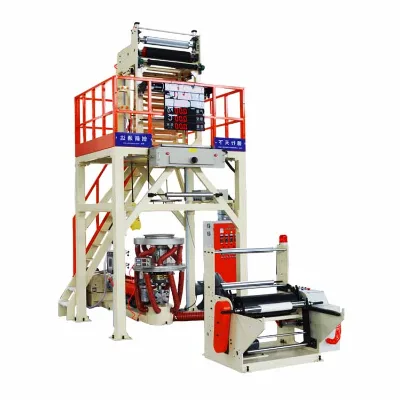
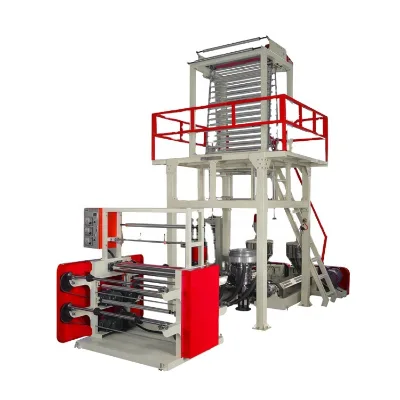
ABA Three-layer HDEP LDPE EVA Biodegradable Shrink Film Blown Extruder
$33800.00 - $35000.00
MOQ: 1 sets

Jiangyin Guibao Rubber & Plastics Machinery Co., Ltd.
- Verified by SGS
- Combined
- China Jiangsu
- Lead time30 days
- Avg. response≤ 7h
Main productsBag Making Machine, Film Blowing Machine, Printing Machine, Plastic Machine, Cutting Machine, Sealing Machine, Plastic Bag Making Machine, Extruder, Draw Tape Bag Making Machine, Star Seal Garbage Bag Making Machine
Main marketsSouth America,Southeast Asia/ Mideast,Domestic,Europe
Henan Penghui Machinery And Equipment Co., Ltd.
- Trading Company
- Lead time旺季: "1 - 1":7,"> 1":"To be negotiated", 淡季: "1 - 1":7,"> 1":"To be negotiated"
- Avg. response≤ 2h
Main productsPastry Machinery, Food Machinery, Agriculture Machinery, Textile Machinery, Plastic Machinery
Wenzhou Guotuo Machinery Co., Ltd.
- Manufacturer, Trading Company
- Zhejiang, China
- Lead time0 days
- Avg. response≤ 6h
Main productsBag Making Machine,Film Blowing Machine,Printing Machine,plastic granulator
Main marketsCentral America(10.00%), Southeast Asia(10.00%), Western Europe(10.00%), Eastern Asia(10.00%), Mid East(10.00%), North America(10.00%), Domestic Market(5.00%), South Asia(5.00%), Southern Europe(5.00%), Northern Europe(5.00%), Oceania(5.00%), Africa(5.00%), Eastern Europe(5.00%), South America(5.00%)
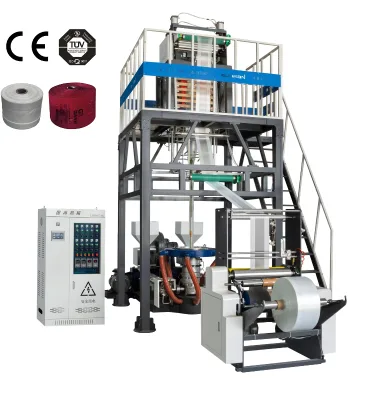
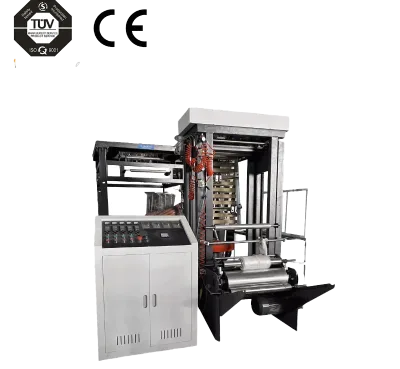
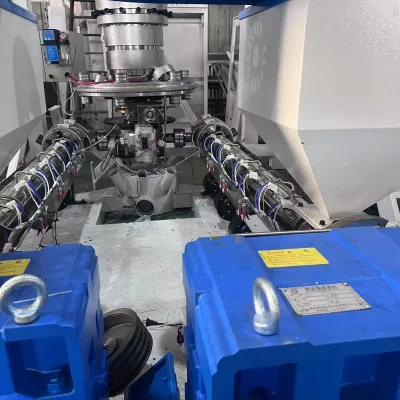
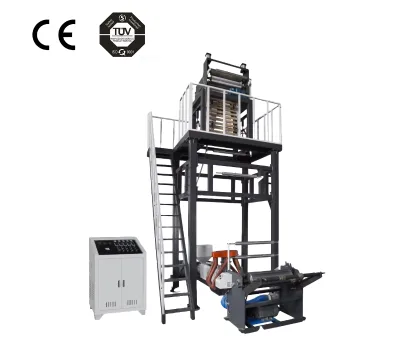
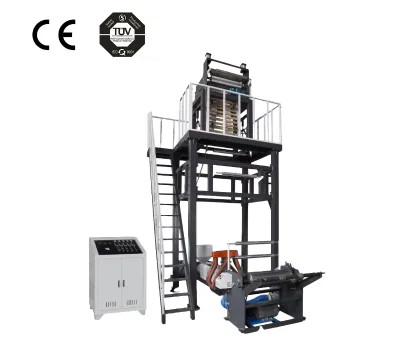
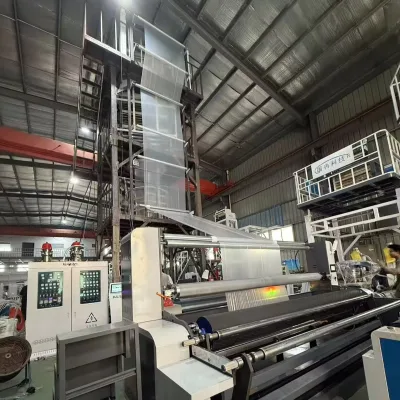
$60545.9842 - $112740.7982
MOQ: 1 sets
Wenzhou Hero Machinery Co., Ltd.
- Verified by Intertek
- Manufacturer, Trading Company
- Lead time10 days
- Avg. response≤ 3h
Main productsFilm Blowing Machine, Bag Making Machine, Flexo Printing Machine, Plastic Recycling Machine, Paper Cup Machine
Main marketsNorth America(40%), Western Europe(20%), Africa(20%)
Wenzhou Haixin Machinery Co., Ltd.
- Manufacturer, Trading Company
- Zhe'jiang, China
- Lead time35 days
- Avg. response≤ 2h
Main productsPrinting Machine,Film Blowing Machine,Bag Making Machine,Slitting Machine,Bubble Film Making Machine
Main marketsDomestic Market(20.00%), Mid East(13.00%), Southeast Asia(13.00%), Eastern Europe(13.00%), South America(13.00%), Africa(10.00%), South Asia(8.00%), Western Europe(5.00%), North America(5.00%)
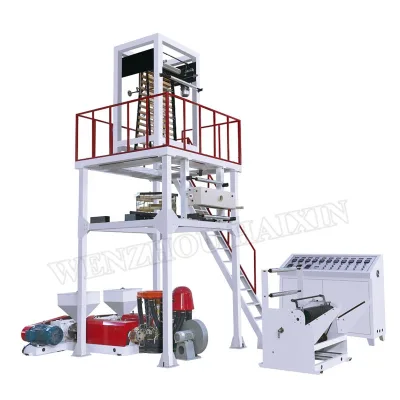
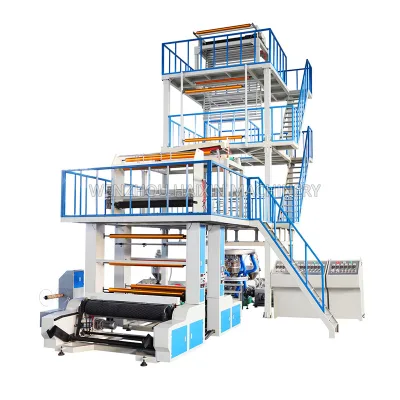
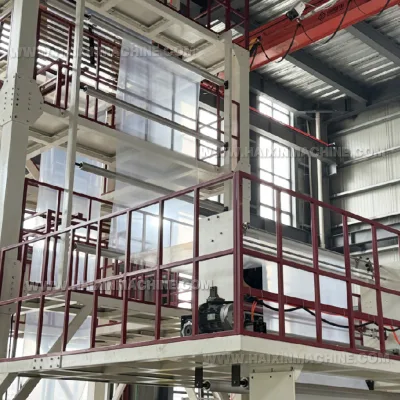
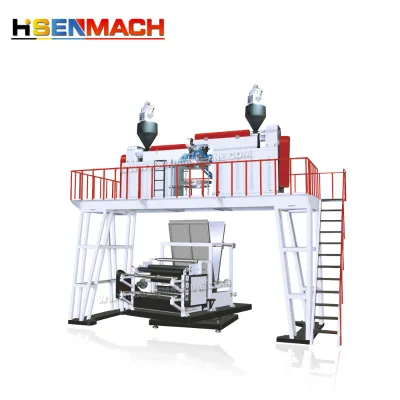
Hot Sale Double Layers PP Extrusion Machine Film Blowing Machine
$54000.00 - $55000.00

Zhejiang Pengxiang Machinery Manufacturing Co., Ltd.
- Verified by BV
- Combined
- China Zhejiang
- Lead time30 days
- Avg. response≤ 21h
Main marketsSoutheast Asia/ Mideast,Domestic


Versatile Film Blowing Machine for Eco-Friendly Plastic Production
$180000.00 - $200000.00
MOQ: 1 Pieces

High-Performance 1500mm Film Blowing Machine for Superior Plastic Films
$180000.00 - $200000.00
MOQ: 1 Pieces


Advanced Five-Layer Plastic Film Blowing Machine for Efficient Production
$180000.00 - $200000.00
MOQ: 1 Pieces

Advanced Five-Layer Plastic Film Blowing Machine for Professionals
$180000.00 - $200000.00
MOQ: 1 Pieces
Dongguan Baopin Precision Instruments Co., Ltd.
- Manufacturer, Trading Company
- Guangdong, China
- Lead time60 days
- Avg. response≤ 1h
Main productsLab Press Machine,Lab Two Roll Mill,Lab Extruder,Extrusion Granulation Line,Lab Film Blowing Machine
Main marketsDomestic Market(33.00%), Southeast Asia(7.00%), South Asia(6.00%), Eastern Asia(6.00%), South America(5.00%), Southern Europe(5.00%), Northern Europe(5.00%), Central America(5.00%), Western Europe(5.00%), Eastern Europe(5.00%), Mid East(5.00%), Oceania(5.00%), North America(5.00%), Africa(3.00%)
- Verified by TüVRheinland
- Manufacturer, Trading Company
- Lead time19 days
- Avg. response≤ 2h
Main productsBurger Box Making Machine, A4 Paper Cutting Machine, Photo Album Making Machine, Book Binding Machine, Hologram Film Embossing Machine
Main marketsNorth America(16%), Southeast Asia(16%), Mid East(15%)
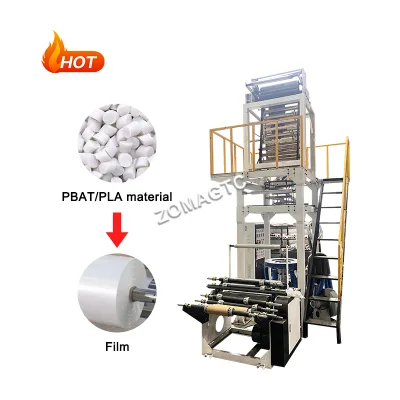
$14672.1595 - $15390.3771
MOQ: 1 sets
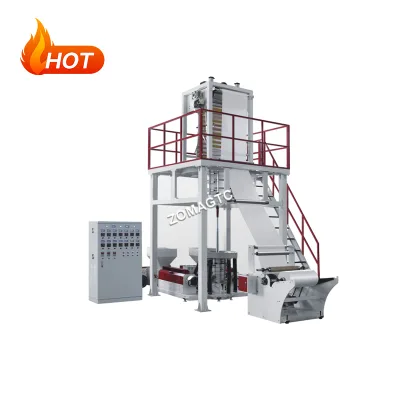
Hot Sale Aba Plastic Film Blowing Extruder Machine Shopping Bag Film Blowing Machine
$17532.00 - $19600.00
MOQ: 1 sets
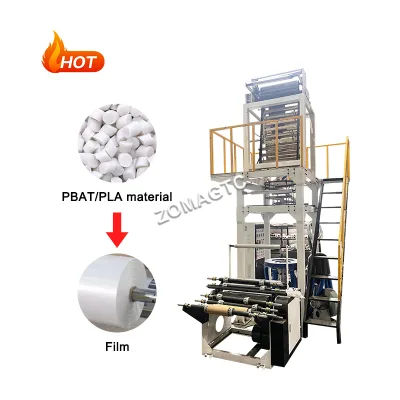
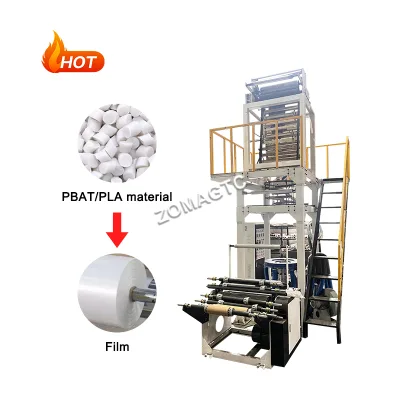
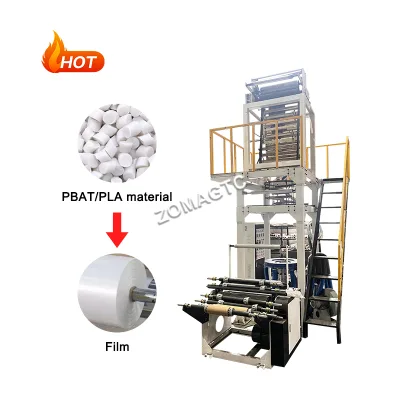
$14824.4657 - $15550.1388
MOQ: 1 sets
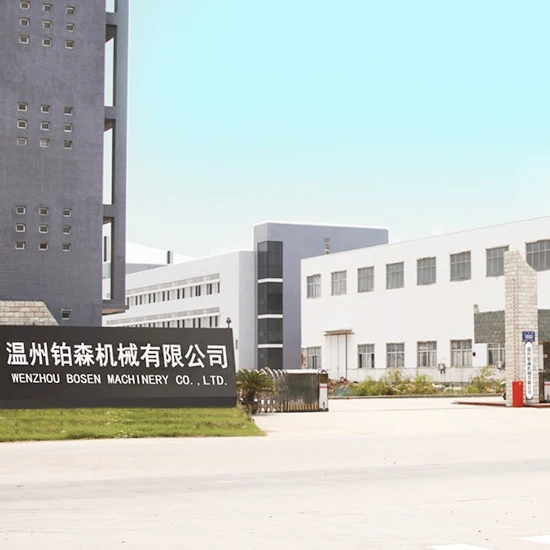
wenzhou bosen machinery co.,ltd.
- Manufacturer, Trading Company
- zhejiang, China
- Lead time20 days
- Avg. response≤ 5h
Main productsFlexo Printing Machine, Bag Making Machine, Film Blowing Machine, Rotogravure Printing Machine, Plastic Recycle Machine
Main marketsSouth America(15.00%), Africa(15.00%), North America(10.00%), Southern Europe(10.00%), Domestic Market(10.00%), Mid East(10.00%), South Asia(5.00%), Eastern Asia(5.00%), Central America(5.00%), Eastern Europe(5.00%), Southeast Asia(5.00%), Western Europe(2.00%), Northern Europe(2.00%), Oceania(1.00%)
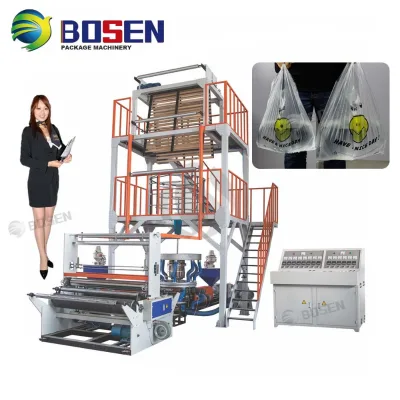
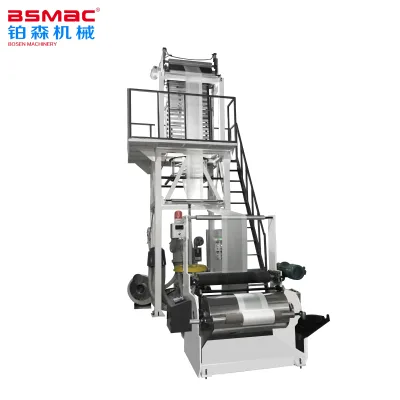
$11000.00 - $12000.00
MOQ: 1 sets
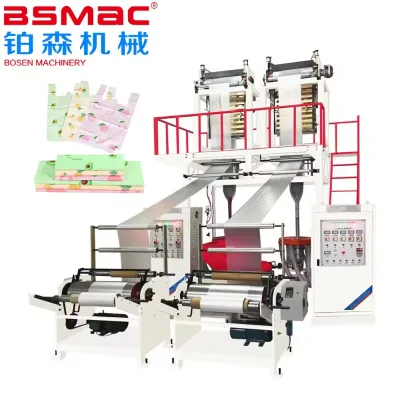
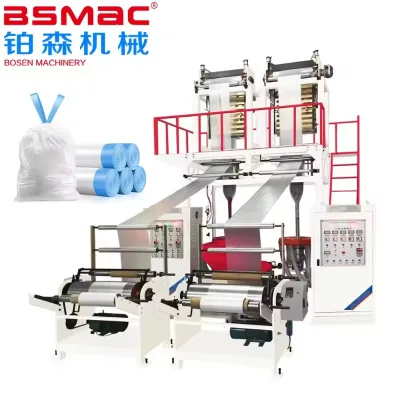
High Output Double Headed PE Blown Plastic Film Producing Line Film Blowing Machine for Garbage Bags
$9244.2898 - $15757.3122
MOQ: 1 sets

Ruian Mingde Machinery Co., Ltd.
- Verified by TUVRHEINLAND
- Combined
- China Zhejiang
- Lead time30 days
- Avg. response≤ 3h
Main productsFilm Blowing Machine, Bag Making Machine, Three Layer Film Blowing Machine, Printing Machine, PE Film Blowing Machine, Recycling Machine, Shoe Cover Machine, Paper Bag Making Machine, Non-Woven Printing Machine, Extruder
Main marketsAfrica,Others(foreignTradeCapacity.exportBusinessCapacityMarketOther),Southeast Asia/ Mideast,East Asia(Japan/ South Korea),Europe,North America

High Speed Bioplastic Film Blown Machine Biodegradable Making Film Blowing Extruder Machines
$16000.00 - $18000.00
MOQ: 1 Pieces

Plastic PE High Speed Biodegradable Blown Extrusion Bioplastic Film Making Blowing Extruder Machine
$16000.00 - $18000.00
MOQ: 1 Pieces

Ruian Binhai Plastic Packing Machinery Co., Ltd.
- Verified by BV
- Combined
- China Zhejiang
- Lead time30 days
- Avg. response≤ 6h
Main productsBag Making Machine, Flexo Printing Machine, Film Blowing Machine, Recycle Machine, Slitting Machine, Roto-Gravure Printing Machine, Rewinder Machine, Paper Cup Machine, Folding Machine, 3 Side Sealing Machine
Main marketsSouth America,Africa,Southeast Asia/ Mideast,East Asia(Japan/ South Korea),Europe,North America
Zhejiang Horizon Machinery Co., Ltd.
- Trading Company
- Zhejiang Province, China
- Lead time30 days
- Avg. response≤ 17h
Main productsPackaging machines,printing machines
Main marketsAfrica(20.00%), Mid East(20.00%), South America(15.00%), North America(10.00%), South Asia(10.00%), Eastern Europe(5.00%), Southeast Asia(5.00%), Eastern Asia(5.00%), Oceania(2.00%), Western Europe(2.00%), Northern Europe(2.00%), Southern Europe(2.00%), Domestic Market(2.00%)

Wuhan Jiusheng Plastic Machine Co., Ltd.
- Verified by SGS
- Combined
- China Hubei
- Lead time60 days
- Avg. response≤ 5h
Main productsBlown Film Machine, Film Blowing Machine, Rubber and Plastic Equipment, PE/PA/PP, HDPE/LDPE/LLDPE/Mlldpe, 3-Layer/ 5-Layer/ 7-Layer Film Blown Machine
Main marketsSouth America,East Asia(Japan/ South Korea),Domestic,Europe


Three Layers Co-Extrusion PE Film Blowing Machine Extruder Biodegradable
$219000.00 - $220000.00
MOQ: 1 Sets
Hangzhou Depai Machinery Co., Ltd.
- Verified by SGS Group
- Trading Company
- Lead time15 days
- Avg. response≤ 4h
Main productsFlexographic Printing Machine, Pre&Post Press Machine Line, Paper Cutting Machine, Slitting Machine, Paper Cup &Box Machine Line
Main marketsWestern Europe(32%), Southern Europe(20%), Central America(13%)
Wenzhou Hero International Trade Co., Ltd.
- Verified by Intertek
- Manufacturer, Trading Company
- Lead time10 days
Main productsFilm Blowing Machine, Plastic Bag Making Machine, Plastic Recycling Machine, Flexo Printing Machine
Main marketsSouth America(30%), Africa(30%), Southeast Asia(20%)
Wenzhou Tianyue Machinery Co., Ltd.
- Trading Company
- Lead time旺季: "1 - 10":30,"> 10":"To be negotiated", 淡季: "1 - 10":30,"> 10":"To be negotiated"
- Avg. response≤ 3h
Main productsFilm blowing machine, Flexo printing machine, Paper Cup production line, Paper bag production line, Plastic bag making machine
Henan Honglun Machinery Equipment Co., Ltd.
- Trading Company
- Henan, China
- Lead time15 days
- Avg. response≤ 1h
Main productsConcrete mixer truck,Brick making machine,Concrete mixer pump,Asphalt mixer machine,Drilling rig
Main marketsAfrica(18.00%), Eastern Asia(15.00%), South America(15.00%), Northern Europe(10.00%), South Asia(10.00%), Mid East(8.00%), Southeast Asia(8.00%), Central America(6.00%), Domestic Market(5.00%), North America(5.00%)
Laiwu Huaya Polymer Sci.&tech. Co., Ltd.
- Verified by SGS Group
- Manufacturer, Trading Company
- Lead time30 days
- Avg. response≤ 3h
Main productsAgriculture Drip Irrigation Pipe Extrusion Machine, Packing Flim Blowing Machine, UHMWPE HDPE PVC PE PPR Pipe Making Machine
Main marketsSouth America(30%), North America(15%), Africa(15%)
Zhengzhou JYD Machine Co., Ltd.
- Verified by TüVRheinland
- Manufacturer, Trading Company
- Lead time45 days
- Avg. response≤ 3h
Main productsPaper Machine Mold Shaft, Paper Tube Machine, Paper Tube Cutting Machine, Paper Corner Protector Machine, Paper Tube Curling Machine
Main marketsSouth America(29%), North America(10%), Africa(10%)

Donglong Plastic Machinery Co., Ltd.
- Manufacturer
- Fujian, China
- Lead time50 days
- Avg. response≤ 3h
Main productsBag Making Machine,Film Blowing Mchine,Heat Seal Cold Cut Bottom Seal Bag Making Machine,Fully Automatic Plastic Film Blowing Machine,Plastic Film Recycling Granulator
Main marketsMid East(50.00%), Africa(25.00%), South America(10.00%), Southeast Asia(10.00%), North America(5.00%)
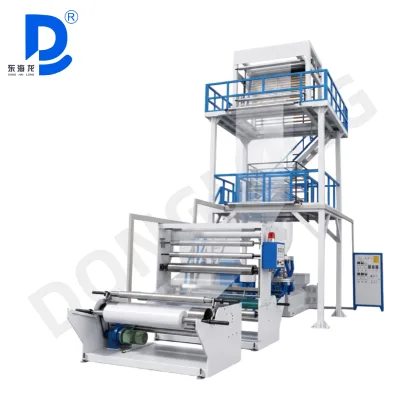
Advanced Agricultural Film Extrusion Solution Film Blowing Machine
$18000.00 - $20600.00
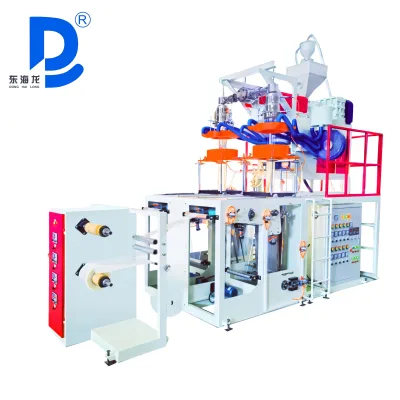
$19200.00 - $21800.00
MOQ: 1 sets
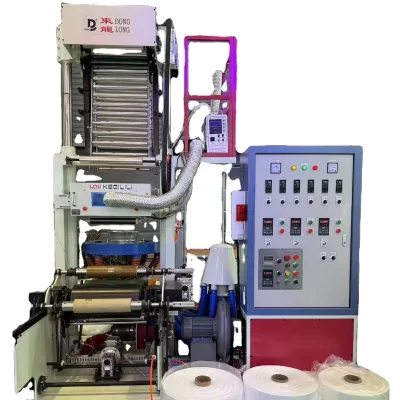
Bag Machine Make Set Sealing Film Extruder Blown
$6500.00 - $7800.00

WENZHOU E-SHION MACHINERY CO., LTD.
- Verified by SGS
- Trading Company
- China Zhejiang
- Lead time30 days
- Avg. response≤ 5h
Main productsFlexo Printing Machine, Film Blowing Machine, Bag Making Machine, Sealing and Cutting Machine, Laminating Machine, Recycling Machine, Gravure Printing Machine, Slitting Machine
Main marketsAfrica




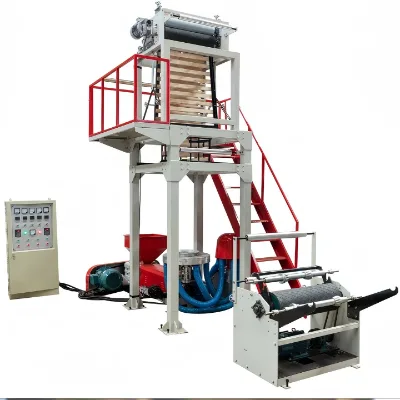
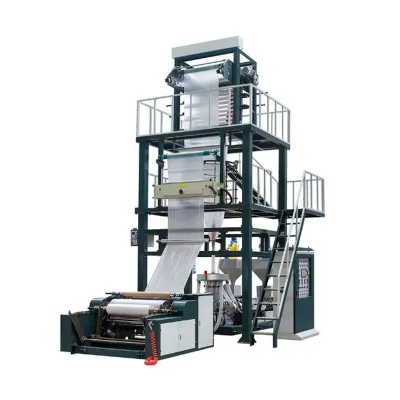
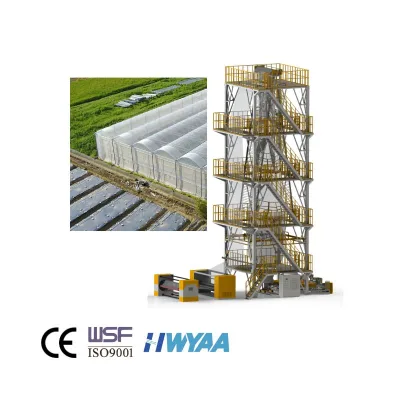
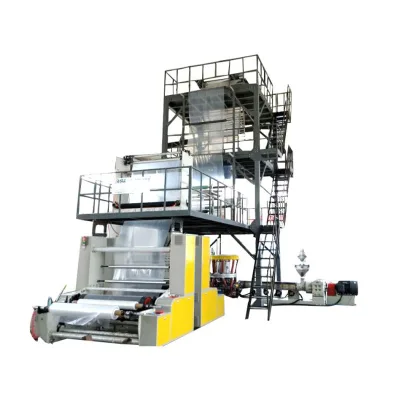
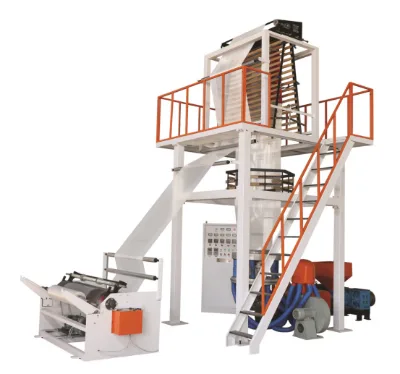
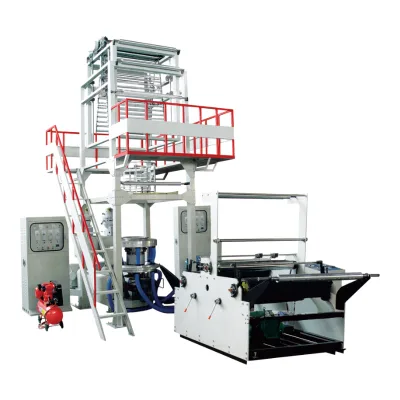


Comprehensive Sourcing Guide
Biodegradable Plastic Film Blowing Machine Supplier Concentration and Factory Types
The current supplier landscape for biodegradable plastic film blowing machines reveals a distinct concentration of manufacturing activity within China, specifically in the Zhejiang region. This geographic clustering suggests a mature industrial ecosystem where specialized components, raw material supply chains, and skilled labor are readily available to support production. Buyers evaluating these suppliers will find that the majority of results originate from this specific province, indicating that Zhejiang serves as a primary hub for this type of industrial machinery. When assessing potential partners, it is crucial to recognize that this concentration does not guarantee uniform quality or pricing across all vendors. Instead, it provides a baseline for logistical efficiency and potential for site visits, as multiple qualified manufacturers operate within a relatively compact area. Understanding this regional focus helps buyers narrow their search parameters and prioritize suppliers who can demonstrate a physical presence and operational history within this known manufacturing cluster.
Supplier types in this category vary significantly, ranging from pure manufacturers to combined entities that may include trading or service components. The observed data indicates a mix of company structures, including those identified as manufacturers or factories and others classified as combined entities. This distinction is vital for buyers because it influences how they should approach negotiations, quality control, and after-sales support. A pure manufacturer might offer more direct control over production schedules and customization options, while a combined entity might provide broader service packages or integrated solutions. Buyers should carefully review the company type listed for each supplier to align their expectations with the supplier’s actual capabilities. For instance, if a supplier claims to be a manufacturer but operates as a combined entity, buyers should verify whether they own the production facilities or merely source from third parties. This verification step ensures that buyers are engaging with the right type of partner for their specific needs, whether that involves deep customization, high-volume production, or specialized technical support.
How to Verify Biodegradable Plastic Film Blowing Machine Suppliers
Verification of suppliers requires a multi-layered approach that goes beyond simple profile reviews. One critical step is to check for third-party verification badges, such as BV (Bureau Veritas), which can provide an additional layer of confidence in the supplier’s legitimacy and operational standards. Buyers should prioritize suppliers who have undergone such external audits, as these assessments often validate the existence of physical facilities and the accuracy of claimed capabilities. However, verification should not stop at the badge itself. Buyers must also examine the specific details provided in the supplier’s profile, such as their main products and core competencies, to ensure they align with the buyer’s requirements for biodegradable film production. For example, a supplier listing film blowing machines alongside unrelated products like glove making machines may have a broader focus that could dilute their expertise in biodegradable film technology. Cross-referencing these details with independent sources or direct inquiries can help buyers build a more accurate picture of the supplier’s true capabilities and market position.
Another essential verification step involves assessing the supplier’s responsiveness and communication efficiency. The response time metric, which can vary significantly between suppliers, serves as an indicator of their operational readiness and customer service quality. A supplier with a rapid response time, such as under two hours, is likely more engaged and capable of handling urgent inquiries or complex technical discussions. Conversely, a slower response time might indicate a high volume of inquiries or less dedicated customer support. Buyers should also look for evidence of product testing and quality assurance, such as the provision of machinery test reports and video outgoing inspections. These documents serve as tangible proof of the supplier’s commitment to quality and their ability to deliver machines that meet specified performance standards. By combining verification of credentials, product evidence, and communication metrics, buyers can create a comprehensive assessment framework that minimizes risk and ensures they are partnering with reliable and competent suppliers.
What to Compare Across Biodegradable Plastic Film Blowing Machine Suppliers
When comparing suppliers, buyers should focus on key operational metrics such as lead time, minimum order quantity (MOQ), and production capacity. Lead times can vary, with some suppliers offering delivery within 23 to 30 days, which impacts inventory planning and project timelines. Buyers should align their procurement schedule with the supplier’s stated lead time to avoid delays. Additionally, the MOQ is a critical factor, especially for smaller buyers or those testing new markets. Some suppliers may have an MOQ of just one unit, making it easier to place initial orders without significant financial commitment. In contrast, other suppliers might have higher MOQs, which could be suitable for larger, established operations. By comparing these metrics, buyers can identify suppliers that match their volume requirements and logistical constraints. It is also important to consider the supplier’s ability to handle customization, as biodegradable film production often requires specific adjustments to machine settings or configurations to accommodate different raw materials and film specifications.
Technical specifications and certifications are another crucial area for comparison. Buyers should examine details such as screw diameter, maximum folding width, and automation level to ensure the machine meets their production needs. For instance, a screw diameter of 60mm might be suitable for certain applications, while a 45mm screw might be better for smaller-scale operations. Certifications like CE and ISO 9001 indicate compliance with international standards, which can be important for regulatory approval and quality assurance. Buyers should also compare the warranty terms and after-sales support offered by different suppliers. A longer warranty period or more comprehensive support package can provide greater peace of mind and reduce long-term maintenance costs. Additionally, the supplier’s ability to provide overseas service or technical support can be a significant differentiator, especially for buyers located far from the manufacturing hub. By systematically comparing these technical and commercial attributes, buyers can make informed decisions that balance cost, quality, and service.
Common Biodegradable Plastic Film Blowing Machine Sourcing Risks
One significant risk in sourcing biodegradable plastic film blowing machines is the potential mismatch between supplier claims and actual capabilities. Buyers may encounter suppliers who overstate their production capacity or technical expertise, leading to delays or subpar machine performance. This risk is particularly acute when dealing with combined entities that may not own their production facilities. To mitigate this, buyers should request detailed documentation, such as machinery test reports and video inspections, to verify the machine’s actual performance. Additionally, buyers should be cautious of suppliers who offer prices that seem unusually low, as this may indicate compromised quality or hidden costs. It is essential to conduct thorough due diligence, including site visits or third-party audits, to confirm the supplier’s operational reality. By focusing on verifiable evidence rather than marketing claims, buyers can reduce the risk of engaging with unreliable partners and ensure they receive machines that meet their specifications.
Another common risk is the lack of clear after-sales support and maintenance provisions. Biodegradable film blowing machines are complex pieces of equipment that require regular maintenance and technical support to operate efficiently. Buyers should carefully review the warranty terms and service agreements offered by suppliers to ensure they include comprehensive support for core components and overall machine maintenance. Some suppliers may offer limited warranties or exclude certain parts from coverage, which can lead to unexpected costs and downtime. Buyers should also consider the supplier’s location and their ability to provide timely on-site support, especially if the buyer is located in a different country. Suppliers that offer overseas service or have local partners in the buyer’s region can significantly reduce the risk of prolonged machine downtime. By prioritizing suppliers with robust after-sales support and clear service agreements, buyers can protect their investment and ensure the long-term success of their biodegradable film production operations.
Biodegradable Plastic Film Blowing Machine Regional Sourcing and Logistics
Sourcing from the Zhejiang region in China offers distinct logistical advantages, including proximity to major shipping ports and established supply chains for raw materials and components. This geographic concentration can lead to more efficient production and faster delivery times, as suppliers have easier access to necessary resources and transportation networks. Buyers should leverage this advantage by coordinating with suppliers to optimize shipping routes and minimize transit times. However, buyers must also consider the potential challenges of international logistics, such as customs clearance, import duties, and transportation costs. These factors can significantly impact the total cost of ownership and should be factored into the procurement decision. Buyers should work closely with their suppliers to understand the shipping terms and responsibilities, ensuring that they are aware of any additional costs or requirements associated with importing the machinery. By planning for these logistical complexities, buyers can ensure a smooth and cost-effective procurement process.
The choice of packaging and shipping method is another critical aspect of regional sourcing. Suppliers in this region typically use stretch film or wooden cases for packaging, which provides adequate protection during transit. Buyers should verify the packaging standards with their suppliers to ensure that the machines will arrive in good condition. Additionally, buyers should consider the dimensions and weight of the machinery, as these factors can influence shipping costs and handling requirements. For example, a machine with dimensions of 6.4m2.1m5.5m and a weight of 4T will require specialized handling and potentially higher shipping costs. Buyers should also be aware of any specific import regulations or requirements in their home country that may affect the clearance process. By addressing these logistical details early in the procurement process, buyers can avoid unexpected delays and costs, ensuring that their biodegradable film blowing machines are delivered efficiently and safely.
Biodegradable Plastic Film Blowing Machine Commercial Terms and Order Planning
Commercial terms and order planning are essential components of a successful procurement strategy. Buyers should carefully review the pricing structures offered by suppliers, which can range from $7,500 to $18,000 depending on the machine’s specifications and capabilities. It is important to understand what is included in the quoted price, such as installation, training, and initial spare parts, to avoid hidden costs. Buyers should also negotiate payment terms that align with their cash flow and risk tolerance, such as using escrow services for secure transactions. Additionally, buyers should plan their orders based on their production needs and market demand, ensuring that they do not overcommit to large orders that may not be immediately necessary. By aligning their commercial terms with their operational goals, buyers can optimize their investment and ensure a positive return on their procurement efforts.
Order planning should also consider the supplier’s production capacity and lead times to ensure timely delivery. Buyers should communicate their requirements clearly and early to allow suppliers to schedule production accordingly. For instance, if a buyer needs a machine within 23 days, they should confirm this lead time with the supplier before placing the order. Buyers should also plan for potential delays or changes in requirements, maintaining a buffer in their production schedule to accommodate any unforeseen issues. Additionally, buyers should consider the supplier’s ability to handle customization, as biodegradable film production often requires specific adjustments to machine settings. By working closely with suppliers to plan their orders and manage expectations, buyers can ensure a smooth and efficient procurement process that supports their long-term business goals.
FAQs
What is the price range for biodegradable film blowing machines?
Prices for these machines typically range from $7,500 to $18,000. Specific models like the QS-AH40 are listed around $11,000, while larger units such as the SJ-A45/65 can reach $18,000. Buyers should verify exact costs based on screw diameter and output capacity requirements.
What certifications do these machines usually have?
Most biodegradable film blowing machines carry CE and ISO9001 certifications. Some models also include QS certification. These standards ensure the equipment meets international safety and quality benchmarks for plastic processing machinery, providing buyers with confidence in the manufacturing compliance and operational reliability.
What is the typical lead time for delivery?
The standard lead time for these machines is approximately 23 to 30 days. This timeframe allows for manufacturing, assembly, and quality testing. Buyers should confirm specific delivery schedules with suppliers, as production capacity and customization needs may slightly alter the final shipping date.
What is the minimum order quantity for these machines?
The minimum order quantity is generally one unit. This allows buyers to purchase a single machine for testing or small-scale production. Suppliers typically accept orders starting from one piece, making it accessible for businesses looking to invest in biodegradable film production equipment without bulk commitments.
Where are these machines manufactured?
These machines are primarily manufactured in Zhejiang, China. Suppliers in this region specialize in plastic processing machinery, including film blowing and bag making equipment. Buyers can expect products originating from this industrial hub, which is known for its robust manufacturing capabilities in the plastic machinery sector.
What raw materials can these machines process?
These machines can process PE, HDPE, LDPE, LLDPE, and biodegradable materials. The screw diameter and extrusion settings allow for versatility in handling different plastic types. This flexibility enables manufacturers to produce various film grades, including biodegradable options, using the same core machinery setup.