Source Automatic EPS Pre Expander Machine for Insulation Walls
Find 30 Automatic EPS Pre Expander Machine listings from verified Chinese suppliers. Compare models like PSY and FDS series, specifications, and prices ranging from $5,460 to $131,893 for EPS foam production needs; compare the available evidence and request quotations based on your requirements.
Updated
Key considerations
Products List


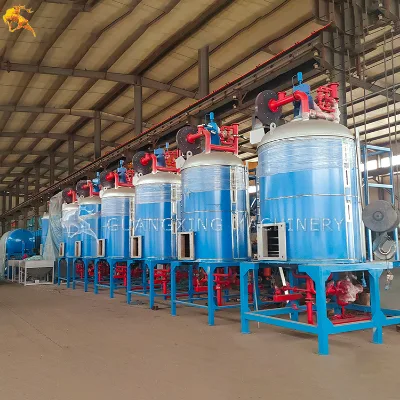
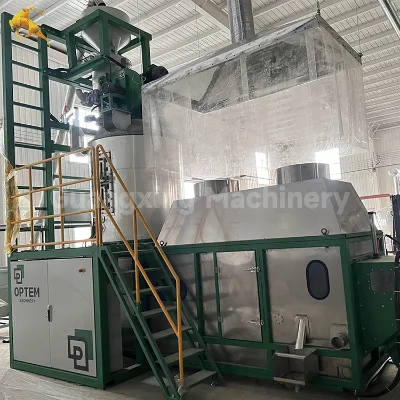
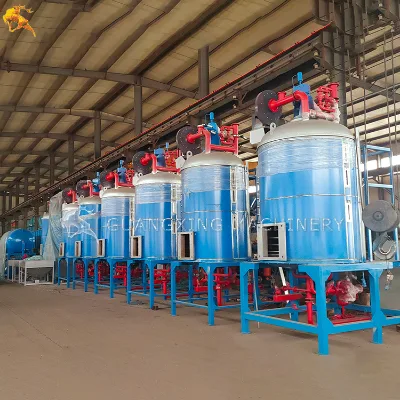
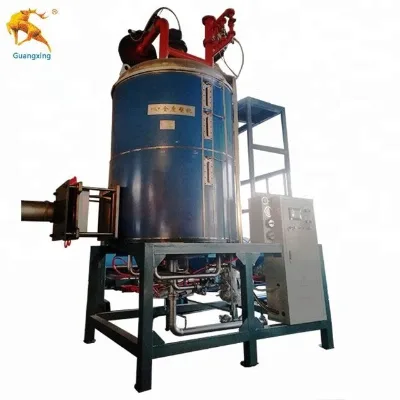
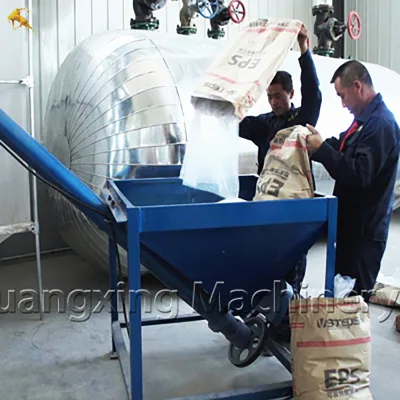
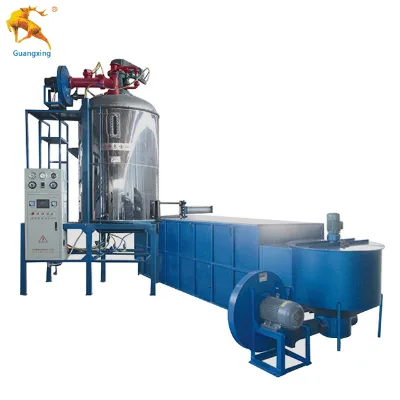

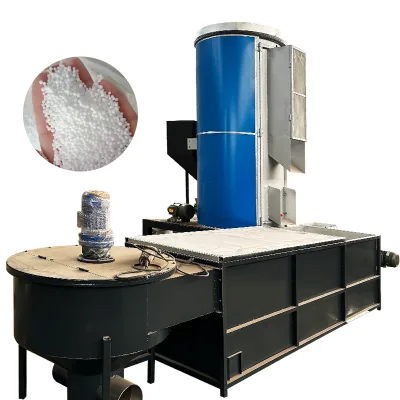
Continuous Mini EPS Pre Expander Machine EPS Expander Machinery EPS Expander Machine
$5460.00 - $5850.00
MOQ: 1 sets

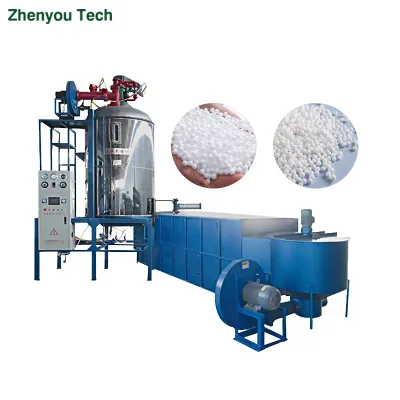
EPS Per Expander Polystyrene EPS Foam Expander Continuous EPS Pre Expander Machine
$6900.00 - $7300.00
MOQ: 1 sets

Machine EPS Expanded Polystyrene EPS Continuous Expandible Pre Expander Machine
$5460.00 - $5850.00
MOQ: 1 sets


EPS Machine Pre Expander Machine Polystyrene EPS Styrofoam Continuous Expanded Machine
$7000.00 - $7500.00
MOQ: 1 sets
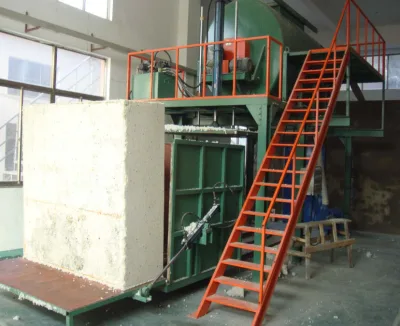
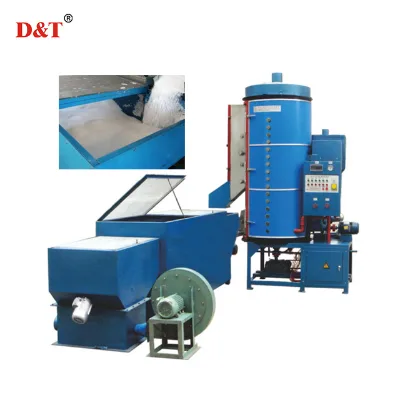
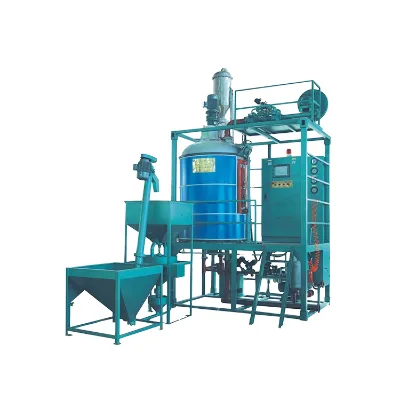
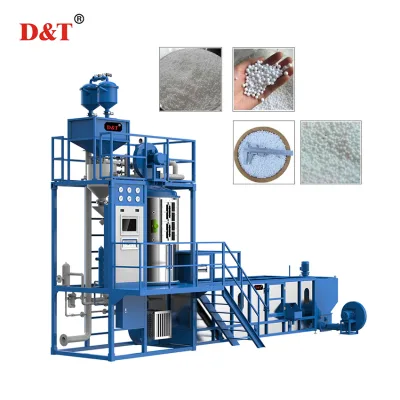


EPS Batch Pre-Expander Machine EPS Expandable Polystyrene Automatic Machine
$28000.00 - $32000.00
MOQ: 1 Sets


EPS Polystyrene Expander Machine Price Customized Continuous Pre-Expander Machine
$9000.00 - $11000.00
MOQ: 1 Sets
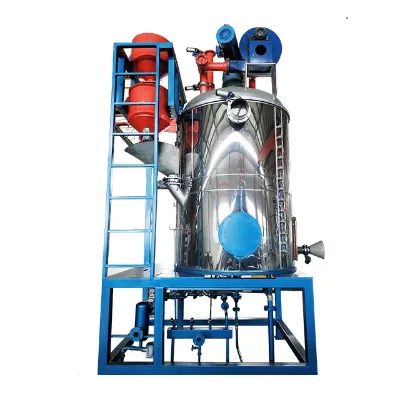
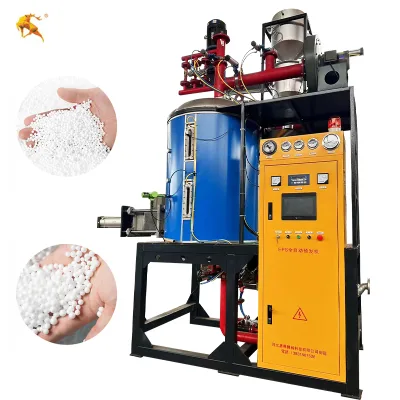
$16562.9096 - $23062.2792
MOQ: 1 sets
Comprehensive Sourcing Guide
Automatic EPS Pre Expander Machine Sourcing Guide
Procuring an Automatic EPS Pre Expander Machine requires a disciplined approach to evaluating machinery that transforms solid polystyrene beads into expanded foam particles. Buyers must prioritize equipment that aligns with their specific production volume and density requirements. The market offers various models, such as the PSY series and FDS series, each designed for different operational scales. Understanding the distinction between these model lines is crucial for selecting a machine that fits your plant’s capacity.
The selection process should begin with a clear definition of your output needs, including target density ranges and cycle times. Automatic grade machines offer consistent performance, reducing manual intervention and improving overall efficiency. Buyers should verify that the chosen unit supports the specific EPS plastic type they intend to process. This ensures compatibility with existing infrastructure and minimizes the risk of operational bottlenecks during the initial commissioning phase.
Product Scope and Observed Listing Signals
The current market landscape for automatic EPS pre expanders shows a wide range of pricing, observed between 5,460 and 131,893.56 USD. This significant variance reflects differences in automation levels, brand reputation, and included features. Buyers should note that the minimum order quantity is typically one unit, allowing for flexible procurement strategies. However, the high-end prices often correlate with advanced automation and higher production capacities, which may justify the investment for large-scale operations.
Listing signals indicate that many suppliers offer customization options to meet specific client needs. The principle of operation is predominantly high-pressure air type, which is standard for efficient bead expansion. Products are generally listed as new condition, with brands like Dongshen and GuangXing appearing frequently. Buyers should carefully review the product descriptions to ensure the listed specifications match their technical requirements, as variations exist even within the same brand portfolio.
Technical Specifications to Verify
Technical verification must focus on core components such as the PLC, motor, bearing, and gear systems. These elements dictate the machine’s reliability and maintenance frequency. Buyers should confirm the voltage requirements, which are often listed as 380V or 220V alternated, to ensure compatibility with local power grids. Additionally, power consumption ratings vary, with options like 7kw, 11kw, and 15kw available, impacting long-term operational costs.
Dimensional specifications are critical for factory layout planning. Internal mold chamber sizes and external dimensions must be measured against available floor space. For instance, some models feature a net internal size of 2040x1020x530mm, while external dimensions can reach up to 3600x2000x2750mm. Buyers should also verify the EPS block size capabilities, such as 2000x1000x500mm, to ensure the machine produces the desired final product dimensions without excessive trimming or waste.
Compliance and Safety Documentation
Compliance documentation is a non-negotiable aspect of sourcing industrial machinery. Buyers must request certificates such as CE and ISO9001 to ensure the machine meets international safety and quality standards. These certifications indicate that the manufacturer adheres to rigorous production protocols. It is essential to verify that the certification applies to the specific model being purchased, as standards can vary across different product lines.
Safety features should be explicitly detailed in the product specifications. The automatic nature of the machine implies integrated safety mechanisms, but buyers should confirm the presence of emergency stops and protective guards. Additionally, video outgoing-inspection services provided by some suppliers offer a valuable verification tool. This allows buyers to visually inspect the machine’s assembly and functionality before shipment, reducing the risk of receiving defective equipment.
Cost Drivers and Commercial Terms
Cost drivers for automatic EPS pre expanders include the complexity of the automation system and the quality of core components. Higher automation levels typically increase the upfront cost but reduce labor expenses over time. Buyers should also consider the warranty terms, which range from one to three years. A longer warranty period often reflects the manufacturer’s confidence in their product’s durability and provides better protection against early failures.
Commercial terms such as packing and shipping should be clarified early in the negotiation process. Standard export packages are commonly used to protect the machine during transit. Buyers should also inquire about the erection period, which can take 5-7 days, and factor this into their production timeline. Understanding these commercial details helps in creating a realistic budget and avoiding unexpected expenses during the installation phase.
Supplier Qualification and Quality Control
Supplier qualification involves verifying the manufacturer’s origin and production capacity. Many suppliers are located in Zhejiang or Hebei, China, regions known for machinery manufacturing. Buyers should assess the supplier’s production capacity, which may be listed as 200 or 400-800Kg/h, to ensure they can meet your order volume. A robust production capacity indicates a mature manufacturing process and reliable supply chain.
Quality control measures should be transparent and verifiable. Buyers should request detailed information about the testing procedures conducted before shipment. Some suppliers provide video inspections, which serve as a preliminary quality check. Additionally, verifying the supplier’s track record and customer reviews can provide insights into their after-sales support and reliability. Choosing a supplier with a strong quality control system minimizes the risk of receiving substandard equipment.
Long-Term Procurement Checks
Long-term procurement checks focus on the machine’s service life and maintenance requirements. Buyers should prioritize equipment with key selling points such as long service life, which reduces the total cost of ownership. Regular maintenance of core components like motors and gears is essential for sustained performance. Buyers should establish a maintenance schedule and ensure that spare parts are readily available from the supplier.
Energy efficiency and steam consumption are also critical factors for long-term operation. Some machines list steam consumption rates, such as 1 ton per block, which directly impacts utility costs. Buyers should evaluate these metrics against their budget constraints. Additionally, staying informed about technological advancements in EPS pre expansion can help buyers plan for future upgrades or replacements, ensuring their production line remains competitive and efficient.
FAQs
What is the typical voltage for an Automatic EPS Pre Expander Machine?
The typical voltage is 380V or 220V alternated. This flexibility allows the equipment to operate in various industrial environments without requiring extensive electrical modifications. Buyers should verify their local power supply compatibility before installation to ensure safe and efficient machine operation during the pre-expansion process.
Which core components drive the Automatic EPS Pre Expander Machine?
The core components include a PLC, bearing, motor, gear, and pump. These elements work together to ensure high-accuracy operation and long service life. The PLC controls the automated sequence, while the motor and gear system manage the mechanical movements required for consistent EPS foam processing.
Can the Automatic EPS Pre Expander Machine be customized for specific needs?
Yes, customization is available for various operational requirements. Buyers can specify colors and adjust certain parameters to fit their production line. This flexibility ensures the machine integrates smoothly with existing infrastructure while meeting specific output goals for insulation wall panels or other EPS applications.
What certifications do automatic eps pre expander machines typically hold?
These machines typically hold CE and ISO9001 certifications. These standards verify that the manufacturing process meets international quality and safety requirements. Buyers can rely on these certifications to ensure the equipment complies with regulatory standards in their target markets, facilitating smoother import and installation procedures.
What is the production capacity of an Automatic EPS Pre Expander Machine?
The production capacity ranges from 400 to 800 kilograms per hour. This output rate supports efficient large-scale EPS foam production. The actual throughput depends on the specific model and operating conditions, allowing manufacturers to select a machine that aligns with their daily production targets and facility constraints.
How long is the warranty period for an Automatic EPS Pre Expander Machine?
The warranty period is typically one to three years. This coverage protects buyers against manufacturing defects and ensures support during the initial operational phase. Extended warranty options may be available, providing additional peace of mind for long-term investments in automated EPS processing equipment.