Blueberry Handmade Glycerin Soap Suppliers and Manufacturers
Explore 28 verified options for Blueberry Handmade Glycerin Soap from Guangdong, China. Compare response times, lead times, certifications like GMPC and ISO 22716, and pricing ranges to find suitable partners. Contact suppliers directly to request samples or custom orders; review the available evidence before requesting comparable quotations from suitable candidates.
Updated
Suppliers List
Anhui Qingjing Biotechnology Co., Ltd.
- Verified by Intertek
- Manufacturer, Trading Company
- Lead time15 days
- Avg. response≤ 2h
Main productsHandmade Soap, Soap, Laundry Soap, Essential Oil Soap, Bath Soap

Factory Custom Natural Blueberry Handmade Glycerin Soap for Face Cleansing
$0.87 - $1.70
MOQ: 50 pieces
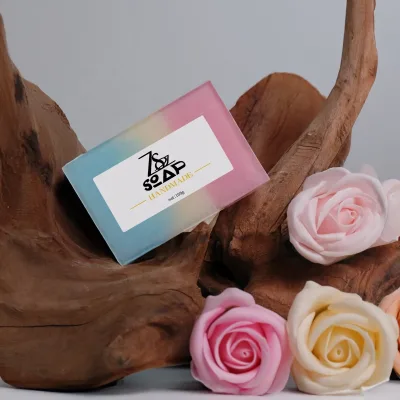
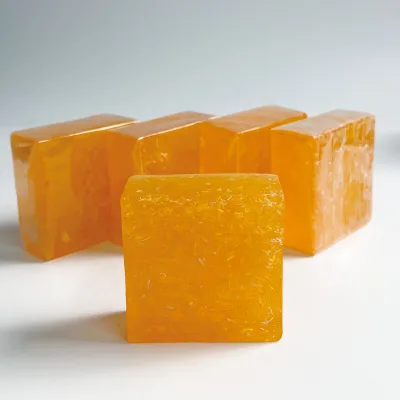
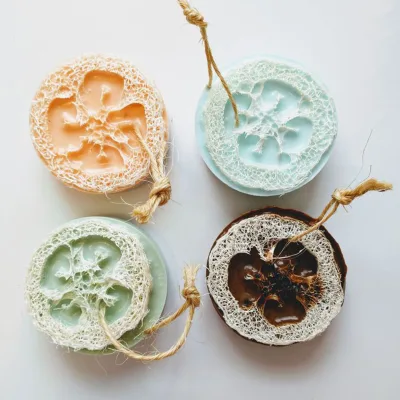
Natural Hand Made Soap Loofah Crushed Soaps for Skin Whitening
$1.8708 - $2.0791

Shenzhen Kedi Biotechnology Co., Ltd.
- Manufacturer
- Guangdong, China
- Lead time30 days
- Avg. response≤ 9h
Main productssoap base,melt and pour soap base,crystal soap base,organic soap base,glycerin soap base
Main marketsDomestic Market(30.00%), North America(10.00%), Central America(10.00%), Eastern Asia(10.00%), Mid East(10.00%), Africa(10.00%), Southeast Asia(10.00%), South America(10.00%)
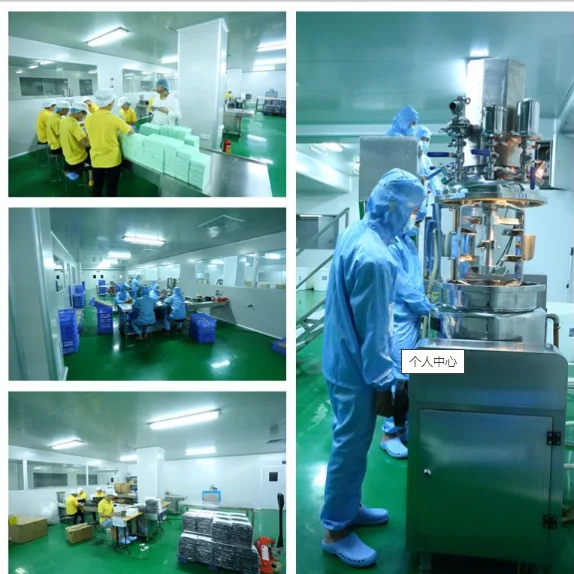
Shenzhen Huaxunneng Technology Co., Ltd.
- Manufacturer, Trading Company, Distributor/Wholesaler
- Guangdong, China
- Lead time5 days
- Avg. response≤ 10h
Main productsMakeup Brush,cosmetics,Makeup tools,Makeup sponge,nail art &tools
Main marketsNorth America(40.00%), South America(20.00%), Eastern Europe(15.00%), Eastern Asia(5.00%), Mid East(5.00%), Africa(5.00%), Western Europe(5.00%), Domestic Market(4.00%), Southeast Asia(1.00%)
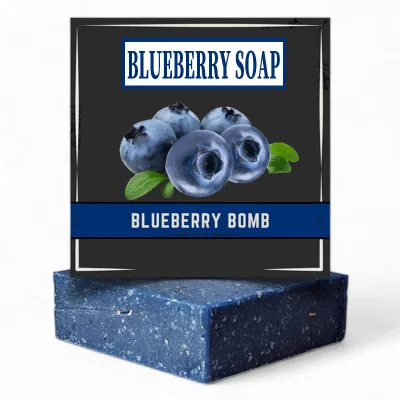
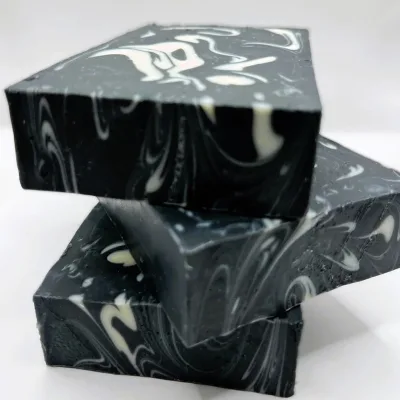
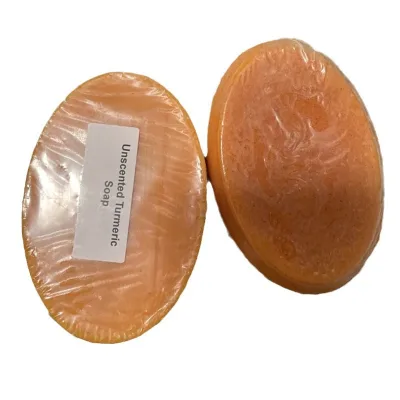
Blueberry bar Blueberry Soap Ocean Handmade Cold Process Soap Facial Cleaning Soap
$1.00 - $2.00
MOQ: 50 pieces

Guangzhou Shiruoni Cosmetics Co., Ltd.
- Trading Company,Manufacturer/Factory,Group Corporation
- China Guangdong
- Lead time15 days
- Avg. response≤ 6h
Main productsSkin Care, Jelly Mask, Face Serum, Face Toner, Face Cream, Facial Mask, Sunscreen, Face Cleanser, Soap, Skin Care Set
Main marketsSouth America,Eastern Europe,Mid East,North America,Southeast Asia,Eastern Asia,Oceania,Western Europe,Africa

OEM Cleansing Brightening Bath Toilet Soap Handmade Glycerin Whitening Fruit Flower Soap
$1.15 - $1.45
MOQ: 1000 Pieces


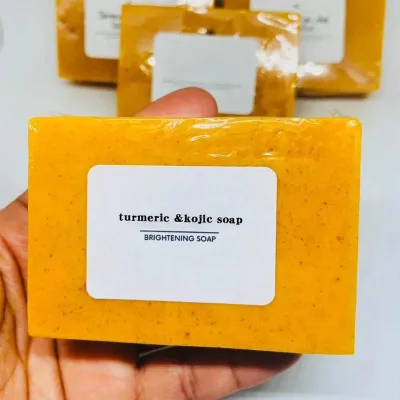
Handmade Whitening Skin Lightening Deep Cleaning Brighten Skin Kojic Acid Glycerin Soap
$2.00 - $2.50
MOQ: 1000 Pieces

Natural Organic Soap Lightening Whitening Lavender Handmade Face Bath Body Soap
$0.90 - $1.20
MOQ: 1000 Pieces

Manufacture Handmade Soap Cheap Bath Soap Moisturizing Oil Control Fruit Flower Soap
$1.15 - $1.45
MOQ: 1000 Pieces

Huizhou Boymay Cosmetics Co., Ltd.
- Trading Company
- Lead time旺季: "1 - 1000":12,"1001 - 5000":30,"> 5000":"To be negotiated", 淡季: "1 - 1000":12,"1001 - 5000":30,"> 5000":"To be negotiated"
- Avg. response≤ 2h
Main productsBath Bomb, Shower Steamer, Soap, Hair Treatment, Body Care
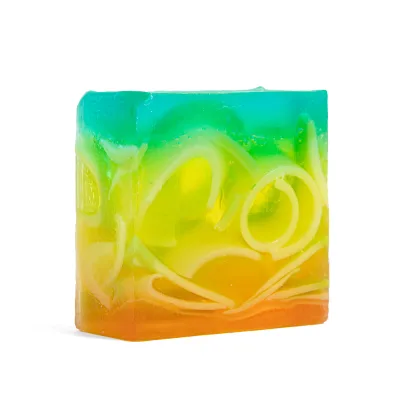
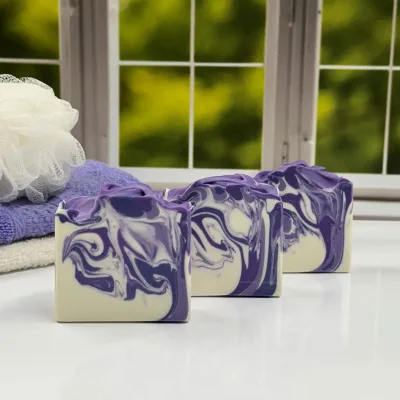
Custom Rainbow Color Handmade Glycerin Bar Soap with Paraben and Cruelty Free
$0.5636 - $0.6656
MOQ: 200 pieces
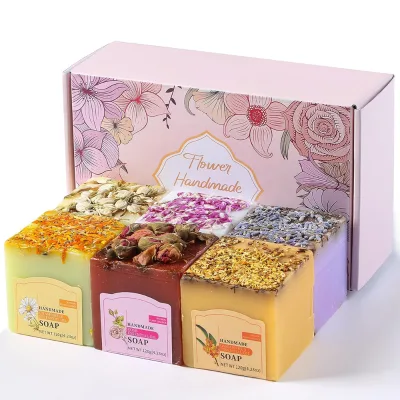
$0.6146 - $0.718
MOQ: 500 pieces
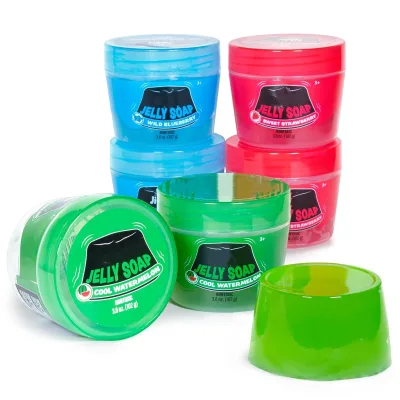
$0.35 - $0.65
MOQ: 1000 pieces
$2.00 - $2.99
MOQ: 300 pieces
Factory OEM Custom Natural Whitening Exfoliating and Moisturizing Handmade Soaps for Face and Body
$0.45 - $0.69
MOQ: 500 pieces
Foshan Bada Daily Chemical Products Co., Ltd.
- Manufacturer, Trading Company
- Guangdong, China
- Lead time30 days
- Avg. response≤ 2h
Main productsSoap,Shower Gel,Shampoo,Liquid Foundation,Facial Masks
Main marketsNorth America(15.00%), Africa(12.00%), Eastern Europe(12.00%), Western Europe(9.00%), Mid East(9.00%), Southeast Asia(8.00%), Eastern Asia(7.00%), Domestic Market(6.00%), South America(6.00%), Central America(5.00%), South Asia(4.00%), Oceania(3.00%), Northern Europe(2.00%), Southern Europe(2.00%)

Yixing Allwin Products Co., Ltd.
- Verified by CTI
- Trading Company,Manufacturer/Factory,Group Corporation
- China Jiangsu
- Lead time23 days
- Avg. response≤ 2h
Main productsFace Cream, Lip Care, Bath Care, Perfume/ Body Mist, Personal Care, Luxury Cosmetic, Laundry Detergent, Soap Flowers, Package
Main marketsSouth America,Eastern Europe,Mid East,North America,Southeast Asia,Eastern Asia,Oceania,Western Europe,Africa

Guangzhou Aixin Cosmetic Co., Ltd.
- Verified by TUVRHEINLAND
- Trading Company
- China Guangdong
- Lead time15 days
- Avg. response≤ 5h
Main productsSkin Care, Cosmetic, Face Mask, Beauty, Body Scrub, Face Care, Body Care, Skin Care Product, Mask, Cream
Main marketsDomestic


High Quality Lavender Handmade Organic Soap for Skin Whitening Lavender Handmade Soap
$0.55 - $0.80
MOQ: 100 Pieces
Enrich Enterprises (Xiamen) Limited
- Verified by Intertek
- Trading Company
- Lead time40 days
- Avg. response≤ 8h
Main productsBath Gift Set, Bath And Body Care Product, Home Fragrance Product, Bath Bomb, Bath Gift Packaging
Main marketsNorth America(75%), Oceania(18%), Eastern Europe(2%)
Hefei Ruonong Biotechnology Co., Ltd.
- Manufacturer, Trading Company
- Anhui, China
- Lead time15 days
- Avg. response≤ 4h
Main productsSoap Facial care,cosmetics,Daily chemical products,Household cleaning products,toiletries
Main marketsSouth Asia(20.00%), Southeast Asia(12.00%), North America(10.00%), Central America(10.00%), South America(5.00%), Mid East(5.00%), Western Europe(3.00%), Southern Europe(3.00%), Africa(3.00%), Eastern Asia(2.00%), Northern Europe(2.00%), Oceania(1.00%), Eastern Europe(1.00%)
Shiyan Commodity (Huizhou) Co., Ltd.
- Verified by SGS Group
- Manufacturer, Trading Company
- Lead time0 days
- Avg. response≤ 2h
Main productsSoap, Shower Steamers, Bath Bombs, Bath Salt, Shampoo Bar
Main marketsNorth America(59%), Western Europe(15%), Domestic Market(8%)
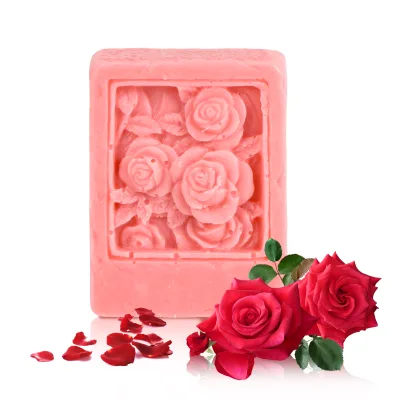
$0.709 - $0.9144
MOQ: 500 pieces

Yangzhou Eco Nature Hotel Supply Co., Ltd.
- Verified by TUVRHEINLAND
- Combined
- China Jiangsu
- Lead time23 days
- Avg. response≤ 16h
Main productsSlipper, Shampoo, Toothbrush, Soap, Razor, Comb, Sewing Kit, Vanity Kit, Shower Cap, Loofah
Main marketsSouth America,Southeast Asia/ Mideast,Europe,Australia,North America
Hebei Jiebang Daily Chemical Co., Ltd.
- Trading Company
- Hebei, China
- Lead time15 days
- Avg. response≤ 10h
Main productssoap,detergent powder,Laundry detergent,Kitchen Cleaning Products,Bathroom cleaner
Main marketsSouth Asia(10.00%), Africa(10.00%), Northern Europe(10.00%), Southeast Asia(10.00%), Eastern Asia(10.00%), South America(10.00%), North America(10.00%), Southern Europe(5.00%), Mid East(5.00%), Oceania(5.00%), Central America(5.00%), Western Europe(5.00%), Eastern Europe(5.00%)
$0.75 - $1.05
MOQ: 3000 pieces
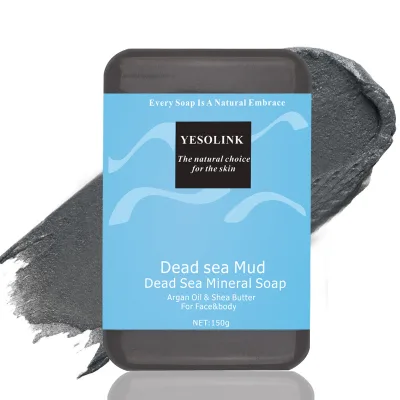
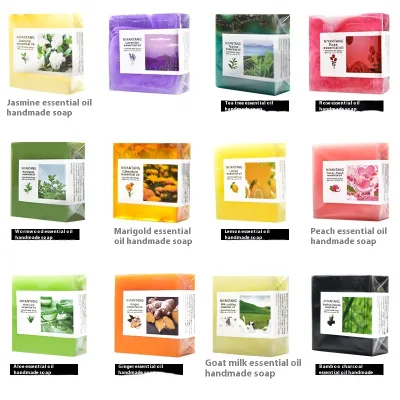
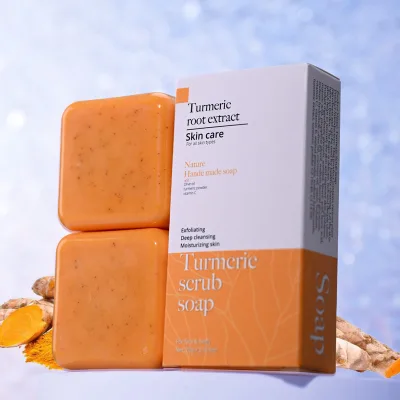
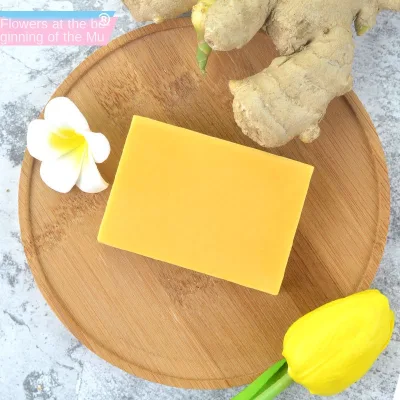
Goat Milk Silk Turmeric Ginger Coffee Sea Salt Handmade Soap Dead Sea Mud Natural Turmeric Soap
$1.6219 - $1.9217
MOQ: 3 pieces

- Trading Company,Manufacturer/Factory
- China Hebei
- Lead time15 days
- Avg. response≤ 3h
Main productsLaundry Detergent, Washing Powder, Liquid Soap
Main marketsSouth America,Eastern Europe,Mid East,North America,Southeast Asia,Eastern Asia,Oceania,Western Europe,Africa

Customized in Different Colors Home Use Transparent Glycerin Bath Soap
$0.15 - $0.30
MOQ: 10000 Pieces

Natural Glycerin Toilet Beauty Soap Bar Bath Skin Whitening Soap for Bathing
$0.14 - $0.20
MOQ: 30000 Pieces


Daily Chemicals Cosmetics Bath Soap Beauty Soap Hand Made Face Cleaning Soap
$0.20 - $0.30
MOQ: 130000 Pieces


Guangzhou Tinsun Biotechnology Company Limited
- Combined
- China Guangdong
- Lead time15 days
- Avg. response≤ 8h
Main productsSkin Care
Main marketsEast Asia(Japan/ South Korea),Australia,North America

Hebei Machinery & Equipment Import & Export Co., Ltd.
- Verified by SGS
- Trading Company,Manufacturer/Factory
- China Hebei
- Lead time60 days
- Avg. response≤ 10h
Main productsIron Castings /Stainless Steel Castings, Industrial Spare Parts OEM Machining/Fabrication, Wire Mesh and Filters, Transmission Parts (Gears Pulleys Shafts etc), Ironing Board Cover, PEVA Table Cloth, Cast Iron Oven Pot, Electrical Hardware Materials Clamp/Box/Coupling, Bath Towl, Pet Products (Pet Pad Pet Mats etc)
Main marketsSouth America,Eastern Europe,Mid East,North America,Southeast Asia,Eastern Asia,Oceania,Western Europe,Africa
Guangzhou Langyi Daily Chemical Industry Co., Ltd.
- Manufacturer, Trading Company
- Guangdong, China
- Lead time30 days
- Avg. response≤ 6h
Main productsShampoo and Conditioner/Body Wash/Fireless Rattan/Handmade Soap/Fragrance
Main marketsSoutheast Asia(40.00%), Mid East(20.00%), Africa(15.00%), North America(15.00%), Eastern Europe(5.00%), South America(5.00%)
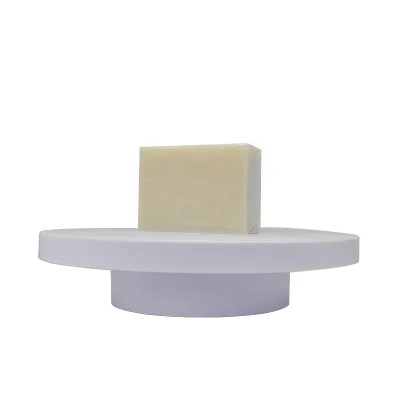
$1.1377 - $1.8603
MOQ: 100 pieces
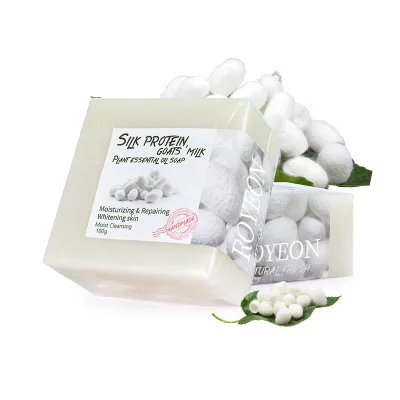
$0.4137 - $0.5696
MOQ: 2 pieces
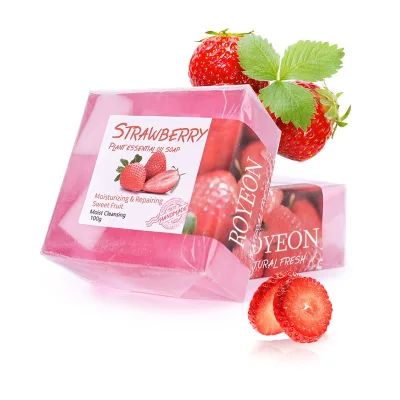
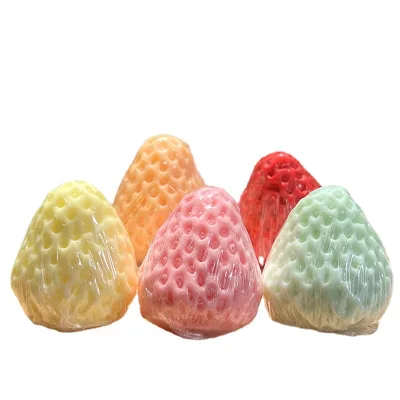
Organic Bio Ecological Whitening Strawberry Bath and Toilet Soap Anti-Acne Solid Form
$0.35 - $0.52
MOQ: 2 pieces

Guangzhou Rangecolor Cosmetics Co., Ltd.
- Trading Company,Manufacturer/Factory
- China Guangdong
- Lead time38 days
- Avg. response≤ 19h
Main productsEyeshadow, Blush, Lipgloss, Face Powder, Lipstick, Lip Balm, Facial Mask, Lotion, Makeup Remover, Liquid Foundation
Main marketsSouth America,Eastern Europe,Mid East,North America,Eastern Asia,Western Europe,Africa
Yangzhou Xinru Commodity Co., Ltd.
- Manufacturer, Trading Company
- Jiangsu, China
- Lead time20 days
- Avg. response≤ 3h
Main productssoap,hotel soap,laundry soap,hotel amenities,fruity soap
Main marketsSouth America(50.00%), Africa(25.00%), North America(20.00%), Mid East(5.00%)

Guangzhou Zhishanmei Biotechnology Co., Ltd.
- Verified by TUVRHEINLAND
- Combined
- China Guangdong
- Lead time15 days
- Avg. response≤ 5h
Main productsAromatherapy Candles Handmade Soap Soap
Main marketsDomestic


Cold-Process Handmade Soap with Plant-Based Essence for Eco-Friendly Care
$1.10 - $1.50
MOQ: 1000 Pieces


Handmade Cold-Process Soap Infused with Plant-Based Moisturizing Essence
$1.10 - $1.50
MOQ: 1000 Pieces

Shijiazhuang Hanpei Import And Export Co., Ltd.
- Trading Company
- Hebei, China
- Lead time15 days
- Avg. response≤ 1h
Main productsWashing powder,Soap,Dishwashing liquid,Laundry detergent,Oil fume cleaner
Main marketsNorth America(20.00%), Southeast Asia(15.00%), Mid East(12.00%), South America(9.00%), Central America(8.00%), South Asia(7.00%), Eastern Asia(6.00%), Africa(5.00%), Northern Europe(4.00%), Domestic Market(4.00%), Eastern Europe(4.00%), Western Europe(3.00%), Oceania(2.00%), Southern Europe(1.00%)
Guangzhou Fantesy Biotechnology Co., Ltd.
- Manufacturer, Trading Company
- Lead time旺季: "1 - 1000":31,"> 1000":"To be negotiated", 淡季: "1 - 1000":31,"> 1000":"To be negotiated"
- Avg. response≤ 3h
Main productsSoap, Serum, Body Care Product, Hair Care Product, Bath Product
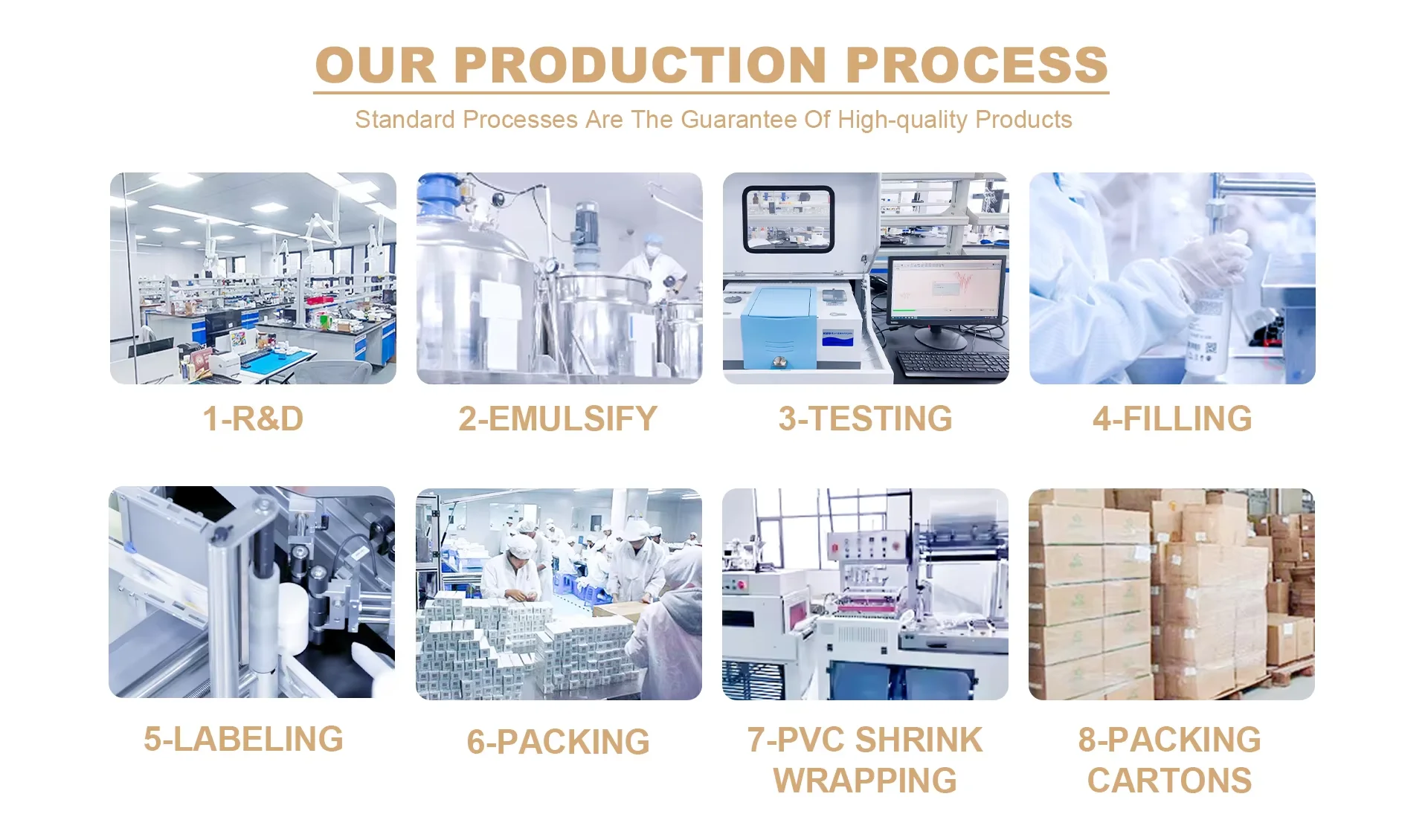
Guangzhou Xingting Daily Chemical Co., Ltd.
- Manufacturer, Distributor/Wholesaler
- Guangdong, China
- Lead time15 days
- Avg. response≤ 3h
Main productslaundry cleaning products,kitchen cleaning products,floor cleaning products,personal care products,home care products and cleaning effervescent tablets products.
Main marketsEastern Europe(20.00%), South America(20.00%), North America(20.00%), Western Europe(5.00%), Mid East(5.00%), Oceania(5.00%), Africa(5.00%), Southeast Asia(5.00%), Northern Europe(3.00%), Southern Europe(3.00%), Central America(3.00%), Domestic Market(2.00%), South Asia(2.00%), Eastern Asia(2.00%)
Chengdu Gaoli Meishi Electronic Commerce Co., Ltd.
- Trading Company
- Sichuan, China
- Lead time7 days
- Avg. response≤ 4h
Main productsBath salts,Candles and aromatherapy,Bath bombs,Soap,Body care
Main marketsEastern Europe(30.00%), North America(30.00%), Western Europe(10.00%), Africa(10.00%), Southeast Asia(10.00%), South America(10.00%)

Yangzhou Nano Aviation Technology Co., Ltd.
- Verified by SGS
- Combined
- China Jiangsu
- Lead time15 days
- Avg. response≤ 3h
Main marketsSoutheast Asia/ Mideast,Domestic

Yangzhou Tracey Daily Chemical Plastic Co., Ltd.
- Verified by BV
- Trading Company
- China Jiangsu
- Lead time30 days
- Avg. response≤ 5h
Main productsToothpaste, Soap Bar, Toothbrush, Bamboo Toothbrush, Hotel Amenities, Hotel Slipper, Jail Prison Supply, Personal Care Hygiene Produts, Toliet Bathroom Supply
Main marketsSouth America,Africa,Southeast Asia/ Mideast,East Asia(Japan/ South Korea),Domestic,Europe,Australia,North America

$0.10 - $0.20
MOQ: 10000 Pieces

Wholesale Fruit Handmade Whitening Clean Soap Private Label Natural Organic Cleanser Soap Strawberry
$0.10 - $0.20
MOQ: 10000 Pieces

Shijiazhuang Gruite Daily Chemical Co., Ltd.
- Trading Company,Manufacturer/Factory
- China Hebei
- Lead time23 days
- Avg. response≤ 22h
Main productsDetergent Powder, Laundry Soap, Toilet Soap, Dish Washing Liquid, Liquid Laundry Detergent, Laundry Bar Soap, Transparent Soap, Baby Soap, Multi-Purpose Soap
Main marketsSouth America,Mid East,North America,Southeast Asia,Eastern Asia,Oceania,Africa


Hot Sale Toilet Natural Organic Skin Care Soap, Handmade Hotel Bath Bathing Laundry Soap
$410.00 - $730.00
MOQ: 25 Tons


Guangzhou Yunmei Cosmetic Co., Ltd.
- Verified by SGS Group
- Manufacturer, Trading Company
- Lead time35 days
- Avg. response≤ 6h
Main productsAnti Wrinkle Cream, Hair Removal Cream, Face Serum, Body Lotion, Lipstick
Main marketsDomestic Market(55%), North America(10%), Western Europe(10%)









Comprehensive Sourcing Guide
Blueberry Handmade Glycerin Soap Supplier Concentration and Factory Types
The sourcing landscape for Blueberry Handmade Glycerin Soap features a diverse mix of manufacturing entities, primarily categorized as manufacturers, trading companies, and distributors. Buyers will encounter suppliers who operate as pure manufacturers, focusing on the physical production of soap bases and finished bars, while others function as trading companies or wholesalers that aggregate products from various factories. This distinction is critical because it directly impacts the level of control a buyer has over the production process, material sourcing, and customization capabilities. Manufacturers typically offer more direct access to production lines, allowing for deeper customization of ingredients such as essential oils and herbal extracts, whereas trading companies may provide a broader catalog of existing stock items with faster availability but less flexibility in formulation changes.
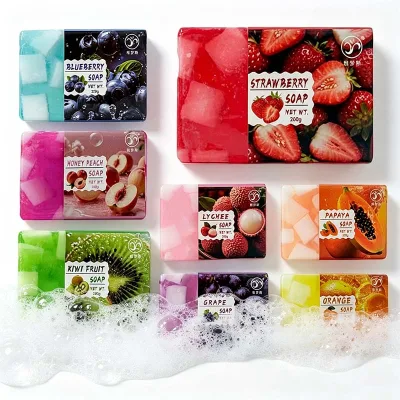
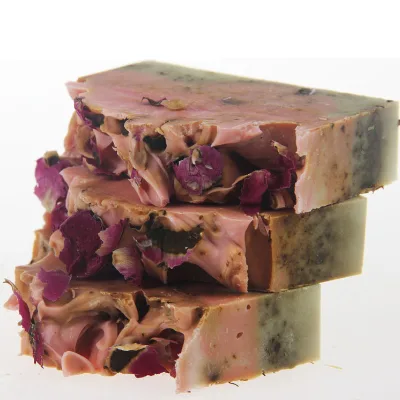
In terms of specific product offerings, the market includes specialized items like factory custom natural Blueberry Handmade Glycerin Soap for face cleansing and wholesale organic herbal rose milk handmade soap. These products often highlight features such as basic cleaning, whitening, and moisturizing properties, catering to adult skin types with normal to all skin variations. Some suppliers emphasize their experience, with certain entities citing two decades of industry expertise, which can be a proxy for reliability and refined production techniques. The main products listed by these suppliers often extend beyond just blueberry soap to include other handmade soaps, laundry soap, and essential oil soaps, indicating a broad capability in personal care and household cleaning segments. This variety allows buyers to potentially consolidate orders for multiple personal care items from a single source, streamlining the procurement process.
How to Verify Blueberry Handmade Glycerin Soap Suppliers
Verification is a crucial step in ensuring the quality and legitimacy of suppliers offering Blueberry Handmade Glycerin Soap. Buyers should prioritize suppliers that have undergone third-party verification processes, such as those conducted by Intertek, which provides an additional layer of confidence regarding the supplier's operational standards and business practices. Beyond verification badges, it is essential to examine the certifications held by the manufacturing facilities. Relevant system certifications for personal care products include GMPC, ISO 22716, MSDS, and CPNP, which indicate adherence to good manufacturing practices, quality management systems, and safety data standards. These certifications are particularly important for products intended for international markets, where regulatory compliance is strictly enforced.
In addition to certifications, buyers should assess the supplier's response time and willingness to provide samples. A quick response time, such as two hours, suggests a responsive and customer-oriented sales team, which is vital for resolving issues during the sourcing process. Suppliers that offer sample processing and graphic processing services demonstrate their capability to handle custom orders and private labeling requirements. Buyers should request samples to evaluate the physical quality of the soap, including its texture, fragrance intensity, and packaging integrity. The presence of ODM and OEM services indicates that the supplier can accommodate custom formulations and branding needs, which is essential for businesses looking to differentiate their products in the market. Verifying these aspects helps mitigate the risk of partnering with unreliable or non-compliant suppliers.
What to Compare Across Blueberry Handmade Glycerin Soap Suppliers
When evaluating multiple suppliers, buyers must compare key operational metrics such as lead time, minimum order quantity (MOQ), and pricing structures. Lead times can vary significantly, with some suppliers offering production completion within fifteen days, while others may require up to thirty days. This difference is crucial for inventory planning and meeting market demand, especially for seasonal products or promotional campaigns. Similarly, MOQs can range from fifty units for smaller, customized orders to ten thousand units for bulk purchases of standard items like glycerin soap. Understanding these thresholds helps buyers align their order sizes with their sales forecasts and storage capabilities, avoiding excessive inventory costs or stockouts.
Pricing is another critical factor, with costs varying based on ingredients, customization, and order volume. For instance, blueberry handmade soap may be priced between $0.87 and $1.70 per unit, while other variants like organic herbal rose milk soap might range from $1.12 to $1.73. Loofah crushed soaps for skin whitening could be priced higher, around $1.87 to $2.08, reflecting the additional ingredients and processing involved. Buyers should also consider the supplier's main products and specialization; a supplier focusing on soap bases and melt-and-pour options may offer different advantages compared to one specializing in finished handmade bars. Comparing these dimensions allows buyers to identify the best balance between cost, quality, and service level for their specific business needs.
Common Blueberry Handmade Glycerin Soap Sourcing Risks
One of the primary risks in sourcing Blueberry Handmade Glycerin Soap is the inconsistency in product quality and ingredient authenticity. Since many products are marketed as "natural" or "organic," there is a potential for discrepancies between claimed ingredients and actual formulations. Buyers must be vigilant about verifying the source of key ingredients, such as blueberry extract and essential oils, to ensure they meet the advertised standards. Additionally, the term "handmade" can be ambiguous, with some suppliers using it to describe small-batch production while others may use it for mass-produced items with minor manual finishing steps. This ambiguity can lead to misunderstandings about production capacity and quality control measures, potentially resulting in delays or subpar products.
Another significant risk is the lack of transparency in supply chain practices, particularly regarding ethical sourcing and environmental impact. Suppliers may not provide detailed information about the sustainability of their materials or the working conditions in their factories. Buyers should inquire about the supplier's commitment to ethical practices and environmental standards, such as the use of biodegradable ingredients and eco-friendly packaging. Furthermore, the risk of intellectual property infringement exists when working with suppliers offering OEM services, as custom designs and formulations may be copied or sold to other clients. To mitigate these risks, buyers should conduct thorough due diligence, request detailed product specifications, and establish clear contractual agreements that protect their interests and ensure compliance with their brand values.
Blueberry Handmade Glycerin Soap Regional Sourcing and Logistics
The geographical location of suppliers plays a significant role in logistics, lead times, and overall sourcing strategy. Many suppliers for Blueberry Handmade Glycerin Soap are located in Guangdong, China, a region known for its robust manufacturing infrastructure and expertise in personal care products. Sourcing from this region can offer advantages in terms of production efficiency and cost-effectiveness, but buyers must also consider the logistical implications of international shipping. The proximity to major ports and established supply chains in Guangdong can facilitate faster and more reliable shipping options, reducing transit times and potential delays. However, buyers should also evaluate the supplier's experience with international logistics, including their ability to handle customs clearance and documentation requirements.
In addition to location, buyers should assess the supplier's packaging and shipping capabilities to ensure products arrive in optimal condition. Handmade soaps are sensitive to temperature and humidity, so proper packaging is essential to maintain product integrity during transit. Suppliers should provide detailed information about their packaging methods, including the use of moisture-resistant materials and protective packaging to prevent damage. Buyers should also consider the total landed cost, which includes not only the product price but also shipping, insurance, and import duties. By carefully evaluating these logistical factors, buyers can minimize risks and ensure a smooth supply chain process, ultimately enhancing customer satisfaction and brand reputation.
Blueberry Handmade Glycerin Soap Commercial Terms and Order Planning
Effective order planning requires a clear understanding of commercial terms, including payment methods, warranty policies, and after-sales support. Buyers should negotiate favorable payment terms that align with their cash flow needs, such as partial payments upfront and the balance upon shipment or delivery. It is also important to clarify the supplier's warranty and return policies in case of product defects or quality issues. Suppliers that offer robust after-sales support, including technical assistance and responsive customer service, can provide greater peace of mind and operational stability. Additionally, buyers should consider the scalability of the supplier's production capacity to accommodate future order increases, ensuring that they can meet growing market demand without compromising quality or lead times.
Furthermore, buyers should plan for long-term partnerships by establishing clear communication channels and regular performance reviews. Regularly assessing supplier performance against key metrics such as on-time delivery, product quality, and responsiveness can help identify areas for improvement and strengthen the business relationship. Buyers should also stay informed about market trends and regulatory changes that may impact the sourcing of Blueberry Handmade Glycerin Soap, such as new ingredient restrictions or labeling requirements. By proactively managing these commercial and operational aspects, buyers can build a resilient and efficient supply chain, positioning their business for sustained success in the competitive personal care market.
FAQs
What is the price range for Blueberry Handmade Glycerin Soap?
The price range for Blueberry Handmade Glycerin Soap typically falls between $0.87 and $1.70 per unit. This pricing reflects the cost of essential oil ingredients and the specialized manufacturing process required for cold-process or melt-and-pour methods. Buyers should expect variations based on order volume and specific customization requirements for packaging or branding.
What is the minimum order quantity for these soaps?
Minimum order quantities vary significantly by supplier type. Some manufacturers offer low MOQs of 50 units for sample processing or small batches. However, larger production runs often require MOQs of 10,000 units to ensure cost efficiency. Buyers should verify the specific MOQ with the supplier before placing an order to avoid unexpected fees.
How long does production take for custom orders?
Production lead times generally range from 15 to 30 days depending on the supplier's capacity and order size. Some suppliers with faster response times may complete orders in as little as 5 days. Buyers should confirm the exact lead time with the manufacturer, as customized packaging or specific ingredient requests can extend the production schedule.
Are these soaps suitable for all skin types?
Yes, many blueberry handmade glycerin soaps are formulated for all skin types, including normal and sensitive skin. The natural ingredients, such as essential oils and glycerin, provide basic cleaning and moisturizing benefits. Buyers should check the specific ingredient list to ensure the product meets individual skin requirements and avoids potential allergens.
What certifications do these soap manufacturers hold?
Reputable manufacturers often hold GMPC, ISO 22716, MSDS, and CPNP certifications. These credentials ensure compliance with international safety and quality standards for personal care products. Buyers should request copies of these certificates to verify that the supplier meets regulatory requirements for their target market, especially for export purposes.
Can I get samples before placing a bulk order?
Most suppliers offer sample processing services to allow buyers to evaluate product quality. Samples typically cost more per unit than bulk orders but provide a tangible assessment of the soap's texture, fragrance, and cleansing properties. Buyers should inquire about sample availability and shipping costs to ensure they can make an informed purchasing decision.