Source Organic Anti Acne Coffee Soap for body, face, and hand
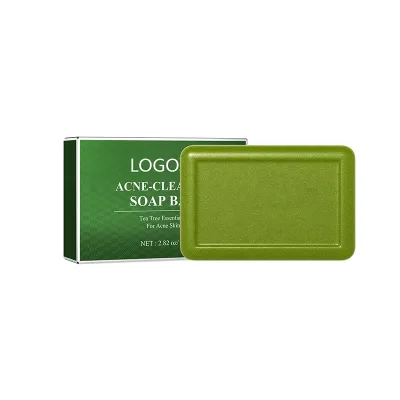
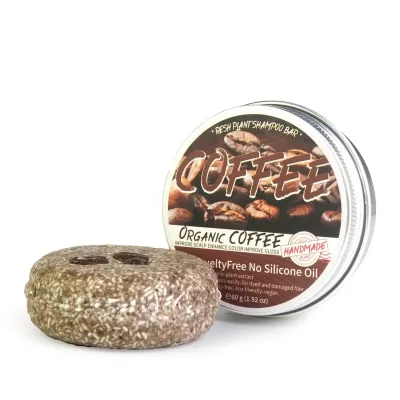
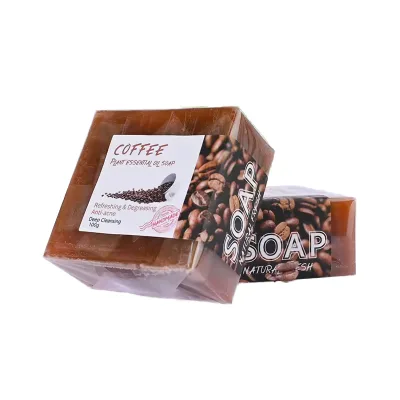
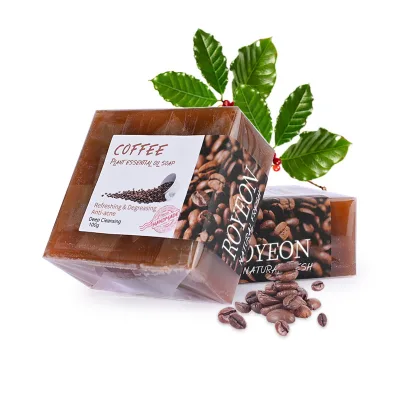
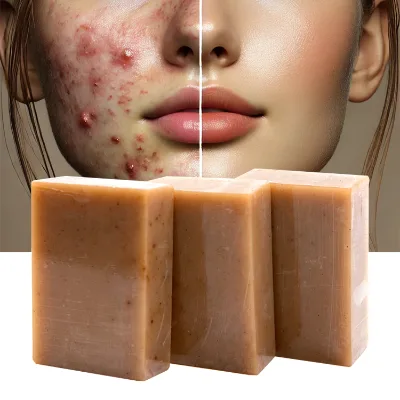
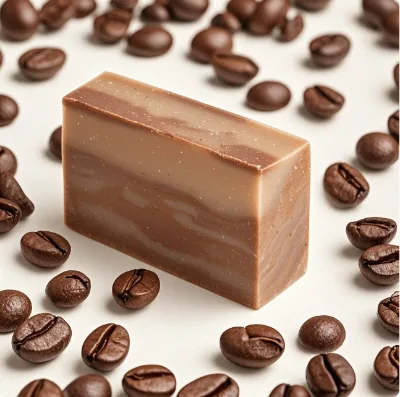
Compare 30 listings of Organic Anti Acne Coffee Soap from verified suppliers. Options include herbal and glycerine-based bars with customizable logos, colors, and packaging for all skin types. These solid toilet soaps feature natural fragrances, whitening properties, and acne treatment benefits suitable for normal, oily, and sensitive skin applications.
Updated
Key considerations
Products List





Comprehensive Sourcing Guide
Organic Anti Acne Coffee Soap Sourcing Guide
Sourcing organic anti-acne coffee soap requires a careful balance between cosmetic efficacy and supply chain transparency. Buyers must distinguish between products that genuinely utilize coffee extracts for their antioxidant properties and those that merely use fragrance to mimic the scent. The market offers various formulations, including those with herbal ingredients and glycerine bases, which cater to different skin types such as normal, oily, or sensitive skin. Understanding these distinctions is critical for selecting a product that aligns with specific brand positioning and consumer expectations.
Procurement teams should prioritize suppliers who provide clear ingredient lists and customization options. Many manufacturers offer private label services, allowing brands to tailor the soap’s color, logo, and packaging to their unique identity. However, the presence of "organic" claims must be verified against actual certification standards, as many listed products are simply handmade or feature natural fragrances without formal organic certification. This guide outlines the essential steps for evaluating suppliers, verifying technical specifications, and ensuring compliance with safety regulations to mitigate risk in the sourcing process.
Product Scope and Observed Listing Signals
The current market landscape for anti-acne coffee soap includes a variety of solid bar soaps designed for body, face, and hand application. Observed listings indicate a price range of $0.20 to $6.20 USD, with minimum order quantities (MOQs) varying from 2 to 1,000 units. These products are typically marketed as basic cleaning agents with additional features such as whitening and acne treatment. The form is consistently solid, with net weights that can be customized, and shelf lives generally spanning three years. Buyers should note that while some products highlight herbal or fruit-based main ingredients, others rely on glycerine for moisturizing properties.
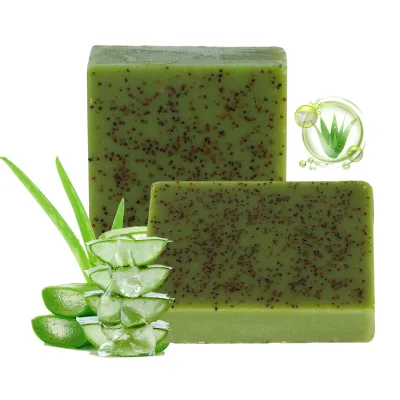
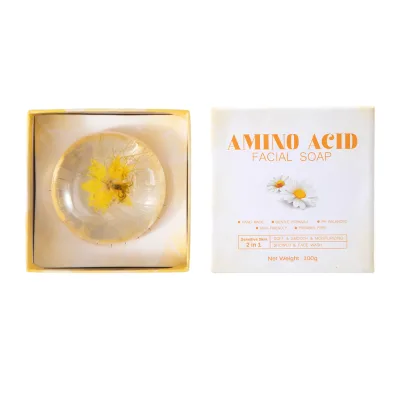
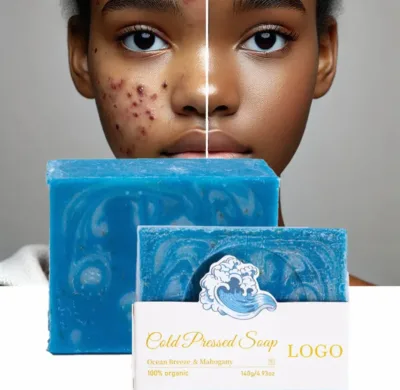
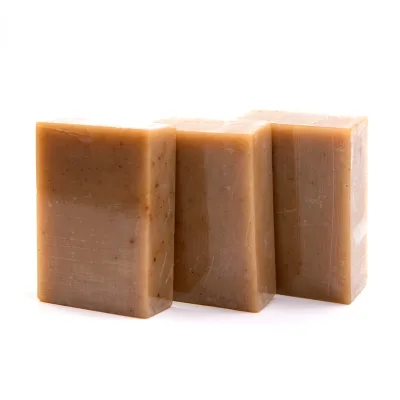
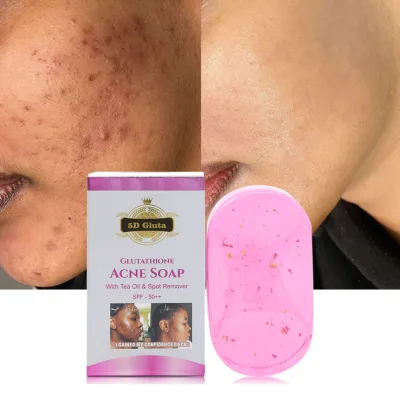
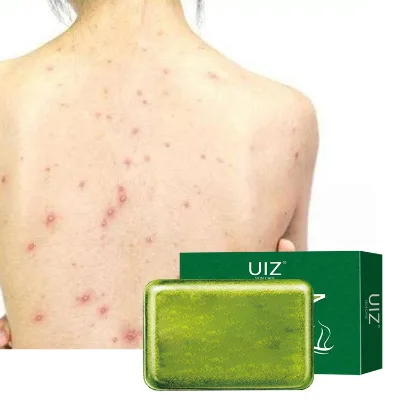
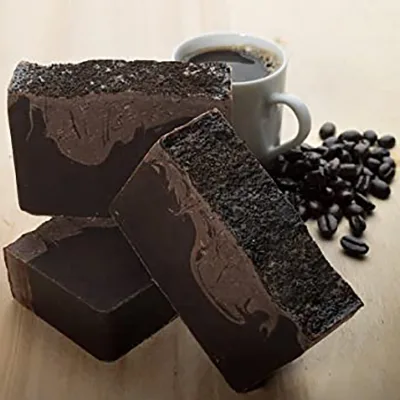
Visual and sensory attributes also play a significant role in product selection. Listings frequently describe the soap as non-transparent, with colors ranging from white and pink to green, or fully customized to match brand aesthetics. Fragrance profiles vary, with coffee being a prominent option alongside natural herbal scents. The application scope is broad, targeting all skin types, including sensitive and oily skin. However, buyers must verify that the "anti-acne" claims are supported by ingredient efficacy rather than just marketing language, as many products are classified as non-medicated toilet soaps rather than therapeutic treatments.
Technical Specifications to Verify
Technical verification begins with confirming the physical dimensions and packaging details of the soap bars. Standard single package sizes observed include dimensions such as 9x7x8 cm and 9x9x4 cm, with gross weights ranging from 0.200 kg to 0.250 kg per unit. These specifications are crucial for calculating freight costs and storage requirements. Buyers should also verify the model numbers associated with different formulations, such as Cc-17-1, Cc-09-1, or SMHS-005, as these often correspond to specific ingredient blends or manufacturing processes. Ensuring consistency in these metrics is vital for maintaining product uniformity across large orders.
Ingredient composition and customization capabilities are equally important technical factors. While many products list herbal or fruit ingredients, the presence of coffee extract must be explicitly confirmed if it is a key selling point. Suppliers often offer customized net weights and standard or bespoke packaging options. Additionally, the ability to print customer logos and adjust colors is a common feature, but buyers should request samples to verify the quality of the print and the stability of the colorants. It is also essential to confirm whether the soap is truly non-medicated, as this affects regulatory classification and marketing claims in different jurisdictions.
Compliance and Safety Documentation
Compliance with local cosmetic regulations is a non-negotiable aspect of sourcing anti-acne coffee soap. Buyers must ensure that suppliers provide necessary documentation, such as Safety Data Sheets (SDS) and product ingredient declarations, to facilitate customs clearance and market entry. Since many products are labeled as non-medicated, they typically fall under cosmetic regulations rather than pharmaceutical ones. However, claims regarding acne treatment may trigger stricter scrutiny in some markets, requiring additional clinical evidence or specific labeling approvals. Buyers should verify that the supplier’s manufacturing facilities adhere to Good Manufacturing Practices (GMP) to ensure product safety and consistency.
Certification status for organic or natural claims must be rigorously checked, as many suppliers may use these terms loosely. Without formal certification from recognized bodies, claims of "organic" ingredients may not be legally defensible. Buyers should request copies of any relevant certifications and verify their authenticity with the issuing organization. Additionally, it is important to confirm that the product does not contain prohibited substances or allergens that could pose health risks to consumers. Clear communication with the supplier regarding compliance requirements in the target market is essential to avoid legal issues and product recalls.
Cost Drivers and Commercial Terms
Cost structures for anti-acne coffee soap are influenced by several factors, including ingredient quality, customization level, and order volume. The observed price range of $0.20 to $6.20 USD reflects significant variation based on these variables. Higher prices may correlate with the use of premium coffee extracts, organic certifications, or complex packaging designs. Conversely, lower prices often correspond to basic formulations with minimal customization. Buyers should analyze the cost breakdown to understand how much of the price is attributed to raw materials versus manufacturing and logistics. This analysis helps in negotiating better terms and identifying potential areas for cost reduction without compromising quality.
Commercial terms, including MOQs and lead times, also impact the overall procurement strategy. MOQs ranging from 2 to 1,000 units offer flexibility for both small startups and large enterprises. However, buyers should be aware that smaller orders may incur higher per-unit costs due to setup fees and lower production efficiency. Lead times can vary based on the complexity of customization and the supplier’s current production capacity. It is advisable to establish clear agreements on payment terms, shipping responsibilities, and return policies to mitigate financial risks. Regular communication with the supplier regarding production schedules can help in planning inventory levels and avoiding stockouts.
Supplier Qualification and Quality Control
Supplier qualification involves a thorough assessment of the manufacturer’s capabilities, reputation, and quality management systems. Buyers should verify the supplier’s place of origin, with many manufacturers located in regions like Guangdong and Jiangsu in China, known for their robust manufacturing infrastructure. It is crucial to conduct factory audits or request third-party inspection reports to ensure that production facilities meet international standards. Suppliers with a history of producing private label products for reputable brands are often more reliable, as they have experience in meeting diverse client requirements and maintaining consistent quality.
Quality control measures should be integrated into the procurement process to ensure product consistency and safety. Buyers should request pre-production samples and conduct rigorous testing for key attributes such as fragrance stability, color consistency, and cleansing efficacy. Establishing clear quality acceptance criteria and conducting random inspections during production can help identify and rectify issues early. Additionally, suppliers should provide a clear process for handling defects and returns. Building a strong relationship with the supplier through regular communication and feedback can lead to continuous improvement and better collaboration on future product developments.
Long-Term Procurement Checks
Long-term procurement success depends on continuous monitoring of supplier performance and market trends. Buyers should regularly review supplier metrics, such as on-time delivery rates, product defect rates, and responsiveness to issues. Establishing key performance indicators (KPIs) and conducting periodic performance reviews can help identify areas for improvement and ensure that the supplier remains aligned with the buyer’s expectations. Additionally, staying informed about changes in cosmetic regulations and consumer preferences is essential for adapting the product offering to maintain competitiveness. Regularly updating the supplier’s capabilities and exploring new technologies can also drive innovation and efficiency.
Sustainability and ethical sourcing are increasingly important factors in long-term procurement strategies. Buyers should assess the supplier’s commitment to sustainable practices, such as the use of eco-friendly packaging and responsible sourcing of ingredients. Verifying the authenticity of organic or natural claims through third-party audits can enhance brand credibility and consumer trust. Furthermore, diversifying the supplier base can mitigate risks associated with supply chain disruptions. Building a resilient supply chain through strategic partnerships and continuous improvement initiatives ensures long-term stability and growth for the brand.
FAQs
Can I customize the logo on Organic Anti Acne Coffee Soap?
Yes, customer logo printing is available for this product. Buyers can request custom branding on the soap bars. The product supports private label options, allowing businesses to apply their own designs. This customization service helps brands stand out in the market while maintaining the core herbal and coffee ingredients.
What is the shelf life of this handmade soap?
The shelf life is three years. This duration ensures the product remains stable and effective for extended storage periods. Buyers can plan inventory management with confidence, knowing the soap retains its quality. The standard packaging helps preserve the integrity of the herbal and glycerine ingredients during this timeframe.
Which skin types is this soap suitable for?
It is suitable for all skin types, including normal, sensitive, and oily skin. The formulation is designed to be gentle yet effective for basic cleaning and acne treatment. This versatility makes it an ideal choice for diverse consumer bases. The non-medicated nature ensures broad compatibility without causing irritation to sensitive users.
What are the main ingredients in this coffee soap?
The main ingredients include fruit, glycerine, and herbal extracts. The coffee fragrance provides a natural scent profile. These components work together to offer whitening and anti-acne benefits. The solid bar form ensures easy handling and application for body, face, and hand cleaning needs.
What is the minimum order quantity for this product?
The minimum order quantity ranges from 2 to 1000 units. This flexibility accommodates both small trial orders and larger bulk purchases. Buyers can select quantities that fit their specific business needs. The standard or customized packaging options further support various order sizes and logistical requirements.
Where is this soap manufactured?
The product originates from Guangdong and Jiangsu, China. These regions are known for their manufacturing capabilities in personal care items. Buyers can expect consistent quality standards from these locations. The production facilities support both standard and customized specifications for toilet and beauty soaps.