Source Organic Handmade Essential Oil Soap for face, body, and hand wash
Compare 30 listings of Organic Handmade Essential Oil Soap from Guangdong, China. Buyers can evaluate features like olive oil content, herbal ingredients, and customization options for face, body, and hand cleaning applications; compare the available evidence and request quotations based on your requirements.
Updated
Key considerations
Products List





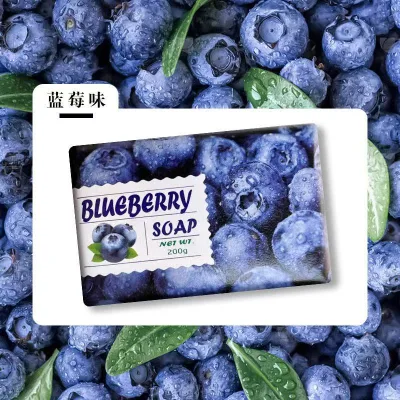
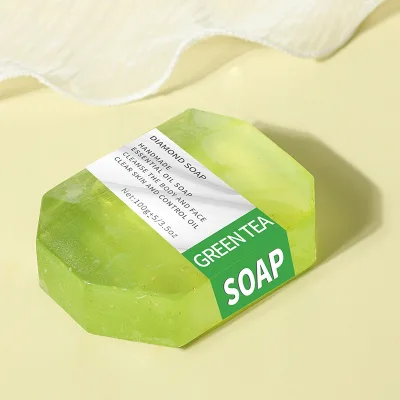
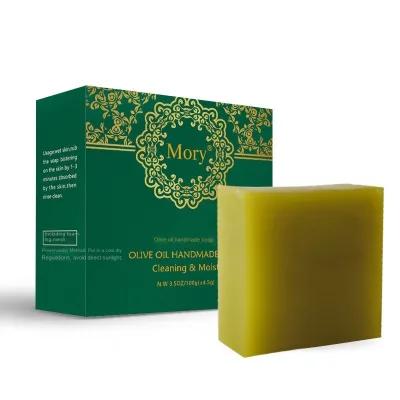
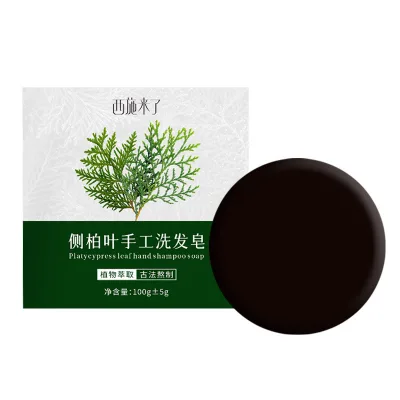





Comprehensive Sourcing Guide
Organic Handmade Essential Oil Soap Sourcing Guide
Sourcing Organic Handmade Essential Oil Soap requires a nuanced understanding of the intersection between artisanal production methods and industrial supply chain reliability. Buyers must recognize that while the product is marketed as handmade, the observed listings indicate a manufacturing base in Guangdong, China, with a primary material input of olive oil. This geographic and material context suggests a hybrid production model where traditional soap-making techniques are scaled for export. The core keyword emphasizes "organic" and "essential oil," yet the supplied facts highlight herbal ingredients and specific scents like aloe, floral, and fruit. Procurement teams must carefully align their marketing claims with the actual ingredient profiles provided by suppliers, ensuring that the "organic" label is substantiated by verifiable supply chain documentation rather than mere marketing terminology.
The commercial landscape for these products reveals a wide variance in specifications, from transparent to non-transparent bars, and various shapes including rectangles, squares, and rounds. The observed price range of 0.1 to 1.8 USD suggests a highly competitive market with significant margin potential for private labelers. However, the minimum order quantities (MOQ) ranging from 50 to 10,000 pieces indicate that suppliers cater to both small boutique orders and large-scale retail distribution. Buyers should evaluate whether the supplier’s capacity aligns with their volume requirements, as smaller MOQs may come with higher per-unit costs or limited customization options. Understanding these commercial dynamics is crucial for negotiating favorable terms and ensuring consistent supply continuity.
Product Scope and Observed Listing Signals
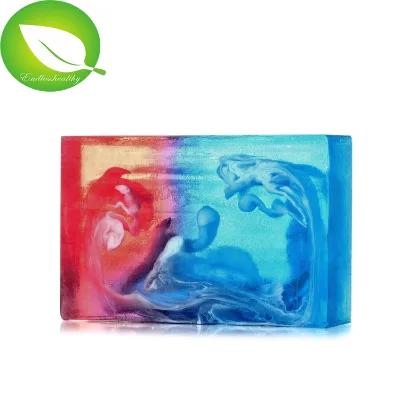
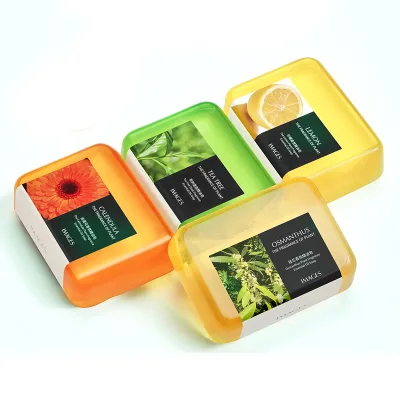
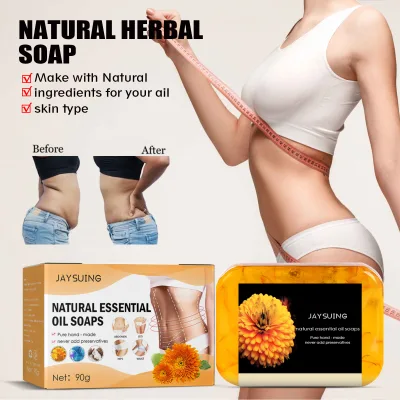
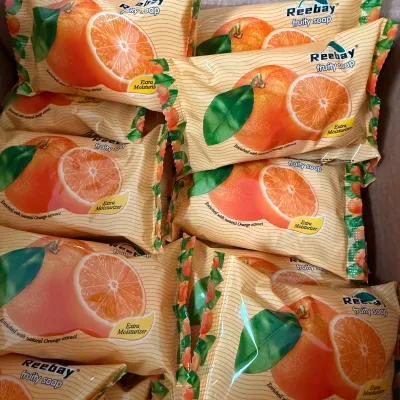
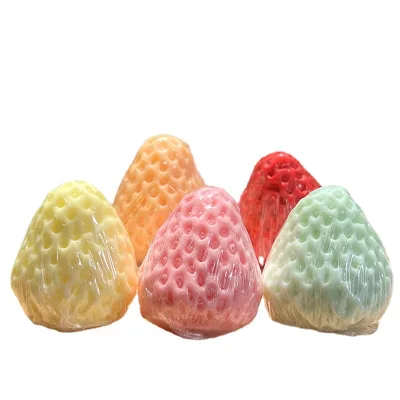
The product scope encompasses a variety of toilet soaps designed for face and hand washing, with efficacy claims focusing on cleaning, firming, whitening, and moisturizing. The observed listings indicate that the soap is solid, non-medicated, and suitable for all skin types, with a net weight of 100g per unit. The scent profiles vary, including aloe, floral, and fruit scents, which suggests that suppliers offer diverse sensory experiences to target different consumer preferences. The "handmade" attribute is prominently featured, implying a value proposition centered on natural ingredients and artisanal quality. However, buyers should verify the extent of manual labor involved, as some "handmade" claims may refer to cold-process techniques rather than fully hand-cut and cured bars.
Listing signals also reveal significant customization potential, with options for private labeling and packaging. The brand can be the "Endlesshealthy brand" or a client’s private label, indicating flexibility for brand owners. Packaging options range from simple bags or boxes to color boxes, with some listings noting "no box" for minimalistic approaches. The single package size of 30x20x40 cm and gross weight of 0.140 kg provide critical data for logistics planning. Buyers must assess whether the supplier’s packaging standards meet their retail requirements, particularly regarding durability and shelf appeal. The availability of free samples allows for quality assessment before committing to larger orders, a crucial step in mitigating risk.
Technical Specifications to Verify
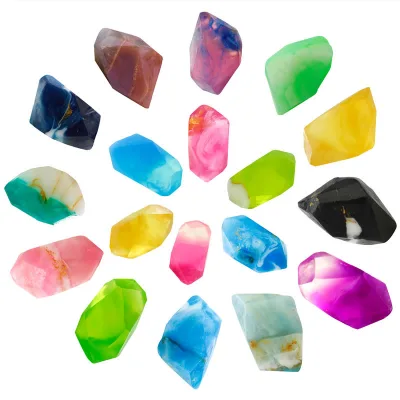
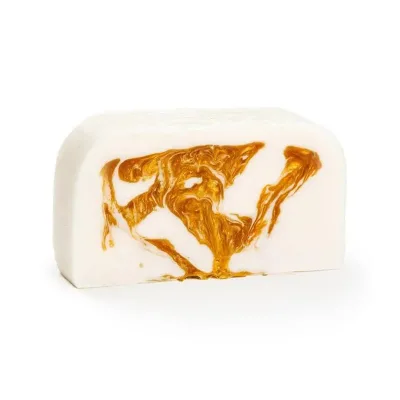
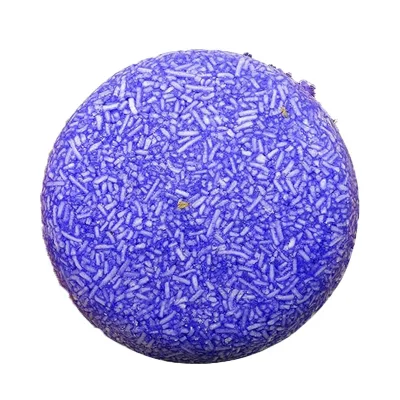
Technical verification begins with the physical dimensions and form factor of the soap bars. Observed sizes include 5.5x5.5x2.9 cm and 6.2x3.2 cm, with shapes ranging from round to square and rectangular. Buyers must confirm that these dimensions are consistent across production batches to ensure uniformity in packaging and display. The transparency attribute varies, with some bars being transparent and others not, which may indicate different formulations or curing processes. It is essential to verify the hardness and solubility of the soap, as these properties affect user experience and shelf life. The "Top Grade" designation suggests high quality, but buyers should request physical samples to assess texture, lather, and scent longevity.
The ingredient profile is another critical technical aspect, with olive oil listed as the main ingredient and herbal components added for efficacy. Buyers should verify the percentage of olive oil and the source of the herbal extracts to ensure they meet organic standards. The "Alkalescence" feature mentioned in some listings requires clarification, as traditional handmade soaps are typically alkaline due to the saponification process. Buyers must ensure that the pH level is balanced for skin safety, particularly for products marketed for facial use. Additionally, the shelf life of two years should be confirmed through stability testing, ensuring that the essential oils and herbal ingredients do not degrade or rancidify over time.
Compliance and Safety Documentation
Compliance with international safety standards is paramount for importing cosmetic products. Buyers must verify that the supplier holds relevant certifications, such as ISO 22716 for Good Manufacturing Practices (GMP) in cosmetics, and any organic certifications required by the target market. Although specific certification statuses are not provided in the supplied facts, buyers should request copies of all relevant compliance documents. This includes ingredient safety assessments, microbiological testing results, and heavy metal screening. The "Non-Medicated" claim simplifies regulatory requirements, but buyers must still ensure that the product does not make unauthorized therapeutic claims that could classify it as a drug in certain jurisdictions.
Documentation should also include a detailed ingredient list (INCI) that matches the product labeling. Buyers must ensure that all allergens are clearly disclosed, particularly if essential oils are used, as they can cause sensitivities in some individuals. The "Natural Scent" claim requires verification to ensure that no synthetic fragrances are used if the product is marketed as natural. Additionally, buyers should confirm that the supplier adheres to the regulatory requirements of the destination country, such as the EU Cosmetics Regulation or the US FDA guidelines. Proper labeling, including batch numbers and expiration dates, is essential for traceability and recall management.
Cost Drivers and Commercial Terms
Cost drivers for organic handmade soap include the quality and source of raw materials, particularly olive oil and essential oils. Fluctuations in agricultural commodity prices can significantly impact the final cost, so buyers should negotiate fixed pricing for the duration of the contract. The "Best price" claim in listings suggests competitive pricing, but buyers must clarify what this includes, such as packaging, labeling, and shipping. The observed price range of 0.1 to 1.8 USD indicates that costs vary based on customization, packaging complexity, and order volume. Buyers should request a detailed cost breakdown to understand the margin structure and identify potential areas for cost optimization.
Commercial terms such as MOQ, lead times, and payment terms are critical for supply chain planning. The MOQ range of 50 to 10,000 pieces offers flexibility, but buyers should negotiate for lower MOQs for initial orders to test the market. Lead times should be confirmed, especially during peak seasons, to avoid stockouts. Payment terms typically range from 30% deposit to 70% before shipment, but buyers should strive for more favorable terms, such as letters of credit, for larger orders. The availability of free samples is a valuable commercial term that reduces upfront risk, allowing buyers to assess quality before committing to production.
Supplier Qualification and Quality Control
Supplier qualification involves a thorough assessment of the manufacturer’s capabilities, including their production facilities, quality control processes, and financial stability. Buyers should conduct on-site audits or hire third-party inspection agencies to verify the supplier’s claims about handmade production and organic ingredients. The location in Guangdong, China, is a major manufacturing hub, but buyers must ensure that the supplier has dedicated lines for organic products to prevent cross-contamination. The "Private Customize Packaging" capability indicates flexibility, but buyers should verify the supplier’s experience in handling custom orders to ensure timely delivery and quality consistency.
Quality control measures should include incoming material inspections, in-process checks, and final product testing. Buyers should establish clear quality standards for parameters such as weight, dimensions, scent intensity, and pH level. Regular audits and random sampling during production can help identify and rectify issues early. The "Free sample" policy is a good indicator of supplier confidence, but buyers should also request production samples from actual batches to ensure consistency. Establishing a robust quality agreement with the supplier, including penalties for non-conformance, is essential for maintaining product integrity and brand reputation.
Long-Term Procurement Checks
Long-term procurement success depends on continuous monitoring of supplier performance and market trends. Buyers should establish key performance indicators (KPIs) for delivery reliability, quality consistency, and responsiveness to issues. Regular reviews of supplier performance data can help identify areas for improvement and strengthen the partnership. The dynamic nature of the cosmetic industry requires buyers to stay informed about emerging trends, such as new essential oil blends or sustainable packaging solutions. Buyers should encourage suppliers to innovate and offer new products that align with evolving consumer preferences.
Sustainability and ethical sourcing are increasingly important factors in long-term procurement. Buyers should verify that the supplier’s olive oil and herbal ingredients are sourced responsibly, with no links to deforestation or unfair labor practices. The "Organic" and "Handmade" claims carry ethical weight, and buyers must ensure that these claims are backed by verifiable practices. Building a resilient supply chain involves diversifying suppliers and maintaining safety stock to mitigate risks. Regular communication and collaboration with suppliers can foster innovation and ensure that the procurement strategy remains aligned with the brand’s long-term goals.
FAQs
What are the main ingredients in this organic handmade soap?
The main ingredient is olive oil, combined with herbal extracts to create a natural formulation. This solid toilet soap is designed for face and hand washing, offering basic cleaning and whitening benefits. It is non-medicated and suitable for all skin types, ensuring gentle care while maintaining skin health through its natural composition.
Can I customize the packaging for this handmade soap?
Yes, private customize packaging is available for this product. You can choose from options like single bags, boxes, or color boxes depending on your branding needs. The brand can be Endlesshealthy or your private label, allowing for full customization. This flexibility supports distinct market positioning and retail presentation for your specific business requirements.
What is the minimum order quantity for this soap?
The minimum order quantity ranges from 50 to 10,000 pieces, providing flexibility for various business scales. This range accommodates both small trial orders and large bulk purchases. Buyers can select the quantity that best fits their inventory needs, ensuring efficient procurement without excessive stock pressure while maintaining access to the product's competitive pricing structure.
Does this soap come in a free sample for testing?
Yes, a free sample is provided to allow buyers to test the product quality before placing a larger order. This feature enables verification of the soap's texture, scent, and efficacy. It is a practical step for ensuring the product meets your standards for cleaning, firming, and moisturizing functions before committing to a full production run.
What is the shelf life of this organic soap?
The shelf life is two years, ensuring long-term stability and usability. This duration allows for adequate storage and distribution time without compromising product integrity. The solid form and natural ingredients contribute to its durability, making it a reliable choice for retailers and distributors who require consistent quality over extended periods.
What scents are available for this handmade soap?
Available scents include Aloe, floral, and fruit fragrances, offering variety for different consumer preferences. The natural scent profile enhances the user experience while providing effective cleaning. These options allow buyers to select the most appealing aroma for their target market, ensuring the product aligns with specific customer expectations for freshness and sensory appeal.