Bluetooth Car Side Mirror Suppliers and Manufacturers
Compare 20 verified suppliers offering Bluetooth Car Side Mirror options with varying lead times, certifications, and response speeds. Review product attributes like curvature and coating to select the right partner for your automotive needs; review the available evidence before requesting comparable quotations from suitable candidates.
Suppliers List

DEZHOU HAVI ELECTRONICS CO., LTD.
- Verified by BV
- Combined
- China Shandong
- Lead time15 days
- Avg. response≤ 10h
Main productsAluminum Mirror, Tempered Glass, Convex Mirror, LED Mirror
Main marketsDomestic

- Verified by BV
- Trading Company,Manufacturer/Factory
- China Shandong
- Lead time0 days
- Avg. response≤ 6h
Main productsAuto Glass, Front Windshield, Truck Glass, Bus Glass, Windshield Glass, Laminated Glass, Hot Curved Glass, Foam Net, Fruit Protection Bag
Main marketsWestern Europe

Shanghai Autobuy Industry (Group) Co., Ltd
- Verified by BV
- Trading Company
- China Shanghai
- Lead time30 days
- Avg. response≤ 25h
Main productsCar Acccessories, Car Seat Cover, Wheel Caps, Car Cover, Racing Seats, Modified Seats, Wiper Blades, Car Mats, Car Seat Cushion, Auto Parts
Main marketsSoutheast Asia/ Mideast


Door Mirror Multifunctional 360 Degree Front Rearrearview Blind Spots Mirror
$1.89 - $1.99
MOQ: 1000 sets

Factory Wholesale Automotive Accessories Blind Spot Car Rear View Mirrors
$1.98 - $2.58
MOQ: 1000 sets

Shanghai Anma Industry Co., Ltd.
- Trading Company
- China Shanghai
- Lead time30 days
- Avg. response≤ 4h
Main productsCar Accessories, Car Spare Parts, Car Tools, Car Interior Accessories, Car Exterior Accessories, Car Electrical Accessories, Car Lights, Car Mirror, Car Emergency Kits, Car Care Products
Main marketsSouth America,Others(foreignTradeCapacity.exportBusinessCapacityMarketOther),Southeast Asia/ Mideast,Europe,North America
- Verified by SGS Group
- Manufacturer, Trading Company
- Lead time7 days
- Avg. response≤ 4h
Main productsCar Bumper, Rear Spoiler, Side Vents, Interior Trim Kits, Wheel Rims
Main marketsWestern Europe(40%), North America(30%), Oceania(20%)
Global Media Industry Group Co., Ltd.
- Manufacturer, Trading Company
- Guangdong, China
- Lead time25 days
- Avg. response≤ 3h
Main productsRearview Mirror/Dash Camera/Car play
Main marketsNorth America(35.00%), Southeast Asia(10.00%), Western Europe(9.00%), South America(9.00%), Mid East(8.00%), Central America(5.00%), Eastern Europe(5.00%), Eastern Asia(5.00%), South Asia(5.00%), Domestic Market(3.00%), Northern Europe(3.00%), Africa(3.00%)
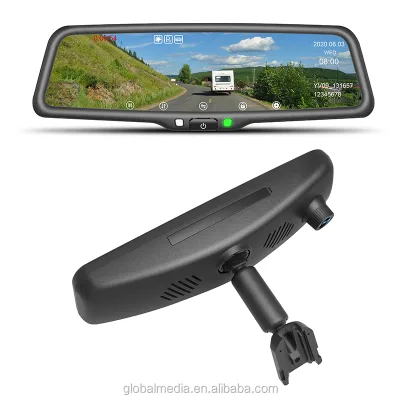
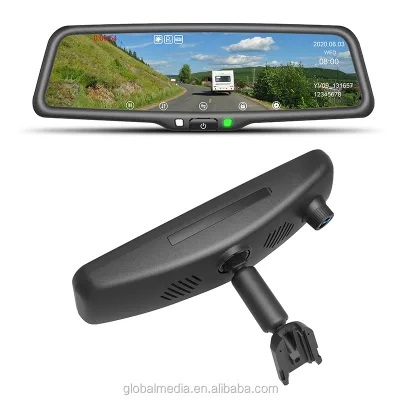
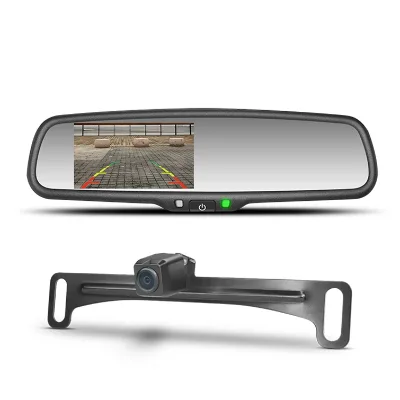
Auto-brightness Adjustment Mirror for Car Rear View Display
$85.00 - $87.00

Ningbo Lonsign Auto Accessories Co., Ltd.
- Verified by SGS
- Trading Company
- China Zhejiang
- Lead time30 days
- Avg. response≤ 2h
Main productsSteering Wheel Cover, Car Organizer, Wiper Blade, Sunshade, Car Floor Mat, Seat Cover
Main marketsNorth America


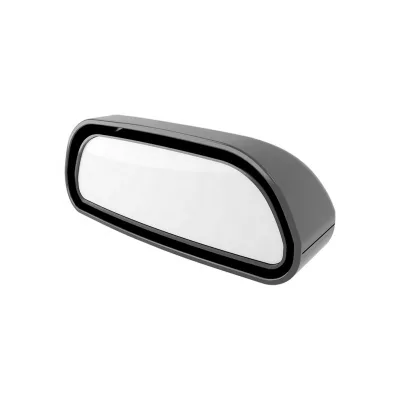
High Quality Car Side Universal 2" 3" Wide Angle Rear View Blind Spot Mirror
$0.20 - $0.40
MOQ: 5000 Pieces


Qingdao Salience Industry Co.,Ltd
- Verified by SGS
- Trading Company,Manufacturer/Factory
- China Shandong
- Lead time15 days
- Avg. response≤ 3h
Main productsLaminated Glass, Tempered Glass, Silver Mirror, Aluminium Mirror, Reflective Glass, Building Glass, Tinted Glass, Float Glass, Acid Etched Glass, Pattern Glass
Main marketsSouth America,Eastern Europe,Mid East,North America,Southeast Asia,Eastern Asia,Oceania,Western Europe,Africa
Guangzhou Bisitai Auto Accessories Co., Ltd.
- Manufacturer
- Guangdong, China
- Lead time30 days
- Avg. response≤ 14h
Main products4x4 Fender Flares,4x4 Roof trays,4x4 Grilles,4x4 Bumpers,Pickup Trucks Accessories
Main marketsNorth America(80.00%), Northern Europe(10.00%), Mid East(10.00%)

Zhicheng (Beijing) Import and Export Trading Co., Ltd.
- Verified by SGS
- Trading Company
- China Beijing
- Lead time30 days
- Avg. response≤ 4h
Main productsUsed Truck, Used Tipper Truck, Semi Trailer, Tractor, HOWO, Dump Truck, HOWO371, Shacman, Container Truck, Flatbed Trailer
Main marketsAfrica

- Manufacturer/Factory
- China Shandong
- Lead time15 days
- Avg. response≤ 7h
Main productsTempered Glass, Toughened Glass, Mirror, Laminated Glass, Aluminium Mirror, Insulated Glass, Antique Mirror, Acid Etched Glass, Low-E Glass, Processed Glass
Main marketsSouth America,Eastern Europe,Mid East,North America,Southeast Asia,Eastern Asia,Oceania,Western Europe,Africa

China Factory Auto Parts/Auto Mirror/Car Mirror/ Rearview Mirror/Side Mirror
$1.98 - $10.00
MOQ: 100 Square Meters

Chrome Mirror Convex Mirror Car Rearview Mirror, Car Side Mirror Factory Price
$1.98 - $10.00
MOQ: 100 Square Meters

Rearview Side Mirror Car Rear Mirror Side Mirror Cheap Price High Quality for Buses / Trucks / Cars
$1.98 - $10.00
MOQ: 100 Square Meters

Hangzhou Guang Yi Hua Material Technology Co., Ltd
- Manufacturer/Factory
- China Zhejiang
- Lead time23 days
- Avg. response≤ 12h
Main productsTraffic Safety Products, Inspection Mirrors, Speed Humps, Wheel Stopper, Cable Protector, Warning Post, Plastic Barrier, Tyre Breaker, Road Stud
Main marketsEastern Europe,Mid East,Southeast Asia,Eastern Asia,Western Europe


Handle Type Under Vehicle Under Car Mirror Inspection Mirror Security Mirror
$26.00 - $30.00
MOQ: 100 Pieces

Under Car Search Mirror Under Vehicle Mirror Portable Adjustable Search Mirror
$26.00 - $30.00
MOQ: 100 Pieces

JINAN GUYUE AUTO PARTS CO., LTD.
- Verified by SGS
- Trading Company
- China Shandong
- Lead time15 days
- Avg. response≤ 8h
Main productsFAW Sinotruck Shacman Beiben Truck Spare Part, Bus Spare Parts, Light Truck Spare Parts, Tyre, Construction Machinery, Fuwa Ror BPW Trailer Spare Parts
Main marketsAfrica,Southeast Asia/ Mideast,North America

NINGBO CONFIDENCE CAR ACCESSORY LTD.
- Verified by BV
- Trading Company,Manufacturer/Factory,Group Corporation
- China Zhejiang
- Lead time23 days
- Avg. response≤ 4h
Main productsWiper Blade Wiper Arm, Car Steering Wheel Cover, Engine Parts Rebuild Overhaul Kit Crankshaft, Vacuum Cleaner Hoover, Portable Air Compressor Air Pump, Car Stereo Multimedia Player, Charging Cable, Car Dash Camera, Car Cover, Sporting Products
Main marketsSouth America,Eastern Europe,Mid East,North America,Southeast Asia,Eastern Asia,Western Europe,Africa

Guangzhou Tongkai Auto Parts Co., Ltd.
- Manufacturer
- Guangdong Province, China
- Lead time0 days
- Avg. response≤ 2h
Main productsside mirror,Car headlights,The automobile steering wheel,Car bumper,Auto Parts
Main marketsSoutheast Asia(20.00%), Mid East(15.00%), Domestic Market(10.00%), South America(10.00%), South Asia(10.00%), Central America(10.00%), North America(10.00%), Eastern Asia(5.00%), Oceania(5.00%), Africa(5.00%), Western Europe(5.00%)
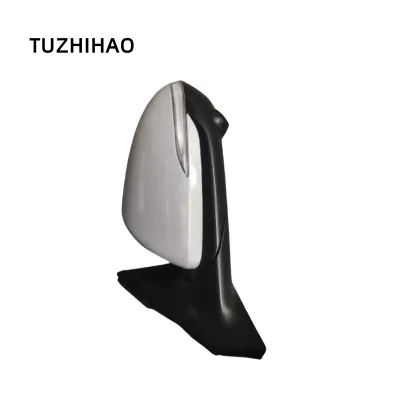
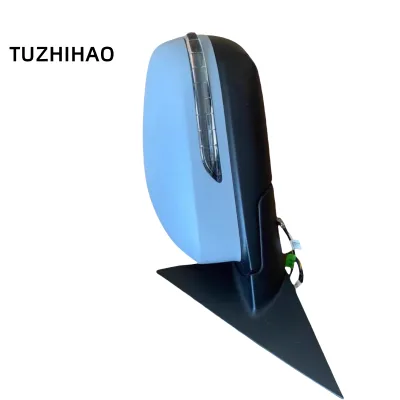
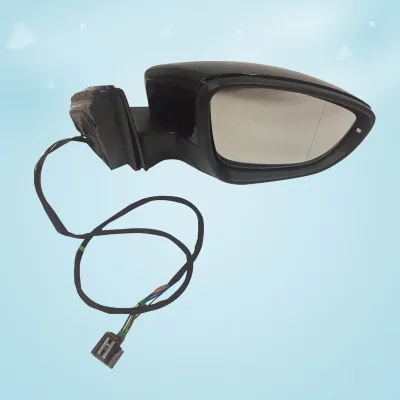
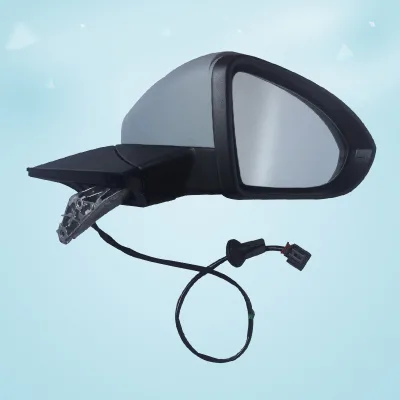
TUZHIHAO For Chery Tiggo 8 original rearview mirror Left and right side mirrors
$75.00 - $185.00
MOQ: 1 pieces
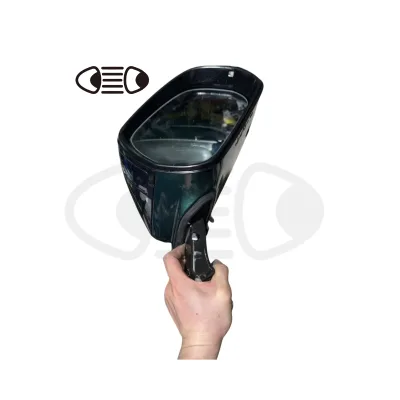
TUZHIHAO for Bentley Bentayga Genuine Rearview Mirrors, Left and Right Side Mirrors
$75.00 - $185.00
MOQ: 1 pieces
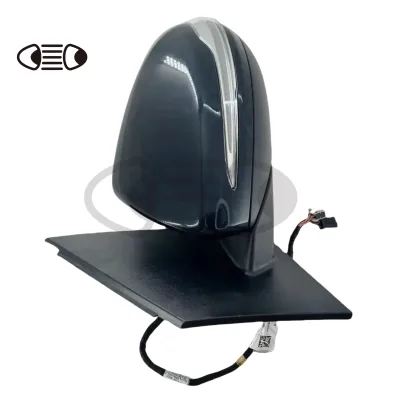
Hangzhou Light Hydrogen Future Technology Co., Ltd.
- Verified by SGS
- Manufacturer/Factory
- China Zhejiang
- Lead time45 days
- Avg. response≤ 3h
Main productsCarbon Fiber, Carbon Fiber Parts, Carbon Fiber Car Parts, Carbon Fiber Motorcycle Parts
Main marketsSouth America,Eastern Europe,Mid East,North America,Southeast Asia,Eastern Asia,Oceania,Western Europe,Africa


Carbon Fiber Side Mirror Cover - Lightweight High Strength Durable Design
$30.00 - $60.00
MOQ: 50 Pieces

Mingshang Technology Co., Ltd.
- Manufacturer/Factory,Group Corporation
- China Guangdong
- Lead time23 days
- Avg. response≤ 3h
Main productsRear View Camera, Mobile DVR, Rear View System, Wireless Camera System, Vehicle Safety System, Ai Camera, 360 Camera System, Adas, DMS, Bsd
Main marketsEastern Europe,North America,Western Europe

Shenzhen Camedio Technology Co., Ltd.
- Verified by SGS
- Trading Company,Manufacturer/Factory
- China Guangdong
- Lead time23 days
- Avg. response≤ 20h
Main productsCar Cameras, Rear View Cameras, Parking Sensors, Car Monitors, Rear View System, Rearview Monitor, Bus Truck Camera, 2.4GHz Wireless Rearview System, Parking Rear View System, Wireless Backup System
Main marketsSouth America,Eastern Europe,Mid East,North America,Southeast Asia,Eastern Asia,Oceania,Western Europe,Africa
Hefei Chipei Auto Parts Co., Ltd.
- Trading Company,Manufacturer/Factory
- China Anhui
- Lead time45 days
- Avg. response≤ 2h
Main productsAutomotive Parts, Motorcycle Parts, Auto Parts Supplier, Suspension Parts, Engine Parts, Car AC Compressor, Cooling System Parts, Ignition System Parts, Sway Bar Bushing, CV Axle / Drive Shaft
Main marketsEastern Europe,Mid East,North America,Southeast Asia,Eastern Asia,Oceania,Africa
Guangzhou Cheqi Electronics Co., Ltd.
- Manufacturer, Trading Company
- Guangdong, China
- Lead time30 days
- Avg. response≤ 1h
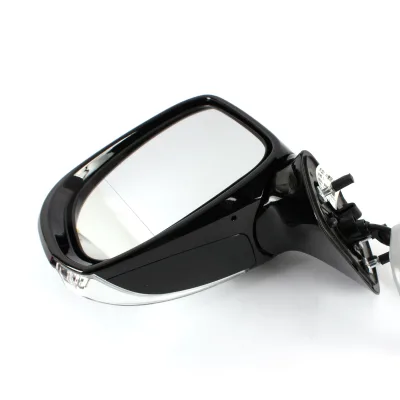
Main productscar electric door handle,Electric Middle Car Door,car electric folding rearview mirrors,Car burglar alarm,Car Side Step
Main marketsSoutheast Asia(60.00%), South Asia(20.00%), Mid East(20.00%)






Comprehensive Sourcing Guide
Bluetooth Car Side Mirror Supplier Concentration and Factory Types
The current search results indicate a specific manufacturing cluster located in China Shandong, which serves as a primary hub for automotive glass and mirror production. This region hosts a mix of combined company types that function as both trading companies and manufacturers, offering a diverse range of capabilities from ODM to OEM services. Buyers should note that while some suppliers list main products including aluminum mirrors, tempered glass, and convex mirrors, the specific integration of Bluetooth technology into side mirrors is not explicitly detailed in the provided product evidence. Consequently, the concentration of specialized Bluetooth mirror factories cannot be confirmed solely from the visible data, requiring buyers to verify if the listed glass manufacturers possess the necessary electronic assembly lines for smart mirror integration.
When evaluating factory types, it is essential to distinguish between pure trading entities and those with direct production capacity. The observed data shows suppliers with "Combined" company types and others identified as "Trading Company,Manufacturer/Factory," suggesting a layered supply chain where some entities may source glass blanks and add electronic components in-house or through partners. Buyers must investigate whether the supplier's "Own Brand" and "ODM" capabilities extend to the electronic modules required for Bluetooth connectivity, as the visible product attributes focus heavily on glass specifications like thickness, curvature, and coating rather than electronic features. Understanding this distinction helps in assessing whether a supplier can handle the complex engineering required for smart mirrors or if they are merely aggregating standard glass products.
How to Verify Bluetooth Car Side Mirror Suppliers
Verification of suppliers in this category requires a rigorous check of their business credentials and technical capabilities beyond standard glass manufacturing. The available data confirms that some suppliers hold BV verification status and possess system certifications such as ISO 9000, ISO 9001, ISO 14000, and ISO 14001, which are critical indicators of quality management systems. However, these certifications generally cover general manufacturing processes and do not automatically validate the specific electronic safety standards required for Bluetooth-enabled automotive parts. Buyers must explicitly request evidence of compliance with automotive electronic standards, such as ECE or DOT certifications that specifically address the electrical components of the mirror, rather than relying solely on the general product certifications like CE or FCC listed for the glass units.
Response time and lead time data provide additional layers of verification regarding a supplier's operational readiness and communication efficiency. The observed response times vary, with some suppliers showing a response time of 9.76 and others at 5.48, while lead times range from 0 to 15 days, indicating significant variability in production capacity and scheduling. A supplier claiming to manufacture Bluetooth mirrors should demonstrate a consistent and rapid response to technical inquiries regarding electronic integration, as this reflects their engineering support capability. Buyers should verify if the "0" lead time indicates immediate stock availability of standard glass or if it applies to custom electronic orders, and confirm that the supplier can provide a realistic production schedule for the complex assembly of smart mirrors.
What to Compare Across Bluetooth Car Side Mirror Suppliers
Comparing suppliers requires a detailed analysis of their product attributes, specifically focusing on the intersection of glass specifications and electronic functionality. The data reveals a wide range of product attributes including mirror thickness from 1.8mm to 6mm, various curvature radii like R1800 and R1200, and coating options such as chrome, aluminum, and silver. While these attributes are standard for automotive mirrors, buyers must compare how these physical specifications align with the housing and mounting requirements for Bluetooth modules. The presence of "Customization" as an available attribute across multiple listings suggests flexibility, but buyers need to verify if this customization extends to the electronic circuitry and antenna placement necessary for reliable Bluetooth connectivity.
Pricing and minimum order quantity (MOQ) are critical financial metrics that vary significantly across the supplier pool. The observed price ranges span from a minimum of $0.30 to a maximum of $10.00, with MOQs ranging from 100 units to as high as 40,000 units. This disparity suggests that some suppliers may be offering basic glass components while others might include more complex assemblies, though the specific inclusion of Bluetooth technology in the lower-priced items is not confirmed. Buyers should compare the unit cost against the stated MOQ to determine the total investment required, ensuring that the price reflects the added value of electronic integration. It is vital to clarify whether the quoted price includes the Bluetooth module, the housing, and the necessary wiring harnesses, as the base glass price alone may be misleading for a smart mirror project.
Common Bluetooth Car Side Mirror Sourcing Risks
One of the primary risks in sourcing Bluetooth car side mirrors is the potential mismatch between the supplier's core competency and the product's technical requirements. The current supplier results heavily emphasize glass manufacturing capabilities, with main products listed as aluminum mirrors, tempered glass, and convex mirrors, but lack explicit confirmation of electronic assembly expertise. This creates a risk that a supplier may be able to provide the glass substrate but lacks the internal capacity to integrate the Bluetooth chip, antenna, and power management systems required for a functional smart mirror. Buyers must assess whether the supplier has a dedicated R&D team capable of handling the "Electrical" controlling type mentioned in some product attributes, or if they rely on third-party vendors for the electronic components.
Another significant risk involves the variability in lead times and the potential for delays in custom electronic orders. While some suppliers list a lead time of 0 days, others indicate 15 days, and the complexity of integrating Bluetooth technology often extends production timelines beyond standard glass manufacturing. If a supplier promises a short lead time without clarifying the source of the electronic components, there is a risk of supply chain bottlenecks or quality inconsistencies in the final product. Additionally, the lack of specific test results for electronic durability or signal interference in the provided data means buyers cannot verify the long-term reliability of the Bluetooth connection. Buyers should demand detailed testing protocols and sample validation to mitigate the risk of receiving non-functional or substandard electronic mirrors.
Bluetooth Car Side Mirror Regional Sourcing and Logistics
The identified manufacturing cluster in China Shandong offers a strategic advantage for sourcing automotive glass and mirror components, but logistics for electronic-integrated products require careful planning. Suppliers in this region typically utilize seaworthy plywood packing or hard card boxes, as evidenced by the product attributes, which are suitable for protecting glass but may need reinforcement for electronic modules. Buyers should verify if the packaging standards are sufficient to prevent damage to sensitive Bluetooth components during transit, especially given the varying thickness and curvature of the glass which can affect how the mirror is secured in crates. The origin is confirmed as China, and understanding the specific port of loading from Shandong is essential for calculating accurate freight costs and transit times.
Logistics planning must also account for the potential need for specialized handling of electronic goods, which may differ from standard glass shipments. While the data shows standard packing methods like "Plywood Crates" and "Seaworthy Plywood Packing," buyers should confirm if these methods include anti-static protection for the electronic components within the mirror assembly. The response times of suppliers, ranging from 5.48 to 9.76, can impact the speed of logistics coordination, particularly if last-minute changes to packaging or shipping instructions are required. Buyers should establish clear communication channels with the supplier to ensure that the logistics provider is aware of the dual nature of the product—glass and electronics—to avoid delays or damage during the shipping process from the Shandong manufacturing hub.
Bluetooth Car Side Mirror Commercial Terms and Order Planning
Commercial terms for Bluetooth car side mirrors must be meticulously defined to address the unique nature of the product, which combines physical glass with electronic functionality. The observed data indicates that customization is available, with options for logo placement and specific dimensions, but buyers must explicitly negotiate the scope of customization regarding the electronic components. Questions regarding the ownership of the Bluetooth module design, the source of the electronic parts, and the warranty coverage for both the glass and the electronics must be resolved before placing an order. The presence of "Small Order: Offering" in some listings suggests flexibility, but buyers should verify if this applies to the full smart mirror assembly or just the glass component to avoid unexpected costs.
Order planning should be based on a realistic assessment of the supplier's capacity and the complexity of the production process. With MOQs ranging from 100 to 40,000 units, buyers need to align their order volume with the supplier's ability to maintain quality control over the electronic integration. The varying lead times, from 0 to 15 days, indicate that production schedules can be tight, and buyers should build buffer time into their planning to accommodate potential delays in sourcing electronic components. Additionally, the price range of $0.30 to $10.00 per unit suggests that volume discounts may be significant, but buyers must ensure that the pricing structure clearly separates the cost of the glass from the cost of the Bluetooth technology. Clear commercial terms regarding payment schedules, quality acceptance criteria, and liability for electronic failures are essential for a successful procurement strategy.
FAQs
Can I source bluetooth car side mirrors with customization options?
Yes, customization is listed as available on several automotive side mirror products from these suppliers. One Shandong-based combined manufacturer offers OEM and ODM capability, including customized logos, shapes, sizes and packaging. When requesting bluetooth functionality, confirm the electronics specification, certification requirements and sampling process directly with the supplier before placing a trial order.
What is the typical minimum order quantity for car side mirrors?
Minimum order quantities vary widely by product. Listed mirror products show MOQs ranging from 100 pieces for truck and bus side mirrors to 500 pieces for certain automotive rear view mirrors, while one convex mirror listing shows 40,000 pieces. Always confirm the MOQ for your exact bluetooth mirror specification, as it may differ from standard listings.
How much do automotive side mirrors cost from these suppliers?
Listed prices for automotive side mirrors range from about 0.30 to 10.00 US dollars per unit depending on the product type, size, coating and features. A basic truck or bus side mirror listing starts at 0.30 USD, while a premium automotive side mirror listing reaches 10.00 USD. Bluetooth variants will likely require a custom quote.
What is the expected lead time for side mirror orders?
One verified supplier lists a lead time of 15 days, which gives a useful benchmark for planning, though actual production time depends on order volume and customization level. Bluetooth-equipped mirrors may need extra assembly and testing time. Request a written production schedule and confirm lead time in your contract before paying any deposit.
Where are these car mirror suppliers located?
The featured mirror manufacturer is located in Shandong, China, and lists automotive mirrors among its main products together with aluminum mirror, tempered glass, convex mirror and LED mirror lines. Another listed supplier operates as a trading company and manufacturer producing auto glass including windshields and laminated glass. Confirm the exact factory address and export experience during early communication.
Which certifications do the listed side mirror products carry?
Multiple side mirror listings state CE, ISO, FCC, ECE and DOT certifications on the product specification sheets. One supplier also holds ISO 9000, ISO 9001, ISO 14001 and ISO 14000 system certifications, and another is verified by BV. Ask for current certificate copies matched to your shipment and verify their validity with the issuing bodies.
How quickly do these suppliers respond to inquiries?
Recorded response times include 5.48 hours for one auto glass supplier and 9.76 hours for the Shandong mirror manufacturer, so most inquiries should receive a reply within about half a day. Response speed can vary with time zones and workload. Send detailed technical requirements, including bluetooth specifications, to reduce back-and-forth and get accurate quotes faster.
What materials and coatings are available for side mirror glass?
The listed mirrors use glass as the mirror material with chrome, aluminum and silver coatings, and some offer blue, yellow or red tinted finishes. Thickness options include 1.8mm, 2.0mm, 2.5mm and up to 6mm on one listing. Curvature radii such as R300 through R1800 are shown, and square or round shapes can be customized.