Board Stop Bar Assembly Suppliers and Manufacturers
Compare 18 verified suppliers offering Board Stop Bar Assembly with details on location, lead times, and certifications. Review response times and MOQs to select the right partner for your project needs today; review the available evidence before requesting comparable quotations from suitable candidates.
Suppliers List

Jiaxing Jinnaike Hardware Products Co., Ltd.
- Verified by TUVRHEINLAND
- Combined
- China Zhejiang
- Lead time30 days
- Avg. response≤ 20h
Main productsGate Hinge, Gate Wheel
Main marketsEurope
Inner Mongolia Firmaco Import & Export Co., Ltd.
- Verified by SGS Group
- Manufacturer, Trading Company
- Lead time0 days
- Avg. response≤ 5h
Main productsCasting Parts, Railway Wagon, Engineering Machinery, Heavy Duty Truck, Special Vehicle
Main marketsSoutheast Asia(40%), Africa(20%), North America(10%)

China Dragon Electronic Industrial Co., Limited
- Verified by BV
- Combined
- China Guangdong
- Lead time23 days
- Avg. response≤ 8h
Main productsPCB, PCBA, LED Grow Light, PCB Design, Industrial Control, Smart Home, Communications Equipment, Medical Hairdressing, Multilayer PCB
Main marketsEurope,North America
- Verified by SGS
- Trading Company
- China Zhejiang
- Lead time30 days
- Avg. response≤ 15h
Main productsElectric Power Fitting, Clamp, Connector, Terminal, Cable Lug, Ball Eye, Clevis, Suspension Clamp, Strain Clamp, Transformer
Main marketsSouth America,Southeast Asia/ Mideast,East Asia(Japan/ South Korea),Europe

- Combined
- China Zhejiang
- Lead time15 days
- Avg. response≤ 10h
Main productsTerminal Block, Fan Filter, Ferrules
Main marketsSouth America,Southeast Asia/ Mideast,Europe

Yueqing Barfuse Electric Co., Ltd.
- Combined
- China Zhejiang
- Lead time15 days
- Avg. response≤ 13h
Main productsfuse switch disconnector
Main marketsSoutheast Asia/ Mideast
Qingdao Everlasting Auto Parts Co., Ltd.
- Verified by CTI
- Trading Company
- China Shandong
- Lead time30 days
- Avg. response≤ 6h
Main productsAuto Parts, Leaf Spring, Leaf Spring Assembly, Z Spring, Guide Arm, Coil Spring, Stabilizer Link, Sway Bar, Bush, Bushing
Main marketsAfrica,Southeast Asia/ Mideast,East Asia(Japan/ South Korea),Domestic,North America
Zhejiang Shengxuan Industry Co., Ltd
- Verified by SGS
- Combined
- China Zhejiang
- Lead time30 days
- Avg. response≤ 4h
Main productsAluminum Casting, Aluminum Auto Parts, Aluminum Wheel, Customize Metal Parts
Main marketsAustralia,North America

- Manufacturer
- China Fujian
- Lead time30 days
- Avg. response≤ 16h
Main productsPipe and Joint System, Metal Joint, Pipe, Plastic, Roller Tracks, Metal Accessories, Leveling Feet, Fastener, Casters, Aluminum Alloy
Main marketsSoutheast Asia/ Mideast,Europe
Zhejiang Suodi Electric Co., Ltd.
- Verified by TUVRHEINLAND
- Combined
- China Zhejiang
- Lead time15 days
- Avg. response≤ 1h
Main productsCopper Comb Busbar, Cable Lugs, Pan Assembly, DIN Rails
Main marketsDomestic

Hangzhou Huayutai Auto Parts Co., Ltd.
- Verified by SGS
- Manufacturer/Factory
- China Zhejiang
- Lead time60 days
- Avg. response≤ 20h
Main productsDrive Shafts, Cardan Shaft, Universal Joints, U-Joints, Needle Roller, Pto Shafts, Driveline, Propeller Shafts
Main marketsSouth America,Eastern Europe,Mid East,North America,Southeast Asia,Eastern Asia,Oceania,Western Europe,Africa
Anhui Heshun Automobile Parts Co., Ltd.
- Verified by SGS
- Combined
- China Anhui
- Lead time30 days
- Avg. response≤ 4h
Main productsBall Joint
Main marketsDomestic

Suzhou Kiande Electric Co., Ltd.
- Trading Company,Manufacturer/Factory
- China Jiangsu
- Lead time23 days
- Avg. response≤ 3h
Main productsBusbar Fabrication Machine, Busbar Assembly Machine, Busbar Inspection Machine, Busbar Riveting Machine, Busduct Manufacturing Line, Busbar Packaging Machine, Busbar Punching Machine, Busbar Joint, Busbar Insulator, Busbar Tap off Unit
Main marketsSouth America,Mid East,Southeast Asia,Africa


Busbar Manual Assembly Line Processing Machine Busbar Assembly Machine
$15000.00 - $20000.00
MOQ: 1 Sets


Advanced Semi-Automatic Busbar Assembly System for Streamlined Production
$35000.00 - $55000.00
MOQ: 1 Sets
Ningbo Joy International Trade Co., Ltd.
- Verified by BV
- Trading Company
- China Zhejiang
- Lead time30 days
- Avg. response≤ 7h
Main marketsEurope
Dongguan Zhongyao Automation Equipment Co., Ltd.
- Verified by SGS
- Combined
- China Guangdong
- Lead time60 days
- Avg. response≤ 1h
Main productsAutomatic Machine, Automotion Processing Equipment, Wire Harness Processing, Connector Assembly, Fakra Harness Automatic Processing, Automotive Connector Processing, Production Equipment, Automotion Equipment
Main marketsDomestic,Europe

Connector Assembly Automation Machine Board-End Connector Assembly and Testing Equipment
$100000.00 - $200000.00
MOQ: 1 Pieces

High Speed Board End Connector for Auto Equipment Customized Assembly Automatic Machine
$100000.00 - $200000.00
MOQ: 1 Pieces
Handan Tieyuan Railway Equipment Co., Ltd.
- Verified by SGS
- Combined
- China Hebei
- Lead time30 days
- Avg. response≤ 7h
Main productsRailway Fastener, Crane Track Fixing System, Railway Tools, Railway Equipment, Metal Products, Rubber Products, Nylon Products, Railway Elastic Fastener System, Railway Pads, Orbital Elastic Clip
Main marketsDomestic

High-Performance Spring Bars for Railway Systems and Equipment. Spring Bars
$0.10 - $0.20
MOQ: 100 Pieces


Zhangzhou NEER New Energy Technology Co., Ltd.
- Verified by CTI
- Combined
- China Fujian
- Lead time15 days
- Avg. response≤ 1h
Main productsCopper Busbar, Plating/Electroplating Busbar, Bus Bar, Laminated Busbar, Solid / Flexible Copper Busbar, Stainless Steel Product, Electrical Busbar, Stainless Steel Battery Case
Main marketsDomestic


Plated Busbar Assemblies with Accurate Bending – Trusted in Factory Control Panels
$1.90 - $2.50
MOQ: 300 Pieces


Hainan Fuwang Industrial Co., Ltd.
- Trading Company,Manufacturer/Factory
- China Hainan
- Lead time23 days
- Avg. response≤ 12h
Main productsInsulation Materials, Copper Clad Laminated Sheet, Fine Chemical, Fiberglass, Fr-4/G11/G11-H/Epgm203, Green Coffee Beans, Cosmetic, Whey Protein
Main marketsSouth America,Eastern Europe,Mid East,North America,Southeast Asia,Eastern Asia,Oceania,Western Europe,Africa




Comprehensive Sourcing Guide
Board Stop Bar Assembly Supplier Concentration and Factory Types
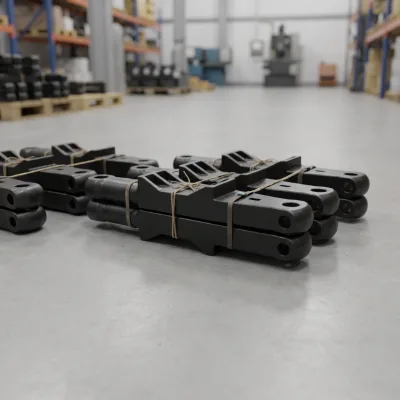
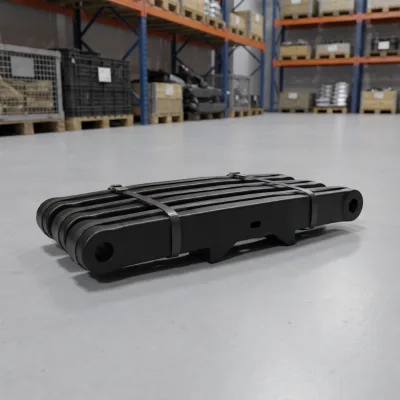
When evaluating the landscape for Board Stop Bar Assembly components, buyers must first understand the geographic and structural distribution of potential manufacturing partners. The available data indicates a significant concentration of suppliers located in China, with specific mentions of Zhejiang and Inner Mongolia as key production hubs. Zhejiang is noted for producing related hardware such as gate hinges, wheels, and end stops, suggesting a robust ecosystem for metal fabrication and door accessory manufacturing. Inner Mongolia appears in the context of railway parts, including draw bar assemblies and forging break bars, which may share metallurgical or heavy-duty manufacturing capabilities relevant to robust board stop mechanisms. This geographic clustering implies that buyers can likely find specialized factories in these regions that possess the necessary infrastructure for high-volume metalworking, casting, and forging. However, it is crucial to verify that a supplier’s primary location aligns with the specific material and precision requirements of your Board Stop Bar Assembly, as regional expertise varies significantly between light hardware and heavy railway components.
The types of companies offering these components also vary, ranging from pure manufacturers to combined entities that function as both factories and trading companies. Some suppliers are identified as manufacturers with capabilities in sample processing, graphic processing, and customized on-demand production, which is ideal for buyers requiring bespoke specifications or low-volume prototyping. Others are listed as combined companies, which may offer a broader catalog of related products such as gate end stops, sliding door accessories, and heavy-duty truck parts. This diversity allows buyers to source complementary items from a single partner, potentially simplifying logistics and reducing administrative overhead. However, the distinction between a pure manufacturer and a trading company is critical for cost and quality control. Pure manufacturers typically offer more direct access to production lines and potentially lower prices due to the absence of intermediary margins, while combined entities might provide better customer service and a wider range of stock items. Buyers should carefully review the company type to ensure it matches their strategic goals, whether that is maximizing cost efficiency through direct factory engagement or leveraging a trading company’s logistical network and product variety.
How to Verify Board Stop Bar Assembly Suppliers
Verification is a critical step in mitigating risk when sourcing Board Stop Bar Assembly components from international suppliers. The data highlights several verification mechanisms, including third-party audits by organizations such as TÜV Rheinland and SGS Group. These certifications provide an additional layer of confidence regarding a supplier’s operational integrity, quality management systems, and compliance with international standards. For instance, some suppliers are verified by TÜV Rheinland, while others hold ISO 9001 and ISO 14001 certifications, indicating adherence to quality and environmental management principles. Buyers should prioritize suppliers with these verifications, as they demonstrate a commitment to standardized processes and continuous improvement. However, it is important to note that not all suppliers display these credentials, and the absence of a visible certification does not necessarily indicate poor quality. In such cases, buyers may need to request proof of certification directly or conduct their own due diligence through independent audits.
Beyond third-party verifications, buyers should assess the supplier’s response time and communication efficiency as indicators of reliability. The observed response times vary, with some suppliers responding within five hours and others taking significantly longer, such as 19.45 hours. A faster response time often correlates with better customer service and more agile problem-solving capabilities, which are essential when dealing with custom manufacturing or urgent orders. Additionally, buyers should examine the supplier’s product evidence, including detailed specifications, materials, and dimensions. For example, some products are described with specific materials like Steel Q235 or Metal, and dimensions such as 1810350320 mm for railway components. These details help buyers assess whether the supplier’s capabilities align with their technical requirements. It is also advisable to request samples or factory videos to visually confirm production quality and facility conditions. By combining third-party verifications, response time analysis, and product evidence review, buyers can build a comprehensive profile of each supplier’s reliability and suitability for their Board Stop Bar Assembly needs.
What to Compare Across Board Stop Bar Assembly Suppliers
When comparing suppliers, buyers should focus on key operational metrics such as lead time, minimum order quantity (MOQ), and pricing structures. The data shows a wide range in lead times, with some suppliers offering delivery within 8-20 days, while others have a lead time of 30 days or even zero days for specific items. Understanding these variations is crucial for production planning, as longer lead times may require earlier ordering and higher inventory buffers. Similarly, MOQs vary significantly, with some suppliers requiring as few as 50 units, while others demand 200 or more. This flexibility allows buyers to choose suppliers that match their volume requirements, whether they are small-scale prototyping or large-scale production runs. Pricing is another critical factor, with observed price ranges from $1.00 to $150.00 per unit, depending on the product type and complexity. Buyers should compare these prices in the context of the supplier’s location, verification status, and customization capabilities to ensure they are getting fair value.
In addition to operational metrics, buyers should evaluate the supplier’s product range and customization options. Some suppliers offer a broad range of related products, such as gate end stops, sliding door accessories, and railway parts, which can be beneficial for buyers seeking a one-stop solution. Customization capabilities, such as ODM and OEM services, are also important for buyers with specific design requirements. The data indicates that some suppliers provide customized solutions, including customerized colors, materials, and dimensions. Buyers should assess the supplier’s ability to meet their specific technical specifications, such as material grades, surface treatments, and dimensional tolerances. For example, some products are zinc-plated or galvanized, offering different levels of corrosion resistance. By comparing these factors, buyers can identify suppliers that not only meet their immediate needs but also offer the flexibility and scalability required for long-term partnerships. This holistic approach ensures that the selected supplier can support the buyer’s evolving business requirements and maintain consistent quality and service levels.
Common Board Stop Bar Assembly Sourcing Risks
Sourcing Board Stop Bar Assembly components from international suppliers involves several potential risks that buyers must proactively manage. One significant risk is the variability in product quality and specifications. The data shows that products are described with various materials, such as Steel Q235, Metal, and Iron, and different surface treatments like zinc plating and galvanized finishes. Without clear and consistent specifications, buyers may receive products that do not meet their performance or durability requirements. This risk is exacerbated by the lack of standardized testing results or quality assurance protocols in some supplier listings. Buyers should mitigate this risk by requesting detailed technical drawings, material certificates, and third-party test reports before placing orders. Additionally, conducting pre-shipment inspections or hiring third-party inspection services can help ensure that the delivered products conform to the agreed-upon specifications.
Another common risk is the discrepancy between quoted prices and final costs, including shipping, tariffs, and hidden fees. The observed price ranges vary widely, from $1.00 to $150.00, and buyers must ensure that these prices include all relevant costs. Some suppliers may offer low initial prices but charge extra for customization, packaging, or expedited shipping. Buyers should request detailed quotations that break down all costs, including unit price, packaging, shipping, and taxes. Furthermore, the reliability of delivery times is a critical concern, with lead times ranging from 8-20 days to 30 days or more. Delays in production or shipping can disrupt the buyer’s supply chain and cause significant operational disruptions. To mitigate this risk, buyers should establish clear communication channels with suppliers, monitor production progress regularly, and include penalty clauses for late deliveries in their contracts. By identifying and addressing these risks early in the sourcing process, buyers can protect their interests and ensure a smoother procurement experience.
Board Stop Bar Assembly Regional Sourcing and Logistics
The geographic location of suppliers plays a crucial role in determining logistics costs, delivery times, and overall supply chain efficiency. The data indicates that many suppliers are located in China, specifically in regions like Zhejiang and Inner Mongolia. Zhejiang is known for its manufacturing capabilities in hardware and door accessories, while Inner Mongolia is associated with railway parts and heavy-duty components. Buyers should consider the proximity of these regions to their primary ports of entry, as this can significantly impact shipping costs and transit times. For example, suppliers in Zhejiang may have easier access to major shipping hubs like Shanghai or Ningbo, potentially reducing logistics costs for buyers importing to North America or Europe. Conversely, suppliers in Inner Mongolia may require additional inland transportation to reach coastal ports, which could increase lead times and costs.
Logistics planning also involves understanding the packaging and handling requirements of the products. The data shows that products are packaged in various ways, such as plastic bags, cartons, pallets, and polybags. Proper packaging is essential to prevent damage during transit, especially for metal components that may be prone to corrosion or physical impact. Buyers should ensure that their suppliers use appropriate packaging materials and methods to protect the products during shipping. Additionally, buyers should consider the volume and weight of the shipments, as this will affect freight costs and container utilization. For large orders, sea freight is often the most cost-effective option, while smaller or urgent orders may require air freight. By carefully evaluating the regional location of suppliers and their logistics capabilities, buyers can optimize their supply chain, reduce costs, and ensure timely delivery of Board Stop Bar Assembly components. This strategic approach to regional sourcing helps buyers balance cost efficiency with reliability and service quality.
Board Stop Bar Assembly Commercial Terms and Order Planning
Effective order planning and clear commercial terms are essential for successful procurement of Board Stop Bar Assembly components. Buyers should establish clear agreements on payment terms, delivery schedules, and quality assurance protocols. The data shows that some suppliers offer flexible payment options and customized production services, which can be beneficial for buyers with specific financial or operational needs. However, buyers must ensure that these terms are clearly documented in the contract to avoid misunderstandings or disputes. It is also important to define the scope of customization, including any additional costs or lead time extensions associated with bespoke requirements. By setting clear expectations from the outset, buyers can minimize risks and ensure a smooth transaction process.
In addition to commercial terms, buyers should plan their orders based on demand forecasts and inventory requirements. The observed MOQs and lead times vary, so buyers must align their ordering strategy with their production schedules and storage capacity. For example, if a supplier has a lead time of 30 days and an MOQ of 200 units, buyers must plan their orders well in advance to avoid stockouts or excess inventory. Furthermore, buyers should consider the warranty and after-sales support offered by suppliers, as this can impact long-term cost and reliability. Some suppliers offer warranties, such as one-year warranties for certain products, which provide additional protection against defects or failures. By integrating these commercial and logistical considerations into their order planning, buyers can optimize their supply chain, reduce costs, and ensure consistent quality and service levels for their Board Stop Bar Assembly components. This comprehensive approach helps buyers build resilient and efficient procurement processes.
FAQs
What is the price range for gate end stops?
Gate end stop prices vary by model and material. Basic steel units range from $1.00 to $10.00 per piece. Heavy-duty or specialized assemblies like draw bars cost around $150.00. Prices depend on quantity, customization, and specific material grades such as Q235 steel or zinc plating.
What is the minimum order quantity for these parts?
Minimum order quantities typically range from 50 to 200 pieces. Standard end stops often require 100 or 200 units. Specialized railway components may have different thresholds. Buyers should verify specific MOQs for custom models or bulk orders to ensure pricing tiers and production scheduling align with their needs.
How long does delivery take for gate hardware?
Standard delivery dates for gate end stops are 8 to 20 days. Lead times for general manufacturing are listed as 30 days. Some suppliers offer rapid response times within 5 hours. Buyers should confirm exact shipping schedules based on order volume and customization requirements before finalizing procurement plans.
Are these products certified or verified?
Products may carry ISO certifications for quality management. Suppliers are verified by third-party agencies like TÜV Rheinland and SGS Group. Certifications ensure compliance with international standards. Buyers should request specific certification documents for each product batch to verify material quality and manufacturing process adherence to safety regulations.
What materials are used for gate end stops?
Common materials include Steel Q235 and other metal alloys. Surfaces are often zinc-plated or galvanized for corrosion resistance. Colors available include silver, white, or yellow. Custom materials may be requested for specific environmental conditions. Buyers should specify material grades to ensure durability and compatibility with existing gate systems.
Can suppliers provide OEM or ODM services?
Yes, many suppliers offer both OEM and ODM capabilities. Customization options include specific models, colors, and packaging. Graphic processing and sample development are available for tailored solutions. Buyers can request custom dimensions or branding to match their specific project requirements and ensure seamless integration with existing infrastructure.