Brightening Moisturizing Body Oil Suppliers and Manufacturers
Source 17 verified suppliers for Brightening Moisturizing Body Oil. Compare OEM/ODM capabilities, GMP and MSDS certifications, lead times, and MOQs. Filter by location and response time to find the right partner; review the available evidence before requesting comparable quotations from suitable candidates.
Updated
Suppliers List

Guangzhou Mebamy Cosmetics Co., Ltd.
- Verified by TUVRHEINLAND
- Manufacturer/Factory
- China Guangdong
- Lead time15 days
- Avg. response≤ 1h
Main productsFace Serum, Soap, Face Cream, Sunscreen, Eyelash Growth Serum, Teeth Whitening, Face Mask, Facial Cleanser, Essential Oil, Hair Care Series
Main marketsNorth America,Western Europe

Guangzhou Aixin Cosmetic Co., Ltd.
- Verified by TUVRHEINLAND
- Trading Company
- China Guangdong
- Lead time15 days
- Avg. response≤ 5h
Main productsSkin Care, Cosmetic, Face Mask, Beauty, Body Scrub, Face Care, Body Care, Skin Care Product, Mask, Cream
Main marketsDomestic

Beauty Cosmetics Skin Care Brightening Moisturizing Whitening Vitamin C Body Oil
$2.00 - $2.80
MOQ: 100 Pieces

Beauty Cosmetics Skin Care Brighthening Moisturizing Skin Glow Glutathione Whitening Body Oil
$2.00 - $2.80
MOQ: 100 Pieces

Beauty Cosmetics Skin Care Anti Wrinkles Soothing Body Oil Lavender Essential Oil
$1.80 - $2.85
MOQ: 100 Pieces
Jiangxi Hengshuo Spice Co., Ltd.
- Verified by SGS Group
- Manufacturer, Trading Company
- Jiangxi, China
- Lead time7 days
- Avg. response≤ 1h
Main productsEssential Oils And Gift Sets, Natural Vegetable Oils, Massage Oils, Hair Oil, Perfume Oil
Main marketsNorth America(20%), Western Europe(20%), Southeast Asia(15%)
Shenzhen Pengtuankunyun Technology Co., Ltd.
- Verified by BV
- Trading Company
- China Guangdong
- Lead time15 days
- Avg. response≤ 8h
Main productsPerfume, Makeup
Main marketsSoutheast Asia/ Mideast,Europe,Australia,North America

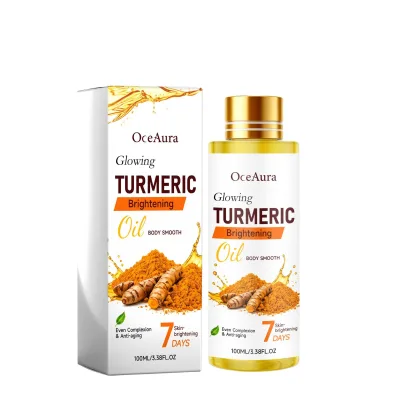
7 Days Glow Body Oil Series Moisturizing Brightening Body Oil with Natural Plant Extracts 200ml
$1.00 - $2.00
MOQ: 3 Pieces

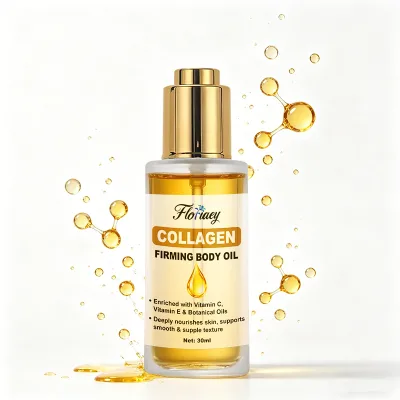
Botanical Body Oil 120ml Deep Nourishment Moisture Light Non Greasy Firming Smoothing Body Skin Care
$2.20 - $2.40
MOQ: 12 bottle

Guangzhou Kanglixin Medical Biotechnology Co, Ltd.
- Verified by BV
- Combined
- China Guangdong
- Lead time30 days
- Avg. response≤ 9h
Main productsSkin Care Products, Body Care, Hair Care Products, Makeup, Men's Care Products, Ferminine Care Products, Serum, Facial Mask, Face Cream, Scrub
Main marketsSouth America,Africa,Southeast Asia/ Mideast,East Asia(Japan/ South Korea),Domestic,Europe,North America

OEM&ODM Fragrance Body Care Moisturizes Nourishes Lightening Shiny Body Oil Body Shimmer Oil
$2.00 - $3.00
MOQ: 5000 pieces

$1.50 - $2.00
MOQ: 1000 pieces

$1.50 - $2.00
MOQ: 1000 pieces

$1.50 - $2.00
MOQ: 1000 pieces

Private Label Pure Natural Plant Extract Rose Essence Vitamin E Anti-Aging Moisturizing Body Oil
$1.50 - $2.00
MOQ: 1000 pieces

Private Label Plant Firming Body Oil Lightweight Non-Greasy Moisturizer Vegan Body Massage Oil
$1.50 - $2.00
MOQ: 1000 pieces
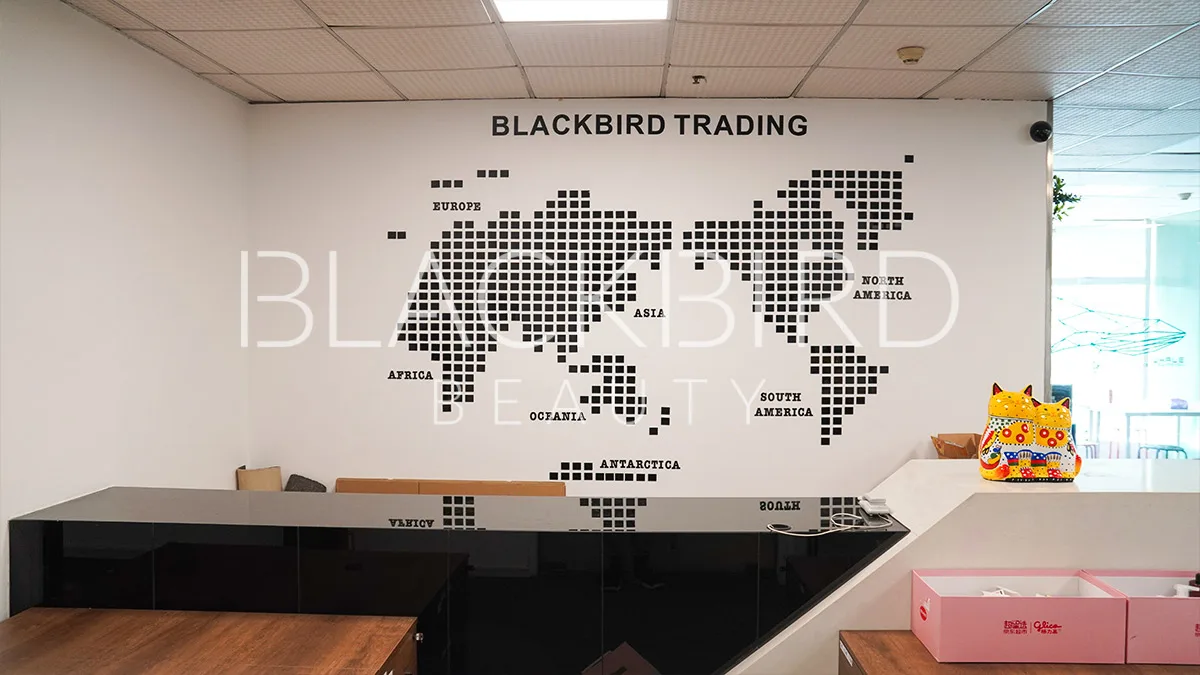
Foshan Sugar Max Cosmetics Co., Ltd.
- Manufacturer, Trading Company
- Guangdong, China
- Lead time5 days
- Avg. response≤ 16h
Main productsFacial Care,Body care,Hair care,Cosmetics,Tools
Main marketsWestern Europe(16.00%), Northern Europe(16.00%), Eastern Europe(16.00%), North America(16.00%), Southern Europe(13.00%), Central America(12.00%), Southeast Asia(11.00%)
Customized New Moisturizing Body Oil Private Label OEM/ODM Hydrating Nourishing Skin Body Oil
$5.2121 - $5.8868
MOQ: 1000 pieces
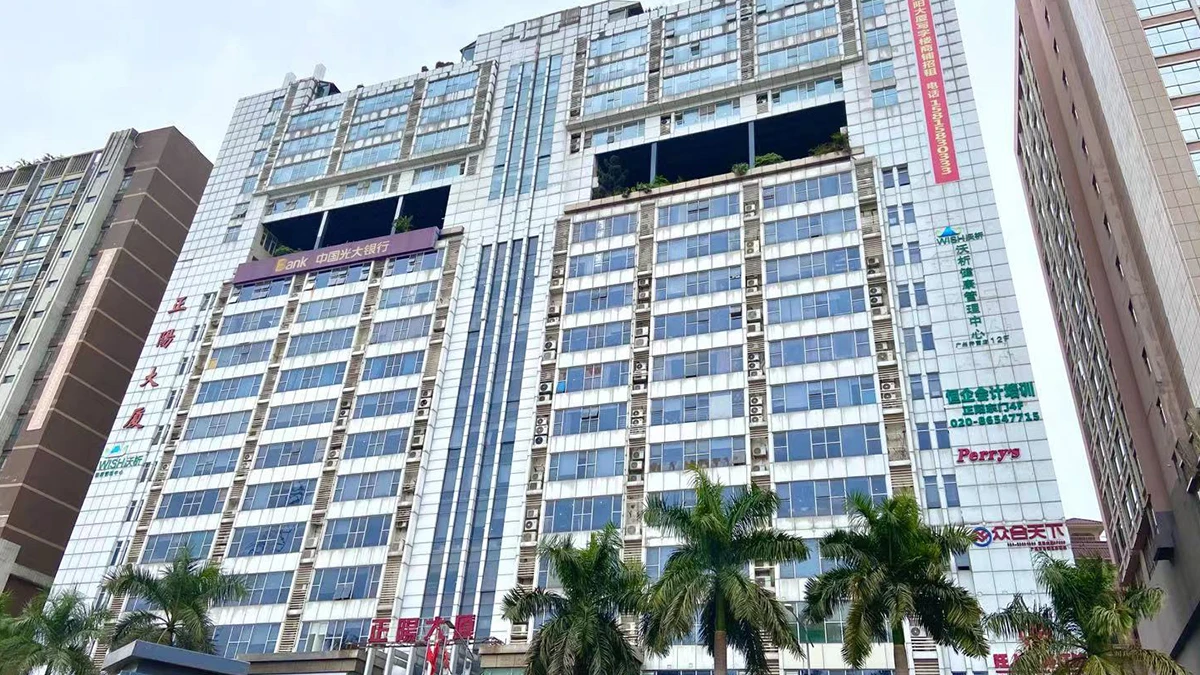
Guangzhou Bettermiss Cosmetics Co., Ltd.
- Manufacturer, Trading Company, Distributor/Wholesaler
- Guangdong, China
- Lead time35 days
- Avg. response≤ 2h
Main productsSkin Care Serum,Face Cream Lotion,Face Care,Hair Care,Body Lotion
Main marketsMid East(20.00%), North America(20.00%), Domestic Market(5.00%), South Asia(5.00%), Southern Europe(5.00%), Northern Europe(5.00%), Central America(5.00%), Western Europe(5.00%), Eastern Asia(5.00%), South America(5.00%), Oceania(5.00%), Africa(5.00%), Southeast Asia(5.00%), Eastern Europe(5.00%)
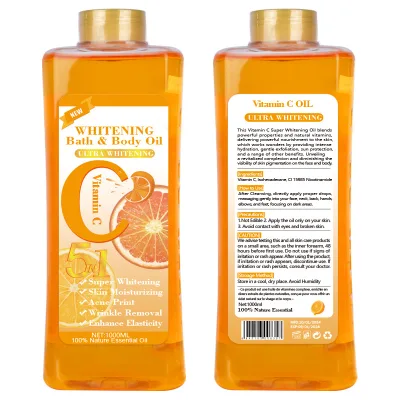
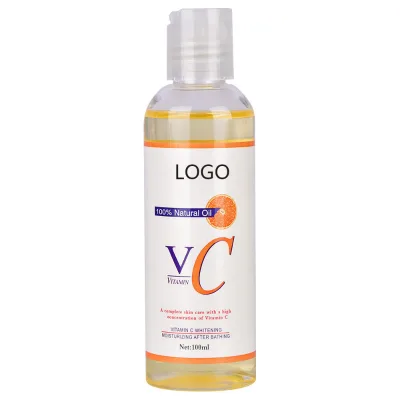
$1.43 - $2.13
MOQ: 1000 pieces


Guangzhou Shiruoni Cosmetics Co., Ltd.
- Trading Company,Manufacturer/Factory,Group Corporation
- China Guangdong
- Lead time15 days
- Avg. response≤ 6h
Main productsSkin Care, Jelly Mask, Face Serum, Face Toner, Face Cream, Facial Mask, Sunscreen, Face Cleanser, Soap, Skin Care Set
Main marketsSouth America,Eastern Europe,Mid East,North America,Southeast Asia,Eastern Asia,Oceania,Western Europe,Africa


Customized Logo Body Oil Dry Skin Moisturizer Healthy Glow Hydrating Body Massage Oil
$0.90 - $1.20
MOQ: 1000 Pieces

Wholesale Private Label New Formula Body Oil for Soft Nourished Smooth Skin
$3.45 - $3.90
MOQ: 1000 Pieces
Jinan World Expo Noah Medical Technology Co., Ltd.
- Verified by TüVRheinland
- Manufacturer, Trading Company
- Lead time20 days
- Avg. response≤ 7h
Main productsPersonal Care Products, Yoni Care Products, Mouthwash, Lubricant, Skin Care Set
Main marketsDomestic Market(80%), North America(5%), Eastern Europe(4%)
Ausmetics Daily Chemicals (Guangzhou) Co., Ltd.
- Verified by TüVRheinland
- Manufacturer, Trading Company
- Lead time40 days
- Avg. response≤ 8h
Main productsSkin Care, Bath & Body Care, Hair Care, Mom & Baby Care, Disinfectant
Main marketsDomestic Market(40%), Eastern Europe(10%), Western Europe(8%)

Guangzhou Hesheng Biotechnology Co., Ltd.
- Manufacturer, Trading Company
- Guangdong, China
- Lead time15 days
- Avg. response≤ 2h
Main productsFace Skin Care Set,Face Care Product,Body Care Product,Hair Care Product,Essential Oil
Main marketsNorth America(50.00%), South America(27.00%), Eastern Europe(15.00%), Southeast Asia(5.00%), Africa(3.00%)

Foshan Duoyilai Trading Co., Ltd
- Manufacturer, Trading Company, Distributor/Wholesaler
- guangdong, China
- Lead time7 days
- Avg. response≤ 9h
Main productsBeauty Skin Care,Beauty Essentials Oil,Bath & Shower,Men's Grooming,Body Care
Main marketsSouthern Europe(15.00%), Eastern Europe(15.00%), Western Europe(13.00%), Northern Europe(12.00%), North America(12.00%), Mid East(10.00%), Eastern Asia(8.00%), South America(8.00%), Central America(2.00%), Domestic Market(1.00%), South Asia(1.00%), Oceania(1.00%), Africa(1.00%), Southeast Asia(1.00%)

Guangdong Daimeishi Biotechnology Co., Ltd.
- Verified by BV
- Combined
- China Guangdong
- Lead time15 days
- Avg. response≤ 1h
Main productsCosmetics, Skin Care Products
Main marketsDomestic,Europe

Shandong Shiyi Trading Co., Ltd.
- Verified by CTI
- Trading Company
- China Shandong
- Lead time15 days
- Avg. response≤ 17h
Main productsHealth and Care, Cosmetics
Main marketsAfrica,Europe,North America

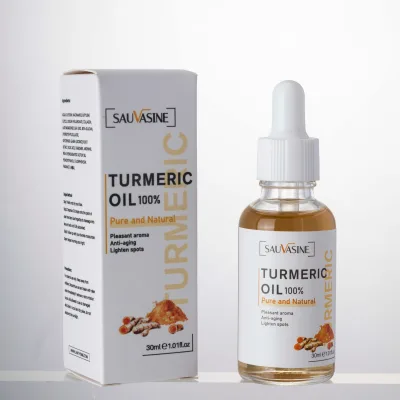
Whitening Turmeric Oil Skin Face Body Moisturizer Lightening Massage Turmeric Oil
$1.25 - $2.85
MOQ: 48 Pieces

Ji'an Langjian Medical Supplies Co., Ltd.
- Trading Company
- Jiangxi, China
- Lead time15 days
- Avg. response≤ 1h
Main productsbody care,hair care,Skin Care,face care,essential oil
Main marketsSouthern Europe(14.00%), South Asia(12.00%), Western Europe(12.00%), Eastern Asia(12.00%), North America(12.00%), Northern Europe(9.00%), South America(7.00%), Southeast Asia(6.00%), Mid East(6.00%), Eastern Europe(6.00%), Africa(2.00%), Central America(1.00%), Oceania(1.00%)

GUANGZHOU LOVE CROWN COSMETICS CO., LTD.
- Manufacturer, Distributor/Wholesaler
- Guangdong, China
- Lead time15 days
- Avg. response≤ 1h
Main productsSkin care products,Face mask,Essential oil,Body care produts,Effective cosmetics
Main marketsSouth America(16.60%), Mid East(15.50%), North America(15.50%), Eastern Europe(12.00%), Southern Europe(10.00%), Africa(10.00%), Western Europe(9.00%), Northern Europe(6.00%), Southeast Asia(3.00%), Eastern Asia(2.40%)

Yunnan Ayiyi Trading Co., Ltd.
- Manufacturer, Trading Company
- Yunnan, China
- Lead time15 days
- Avg. response≤ 14h
Main productsSkin Care,Face Care,Body Care,Hair Care,Eye Care/Neck Care/Hand Care/Foot Care/Nail Care/Teeth Care/Cream/Serum/Mask/Lotion/Shower Gel/Soap/Scrub/Essential Oil
Main marketsNorth America(38.00%), Western Europe(22.00%), Southeast Asia(21.00%), Africa(11.00%), South America(8.00%)
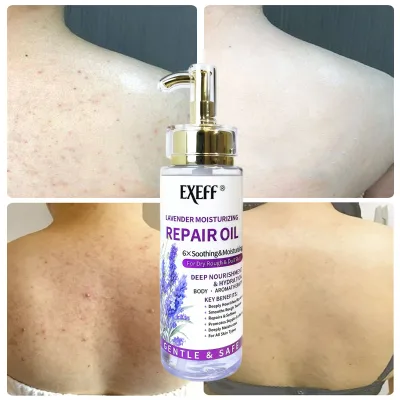
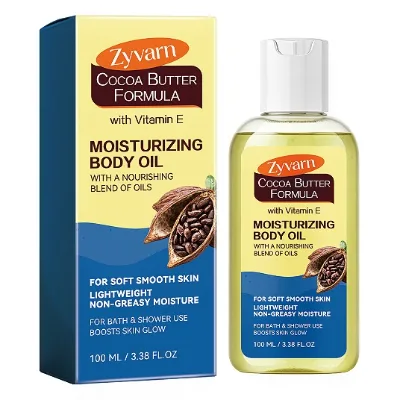
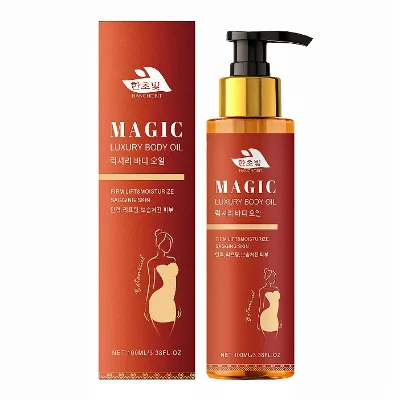
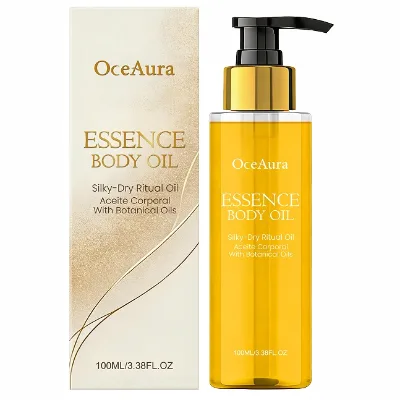
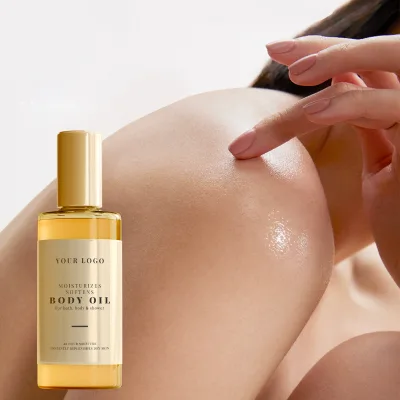
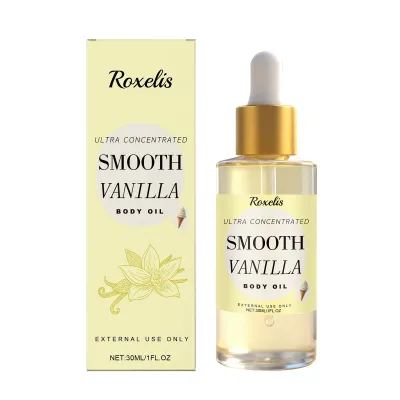
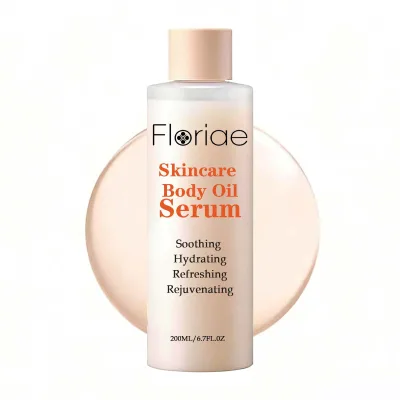
Hydrating Moisturizing Facial Body Oil Skin Brightening Dry Skin Relief Soothing
$2.60 - $6.50
MOQ: 500
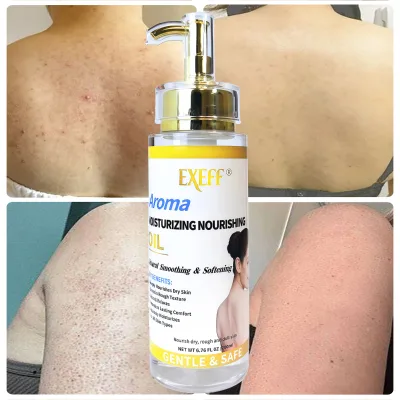
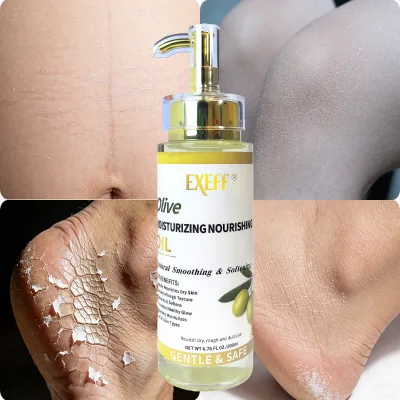




Comprehensive Sourcing Guide
Brightening Moisturizing Body Oil Supplier Concentration and Factory Types
When sourcing Brightening Moisturizing Body Oil, supplier concentration matters because it shapes pricing depth, customization speed, and compliance familiarity. Cosmetic manufacturing in this category clusters heavily in southern China, with Guangdong standing out as a confirmed sourcing base on current supplier results. Listings from that region include manufacturers offering serums, creams, masks, cleansers, essential oils, and hair care alongside body oils, so the cluster supports full private-label programs rather than single-item production. Buyers should treat this concentration as a starting filter: factories located inside an established cosmetics cluster usually have local access to bottling, printing, and raw material suppliers, which shortens development cycles. Where a platform result does not confirm a location or cluster, do not assume one; instead, use the supplier's stated province, product range, and factory type to infer whether it operates inside a real manufacturing ecosystem.
Factory type is the second structural factor. Current results distinguish manufacturers and factories from trading companies, and at least one confirmed listing is a trading company with no system certification displayed. Manufacturers and factory-type suppliers generally control formulation, filling, and quality processes directly, while trading companies aggregate capacity and may offer broader assortment but less process visibility. A middle category also appears: combined manufacturer-and-trading entities. For a functional product like brightening body oil, where actives, stability, and whitening claims interact, direct factory engagement typically gives stronger technical answers, while traders can still work for buyers prioritizing assortment consolidation.
How to Verify Brightening Moisturizing Body Oil Suppliers
Verification begins with the evidence a supplier listing already discloses, then moves to documents you request. On current results, some suppliers carry third-party verification badges such as TUV Rheinland or SGS Group, which indicates an on-site or document audit by an independent inspection body. Others display system certifications: one Guangdong manufacturer shows GMP, a Jiangxi supplier shows MSDS, and a trading company shows no system certification at all. Treat each badge as a claim about scope, not a blanket guarantee. GMP for cosmetics manufacturing is meaningful for production hygiene and process control, while MSDS relates to material safety documentation rather than factory quality systems. If a listing shows no certification, that absence is not proof of poor quality, but it raises the evidentiary bar: you should request the certificate numbers, issuing bodies, and validity dates directly.
Product-level evidence is equally verifiable. Several body oil listings state certifications such as MSDS and GMP, or MSDS, CE, and GMP, at the product attribute level, alongside OEM/ODM supply type and available customization. Cross-check that product-level claims match the company-level claims, and ask which certificate covers the exact formulation you intend to buy. For brightening products specifically, confirm that whitening or spot-correction efficacy claims are supported by test reports the supplier can name, without assuming any result exists. Finally, request samples, verify the origin stated on the product attributes, and confirm the packaging configuration matches what the listing describes before committing.
What to Compare Across Brightening Moisturizing Body Oil Suppliers
Build a comparison matrix from attributes suppliers actually display, and mark gaps as "to verify" rather than filling them with assumptions. Useful dimensions in current results include: company type (manufacturer, factory, trading company, or hybrid), location (Guangdong and Jiangxi both appear), verification body (TUV Rheinland or SGS Group where shown), system certification (GMP, MSDS, or none displayed), response time, and lead time. Response times vary materially in the observed data: one manufacturer responds in under one hour, another in roughly four hours, and a third at about one hour. Lead times also differ, with listings showing around seven days and around fifteen days. These numbers are actionable only as displayed figures; confirm both metrics in writing during inquiry because they change with season and order size.
Beyond speed and location, compare commercial capacity indicators. Minimum order quantities in the current results range from 100 units on a vitamin C body oil listing to 3,000 units on a private-label shimmer body oil, which signals very different buyer profiles. Price ranges also differ by product: roughly 1.50 to 7.50 on one listing, 2.00 to 2.80 on another, and 2.42 to 2.99 on a massage oil variant. Compare like-for-like formats, sizes, and customization levels, since a 100ml shimmer oil and a 250ml massage oil are not price-comparable. Also weigh main product focus: a supplier whose catalog centers on essential oils and massage oils may outperform a general skincare trader on formulation depth for this exact category.
Common Brightening Moisturizing Body Oil Sourcing Risks
The most common risk in this category is efficacy-claim overreach. Listings promote whitening, anti-aging, dark-circle reduction, firming, and pigmentation correction, and one trading-company product folds brightening claims into a body oil positioned with vitamin C and glutathione keywords. None of these displayed marketing attributes constitutes a tested, regulated claim. If you resell into markets with cosmetic-claim regulations, unverified brightening language can trigger customs holds, marketplace takedowns, or label rework. Require the supplier to state which documented test or ingredient dossier supports each claim you intend to print, and be prepared to soften claims to moisturizing and glow positioning where evidence is thin.
The second cluster of risks involves quality and consistency gaps between displayed credentials and actual production. A listing with no system certification, or a trading company without factory control, may source from changing subcontractors between orders, causing shade, scent, viscosity, or active-concentration drift in a brightening formula. Ingredient transparency is another pressure point: some listings name rose or lavender as the raw material with an extraction method, but the full INCI list and active percentages still need confirmation. Quantity-related risks appear too, since low MOQs invite trial orders but also signal small-batch production where batch-to-batch variation is more likely. Finally, verification badge scope can be narrower than buyers assume; a platform badge audits at a point in time and may not cover the specific production line filling your oil. Mitigate by re-confirming certificates annually, running pre-shipment inspections, and keeping retained samples from every batch.
Brightening Moisturizing Body Oil Regional Sourcing and Logistics
Regional strategy should start from confirmed locations, not assumptions. Current results place suppliers in Guangdong and Jiangxi, and these two provinces represent different sourcing profiles. Guangdong is a dense coastal cosmetics cluster where the confirmed manufacturer lists a broad skincare catalog, GMP system certification, TUV Rheinland verification, an approximate 15-day lead time, and OEM/ODM capability; coastal proximity generally supports consolidated container loading and established freight-forwarder networks. Jiangxi is an inland base where the confirmed supplier specializes in essential oils, vegetable oils, massage oils, and perfume oils, holds SGS verification and MSDS, shows an approximate 7-day lead time, and offers customized, sample, and graphic processing. Inland origins can carry additional domestic drayage to port, which is worth pricing before comparing landed costs.
Logistics planning for body oil must account for the product's liquid and glass-heavy nature. Confirm packing configurations early: observed listings reference private customized packaging, paper boxes, and standard volumes from 30ml to 250ml, all of which affect carton dimensions and freight class. Ask how the supplier handles leak prevention, inner dividers, and drop testing, since oils in transit are prone to cap-seal failures. For international movement, confirm MSDS availability for the finished formula because freight carriers commonly request it for liquids, and several listings already advertise MSDS at product level. Finally, match incoterms and shipping mode to order size: sample and trial quantities move by express, while full private-label runs justify sea freight consolidation, ideally through a forwarder familiar with cosmetic liquids.
Brightening Moisturizing Body Oil Commercial Terms and Order Planning
Order planning should follow the maturity curve the observed data implies. Entry-level buyers can use low-MOQ listings, such as the 100-unit minimum shown on a vitamin C body oil, to test market response at unit prices around 2.00 to 2.80. Scaling buyers move toward private-label programs like the 3,000-unit minimum shimmer body oil, where unit costs span roughly 1.50 to 7.50 depending on customization depth. Structure your first order around three milestones: sample approval with retained reference units, a pilot production run at minimum quantity, and a scale-up order contingent on market sell-through and a clean pre-shipment inspection. Confirm in writing whether the displayed lead time applies to repeat orders or only first production, since tooling, printing plates, and label approval usually extend the initial cycle.
Commercial terms deserve equal scrutiny. Verify payment structure and whether any platform escrow or trade-assurance mechanism applies, because observed results confirm verification bodies but do not confirm escrow coverage for any given supplier; never assume protection exists. Clarify what the quoted price range includes: base formula, fragrance, actives like glutathione or vitamin C, bottle material, and packaging all move the number within the displayed bands. Request the customization scope in detail, since OEM/ODM and private customized packaging are advertised broadly but executed with varying depth. Finally, plan reorders around response-time expectations and stated lead times, holding safety stock that covers at least one production cycle so brightening-line demand never outpaces a 7-to-15-day replenishment window.
FAQs
What is the price range for Brightening Moisturizing Body Oil?
Prices for Brightening Moisturizing Body Oil typically range from $1.50 to $7.50 per unit. Specific products like Vitamin C variants cost between $2.00 and $2.80, while lavender options range from $1.80 to $2.85. These figures reflect standard wholesale rates for private label manufacturing.
What is the minimum order quantity for these products?
Minimum order quantities vary by supplier and product type. Standard body oil listings often require a minimum of 3,000 units. However, some suppliers offer lower thresholds, such as 100 units for specific Vitamin C formulations. Buyers should verify the exact MOQ with the manufacturer before placing an order.
How long does production take for custom orders?
Production lead times generally range from 7 to 15 days depending on the supplier. Manufacturers in Guangdong typically report a 15-day turnaround, while those in Jiangxi may offer faster 7-day processing. Custom packaging and specific ingredient requirements can influence the final delivery schedule.
What certifications are available for body oil manufacturers?
Manufacturers commonly hold GMP and MSDS certifications for their body oil products. Some suppliers also provide CE and EU compliance documentation. These certifications ensure that the products meet international safety and quality standards for cosmetic and personal care items sold in global markets.
Can suppliers provide private label and OEM services?
Yes, most suppliers offer OEM and ODM services with private label customization. Buyers can choose from various packaging options, including private customized packaging or paper boxes. Customization is available for formulas, ingredients like rose or lavender, and specific bottle sizes ranging from 30ml to 250ml.
Where are these body oil manufacturers located?
Manufacturers are primarily located in China, specifically in Guangdong and Jiangxi provinces. Guangdong suppliers often focus on a wide range of personal care products, while Jiangxi suppliers specialize in essential oils and natural vegetable oils. Both regions offer robust supply chains for cosmetic manufacturing.