Smokeless Outdoor Fire Starter Suppliers and Manufacturers
Source Smokeless Outdoor Fire Starter options from 14 verified suppliers in China. Compare ISO 9001 certifications, 45-day lead times, and MOQs starting from 10 pieces. Review response times and pricing to identify suitable partners for your procurement needs; review the available evidence before requesting comparable quotations from suitable candidates.
Updated
Suppliers List

- Group Corporation
- China Guangdong
- Lead time45 days
- Avg. response≤ 4h
Main productsKitchenware Roasting Pan Pie Dish Pie Pan, Tableware Dinnerware Dishes Plates Servingware, Food Storage Container Baking Pan Baking Tray, Dishes Bowls Cups Mug Spoons Jars Canister, Water Glass Tumbler Coffee Mug Teacup & Saucer, Juice Glass Lunch Box Bento Box Food Keeper, Dinner Plate Salad Plate Side Plate Bread & Butt, Soup Bowl Cereal Bowl / Rice Bowl Serving Platte, Coffee Spoon Dinner Fork Salad Fork Butter Knife, Teaspoon Soup Spoon Dessert Spoon Serving Spoon
Main marketsSouth America,Eastern Europe,Mid East,North America,Southeast Asia,Eastern Asia,Oceania,Western Europe,Africa
Daqin (luoyang) Supply Chain Co., Ltd.
- Manufacturer, Trading Company
- Henan, China
- Lead time0 days
- Avg. response≤ 2h
Main productsToy Gun,Toy Gun Model,Simulation Toy Weapons,Outdoor Sports,Stuffed Toys
Main marketsEastern Europe(20.00%), Southern Europe(20.00%), Western Europe(20.00%), South America(10.00%), Northern Europe(10.00%), Central America(10.00%), North America(10.00%)
Xiangyang China Champion Ind. & Com. Co., Ltd.
- Verified by Intertek
- Manufacturer, Trading Company
- Lead time45 days
- Avg. response≤ 4h
Main productsFire Starter, Wood Wool Firelighter, Matches, Fire Lighter Cubes, Outdoor Emergency Kits
Main marketsNorth America(30%), Western Europe(20%), Eastern Asia(15%)
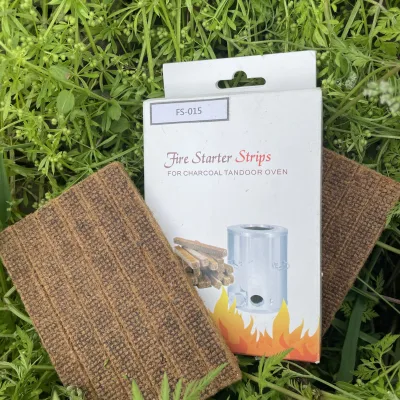
$0.4638 - $0.5161
MOQ: 1000 boxes
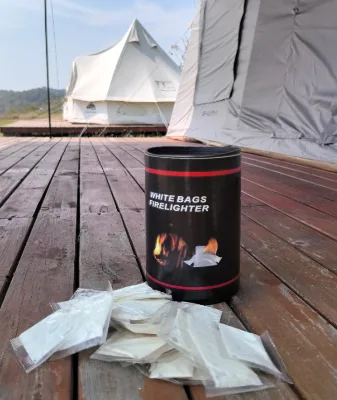
Natural Camping Fire Starter Outdoor Campfire Barbecue Grill Quick Ignite Charcoal Fire Starters
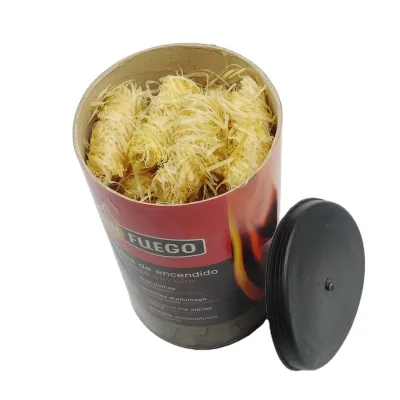
$1.7443 - $1.8461
MOQ: 1000 barrels
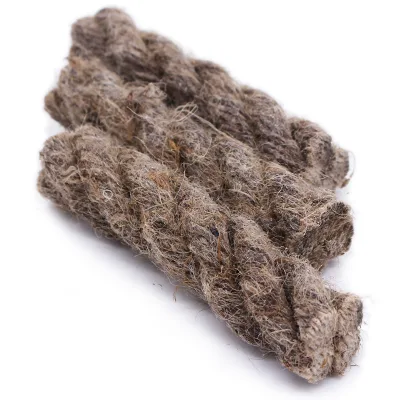
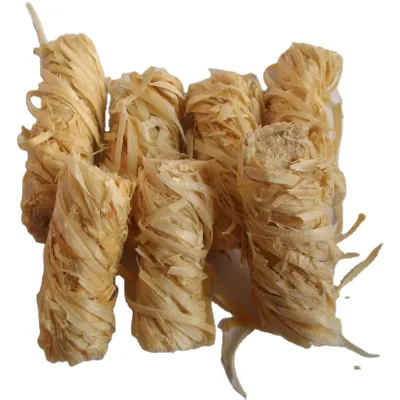
$0.06 - $0.08
MOQ: 10000 pieces
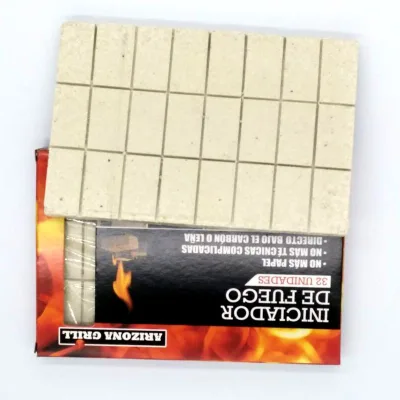
$0.0308 - $0.041
MOQ: 5000 pieces

- Verified by TUVRHEINLAND
- Trading Company
- China Zhejiang
- Lead time30 days
- Avg. response≤ 10h
Main productsSports and Outdoor
Main marketsSoutheast Asia/ Mideast,Europe
Hefei Johold Outdoor Products Co., Ltd.
- Trading Company
- Anhui, China
- Lead time15 days
- Avg. response≤ 2h
Main productsSurvival Kits,Flashlight,Emergency Whistle,Camping Tent,Tactical backpack
Main marketsNorth America(30.00%), Western Europe(20.00%), Northern Europe(15.00%), Eastern Europe(15.00%), Southeast Asia(5.00%), South America(5.00%), Eastern Asia(5.00%), Africa(5.00%)
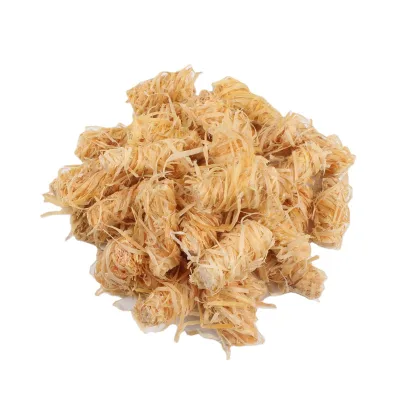
$0.04 - $0.07
MOQ: 500 pieces
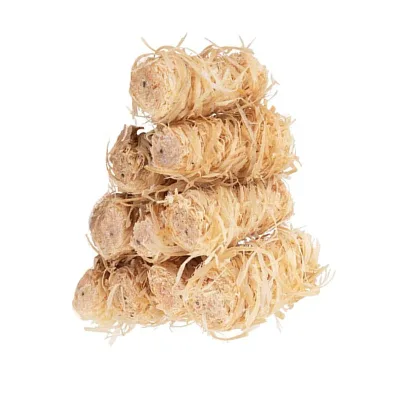
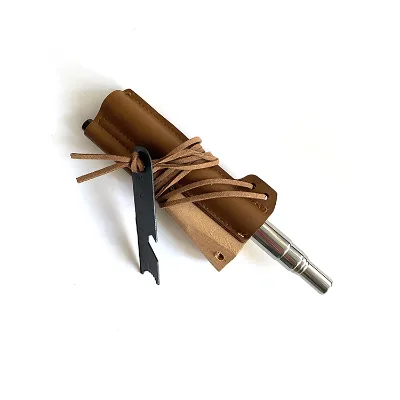
Hangzhou Yijie Industrial Co.,ltd
- Verified by TüVRheinland
- Manufacturer, Trading Company
- Zheiang, China
- Lead time旺季: "1 - 50":7,"> 50":"To be negotiated", 淡季: "1 - 50":7,"> 50":"To be negotiated"
- Avg. response≤ 1h
Main productsStove Fans, Pellet Patio Heaters, Bioethanol Fireplace, Auto Repair Tools
Main marketsWestern Europe(60%), North America(15%), Eastern Asia(10%)

Suzhou Rdit Commercial Co., Ltd.
- Trading Company,Manufacturer/Factory
- China Jiangsu
- Lead time45 days
- Avg. response≤ 10h
Main productsBBQ Grills, BBQ Gas Grill, Pellet Grill, Patio Heater, Fire Pit, Cooking Grates, Flower Pots, BBQ Grill Tools, BBQ Grill Accessories, Heating Products Accessories
Main marketsSouth America,Eastern Europe,North America,Oceania,Western Europe


Black Portable Fire Starter with Handle for Charcoal Grill Outdoor Camping
$2.00 - $5.00
MOQ: 1000 Pieces

Charcoal Grill Replacement Round Shape Charcoal Starter Fire Starter Chimney Starter
$2.00 - $5.00
MOQ: 1000 Pieces

Galvanized Steel BBQ Chimney Charcoal Lighter Fire Starter for Outdoor Camping Barbecue
$2.00 - $5.00
MOQ: 1000 Pieces
Mengyin Runyang Wood Products Co., Ltd.
- Manufacturer
- Shandong, China
- Lead time7 days
- Avg. response≤ 3h
Main productsFire starters,Wood wool Fire starters,Cube lgnitor,Chqrcoal,Wood wax igniter
Main marketsNorth America(90.00%), Northern Europe(30.00%), South Asia(20.00%), Southeast Asia(10.00%), Western Europe(6.00%)
Ningbo Brilliantcare Imp &exp Co., Ltd.
- Trading Company
- Zhejiang, China
- Lead time0 days
- Avg. response≤ 3h
Main productsFIRST AID KIT,PILL BOX,WOUND DRESSING,CAR SAFTY KIT,OUTDOOR HUNTING PRODUCTS
Main marketsNorthern Europe(30.00%), North America(30.00%), South America(20.00%), Eastern Europe(15.00%), Central America(10.00%), Southern Europe(5.00%), Mid East(5.00%), Western Europe(5.00%)

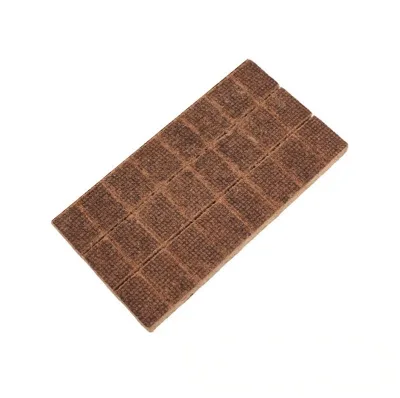

$0.0307 - $0.0615
MOQ: 100 Minimum

Yiwu Cmart Outdoor Products Co., Ltd.
- Trading Company
- Zhejiang, China
- Lead time15 days
- Avg. response≤ 7h
Main productsOutdoor sports,Survival kits,Fishing kits,Outdoor Leisure,Paracord kits
Main marketsNorth America(60.00%), Oceania(8.50%), Western Europe(8.10%), South America(7.80%), Mid East(5.60%), Africa(5.20%), Southeast Asia(4.80%)
Yiwu Icefire Outdoor Products Co., Ltd.
- Manufacturer, Trading Company
- Zhejiang, China
- Lead time5 days
- Avg. response≤ 10h
Main productsparacord,hammock,fire starter,survival kit,shelter
Main marketsNorth America(40.00%), Northern Europe(20.00%), Western Europe(10.00%), Eastern Europe(10.00%), South Asia(5.00%), South America(5.00%), Africa(5.00%), Mid East(5.00%)
Jiangmen Xinhui Baiyuheng Webbing Co., Ltd.
- Verified by SGS Group
- Manufacturer, Trading Company
- Lead time3 days
- Avg. response≤ 2h
Main productsParacord, Rope, Webbing, Survival Kit, Fire Starter
Main marketsNorth America(73%), Western Europe(10%), Domestic Market(10%)

NINGBO XUNSHI IMP. AND EXP. CO., LTD.
- Verified by BV
- Trading Company,Manufacturer/Factory
- China Zhejiang
- Lead time23 days
- Avg. response≤ 10h
Main productsCar Roof Top Tent, Car Side Awning, Bell Tent, Camping Tent, Camping Chair, Trekking Pole, Camping Tarp, Hammock, Camping Cot, Camping Wagon
Main marketsSouth America,Eastern Europe,Mid East,North America,Southeast Asia,Eastern Asia,Oceania,Western Europe,Africa

Camping Emergency Flint Fire Starter Survival Extended Flint Rod Orange Handle Barbecue Firelighter
$0.93 - $1.50
MOQ: 100 Pieces

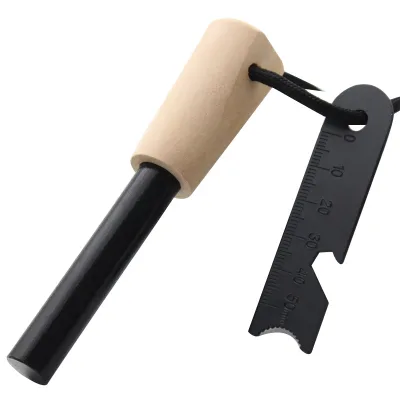
8*80mm Emergency Survival Gear Magnesium Fire Starter with Handcrafted Wood Handle
$1.45 - $2.00
MOQ: 100 Pieces
Shenzhen Gracious Electronic Technology Co., Ltd.
- Manufacturer, Trading Company
- Guangdong, China
- Lead time10 days
- Avg. response≤ 8h
Main productsFerro rod fire starter,Fire striker,Fire tinder,Fire bellow,Duck call
Main marketsNorth America(35.00%), Western Europe(27.00%), Eastern Asia(10.00%), Domestic Market(10.00%), Northern Europe(5.00%), Eastern Europe(5.00%), Mid East(5.00%), Oceania(3.00%)




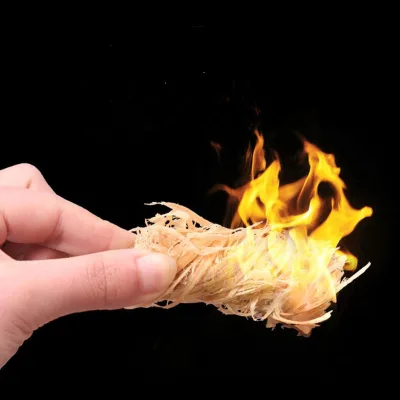
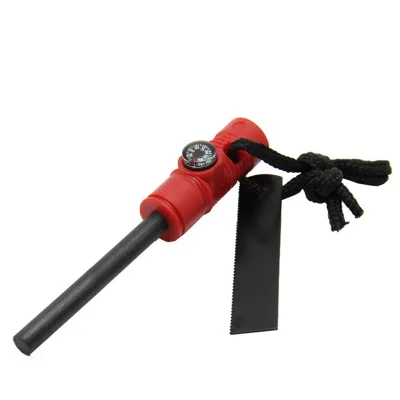
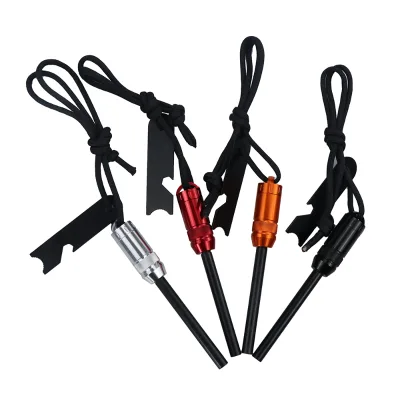
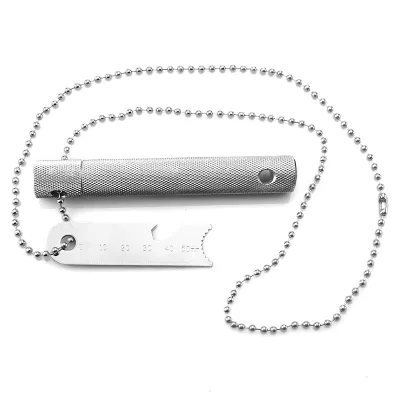
Comprehensive Sourcing Guide
Smokeless Outdoor Fire Starter Supplier Concentration and Factory Types
Current data indicates that manufacturing for smokeless outdoor fire starters is concentrated in specific Chinese regions, with Guangdong and Henan appearing as primary production hubs. Suppliers in Guangdong often operate as Group Corporations with extensive capabilities, while those in Henan may function as a mix of manufacturers and trading companies. This geographic clustering suggests that buyers can expect a high density of suppliers in these areas, though the specific factory type varies significantly between entities. Some suppliers list themselves as Group Corporations with substantial research and development capacity, while others identify primarily as manufacturers or trading companies.
When evaluating the factory type, buyers should look for explicit statements regarding company structure and production capabilities. A Group Corporation might offer broader customization options and higher volume capacity, whereas a manufacturer-trading hybrid could provide more flexible order sizes. It is crucial to verify if the supplier claims to handle their own production or if they act as an intermediary. The presence of specific certifications like ISO 9001 or FSC often correlates with established manufacturing facilities, but this is not a universal rule. Buyers must distinguish between a factory that owns the production line and one that simply sources from multiple vendors to ensure quality control aligns with their specific needs for smokeless fire starters.
How to Verify Smokeless Outdoor Fire Starter Suppliers
Verification of Smokeless Outdoor Fire Starter suppliers requires a rigorous check of their stated certifications and third-party audit results. Some suppliers in the current results display system certifications such as ISO 9001, ISO 20000, and QC 080000, which indicate adherence to quality management standards. Others may hold specific product safety certifications like MSDS, EN 1860, or FSC, which are particularly relevant for wood-based fire starters. Additionally, verification badges from agencies like Intertek provide an external layer of trust regarding the supplier's operational integrity. Buyers should request copies of these certificates and cross-reference them with the issuing bodies to ensure they are current and valid for the specific product category.
Beyond certifications, buyers must assess the supplier's response time and communication reliability as indicators of their operational stability. Data shows response times varying from 2 to 4.56 hours, which can reflect the efficiency of their sales and support teams. A faster response time often suggests a more organized internal process, which is critical when discussing custom specifications or resolving quality issues. Buyers should also examine the supplier's main product list to ensure fire starters are a core competency rather than a peripheral offering. If a supplier lists diverse items like toy guns or kitchenware alongside fire starters, it may indicate a trading company model rather than a specialized factory. Confirming the origin of the products, such as specific provinces in China, helps validate the supply chain transparency and reduces the risk of sourcing from unverified intermediaries.
What to Compare Across Smokeless Outdoor Fire Starter Suppliers
When comparing suppliers, the minimum order quantity (MOQ) is a primary differentiator that significantly impacts procurement strategy. Current evidence shows a wide range in MOQs, with some suppliers requiring as few as 10 pieces while others demand 2,000 units or 1,000 boxes. This variation allows buyers to select partners that match their inventory capacity and budget constraints. A supplier with a low MOQ might be ideal for testing new product designs or entering a market with limited demand, whereas a high-MOQ supplier may offer better unit economics for large-scale distribution. Buyers should calculate the total cost of ownership, including shipping and storage, to determine which MOQ structure aligns best with their business model.
Lead time and pricing are equally critical factors in the comparison process. Lead times can vary from immediate availability to 45 days, depending on the supplier's production schedule and inventory levels. Suppliers with shorter lead times are preferable for urgent orders or just-in-time inventory strategies, while those with longer lead times may require more advanced planning. Pricing data indicates a broad spectrum, with unit costs ranging from fractions of a cent to over a dollar, influenced by material quality, customization, and order volume. Buyers must analyze the price range in conjunction with the product specifications, such as calorific value or temperature resistance, to ensure they are comparing equivalent quality levels. Additionally, response times should be factored into the decision, as a supplier with a competitive price but slow communication may cause delays in resolving critical issues.
Common Smokeless Outdoor Fire Starter Sourcing Risks
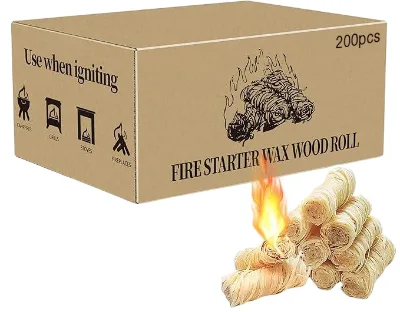
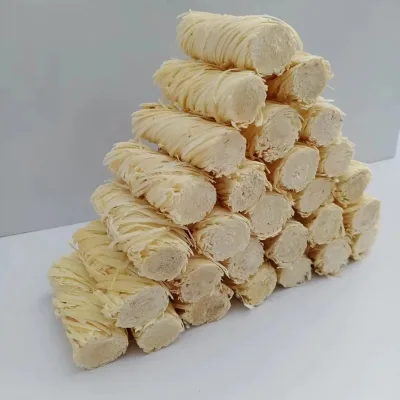
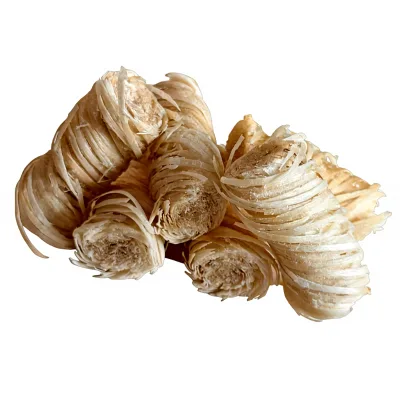
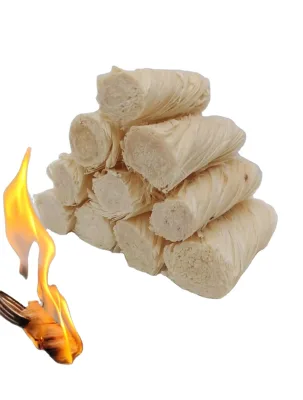
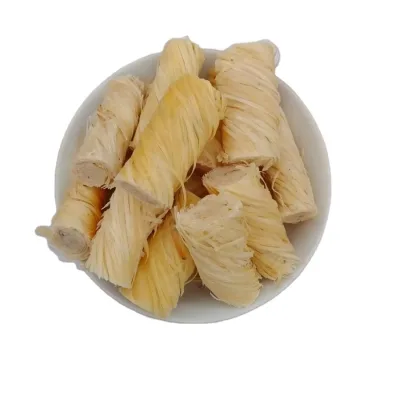
One significant risk in sourcing smokeless outdoor fire starters is the discrepancy between claimed product attributes and actual performance. Suppliers may advertise features like "smokeless" or "non-explosive" properties, but without independent testing data, these claims remain unverified. Some product listings mention specific safety features such as non-flammability or high temperature resistance, yet buyers must ensure these claims are backed by laboratory reports. The material composition, often listed as wood or wood chips with paraffin wax, can vary in quality, affecting ignition reliability and burn time. Relying solely on marketing keywords without requesting physical samples or third-party test results can lead to receiving products that fail to meet customer expectations or safety standards.
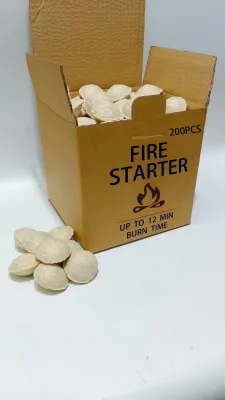
Another risk involves the inconsistency in supply chain transparency and the potential for hidden costs. While some suppliers clearly state their location and production capacity, others may obscure details about their manufacturing partners or raw material sources. This lack of transparency can complicate logistics and increase the risk of delays or quality inconsistencies. Furthermore, the variation in packaging standards, such as OPP bags versus bulk boxes, can impact shipping costs and product protection during transit. Buyers should be wary of suppliers who do not provide clear information on packaging dimensions or weight, as these factors directly influence freight charges. Verifying the supplier's ability to handle custom packaging and branding is essential to avoid unexpected expenses and ensure the final product meets brand requirements.
Smokeless Outdoor Fire Starter Regional Sourcing and Logistics
Sourcing from regions like Guangdong and Henan in China offers distinct logistical advantages and challenges for smokeless outdoor fire starters. Guangdong, known for its robust manufacturing infrastructure, often provides faster access to ports and a wider variety of supplier types, including large group corporations. This region's concentration of suppliers can facilitate quicker sampling and production runs, but buyers must navigate the competitive landscape to find the most reliable partners. In contrast, suppliers in Henan may offer different cost structures and lead times, potentially requiring longer transit times depending on the specific port of departure. Understanding the geographic distribution of suppliers helps buyers optimize their shipping routes and minimize freight costs.
Logistics planning must account for the specific packaging and weight characteristics of the fire starters, which vary by supplier. Some products are packaged in small units like 10x5x3 cm bags, while others come in larger boxes or bulk quantities. These dimensions directly affect container utilization and shipping efficiency. Buyers should request detailed packing lists and gross weight information to calculate accurate freight charges and customs duties. Additionally, the origin of the product, whether from Guangdong or another province, can influence the availability of export documentation and compliance with international shipping regulations. Coordinating with suppliers who have experience in exporting similar goods ensures smoother customs clearance and reduces the risk of delays at the destination port.
Smokeless Outdoor Fire Starter Commercial Terms and Order Planning
Commercial terms for smokeless outdoor fire starters often include specific requirements for customization and payment structures. Suppliers may offer options for OEM and ODM services, allowing buyers to customize product features, branding, and packaging. However, the extent of customization varies, with some suppliers offering light customization while others provide full graphic processing and on-demand options. Buyers should clarify the scope of customization early in the negotiation process to avoid misunderstandings regarding design changes or material specifications. Additionally, understanding the supplier's capacity for sample processing is crucial for validating product quality before committing to a large order.
Order planning must consider the supplier's production capacity and lead time to ensure timely delivery. Some suppliers have established capacities for high-volume production, while others may have limitations that require advance scheduling. Lead times can range from zero days for stock items to 45 days for custom orders, necessitating careful timeline management. Buyers should also evaluate the supplier's response time, as a delay in communication can impact the overall order cycle. Establishing clear communication channels and setting realistic expectations for delivery dates is essential for maintaining a successful business relationship. Finally, buyers should verify the supplier's ability to handle escrow or other payment security measures to protect their financial interests throughout the transaction.
FAQs
What is the price range for smokeless fire starters?
Prices vary by material and specifications. Wood-based options range from $0.04 to $0.06 per unit. Premium white fire starters cost between $0.68 and $1.46. Cotton-based kits are priced from $1.18 to $1.60. Buyers should verify specific product attributes to determine the exact cost for their order volume.
What certifications do these suppliers hold?
Manufacturers hold various system certifications including ISO 9001, ISO 20000, and QC 080000. Specific product safety and environmental standards include MSDS, EN 1860, and FSC. Some suppliers also hold CE certification for toy-related accessories. Buyers should request current certificates to ensure compliance with regional safety regulations.
What is the typical lead time for orders?
Lead times depend on the supplier and order size. One major group corporation lists a standard lead time of 45 days. Other manufacturers may have different production schedules. Buyers should confirm the exact delivery timeline with the supplier before placing an order to ensure it meets their project requirements.
What are the minimum order quantities?
MOQs vary significantly by product type. Some wood fire starters require a minimum of 10 pieces. Others have an MOQ of 2000 units. Certain bulk items require a minimum of 1000 boxes. Buyers should check the specific product page to confirm the exact minimum order quantity for their selected item.
Where are these suppliers located?
Suppliers are primarily located in China. Key manufacturing hubs include Guangdong and Henan provinces. Guangdong is noted for kitchenware and various fire starter types. Henan suppliers also produce wood fire starters. Buyers can filter results by location to find suppliers closer to their shipping preferences.
What materials are used in fire starters?
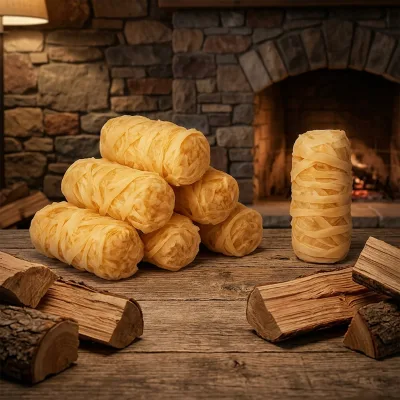
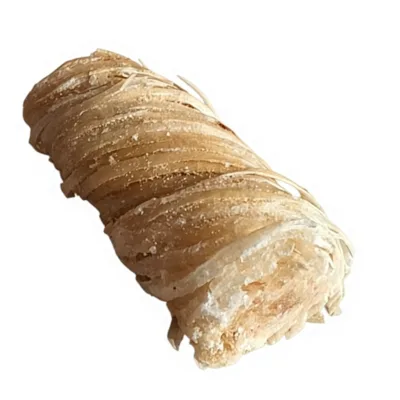
Common materials include wood, wood chips, paraffin wax, and cotton. Wood-based starters are often moistureproof and durable. Cotton plugs offer a natural burning option. Some products combine wood chips with paraffin wax for faster ignition. Buyers should review product attributes to select the material that best fits their usage needs.