Business Travel Luggage Suppliers and Manufacturers in China
Explore 25 verified Business Travel Luggage suppliers and manufacturers offering OEM and ODM services. Compare dimensions, materials like PC and ABS, certifications including ISO 9001, and lead times ranging from 15 to 23 days. Contact suppliers directly to request samples or quotes.
Updated
Suppliers List

- Verified by TUVRHEINLAND
- Trading Company,Manufacturer/Factory,Group Corporation
- China Zhejiang
- Lead time23 days
- Avg. response≤ 18h
Main productsLuggage, Shool Bag, Suitcase, Packpack, Trollycase, Kids Bag, Schoolbag, Luggage Set, Children Backpack, Kids Luggage
Main marketsSouth America,Eastern Europe,Mid East,North America,Southeast Asia,Eastern Asia,Oceania,Western Europe,Africa

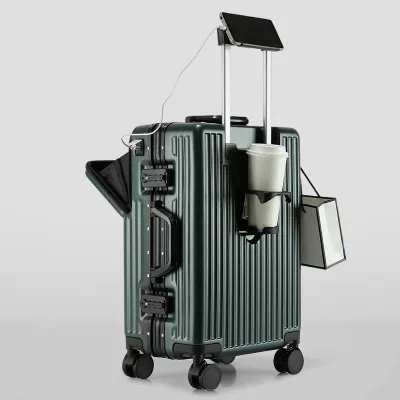
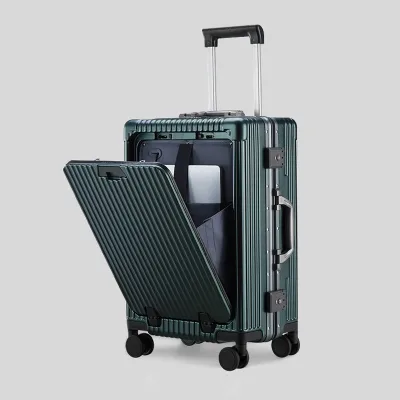
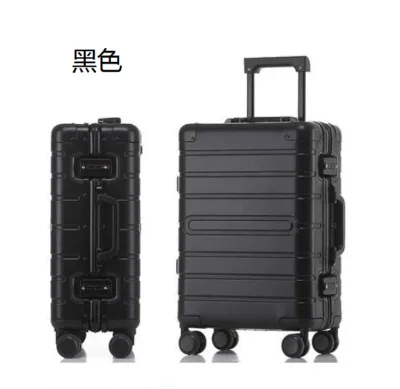
Business Aluminum Frame Travel Trolley Suitcase with Universal Wheels Travel Luggage
$33.44 - $37.90
MOQ: 100 Pieces

Large Capacity Suitcase Waterproof Portable Foldable Business Travel Luggage
$18.01 - $20.41
MOQ: 100 Pieces

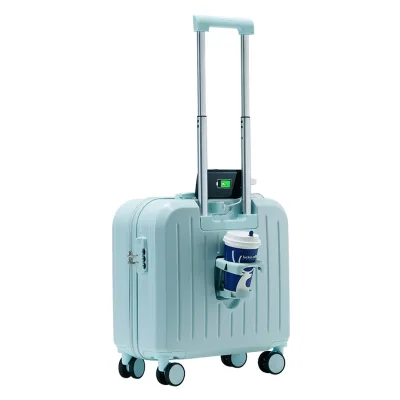
Business Boarding Luggage Lightweight Multi Functional Trolley Luggage Password Travel Luggage
$72.03 - $85.52
MOQ: 100 Sets

Latest Models Travel Suitcase with Custom Private Business Travel Trolley Luggage
$46.30 - $52.48
MOQ: 100 Sets


High Quality Fashion Business Suitcase Luggage Travel Suitcase with Lower Prices
$36.36 - $41.21
MOQ: 100 Sets
Jiangxi Chengleke Leather Co., Ltd.
- Verified by SGS Group
- Manufacturer, Trading Company
- Lead time15 days
- Avg. response≤ 2h
Main productsABS luggage; PC luggage; Aluminum luggage; PU luggage; Fabric luggage
Main marketsNorth America(35%), Mid East(35%), South Asia(25%)
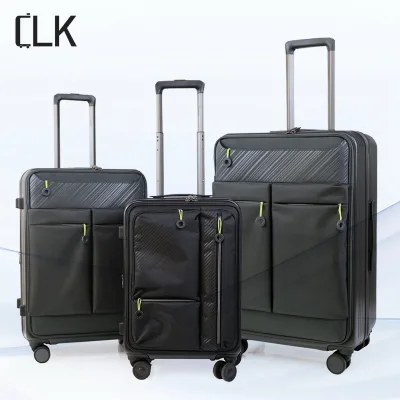
$23.7127 - $30.8269
MOQ: 200 Minimum
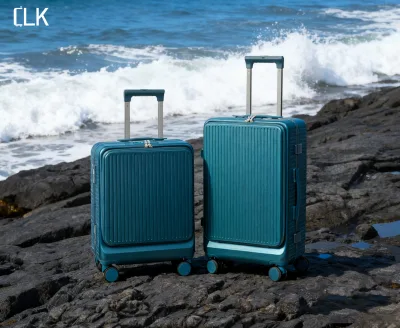
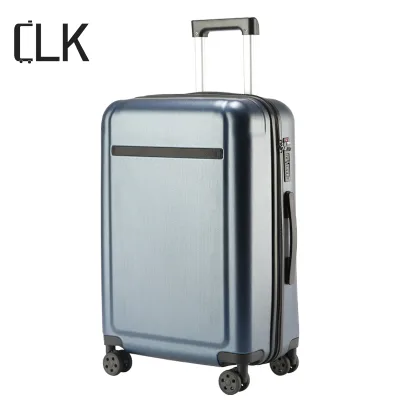

Guangzhou Compass Luggage Bag and Leather Goods Co., Ltd.
- Verified by SGS
- Trading Company
- China Guangdong
- Lead time23 days
- Avg. response≤ 6h
Main productsLuggage, Trolley Luggage, Travel Luggage, Suitcase, Luggage Bag, Backpacks, Hand Bag, Beauty Case
Main marketsSoutheast Asia/ Mideast,Europe,North America

Trolley ABS Business Travel Suitcase Fashion Luxury Travel Trolley Luggage
$8.90 - $12.00
MOQ: 200 Pieces

Unisex Business Trolley Travel Cabin Luggage Hard-Shell Suitcase for Business Trip
$35.00 - $40.00
MOQ: 250 Sets


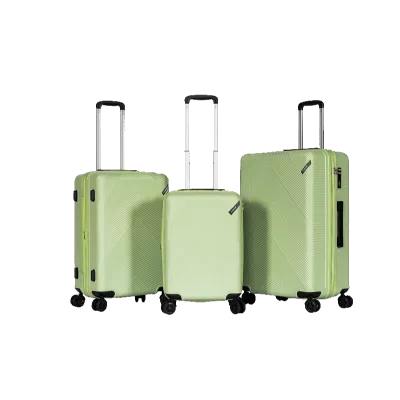
Manufacturer New Style Business Trolley Travel Suitcase Hardshell Luggage Set
$35.00 - $40.00
MOQ: 250 Sets


Dongguan Xinhui Suitcase And Bag Fittings Co., Ltd.
- Verified by BV
- Manufacturer/Factory
- China Guangdong
- Lead time45 days
- Avg. response≤ 10h
Main productsABS Luggage, PC Luggage, Kid's Luggage, Travel Bag, Laptop Luggage, PP Luggage
Main marketsSouth America,Eastern Europe,Mid East,North America,Southeast Asia,Eastern Asia,Western Europe,Africa

Xingan Greatchip Industry Co., Ltd.
- Verified by SGS
- Combined
- China Jiangxi
- Lead time30 days
- Avg. response≤ 8h
Main productsSuitcase, Luggage, Travel Bags, Trolley Bags, Trolley Luggage, Luggage Sets, Carry on Luggage
Main marketsSouth America,Africa,Southeast Asia/ Mideast,Europe,North America


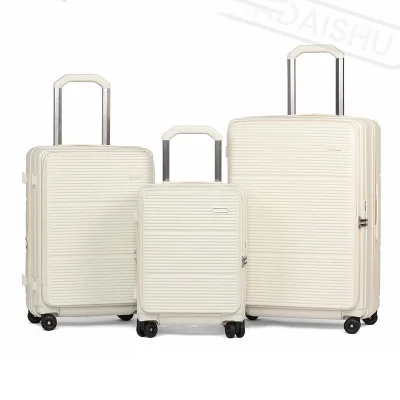
PC Printing 3PCS Trolley Other Luggage & Travelling Suitcase& Business Luggage
$71.90 - $91.96
MOQ: 100 Pieces


Jiangxi Greatchip Group Technology Co.,Ltd
- Verified by SGS Group
- Manufacturer, Trading Company
- Jiangxi, China
- Lead time15 days
- Avg. response≤ 4h
Main productsLuggage
Main marketsNorth America(30%), Western Europe(17%), Eastern Europe(13%)
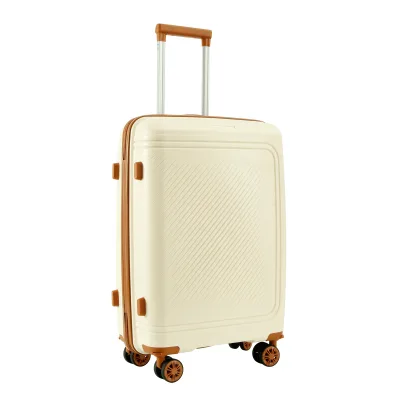
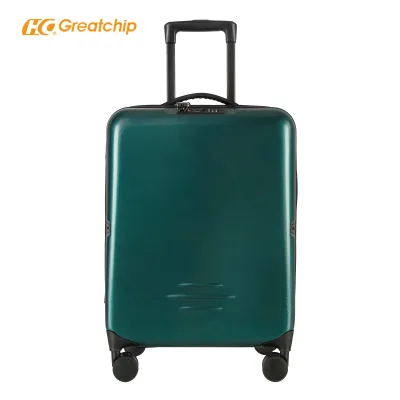
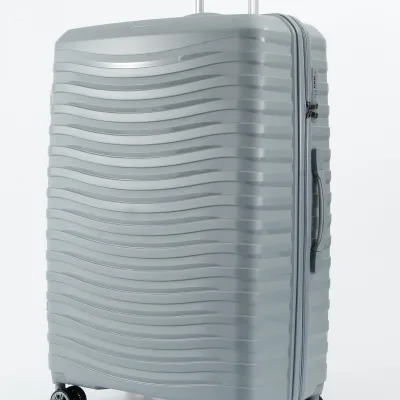
High-Quality Anti-Theft Scratch-Resistant Waterproof PP Luggage PP Business & Trip Luggage
$28.99 - $32.99
MOQ: 580

- Verified by CTI
- Manufacturer/Factory,Group Corporation
- China Zhejiang
- Lead time45 days
- Avg. response≤ 17h
Main productsLuggage, Backpack, Laptop Bags, Tote Bag, Suitcase, Trolley Bag, Men Bags, Messenger Bag
Main marketsEastern Europe,Mid East,North America,Western Europe,Africa

Jiangxi Chengleke Leather Co., Ltd
- Verified by BV
- Combined
- China Jiangxi
- Lead time23 days
- Avg. response≤ 3h
Main productsLuggage, Luggage Set, Suitcase, Carry on, PC Luggage, SKD, OEM/ODM Luggage, Trunk, Valise, Travel Bag
Main marketsSouth America,Southeast Asia/ Mideast,Europe

Travel Bags Luggage Travel Bag Set 4 Trolley Luggage Travel Bags Luggage
$101.50 - $111.70
MOQ: 50 Sets


Shenzhen Aksen Technology Co., Ltd.
- Verified by Intertek
- Manufacturer, Trading Company
- Lead time15 days
- Avg. response≤ 2h
Main productsLuggage, Travel Suitcase, Back Packs
Main marketsSouth America(40%), North America(20%), Eastern Asia(10%)

- Verified by TUVRHEINLAND
- Trading Company
- China Guangdong
- Lead time15 days
- Avg. response≤ 5h
Main productsCustomize Suitcase, Trolley Bag, Travel Bag, Hand Trunk, Luggage Parts, Luggage, PC Luggage, OEM PP Luggage, Aluminum Suitcase, Metal Luggage
Main marketsSouth America,Africa,Southeast Asia/ Mideast,East Asia(Japan/ South Korea),Domestic,Europe,Australia,North America


New Arrival Promotion Factory Traveling Suit Case Trolley Luggage Bag Suitcase
$52.99 - $67.99
MOQ: 500 Pieces

Vacuum Compress Travel Trolley Case Bag PC Hardshell Lightweight Carry on Suitcase Luggage
$29.00 - $39.00
MOQ: 240 Pieces

Luggage Hard Luggage Best Selling 24 Inch Hard Luggage Trolley Suitcase
$41.00 - $46.95
MOQ: 500 Pieces
Xin'gan Laishang Leather Goods Co., Ltd.
- Manufacturer, Trading Company
- Jiangxi, China
- Lead time20 days
- Avg. response≤ 1h
Main productsTrunk, Luggage Accessories, Draw-Bar Box, Suitcase
Main marketsSoutheast Asia(40.00%), Eastern Europe(30.00%), North America(20.00%), Eastern Asia(5.00%), Domestic Market(5.00%)

Xingan New Travel Luggage Bag Co.,Ltd
- Verified by SGS
- Combined
- China Jiangxi
- Lead time15 days
- Avg. response≤ 3h
Main productsSuticase, Luggage, Travel Bags, Backpack
Main marketsSoutheast Asia/ Mideast,Domestic,Europe
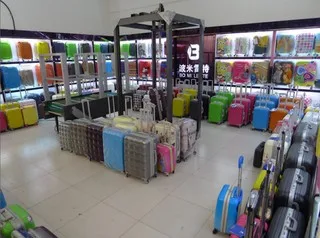
Baoding Bodian Luggage And Cases Bag Co., Ltd.
- Manufacturer
- Hebei, China
- Lead time15 days
- Avg. response≤ 2h
Main productsLuggage
Main marketsWestern Europe(20.00%), North America(15.00%), Mid East(10.00%), Oceania(10.00%), Africa(10.00%), Southeast Asia(10.00%), Eastern Europe(10.00%), Domestic Market(5.00%), South Asia(5.00%), South America(5.00%)

Fuzhou ADF International CO., LTD.
- Verified by BV
- Trading Company,Manufacturer/Factory
- China Fujian
- Lead time45 days
- Avg. response≤ 5h
Main productsBags, Suitcase, Backpack, Travel Bags, School Bags, Storage Ottoman, Luggage, Cooler Bag, Household Products
Main marketsSouth America,Eastern Europe,Mid East,North America,Southeast Asia,Eastern Asia,Oceania,Western Europe,Africa


$10.00 - $13.00
MOQ: 500 Pieces

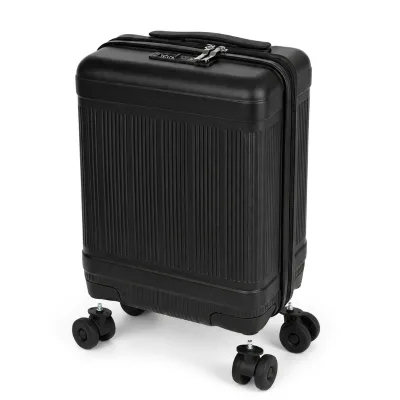
Compact Black Business Luggage: Ideal for International Travel Lightweight ABS Luggage
$10.00 - $13.00
MOQ: 500 Pieces

Sleek Black Foldable Luggage: Perfect for Business Trips Silver Luggage Suitcase
$10.00 - $13.00
MOQ: 500 Pieces

Carry on Trolley Luggage for Promotion Wholesale Suitcase Travel Suitcase Luggage
$27.50 - $30.00
MOQ: 500 Pieces

Sleek Black Foldable Luggage for Effortless Business Travel Easy Packing Luggage
$10.00 - $13.00
MOQ: 500 Pieces
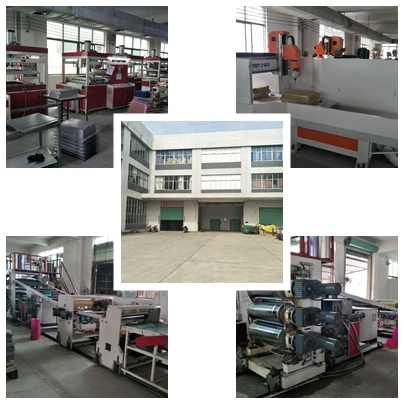
Xingan County Feiyang Luggage Co., Ltd.
- Manufacturer, Trading Company
- Jiangxi, China
- Lead time30 days
- Avg. response≤ 1h
Main productsLuggage, Backpacks, Mini Luggage
Main marketsSouth America(25.00%), North America(15.00%), Central America(10.00%), Northern Europe(10.00%), Domestic Market(10.00%), Mid East(10.00%), Western Europe(5.00%), Southern Europe(5.00%), Africa(5.00%), Southeast Asia(5.00%)
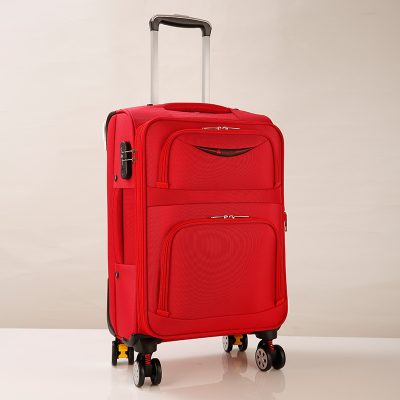
$17.00 - $24.00
MOQ: 100 Minimum
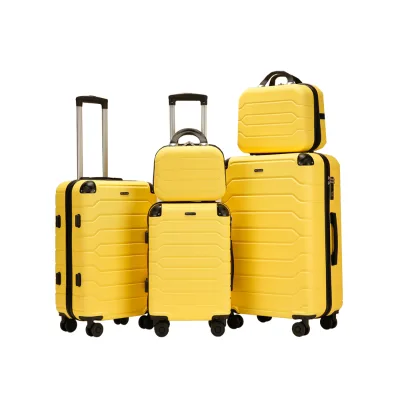
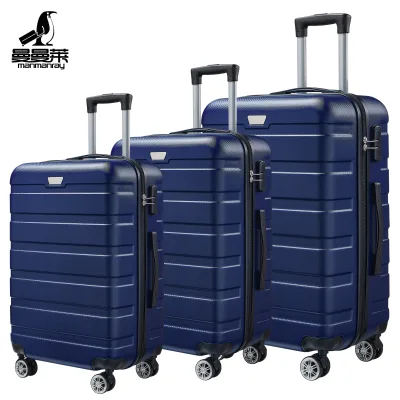
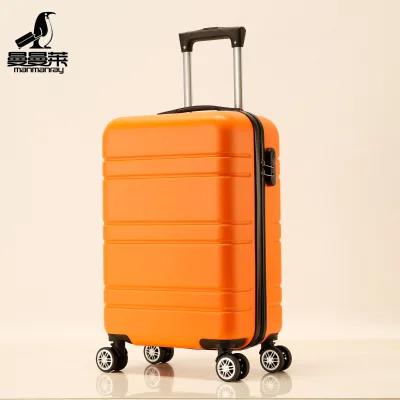
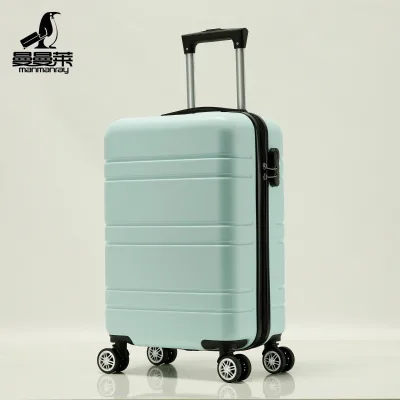
Elegant Luxury Travel Luggage 20 Inch Carry on Suitcase Hard Side Luggage with Spinner Wheels
$15.50 - $25.00
MOQ: 100 Minimum
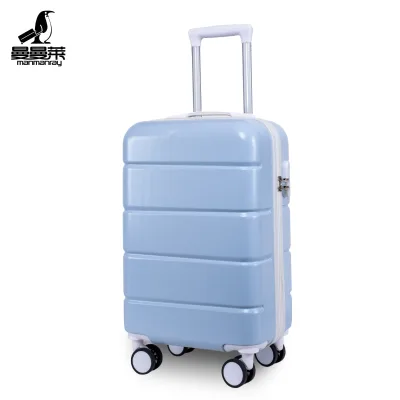

Xingan Jinyi Luggage Co., Ltd.
- Trading Company
- Jiangxi, China
- Lead time25 days
- Avg. response≤ 5h
Main productsABS Luggage,PC Luggage,Cabin Luggage,Kids Luggage,Aluminum Luggage
Main marketsSoutheast Asia(60.00%), Western Europe(20.00%), Eastern Europe(20.00%)
Anhui Technology Import And Export Company Ltd
- Verified by SGS Group
- Manufacturer, Trading Company
- Lead time45 days
- Avg. response≤ 3h
Main productsLuggage, Backpack and Bags, Travel Goods, Luggage and Bag Accessories, Lady Bags
Main marketsNorth America(28%), South America(20%), Mid East(12%)

Walyet Luggage & Bag Co., Limited
- Trading Company
- China Guangdong
- Lead time23 days
- Avg. response≤ 7h
Main productsTrolley Bag, ABS Trolley Luggage, Backpack, Duffle Bag, School Bag, Lunch Bag, Diaper Bag, Laptop Bag, PC Trolley Luggage, PP Trolley Luggage
Main marketsSouth America,Eastern Europe,Mid East,North America,Southeast Asia,Eastern Asia,Oceania,Western Europe,Africa

The New Listing Suitcase for Business and Travel Durable Large Capacity Luggage
$51.00 - $57.00
MOQ: 100 Sets


New-Style Front Open Trolley Case Business Luggage Multi-Functional Luggage
$21.00 - $22.50
MOQ: 200 Pieces

Ningbo Best Travel Industry and Trade Co., Ltd.
- Verified by BV
- Manufacturer/Factory
- China Zhejiang
- Lead time45 days
- Avg. response≤ 8h
Main productsTrolley Bag, Travel Bag, Shopping Bag, Backpack, Diaper Bag, Cooler Bag, First Aid Bag, Polyester Luggage, ABS PC Luggage
Main marketsSouth America,Eastern Europe,Mid East,North America,Southeast Asia,Eastern Asia,Oceania,Western Europe,Africa

Light Weight ABS Trolley Suitcases Traveling Business Bag Hand Luggage
$10.00 - $19.00
MOQ: 500 Pieces


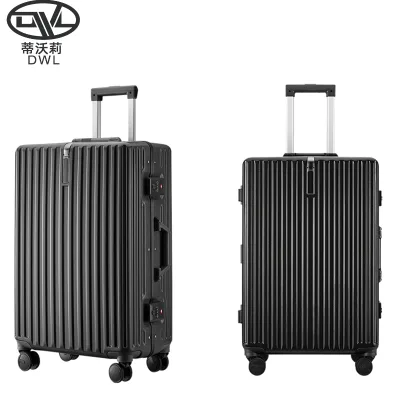
Dongguan Dwl Travel Products Co., Ltd.
- Verified by TüVRheinland
- Manufacturer, Trading Company
- Lead time30 days
- Avg. response≤ 2h
Main productsTrolley Luggage, Carry Suitcase, Cosmetic Case, Laptop Bag, Tool Case
Main marketsNorth America(20%), Mid East(20%), Eastern Asia(15%)
- Verified by SGS Group
- Manufacturer, Trading Company
- Lead time15 days
- Avg. response≤ 3h
Main productsLuggage, Carry on Suitcase, Travel Bag, Backpack, Handbag
Guangzhou Kunpeng Travel Supplies Co., Ltd.
- Manufacturer, Trading Company
- Guangdong, China
- Lead time0 days
- Avg. response≤ 3h
Main productsTravel bag, Luggage, Suitcase, Electric luggage, Cosmetic bags cases
Main marketsNorth America(15.00%), Western Europe(15.00%), Mid East(15.00%), South America(10.00%), Southern Europe(10.00%), Northern Europe(10.00%), Eastern Europe(10.00%), Eastern Asia(5.00%), Domestic Market(5.00%), Southeast Asia(5.00%)
Changsha Likun Import And Export Trading Co., Ltd
- Verified by SGS Group
- Trading Company
- Lead time0 days
- Avg. response≤ 2h
Main productsLuggage, Travel Bags, Business Bags
Main marketsNorth America(60%), Eastern Europe(20%), Southeast Asia(10%)
Guangzhou Hanxi Travel Goods Co., Ltd.
- Verified by TüVRheinland
- Manufacturer, Trading Company
- Lead time15 days
- Avg. response≤ 3h
Main productsAluminum Frame Suitcase, Zipper Suitcase, Nylon Suitcase, Backpack, Travel Bag
Main marketsDomestic Market(50%), North America(10%), South America(5%)
Xingan County Travel Diary Luggage Co., Ltd.
- Manufacturer, Trading Company
- Jiangxi, China
- Lead time15 days
- Avg. response≤ 3h
Main productsLuggage Suitcase
Main marketsDomestic Market(50.00%), Domestic Market(50.00%), Eastern Asia(25.00%), Africa(5.00%), Mid East(5.00%), South Asia(5.00%), South America(5.00%), Western Europe(5.00%), Africa(5.00%), Mid East(5.00%), Southern Europe(0.00%), Central America(0.00%), Northern Europe(0.00%), Eastern Europe(0.00%), Southeast Asia(0.00%), North America(0.00%), Oceania(0.00%), Southern Europe(0.00%), Central America(0.00%), Northern Europe(0.00%), Eastern Europe(0.00%), Southeast Asia(0.00%)




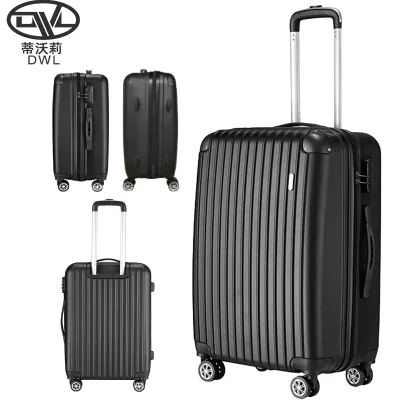
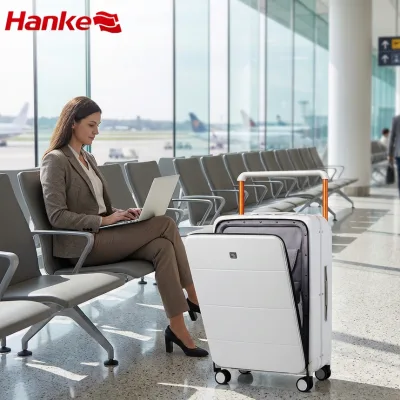
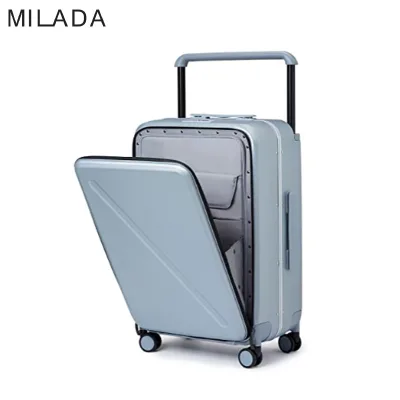
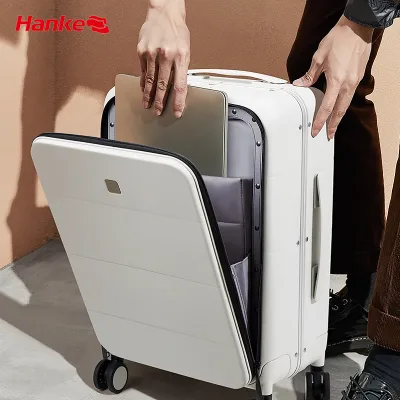
Comprehensive Sourcing Guide
Business Travel Luggage Supplier Concentration and Factory Types
The current supplier landscape for Business Travel Luggage reveals a diverse mix of company types operating primarily within China. Available data indicates that suppliers are categorized as Trading Companies, Manufacturer/Factories, or Group Corporations, offering buyers a range of engagement models depending on their specific sourcing needs. The geographic concentration of these entities is notably centered in Zhejiang, China, which serves as a significant hub for this category. This regional clustering suggests a mature supply chain ecosystem where raw materials, component manufacturing, and final assembly are likely integrated or closely proximate, facilitating efficient production workflows. Buyers evaluating suppliers in this region should consider the logistical advantages of sourcing from a concentrated industrial zone, where infrastructure and specialized labor pools are established. However, it is important to note that product origins listed in specific item details may vary, with some items indicating origins in Hebei or Guangdong, highlighting the national scale of production capabilities beyond just the primary supplier location.
Beyond geographic concentration, the structural diversity of suppliers allows for flexible partnership options. Trading companies often provide broader product assortments and streamlined communication, while manufacturers and factories offer direct control over production processes and potentially lower costs for high-volume orders. Group corporations may provide comprehensive solutions, leveraging economies of scale across multiple product lines. The main products associated with these suppliers include a wide array of luggage types such as suitcases, school bags, backpacks, and trolley cases, indicating that many facilities are not limited to a single niche but rather operate as comprehensive luggage producers. This versatility can be advantageous for buyers seeking to consolidate suppliers for multiple bag categories. The presence of OEM and ODM capabilities further underscores the manufacturing depth available, allowing businesses to customize designs and specifications rather than relying solely on off-the-shelf inventory. Understanding these factory types helps buyers align their procurement strategy with their volume requirements and customization needs.
How to Verify Business Travel Luggage Suppliers
Verifying the credibility and operational capacity of Business Travel Luggage suppliers requires a multi-layered approach that goes beyond basic company profiles. One critical step is to examine third-party verification status, as some suppliers display verification badges from recognized entities such as TÜV Rheinland or SGS Group. These verifications often indicate that the supplier has undergone rigorous audits regarding their business legitimacy, production facilities, and quality management systems. Buyers should prioritize suppliers with such independent validations, as they provide an additional layer of confidence in the supplier’s claims. Additionally, checking for system certifications is essential for ensuring compliance with international standards. Available data shows that some suppliers hold ISO 9001 and ISO 20000 certifications, which relate to quality management and information security management, respectively. Other suppliers may display a broader range of certifications including BSCI, ISO 14001, ISO 45001, RoHS, REACH, and various CPSC and ASTM standards. These certifications are particularly important for buyers targeting markets with strict regulatory requirements, such as the European Union or North America, as they demonstrate adherence to environmental, safety, and social responsibility norms.
Beyond certifications, assessing the supplier’s responsiveness and technical capabilities is crucial for a smooth sourcing experience. The response time metric provides insight into the supplier’s operational efficiency and customer service quality. For instance, some suppliers exhibit a response time of approximately 17.31 hours, while others demonstrate a significantly faster response time of 2 hours. A quicker response time often correlates with better communication throughout the order lifecycle, reducing the risk of misunderstandings or delays. Furthermore, evaluating the supplier’s R&D capacity is vital for those seeking customized products. Suppliers offering OEM and ODM services, along with capabilities in sample processing, graphic processing, and customized on-demand production, are better equipped to handle unique design requirements. Buyers should inquire about the supplier’s ability to provide prototypes and technical drawings to ensure that their specific design ideas can be realized. This due diligence helps mitigate the risk of partnering with suppliers who may lack the technical expertise or resources to deliver high-quality, customized Business Travel Luggage.
What to Compare Across Business Travel Luggage Suppliers
When evaluating multiple suppliers for Business Travel Luggage, comparing key operational metrics is essential to identify the most suitable partner for your specific business needs. One of the most critical factors to compare is the lead time, which directly impacts your inventory management and ability to meet market demand. Available data indicates that lead times can vary, with some suppliers offering a lead time of 23 days, while others provide a faster turnaround of 15 days. A shorter lead time can be advantageous for businesses requiring rapid restocking or responding to sudden market trends, whereas a longer lead time might be acceptable for planned, large-scale orders. Additionally, comparing the Minimum Order Quantity (MOQ) is crucial for aligning with your budget and storage capacity. Some suppliers may have an MOQ of 100 units, making them suitable for smaller businesses or trial orders, while others might require an MOQ of 300 units, which is more appropriate for larger volume purchases. Understanding these thresholds helps buyers optimize their initial investment and reduce the risk of excess inventory.
Price and product specifications are also key dimensions for comparison. The price range for Business Travel Luggage can vary significantly based on materials, features, and customization options. For example, prices may range from approximately $18.01 to $37.90 for certain models, while more premium or complex designs may cost between $46.30 and $85.52. Buyers should analyze these price points in conjunction with the product attributes, such as material composition (e.g., PC, ABS, Nylon, Oxford), wheel type (e.g., silent universal wheels, TPE silence double wheels), and additional features like TSA locks or extension layers. Comparing the dimensions and weight of different models is also important to ensure they meet airline carry-on regulations and customer preferences. Furthermore, assessing the customization availability is vital for brands looking to differentiate their products. Suppliers that offer customization options allow for branding, color choices, and structural modifications, which can enhance product uniqueness. By systematically comparing these factors, buyers can make informed decisions that balance cost, quality, and operational efficiency.
Common Business Travel Luggage Sourcing Risks
Sourcing Business Travel Luggage involves several inherent risks that buyers must proactively manage to ensure a successful procurement process. One significant risk is the variability in product quality and consistency, which can arise from differences in manufacturing standards and material sourcing. Even among suppliers with similar certifications, the actual quality of finished goods may vary due to factors such as raw material grades, assembly precision, and quality control processes. For instance, while some products are described as having "Partial Hard" hardness, others may have different structural integrity levels. Buyers should request detailed product specifications and, if possible, sample units to physically assess the durability, finish, and functionality of the luggage. Relying solely on product descriptions and images can lead to discrepancies between expectations and actual delivery. Additionally, the risk of intellectual property infringement is a concern, especially when working with suppliers offering OEM services. Buyers must ensure that their designs and branding are protected through proper legal agreements and that suppliers adhere to confidentiality and non-compete clauses.
Another common risk is the potential for logistical delays and compliance issues. While lead times are provided, external factors such as raw material shortages, labor strikes, or port congestion can disrupt production schedules. Buyers should maintain open communication with suppliers to stay informed about any potential delays and have contingency plans in place. Furthermore, compliance with international safety and environmental standards is critical. Suppliers may claim compliance with various standards, but buyers must verify these claims through independent testing or certification audits. For example, standards like ASTM D882, EN 62321, and CPSC requirements are essential for ensuring that the luggage materials are safe and environmentally friendly. Failure to verify compliance can result in product recalls, legal penalties, and damage to brand reputation. Additionally, the risk of miscommunication regarding customization details can lead to costly errors. Clear and documented specifications, including technical drawings and material samples, are essential to avoid misunderstandings. By identifying and mitigating these risks, buyers can enhance the reliability and success of their sourcing initiatives.
Business Travel Luggage Regional Sourcing and Logistics
Regional sourcing plays a pivotal role in determining the overall cost structure and logistical efficiency of Business Travel Luggage procurement. The concentration of suppliers in specific regions, such as Zhejiang, China, offers distinct advantages in terms of supply chain integration and transportation infrastructure. Sourcing from a concentrated industrial cluster can reduce lead times and transportation costs, as suppliers often have established relationships with local logistics providers and raw material suppliers. However, buyers should also consider the origin of specific products, as some items may be manufactured in other regions like Hebei or Guangdong. This variation in origin can impact shipping routes and transit times, requiring buyers to coordinate closely with suppliers to optimize logistics. Understanding the regional dynamics helps buyers make informed decisions about where to source their products to balance cost and speed. Additionally, regional sourcing can provide access to specialized labor and expertise, which can enhance product quality and innovation.
Logistics planning is equally important for ensuring timely delivery and minimizing disruptions. Buyers should work with suppliers to establish clear shipping terms and responsibilities, such as Incoterms, to define who is responsible for various aspects of the shipping process. For international shipments, understanding customs regulations and documentation requirements is crucial to avoid delays at borders. Buyers should also consider the impact of seasonal fluctuations on logistics, as peak seasons can lead to capacity constraints and higher freight rates. Establishing a reliable logistics partner or leveraging the supplier’s logistics network can help mitigate these risks. Furthermore, buyers should evaluate the supplier’s ability to handle different shipping methods, such as sea freight, air freight, or express courier services, depending on the urgency and volume of the order. By carefully planning regional sourcing and logistics, buyers can enhance supply chain resilience and ensure that their Business Travel Luggage products reach the market efficiently and cost-effectively.
Business Travel Luggage Commercial Terms and Order Planning
Effective order planning and clear commercial terms are essential for managing the procurement of Business Travel Luggage successfully. Buyers should negotiate payment terms that align with their cash flow and risk tolerance, such as using secure payment methods like escrow services to protect their funds until the goods are received and verified. Understanding the supplier’s pricing structure is also crucial, as prices may vary based on order volume, customization requirements, and material costs. Buyers should request detailed quotations that break down costs for materials, labor, and overhead to ensure transparency. Additionally, establishing clear quality assurance protocols and inspection criteria before shipment can help prevent disputes and ensure that the products meet the agreed-upon standards. Buyers should also consider the supplier’s after-sales support and warranty policies, as these can impact the long-term relationship and customer satisfaction.
Order planning involves forecasting demand and coordinating production schedules to avoid stockouts or excess inventory. Buyers should communicate their sales forecasts and order timelines to suppliers well in advance to allow for adequate production planning. This is particularly important for customized products, which may require longer lead times for design approval and sample production. Buyers should also consider the supplier’s capacity and flexibility to handle order fluctuations, as market demand can be unpredictable. Establishing a regular communication schedule with suppliers can help maintain alignment and address any issues promptly. Furthermore, buyers should document all commercial terms, including pricing, payment conditions, delivery schedules, and quality standards, in a formal contract to protect their interests. By implementing robust order planning and clear commercial terms, buyers can streamline their sourcing process, reduce risks, and build a sustainable supply chain for Business Travel Luggage.
FAQs
What are the typical lead times for Business Travel Luggage orders?
Typical lead times range from 15 to 23 days depending on the specific supplier and order volume. Some manufacturers offer faster turnaround of 15 days, while others may require up to 23 days for production and quality checks. Buyers should confirm exact timelines before placing bulk orders.
What materials are commonly used for business travel suitcases?
Common materials include PC, ABS, Nylon, and Oxford fabric for durability and lightweight performance. Some products feature polyester linings inside. Buyers can find options with waterproof features or partial hardness depending on their specific business travel needs and budget constraints.
What is the minimum order quantity for custom luggage sets?
Minimum order quantities vary by supplier, with some requiring 100 units and others setting the bar at 300 units. Customization is generally available for both OEM and ODM requests. Buyers should verify specific MOQ requirements with each supplier before finalizing their procurement strategy.
Are suppliers verified for quality and safety standards?
Many suppliers hold certifications such as ISO 9001, ISO 14001, and BSCI. Verification bodies like TÜV Rheinland and SGS Group also validate supplier claims. These credentials ensure compliance with international safety and quality standards for Business Travel Luggage products.
How quickly do suppliers typically respond to inquiries?
Response times vary significantly, with some suppliers replying within 2 hours and others taking around 17 hours. Fast response times indicate active sales teams ready to assist with urgent sourcing needs. Buyers should prioritize suppliers with shorter response windows for efficient communication.
What customization options are available for business luggage?
Customization options include private labeling, specific dimensions, and material choices like ABS or PC. Suppliers offer OEM and ODM services to meet unique branding requirements. Buyers can request custom packing or specific wheel types to align with their corporate travel standards.
Where are the main manufacturing locations for these products?
Manufacturing locations include Zhejiang, Hebei, Guangdong, and Jiangxi in China. These regions host a mix of trading companies and manufacturers specializing in luggage. Buyers should verify the specific origin of products to ensure alignment with their supply chain preferences.