Butt Welded Pipe Fittings Suppliers and Manufacturers
Find 29 verified suppliers offering Butt Welded Pipe Fittings with ISO 9001 and BV verification. Compare response times, lead times, and certifications to select a factory or trading company. Review product attributes like material and standard before contacting vendors; review the available evidence before requesting comparable quotations from suitable candidates.
Updated
Suppliers List

Permanent Steel Manufacturing Co., Ltd.
- Verified by BV
- Manufacturer/Factory
- China Hunan
- Lead time23 days
- Avg. response≤ 7h
Main productsSeamless Steel Pipe, Piling Pipe, ERW Pipe, Spiral Welded Pipe, LSAW Steel Pipe, OCTG, Casing Pipe, Drill Pipe, Carbon Steel Pipe, Stainless Steel Pipe
Main marketsEastern Europe,Mid East,North America,Western Europe,Africa

QingDao Tome International Co., Ltd.
- Trading Company,Manufacturer/Factory
- China Shandong
- Lead time45 days
- Avg. response≤ 5h
Main productsHandrail, Balustrade, Railing, Rigging, Glass Standoff, Handrail Fittings, Stainless Steel Handrail, Inox Railing, Rigging Hardware, Inox Baluster
Main marketsSouth America,Eastern Europe,Mid East,North America,Southeast Asia,Eastern Asia,Oceania,Western Europe,Africa

Qingdao Pengrui Machinery Co., Ltd.
- Verified by TUVRHEINLAND
- Combined
- China Shandong
- Lead time15 days
- Avg. response≤ 15h
Main productsFastener, Pins, Screw, Clamps, Metal Fabrication, Plastic Fastener, Screw Plunger, Bolt, Nuts
Main marketsNorth America

Qingdao David Technology Co., Ltd.
- Trading Company
- China Shandong
- Lead time30 days
- Avg. response≤ 7h
Main productsPE Pipe, HDPE Pipe, Floater, Thermoplastic Hose, Steel Pipe, PVC Pipe, Rubber Hose, UHMWPE Pipe
Main marketsSoutheast Asia/ Mideast,Europe,North America
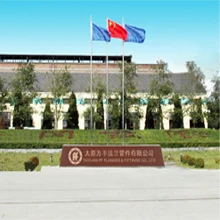
Taiyuan Ff Flanges & Fittings Co., Ltd.
- Trading Company
- Shanxi, China
- Lead time60 days
- Avg. response≤ 13h
Main productsVarious flanges,backing rings,Butt welding Pipe Fittings,Pipe joints
Main marketsMid East(7.72%), South Asia(7.69%), Southern Europe(7.69%), Northern Europe(7.69%), Central America(7.69%), Western Europe(7.69%), Eastern Asia(7.69%), North America(7.69%), Oceania(7.69%), Africa(7.69%), Southeast Asia(7.69%), Eastern Europe(7.69%), South America(7.69%)
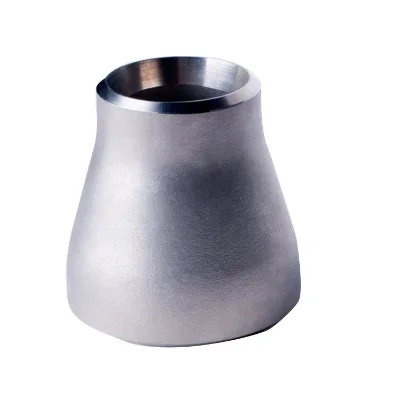
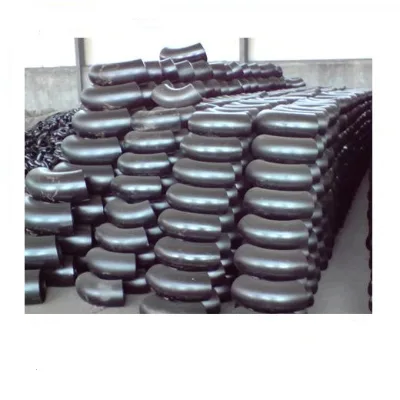
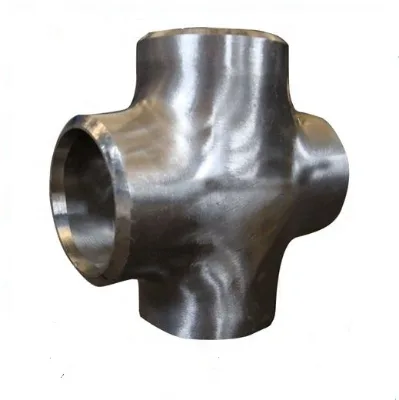
$5.00 - $10.00

Hebei Shengtian Pipe-Fitting Group Co., Ltd.
- Combined
- China Hebei
- Lead time23 days
- Avg. response≤ 2h
Main productsPipe Fitting, Elbow, Tee, Flange, Bend, Pipe Cap, Steel Pipe, Seamless Pipe, Pipe Reducer, Steel Elbow
Main marketsSoutheast Asia/ Mideast

CANGZHOU BEWIN PIPELINE CO., LTD.
- Manufacturer/Factory,Group Corporation
- China Hebei
- Lead time45 days
- Avg. response≤ 7h
Main productsStainless Steel Fitting, Stainless Steel Ball Valve, Seamless Pipe, Post Anchor, Wire Mesh, Barbed Wire Machine, Spiral Pipe, Grating, Ground Screw, Flange Ball Valve
Main marketsSouth America,Eastern Europe,Mid East,North America,Southeast Asia,Eastern Asia,Oceania,Western Europe,Africa

Dongying Sanhao International Trade Co., Ltd
- Verified by SGS
- Trading Company
- China Shandong
- Lead time30 days
- Avg. response≤ 2h
Main productsPump Valve/ Pipe Fitting/Auto/Hardware, TDS Spare Parts/Stainless Steel Rigging, Casting/Machining/Forging/Stamping, Stainless Steel/Iron/Aluminium /Bronze Parts, Investment(Sand/Die) Casting, Petroleum Machinery Parts
Main marketsOthers(foreignTradeCapacity.exportBusinessCapacityMarketOther),Southeast Asia/ Mideast,Europe


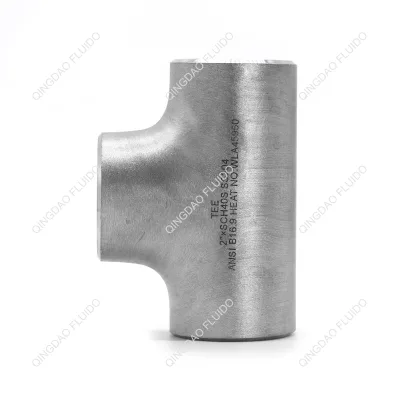
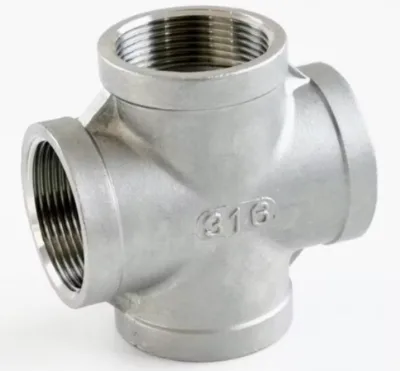
Stainless Steel Buttweld Pipe Tube Fitting Connector Four-Way Pipe Fittings
$0.30 - $2.00
MOQ: 10 Pieces


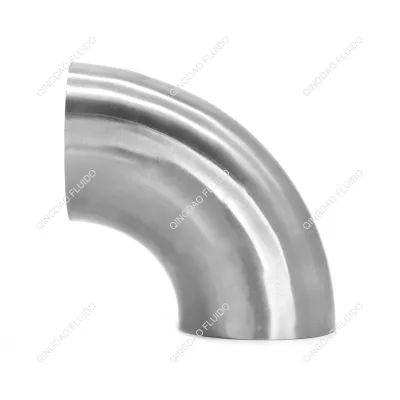
Stainless Steel 90 Degree Butt Welded Elbow Stainless Steel Four-Way Pipe Fittings
$0.30 - $2.00
MOQ: 10 Pieces

Stainless Steel Connector Round Tube Butt Welded Elbow Cross Pipe Fittings
$0.30 - $2.00
MOQ: 10 Pieces
- Verified by TüVRheinland
- Manufacturer, Trading Company
- Lead time15 days
- Avg. response≤ 1h
Main productsInstrument Fittings, Instrument Valves, High Purity Products, Ultra High Pressure Products, Instrument Tools
Shanxi Solid Industrial Co., Ltd.
- Verified by TüVRheinland
- Trading Company
- Lead time30 days
- Avg. response≤ 2h
Main productsDuctile Iron Pipes And Fittings, Steel Pipes And Fittings, Manhole Covers, Valves, Flanges
Main marketsSouth America(30%), North America(25%), Africa(15%)
Qingdao Fluido Industrial Co., Ltd.
- Trading Company
- Shandong, China
- Lead time30 days
- Avg. response≤ 3h
Main productsValves,Pipe Fittings,OEM Metal part,Kee Clamp,Manhole Step
Main marketsSouth America(20.00%), Western Europe(10.00%), Eastern Europe(10.00%), North America(10.00%), Domestic Market(5.00%), South Asia(5.00%), Southern Europe(5.00%), Northern Europe(5.00%), Central America(5.00%), Southeast Asia(5.00%), Eastern Asia(5.00%), Mid East(5.00%), Oceania(5.00%), Africa(5.00%)

Hebei Jinhang Pipeline Equipment Manufacturing Co., Ltd.
- Verified by TUVRHEINLAND
- Combined
- China Hebei
- Lead time15 days
- Avg. response≤ 2h
Main marketsOthers(foreignTradeCapacity.exportBusinessCapacityMarketOther),Domestic
Haihong (jiangsu) Steel International Trade Co., Ltd.
- Trading Company
- Jiangsu, China
- Lead time10 days
- Avg. response≤ 3h
Main productsRoofing Sheet Color Coated,Color Steel Plates,Galvanized Steel Coil,Prepainted Galvanized Steel Coil,Steel Plates
Main marketsSoutheast Asia(30.00%), Eastern Europe(20.00%), North America(10.00%), Central America(10.00%), Eastern Asia(9.00%), South America(5.00%), Western Europe(4.00%), South Asia(3.00%), Mid East(3.00%), Northern Europe(3.00%), Oceania(1.00%), Southern Europe(1.00%), Africa(1.00%)

Jinan Sensi Industries Co., Ltd.
- Trading Company
- China Shandong
- Lead time30 days
- Avg. response≤ 4h
Main productsMalleable Iron Pipe Fittings, Meat Mincers, Flanges, Rice Mill, Motors, Disk Mill, Rice Huller Rubber Rollers, Noodle Machine, Nipples & Couplings, Flour Mill
Main marketsSouth America,Africa,Southeast Asia/ Mideast,Europe,Australia,North America
Metal Industrial (shanghai) Co., Ltd.
- Verified by SGS Group
- Trading Company
- Lead time15 days
- Avg. response≤ 2h
Main productsElbow, Reducer, Tee, Pipe Fitting, Steel
Main marketsSouth America(25%), Mid East(15%), Southeast Asia(10%)
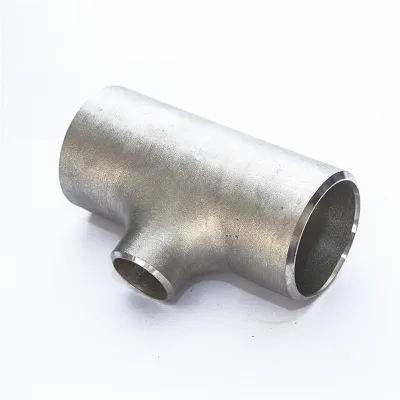
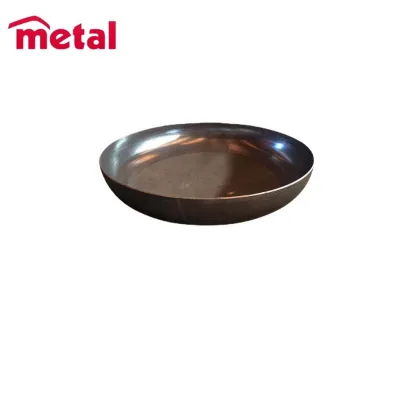
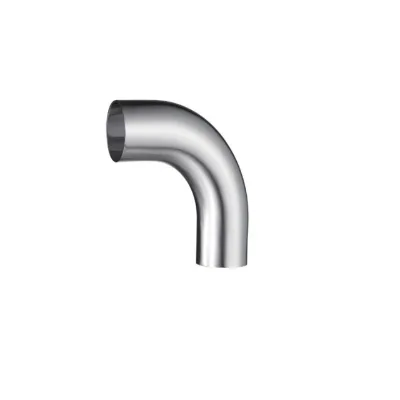
$5.50 - $6.50
MOQ: 1 pieces
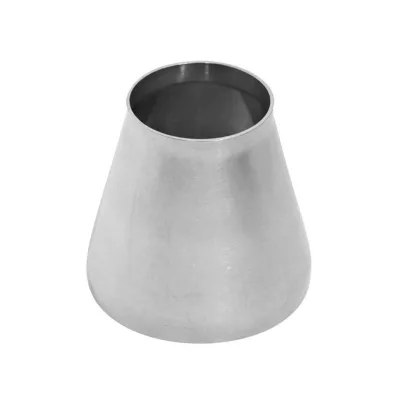
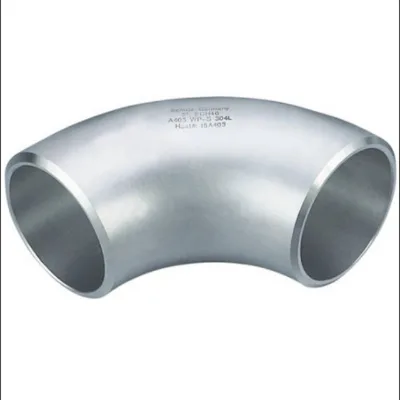
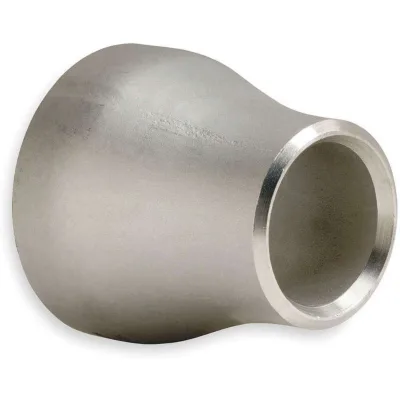

- Verified by TUVRHEINLAND
- Trading Company
- China Zhejiang
- Lead time15 days
- Avg. response≤ 5h
Main productsStainless Steel Pipe, Pipe Fittings, Ss Plate/Sheet, Stainless Steel Seamless Pipe, Stainless Steel Tube, Ss Flange, Stailness Steel Valve, Welded Pipe, Stainless Steel Coil, Ba Tube
Main marketsEast Asia(Japan/ South Korea)
Hangzhou Longchen Pipe Fittings Technology Co., Ltd.
- Trading Company
- Zhejiang, China
- Lead time0 days
- Avg. response≤ 2h
Main productsStainless steel pipe fittings,Carbon steel pipe fittings,Galvanized pipe fittings,Fire fighting grooved pipe fittings,PPR pipe fittings
Main marketsNorth America(20.00%), Southeast Asia(10.00%), Eastern Europe(10.00%), South America(10.00%), Africa(8.00%), South Asia(5.00%), Southern Europe(5.00%), Northern Europe(5.00%), Central America(5.00%), Western Europe(5.00%), Eastern Asia(5.00%), Mid East(5.00%), Oceania(5.00%), Domestic Market(2.00%)
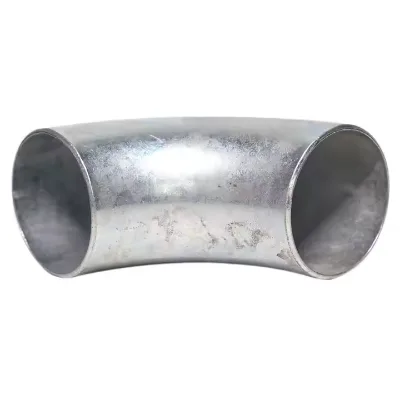
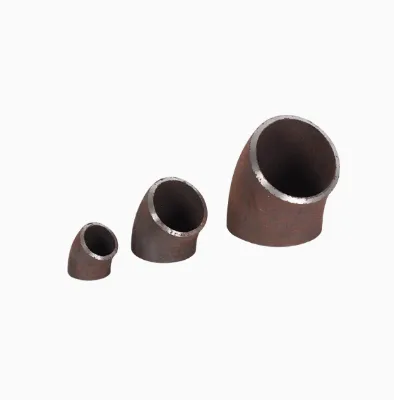
High Quality 45 Degree Carbon Steel Elbow High-Strength Non-Deformed Seamless Pipe Fittings
$1.00 - $3.14
MOQ: 10 Minimum
Qingdao Eathu Import And Export Co., Ltd.
- Verified by TüVRheinland
- Trading Company
- Lead time20 days
- Avg. response≤ 5h
Main productsPipe Fitting, Flange, Valve, Construction Accessories, Casting & Forging
Main marketsWestern Europe(25%), North America(15%), Mid East(15%)
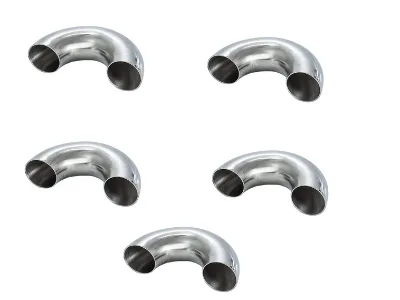
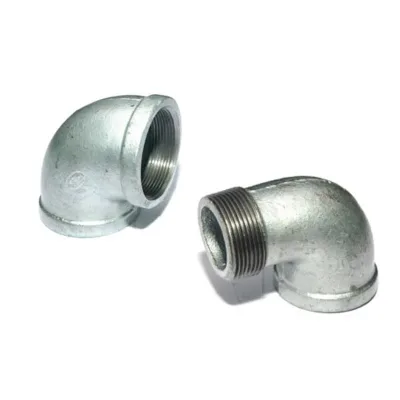
Full Penetration Welded 304 Stainless Steel Butt Weld Fittings Seamless Beveled Ends
$1.0358
MOQ: 1000 Minimum

Hebei Pengrun Pipe Fittings Manufacturing Co., Ltd.
- Verified by SGS
- Combined
- China Hebei
- Lead time15 days
- Avg. response≤ 3h
Main productsFlange, Pipe Fittings, Forged Flange, Forged Valve, Forge Socket Fittings, Blind Flange, Lap Joint Flange, Stainless Steel Flange
Main marketsDomestic


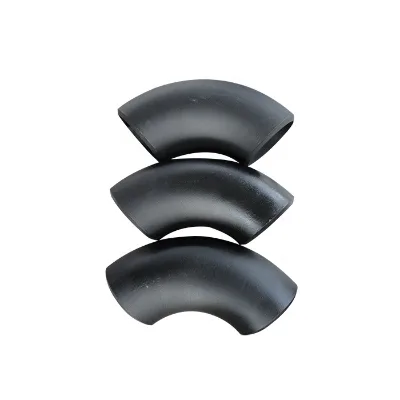
Pipe Fitting 90 Degree Butt Weld Stainless Steel Carbon Steel Elbow 45 Degree Elbow Pipe Fitting
$0.90 - $10.00
MOQ: 1 Pieces

45/90/180 Degree Carbon Steel Butt Weld Elbow Pipe Fitting with High Quality
$6.00 - $10.00
MOQ: 1 Pieces

Maitolead Pipeline Technology(Tianjin)Co., Ltd.
- Verified by TUVRHEINLAND
- Trading Company,Group Corporation
- China Tianjin
- Lead time23 days
- Avg. response≤ 2h
Main productsMalleable Iron Pipe Fitting, Grooved Pipe Fitting, Steel Pipe Fitting, Stainless Steel Pipe Fitting, Flange, Valves, Clamp&Hanger, Flexible Hose, Sprinkler&Fire Hose, HDPE /CPVC Pipe & Fitings
Main marketsSouth America,Eastern Europe,Mid East,North America,Southeast Asia,Eastern Asia,Oceania,Western Europe,Africa


Quality-Certified Low-Pressure Stainless Steel Butt Weld 90 Elbow Pipe Fittings
$0.50 - $2.50
MOQ: 5000 Pieces


High Quality 90 Degree Forged Butt Welding Stainless Steel Pipe Fittings Elbows
$0.50 - $2.50
MOQ: 5000 Pieces

Hebei Pipeline Equipment HN Co., Ltd.
- Verified by SGS
- Manufacturer/Factory
- China Hainan
- Lead time0 days
- Avg. response≤ 20h
Main productsSteel Pipes, Pipe Fittings (Elbow Tee Reduer Cap...), Flange, Pipe Spool, Thermal Insulation Pipe, Anti-Corrosion Pipe
Main marketsSouth America,Eastern Europe,Mid East,North America,Southeast Asia,Eastern Asia,Oceania,Western Europe,Africa
Wenzhou X&b International Trading Co., Ltd.
- Trading Company
- Zhejiang, China
- Lead time10 days
- Avg. response≤ 4h
Main productsstainless steel tanks,stainless steel manways,stainless steel valves,stainless steel pipe fittings,gaskets
Main marketsSouth America(30.00%), Eastern Asia(30.00%), North America(20.00%), Eastern Europe(10.00%)
Wenzhou Yodsn Fluid Equipment Co., Ltd.
- Manufacturer, Trading Company
- Zhejiang, China
- Lead time0 days
- Avg. response≤ 1h
Main productsSanitary Pipe Fitting,Sanitary Pump,Sanitary Valve,Sanitary Union,Sanitary Manhole Cover
Main marketsDomestic Market(45.00%), Southern Europe(10.00%), North America(6.00%), Mid East(6.00%), South America(5.00%), Northern Europe(5.00%), Western Europe(5.00%), South Asia(5.00%), Oceania(5.00%), Southeast Asia(4.00%), Eastern Europe(4.00%)

Guangzhou Dingtaichang International Trading Co., Ltd.
- Verified by SGS
- Trading Company
- China Guangdong
- Lead time15 days
- Avg. response≤ 7h
Main productsStainless Steel Flange, Valve, Steel Elbow, Pipe Flange, Pipe Fitting
Main marketsSouth America,Europe


Factory Supply Stainless Steel 304 Butt Weld Elbow Seamless Welding Pipe Fitting Elbow
$1.20 - $2.10
MOQ: 50 Pieces
Cangzhou Huagu Pipeline Equipment Manufacturing Co., Ltd.
- Manufacturer, Trading Company
- Hebei, China
- Lead time10 days
- Avg. response≤ 1h
Main productsFlange,Elbow,Tee and Equal,Spring Pipe-Hanger Support,Bend
Main marketsSoutheast Asia(50.00%), North America(20.00%), Africa(10.00%), Eastern Asia(10.00%), South America(5.00%), South Asia(3.00%), Northern Europe(2.00%)

Hebei Cangrun Pipeline Equipment Co., Ltd.
- Verified by CTI
- Manufacturer/Factory
- China Hebei
- Lead time23 days
- Avg. response≤ 8h
Main productsGalvanized High Strength Steel Pipes, Carbon Steel Seamless Stainless Steel Elbow, Carbon Steel Thread Tee, Carbon Steel FF RF Blind Butt Welding Flange, Carbon Steel Cap, Carbon Steel Concentric Reducer, Thread Carbon Steel Seamless Nipple, Soft Seal Gate Valve Z45X-10q/16q/25q, Sockolet, Four Way Tee
Main marketsSouth America,Eastern Europe,Mid East,North America,Southeast Asia,Eastern Asia,Oceania,Western Europe,Africa


Pipe Fitting Butt Weld Stainless Steel 304 316L Stainless Steel Fitting Butt-Welded 90 Elbow
$0.10 - $100.00
MOQ: 1 Pieces

90 Degree Pipe Fitting Elbow Butt Weld Stainless Steel 304 Carbon Steel Pipe Fittings Elbows
$0.10 - $100.00
MOQ: 1 Pieces


90 Degree 45 Degree Elbow Pipe Fitting Elbow Butt Weld Elbow Stainless Steel Elbow
$0.50 - $1.00
MOQ: 1 Pieces
Cangzhou Haixin Pipe Fittings Manufacture Co., Ltd.
- Manufacturer, Trading Company
- Hebei, China
- Lead time0 days
- Avg. response≤ 3h
Main productsElbow,Tee,Flange,Reducer,cap
Main marketsEastern Asia(12.50%), Mid East(12.50%), Oceania(12.50%), Africa(12.50%), Southeast Asia(12.50%), Eastern Europe(12.50%), South America(12.50%), North America(12.50%)
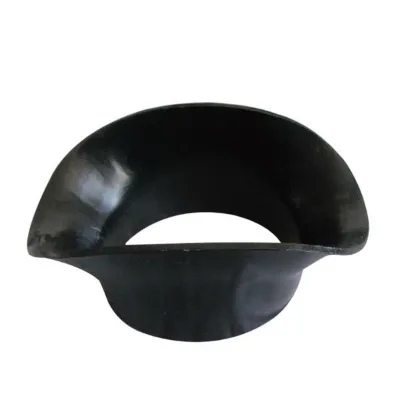
BUTT WELD FITTING,MILD STEEL FITTINGS,ASME B16.9
$10.00 - $30.00
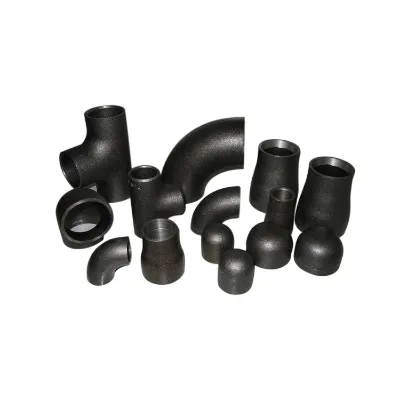
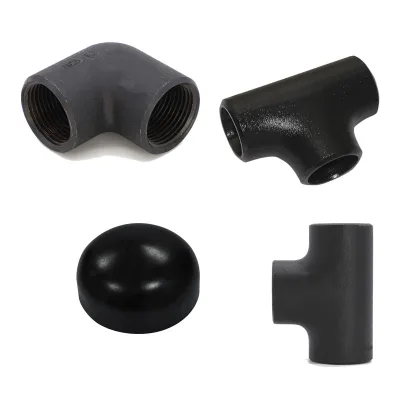
Carbon Steel Butt-welded Fitting with Black Oil,sch40, ASME/ANSI B16.9
$1000.00 - $10000.00
Cangzhou Jieyue Pipe Fittings Manufacturing Co., Ltd.
- Verified by SGS Group
- Trading Company
- Lead time20 days
- Avg. response≤ 2h
Main productsFlanges, Pipe Fittings
Main marketsDomestic Market(100%)
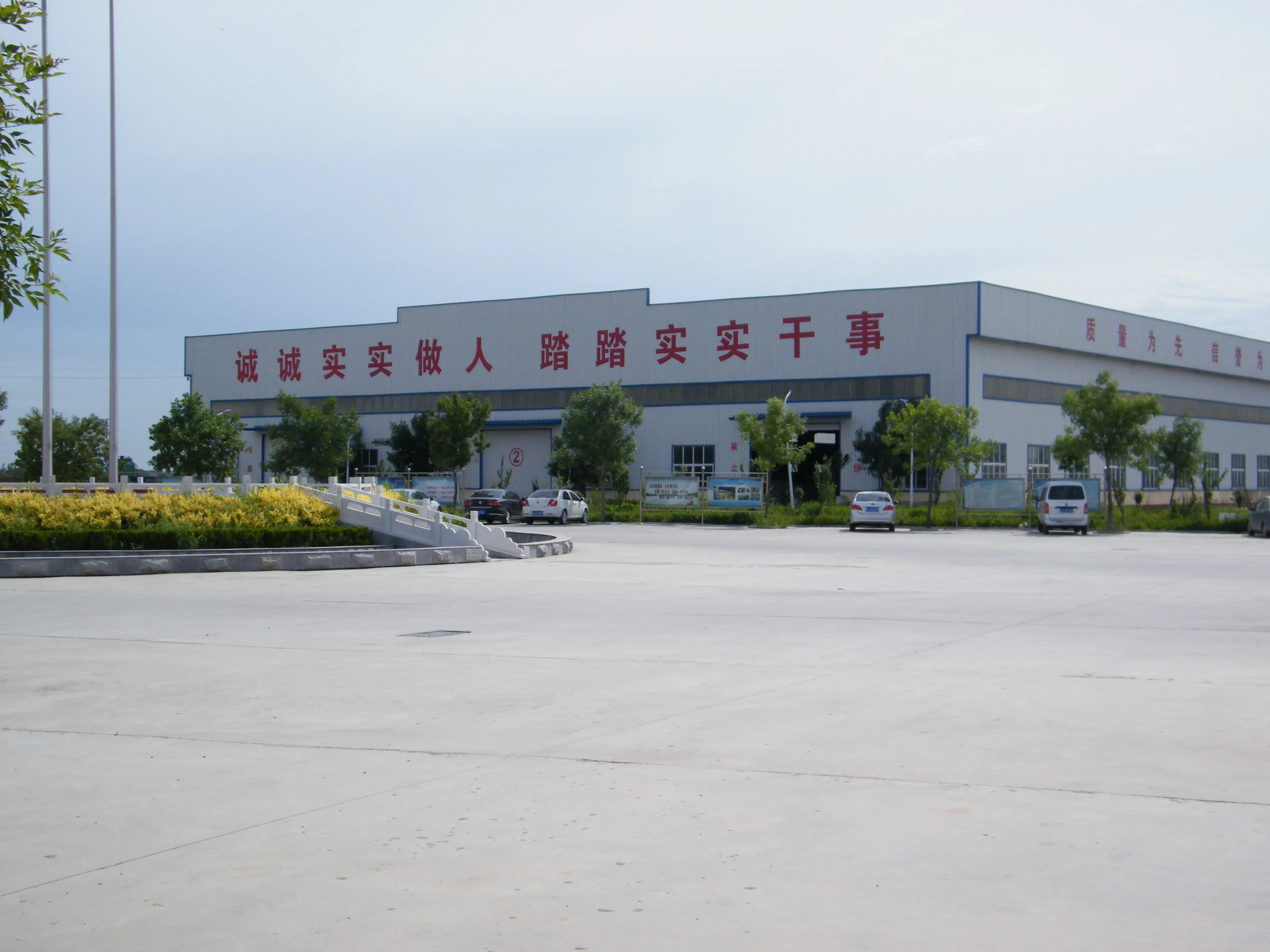
Zhengzhou Huitong Pipeline Equipment Co., Ltd.
- Trading Company
- Henan, China
- Lead time15 days
- Avg. response≤ 7h
Main productsFasteners/Pipes tubes/Plates sheets/Bars rods/Pipe spools,Flanges,Steel pipes fittings/Forgings
Main marketsSoutheast Asia(50.00%), North America(10.00%), Eastern Europe(10.00%), South America(10.00%), South Asia(5.00%), Northern Europe(5.00%), Eastern Asia(5.00%), Mid East(5.00%)


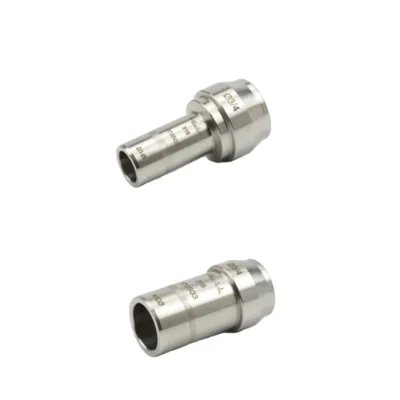


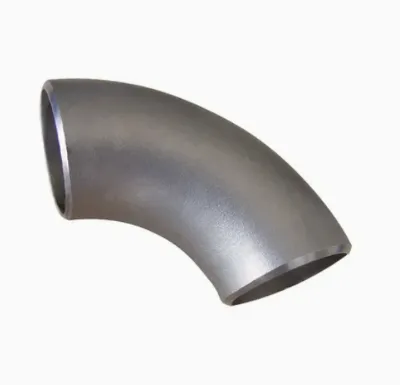


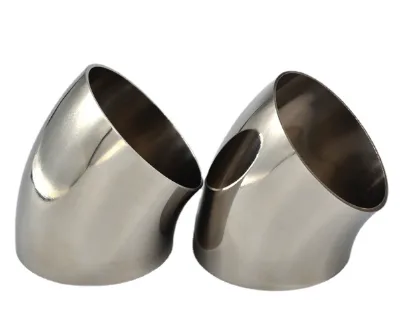
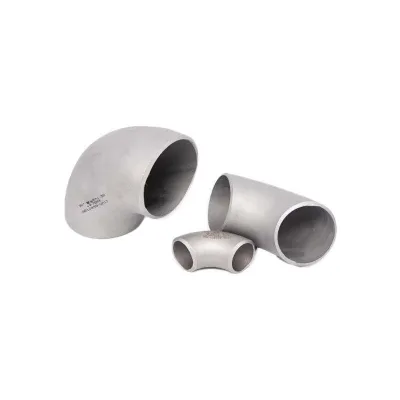
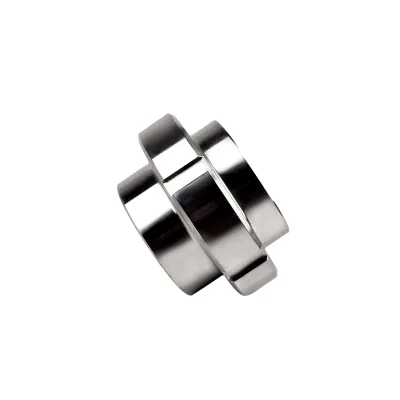
Comprehensive Sourcing Guide
Butt Welded Pipe Fittings Supplier Concentration and Factory Types
The landscape for sourcing Butt Welded Pipe Fittings is defined by a mix of specialized manufacturers and versatile trading entities, each offering distinct advantages for different procurement strategies. Current data indicates that suppliers are primarily located in China, with specific industrial hubs identified in regions such as Hunan and Shandong. These locations are not arbitrary; they represent established manufacturing clusters where the infrastructure for steel processing, welding, and finishing is concentrated. For buyers evaluating potential partners, recognizing these geographic concentrations is crucial for understanding supply chain resilience and logistical efficiency. Suppliers in these areas often benefit from proximity to raw material sources and established export logistics networks, which can streamline the delivery of heavy industrial components like carbon steel and stainless steel fittings.
Company types vary significantly across the available supplier base, ranging from pure Manufacturer/Factory entities to Trading Companies and Combined operations. Manufacturer/Factory suppliers typically possess direct control over production processes, allowing for greater customization options such as ODM and OEM capabilities. Some factories also hold specific system certifications like ISO 9001, which signals a commitment to standardized quality management systems. In contrast, Trading Companies may offer a broader portfolio of related products, such as fasteners, pins, or even unrelated items like PE pipes and handrails, providing a one-stop-shop solution for complex procurement needs. However, buyers must carefully distinguish between these types to ensure they are dealing with the actual source of production or a middleman, as this distinction impacts pricing structures, communication efficiency, and accountability for product defects.
How to Verify Butt Welded Pipe Fittings Suppliers
Verification is the critical first step in mitigating risk when engaging with international suppliers of Butt Welded Pipe Fittings. Buyers should prioritize suppliers who display third-party verification badges, as these indicate that an independent agency has audited the company’s business license, factory premises, and operational capabilities. For instance, some suppliers in the current results are verified by BV (Bureau Veritas), while others hold verification from TÜV Rheinland. These certifications provide a layer of assurance regarding the legitimacy of the business entity and its physical existence. It is essential for buyers to review the scope of these verifications to ensure they cover the specific manufacturing processes relevant to butt welded fittings, such as welding quality control and material testing, rather than just general business registration.
Beyond third-party verification, buyers must scrutinize the supplier’s internal quality management systems and product-specific certifications. The presence of ISO 9001 certification is a strong indicator of a structured approach to quality control, but it is not a substitute for product-specific standards. Buyers should request evidence of compliance with relevant industry standards, such as DIN or GB, which are frequently cited in product attributes for pipe fittings. Additionally, examining the supplier’s response time can serve as a proxy for their operational efficiency and customer service readiness. A supplier with a response time under five hours, for example, demonstrates a high level of engagement and likely has dedicated teams for handling inquiries and technical support. This responsiveness is particularly important when discussing custom specifications or resolving issues related to material grades and dimensions.
What to Compare Across Butt Welded Pipe Fittings Suppliers
When evaluating multiple suppliers, buyers must compare key operational metrics to determine the best fit for their specific project requirements. Lead time is a critical factor, as it directly impacts project scheduling and inventory management. Current data shows a wide variance in lead times, ranging from as low as 15 days to as high as 45 days. Suppliers with shorter lead times, such as those offering 15-day turnaround, may be better suited for urgent orders or just-in-time manufacturing environments. Conversely, suppliers with longer lead times might offer more competitive pricing or handle larger, more complex orders. Buyers should align their choice with their project timeline, ensuring that the supplier’s production capacity can meet their delivery deadlines without compromising quality.
Material composition and customization options are equally important comparison points. Suppliers offer fittings made from various materials, including carbon steel and stainless steel, each with distinct properties and price points. Carbon steel fittings are often used for general pipeline transport and construction, while stainless steel variants are preferred for chemical, food, or corrosive environments. Buyers should compare the specific material grades and certifications provided by each supplier to ensure compatibility with their application. Additionally, the availability of customization services, such as OEM or ODM, allows buyers to tailor fittings to unique specifications. Some suppliers explicitly state that customization is available, while others may have limitations. Comparing these capabilities helps buyers identify suppliers who can accommodate specific design requirements, such as unique angles, wall thicknesses, or surface treatments.
Common Butt Welded Pipe Fittings Sourcing Risks
One of the primary risks in sourcing Butt Welded Pipe Fittings is the potential discrepancy between advertised specifications and actual product quality. Suppliers may list a wide range of materials and standards, but without rigorous verification, buyers risk receiving products that do not meet their engineering requirements. For example, a supplier might claim to produce stainless steel fittings, but the actual material grade may not be suitable for the intended corrosive environment. This risk is exacerbated when dealing with Trading Companies that may not have direct oversight of the manufacturing process. Buyers must insist on detailed material test reports and certificates of conformity for every batch of fittings ordered. Relying solely on product descriptions or marketing materials is insufficient for ensuring the integrity of critical pipeline components.
Another significant risk is the variability in packaging and handling, which can lead to damage during transit. Pipe fittings, especially those made from carbon steel, are susceptible to rust and physical damage if not packaged correctly. Some suppliers use basic carton packaging, while others employ more robust methods such as plastic bags, pallets, and export-standard packing. Buyers should carefully review the packaging specifications provided by each supplier and consider the distance and mode of transport. Inadequate packaging can result in increased costs due to replacement parts and project delays. Additionally, buyers should be aware of the potential for hidden costs, such as customs duties or inspection fees, which can vary depending on the supplier’s location and the buyer’s import regulations. Clear communication regarding packaging standards and cost responsibilities is essential to avoid unexpected expenses.
Butt Welded Pipe Fittings Regional Sourcing and Logistics
Geographic location plays a pivotal role in determining logistics costs and delivery efficiency for Butt Welded Pipe Fittings. Suppliers located in China, particularly in provinces like Hunan and Shandong, offer distinct logistical advantages due to their proximity to major ports and industrial infrastructure. Shandong, for instance, is a major hub for steel production and manufacturing, providing easy access to raw materials and established shipping routes. Buyers sourcing from these regions can benefit from shorter transit times to international destinations, reducing the overall lead time for their projects. However, buyers must also consider the specific port of loading and the availability of container space, as these factors can influence shipping costs and schedules.
Logistics planning should also account for the weight and volume of the fittings, which can significantly impact freight charges. Butt Welded Pipe Fittings are often heavy and bulky, requiring careful calculation of shipping costs based on weight or volume. Buyers should work closely with their suppliers to determine the most cost-effective shipping method, whether it be sea freight for large orders or air freight for urgent, smaller shipments. Additionally, buyers should verify the supplier’s experience with international shipping and their ability to handle export documentation. Suppliers who are familiar with international logistics can help streamline the customs clearance process, reducing the risk of delays at the destination port. Understanding these logistical nuances is essential for optimizing the total cost of ownership and ensuring timely delivery.
Butt Welded Pipe Fittings Commercial Terms and Order Planning
Commercial terms and order planning are critical components of a successful sourcing strategy for Butt Welded Pipe Fittings. Buyers must carefully review the pricing structures offered by suppliers, which can vary based on material type, size, and order quantity. Current data indicates that prices can range from as low as $0.10 to $30.00 per unit, depending on the specific product and specifications. Buyers should request detailed quotes that break down costs for materials, labor, and packaging to ensure transparency. Additionally, buyers should consider the Minimum Order Quantity (MOQ) requirements, which can range from as low as 1 unit to 1000 units. Suppliers with lower MOQs may be more flexible for small-scale projects, while those with higher MOQs may offer better economies of scale for large orders.
Payment terms and escrow services are also important considerations for managing financial risk. Buyers should prioritize suppliers who offer secure payment methods, such as escrow services, which protect both parties until the goods are received and inspected. This is particularly important for first-time transactions or when dealing with new suppliers. Buyers should also clarify the warranty and return policies for defective products, ensuring that they have recourse in case of quality issues. Finally, buyers should plan their orders well in advance, considering the supplier’s lead time and production capacity. By aligning their order planning with the supplier’s capabilities, buyers can avoid delays and ensure a smooth procurement process. Clear communication regarding commercial terms and expectations is essential for building a long-term, reliable supply chain.
FAQs
What is the price range for Butt Welded Pipe Fittings?
Prices for Butt Welded Pipe Fittings typically range from $0.10 to $30.00 per unit. This wide variation depends on material, size, and certification. Stainless steel options often start around $2.50, while carbon steel fittings can be found at lower price points. Buyers should verify specific quotes based on order volume and customization needs.
What is the minimum order quantity for these fittings?
The minimum order quantity varies by supplier and product type. Some manufacturers accept orders as low as one piece for sampling or small projects. Others require a minimum of 100 or 1000 units, particularly for stainless steel handrail fittings or specific forged components. Always confirm the MOQ with the supplier before placing an order.
How long does it take to produce butt welded fittings?
Lead times for Butt Welded Pipe Fittings generally range from 15 to 45 days. Suppliers with faster response times may offer quicker turnaround for standard items. Custom or forged fittings might require longer production periods. Buyers should discuss specific delivery schedules with suppliers to ensure alignment with project timelines and avoid delays.
What certifications are available for these pipe fittings?
Common certifications include ISO 9001 for quality management and DIN or GB standards for product specifications. Some suppliers also hold BV or TÜV Rheinland verification. These certifications ensure that the fittings meet international quality and safety requirements. Buyers should request valid certificates to verify compliance with their specific industry standards and regulatory needs.
What materials are used for Butt Welded Pipe Fittings?
Butt Welded Pipe Fittings are commonly made from carbon steel and stainless steel. Carbon steel fittings are often hot-rolled and used for pipeline transport and construction. Stainless steel options are available for corrosion-resistant applications. Some fittings may also be forged for higher strength requirements. Material selection depends on the intended usage and environmental conditions.
Where are these fittings manufactured?
Most Butt Welded Pipe Fittings are manufactured in China, specifically in regions like Hunan and Shandong. These areas are known for their steel production and manufacturing capabilities. Buyers can find suppliers offering various customization options and export-standard packing. Verifying the origin ensures transparency regarding logistics, tariffs, and supply chain reliability for international orders.