Foldable Indoor Trampoline Suppliers and Manufacturers
Compare 33 verified suppliers offering Foldable Indoor Trampoline options with varying lead times, certifications, and response speeds. Review product specs like weight capacity and materials, then request samples to validate quality before placing orders; review the available evidence before requesting comparable quotations from suitable candidates.
Updated
Suppliers List

Shenzhen LDK Industrial Co., Ltd.
- Verified by CTI
- Combined
- China Guangdong
- Lead time45 days
- Avg. response≤ 5h
Main productsFootball Equipment, Basketball Equipment, Gymnastics Equipment, Gymnastics Mat, Indoor Fitness Equipment, Outdoor Fitness Equipment, Padel Court, Paddle Tennis Court, Spinning Bike, Treadmill
Main marketsSouth America,Africa,Southeast Asia/ Mideast,East Asia(Japan/ South Korea),Europe,Australia,North America
Yongkang Bebon Sports Manufacturing Co., Ltd.
- Verified by TüVRheinland
- Manufacturer, Trading Company
- Lead time15 days
- Avg. response≤ 4h
Main productsTrampolines, Greenhouse
Main marketsNorthern Europe(40%), Eastern Europe(30%), Western Europe(20%)

- Verified by TUVRHEINLAND
- Trading Company
- China Anhui
- Lead time30 days
- Avg. response≤ 7h
Main productsDumbbells, Kettlebells, Barbells, Weight Plates, Crossfit Gym, Home Gym, Power Rack, Aerobic Step, Yoga Mat, Foam Roller
Main marketsEurope,Australia,North America

Qingdao Pafic Hardware Co., Ltd.
- Verified by TUVRHEINLAND
- Combined
- China Shandong
- Lead time30 days
- Avg. response≤ 18h
Main productsSwing Set, Outdoor Playground, Kid Swing, Kid Slide, Swing Set Accessories, Outdoor Fitness
Main marketsSouth America,Australia,North America
Shenzhen Ldk Industrial Co., Limited
- Verified by SGS Group
- Manufacturer, Trading Company
- Lead time25 days
- Avg. response≤ 3h
Main productsSoccer Cages, Basketball Hoops, Padel Courts/ Squash Courts/Pickleball Courts, Artificial Grass, Gymnastics Equipment
Main marketsNorth America(15%), South America(15%), Southeast Asia(10%)
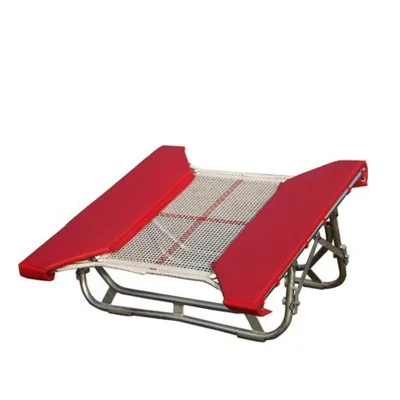
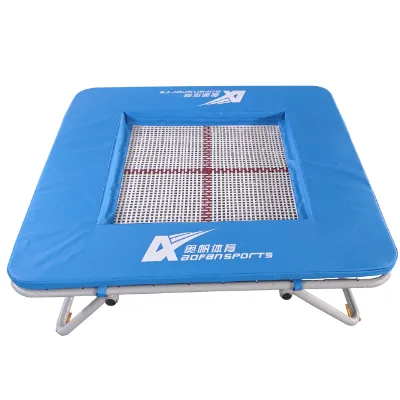
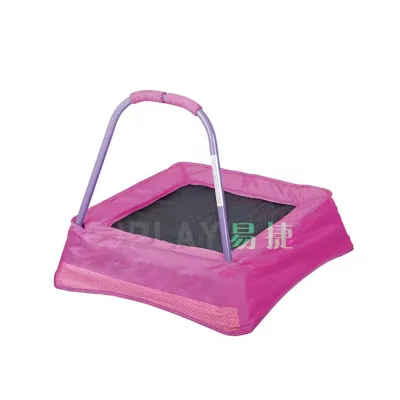
China Gymnastics Park Equipment Fitness Foldable Jumping Mini Trampoline
$499.00 - $699.00
MOQ: 1 pieces
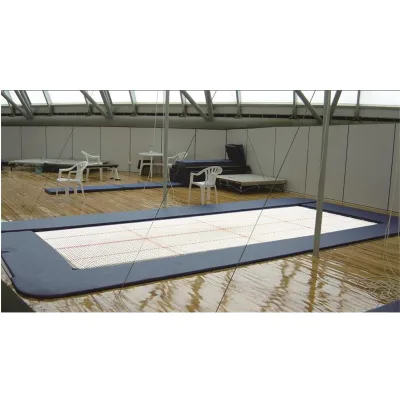
Gym Trampoline Adjustable Bungee System Safety Equipped Gym Trampoline for Club Activities
$7900.00 - $9900.00
MOQ: 1 square
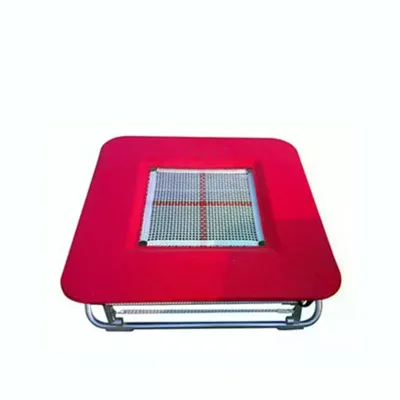
Zhejiang Lejian Amusement Toys Co., Ltd.
- Verified by TüVRheinland
- Trading Company
- Lead time10 days
- Avg. response≤ 1h
Main productsMazes, Trampolines, NInja Warrior Obstacle, Wooden Town House, Outdoor Playground
Main marketsNorth America(25%), Southeast Asia(20%), South America(10%)
Guangdong Family Of Childhood Industrial Co., Ltd.
- Manufacturer, Trading Company
- Guangdong, China
- Lead time15 days
- Avg. response≤ 3h
Main productsIndoor Playground Equipment,Outdoor Playground Equipment,Kindergarten Furniture Equipment,Trampoline Equipment,Water Park Equipment
Main marketsSoutheast Asia(35.00%), Mid East(20.00%), Western Europe(15.00%), North America(15.00%), South America(10.00%), Africa(5.00%)

Yiwu Lehong Sports Goods Co., Ltd.
- Trading Company
- Zhejiang, China
- Lead time15 days
- Avg. response≤ 3h
Main productsDumbbells,Fitness Equipment,Resistance Band,Yoga Products,Outdoor Sports
Main marketsNorth America(18.00%), Africa(15.00%), South America(10.00%), Southeast Asia(10.00%), Mid East(10.00%), Southern Europe(5.00%), Northern Europe(5.00%), Central America(5.00%), Western Europe(5.00%), Eastern Asia(5.00%), Eastern Europe(5.00%), South Asia(5.00%), Oceania(2.00%)
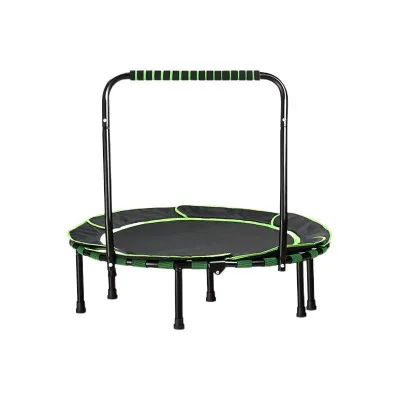
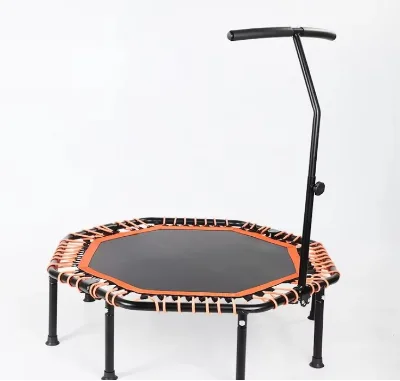
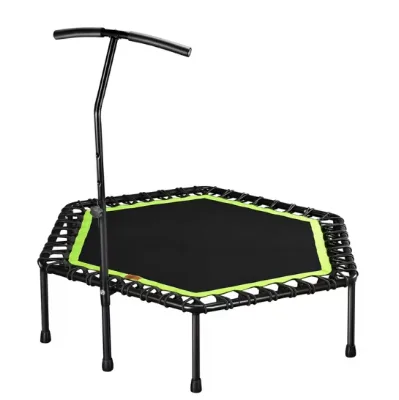
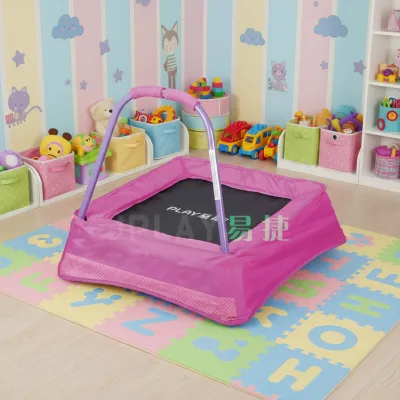
Factory Direct Indoor Foldable Fitness Trampoline Jumping Kids Round Design
$24.54 - $32.57
MOQ: 1 pieces
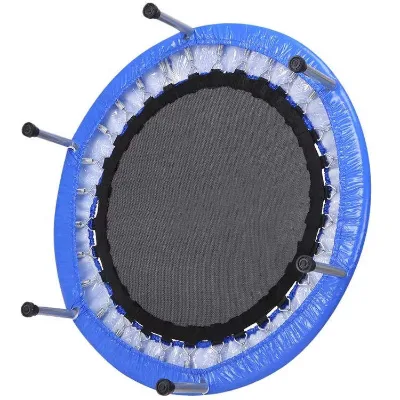
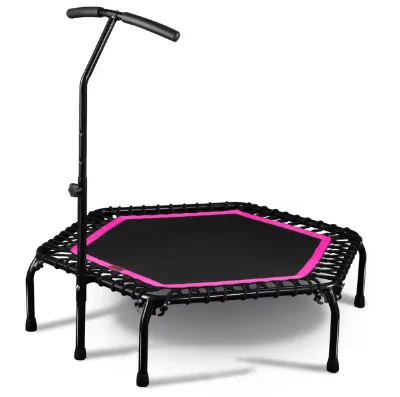
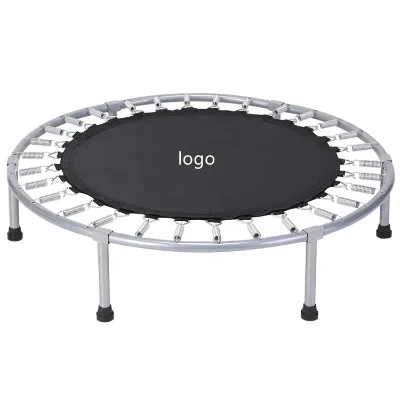
$23.41 - $31.07
MOQ: 1 pieces
Henan Beleqi Amusement Equipment Co., Ltd.
- Verified by SGS Group
- Manufacturer, Trading Company
- Lead time7 days
- Avg. response≤ 1h
Main productsInflatable Castle, Trampoline Park & Naughty Castle, Bungee Jumping & Accessory, Gymnastics Professional Trampoline, PVC Inflatable Gymnastic Rolling Mat & Air Tracks
Main marketsNorth America(40%), South America(20%), Mid East(20%)

- Verified by TUVRHEINLAND
- Combined
- China Zhejiang
- Lead time30 days
- Avg. response≤ 2h
Main productsIndoor Playground, Children Playground, Kids Playground, Soft Playground, Outdoor Playground, Soft Play, Playground Slide, Outdoor Play Equipment, Amusement Playground, Play Equipment
Main marketsOthers(foreignTradeCapacity.exportBusinessCapacityMarketOther),Domestic

Trampoline with Foam Pool, Trampoline Park, Indoor Gymnastic Trampoline
$65.00 - $150.00
MOQ: 1 Square Meters

Commercial Indoor Trampoline Bungee Bed Trampoline Park Trampoline for Kids
$90.00 - $180.00
MOQ: 1 Square Meters

Hot Sale Trampoline with Foam Pool, Trampoline Park, Indoor Gymnastic Trampoline
$60.00 - $125.00
MOQ: 1 Square Meters

Customized High Quality Trampoline Indoor Bungee Trampoline for Sale
$70.00 - $150.00
MOQ: 50 Square Meters


- Verified by BV
- Combined
- China Zhejiang
- Lead time45 days
- Avg. response≤ 15h
Main productsPlayground, Outdoor Playground, Indoor Playground, Fitness Equipment, Playground Equipment, Amusement Equipment, Toy, Park Equipment, School Equipment, Kindergarten Furniture
Main marketsSouth America,Africa,East Asia(Japan/ South Korea),Europe,Australia,North America
Hangzhou Hengjian Technology Co., Ltd.
- Manufacturer, Trading Company
- Zhejiang, China
- Lead time40 days
- Avg. response≤ 10h
Main productsindoor sporting goods,indoor sporting products,indoor rebounder,indoor sporting goods,indoor fitness equipment
Main marketsNorth America(60.00%), Western Europe(20.00%), Eastern Europe(20.00%)
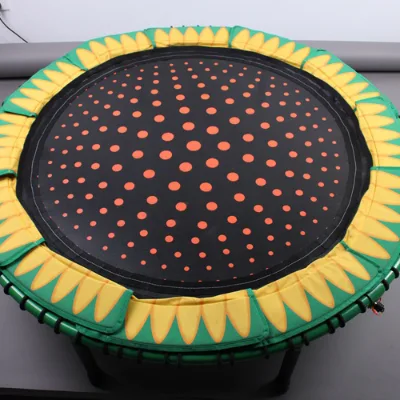
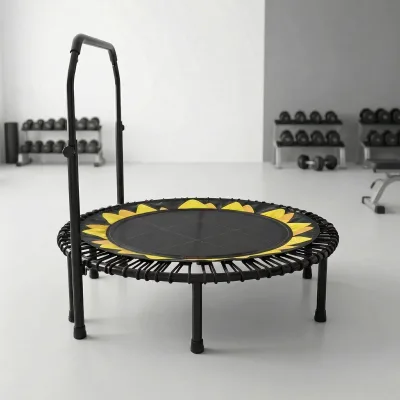
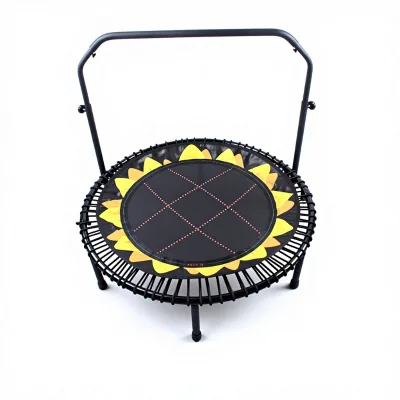
Hangzhou Fitness Big Trampolines Bungee Foldable Trambullne for Home Use
$80.0307 - $81.0568
MOQ: 100 boxes

TimeSourcing Amusement Company
- Verified by SGS
- Trading Company
- China Anhui
- Lead time45 days
- Avg. response≤ 2h
Main productsAmusement Park, Playground Equipment, Trampoline, Kids Playground, Indoor Playground Equipment, Outdoor Playground Equipment, Water Park
Main marketsSouth America,Eastern Europe,Mid East,North America,Southeast Asia,Africa
Jinhua Jingyi Gymnastic Equipment Co., Ltd.
- Verified by TüVRheinland
- Manufacturer, Trading Company
- Lead time35 days
- Avg. response≤ 3h
Main productsTrampoline, Swing, Trampoline Spare Part
Main marketsNorth America(43%), South America(10%), Eastern Europe(10%)
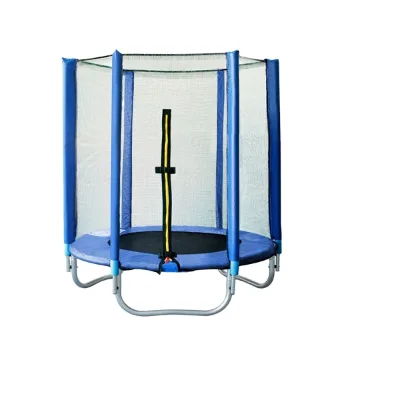
4.5ft Blue Indoor Trampoline,gymnastics Trampolines for Sale,gymnastics Equipment
$20.4372 - $172.6894
MOQ: 50 Minimum
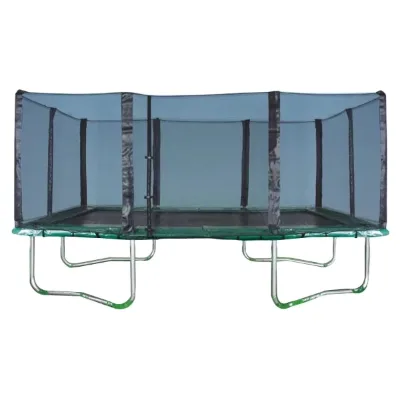
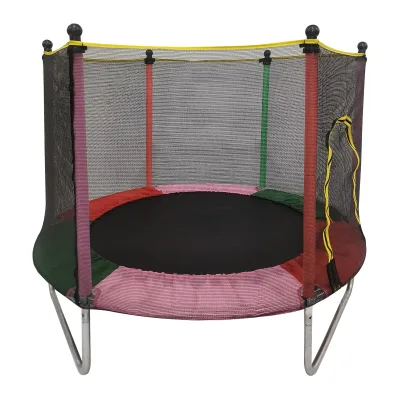
$19.00 - $23.00
MOQ: 50 sets

Suzhou HighTen Sports Equipment Co., Ltd.
- Manufacturer, Trading Company
- Jiangsu, China
- Lead time30 days
- Avg. response≤ 4h
Main productsTrampoline,Soccer Goal,Swing,Net
Main marketsWestern Europe(20.00%), Northern Europe(20.00%), Domestic Market(15.00%), South America(15.00%), Eastern Europe(10.00%), Southern Europe(10.00%), Oceania(10.00%)

Huadong Entertainment Equipment Co., Ltd.
- Verified by TUVRHEINLAND
- Combined
- China Zhejiang
- Lead time15 days
- Avg. response≤ 13h
Main productsPlayground, Kids Playground, Plastic Toys, Indoor Playground, Outdoor Playground, Fitness Equipment, Bumper Car, Amusement Park Equipment, Playground Slide, Slide
Main marketsAustralia


Customized Design Children Professional Gymnastic Indoor Trampoline
$60.00 - $90.00
MOQ: 1 Square Meters

Acceptable Customized Design Children Professional Gymnastic Indoor Trampoline
$60.00 - $90.00
MOQ: 1 Square Meters


Multifunction Commercial Rectangular Indoor Trampolines Park for Kids
$65.00 - $75.00
MOQ: 10 Square Meters
Hebei Lingzhi Fitness Equipment Manufacturing Co., Ltd.
- Manufacturer, Trading Company
- Hebei, China
- Lead time15 days
- Avg. response≤ 3h
Main productsFitness equipment,Trampoline
Main marketsDomestic Market(50.00%), North America(2.00%), South Asia(2.00%), Southern Europe(2.00%), Northern Europe(2.00%), Central America(2.00%), Western Europe(2.00%), Eastern Asia(2.00%), Mid East(2.00%), Oceania(2.00%), Africa(2.00%), Southeast Asia(2.00%), Eastern Europe(2.00%), South America(2.00%)

Guangzhou Aoleao Sports Culture Co., Ltd.
- Verified by CTI
- Manufacturer/Factory
- China Guangdong
- Lead time45 days
- Avg. response≤ 5h
Main productsIndoor Playground, Trampoline Park, Ninja Course, Soft Play Equipment, Small Indoor Playground
Main marketsSoutheast Asia,Eastern Asia,Africa

Ultimate Indoor Playground Trampoline for Kids - Rectangular and Fun Shapes
$90.00 - $300.00
MOQ: 10 Square Meters


Indoor Trampoline Park for Adults and Children, Indoor Trampoline Equipment
$90.00 - $150.00
MOQ: 10 Square Meters

Kids and Adult Indoor Trampolie, Big Bounce Trampoline for Commercial Center Slide
$100.00 - $200.00
MOQ: 10 Square Meters

Shandong Lovekids Outdoor Products Co., Ltd.
- Manufacturer, Trading Company
- Shandong, China
- Lead time15 days
- Avg. response≤ 1h
Main productstrampoline,amusement equipment,tent,outdoor playground,Indoor Playground Plays
Main marketsNorth America(30.00%), Mid East(15.00%), South America(15.00%), South Asia(10.00%), Northern Europe(10.00%), Western Europe(10.00%), Eastern Asia(10.00%), Eastern Europe(10.00%), Southern Europe(5.00%)
Jinyun County Panshi Fitness Equipment Co., Ltd.
- Verified by SGS Group
- Manufacturer, Trading Company
- Lead time25 days
- Avg. response≤ 7h
Main productsTrampoline, Dumbbell Bench, Pull up Bar, Squat Rack, Fitness Equipment
Main marketsNorth America(30%), Domestic Market(30%), Southeast Asia(20%)
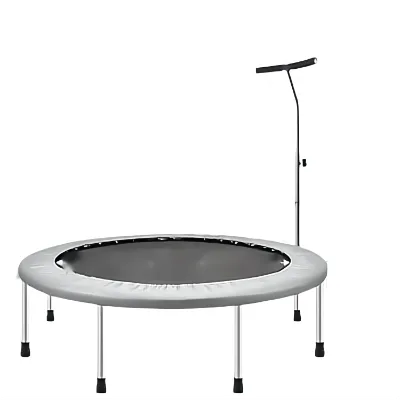
$22.1509 - $25.2428
MOQ: 100 sets
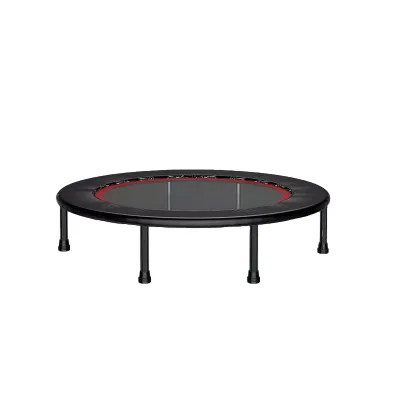
Hebei Shangjie Technology Co., Ltd.
- Trading Company
- Hebei, China
- Lead time15 days
- Avg. response≤ 2h
Main productsgarden furniture,swing chairs,trampoline,outdoor furniture,kids play toys
Main marketsSouth America(20.00%), Northern Europe(15.00%), Eastern Europe(15.00%), Western Europe(15.00%), South Asia(10.00%), North America(10.00%), Southeast Asia(9.00%)

Foshan Tianyi Amusement Equipment Co., Ltd
- Verified by SGS
- Combined
- China Guangdong
- Lead time30 days
- Avg. response≤ 4h
Main productsChildren's Playground, Naughty Fort, Indoor Amusement Equipment, Million Ocean Ball Pool, Slide, Indoor Playground, Interactive Projection, Trampoline, Children's Go Kart, Trampoline Park
Main marketsDomestic

Environmentally Friendly ISO 14001 Trampoline for Indoor Playground Equipment.
$80.00 - $150.00
MOQ: 10 Square Meters


Premium Outdoor and Indoor Trampoline for Sale - Hot Deal Today
$60.00 - $200.00
MOQ: 10 Square Meters

CE Certified Trampoline: Customizable and Highly Resilient Trampoline
$99.00 - $399.00
MOQ: 10 Square Meters


CE Certified, Quick to Assemble, and with Global Delivery Options Trampoline
$80.00 - $180.00
MOQ: 1 Square Meters
Wenzhou Times Arts&Crafts Co., Ltd.
- Verified by SGS Group
- Trading Company
- Lead time20 days
- Avg. response≤ 3h
Main productsWooden Toys, Wooden Kids Furniture , Plastic Toys, Electric Toys
Main marketsNorth America(19%), Northern Europe(17%), Western Europe(15%)
Liben Group Wenzhou Toy Co., Ltd.
- Verified by Intertek
- Manufacturer, Trading Company
- Lead time15 days
- Avg. response≤ 5h
Main productsTrampoline Park, Indoor Playground, Outdoor Playground, Outdoor Fitness Equipment, Kindergarten Equipment
Main marketsEastern Europe(18%), North America(16%), Western Europe(12%)
Shandong Aofan Sports Equipment Co., Ltd.
- Manufacturer, Trading Company
- Shandong, China
- Lead time15 days
- Avg. response≤ 3h
Main productsGym folding mat,The judo MATS,wrestling mat,Pole vault spongy mat,Back over spongy cushion
Main marketsSouth Asia(10.00%), Eastern Asia(10.00%), Northern Europe(5.00%)
Henan Lino Amusement Equipment Co., Ltd.
- Trading Company
- Henan, China
- Lead time20 days
- Avg. response≤ 3h
Main productsCarousel,Ferris Wheel,Pirate Ship,Tourist Train,Bumper Car
Main marketsNorth America(31.00%), Western Europe(20.00%), Mid East(12.00%), Southeast Asia(12.00%), South Asia(8.00%), Eastern Europe(6.00%), Africa(3.00%), Central America(3.00%), South America(3.00%), Oceania(2.00%)

Jamma Amusement Technology Co., Ltd
- Combined
- China Guangdong
- Lead time23 days
- Avg. response≤ 13h
Main productsVr Simulator
Main marketsAfrica,Southeast Asia/ Mideast,North America


Children's Fun Entertainment Games Indoor Amusement Facilities Children's Trampoline
$1900.00 - $2200.00
MOQ: 1 Sets

Zhengzhou Bigjoys Amusement Equipment Co., Ltd.
- Trading Company,Manufacturer/Factory
- China Henan
- Lead time23 days
- Avg. response≤ 8h
Main productsTrampoline Park/Indoor Playground, Inflatable Bouncy Castle, Inflatable Water Park, Inflatable Slide, Park Rides/Carousel, Thrill Park Rides, Family Rides, Roller Coaster, Bungee Trampoline, Ferris Wheel
Main marketsSouth America,Eastern Europe,Mid East,North America,Southeast Asia,Eastern Asia,Oceania,Western Europe,Africa

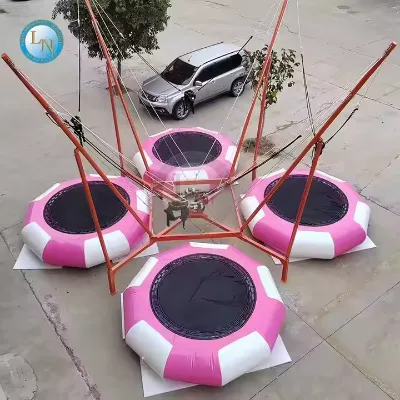
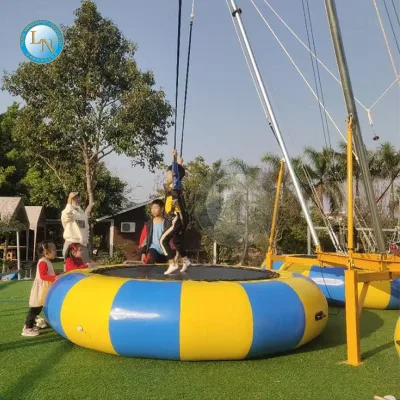
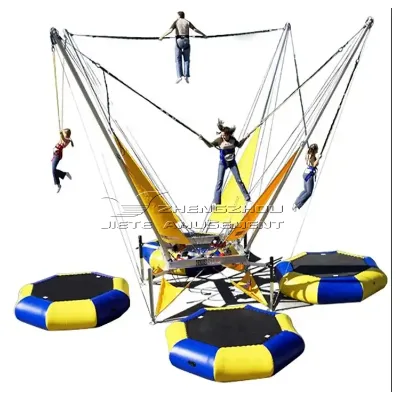
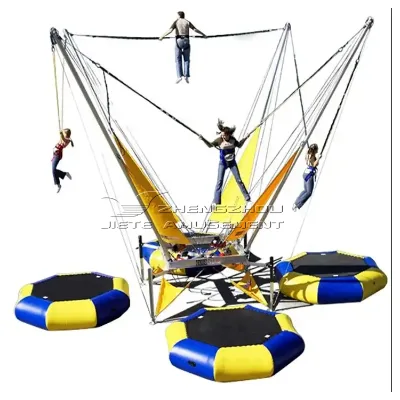
High Quality Bungee Trampoline 4 in 1 Jumping Bungee Trampoline for Sale
$1100.00 - $4600.00
MOQ: 1 Pieces

4 in 1 Bungee Trampoline, Inflatable Bungee Trampoline for Sale (BJ-BU08)
$3000.00 - $6000.00
MOQ: 1 Pieces

Guangzhou Childhood Playland Co., Ltd.
- Trading Company,Manufacturer/Factory
- China Guangdong
- Lead time23 days
- Avg. response≤ 10h
Main productsWater Park Equipment, Outdoor Playground, Indoor Playground, Amusement Park Equipment, Trampoline Park, Park & School Equipment, Fitness Equipment, Vending Machine
Main marketsSouth America,Eastern Europe,Mid East,North America,Southeast Asia,Eastern Asia,Oceania,Western Europe,Africa

New Design Trampoline Indoor Play for Sale Indoor Game Trampoline Park
$50.00 - $150.00
MOQ: 10 Square Meters


Beijing Set Sail Sports Co., Ltd
- Verified by BV
- Manufacturer/Factory
- China Beijing
- Lead time15 days
- Avg. response≤ 5h
Main productsFitness Equipment, Boxing Goods, Camping Products, Gym Mat, Table Tennis Table, Track and Field Equipment, Gym Equipment, Basketball Stands
Main marketsSouth America,Eastern Europe,Mid East,North America,Southeast Asia,Eastern Asia,Oceania,Western Europe,Africa

Guangzhou Big Whale Amusement Equipment Co. Ltd
- Verified by SGS
- Combined
- China Guangdong
- Lead time15 days
- Avg. response≤ 4h
Main productsChildren Playground, Indoor Playground, Kids Playground, Theme Amusement Park Equipment, Indoor Playground ODM, Trampoline, Gymnastic Playground, Naughty Castle, Playground Toys, Slide
Main marketsDomestic

Trampoline for All Kinds of Indoor Playground Amusement Park and Home Use
$60.00 - $200.00
MOQ: 20 Square Meters

Customize Children's Indoor Trampoline Park Amusement Playground
$60.00 - $150.00
MOQ: 20 Square Meters
Zhejiang Ej Playground Equipment Co., Ltd.
- Manufacturer, Trading Company
- Zhejiang, China
- Lead time15 days
- Avg. response≤ 2h
Main productsCombination slide, Swing, Rocking horse, Baby carriage, Rock Climbing Wall
Main marketsMid East(35.00%), Southeast Asia(25.00%), South Asia(10.00%), Eastern Asia(5.00%), South America(5.00%), Central America(3.00%), Western Europe(3.00%), Northern Europe(3.00%), North America(3.00%), Southern Europe(3.00%), Eastern Europe(2.00%), Domestic Market(1.00%), Africa(1.00%), Oceania(1.00%)

Zhengzhou Jiete Amusement Equipment Co., Ltd.
- Manufacturer, Trading Company
- henan, China
- Lead time25 days
- Avg. response≤ 6h
Main productsBig pendulum rides,Pirate ship rides,Flying Tower rides,Bumper car,Flying chair
Main marketsOceania(10.00%), Southeast Asia(10.00%), Eastern Europe(10.00%), South America(10.00%), North America(10.00%), Mid East(10.00%), Central America(8.00%), Africa(6.00%), South Asia(5.00%), Domestic Market(5.00%), Western Europe(5.00%), Eastern Asia(4.00%), Southern Europe(4.00%), Northern Europe(3.00%)


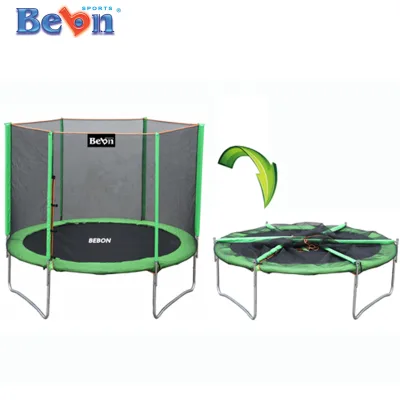






Comprehensive Sourcing Guide
Foldable Indoor Trampoline Supplier Concentration and Factory Types
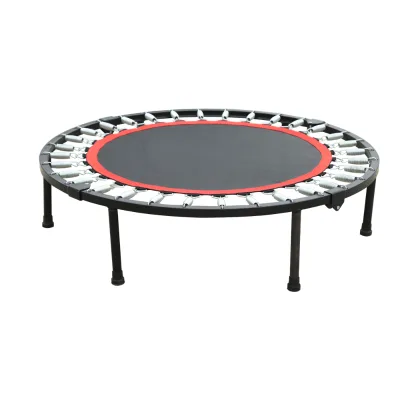
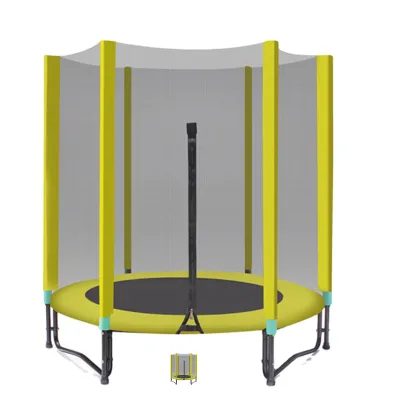
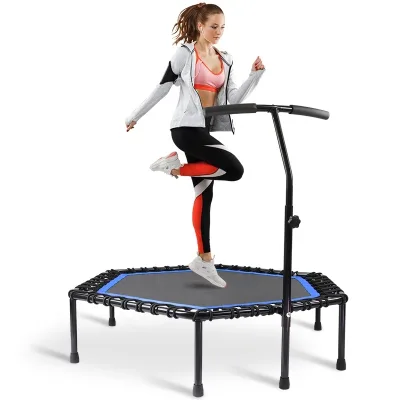
The current supplier landscape for foldable indoor trampolines reveals a distinct geographic concentration in China, with Guangdong and Zhejiang provinces emerging as primary manufacturing hubs. This regional clustering suggests established supply chains for steel frames, springs, and safety nets, which are critical components for these specific fitness products. Buyers should note that while some results indicate origins in Zhejiang, others point to Guangdong, indicating that sourcing strategies may need to account for multiple regional factories rather than a single centralized cluster. Understanding this geographic distribution is essential for evaluating logistics costs and lead times, as proximity to ports in these provinces can significantly impact shipping efficiency for heavy or bulky items like trampolines.
Company types in this sector vary between pure manufacturers, trading companies, and combined entities that offer both production and sourcing services. The presence of combined suppliers often provides flexibility, allowing buyers to access a wider range of product variations, from basic home-use models to commercial-grade equipment suitable for gyms and amusement parks. Manufacturers typically emphasize their own brand capabilities and OEM/ODM capacities, which is crucial for buyers seeking custom branding or specific design modifications. Trading companies, on the other hand, may offer a broader portfolio of related fitness equipment, such as treadmills or spinning bikes, potentially simplifying consolidated shipping for buyers with diverse procurement needs.
How to Verify Foldable Indoor Trampoline Suppliers
Verification is a critical step in mitigating risk when sourcing foldable indoor trampolines, as product safety and structural integrity are paramount. Buyers should prioritize suppliers who hold recognized third-party verifications, such as CTI or TÜV Rheinland, which indicate that the company has undergone rigorous audits of its business operations and manufacturing capabilities. These verifications provide a baseline of trust, ensuring that the supplier is a legitimate entity with transparent business practices. Additionally, looking for specific product certifications like CE, ASTM F381, EN 71, or GS is essential, as these standards directly relate to the safety and quality of the trampoline, particularly for markets with strict regulatory requirements.
Beyond initial verification, buyers should assess the supplier’s responsiveness and communication efficiency, as these factors often correlate with overall service quality. A high response time score, such as those approaching 5.0, suggests a dedicated customer service team that can address inquiries and resolve issues promptly. It is also advisable to request samples to physically inspect the build quality, including the durability of the stainless steel or galvanized steel frames, the tension of the springs, and the integrity of the safety nets. Suppliers that offer sample processing and graphic customization capabilities demonstrate a higher level of operational maturity, which is beneficial for buyers planning to launch private label products or require specific branding elements.
What to Compare Across Foldable Indoor Trampoline Suppliers
When evaluating multiple suppliers, lead time is a key differentiator that can impact inventory planning and market launch schedules. Some suppliers offer rapid turnaround times, such as 15 days, which is advantageous for restocking popular items or fulfilling urgent orders, while others may have longer lead times of 45 days, typical for more complex customizations or larger production runs. Buyers should align their order timing with these lead times to avoid stockouts or excessive inventory holding costs. Additionally, minimum order quantities (MOQ) vary significantly, with some suppliers requiring as few as five units, making them suitable for small businesses or testing new markets, while others may have higher thresholds that necessitate larger capital investment.
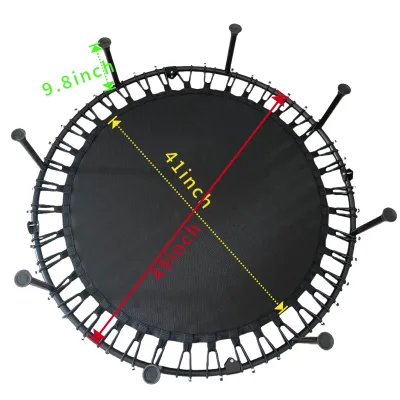
Price ranges and customization options are also critical comparison points. The cost of foldable indoor trampolines can range from approximately $20 to over $2,000, depending on features such as weight capacity, material quality, and included accessories like protective mats or safety nets. Buyers should compare not just the unit price but also the value proposition, including warranty periods, which are commonly offered at 12 months, and the availability of OEM/ODM services. Suppliers that provide detailed product attributes, such as weight capacity up to 100kg or specific frame sizes, allow for more precise matching with target customer segments. Comparing these factors holistically helps in identifying suppliers that offer the best balance of cost, quality, and service flexibility.
Common Foldable Indoor Trampoline Sourcing Risks
One significant risk in sourcing foldable indoor trampolines is the potential inconsistency in product quality and safety standards. While suppliers may claim compliance with international standards like ASTM or EN 71, variations in manufacturing processes can lead to defects in critical components such as springs, frame joints, or padding materials. Buyers must be vigilant in verifying these claims through independent testing or by requesting detailed test reports from accredited laboratories. Failure to do so can result in product recalls, legal liabilities, and damage to brand reputation, especially if the trampolines are marketed for use by children or in commercial settings where safety is paramount.
Another risk is the discrepancy between sample quality and bulk production output. Suppliers may provide high-quality samples that meet all specifications, but the mass-produced items might differ in material thickness, stitching quality, or overall durability. This risk is particularly relevant for custom orders where specific design modifications are requested. To mitigate this, buyers should establish clear quality control protocols and consider hiring third-party inspection services to verify production quality before shipment. Additionally, understanding the supplier’s capacity for handling defects and their warranty claim processes is essential, as this will determine how effectively issues are resolved if they arise during the product’s lifecycle.
Foldable Indoor Trampoline Regional Sourcing and Logistics
Sourcing from China, particularly from Guangdong and Zhejiang provinces, offers access to a mature ecosystem of suppliers with specialized expertise in fitness equipment manufacturing. However, buyers must carefully consider logistics implications, as trampolines can be bulky and heavy, impacting shipping costs and handling requirements. The packaging methods used by suppliers, such as carton packaging or specialized safety layers, play a crucial role in protecting the product during transit and minimizing damage. Buyers should inquire about the specific packaging details and whether the supplier offers optimized packing solutions to reduce volumetric weight and associated freight charges.
Shipping times and routes also vary based on the supplier’s location and the buyer’s destination. Suppliers in Guangdong may have advantages in accessing major ports like Shenzhen or Guangzhou, potentially offering faster sea freight options to global markets. In contrast, suppliers in Zhejiang might leverage the port of Ningbo, which is another major hub for international trade. Buyers should work with their freight forwarders to compare shipping costs and transit times from different regions, taking into account factors such as fuel surcharges, peak season rates, and customs clearance procedures. Efficient logistics planning can significantly reduce overall procurement costs and improve delivery reliability.
Foldable Indoor Trampoline Commercial Terms and Order Planning
Commercial terms, including payment methods and escrow services, are vital for securing transactions and protecting buyer interests. Buyers should prioritize suppliers who offer secure payment options, such as escrow services, which hold funds until the goods are received and verified. This mechanism reduces the risk of fraud and ensures that suppliers are motivated to deliver on time and to specification. Additionally, understanding the supplier’s return and refund policies is essential, as this provides a safety net in case of significant quality issues or non-delivery. Clear communication of these terms before placing an order helps in avoiding misunderstandings and disputes later in the procurement process.
Order planning should also account for the supplier’s capacity for customization and branding. Many suppliers offer OEM/ODM services, allowing buyers to create unique products with custom logos, colors, and packaging. However, these customizations often require additional time and may have higher MOQs. Buyers should plan their orders well in advance to accommodate these lead times and ensure that marketing materials and distribution channels are ready for the new product launch. Furthermore, considering the warranty terms, typically around 12 months, buyers should factor in potential after-sales support costs and establish clear guidelines for handling warranty claims with the supplier.
FAQs
What is the typical lead time for foldable indoor trampolines?
The typical lead time for these products is 15 to 45 days depending on the specific supplier and order volume. Some manufacturers offer faster turnaround times of 15 days for standard orders, while others may require up to 45 days for customized production runs or larger quantities.
What are the minimum order quantities for indoor trampoline purchases?
Minimum order quantities generally start at 5 units for foldable indoor trampolines. Buyers should verify specific MOQ requirements with individual suppliers as some may have different thresholds based on customization needs or specific product models like the LDK0129 or LDK0711 series.
Which certifications are available for Foldable Indoor Trampoline products?
Available certifications include CE, Nscc, ISO9001, ISO14001, Ohsas, BSCI, EN 71, ASTM F381, and GS. Some products also carry Intertek-GS, TUV-GS, and EN13219 standards. Buyers should request specific certification documents to ensure compliance with their local safety regulations.
What is the price range for foldable indoor trampolines?
Prices for foldable indoor trampolines typically range from 19.90 to 2000.00 USD per unit. Specific models like the LDK0129 start around 19.90 USD, while larger or specialized units can reach up to 2000.00 USD. Final pricing depends on material, size, and customization options.
Where are the manufacturers of these trampolines located?
Manufacturers are primarily located in China, specifically in Guangdong and Zhejiang provinces. These regions host suppliers offering combined manufacturing and trading services. Buyers should confirm the exact factory location to assess shipping logistics and potential tariffs for their specific import requirements.
Do suppliers offer customization for foldable indoor trampolines?
Yes, customization is available for many Foldable Indoor Trampoline models. Suppliers offer options for custom logos, specific sizes, and tailored materials. Some manufacturers provide ODM and OEM services, allowing buyers to request unique designs or branding while maintaining the core safety and functionality of the product.
What is the warranty period for indoor trampoline equipment?
The standard warranty period for these trampolines is typically 12 months. This coverage applies to manufacturing defects and structural integrity issues. Buyers should confirm the specific warranty terms with the supplier, as some may offer extended coverage or different conditions based on the product model.