Candle Making Machine Suppliers and Manufacturers
Explore 21 Candle Making Machine suppliers from China Jiangsu and Henan. Compare response times, lead times, certifications like CE and ISO, and pricing ranges. Contact verified factories directly to request quotes for automatic or manual models; review the available evidence before requesting comparable quotations from suitable candidates.
Suppliers List

Zhangjiagang Genyond Machinery Co., Ltd.
- Verified by CTI
- Combined
- China Jiangsu
- Lead time30 days
- Avg. response≤ 11h
Main productsEssential Oil Distiller, Solvent Extraction Machine, Milk Processing Machine, Fruit Vegetable Processing Machine, Nuts Processing Machine, Filling Machine, Packing Machine, Fish Meat Processing Machine, Snack Food Making Machine
Main marketsSouth America,Africa,Others(foreignTradeCapacity.exportBusinessCapacityMarketOther),Southeast Asia/ Mideast,East Asia(Japan/ South Korea),Domestic,Europe,Australia,North America

Henan Shenwon Industry Co., Ltd
- Verified by BV
- Manufacturer/Factory
- China Henan
- Lead time23 days
- Avg. response≤ 2h
Main productsWax Materials and Wax Granular Machines, Musk Ambrette Fragrance Materials, PVB PVDF, HPMC HEC CMC Mhec, SLES Aos Cdea Cab 35% SLS, Personal Care Materials, Amino Acid Guar Gum, Hbn Cuo ZnO Zeo, SBR NBR HDPE PE, Nano Metal Oxides
Main marketsSouth America,Eastern Europe,Mid East,North America,Southeast Asia,Eastern Asia,Oceania,Western Europe,Africa


Candle Making Machinery Industrial Candle Making Machine Automation Candle Pouring Machine
$5000.00 - $25000.00
MOQ: 1 Sets

Candle Machine / Candle Making Machine Price / Candle Making Machine on Sale
$5000.00 - $25000.00
MOQ: 1 Sets

Automatic Pillar Candle Making Machine Manufacturers Candle Molding Machine
$5000.00 - $25000.00
MOQ: 1 Sets

Zhengzhou Gashili Machinery Co., Ltd.
- Manufacturer/Factory
- China Henan
- Lead time23 days
- Avg. response≤ 4h
Main productsInstant Noodle Making Line, Oil Pressing Machine, Peanut Butter Making Line, Candle Making Machine, Paper Cone Making Machine for Textile, Nut Processing Equipment, Vegetable and Fruit Processing Equipment, Wood Pallet Making Machine, Waste Recycling Equipment, Fertilizer Production Line
Main marketsSouth America,Eastern Europe,Mid East,North America,Southeast Asia,Eastern Asia,Oceania,Western Europe,Africa

Zhengzhou Honest Machinery Co., Ltd.
- Trading Company,Manufacturer/Factory
- China Henan
- Lead time15 days
- Avg. response≤ 7h
Main productsFood Machinery, Packing Machines, Microwave Equipment, Drying Machines, Grain Product Making Machines, Commodity Making Machines, Texitle Machines, Construction Machinery
Main marketsSouth America,Eastern Europe,Mid East,North America,Southeast Asia,Eastern Asia,Oceania,Western Europe,Africa
Zhengzhou Share Machinery Co., Ltd.
- Trading Company
- Lead time旺季: "1 - 1":10,"> 1":"To be negotiated", 淡季: "1 - 1":10,"> 1":"To be negotiated"
- Avg. response≤ 3h
Main productsConstruction Machinery/Industrial Machinery/Printing Machinery
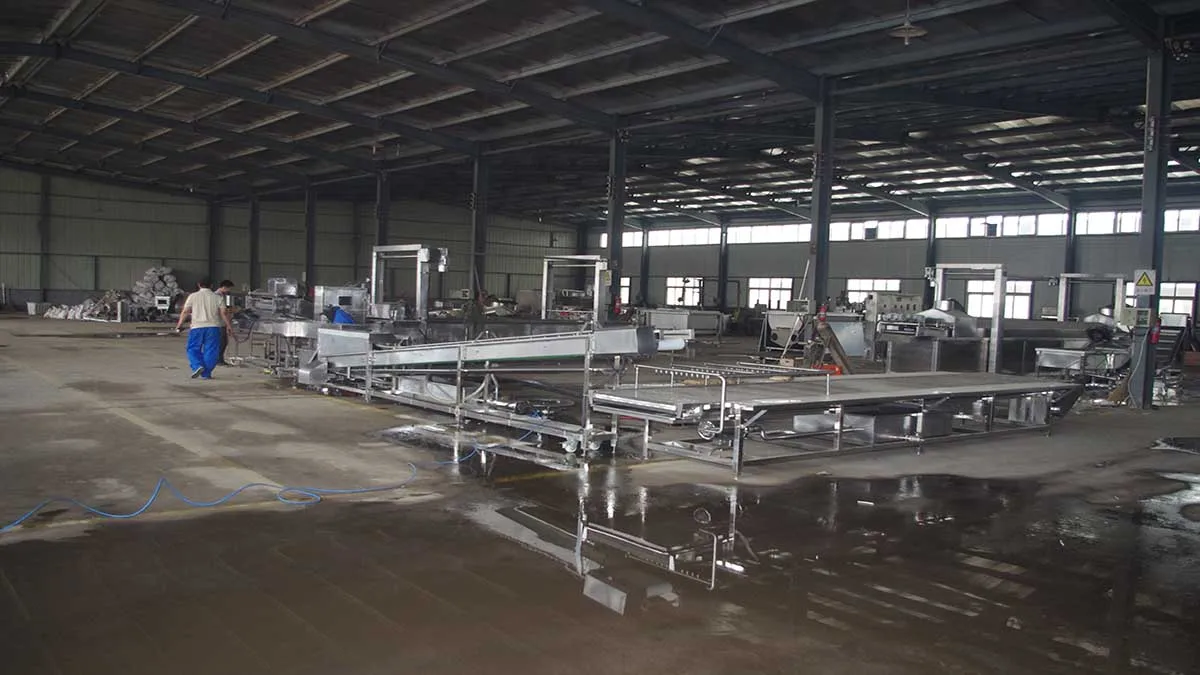
Henan Deshine Machinery Co., Ltd.
- Trading Company
- Henan, China
- Lead time7 days
- Avg. response≤ 2h
Main productsMeat Processing Equipment,Vegetable and fruit Processing Equipment,Food processing machine,Slaughtering Equipment,Chocolate Processing Equipment
Main marketsAfrica(19.00%), North America(15.00%), Southeast Asia(12.00%), Oceania(10.00%), Eastern Asia(7.00%), Mid East(6.00%), Northern Europe(6.00%), Eastern Europe(5.00%), South Asia(3.00%), South America(3.00%), Central America(3.00%), Western Europe(3.00%), Domestic Market(2.00%)
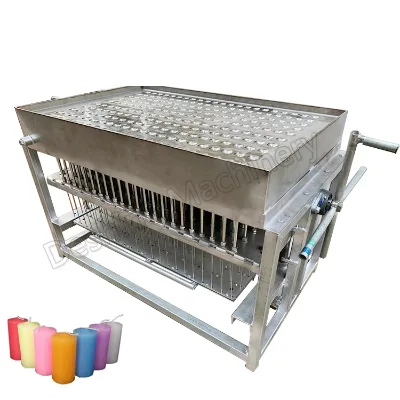
High Productivity Church Candle Making Machine Automatic Candle Making Machine
$917.87 - $3059.58
MOQ: 1 Minimum
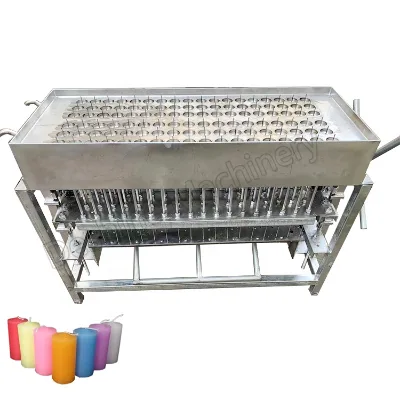
Paraffin Candles Machine China Industrial Candle Making Machinery Make Candle Machine
$917.87 - $3059.58
MOQ: 1 Minimum
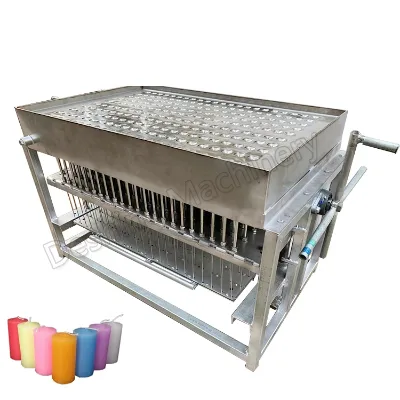
$917.87 - $3059.58
MOQ: 1 Minimum
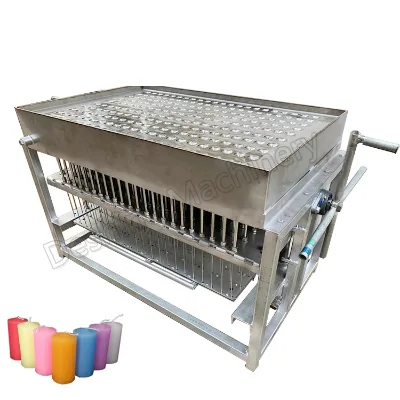
Candle Machine Manufacturers Candles Machines Extruder Taper Candle Machine
$917.87 - $3059.58
MOQ: 1 Minimum

Zhengzhou Hento Machinery Co., Ltd.
- Verified by SGS
- Trading Company,Manufacturer/Factory,Group Corporation
- China Henan
- Lead time15 days
- Avg. response≤ 7h
Main productsMeat Processing Machinery, Egg Processing Machinery, Dairy Processing Machinery, Fruit & Vegetable Processing Machinery, Grain Product Making Machines, Snack Machines, Nuts Processing Machinery, Packing Machines, Drying Machines, Commodity Making Machines
Main marketsSouth America,Eastern Europe,Mid East,North America,Southeast Asia,Eastern Asia,Oceania,Western Europe,Africa


Easy Operation Automatic Candle Making Machine / Candle Making Machine Price
$1359.00 - $1769.00
MOQ: 1 set


Henan Share M&E Equipment Co., Ltd
- Verified by TUVRHEINLAND
- Trading Company
- China Henan
- Lead time15 days
- Avg. response≤ 4h
Main productsBag Printing Machine, Brick Making Machine, Quilting Machine, Water Well Drilling Rig, Roll Forming Machine
Main marketsSouth America,Africa,Others(foreignTradeCapacity.exportBusinessCapacityMarketOther),Southeast Asia/ Mideast,East Asia(Japan/ South Korea),Domestic,Europe,Australia,North America

Zhengzhou Junlan Machinery Equipment Co., Ltd.
- Trading Company
- Henan, China
- Lead time7 days
- Avg. response≤ 3h
Main productsfood machine,vegetable machine,farm machine,industrial machinery,Corona silicone tube
Main marketsSouth Asia(30.00%), Africa(30.00%), Eastern Asia(10.00%), Mid East(10.00%), South America(5.00%), Southeast Asia(5.00%), Eastern Europe(5.00%), North America(5.00%)

Shanghai Genyond Technology Co., Ltd.
- Verified by CTI
- Combined
- China Shanghai
- Lead time30 days
- Avg. response≤ 10h
Main productsEssential Oil Machine, Drying Machine, Fruit Juice Machine, Fruit Jam Machine, Milk Machine, Fruit Chips Machine, Filling Packing Machine, Evaporator, Yogurt Machine, Ice Cream Machine
Main marketsSouth America,Africa,Others(foreignTradeCapacity.exportBusinessCapacityMarketOther),Southeast Asia/ Mideast,East Asia(Japan/ South Korea),Domestic,Europe,Australia,North America

Zhengzhou Jawo Machinery Co., Ltd.
- Verified by TUVRHEINLAND
- Manufacturer/Factory
- China Henan
- Lead time15 days
- Avg. response≤ 5h
Main productsSausage Making Machine, Dumpling Machine, Frozen Meat Cutter, French Fries Production Line, Garlic Separator, Egg Grading Machine, Sand Blasting Machine, Metal Detector, Embroidery Machine, Spray Dryer
Main marketsSouth America,Eastern Europe,Mid East,North America,Southeast Asia,Eastern Asia,Oceania,Western Europe,Africa


Wax Granulation Machine Candle Forming Machine Candle Equipment Candle Machine
$700.00 - $1400.00
MOQ: 1 Sets

Zhengzhou Share Machinery Co., Ltd.
- Verified by BV
- Trading Company,Manufacturer/Factory
- China Henan
- Lead time15 days
- Avg. response≤ 4h
Main productsRoll Forming Machine, Purlin Making Machine, Storage Rack Making Machine, Hydraulic Baler, Brick Making Machine, Quilting Machine, Bag Printing Machine, Soap Stamping Machine, Water Well Drilling Rig, Wax Granules Making Machine
Main marketsSouth America,Eastern Europe,Mid East,North America,Southeast Asia,Eastern Asia,Oceania,Western Europe,Africa
Henan Share M&E Equipment Co.,Ltd
- Verified by SGS Group
- Trading Company
- Lead time7 days
- Avg. response≤ 3h
Main productsTextile Machinery, Printing Machinery, Construction Machinery, Wood Machinery
Main marketsNorth America(20%), South America(20%), Eastern Europe(10%)
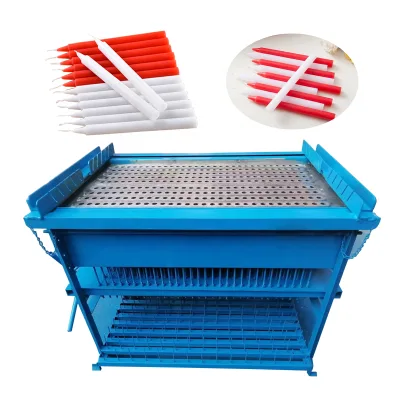
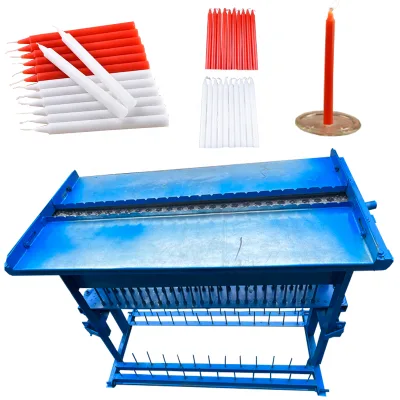
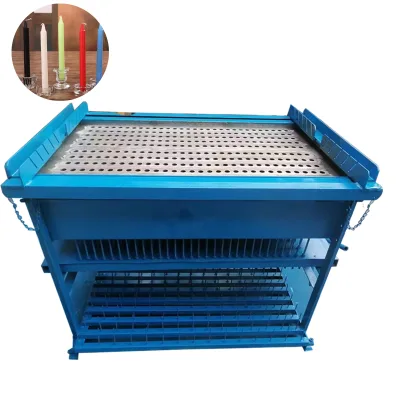
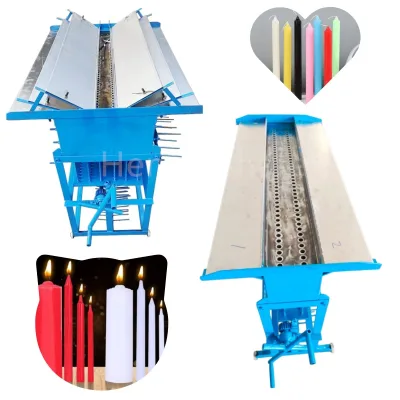
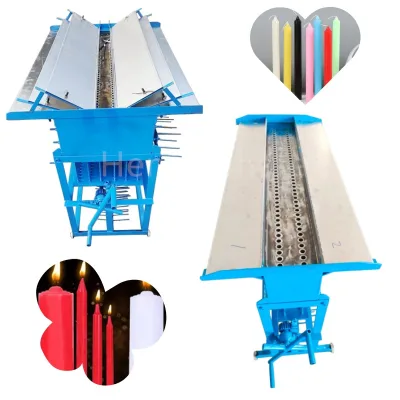
Automation Birthday Candle Making Industrial Candle Making Machines in South Africa
$864.51
MOQ: 1 Minimum
ZHENGZHOU HONGSHI MACHINERY CO.,LTD
- Verified by TüVRheinland
- Manufacturer, Trading Company
- Lead time15 days
- Avg. response≤ 4h
Main productsAgricultural Machinery, Food Machinery, Paraffin Machinery, Textile Machinery, Environmental Protection Machinery
Main marketsNorth America(36%), Southeast Asia(15%), South America(12%)
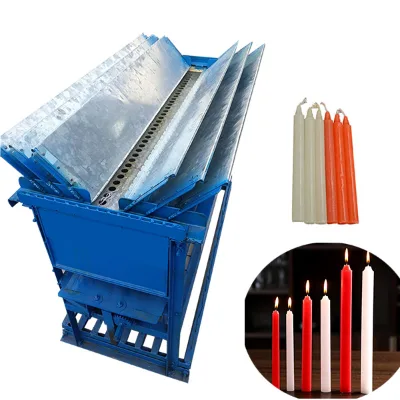
Tea Light Wax Candle Making Machine Candle Manufacturing Machines Candle Maker Machine
$1019.86
MOQ: 1 Minimum
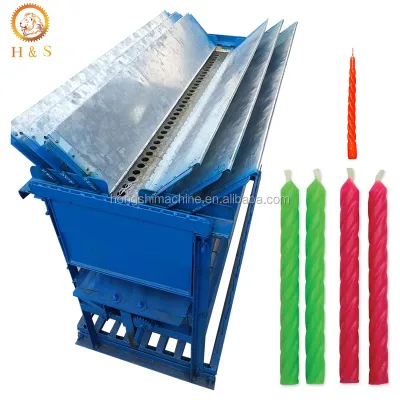
$1600.00 - $3200.00
MOQ: 1 sets
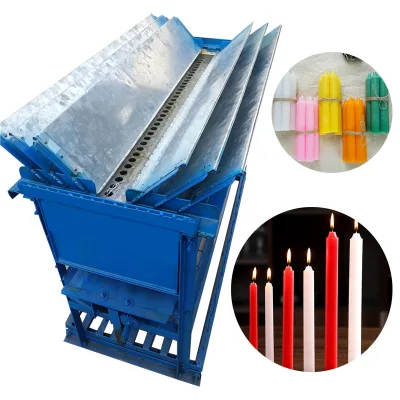
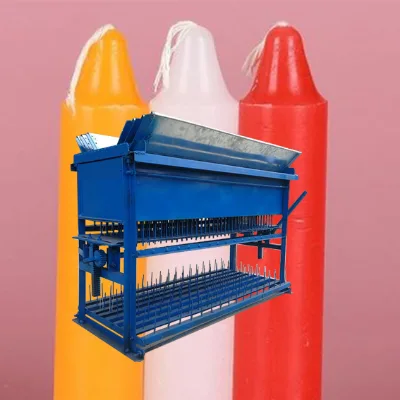
$1600.00 - $3200.00
MOQ: 1 sets
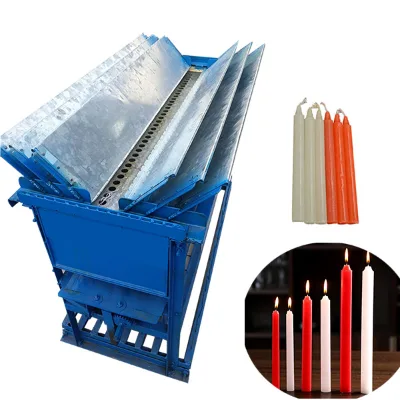
Zhengzhou Hento Machinery Co., Ltd.
- Verified by SGS Group
- Trading Company
- Lead time5 days
- Avg. response≤ 1h
Main productsMeat Processing Machinery, Egg Processing Machinery, Dairy Processing Machinery, Fruit and Vegetable Processing Machinery, Grain Product Making Machines
Main marketsSoutheast Asia(14%), Western Europe(12%), North America(10%)
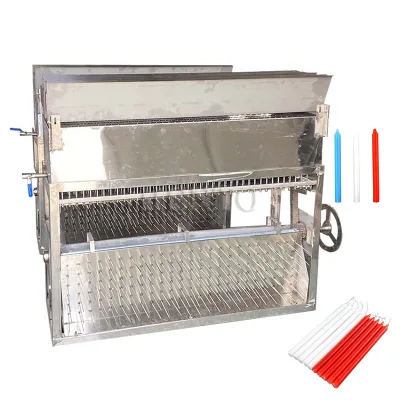
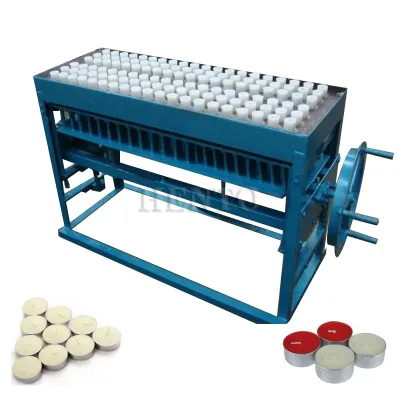
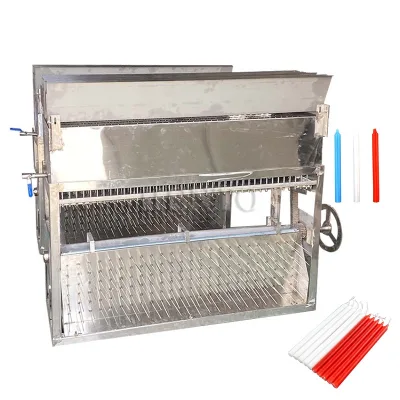
Hot Sale Vigil Candle Machine / Candle Molding Machine / Wax & Candle Making Machines
$1375.79 - $1763.34
MOQ: 1
Zhengzhou Dream Machinery Co., Ltd.
- Trading Company
- Henan, China
- Lead time7 days
- Avg. response≤ 3h
Main productsQuilting Machine,Hydraulic baling Machine,Brick Making Machine,Soap Making Machine,bag printing Machine
Main marketsSouth America(20.00%), North America(20.00%), Africa(10.00%), Southeast Asia(10.00%), Eastern Europe(10.00%), Oceania(7.00%), South Asia(5.00%), Southern Europe(5.00%), Central America(5.00%), Western Europe(2.00%), Eastern Asia(2.00%), Mid East(2.00%), Northern Europe(2.00%)
Jiaozuo Zhoufeng Machinery Co., Ltd.
- Trading Company
- Henan, China
- Lead time5 days
- Avg. response≤ 8h
Main productsFood machine,Farm machine,environmental protection machine,Home use machine,Biomass briquette production line
Main marketsMid East(10.00%), South Asia(10.00%), Africa(10.00%), Southeast Asia(10.00%), Domestic Market(10.00%), Central America(10.00%), North America(10.00%), South America(8.00%), Eastern Asia(7.00%), Northern Europe(5.00%), Western Europe(5.00%), Oceania(2.00%), Eastern Europe(2.00%), Southern Europe(1.00%)
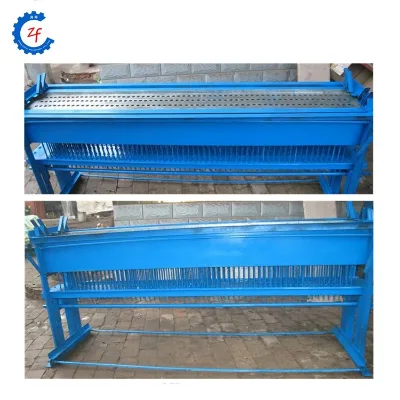
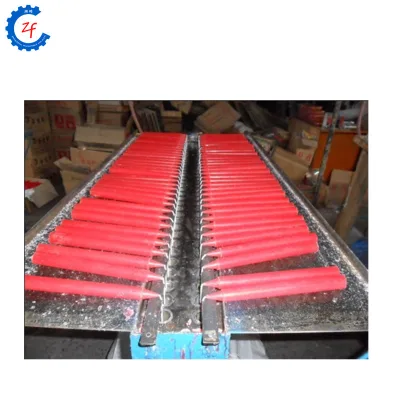
Small Type Candle Making Machine Candle Maker Manual Screw Candle Moulding Machine
$600.00 - $1000.00
MOQ: 1 sets
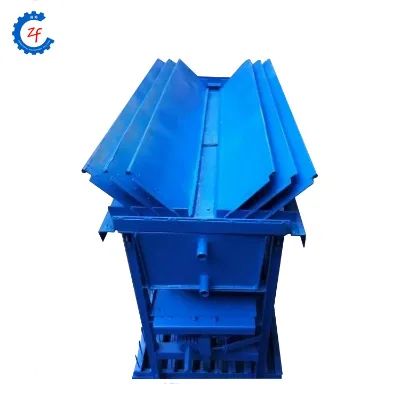
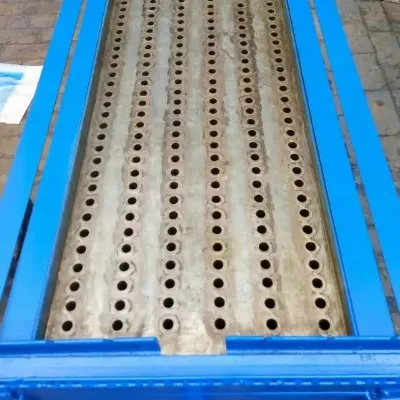
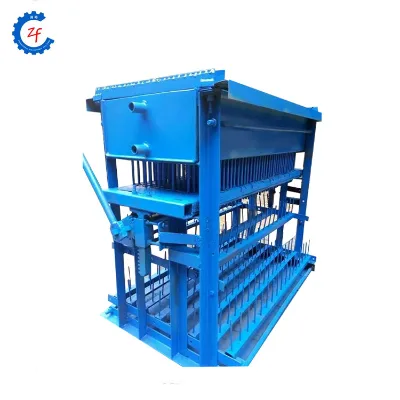
New Decorative Pillar Candle Making Machine China
MOQ: 5 Minimum
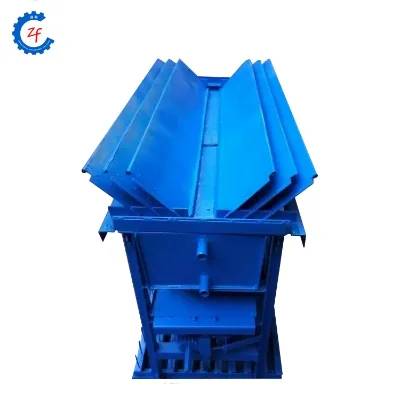
ZHE CHENG HONGXIN MACHINRERY FACTORY
- Verified by TüVRheinland
- Manufacturer, Trading Company
- Lead time15 days
- Avg. response≤ 3h
Main productsIntestine Case Cleaning Machine, Sesame Peeling Machine, Cardboard Expanding Shredder Machine, Flax Brake, Grain Thresher Machine
Main marketsNorth America(20%), Southeast Asia(20%), Africa(20%)
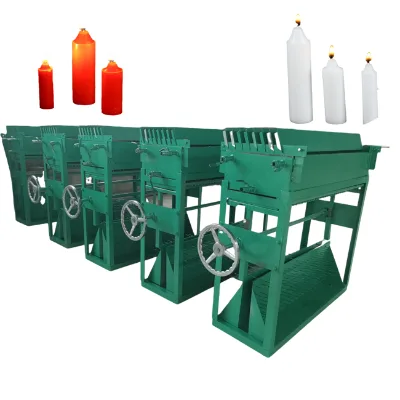
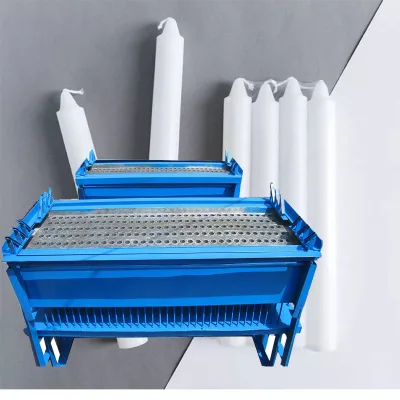
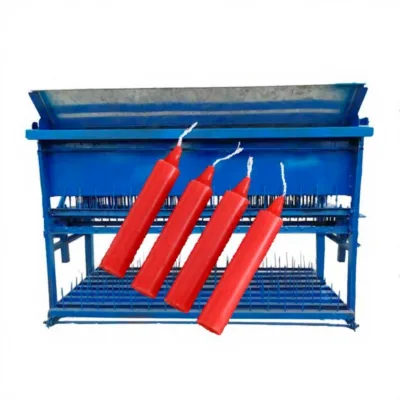
Top selling candle machines/industrial candle making machines/candle making machine
$500.00 - $800.00
MOQ: 1 sets
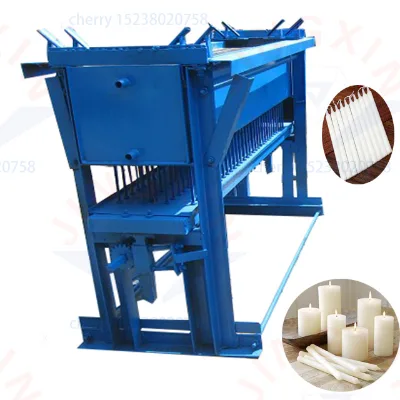
Automatic Copper Candle Machine Candle Wax Filling Machine Paraffin Wax Candle Making Machine
$510.98 - $613.18
MOQ: 1 sets
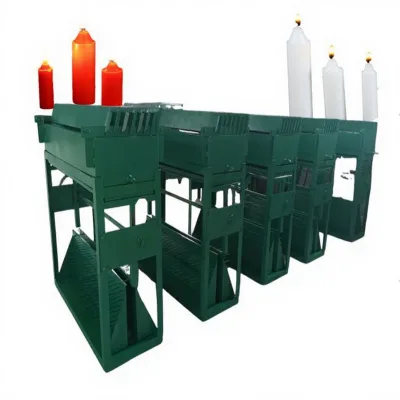
Top Selling Candle Molds and Wax Candle Making Machine/tealight Candle Maker Machine for Sale
$510.98 - $817.57
MOQ: 1 sets
Zhengzhou Jawo Machinery Co., Ltd.
- Trading Company
- Henan, China
- Lead time10 days
- Avg. response≤ 5h
Main productsFruit and vegetable processing machine,Grain processing machine,Meat processing machines,Drying Machines,Building Machines
Main marketsNorthern Europe(15.00%), Mid East(10.00%), Western Europe(10.00%), Oceania(9.00%), Eastern Europe(8.00%), South America(8.00%), North America(8.00%), South Asia(6.00%), Southeast Asia(6.00%), Africa(6.00%), Southern Europe(5.00%), Eastern Asia(5.00%), Domestic Market(2.00%), Central America(2.00%)
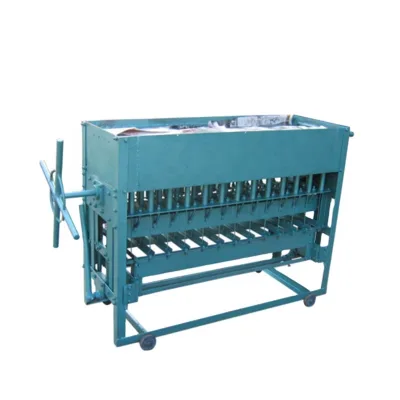
China Supplier Tealight Candle Making Machine Candle Machine Making Candle Making Kit Machine
$1200.00 - $1400.00
MOQ: 1
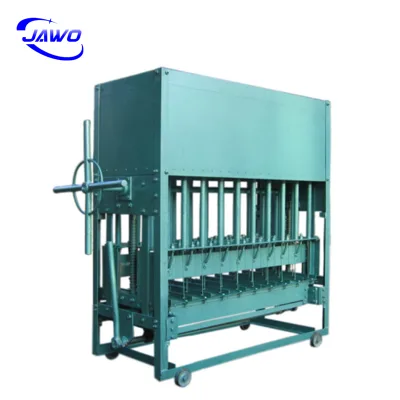
Machine Making Candles Cake Candle Machine Machine Candle With High Quality
$999.00 - $1200.00
MOQ: 1 sets
Henan Joconn Machinery Co., Ltd.
- Trading Company
- Henan, China
- Lead time5 days
- Avg. response≤ 5h
Main productsMushroom growing machinery,Agricultural waste recycling machinery
Main marketsNorth America(30.00%), Southeast Asia(10.00%), Mid East(10.00%), South America(10.00%), Central America(7.00%), Eastern Europe(6.00%), Africa(6.00%), Eastern Asia(5.00%), South Asia(4.00%), Western Europe(4.00%), Oceania(3.00%), Northern Europe(3.00%), Domestic Market(1.00%), Southern Europe(1.00%)
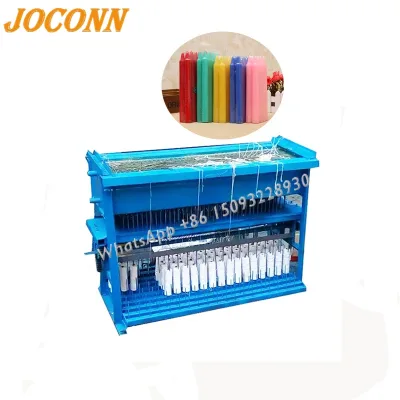
Semi Automatic Candle Making Machine Molding Candle Machine China Candle Making Machine Price
$980.00 - $2000.00
MOQ: 1 Minimum
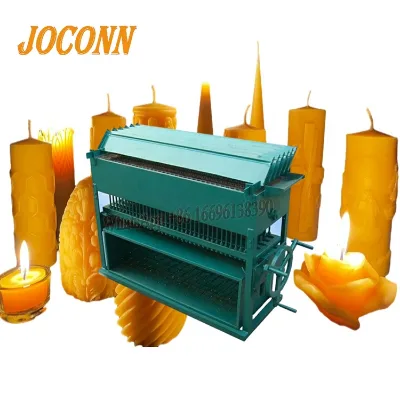
Popular Small Type Candle Making Machine Candle Maker Machine Candle Filling Machine with Scent
$800.00 - $1800.00
MOQ: 1 Minimum

Guangzhou Silian Machinery Co., Ltd.
- Verified by CTI
- Combined
- China Guangdong
- Lead time30 days
- Avg. response≤ 2h
Main marketsAfrica,Southeast Asia/ Mideast,East Asia(Japan/ South Korea),Domestic,Europe,Australia,North America




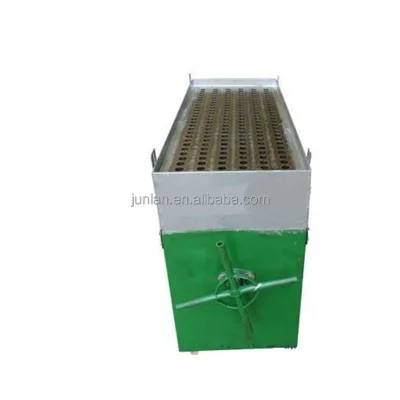
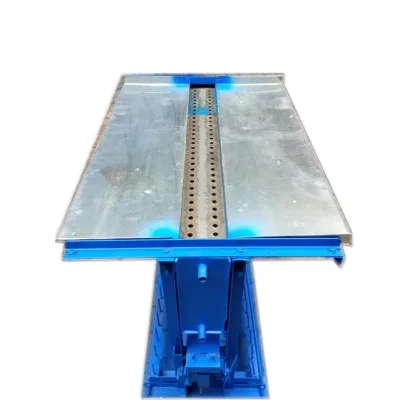


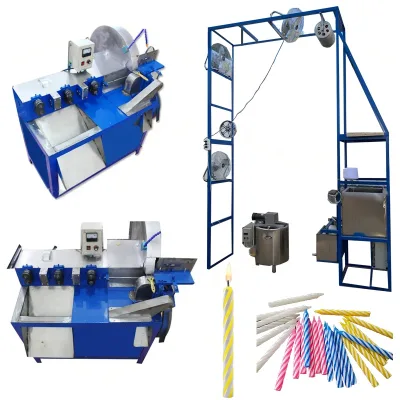
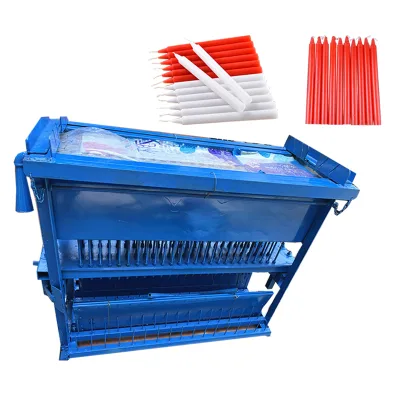
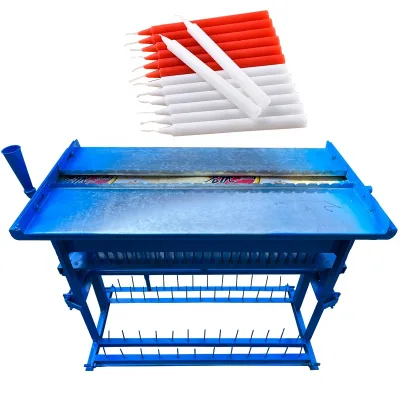
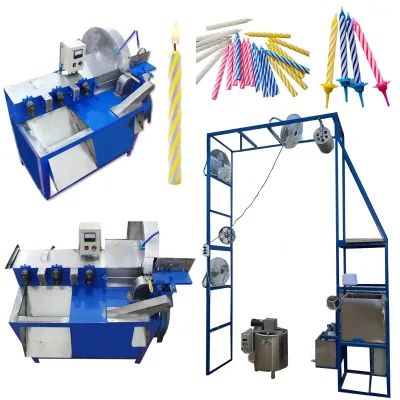
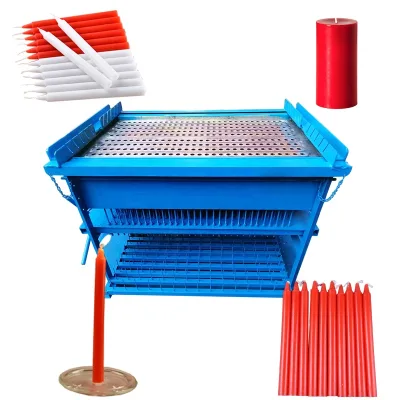
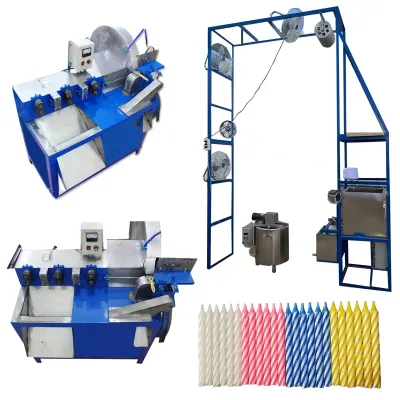


Comprehensive Sourcing Guide
Candle Making Machine Supplier Concentration and Factory Types
The current supplier landscape for candle making machinery shows a distinct concentration of manufacturing activity within specific Chinese provinces, with Jiangsu and Henan emerging as primary hubs based on available location data. Suppliers in these regions often operate as combined entities or dedicated manufacturers, offering a mix of in-house production and trading capabilities. This structural diversity means buyers may encounter companies that list extensive product ranges, including essential oil distillers and food processing lines, alongside their core candle machinery offerings. The presence of such varied portfolios suggests these facilities possess broad industrial engineering capabilities, which can be advantageous for buyers seeking integrated production solutions or specialized machinery upgrades.
When assessing factory types, it is critical to distinguish between pure manufacturers and combined trading entities. Some suppliers in the results display "Combined" company types, indicating they may source from multiple factories while managing the sales process, whereas others explicitly state "Manufacturer/Factory" status. This distinction impacts the depth of technical support and customization options available. Buyers should verify if the supplier's primary revenue stream comes from machinery production or general trading, as this influences their commitment to after-sales service and spare parts availability. Understanding this operational model helps in predicting the supplier's responsiveness to specific engineering requests or custom modifications for candle production lines.
How to Verify Candle Making Machine Suppliers
Verification of Candle Making Machine suppliers relies heavily on third-party audit reports and specific certification markers rather than self-declared claims. Available data indicates that some suppliers hold verification status from recognized bodies like CTI or BV, which provides a baseline level of confidence regarding their business legitimacy and operational scale. Additionally, system certifications such as ISO 9001, BSCI, and CE are frequently cited in product attributes, serving as indicators of adherence to quality management and safety standards. However, buyers must treat these certifications as product-specific or facility-specific claims that require validation against the actual machinery being purchased, rather than assuming they apply universally to all equipment offered by the supplier.
Beyond certifications, response time and verification status offer practical metrics for assessing supplier reliability. Data shows response times varying significantly, with some suppliers responding within 1.5 hours while others take over ten hours, which can critically impact the speed of project initiation and problem resolution. A fast response time often correlates with a dedicated sales team and active inventory management, whereas slower responses may indicate a larger, less agile organization or a trading company with multiple client lines. Buyers should prioritize suppliers with verified status and rapid response capabilities, as these factors often predict smoother communication and faster resolution of technical queries during the pre-sales and post-sales phases of the procurement process.
What to Compare Across Candle Making Machine Suppliers
Comparing suppliers requires a systematic evaluation of lead times, minimum order quantities, and pricing structures to ensure alignment with project timelines and budget constraints. Lead times in the current market range from approximately 23 to 30 days, reflecting the complexity of manufacturing and shipping logistics for heavy industrial machinery. Minimum order quantities appear flexible, with some suppliers offering a single unit as the MOQ, which is beneficial for small-scale operations or pilot projects. However, pricing varies widely, with specific models listed at fixed points such as 1,000, 5,000, or 10,000 units, necessitating a detailed cost-benefit analysis that considers not just the initial purchase price but also the long-term operational efficiency and warranty coverage provided.
Capacity and customization options are equally vital comparison points when selecting a Candle Making Machine supplier. Many suppliers offer ODM and OEM services, allowing for tailored production lines that match specific wax types or candle shapes, such as birthday candles or pillar candles. The capacity of these machines, ranging from 5000 pieces per hour to 1000kg per hour, dictates the scalability of the buyer's production line. Buyers must compare these technical specifications against their own production targets to avoid under-capacity bottlenecks or over-investment in oversized machinery. Additionally, the availability of customization, such as color options or specific packing configurations, should be weighed against the potential impact on lead time and unit cost to determine the most efficient sourcing strategy.
Common Candle Making Machine Sourcing Risks
One significant risk in sourcing candle making machinery involves the discrepancy between advertised certifications and actual product compliance. While product attributes frequently list CE, ISO, and RoHS certifications, these may apply only to specific models or components rather than the entire machine system. Buyers face the risk of receiving equipment that does not meet local safety regulations or industry standards in their destination country, potentially leading to customs delays or operational shutdowns. It is essential to verify that the specific model ordered carries the necessary certifications for the intended market, rather than relying on general supplier claims that might not cover the exact configuration being purchased.
Another critical risk is the variability in warranty terms and after-sales support across different suppliers. Warranty periods observed in the data range from one to two years, with some suppliers offering extended shelf life guarantees for specific components. However, the scope of these warranties often excludes shipping damage or operational errors, leaving buyers vulnerable to unexpected repair costs. Furthermore, the availability of spare parts and technical support can be inconsistent, particularly if the supplier is a trading company rather than a direct manufacturer. Buyers must clarify the terms of warranty claims, the location of service centers, and the lead time for spare parts delivery to mitigate the risk of prolonged production downtime.
Candle Making Machine Regional Sourcing and Logistics
Regional sourcing strategies must account for the specific logistical advantages and challenges associated with manufacturing hubs in China, particularly Jiangsu and Henan. These regions offer established supply chains for industrial machinery, but the distance from major ports can influence shipping costs and transit times. Buyers should consider the origin of the machinery, as some products are listed with origins in Shanghai or other specific cities, which may affect the final delivery schedule and freight charges. Understanding the geographic distribution of suppliers allows buyers to consolidate orders from nearby factories, potentially reducing shipping complexity and costs while improving coordination for installation and training.
Logistics planning also involves evaluating the packaging standards and handling requirements for heavy machinery. Product attributes indicate that machines are often packed in wooden cases or specific dimensions like 3x2x12 meters, which impacts container utilization and freight costs. Buyers need to verify if the packaging includes moisture protection and shock absorption features suitable for long-distance ocean freight. Additionally, the standard dimensions of the machinery, such as 1420x370x1100mm, must be checked against the buyer's facility space and loading dock capabilities to ensure seamless unloading and installation. Proper logistics planning prevents delays and damage, ensuring the machinery arrives ready for immediate deployment in the production line.
Candle Making Machine Commercial Terms and Order Planning
Commercial terms for candle making machines often include specific payment structures and delivery conditions that must be clearly defined before order placement. While some suppliers offer flexible terms, others may require full payment or significant deposits before production begins. Buyers should negotiate terms that align with their cash flow and risk tolerance, ensuring that payment milestones are tied to verifiable production stages or shipping documents. The presence of escrow services or trade assurance can provide an additional layer of security, protecting the buyer's funds until the machinery is delivered and meets the agreed-upon specifications. Understanding these financial terms is crucial for maintaining a healthy supplier relationship and avoiding disputes over payment schedules.
Order planning must also consider the lead time and production capacity to ensure timely delivery and installation. With lead times ranging from 23 to 30 days, buyers should factor in additional time for customs clearance, inland transportation, and on-site setup. Planning for these variables helps prevent production delays and ensures that the new machinery integrates smoothly into existing operations. Buyers should also plan for potential customization requests, which may extend the lead time, and communicate these requirements early in the process. By aligning order timelines with production schedules and logistical constraints, buyers can optimize their investment and achieve a faster return on investment for their candle making operations.
FAQs
What is the price range for candle making machines?
Prices vary significantly based on automation and capacity. Options range from approximately $1,000 for small manual units to $25,000 for fully automatic industrial lines. Buyers should compare specific models like the GYV-8000 or SW-Machine series to find the best fit for their budget and production volume requirements.
What certifications do these machines typically have?
Most available machines carry CE and ISO certifications, ensuring compliance with international safety and quality standards. Some suppliers also provide RoHS, CCC, or BSCI certifications. Buyers should verify specific documentation for their target market, as certifications like TS 16949 or GMP are less common for this specific equipment category.
What is the typical lead time for delivery?
Standard lead times generally range from 23 to 30 days after order confirmation. This timeframe allows for manufacturing and quality checks. Buyers requiring faster turnaround should contact suppliers directly, as expedited shipping options may be available depending on stock levels and specific production schedules at the factory.
What is the minimum order quantity for these machines?
The minimum order quantity is typically one unit, allowing buyers to purchase single machines for testing or small-scale operations. This low MOQ makes it accessible for startups. However, bulk discounts might apply for larger orders, so buyers should inquire about pricing tiers when ordering multiple units for expanded production lines.
Where are these machines manufactured?
Manufacturers are primarily located in China, with specific hubs in Jiangsu and Henan provinces. These regions are known for industrial machinery production. Buyers can expect factories to offer OEM and ODM services, allowing for customization of machine specifications to meet unique production needs or branding requirements.
What production capacities are available?
Capacities vary widely, with some machines producing 5,000 pieces per hour for small candles. Others offer higher throughput options like 60kg, 120kg, or 1,000kg per hour for wax granular processing. Buyers should select a model that matches their specific output requirements, whether for birthday candles, pillar candles, or industrial wax processing.