Car Oil Extractor Pump Suppliers and Manufacturers
Compare 24 verified Car Oil Extractor Pump suppliers from China Zhejiang and Shanghai. Review dimensions like response time, lead time, certifications, and pricing to source the right equipment for your workshop needs today; review the available evidence before requesting comparable quotations from suitable candidates.
Suppliers List
Yiwu AODOTOP Machinery Company
- Verified by BV
- Trading Company,Manufacturer/Factory
- China Zhejiang
- Lead time23 days
- Avg. response≤ 3h
Main productsTire Changer, Car Bench, Wheel Alignment, Garage Equipment, Spray Booth, Frame Machine, Car Lift, Auto Repair Equipment, Construction Equipment, Automotive Workshop Equipments
Main marketsSouth America,Eastern Europe,Mid East,North America,Southeast Asia,Eastern Asia,Oceania,Western Europe,Africa
- Trading Company
- Shanghai, China
- Lead time0 days
- Avg. response≤ 4h
Main productsDiagnostic Tools,Auto Repair Tools,Oil Pump,Oil Funnel,Test Tools
Main marketsNorth America(50.00%), Western Europe(20.00%), South America(15.00%), Eastern Asia(15.00%)

- Trading Company,Manufacturer/Factory
- China Jiangsu
- Lead time45 days
- Avg. response≤ 16h
Main productsElectric Gasoline Diesel Fuel Transfer Pumps, Electric Barrel Pumps, Electric Adblue Urea Transfer Pumps, Electric Bilge Pumps, Flow Meters, Fuel Delivery Nozzles & Adblue Delivery Nozzles, Military-Spec Jerry Cans & Ammo Cans, Grease Guns & Grease Pumps, Car Repairing Tools, IBC Accessories
Main marketsSouth America,Eastern Europe,Mid East,North America,Southeast Asia,Eastern Asia,Oceania,Western Europe,Africa

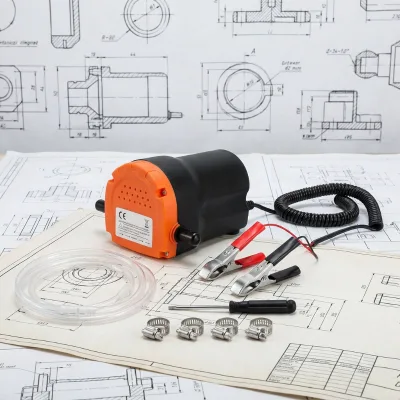
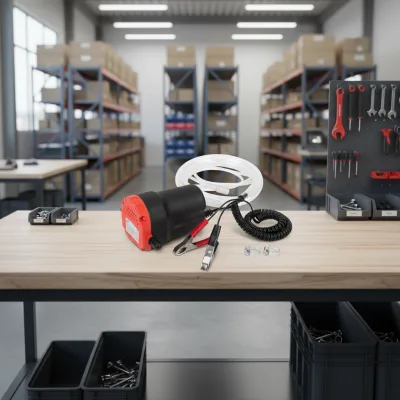
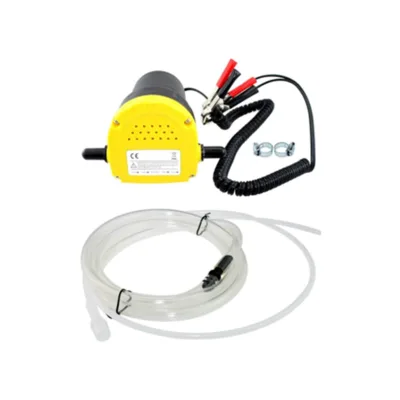
Pompa Extractor Motorina Si Ulei Motor 12V 100W - Car Engine Oil Transfer Extractor Pump
$13.67 - $14.50
MOQ: 1 Pieces


Car Engine Oil Transfer Extractor Pump DC 12V 100W Fluid Diesel Electric Siphon Syphon
$13.70 - $15.00
MOQ: 1 Pieces
Xi'an Wanpu Import And Export Trading Co., Ltd.
- Trading Company
- Lead time旺季: "1 - 1000":15,"> 1000":"To be negotiated", 淡季: "1 - 1000":15,"> 1000":"To be negotiated"
- Avg. response≤ 4h
Main productsCar Light Products, Car Cleaning Products, Car Tools Products, New Energy Vehicle Parts, Car interior Products

- Verified by BV
- Combined
- China Hebei
- Lead time30 days
- Avg. response≤ 25h
Main productsPcp, Progressing Cavity Pump, Screw Pump, HNBR NBR Rubber, G Eccentric Screw Pump, Rotor Stator, Single Screw Delivery Pump, Special Anchor for Screw Pump, VFD, Oil Tools
Main marketsSouth America

Yongjia Aocheng Hardware Co., Ltd.
- Combined
- China Zhejiang
- Lead time30 days
- Avg. response≤ 25h
Main productsBattery Terminal, Pump, Flow Meter, Hose Reel, Nozzle, Fuel Dispenser, Swivels, Accessories
Main marketsSouth America,Southeast Asia/ Mideast,Europe

Ningbo Dicong Machinery Co., Ltd.
- Verified by SGS
- Combined
- China Zhejiang
- Lead time30 days
- Avg. response≤ 5h
Main productsAuto Tool, Airbrush, Auto Repair Tools, Socket Sets, Car Tool Set, Ratchet Handle, Under Car Tool, Brake Tools, Radiator Tool, Airbrush Compressor
Main marketsSouth America,Africa,East Asia(Japan/ South Korea),Europe,Australia,North America
Zhengzhou Great Machinery Equipment Co., Ltd.
- Verified by TUVRHEINLAND
- Trading Company
- China Henan
- Lead time30 days
- Avg. response≤ 1h
Main productsSpray Dryer, Microwave Dryer, Drying Oven, Drum Flaker, Flash Dryer, Essential Oil Extractor, Fluid Bed Dryer, Boiling Granulator Dryer, Smoke Oven, Bubble Washing Machine
Main marketsAustralia
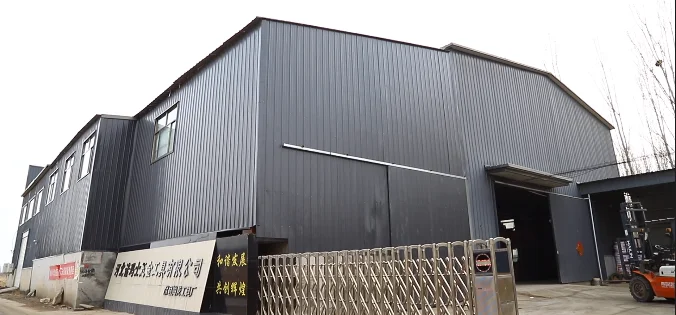
Hebei Normas Hardware Tools Co., Ltd.
- Manufacturer, Trading Company
- Hebei, China
- Lead time7 days
- Avg. response≤ 6h
Main productsElectric Fueling Pump,Submersible Water Pump,Electric Barrel Pump,Manual Filling Pump,Explosion-Proof Pump
Main marketsNorth America(20.00%), Africa(20.00%), South Asia(15.00%), Southeast Asia(15.00%), Northern Europe(15.00%), Oceania(15.00%)
- Verified by CTI
- Manufacturer/Factory
- China Fujian
- Lead time45 days
- Avg. response≤ 9h
Main productsTiming Tools, Hand Tools, Garage Equipment, Hydraulic Jacks, Tyre Changer, Lifts, Riveter, Impact Sockets, Drill Bits, Bead Seater
Main marketsSouth America,Eastern Europe,Mid East,Southeast Asia,Oceania,Western Europe

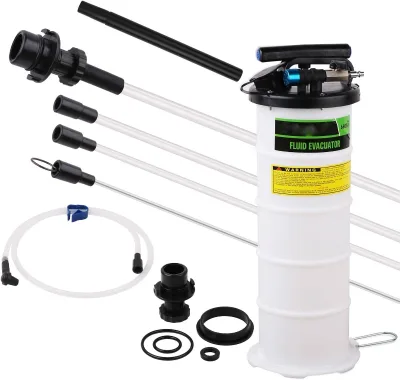
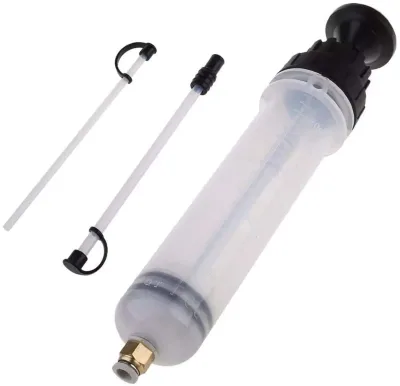
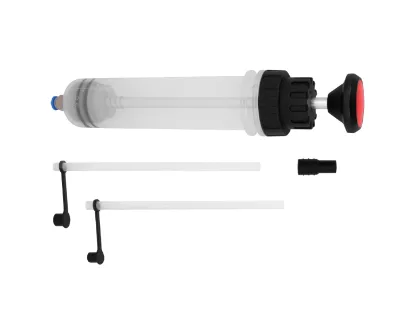
10L Pneumatic/Manual Fluid Extractor Automotive Fluid Vacuum Pump Oil Extractor Oil Extractor
$36.90 - $38.66
MOQ: 100 Pieces

6L Automotive Fluid Vacuum Pump Oil Extractor Pneumatic/Manual Fluid Extractor Oil Extractor
$19.35 - $20.32
MOQ: 100 Pieces

Shenzhen Fabit M & E Equipment Co., Ltd.
- Combined
- China Guangdong
- Lead time30 days
- Avg. response≤ 2h
Main productsAir Operated Oil Pump, Oil Pump Kit, Waste Oil Drainer, Air Operated Oil Transfer Kit, Oil Dispenser, Hose Reel, Auto Repair Tools Trolley, Preset Measuring Oil Gun
Main marketsAfrica,East Asia(Japan/ South Korea),Europe


Engine Oil Pump Pneumatic Oil Pump 60L-208L Lubricating Oil Injection Tool
$230.00 - $260.00
MOQ: 10 Sets

Zhejiang Yonjou Technology Co., Ltd.
- Verified by BV
- Trading Company,Manufacturer/Factory
- China Zhejiang
- Lead time23 days
- Avg. response≤ 9h
Main productsGear Pump, Diaphragm Pump, Screw Pump, Hot Oil Pump, Lobe Pump, Water Pump, Vacuum Pump, Dewatering Pump, Self Priming Pump, Chemical Pump
Main marketsSouth America,Eastern Europe,Mid East,North America,Southeast Asia,Eastern Asia,Oceania,Western Europe,Africa


MOQ: 1 Pieces

Hot Oil Circulation Centrifugal Pump
MOQ: 1 Sets

Hot Oil Transfer Centrifugal Pump
MOQ: 1 Sets

Air Cooled Hot Oil Transfer Pump
MOQ: 1 Sets
Qidong Dajing Lubrication Equipment Co., Ltd.
- Combined
- China Jiangsu
- Lead time30 days
- Avg. response≤ 7h
Main productsElectric Lubricating Pump, Hand Lubricated Pump, Refueling Pump, Distributor, Oil Lubrication System, Grease Lubrication System, Intelligent Lubrication System, Lubricating System Accessories
Main marketsSoutheast Asia/ Mideast,Domestic,Europe
Shenzhen Yaojienterprise Co., Ltd.
- Trading Company,Manufacturer/Factory,Group Corporation
- China Guangdong
- Lead time23 days
- Avg. response≤ 4h
Main productsElectric Grease Pump, Electric Oil Pump, Oil Pump, Grease Pump, Grease Gun, Digital Flowmeter Gun, Waste Oil Drainer and Collecting Machine, Waste Oil Collecting Machine, Air Operated Grease Pump, Hose Reel
Main marketsSouth America,Eastern Europe,Mid East,North America,Southeast Asia,Eastern Asia,Oceania,Western Europe,Africa
Jinjiang Sidebo Technology Industrial Co., Ltd.
- Verified by CTI
- Trading Company,Manufacturer/Factory
- China Fujian
- Lead time23 days
- Avg. response≤ 7h
Main productsEngine Cylinder Block, Oil Pan Sump, Timing Cover, Oil Pickup Screen Connection Suction Strainer, Oil Dipstick and Lead Tube, Aluminum Oil Pan, Engine Oil Pump, Oil Pan and Cylinder Head Gasket, Expansion Freeze Plugs, Cylinder Head
Main marketsSouth America,North America,Western Europe
- Verified by SGS Group
- Manufacturer, Trading Company
- Lead time7 days
- Avg. response≤ 4h
Main productsAuto Repair tools (TWIST SOCKET), Auto Repair tools (COOLING SYSTEM), Auto Repair tools (ENGINE SYSTEM), Auto Repair tools (BRAKE SYSTEM), Auto Repair tools (SUSPENSION SYSTEM)
Main marketsNorth America(28%), Western Europe(22%), Northern Europe(19%)

Shijiazhuang Jingshi New Material Science and Technology Co., Ltd.
- Trading Company,Manufacturer/Factory
- China Hebei
- Lead time23 days
- Avg. response≤ 4h
Main productsPowder Metallurgy Parts, Planetary Gear, Gears, Customized Belt Pulley, Oil Pump Rotor and Stator, Synchronizer Hub, Transmission Gear, Camshaft Active Gear, Customized Stainless Steel Parts, Sintered Metal Bushing
Main marketsSouth America,Eastern Europe,Mid East,North America,Southeast Asia,Eastern Asia,Oceania,Western Europe,Africa

- Verified by BV
- Manufacturer/Factory
- China Shanghai
- Lead time23 days
- Avg. response≤ 17h
Main productsGarage Equipment, Tire Changer, Wheel Balancer, Car Lift, Spraybooth, Nitrogen Inflator, Tire Vulcainzer, 4 Wheel Aligner, Car Turntable, Auto Collision Repair Bench
Main marketsSouth America,Eastern Europe,Mid East,North America,Southeast Asia,Eastern Asia,Oceania,Western Europe,Africa

MOQ: 1 Pieces

Manual Oil Pumps with Meter 32024-M
MOQ: 1 Pieces

Depamu (Hangzhou) Pumps Technology Co., Ltd.
- Verified by TUVRHEINLAND
- Combined
- China Zhejiang
- Lead time30 days
- Avg. response≤ 11h
Main productsPump, Metering Pump, Dosing Device, Chemical Injection Skid
Main marketsSoutheast Asia/ Mideast
Wenzhou Huiyang Energy Technology Co., Ltd
- Verified by SGS
- Manufacturer/Factory
- China Zhejiang
- Lead time15 days
- Avg. response≤ 7h
Main productsGas Station Equipment, CNG Dispenser, Fuel Dispenser, LPG Dispenser, LNG Dispenser, NGV Dispenser, Def Dispenser, Fuel Tank Dispenser, EV Charger, Power Bank
Main marketsSouth America,Eastern Europe,Mid East,North America,Southeast Asia,Eastern Asia,Oceania,Western Europe,Africa
Shenzhen Autool Technology Co., Ltd.
- Verified by Intertek
- Manufacturer, Trading Company
- Lead time15 days
- Avg. response≤ 6h
Main productsAuto Injector Cleaner And Tester, Car Smoke Leak Detector, Auto Carbon Cleaner, Auto Battery Tester, Auto Brake Fluid Bleeder
Main marketsNorth America(16%), South America(10%), Mid East(10%)

- Verified by BV
- Trading Company,Manufacturer/Factory
- China Jiangsu
- Lead time90 days
- Avg. response≤ 18h
Main productsPump, Centrifugal Pump, Water Pump, Chemical Pump, Petroleum Pump, Chemical Process Pump, Submersible Pump, Sea Water Pump, API Standard Pump, Sewager Pump
Main marketsSouth America,Eastern Europe,Mid East,North America,Southeast Asia,Eastern Asia,Oceania,Western Europe,Africa
Guangzhou Disong Machinery Equipment Co., Ltd.
- Trading Company,Manufacturer/Factory
- China Guangdong
- Lead time15 days
- Avg. response≤ 14h
Main productsExcavator Part, Machinery Engine Part, Wheel Loader Part, Bulldozer Parts, Dump Truck Parts, Generator Set Parts, Heavy Truck Parts, Hydraulic Parts, Electronic Parts, Seal and Gasket
Main marketsSouth America,Eastern Europe,Mid East,North America,Southeast Asia,Eastern Asia,Oceania,Western Europe,Africa
- Verified by SGS
- Trading Company
- China Zhejiang
- Lead time15 days
- Avg. response≤ 3h
Main productsWater Pump, Submersible Pump, Deep Well Pump, Land Pump, Solar Pump, Permanent Magnet Multi-Stage Centrifugal Pump, Pressure Switch, Plunger Pump, Car Washing, Sprayer
Main marketsSouth America,Southeast Asia/ Mideast,Domestic,Europe


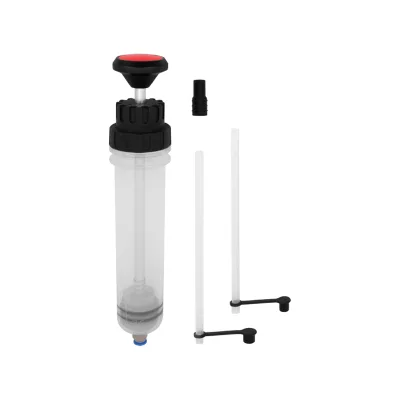
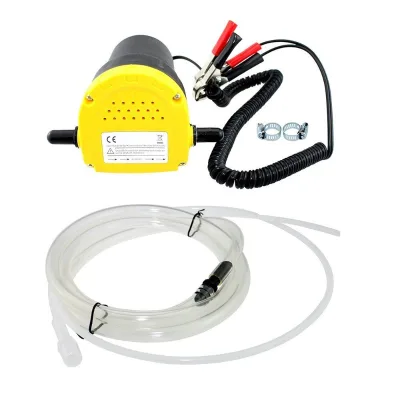


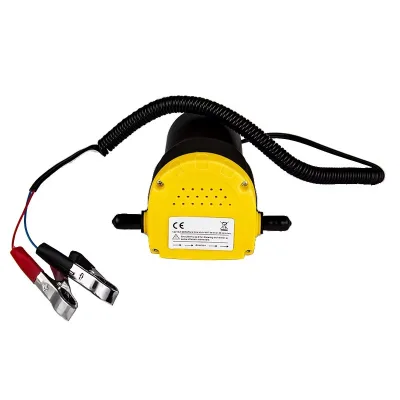
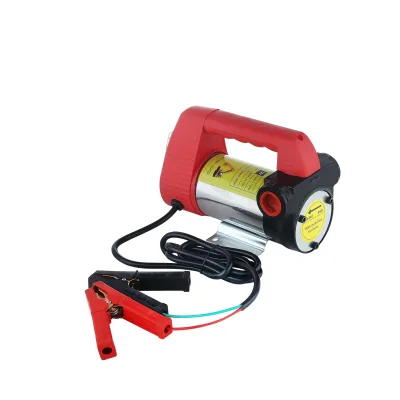


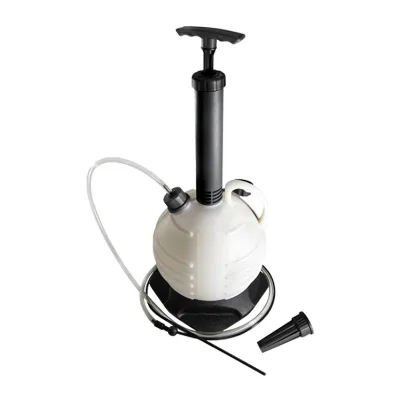
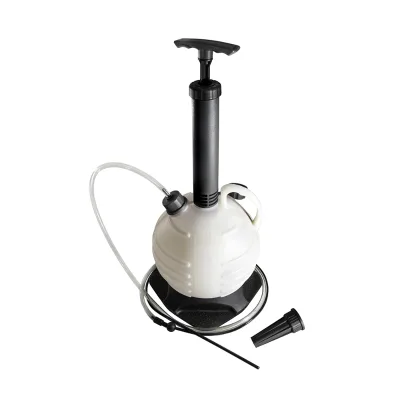


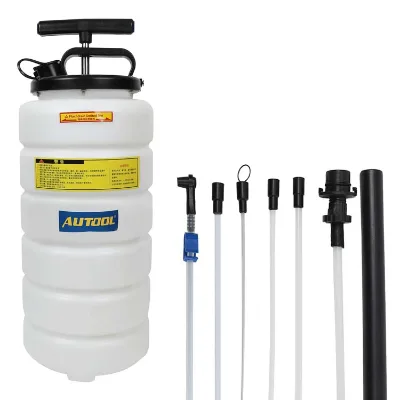
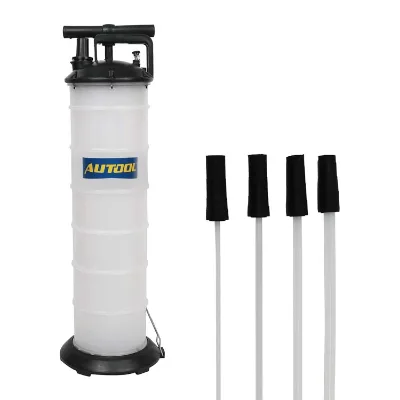


Comprehensive Sourcing Guide
Car Oil Extractor Pump Supplier Concentration and Factory Types
The current supplier landscape for car oil extractor pumps shows a distinct concentration in China, specifically within the Zhejiang and Shanghai regions. Data indicates that manufacturers and trading companies in these areas offer a wide range of automotive workshop equipment, including tire changers, frame machines, and specialized fluid extraction tools. Some suppliers list their primary output as diagnostic tools and oil pumps, while others focus on broader garage equipment. This geographic clustering suggests that buyers can expect a high density of potential partners in these specific provinces, though the exact number of active factories varies by search query.
When evaluating the type of entity, results show a mix of trading companies and manufacturers. Some entities operate with dual capabilities, offering both OEM and ODM services alongside their own branded products like AODOTOP. This distinction is critical because a trading company may source from multiple factories, whereas a manufacturer controls the production line directly. Buyers should verify if the supplier claims to be a factory or a trading partner, as this impacts quality control and communication speed. The presence of both types in the same region allows for flexible sourcing strategies depending on whether the buyer prioritizes direct factory pricing or the logistical support of a trading firm.
How to Verify Car Oil Extractor Pump Suppliers
Verification is a critical step when sourcing car oil extractor pumps, as the market contains both verified and unverified entities. Current data shows that some suppliers carry BV verification status, which serves as a third-party validation of their business operations. Additionally, system certifications such as BSCI and ISO 9001 are present in the profiles of certain manufacturers, indicating adherence to specific management and social compliance standards. Buyers must check for these specific badges rather than assuming all listed suppliers possess them, as the absence of a badge does not confirm a lack of quality but rather a lack of displayed verification.
Beyond certifications, buyers should scrutinize the response time and product attributes provided in the supplier profile. A response time of approximately 2.19 hours suggests a highly active sales team, whereas a response time of four hours might indicate a different operational scale. It is essential to confirm that the product details, such as the model number or specific features like "Piston Pump" or "Diaphragm Pump," match the buyer's technical requirements. Buyers should also verify the warranty terms, as some listings explicitly state a three-year warranty, while others may not provide this information. Relying solely on the product name without checking these specific attributes can lead to mismatches in expected performance and support.
What to Compare Across Car Oil Extractor Pump Suppliers
Comparing suppliers requires a focus on tangible metrics like lead time, minimum order quantity, and pricing structures. The data reveals significant variation in lead times, with some suppliers listing a standard lead time of 23 days, while others show a lead time of zero, which may indicate immediate stock availability or a specific drop-shipping arrangement. Minimum order quantities also differ widely, ranging from a single unit for certain oil extractors to bulk requirements of 500 or 1000 pieces for specific models. Buyers must align these constraints with their inventory strategy, as a low MOQ is ideal for testing, while high-volume orders may require negotiating better unit prices.
Pricing and customization options are another vital comparison point. Unit prices for car oil extractor pumps can range from approximately $3.05 to $120.00 depending on the model, capacity, and features. Some suppliers offer customization services including OEM, ODM, and OBM, allowing buyers to brand the product or modify specifications. However, others may have a fixed price structure with no customization available. Buyers should also compare the product attributes, such as the power source (manual vs. electric), pressure ratings, and material composition. A detailed side-by-side analysis of these factors ensures that the selected supplier meets both the technical and commercial requirements of the project.
Common Car Oil Extractor Pump Sourcing Risks
One significant risk in sourcing car oil extractor pumps is the inconsistency in product specifications and certifications. While some listings explicitly state certifications like ISO and CE, others may lack this information entirely, leaving the buyer to assume compliance. There is also a risk regarding the origin of the product; although many items list China as the place of origin, the specific manufacturing location within the country can vary. Buyers must verify that the product attributes, such as the sealing material or discharge pipe size, match the intended application to avoid equipment failure in the field.
Another risk involves the reliability of the supply chain and the accuracy of the stated lead times. A supplier claiming a zero-day lead time might be a trading company holding limited stock, which could run out unexpectedly. Conversely, a supplier with a 23-day lead time might face delays due to raw material shortages or production bottlenecks. The warranty terms also present a risk; while some suppliers offer a three-year warranty, others may not provide any warranty information, leaving the buyer unprotected against defects. Buyers should request written confirmation of these terms before placing an order to mitigate the risk of post-purchase disputes or unexpected downtime.
Car Oil Extractor Pump Regional Sourcing and Logistics
Sourcing from China, particularly from Zhejiang and Shanghai, offers logistical advantages due to established export infrastructure. Suppliers in these regions are accustomed to handling international shipments and often have experience with various packaging standards, such as carton packing or color box packaging. The proximity of these manufacturing hubs to major ports can reduce transit times and shipping costs for buyers in North America and Europe. However, buyers must be aware that shipping times can vary based on the specific port of origin and the chosen freight method, which may not always be reflected in the supplier's stated lead time.
Logistics planning also requires attention to the packaging details provided in the product attributes. Some suppliers specify single package sizes, such as 23x45x33 cm, and gross weights, which are crucial for calculating freight charges and warehouse space requirements. Buyers should verify if the supplier offers consolidated shipping or if each item is shipped individually, as this impacts the overall cost and efficiency of the delivery. Additionally, the type of pump, whether it is a manual piston pump or an electric diaphragm pump, may affect the shipping classification and insurance requirements. Understanding these regional logistics nuances helps buyers avoid unexpected costs and delays in the delivery of their car oil extractor pumps.
Car Oil Extractor Pump Commercial Terms and Order Planning
Commercial terms for car oil extractor pumps vary significantly based on the supplier's business model and the specific product ordered. Some suppliers require a minimum order quantity of 500 pieces, while others allow for single-unit purchases. The price range can be substantial, with some models priced as low as $3.05 and others reaching up to $120.00. Buyers must carefully review the price structure to understand if it includes shipping, taxes, or other fees. It is also important to confirm the payment terms and whether the supplier accepts escrow services to protect the transaction, as this adds a layer of security for the buyer.
Order planning should account for the customization options and branding capabilities offered by the supplier. Many manufacturers provide OEM services, allowing buyers to add their logo or customize the color and packaging. However, these customizations often come with higher minimum order quantities, such as 500 or 1000 pieces. Buyers should plan their inventory levels accordingly to ensure they meet these thresholds without overstocking. Additionally, the warranty period, which is often three years for certain models, should be factored into the long-term cost analysis. By aligning the order size with the supplier's MOQ and customization requirements, buyers can optimize their procurement strategy and ensure a smooth supply chain operation.
FAQs
What is the price range for car oil extractor pumps?
Prices for car oil extractor pumps typically range from 3.05 to 120.00 USD depending on the specific model and capacity. Some basic hand transfer pumps start near 3.05 USD, while larger 80L units can cost up to 120.00 USD. Buyers should verify exact pricing for their required volume and specifications before ordering.
What are the minimum order quantities for these pumps?
Minimum order quantities vary significantly by supplier and product type. Some vendors accept single unit orders with an MOQ of 1, while others require bulk purchases of 500 or 1000 pieces. Buyers must check the specific listing details to confirm the exact MOQ applicable to their chosen model and customization needs.
How long does it take to receive these pumps?
Lead times for car oil extractor pumps generally range from zero to 23 days based on supplier capacity and stock availability. Some suppliers list a lead time of 23 days, while others may offer immediate dispatch with zero days. Buyers should confirm the specific delivery timeline with the supplier before finalizing their purchase order.
Are these pumps certified with ISO or CE standards?
Many car oil extractor pumps available from suppliers in China hold ISO and CE certifications. Specific product attributes often list ISO and CE as standard compliance marks for new condition units. Buyers should verify the certification documents provided by the supplier to ensure the equipment meets their local regulatory requirements.
Can I get custom branding or OEM services?
Custom branding and OEM services are widely available for car oil extractor pumps from manufacturers in Zhejiang and Shanghai. Suppliers often support OEM, ODM, and OBM customization options with available logos and colors. Buyers should confirm specific customization limits and costs directly with the supplier to ensure their brand requirements are met.
Where are these pumps manufactured and shipped from?
These pumps are primarily manufactured and shipped from locations in China, specifically Zhejiang and Shanghai. Product attributes consistently list China as the place of origin for these automotive tools. Buyers should verify the specific shipping origin and logistics capabilities of the supplier to estimate freight costs and delivery times accurately.
What warranty is provided for these oil extractors?
Warranty periods for car oil extractor pumps typically range up to 3 years depending on the manufacturer. Some product listings explicitly state a 3-year warranty for fluid extraction pumps and related tools. Buyers should request the specific warranty terms and conditions from the supplier to understand coverage for defects or malfunctions.