CE EU Power Conversion Plug Suppliers and Manufacturers
Find 22 verified suppliers offering ce eu power conversion plugs with details on location, lead times, and certifications. Compare response times, MOQs, and product standards to select the right partner for your needs; review the available evidence before requesting comparable quotations from suitable candidates.
Updated
Suppliers List

- Verified by BV
- Combined
- China Fujian
- Lead time30 days
- Avg. response≤ 7h
Main productsCeiling Fan Light, Lighting, Electronic Product, Electrocity Product
Main marketsDomestic


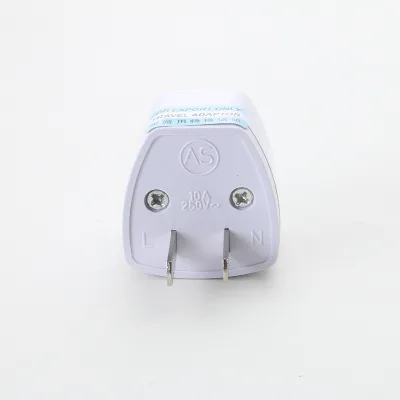
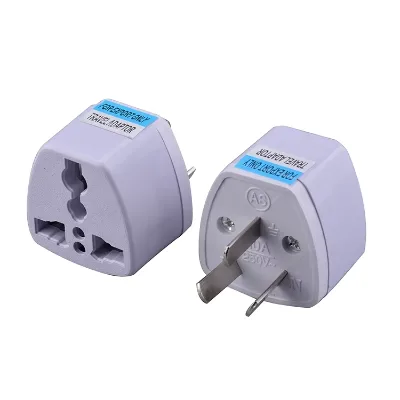
4A 250V Euro Type Travel Plug Universal Adapter Travel Socket Conversion Plug
$0.20 - $0.30
MOQ: 1000 Pieces

Travel Power AC Adapter EU Type Multi-Functional Conversion Plug Socket Universal
$0.24 - $0.30
MOQ: 1000 Pieces

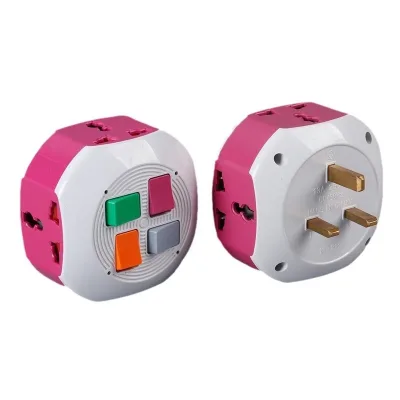
Multi-Functional Conversion Plug Socket European Style British Style Universal AC Adapter Converter
$0.20 - $0.30
MOQ: 1000 Pieces

Euro Type 4A 250V Universal Adapter Travel Socket Conversion Plug From Manufacturer
$0.15 - $0.30
MOQ: 1000 Pieces

Shenzhen BringYourHope Electronics Co., Ltd.
- Verified by TUVRHEINLAND
- Trading Company
- China Guangdong
- Lead time15 days
- Avg. response≤ 4h
Main productsPower Bank, Bluetooth Speaker, Digital Photo Frame, USB Flash Drive, Memory Card, Travel Adapter, USB Charger, Computer Speaker, Android TV Box, Mini PC
Main marketsOthers(foreignTradeCapacity.exportBusinessCapacityMarketOther),North America

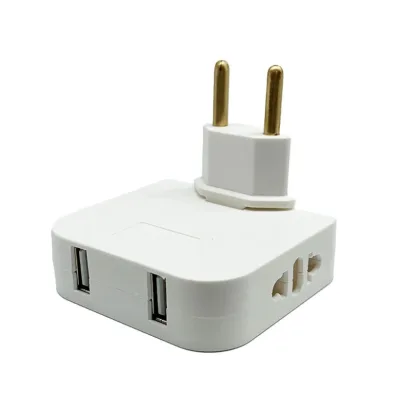
Multiple Countries to Europe Germany South-Korea Russia France Conversion Plug
$1.65 - $1.75
MOQ: 200 Pieces

$3.18 - $3.38
MOQ: 100 Pieces

$4.68 - $4.88
MOQ: 100 Pieces

Focan Electronic Factory (wujin)
- Manufacturer, Trading Company
- Jiangsu, China
- Lead time15 days
- Avg. response≤ 11h
Main productsTravel adapter,power cord & power strip,HDMI Cable,car antenna cable,Siren speaker & Warning light
Main marketsNorth America(18.00%), Western Europe(15.00%), South America(12.00%), Southeast Asia(11.00%), Domestic Market(10.00%), Eastern Europe(10.00%), Africa(9.00%), Oceania(3.00%), South Asia(3.00%), Southern Europe(3.00%), Northern Europe(3.00%), Central America(3.00%)
Guangzhou EBY Optoelectronic Technology Co., Ltd.
- Trading Company
- Guangdong, China
- Lead time10 days
- Avg. response≤ 11h
Main productsElectrical Wire,LED Connector,LED Connect Wire,LED Splitter Box,Power Supply
Main marketsWestern Europe(40.00%), North America(30.00%), Domestic Market(15.00%), Oceania(5.00%), Southeast Asia(5.00%), Mid East(5.00%)
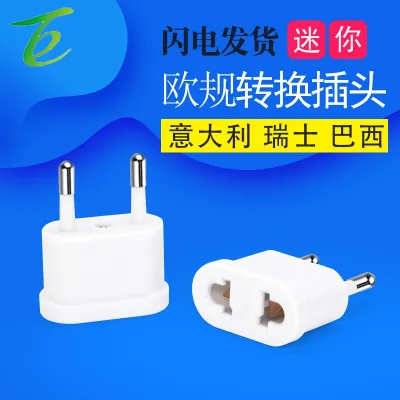
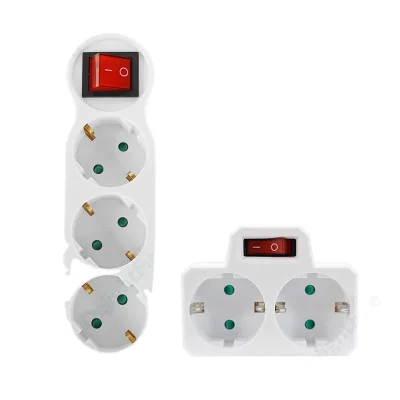
$0.20 - $2.00
MOQ: 500 Minimum
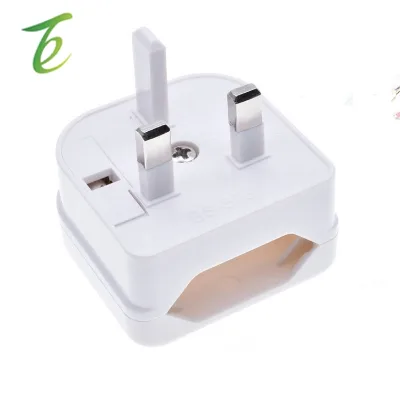
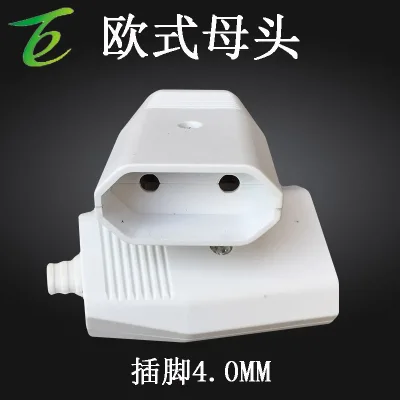
Fuzhou Aulipur Technology Co., LTD.
- Manufacturer, Trading Company
- Fujian, China
- Lead time30 days
- Avg. response≤ 3h
Main productsLamp Holder,Insulator,Plug,Socket,Switch
Main marketsSouth America(50.00%), Mid East(20.00%), Southeast Asia(10.00%), Western Europe(5.00%), Eastern Asia(5.00%), Eastern Europe(5.00%), Africa(5.00%)
WenZhou HENGCHUN electric Co.,Ltd
- Verified by TüVRheinland
- Manufacturer, Trading Company
- Lead time7 days
- Avg. response≤ 3h
Main productsWall Switch, Wall Socket, Extend Socket, Plug
Main marketsEastern Europe(30%), Africa(30%), South Asia(20%)
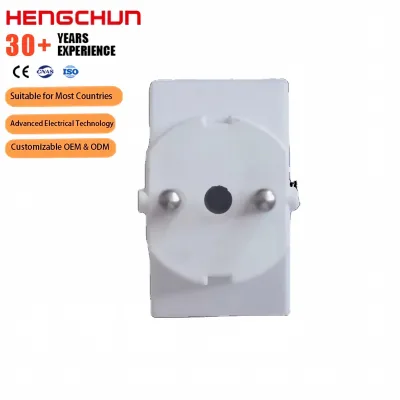
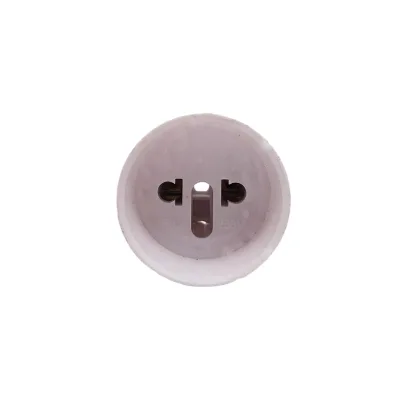
$0.1754 - $0.2263
MOQ: 100 pieces
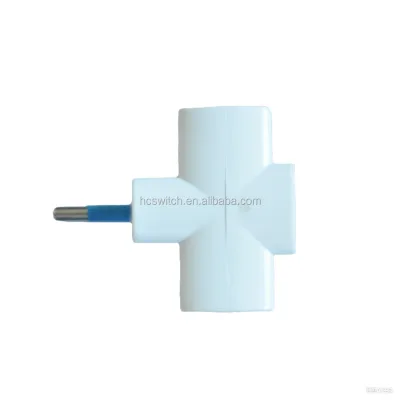
$0.6701 - $0.742
MOQ: 100 pieces
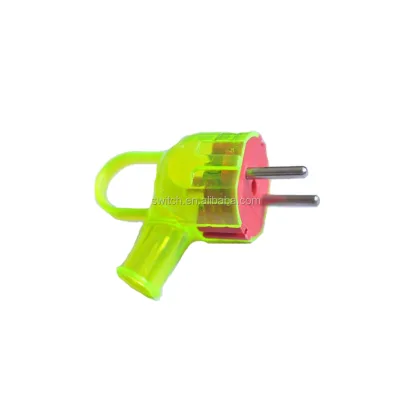
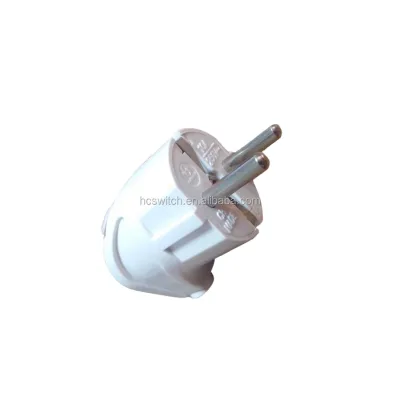
Shenzhen Fangsheng Lighting Co., Ltd.
- Manufacturer, Trading Company, Distributor/Wholesaler
- Guangdong, China
- Lead time10 days
- Avg. response≤ 3h
Main productsWall Light Switch,Wall Socket,Smart Home,Flexible LED Strips,Power Supply
Main marketsWestern Europe(30.00%), Southeast Asia(20.00%), North America(20.00%), Eastern Europe(15.00%), South America(5.00%), Northern Europe(3.00%), Africa(2.00%), Southern Europe(2.00%), Domestic Market(1.00%), Eastern Asia(1.00%), Mid East(1.00%)

WANSHUN ELECTRICAL & INTELLIGENT MANUFACTURE (GUANGDONG) CO., LTD.
- Trading Company
- China Guangdong
- Lead time0 days
- Avg. response≤ 9h
Main productsSocket, Switch, Travel Adapter, Extension Socket, Plug Top, Terminal Block, Conversion Box

Shenzhen Boxin Technology Co., Ltd.
- Manufacturer
- Guangdong, China
- Lead time6 days
- Avg. response≤ 3h
Main productsuniversal travel adapter,ac power connector,plug adapter,power socket,power plug
Main marketsNorthern Europe(20.00%), Eastern Europe(15.00%), Central America(15.00%), Southern Europe(10.00%), South America(10.00%), Western Europe(10.00%), Eastern Asia(5.00%), North America(5.00%), Mid East(5.00%), Africa(5.00%)
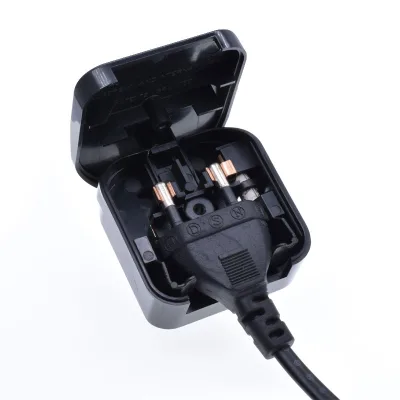
$0.5351 - $0.5651
MOQ: 50 pieces
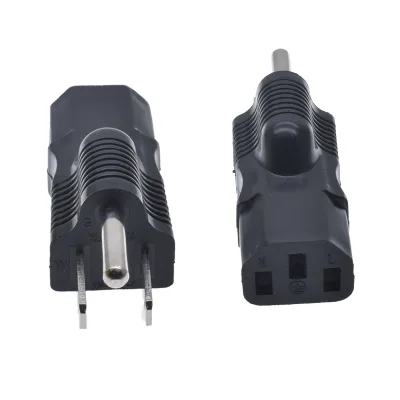
$1.7104 - $1.7313
MOQ: 10 pieces

Fuzhou Colshine Electric Co., Ltd.
- Verified by SGS
- Trading Company,Manufacturer/Factory
- China Fujian
- Lead time23 days
- Avg. response≤ 14h
Main productsLED Corn Light, LED Street Light, LED Yard Light, LED Dusk to Dawn Light, Sauna Lamp, Pendant Light, Porcelain Lampholder, Metal Lampholder, Halogen Lampholder, Retro Switch & Socket
Main marketsSouth America,Eastern Europe,Mid East,North America,Southeast Asia,Eastern Asia,Oceania,Western Europe,Africa

Universal European Plug Socket Travel Adapter EU Converter Plug Adapter
$0.30 - $0.40
MOQ: 5000 Pieces


America Type Plug Power Converter Universal Power Wall Yellow Us Socket
$0.10 - $0.50
MOQ: 10000 Pieces
Wenzhou Hansilang Electric Appliance Co., Ltd.
- Manufacturer, Trading Company
- Zhejiang, China
- Lead time10 days
- Avg. response≤ 6h
Main productsLamp Holder, Expansion Socket, Switch, Travel Adapter
Main marketsEastern Europe(60.00%), Southeast Asia(10.00%), South Asia(5.00%), Northern Europe(5.00%), Eastern Asia(5.00%), Mid East(5.00%), South America(5.00%), North America(5.00%)

Jinggoal International Limited
- Verified by BV
- Manufacturer/Factory
- China Guangdong
- Lead time23 days
- Avg. response≤ 13h
Main productsGift, Pen, Wall Clock, Travel Adapters, Book Wire Binding & Machine, Lock, Table Lamp, LED, Keychain, Alarm
Main marketsSouth America,Eastern Europe,North America,Southeast Asia,Eastern Asia,Oceania,Western Europe,Africa

Shenzhen Enjoy Optoelectronics Co., Ltd.
- Manufacturer, Other
- Guangdong, China
- Lead time20 days
- Avg. response≤ 3h
Main productsled strip,camping light,solar light,holiday light,led fitting
Main marketsWestern Europe(50.00%), North America(40.00%), Eastern Europe(5.00%), Oceania(5.00%)
Shenzhen Futian Huapengxing Electronics Firm
- Verified by Intertek
- Trading Company
- Lead time0 days
- Avg. response≤ 11h
Main productsTravel Plug, Power Socket, Switch, Power Cord, Extension Socket
Main marketsWestern Europe(12%), North America(9%), South America(9%)
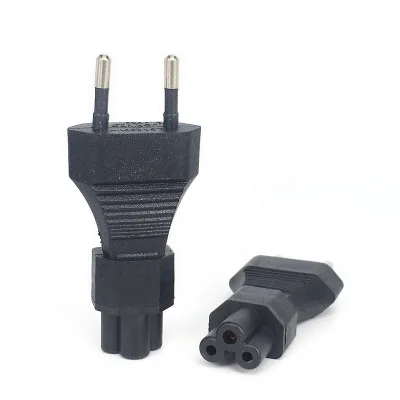
EU Euro Conversion Plugs for IEC320 C5, European 2 Pin Male to Female IEC 320 C5 Power Adapter
$1.36 - $1.38
MOQ: 10 pieces
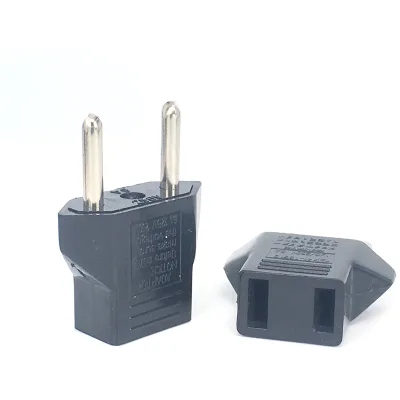
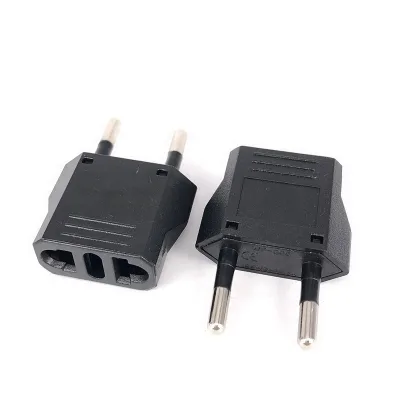
EU Standard Round Pin to Flat Pin Small Conversion Plug for Switzerland Italy Europe US Australia
$0.1227 - $0.1544
MOQ: 5 pieces
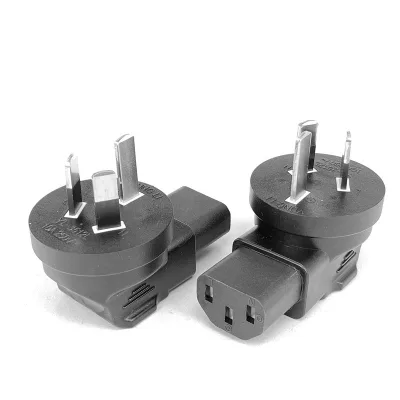
Power Plug AU to C13 10A250V Plug AU Type I Flat 3 Pins Converter for PDU Extension Plug
$1.10 - $1.20
MOQ: 10 pieces
Dongguan Beisuos Electronics Technology Co., Ltd.
- Manufacturer, Trading Company
- Guangdong, China
- Lead time7 days
- Avg. response≤ 5h
Main productsCircuit breaker,Power socket,Power switch,Car Charger,Power cord
Main marketsDomestic Market(40.00%), Southeast Asia(30.00%), North America(20.00%), Oceania(10.00%)
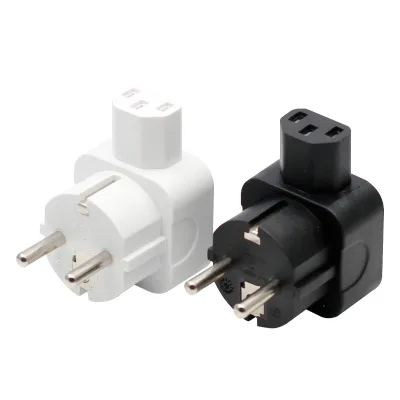
C13 to EU European Standard 3 Pin Male Plug Power Adapter Industrial Plug
$1.1827 - $1.439
MOQ: 10 pieces
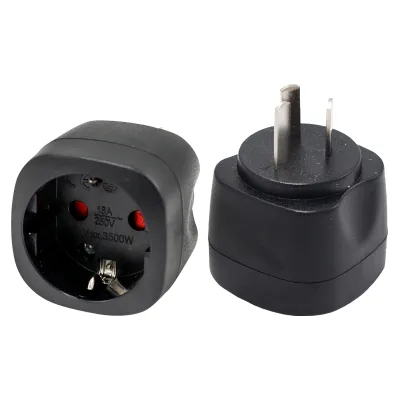
$2.1586 - $2.4659
MOQ: 10 pieces

Wenzhou Gaoxinte Electric Co., Ltd.
- Trading Company,Manufacturer/Factory
- China Zhejiang
- Lead time38 days
- Avg. response≤ 16h
Main productsSwitch, Socket, Plug, Outlet, Lampholder, Switch Socket, Switched Socket with USB Outlet, Socket with Switch, GFCI, Type C
Main marketsSouth America,North America,Eastern Asia

Ningbo Latitude International Trade Co., Ltd.
- Verified by SGS
- Trading Company
- China Zhejiang
- Lead time30 days
- Avg. response≤ 16h
Main productsNetwork Cabinet, Server Rack, Network Rack, Rack, Computer Cabinet, Wall Mounted Cabinets, PDU, Power Distribution Unit, Rack Mount Power Strip, Server Cabinet
Main marketsSouth America,Southeast Asia/ Mideast,Europe,Australia,North America
Shenzhen Binyueda Electronics Co., Ltd.
- Trading Company, Agent, Distributor/Wholesaler
- Guangdong, China
- Lead time3 days
- Avg. response≤ 10h
Main productsElectronics Components,Computer Accessories,Integrated Circuit,Electrical Equipment
Main marketsNorth America(30.00%), Western Europe(20.00%), Northern Europe(10.00%), Southeast Asia(10.00%), Mid East(10.00%), South America(5.00%), Eastern Europe(5.00%), South Asia(2.00%), Africa(2.00%)
Ningbo Lucktech Electronics Co., Ltd.
- Verified by SGS Group
- Trading Company
- Lead time15 days
- Avg. response≤ 5h
Main productsCables, Network Cabinet & Accessories, PDU, Desktop Socket, Charging Cart
Main marketsWestern Europe(48%), North America(15%), Eastern Europe(10%)
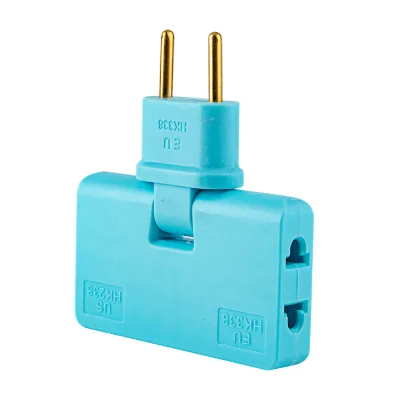
180deg Rotating 1 to 3 Plug with Socket European Standard 1500W Residential Use
$0.75 - $0.80
MOQ: 1000

Dongguan Bibuke Electronic Technology CO.,LTD
- Verified by SGS
- Trading Company,Manufacturer/Factory,Group Corporation
- China Guangdong
- Lead time23 days
- Avg. response≤ 2h
Main productsLCD Display, TFT LCD Display, LCD Module Display, OLED Display, COB LCD Display, Cog LCD Display, Buzzer, Other Electronic Materials
Main marketsSouth America,Eastern Europe,Mid East,North America,Southeast Asia,Eastern Asia,Oceania,Western Europe,Africa


Electrical USB Plug Converter Power Cord DC AC Converter Head Socket Power Adapter
$0.10 - $0.20
MOQ: 500 Pieces

Guangzhou Tianyihang Electrical Factory
- Verified by SGS
- Combined
- China Guangdong
- Lead time30 days
- Avg. response≤ 25h
Main productsUnderfloor Heating Cable, Heat-Resistant Wire, Electrical Wire, Heating Cable, Wire Assembly, High Temperature Cable, Buiding Cable, Floor Heating Mat
Main marketsNorth America

Yueqing Rongsheng Introduced Electrical Appliances Co., Ltd.
- Verified by SGS
- Combined
- China Zhejiang
- Lead time23 days
- Avg. response≤ 15h
Main productsPlug
Main marketsSoutheast Asia/ Mideast,East Asia(Japan/ South Korea),Europe
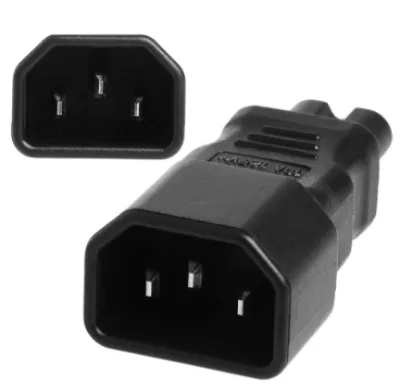
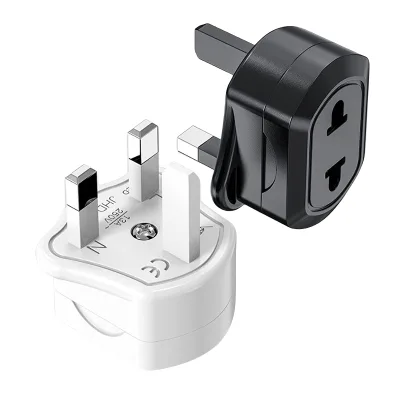
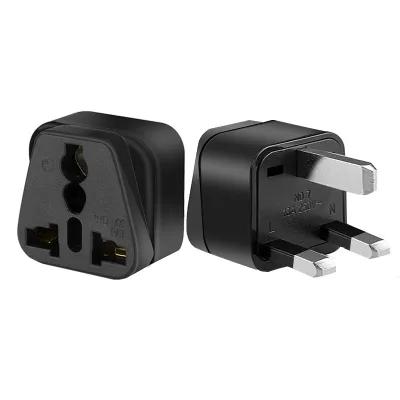
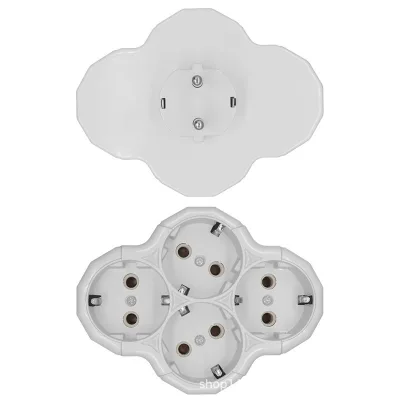





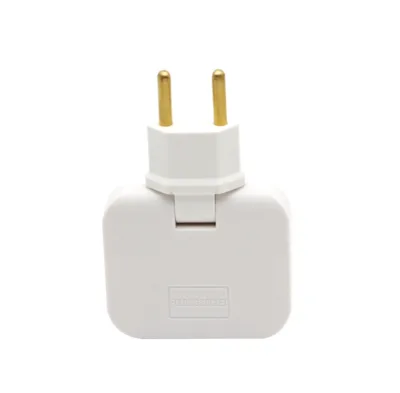


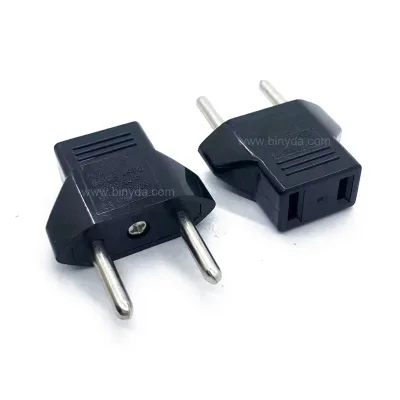
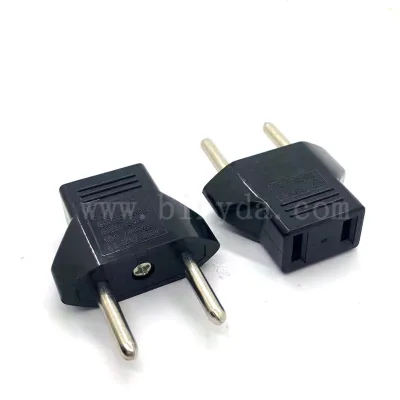


Comprehensive Sourcing Guide
CE EU Power Conversion Plug Supplier Concentration and Factory Types
The current supplier landscape for CE EU Power Conversion Plug products reveals a distinct geographic and structural distribution that buyers must navigate carefully. Evidence indicates that manufacturing activity is concentrated in specific Chinese provinces, with notable presence in both Fujian and Guangdong regions. Suppliers in Fujian are often categorized as combined entities, suggesting a hybrid operational model that may blend manufacturing capabilities with trading functions. This structural diversity means that a single supplier listing might represent a factory with direct production lines or a trading company that aggregates products from multiple smaller workshops. The Guangdong-based suppliers, identified as trading companies, typically focus on a broader range of electronic accessories, including power banks, USB chargers, and digital photo frames, alongside travel adapters. This suggests that while dedicated plug manufacturers exist, many suppliers operate within a wider ecosystem of consumer electronics, potentially offering better bundling opportunities for mixed orders.
Understanding these factory types is critical for assessing quality control and supply chain resilience. Combined companies in Fujian may offer more direct oversight of the production process for specific items like universal power socket conversion plugs, which are listed with materials such as PP and multifunctional designs. In contrast, trading companies in Guangdong might provide faster response times, with some showing response metrics around 3.11 hours, compared to 6.07 hours for other entities. This speed advantage can be crucial for urgent replenishment orders or custom design iterations. However, the trading model may introduce an additional layer of communication and potential markup. Buyers should verify whether the supplier is the actual manufacturer or a middleman by requesting factory audit reports or video tours. The presence of verification badges like BV or TÜV Rheinland provides a baseline of legitimacy, but it does not automatically confirm manufacturing ownership. Therefore, distinguishing between a direct factory and a trading company remains a primary step in supplier selection, impacting both cost structure and communication efficiency.
How to Verify CE EU Power Conversion Plug Suppliers
Verification of CE EU Power Conversion Plug suppliers requires a multi-layered approach that goes beyond simple profile checks. The first step is to validate the supplier’s verification status, which may include certifications from recognized bodies such as BV or TÜV Rheinland. These third-party verifications offer a degree of confidence regarding the company’s legal existence and operational stability. However, buyers must look deeper into product-specific certifications, particularly for electrical safety. While some product listings mention standards like European, American, Chinese, British, German, South African, Italian, and Swiss standards, the actual certification documents (such as CE, RoHS, or VDE) must be requested and cross-checked. For instance, one product listing explicitly mentions RoHS certification, which is vital for environmental compliance in many markets. Buyers should ask for valid test reports from accredited laboratories to ensure that the plugs meet the specific electrical safety requirements of their target destination.
Another critical verification step involves assessing the supplier’s responsiveness and consistency. Response time metrics, such as 3.11 hours or 6.07 hours, can indicate the efficiency of the sales team, but they do not guarantee post-sale support. Buyers should initiate contact with multiple suppliers to gauge the quality of their technical inquiries and problem-solving abilities. Additionally, checking the supplier’s main products can reveal their expertise level. A supplier specializing in ceiling fans and lighting might have different quality controls compared to one focused on travel adapters and USB chargers. For example, a supplier listing "Universal Power Socket Conversion Plug" with specific attributes like PP material and 4A/250V ratings demonstrates a focused product line. Buyers should also verify the warranty terms, such as the 2-year warranty mentioned for certain models, and clarify the after-sales service process. Ensuring that the supplier has a clear protocol for handling defective units or technical issues is essential for long-term partnership stability.
What to Compare Across CE EU Power Conversion Plug Suppliers
When evaluating multiple suppliers for CE EU Power Conversion Plug products, buyers must compare several key dimensions to identify the best fit for their specific needs. One of the most significant factors is the minimum order quantity (MOQ), which can vary widely across different suppliers. For example, some suppliers may require an MOQ of 1000 units, while others might accept orders as low as 200 units. This difference can significantly impact inventory management and cash flow, especially for smaller businesses or those testing new markets. Alongside MOQ, lead times are crucial for supply chain planning. Suppliers with lead times of 15 days offer faster turnaround compared to those requiring 30 days. This speed advantage can be particularly valuable for seasonal products or urgent restocking needs. Buyers should also consider the price range, which can span from as low as $0.15 to over $3.00 per unit, depending on the complexity and features of the plug.
Beyond price and quantity, technical specifications and customization options play a vital role in supplier comparison. Buyers should examine the material composition, such as PP or ABS, and the current ratings, which may range from 4A to 16A. Some suppliers offer multifunctional plugs that support multiple international standards, including European, American, and British types, which can be advantageous for global distribution. Additionally, the availability of customization services, such as OEM branding or custom packaging, should be assessed. Suppliers that provide options for custom colors, logos, or specific plug configurations can help buyers differentiate their products in the market. It is also important to compare the warranty periods and after-sales support policies. A supplier offering a 2-year warranty with dedicated support may provide better long-term value than one with a shorter warranty period. By systematically comparing these attributes, buyers can make informed decisions that align with their operational capabilities and market strategies.
Common CE EU Power Conversion Plug Sourcing Risks
Sourcing ce eu power conversion plugs involves several inherent risks that buyers must proactively manage to ensure product quality and supply chain reliability. One of the primary risks is the variability in product standards and certifications. While suppliers may claim compliance with European or other international standards, the actual test reports may not be up to date or may not cover the specific requirements of the buyer’s target market. For instance, a plug listed with "European Standard" might not meet the latest CE marking requirements or might lack necessary safety features for high-current applications. Buyers must verify that the certifications are valid and specific to the product model being ordered. Another significant risk is the discrepancy between sample quality and mass production quality. Suppliers may provide high-quality samples that do not reflect the consistency of the bulk order, leading to customer complaints and returns. This risk is particularly prevalent when dealing with trading companies that may source from multiple factories.
Additionally, there is a risk associated with intellectual property and design infringement. Some suppliers may offer generic designs that infringe on existing patents or trademarks, exposing buyers to legal liabilities. Buyers should ensure that the products they source are original or properly licensed. Furthermore, the risk of delayed shipments due to production bottlenecks or logistical issues cannot be overlooked. Suppliers with longer lead times, such as 30 days, may face greater challenges in meeting tight deadlines, especially during peak seasons. Buyers should establish clear communication channels and regular progress updates to mitigate this risk. Another potential issue is the lack of transparency in pricing, where hidden costs for packaging, shipping, or customization may arise later in the process. To address these risks, buyers should conduct thorough due diligence, request detailed product specifications, and establish clear contractual terms that define quality standards, delivery schedules, and liability for non-compliance.
CE EU Power Conversion Plug Regional Sourcing and Logistics
The regional sourcing of ce eu power conversion plugs from China involves specific logistical considerations that can impact cost and delivery efficiency. Suppliers are primarily located in Fujian and Guangdong provinces, each offering distinct advantages for different sourcing strategies. Fujian-based suppliers, often categorized as combined entities, may benefit from established manufacturing clusters that specialize in electrical components and lighting products. This concentration can lead to economies of scale and potentially lower production costs for high-volume orders. On the other hand, Guangdong-based suppliers, identified as trading companies, are often situated in major commercial hubs with excellent access to international shipping routes. This location advantage can facilitate faster export processes and more flexible logistics options for smaller or mixed orders. Buyers should consider the proximity of the supplier to major ports, such as Xiamen for Fujian or Shenzhen/Guangzhou for Guangdong, as this can influence shipping costs and transit times.
Logistics planning also involves understanding the packaging and handling requirements of the products. Travel adapters and conversion plugs are typically compact and lightweight, making them suitable for both air and sea freight. However, the choice of shipping method depends on the order volume and urgency. For larger orders, sea freight may be more cost-effective, while air freight is preferable for urgent replenishments. Buyers should also consider the packaging standards, such as carton or white box packaging, which can affect the number of units per container and overall shipping efficiency. Additionally, the supplier’s ability to handle export documentation and customs clearance is crucial for smooth logistics. Suppliers with experience in international trade can provide necessary documents, such as commercial invoices, packing lists, and certificates of origin, to facilitate customs clearance. By carefully evaluating the regional location and logistical capabilities of suppliers, buyers can optimize their supply chain and reduce overall procurement costs.
CE EU Power Conversion Plug Commercial Terms and Order Planning
Effective order planning for ce eu power conversion plugs requires a clear understanding of commercial terms and payment structures. Suppliers may offer various payment terms, such as T/T, L/C, or escrow services, each with different implications for risk and cash flow. Escrow services can provide an additional layer of security for buyers, ensuring that payment is only released upon satisfactory delivery of the goods. Buyers should also consider the impact of MOQ on pricing, as larger orders often qualify for volume discounts. For example, suppliers with an MOQ of 1000 units may offer lower per-unit prices compared to those with an MOQ of 200 units. This pricing structure can influence the buyer’s decision on order size and inventory management. Additionally, lead times play a critical role in order planning, with suppliers offering 15-day or 30-day lead times requiring different production scheduling strategies. Buyers must align their order placement with their sales forecasts to avoid stockouts or excess inventory.
Another important aspect of commercial terms is the warranty and after-sales support policy. Suppliers offering a 2-year warranty provide greater assurance of product durability and quality, which can reduce long-term costs associated with returns and replacements. Buyers should clarify the terms of the warranty, including what is covered and the process for claiming repairs or replacements. Furthermore, customization options, such as OEM branding or custom packaging, may incur additional costs and longer lead times. Buyers should negotiate these terms upfront to avoid surprises later in the process. It is also advisable to establish a clear communication protocol for order updates and issue resolution. By carefully planning orders based on commercial terms, lead times, and customization requirements, buyers can optimize their procurement process and ensure a smooth supply chain operation. This strategic approach helps mitigate risks and enhances the overall efficiency of sourcing ce eu power conversion plugs.
FAQs
What is the typical lead time for these conversion plugs?
Lead times vary by supplier, with observed ranges from 15 to 30 days. Some manufacturers in Guangdong offer faster 15-day turnaround, while others in Fujian may require up to 30 days. Buyers should confirm specific delivery schedules before placing orders to ensure timely arrival.
What are the minimum order quantities for universal adapters?
Minimum order quantities typically start at 1000 units for standard models. Some suppliers offer lower thresholds around 200 units for specific multi-country adapters. Buyers must verify the exact MOQ with each vendor, as requirements depend on the product model and customization needs.
Which standards do these power plugs support?
Products support multiple international standards including European, American, Chinese, British, German, South African, Italian, and Swiss configurations. Specific models may also cover French or Russian standards. Buyers should check product attributes to ensure compatibility with their target market requirements.
Are these adapters available with custom branding options?
Yes, many suppliers offer customization services for branding and design. Attributes indicate that customized options are available for various models. Buyers seeking private label solutions should confirm specific customization capabilities and any associated costs directly with the manufacturer before finalizing the purchase.
What certifications do these electrical products hold?
Some listed products carry RoHS certification, ensuring compliance with environmental standards. Verification badges like BV or TÜV Rheinland indicate supplier reliability. Buyers should request specific test reports for each product batch to confirm current certification status and safety compliance for their region.
What is the price range for travel power adapters?
Prices generally range from 0.15 to 3.38 USD per unit depending on specifications. Basic 4A models start around 0.15 to 0.30 USD, while complex multi-country adapters can cost up to 3.38 USD. Final pricing depends on order volume, customization, and specific supplier terms.
Where are these conversion plugs manufactured?
Manufacturing locations include Fujian, Guangdong, and Zhejiang provinces in China. Specific product origins are listed as Zhejiang or China for various models. Buyers should verify the exact place of origin for each item to assess shipping logistics and potential regional trade advantages.