CE RoHS American Lighting Switch Suppliers and Manufacturers
Find 26 verified suppliers offering CE RoHS American Lighting Switch with ISO 9001, CE, and RoHS certifications. Compare response times, lead times, and product standards like US and Eu before requesting quotes; review the available evidence before requesting comparable quotations from suitable candidates.
Updated
Suppliers List
Yueqing Joyhope Electrical Co., Ltd.
- Verified by Intertek
- Manufacturer, Trading Company
- Lead time20 days
- Avg. response≤ 2h
Main productsWall Switch, Wall Socket, Rail Socket, Smart Switch and Socket, Pop Up Desktop Socket
Main marketsEastern Europe(40%), North America(20%), Northern Europe(10%)
Zhongshan Jinlangye Electric Co., Ltd.
- Manufacturer
- Guangdong, China
- Lead time30 days
- Avg. response≤ 2h
Main productsBritish Standard Wall Switch And Socket, South American Standard Wall Switch And Socket, Southeast Asia Standard Wall Switch And Socket, Stainless Steel Wall Switch And Socket, North American Standard Wall Switch And Socket
Main marketsNorth America(50.00%), South America(20.00%), Western Europe(20.00%), South Asia(6.00%), Mid East(2.00%), Southeast Asia(2.00%)

Shanghai Shinelite Electric Co., Ltd.
- Trading Company
- China Shanghai
- Lead time15 days
- Avg. response≤ 5h
Main productsWall Switch, Smart Switch, Swtich Socket, Samrt Switch Socket, Fan, Extension Socket, Light, LED Light, Lampholder Plugs Adaptors, Metal Box
Main marketsAfrica,Southeast Asia/ Mideast,Domestic,Europe


Shinelite Us Standard America Switch Copper Material Electrical Lighting Switch
$0.156 - $0.71
MOQ: 1000 Pieces

Wall Switch American Switch 1 Gang Lighting Switch 15A Customized Color
$0.36 - $1.76
MOQ: 1000 Pieces


- Verified by SGS Group
- Manufacturer, Trading Company
- Lead time15 days
- Avg. response≤ 5h
Main productsSwitch and Socket, Solar Light, Flood Light/Panel Light/MCB
Main marketsDomestic Market(66%), Southeast Asia(10%), South America(7%)
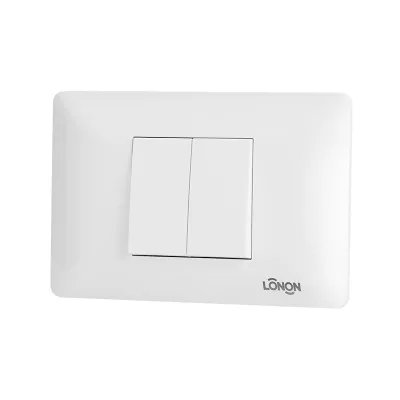
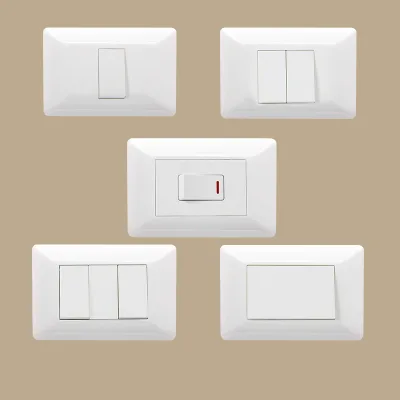
Custom Wholesale Price Us Type Wall Light With Switch Push Button Power Wall Switches
$0.6191 - $0.6596
MOQ: 100 pieces

Wenzhou Sunny Electrical Co., Ltd.
- Verified by CTI
- Trading Company,Manufacturer/Factory
- China Zhejiang
- Lead time23 days
- Avg. response≤ 6h
Main productsWall Switch, Socket, Light Switch, Electric Switch, Plug, Electrical Switch, Power Socket, Socket Outlet, Switch Plate, Lamp Holder
Main marketsSouth America,Mid East,North America,Southeast Asia,Eastern Asia,Africa
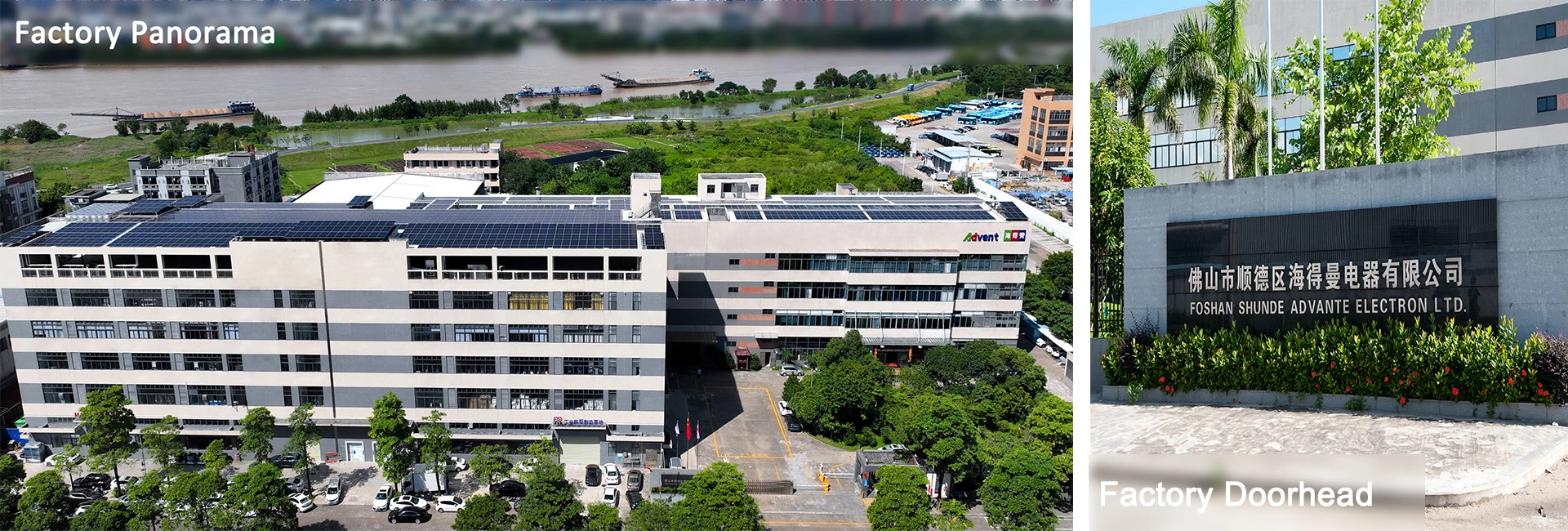
Foshan Shunde Advante Electron Ltd.
- Manufacturer
- Guangdong, China
- Lead time40 days
- Avg. response≤ 4h
Main productsWired Door Chime/Wireless Door bell,Wireless Door chime/Wired Door Chime,LED night lights,PIR Motion Sensor,lighting control
Main marketsEastern Europe(62.00%), Southeast Asia(19.00%), North America(10.00%), Eastern Asia(3.00%), South America(3.00%), Western Europe(2.00%), Southern Europe(1.00%)
Wenzhou Huaya Electric Co., Ltd.
- Verified by Intertek
- Manufacturer, Trading Company
- Lead time0 days
- Avg. response≤ 2h
Main productsSwitch, Socket, Wallplate
Main marketsNorth America(50%), Domestic Market(40%), South America(8%)
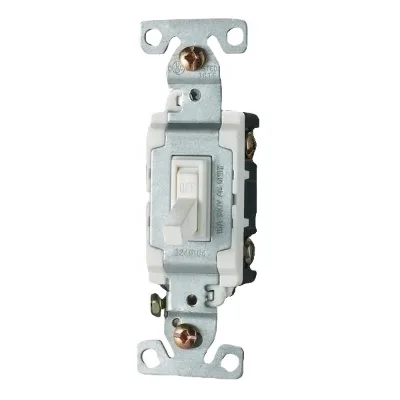
US Light Switch 15A 120V-277V American Three Way Toggle Switch, ETL/cETL Wall Electrical Switch
$0.50 - $0.56
MOQ: 600 pieces
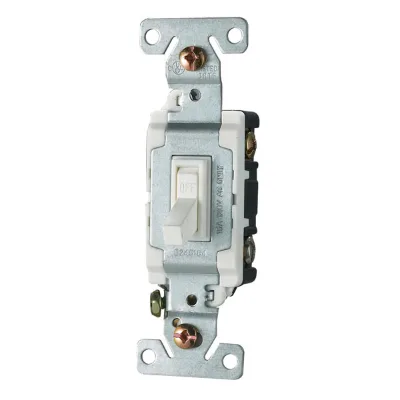
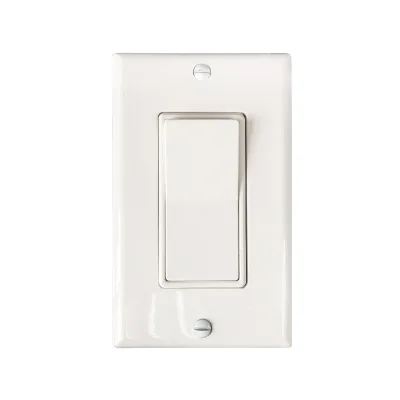
US Light Switch 15A 120V-277V American Three Way Toggle Switch, ETL/cETL Wall Electrical Switch
$0.43 - $0.48
MOQ: 200 pieces
Wenzhou Fahint Electric Co., Ltd.
- Verified by SGS Group
- Manufacturer, Trading Company
- Lead time15 days
- Avg. response≤ 1h
Main productsGround Fault Circuit-Interrupter, Receptacle, Switch
Main marketsNorth America(70%), Domestic Market(15%), South America(12%)
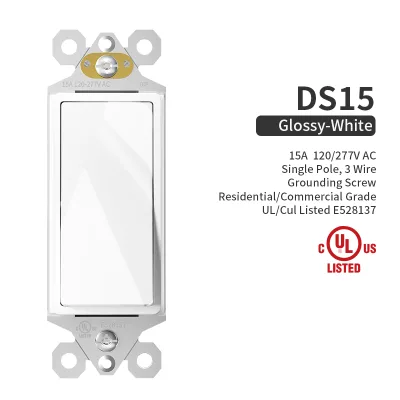
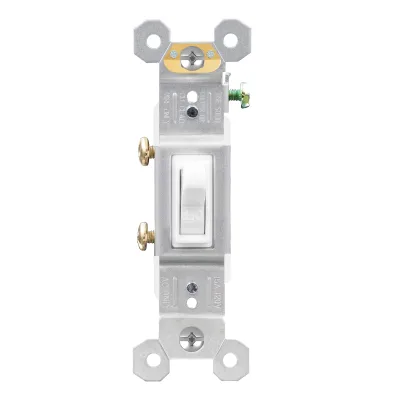
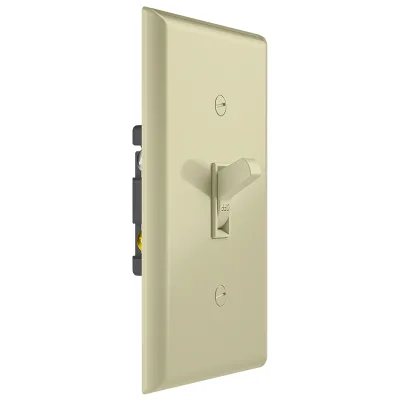
$0.9234 - $1.0283
MOQ: 1000 Minimum
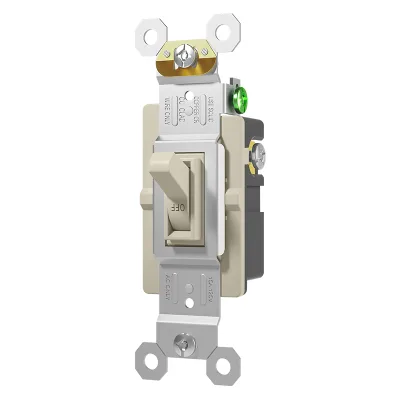
$0.9144 - $1.0178
MOQ: 1 Minimum
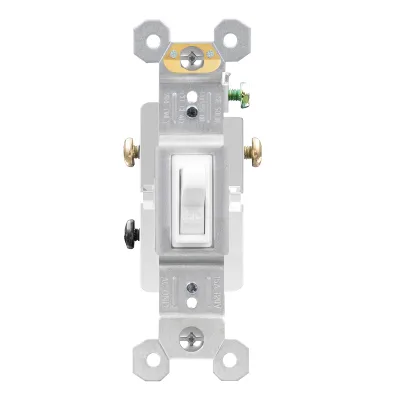
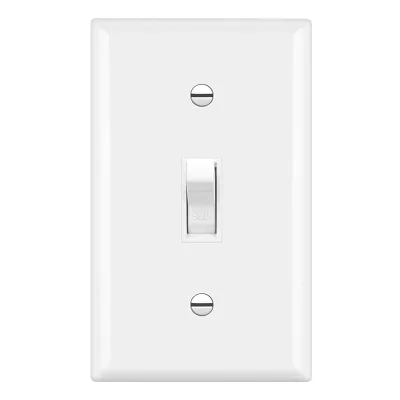

- Verified by TUVRHEINLAND
- Combined
- China Zhejiang
- Lead time30 days
- Avg. response≤ 24h
Main productsSwitch Socket, Wall Switch, Wall Socket, Electrical Switch, Switch, Socket, Electrical Sokcet, Glass Wall Switch, USB Socket, Air Conditioner Wall Switch
Main marketsSouth America

America Style White Color 1 Gang Wall Switch Indicate Light Wall Switch
$0.59 - $0.69
MOQ: 3000 Pieces

1 Gang 1 Way Wall Light Switch with LED Indicator 118 Us Standard Modern Electrical Switch
$0.22 - $0.34
MOQ: 1000 Pieces

Shen Zhen WIN-KARE Technology Co.,Ltd
- Verified by BV
- Trading Company,Manufacturer/Factory
- China Guangdong
- Lead time45 days
- Avg. response≤ 4h
Main productsDimmer Switch, Lighting Controller, Switch, Power Socket, AC Socket, LED Switch, Power Cord, Connector, Terminal, Rocker Switch
Main marketsSouth America,Eastern Europe,Southeast Asia,Oceania,Western Europe
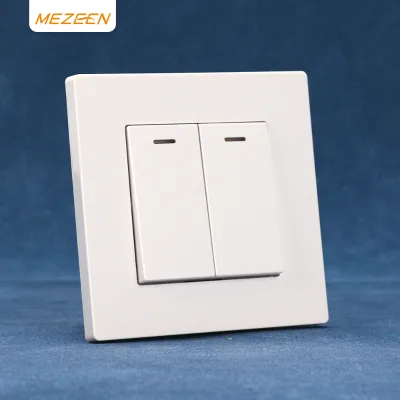
Wenzhou Mezeen Electrical Co., Ltd.
- Manufacturer, Trading Company
- Shanghai, China
- Lead time25 days
- Avg. response≤ 2h
Main productsWall Switch & Wall Socket, MCB, Distribution Box, Lift Socket, Track Socket
Main marketsNorth America(20.00%), Mid East(20.00%), Western Europe(15.00%), Eastern Europe(15.00%), South Asia(10.00%), Northern Europe(10.00%), South America(10.00%)

YUEQING GUANGTAI IMPORT & EXPORT CO., LTD.
- Verified by CTI
- Trading Company,Manufacturer/Factory
- China Zhejiang
- Lead time23 days
- Avg. response≤ 8h
Main productsDistribution Board, Meter Socket, Load Center, Electrical Accessories, Tools, Hardware
Main marketsSouth America,Eastern Europe,Mid East,North America,Southeast Asia,Eastern Asia,Oceania,Western Europe,Africa

Wenzhou Amon Electric Co., Ltd
- Verified by BV
- Manufacturer/Factory
- China Zhejiang
- Lead time0 days
- Avg. response≤ 2h
Main productsWall Switches, Light Switches, Switches and Socket, Lamp Holder, Extension Socket, Power Strip, Electrical Plug, Wall Switch, Wall Socket

Italy American 118 Black Wooden Color House Power Light Electric Wall 2 Way Switch
$0.30 - $5.50
MOQ: 500 Pieces

Modern Us Standard Gray 118 American 110V 15A Metal Double Electric Material Light Switch
$0.85 - $6.00
MOQ: 500 pieces


Luxury Modern Stainless Steel118 American 220V Building Material Electric Switch and Socket
$0.30 - $1.50
MOQ: 1000 pieces
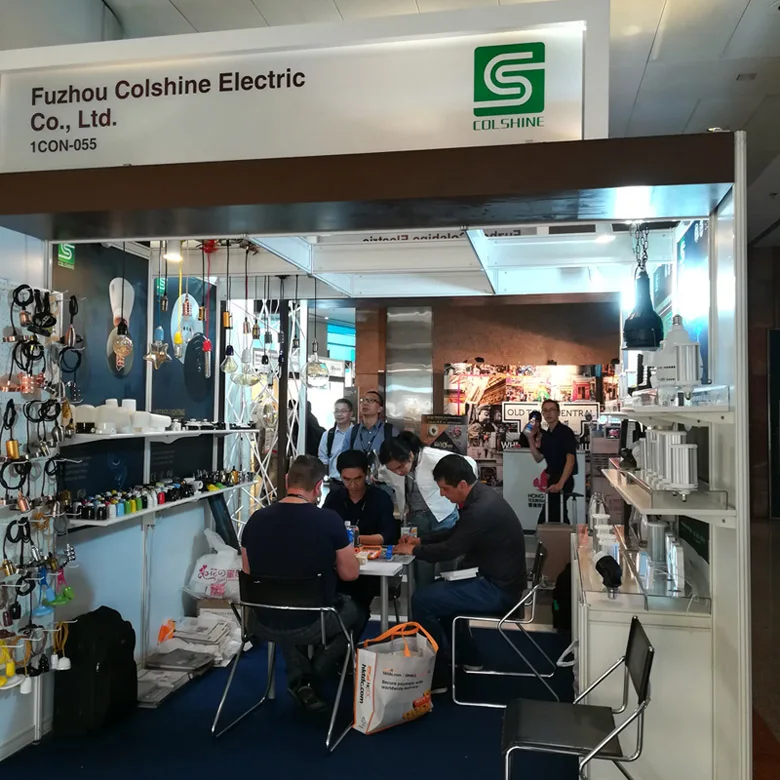
Fuzhou Colshine Electric Co., Ltd.
- Manufacturer, Trading Company
- Fujian, China
- Lead time30 days
- Avg. response≤ 6h
Main productsLed Corn Bulbs,Led High Bays,Sauna Lamp,Retro Switch and Socket,Pendant Light
Main marketsEastern Europe(20.00%), Western Europe(20.00%), Southern Europe(20.00%), Northern Europe(15.00%), South America(10.00%), North America(10.00%), Central America(5.00%)
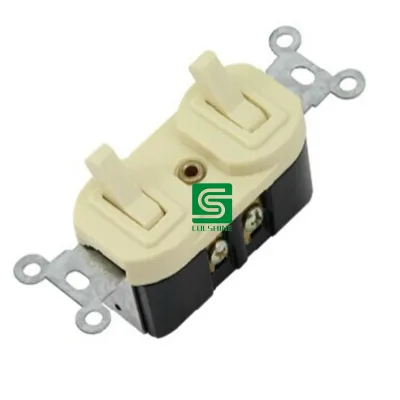

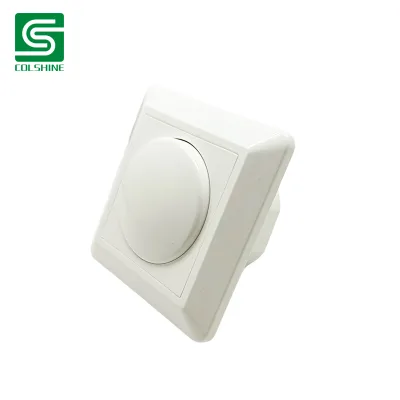
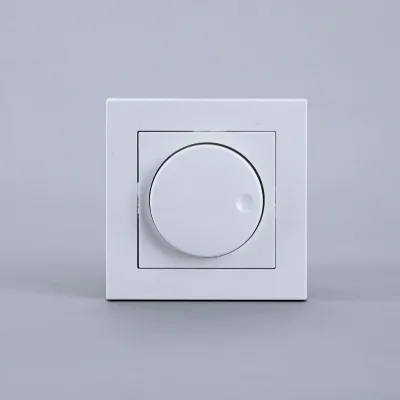
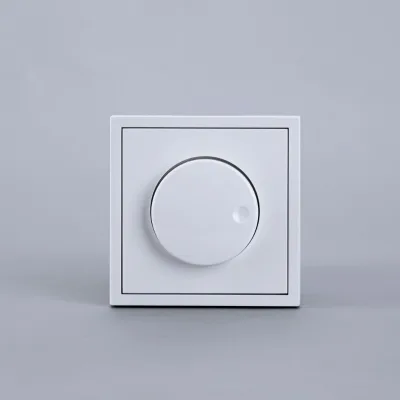
Dimmer Switch LED Lighting Controller 220-240V 50Hz with White Plastic Frame
$15.00 - $25.00
MOQ: 5 pieces
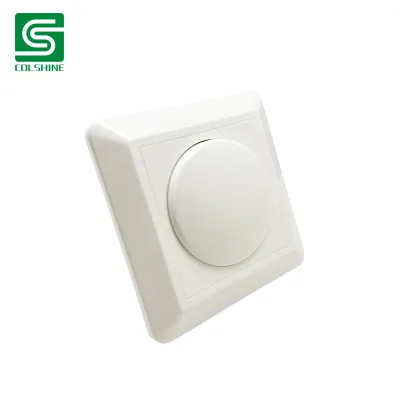
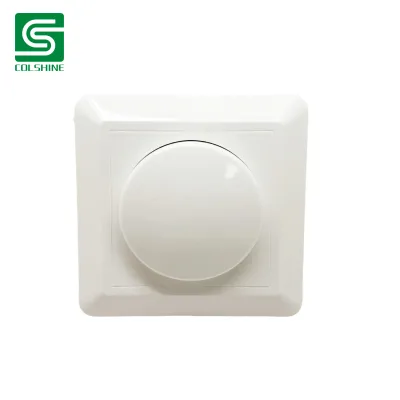
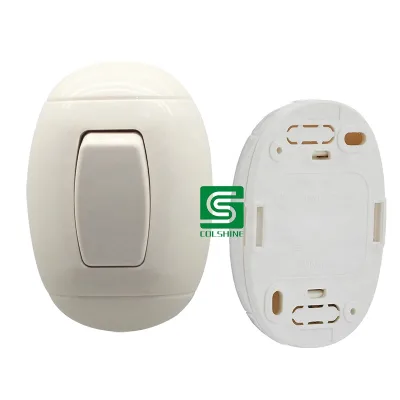
Wall Mounted Dimmer Switch - Suitable for Bedroom Living Room and Dining Room Lighting
$15.4232
MOQ: 10 Minimum
WenZhou HENGCHUN electric Co.,Ltd
- Verified by TüVRheinland
- Manufacturer, Trading Company
- Lead time7 days
- Avg. response≤ 3h
Main productsWall Switch, Wall Socket, Extend Socket, Plug
Main marketsEastern Europe(30%), Africa(30%), South Asia(20%)

Wenzhou Huafeng Electric Co., Ltd.
- Verified by SGS
- Combined
- China Zhejiang
- Lead time30 days
- Avg. response≤ 5h
Main productsWall Switch, Socket, Plug, Circuit Breakers, Lighting Equipment, Wall Socket, Swith Socket, LED Bulb, Switches, Cable Tie
Main marketsSouth America,Africa,Others(foreignTradeCapacity.exportBusinessCapacityMarketOther),Europe,North America
Yueqing Hongji Trade Co., Ltd.
- Manufacturer, Trading Company
- Lead time旺季: "1 - 1000":60,"> 1000":"To be negotiated", 淡季: "1 - 1000":60,"> 1000":"To be negotiated"
- Avg. response≤ 7h
Main productsDimmers, Floor Boxes, Switches, Wallplates, Receptacles

Zhejiang ZhengCheng lmport & Export Co.,LTD
- Verified by CTI
- Trading Company,Manufacturer/Factory
- China Zhejiang
- Lead time23 days
- Avg. response≤ 5h
Main productsHSS Steel Raw Material, Semi-Finished or Finished Cutting Tools, Martensitic Stainless Steel Raw Materials, Rotary Cutter Blade, Engineering Plastic, Steel Raw Material
Main marketsEastern Europe,Mid East,North America,Southeast Asia,Eastern Asia,Western Europe


Hot Sale Custom Us Standard Electronic Wall Light Switch and Power Socket
$0.66 - $1.99
MOQ: 500 Pieces

Fuzhou Keruida Electric Porcelain And Appliance Co., Ltd.
- Verified by SGS
- Combined
- China Fujian
- Lead time15 days
- Avg. response≤ 5h
Main productsRetro Switch
Main marketsEurope

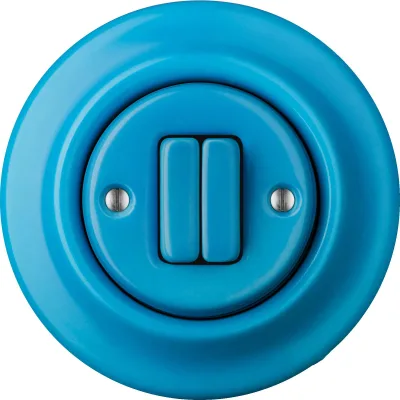
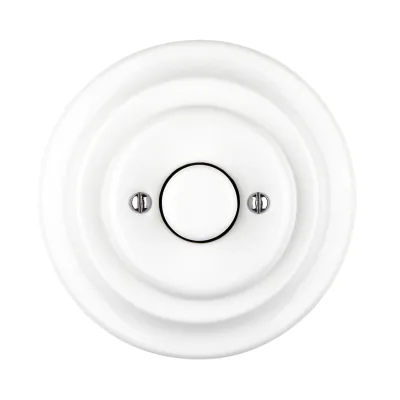
Vintage Black Ceramic Switch European Wall Light Rotary Switches for Home
$5.25 - $6.20
MOQ: 50 Pieces

Vintage White Square Electrical Switch European Wall Light Rotary Switches
$6.96 - $8.22
MOQ: 50 Pieces

Retro Style Lighting Controller Surface Mounted Wall Switches for Lighting Control
$4.773 - $6.204
MOQ: 10 Pieces

Wenzhou Zhechi Electric Co., Ltd.
- Verified by TUVRHEINLAND
- Trading Company
- China Zhejiang
- Lead time15 days
- Avg. response≤ 3h
Main productsElectricals, Solar Photovoltaic, Switches and Sockets, Relays, Contactor, Distribution Box, Circuit Breaker, Junction Box, Voltage Protector, Lamps
Main marketsSouth America
Yueqing Hongji Trade Co., Ltd.
- Verified by SGS Group
- Manufacturer, Trading Company
- Lead time30 days
- Avg. response≤ 13h
Main productsDimmers, Floor Boxes, Switches, Wallplates, Receptacles
Main marketsNorth America(58%), South America(30%), Eastern Europe(1%)
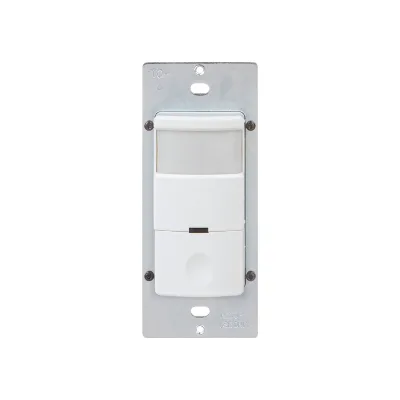
UL Listed American Standard Durable Occupancy Sensor Switch Wall LED Light Switch
$9.00 - $15.00
MOQ: 100 pieces
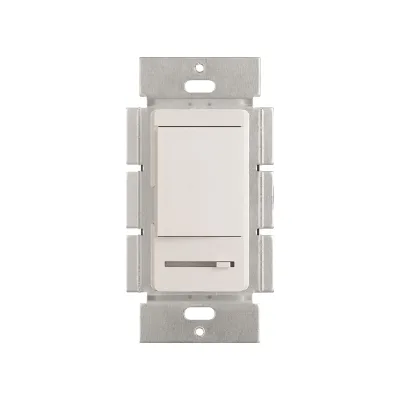
Wholesale American Style 1 Pole 3 Way 120V 600W Dimmer Switch for Led Lights
$3.20 - $3.80
MOQ: 1000 pieces
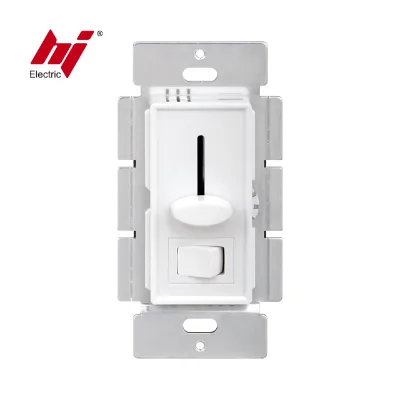
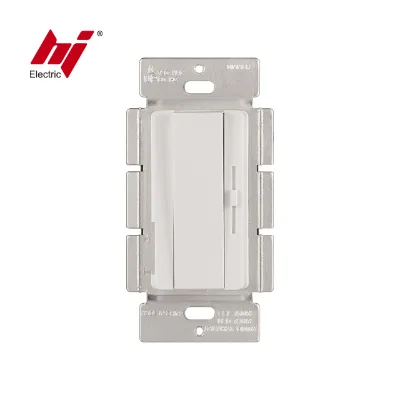
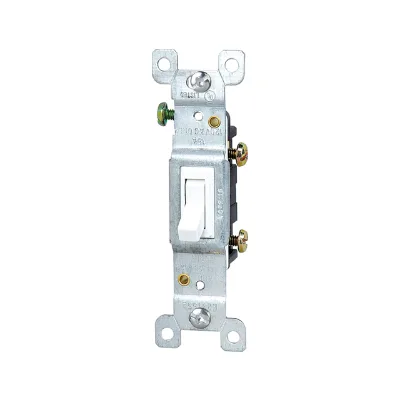
White Color 3 Way Switch 120V LED Dimmer Switch for Lights in Wall 150W
$2.90 - $3.50
MOQ: 1000 pieces
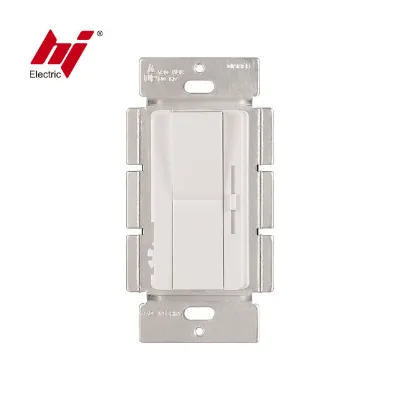

Wenzhou Gaoxinte Electric Co., Ltd.
- Trading Company,Manufacturer/Factory
- China Zhejiang
- Lead time38 days
- Avg. response≤ 16h
Main productsSwitch, Socket, Plug, Outlet, Lampholder, Switch Socket, Switched Socket with USB Outlet, Socket with Switch, GFCI, Type C
Main marketsSouth America,North America,Eastern Asia

Etman Electric(Changzhou) Co., Ltd
- Verified by TUVRHEINLAND
- Combined
- China Jiangsu
- Lead time15 days
- Avg. response≤ 8h
Main productsUSB Socket, Power Module, Perilex Plug, Electric Stove Plug, Dcl Socket, Lamp Socket, Power Plug, LED Light Accessory, Wall Box Accessory, Electric Cables
Main marketsEurope
ZHEJIANG HONGHUO ELECTRIC CO.,LTD.
- Verified by Intertek
- Manufacturer, Trading Company
- Lead time0 days
Main productsWall Switches, Sockets, Plugs
Main marketsEastern Europe(90%), Mid East(10%)

Fuzhou Keruida Electric Porcelain And Appliance Co., Ltd.
- Manufacturer, Trading Company
- Fujian, China
- Lead time30 days
- Avg. response≤ 3h
Main productsSwitches,Sockets,Insulators,Lamp Holders,Hardware Fittings
Main marketsWestern Europe(50.00%), Eastern Europe(30.00%), Southeast Asia(20.00%)
Shenzhen Fangsheng Lighting Co., Ltd.
- Manufacturer, Trading Company, Distributor/Wholesaler
- Guangdong, China
- Lead time10 days
- Avg. response≤ 3h
Main productsWall Light Switch,Wall Socket,Smart Home,Flexible LED Strips,Power Supply
Main marketsWestern Europe(30.00%), Southeast Asia(20.00%), North America(20.00%), Eastern Europe(15.00%), South America(5.00%), Northern Europe(3.00%), Africa(2.00%), Southern Europe(2.00%), Domestic Market(1.00%), Eastern Asia(1.00%), Mid East(1.00%)










Comprehensive Sourcing Guide
CE RoHS American Lighting Switch Supplier Concentration and Factory Types
The landscape for sourcing CE RoHS American Lighting Switch components is defined by a mix of manufacturing capabilities and trading structures, requiring buyers to distinguish between direct factory production and intermediary services. Current data indicates that the available supplier base includes both Manufacturers and Trading Companies, offering distinct advantages depending on the scale and complexity of the procurement strategy. Manufacturers typically provide deeper control over the production process, allowing for more flexible customization of materials and internal components, which is critical when adhering to specific American electrical standards. These entities often possess the necessary infrastructure to handle sample processing, graphic processing, and customized on-demand production, ensuring that the final product aligns precisely with the buyer’s design specifications. On the other hand, Trading Companies may offer a broader portfolio of existing stock and faster access to a wider variety of standard models, such as the 118V Series or 120V Double Pole switches, which are prevalent in the North American market. Understanding this dichotomy is essential for buyers who need to balance cost efficiency with supply chain transparency.
Geographic concentration plays a significant role in the availability and quality of these switches, with Guangdong, China, emerging as a key hub for production. This region is known for its robust electrical equipment supply chain, supporting the manufacturing of various switch types, including those compliant with European, Italian, and American standards. The presence of suppliers in this area suggests a mature ecosystem for raw materials like polycarbonate panels and internal copper contacts, which are vital for durability and safety. Buyers should leverage this geographic insight to identify suppliers who are physically located in established industrial zones, as this often correlates with better logistical support and quality control measures. However, it is important to verify the actual operational base of each supplier, as some trading companies may list their headquarters in different regions while sourcing from factories in Guangdong. By focusing on suppliers with verified manufacturing capabilities in these known clusters, buyers can reduce the risk of miscommunication and ensure that the CE RoHS American Lighting Switch products meet the rigorous demands of the target market.
How to Verify CE RoHS American Lighting Switch Suppliers
Verification is the cornerstone of mitigating risk when sourcing electrical components that must comply with strict safety standards like Ce and RoHS. Buyers must prioritize suppliers who have undergone third-party verification processes, such as those conducted by Intertek, which provides an additional layer of confidence regarding the supplier’s legitimacy and operational capacity. This verification status is a critical indicator that the supplier has been audited for business practices and product quality, reducing the likelihood of encountering fraudulent entities. Beyond basic verification, buyers should scrutinize the specific certifications listed for each product, ensuring that the Ce and RoHS marks are not just claimed but are backed by valid documentation. The presence of certifications such as ISO 9001, EMC, LVD, and TUV mark further demonstrates a supplier’s commitment to quality management and environmental compliance. It is imperative to request copies of these certificates and verify their authenticity with the issuing bodies, as counterfeit documentation is a known risk in the global trade of electrical goods.
In addition to certification checks, buyers should evaluate the supplier’s response time and overall communication efficiency, as these factors reflect their professionalism and reliability. A response time of two hours, as observed in some supplier profiles, indicates a high level of operational readiness and customer service commitment, which is crucial for resolving technical queries or addressing production issues promptly. Buyers should also assess the supplier’s ability to provide detailed product attributes, such as mechanical life, max current, and voltage ratings, which are essential for ensuring compatibility with American electrical systems. For instance, verifying that a switch has a mechanical life of 100,000 times and a max current of 10A or 16A, depending on the model, is necessary for long-term performance. Furthermore, buyers should inquire about the supplier’s warranty policies, as some manufacturers offer warranties ranging from 10 to 20 years, which signals confidence in their product durability. By combining verification status, certification audits, and communication assessments, buyers can build a robust due diligence framework that protects their interests and ensures the quality of the CE RoHS American Lighting Switch supplies.
What to Compare Across CE RoHS American Lighting Switch Suppliers
When evaluating multiple suppliers for CE RoHS American Lighting Switch products, buyers must systematically compare key operational metrics to identify the most suitable partner for their specific needs. One of the primary dimensions for comparison is the lead time, which can vary significantly between suppliers, with some offering a lead time of 20 days and others requiring up to 30 days. This variation can impact inventory management and project timelines, making it essential for buyers to align their procurement schedules with the supplier’s production capacity. Additionally, buyers should compare the range of main products offered, as some suppliers specialize in specific standards like British, South American, or North American switches, while others provide a more diverse portfolio including smart switches and sockets. Understanding these specializations helps buyers determine whether a supplier can meet their comprehensive requirements or if they need to engage multiple vendors. Price is another critical factor, with observed price ranges for certain models falling between $0.78 and $0.98, although buyers should be cautious of prices that seem unusually low, as they may indicate compromised quality or hidden costs.
Beyond lead times and pricing, buyers should assess the customization capabilities and technical specifications provided by each supplier. Some suppliers offer customized on-demand production, allowing for unique design elements or specific material choices, which is valuable for brands seeking differentiation in the market. Buyers should also compare the technical attributes of the switches, such as the number of gangs, switch types, and compatibility with LED lighting, to ensure they meet the functional requirements of their end-users. For example, comparing a 2 Gang Switch with a 1 Gang Switch in terms of mechanical life and current rating can reveal differences in durability and performance. Additionally, buyers should evaluate the supplier’s ability to provide detailed product information, including dimensions, colors, and standards compliance, as this transparency facilitates easier decision-making. By creating a structured comparison matrix that includes lead time, price, customization options, and technical specifications, buyers can make data-driven decisions that optimize their supply chain efficiency and product quality.
Common CE RoHS American Lighting Switch Sourcing Risks
Sourcing CE RoHS American Lighting Switch products involves several inherent risks that buyers must proactively manage to avoid supply chain disruptions and quality issues. One significant risk is the potential for non-compliance with safety standards, particularly if suppliers fail to provide valid Ce and RoHS certifications or if the products do not meet the specific requirements of the American market. This risk is exacerbated by the presence of both Manufacturers and Trading Companies in the supplier base, as trading companies may not have direct control over the manufacturing process, leading to inconsistencies in quality control. Buyers must be vigilant in verifying that the products they order are indeed manufactured in accordance with the stated standards, as non-compliant switches can pose serious safety hazards and lead to legal liabilities. Another common risk is the discrepancy between the quoted lead times and the actual delivery dates, which can occur due to production delays, raw material shortages, or logistical challenges. This risk is particularly relevant given the observed lead times of 20 to 30 days, which may be extended by unforeseen circumstances.
Additionally, buyers face the risk of receiving products that do not match the specified technical attributes, such as incorrect current ratings, voltage compatibility, or mechanical life expectations. For instance, a switch advertised with a 10A max current might fail under higher loads, leading to premature failure and customer dissatisfaction. This risk is heightened when dealing with suppliers who offer a wide range of products without specialized expertise in specific standards. Furthermore, the lack of transparency in pricing can lead to hidden costs, such as additional fees for customization, packaging, or shipping, which can inflate the total cost of ownership. Buyers should also be aware of the risk of intellectual property infringement, particularly when sourcing customized designs, as some suppliers may not have the necessary rights to produce certain branded or patented components. To mitigate these risks, buyers should establish clear contractual agreements, conduct regular quality audits, and maintain open communication with suppliers to address any issues promptly. By anticipating these common pitfalls, buyers can implement effective risk management strategies that protect their business interests and ensure the reliability of their CE RoHS American Lighting Switch supplies.
CE RoHS American Lighting Switch Regional Sourcing and Logistics
Regional sourcing strategies play a crucial role in optimizing the logistics and cost-efficiency of procuring CE RoHS American Lighting Switch products. The concentration of suppliers in Guangdong, China, offers significant logistical advantages due to the region’s well-developed infrastructure and proximity to major shipping ports. This geographic clustering facilitates faster and more cost-effective transportation of goods, reducing transit times and minimizing the risk of damage during shipping. Buyers can leverage this regional advantage by consolidating orders from multiple suppliers located in the same area, thereby simplifying logistics management and potentially negotiating better freight rates. Additionally, the presence of a mature supply chain in Guangdong ensures the ready availability of raw materials and components, which can help mitigate the risk of production delays caused by material shortages. However, buyers must also consider the potential challenges associated with international shipping, such as customs clearance procedures and import regulations in the destination country, which can impact the overall delivery timeline.
To further enhance logistical efficiency, buyers should evaluate the supplier’s experience in handling international shipments and their ability to provide comprehensive documentation, including commercial invoices, packing lists, and certificates of origin. Suppliers with a strong track record in exporting to the American market are likely to be more familiar with the specific requirements and documentation needed for smooth customs clearance. Buyers should also assess the supplier’s packaging standards, as proper packaging is essential to protect the switches from damage during transit, especially given the fragile nature of some components like glass panels or delicate internal mechanisms. Furthermore, buyers should consider the impact of regional trade policies and tariffs on the total cost of ownership, as changes in trade agreements can affect the competitiveness of sourcing from specific regions. By carefully analyzing the logistical implications of regional sourcing, buyers can develop a robust supply chain strategy that balances cost, speed, and reliability, ensuring the timely delivery of high-quality CE RoHS American Lighting Switch products to their customers.
CE RoHS American Lighting Switch Commercial Terms and Order Planning
Effective commercial terms and strategic order planning are essential for securing favorable conditions and ensuring the smooth execution of CE RoHS American Lighting Switch procurement projects. Buyers should negotiate clear payment terms that align with their cash flow requirements, such as using secure payment methods like escrow services to protect their funds until the goods are received and verified. It is also important to establish detailed specifications in the purchase order, including the exact model numbers, quantities, colors, and any custom design requirements, to avoid misunderstandings and disputes. Buyers should also clarify the warranty terms, as some suppliers offer warranties ranging from 10 to 20 years, which can provide long-term protection against defects. Additionally, buyers should discuss the supplier’s return and replacement policies in case of quality issues, ensuring that there is a clear process for addressing any non-conforming products. By defining these commercial terms upfront, buyers can create a transparent and mutually beneficial relationship with their suppliers, reducing the risk of conflicts and ensuring a smoother transaction process.
Order planning should also take into account the supplier’s production capacity and lead times, allowing buyers to schedule their orders strategically to meet market demand without overstocking. Given the observed lead times of 20 to 30 days, buyers should plan their inventory replenishment cycles accordingly, factoring in potential delays due to holidays, raw material shortages, or logistical disruptions. Buyers should also consider the MOQ (Minimum Order Quantity) requirements of different suppliers, as some may have higher MOQs that are suitable
FAQs
What certifications do these switches have?
The switches carry ISO 9001, EMC, LVD, RoHS, CE, and TUV mark certifications. Many products also include a Declaration of Conformity. These standards ensure safety and compliance for international markets, particularly for European and American electrical standards.
How long does production take for orders?
Lead times vary between 20 and 30 days depending on the specific product and order volume. Manufacturers typically require this duration to process custom graphics and ensure quality control. Buyers should confirm exact timelines with the supplier before placing large orders.
Are these switches available in American standards?
Yes, suppliers offer switches compatible with US and North American standards, including 118V and 120V models. These products support 10A to 15A currents and are designed for 110-250V voltage ranges. Options include matte grey panels and polycarbonate wall plates for living rooms.
What is the warranty period for these switches?
Warranty periods range from 10 years to 20 years depending on the specific model and manufacturer. Some ultra-thin dimmer switches offer a 20-year warranty, while standard door bell switches may provide 10 years. Buyers should verify the specific warranty terms for their selected item.
Can I get customized designs for these switches?
Suppliers offer customized on-demand services including graphic processing and sample processing. You can request specific colors like white, grey, black, or gold, and choose from various standards such as European, British, or South American. Customization options allow for unique panel sizes and switch configurations.
What is the response time for supplier inquiries?
The average response time for supplier inquiries is 2 hours. This ensures quick communication regarding product specifications, pricing, and shipping details. Buyers can expect timely updates on order status and any necessary adjustments to their custom switch requirements.
Where are these switches manufactured?
The switches are manufactured in Guangdong and Zhejiang, China. These regions are known for producing high-quality electrical equipment and supplies. The products comply with various international standards and are exported globally to meet diverse market needs for lighting control solutions.