CE RoHS Cat Scratcher Suppliers and Manufacturers
Compare 27 suppliers of the CE RoHS Cat Scratcher by location, company type, response time, lead time, MOQ, OEM and ODM support, and product price ranges. Review the listings, shortlist matching factories, and request quotes with your specifications; review the available evidence before requesting comparable quotations from suitable candidates.
Updated
Suppliers List
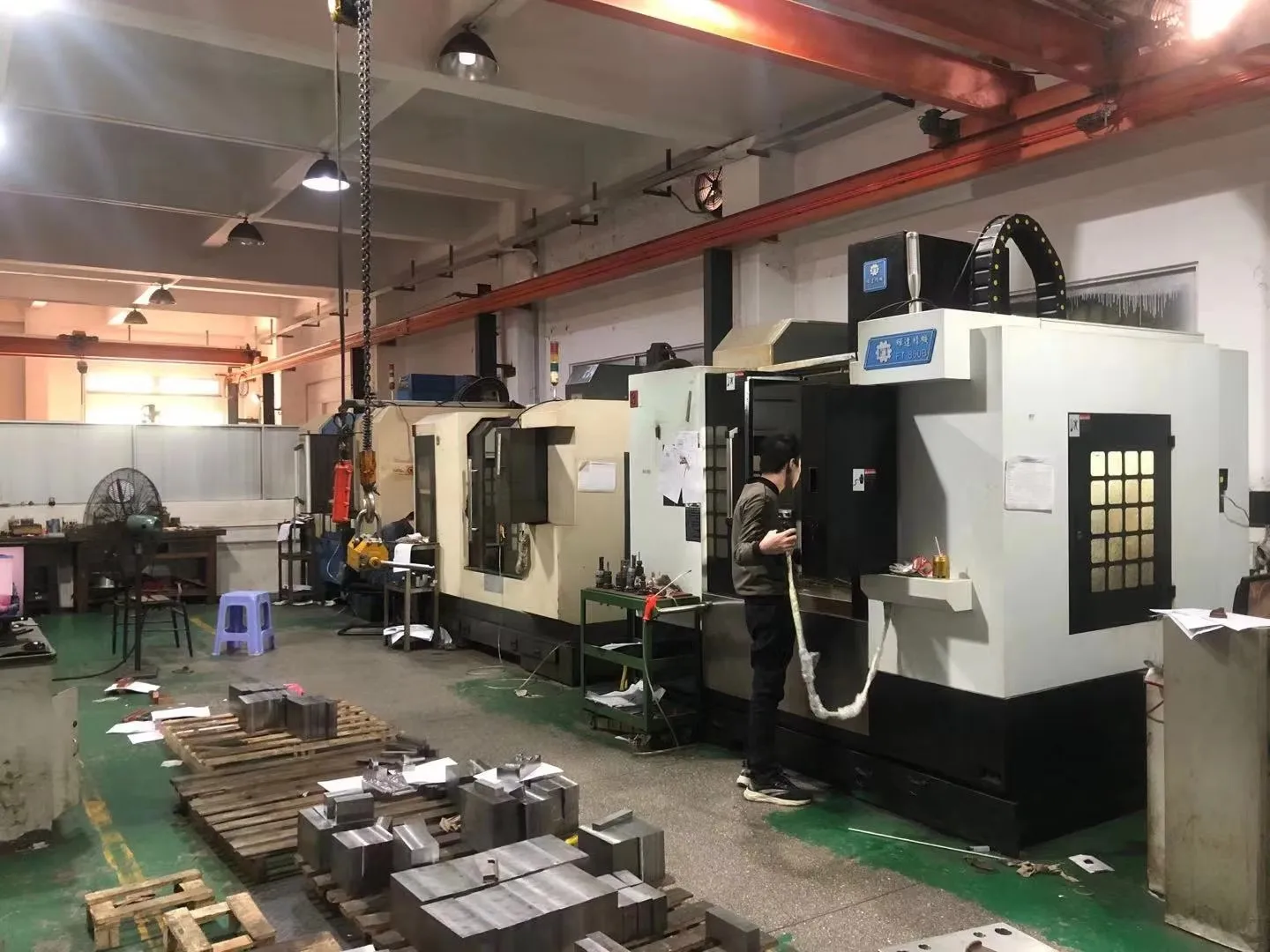
Dongguan Cool Qi Plastic Mold Products Co., Ltd.
- Manufacturer
- Guangdong, China
- Lead time0 days
- Avg. response≤ 4h
Main productsPlastic Mould,Plastic Toy,pet toys,Pet Supplies
Main marketsNorth America(50.00%), Domestic Market(40.00%), South America(3.00%), Mid East(3.00%), Eastern Europe(3.00%), Eastern Asia(1.00%)

Liaoning Taiyi Carpets Co., Ltd.
- Verified by BV
- Trading Company
- China Liaoning
- Lead time30 days
- Avg. response≤ 2h
Main productsHotel Carpet, Sisal Carpet, Handmade Carpet, Tile Carpet, Rug, Tufted Carpet
Main marketsSouth America,Africa,Southeast Asia/ Mideast,Europe,Australia,North America


Non-Woven Natural Fiber Eco Friendly Backing Durable Sisal Cat Scratcher
$11.49 - $18.32
MOQ: 1 Square Meters

$4.20 - $6.40
MOQ: 10 Pieces
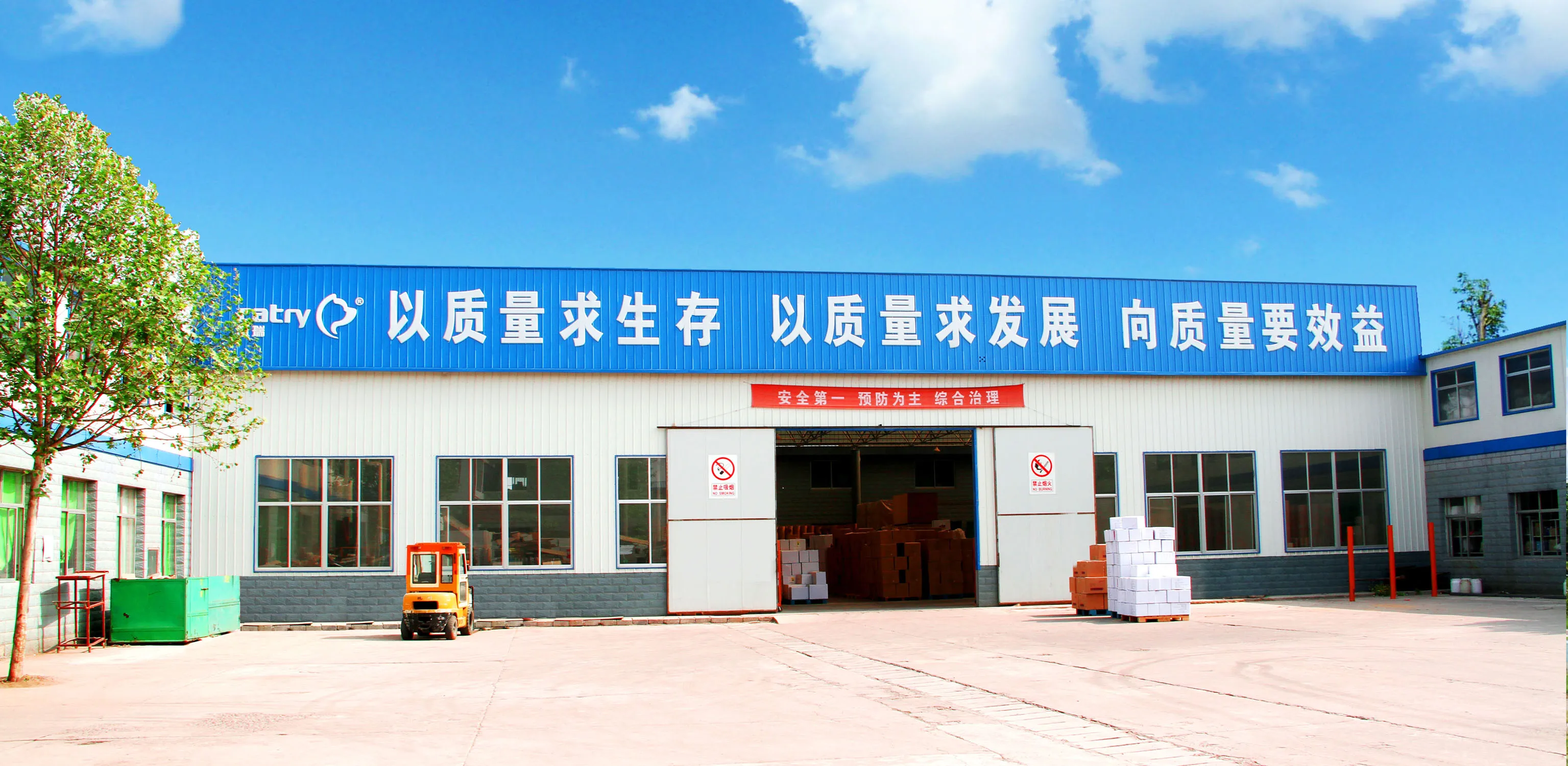
Shandong Dongyangtai Handicrafts Co., Ltd.
- Manufacturer, Trading Company
- Shandong, China
- Lead time30 days
- Avg. response≤ 24h
Main productsCat Tree,Pet Bed,Pet Cushion,Pet Cave,Pet Toy
Main marketsWestern Europe(35.00%), North America(20.00%), Oceania(10.00%), South America(5.00%), Africa(5.00%), Domestic Market(5.00%), Southeast Asia(5.00%), Mid East(5.00%), Eastern Asia(5.00%), Northern Europe(5.00%)
Ningbo Sincere Holding Group Co., Ltd.
- Verified by SGS Group
- Manufacturer, Trading Company
- Lead time30 days
- Avg. response≤ 13h
Main productsPet Toy, Pet Bed, Pet Bowl, Pet Lead, Cat Furniture
Main marketsNorth America(40%), Western Europe(15%), Eastern Europe(10%)
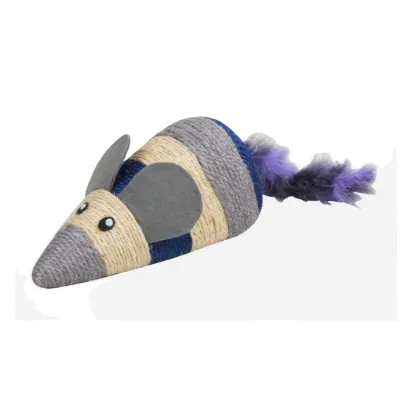
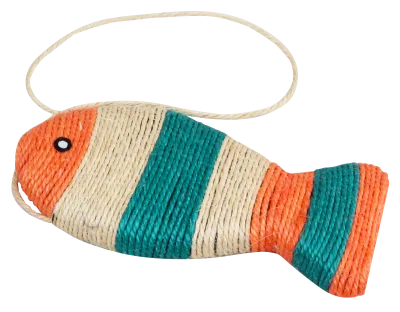
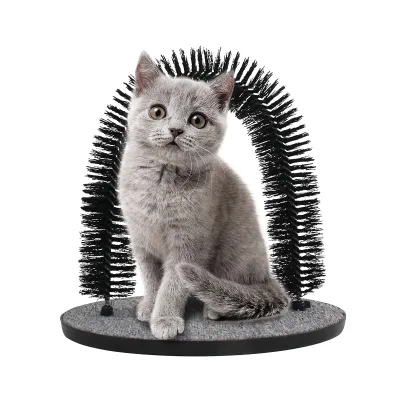
$2.5958 - $3.6347
MOQ: 12 pieces

ASunpro Light Industrial Products Inc.
- Trading Company,Manufacturer/Factory
- China Shandong
- Lead time30 days
- Avg. response≤ 2h
Main productsPet House, Pet Bed, Pet Supplies, Hanger, Cat Scratcher, Cat Tree, Stretch Wrapping Machine, Pet Cleaning and Beauty Appliance
Main marketsSouth America,Eastern Europe,Mid East,North America,Southeast Asia,Eastern Asia,Oceania,Western Europe,Africa


Wholesale Elegant Mess-Free Vertical Cat Scratcher with Anti-Slip Design
$3.65 - $4.60
MOQ: 1000 Pieces


- Verified by TUVRHEINLAND
- Trading Company
- China Zhejiang
- Lead time0 days
- Avg. response≤ 11h
Main productsCat Litter Box, Pet Feeder, Pet Toy, Pet Cloth, Pet Bed, Pet Carrier, Storage Bucket, Plastic Storage, Storage Rack, Lunch Box

SHANDONG EVERGROW BIO-CHEMICAL CO.,LTD.
- Verified by TUVRHEINLAND
- Trading Company,Manufacturer/Factory
- China Shandong
- Lead time15 days
- Avg. response≤ 5h
Main productsFertilizer, NPK Fertilizer, Water Soluble Fertilizer, Ammonium Sulpahte, Humic Acid, Calcium Ammonium Nitrate, Organic Fertilizer, Cat Litter, Pet Food, Freeze Dried Pet Food
Main marketsSouth America,Eastern Europe,Mid East,North America,Southeast Asia,Eastern Asia,Oceania,Western Europe,Africa
Hangzhou Queenhe Import & Export Co., Ltd.
- Verified by SGS Group
- Manufacturer, Trading Company
- Lead time30 days
- Avg. response≤ 2h
Main productsPet Pee Pad, Dog Snuffle Mat, Pet Bed, Dog Car Seat Cover, Dog Diaper
Main marketsNorth America(80%), Western Europe(10%), Oceania(3%)

Hangzhou Rena Pet Products Co., Ltd.
- Verified by SGS
- Combined
- China Zhejiang
- Lead time15 days
- Avg. response≤ 15h
Main productsPet Clothes, Pet Toy
Main marketsSouth America,East Asia(Japan/ South Korea),Domestic,Europe
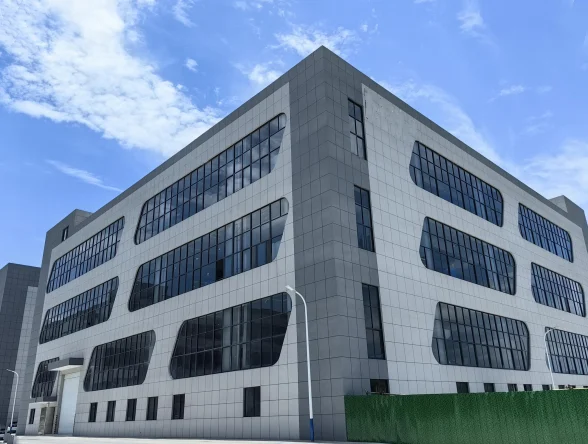
Beijing Feitu Biotechnology Co., Ltd.
- Trading Company
- Beijing, China
- Lead time20 days
- Avg. response≤ 1h
Main productsSmart cat litter box,pet feeder,Pet water dispenser,Pet supplies,Pet smart products
Main marketsNorth America(30.00%), South America(15.00%), Oceania(15.00%), Southeast Asia(10.00%), Mid East(10.00%), Western Europe(10.00%), Eastern Europe(5.00%), Eastern Asia(5.00%)
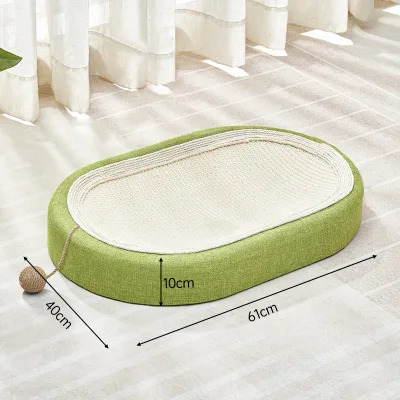
$2.8383 - $5.717
MOQ: 10 Minimum
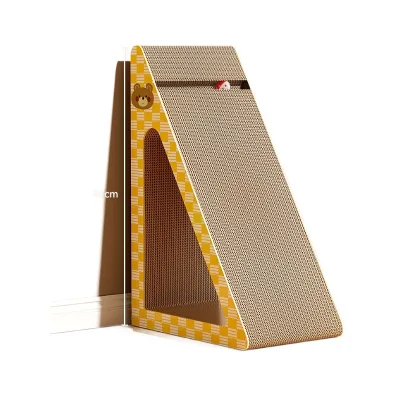
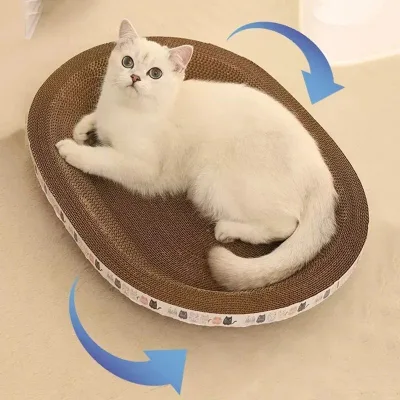
$2.8608 - $5.7605
MOQ: 10 Minimum
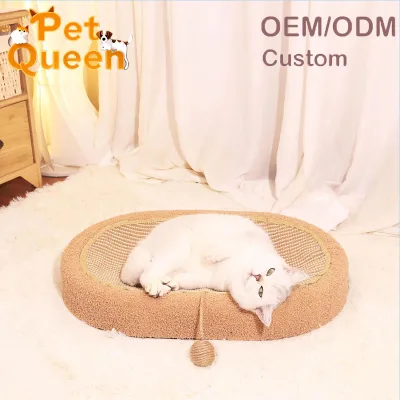
Odorless Cardboard Cat Scratcher Large Rectangle 45x40cm Custom Logo Support
$2.8608 - $5.7605
MOQ: 10 Minimum
Henan Kangdar Pet Products Co.ltd
- Verified by Intertek
- Manufacturer, Trading Company
- Lead time5 days
- Avg. response≤ 4h
Main productsPet hoodie, Dog treadmill, Dog bite tug toy, Dog trainer bite-proof suit, Birdcage
Main marketsNorth America(52%), Eastern Europe(15%), Domestic Market(13%)

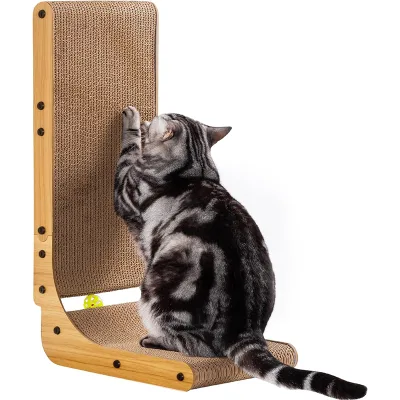
$5.8353 - $6.2455
MOQ: 300 pieces
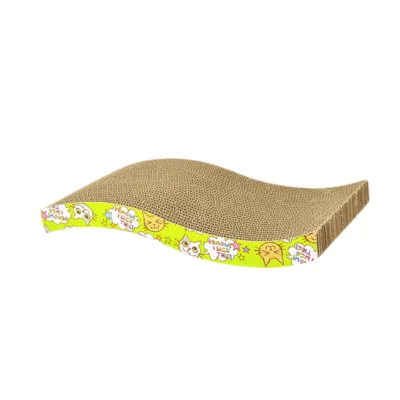
$0.80 - $1.00
MOQ: 2000 Minimum
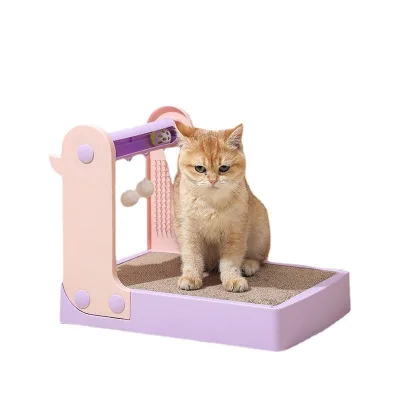
Hangzhou Hellomoon Trading Co., Ltd.
- Verified by Intertek
- Trading Company
- Lead time5 days
- Avg. response≤ 5h
Main productsPet Clothes, Pet Toys, Pet Feeders, Pet Leads, Pet Beds
Main marketsNorth America(39%), Eastern Europe(13%), Oceania(11%)
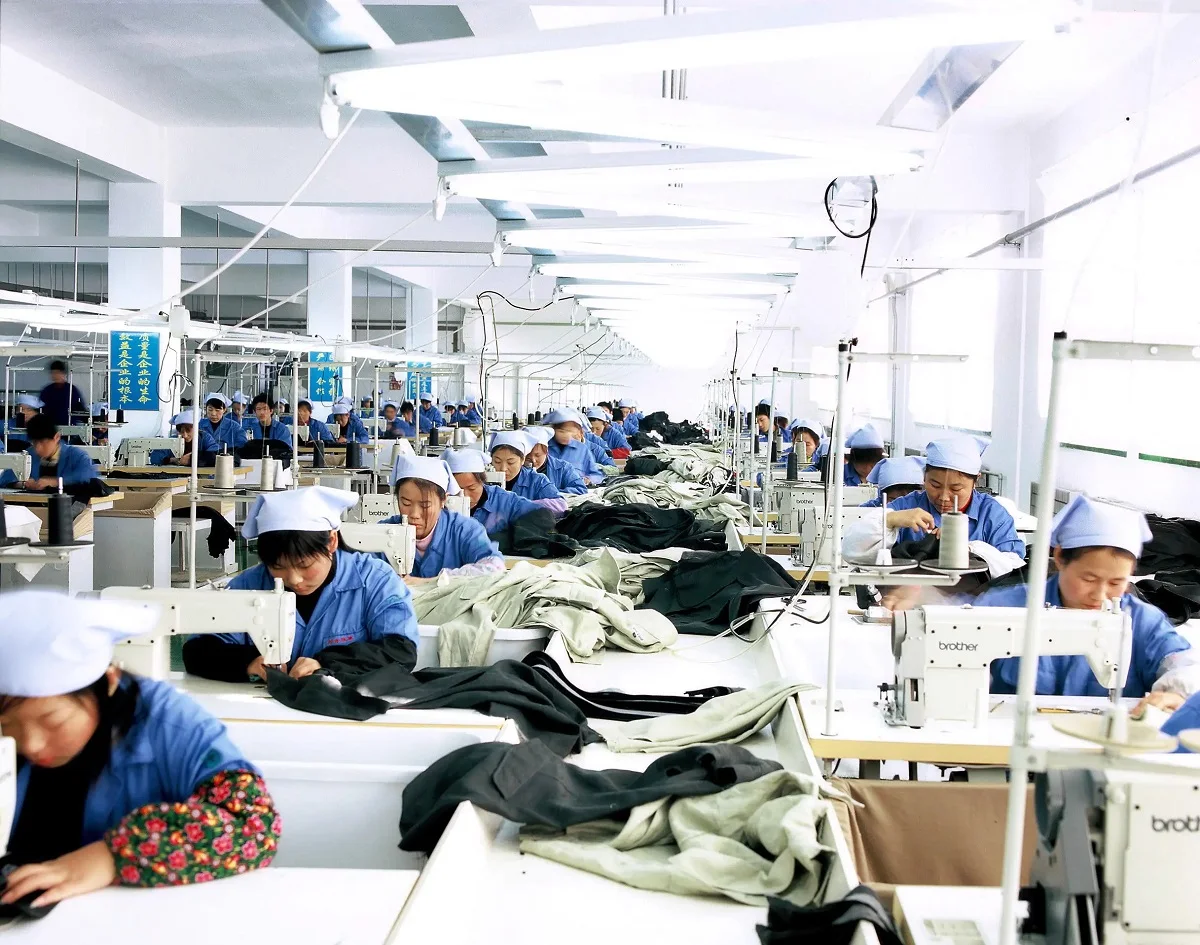
Qingdao Huayuan Honest Industry Co., Ltd.
- Manufacturer, Trading Company
- Shandong, China
- Lead time25 days
- Avg. response≤ 1h
Main productsPet Products,Pet carrier bag,Pet car seat covers,Pet toys,Pet furniture
Main marketsCentral America(21.00%), North America(20.00%), Southern Europe(10.00%), Northern Europe(10.00%), South America(10.00%), Western Europe(10.00%), Domestic Market(5.00%), Mid East(2.00%), South Asia(2.00%), Oceania(2.00%), Africa(2.00%), Southeast Asia(2.00%), Eastern Europe(2.00%), Eastern Asia(2.00%)

QINGDAO EAST LISHENG IMPORT AND EXPORT CO., LTD
- Verified by TUVRHEINLAND
- Trading Company
- China Shandong
- Lead time15 days
- Avg. response≤ 7h
Main productsSilica Gel, Bentonite, Silica Gel Crystals Cat Litter, Silica Gel Plates, Pine Wood Litter, Decolor Silica Gel Sand, Blue Silica Gel, Column Chromatography Silica Gel, Paper Cat Litter, Tofu Cat Litter
Main marketsEast Asia(Japan/ South Korea),Domestic,Europe

Ningbo General Union Co., Ltd.
- Verified by BV
- Trading Company
- China Zhejiang
- Lead time30 days
- Avg. response≤ 10h
Main productsCleaning Brush, Bottle, Kitchenware, Storage Box, Outdoor, Pet, Fitness Equipment, Digital Devices, Camping, Pet Bottle
Main marketsSouth America,Africa,Southeast Asia/ Mideast,East Asia(Japan/ South Korea),Europe,Australia,North America

Dalian Eastland International Trading Co., Ltd.
- Verified by BV
- Trading Company,Manufacturer/Factory,Group Corporation
- China Liaoning
- Lead time23 days
- Avg. response≤ 9h
Main productsLactic Acid, L-Lactic Acid, Buffered Lactic Acid, Sodium Lactate, Chemical Product, Calcium Lactate, Chemical
Main marketsSouth America,Eastern Europe,Mid East,North America,Southeast Asia,Eastern Asia,Oceania,Western Europe,Africa


Pet Cat Product High Quality Modern Multi-Level Luxury Cat Tower Cat Tree Cat Scratcher
$12.00 - $28.00
MOQ: 1 PCS
Jinhua Kubei Technology Co., Ltd.
- Trading Company
- Zhe'jiang, China
- Lead time0 days
- Avg. response≤ 7h
Main productspet products
Main marketsNorth America(100.00%)
Hangzhou Hefaxin Health Technology Co., Ltd.
- Trading Company
- Zhejiang Province, China
- Lead time15 days
- Avg. response≤ 4h
Main productsPet Chew Toys, Pet Interactive Toys, Pet Movement Toys, Pet Waste Disposal, Pet Cleaning & Bathing
Main marketsDomestic Market(100.00%)
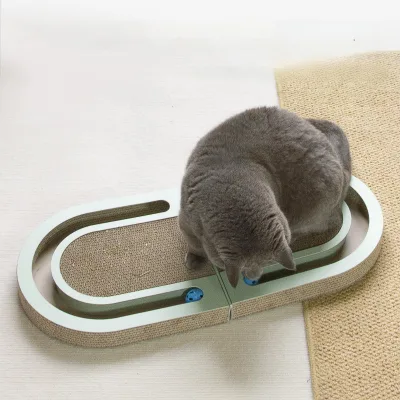
$6.1033 - $6.3952
MOQ: 5 pieces
Bestpet (Dongyang) Pet Product Co., Ltd.
- Trading Company
- Zhejiang, China
- Lead time7 days
- Avg. response≤ 5h
Main productsPet toys,Pet Bowls & Feeders,Dog poop bags dispenser,Pet Cleaning & Grooming Products,Pet Collars & Leashes
Main marketsNorth America(30.00%), Western Europe(15.00%), Northern Europe(10.00%), South America(10.00%), Mid East(10.00%), Southern Europe(10.00%), Eastern Europe(10.00%), Oceania(5.00%)

Shandong Clearsight International Trade Co, . Ltd
- Verified by SGS
- Trading Company
- China Shandong
- Lead time15 days
- Avg. response≤ 1h
Main marketsDomestic

Space Saving Vertical Cat Scratcher for Small Apartment Indoor Cat Entertainment
$17.90 - $23.90
MOQ: 100 Pieces

Unique Cat Scratcher with Irregular Shape for Household Pet Fashion Decoration
$32.90 - $41.90
MOQ: 100 Pieces


Creative Unique Cat Scratcher with Multi Function Design for Kitten Daily Use
$20.90 - $26.90
MOQ: 100 Pieces

Fashion Stylish Cat Scratcher with Curved Shape for Indoor Cats Playing Use
$30.90 - $36.90
MOQ: 100 Pieces

Aobo Enviromental Technology (Kunshan) Co., Ltd.
- Verified by TüVRheinland
- Manufacturer, Trading Company
- Lead time30 days
- Avg. response≤ 5h
Main productsWedding Box, Candle Box, Gift Box, Paper Bag, Surprise Box
Main marketsNorth America(40%), Domestic Market(30%), South America(5%)
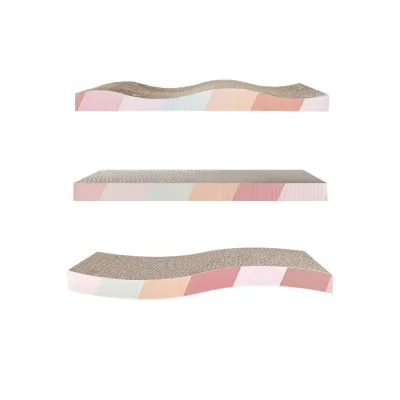
Factory Eco-Friendly Corrugated Simple Design Dual-Sided Cat Scratcher
$1.5344 - $2.0479
MOQ: 100 pieces
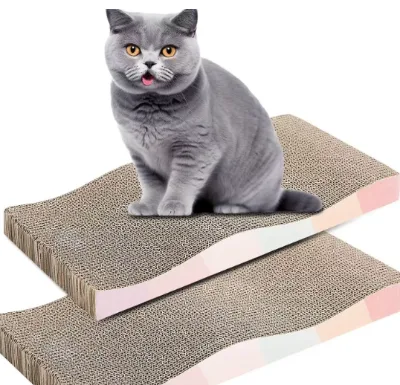
High Quality Foldable Eco-Friendly Cat Scratcher with Custom Logo Wood Material Wear Resistant
$4.30 - $5.90
MOQ: 4 pieces
- Trading Company
- Zhejiang, China
- Lead time20 days
- Avg. response≤ 3h
Main productsPet Supply,Household,Home&Kitchen,Machinary,Spare Parts
Main marketsDomestic Market(30.00%), North America(30.00%), Northern Europe(10.00%), Western Europe(10.00%), Southern Europe(10.00%), Eastern Europe(5.00%), Oceania(5.00%)
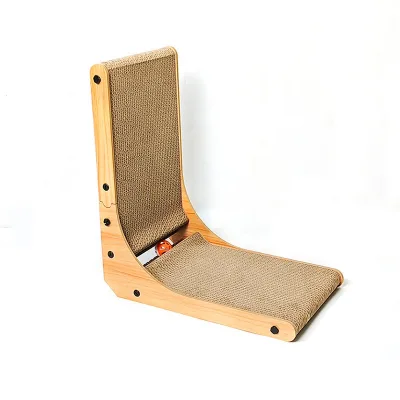
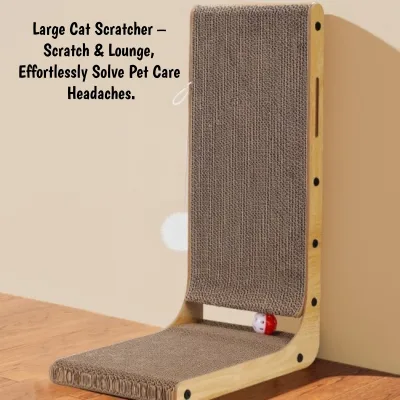
L Shape Cat Scratcher Protecting Furniture Cat Scratch Pad Cardboard Cat Scratching with Ball Toy
$4.42 - $4.99
MOQ: 10 pieces
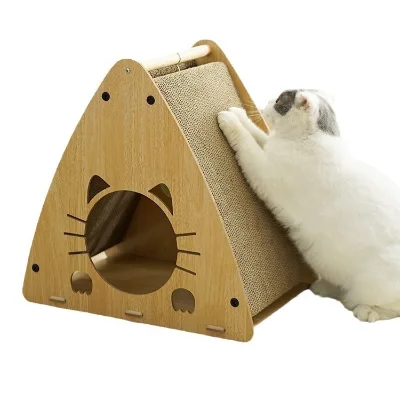
Cat Scratcher Foldable Triangle Board 3 Usable Sides Cat Scratchers for Indoor Cats
$7.6587 - $8.0673
MOQ: 10 pieces
NINGBO JIUCHUANG COMMODITY CO.,LTD
- Manufacturer
- Zhejiang, China
- Lead time15 days
- Avg. response≤ 21h
Main productsCat Cardboard House,Doodle Paper House,Paper Display Shelve,Greeting Card,Stationery Gifts
Main marketsDomestic Market(65.00%), Northern Europe(15.00%), North America(10.00%), Eastern Asia(10.00%)
Shenzhen Kadandi Technology Co., Ltd.
- Manufacturer, Trading Company
- Guangdong, China
- Lead time15 days
- Avg. response≤ 2h
Main productsPet Grooming Tools,Pet Cleaning & Waste Supplies,Supporting Amazon Sellers,OEM,Pet Toys & Cages
Main marketsNorth America(40.00%), Southern Europe(10.00%), Northern Europe(10.00%), South Asia(5.00%), Eastern Europe(5.00%), South America(5.00%), Western Europe(5.00%), Eastern Asia(5.00%), Mid East(5.00%), Oceania(5.00%), Southeast Asia(5.00%)

Hangzhou Tianyuan Pet Products Co., Ltd.
- Verified by TUVRHEINLAND
- Combined
- China Zhejiang
- Lead time30 days
- Avg. response≤ 14h
Main productsPet Beds, Cat Trees, Pet Products, Pet Accessories, Pet Supplies, Pet Collar, Pet Toy, Pet Brush, Pet Bowl, Pet Clothes
Main marketsEurope,North America
Hebei Saiweisi International Trade Co., Ltd.
- Trading Company
- Heibei, China
- Lead time0 days
- Avg. response≤ 3h
Main productsCat Litter,Pet Food,Pet Supplies,Pet Toys,Pet Clothing
Main marketsSoutheast Asia(30.00%), Mid East(30.00%), Eastern Asia(20.00%), North America(20.00%)
Hangzhou Cute Pet Technology Co., Ltd.
- Verified by SGS Group
- Trading Company
- Lead time20 days
- Avg. response≤ 7h
Main productsSelf-Cleaning Cat Litter Box, Automatic Pet Feeder and Water Fountain, Pet Air Purifier, Pet Grooming Kit, Smart Pet Toy
Main marketsNorth America(40%), South America(10%), Southeast Asia(10%)









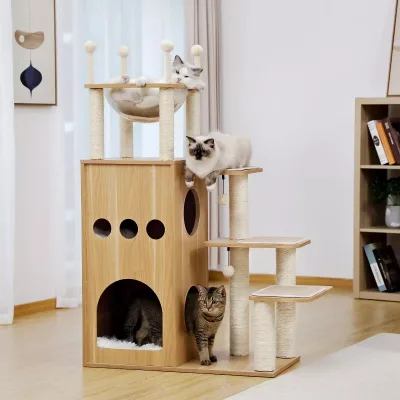

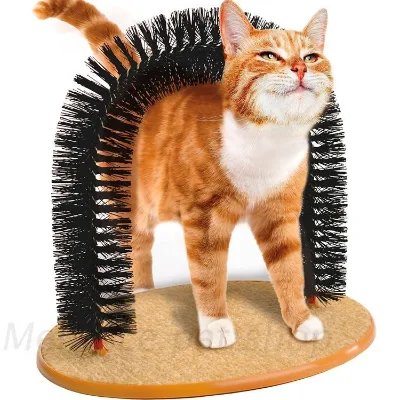
Comprehensive Sourcing Guide
CE RoHS Cat Scratcher Supplier Concentration and Factory Types
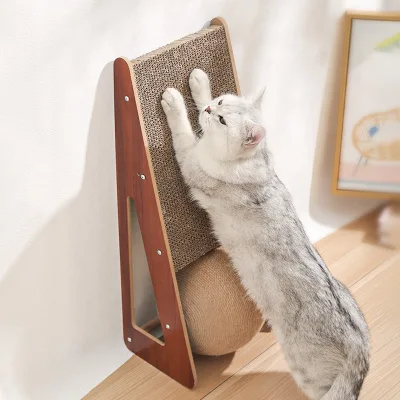
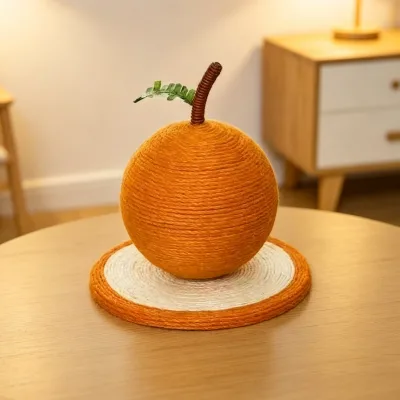
Search results for this category point to a strong concentration in Guangdong, with several listings showing Dongguan as the place of origin for sisal-based scratchers in the cat tree and scratcher segment. These listings typically come from manufacturers whose main products extend beyond pet items into plastic moulds and pet supplies, meaning the scratcher line may sit alongside other molded or assembled goods. Buyers should treat such listings as maker-style operations capable of tooling and assembly, then confirm on the listing or in inquiry whether the scratcher itself is produced in-house or partly outsourced. Model numbers, single-package dimensions and gross weights shown on these listings can help you gauge whether the factory is set up for compact single-item retail units or bulkier cat furniture.
Not every supplier is a manufacturer. Results also include a trading company based in Liaoning whose core business is carpets, including sisal carpet, yet which lists custom-size sisal cat scratchers and scratch mats among its products. A manufacturer-and-trading-company combination also appears from Shandong, listing cat trees, pet beds, cushions, caves and toys. This mix matters: a factory type may determine who controls tooling, material sourcing and quality checks. When a supplier's main products sit in an adjacent category, ask directly what portion of scratcher output is made by its own production lines and request evidence, such as workshop photos tied to your model, before committing to samples or audits.
How to Verify CE RoHS Cat Scratcher Suppliers
Verification should start with the attributes actually displayed on each supplier profile, because they are not uniform. At least one listing in this category shows a third-party verification badge, which suggests the company's credentials were checked by an external inspection body; note which suppliers carry such a badge and which do not. Company type is another visible signal: manufacturer, trading company, or the combined manufacturer-trading label all appear in this category. Cross-check the declared type against the product evidence. If a supplier claims manufacturing but its main products are carpets or hotel textiles, ask how scratcher production fits into its operations. Response time is also displayed for some suppliers and varies widely, so use it as an early screening signal rather than a guarantee.
For CE and RoHS claims specifically, never rely on the keyword alone. Ask each shortlisted supplier for the certificate documents covering the exact model you intend to buy, including the testing laboratory name and report number, then verify the certificate with the issuing body. Product listings may show attributes like CCC certification or eco-friendly, non-toxic characteristics, but these are not CE or RoHS proof. Confirm the scope: certificates must cover the finished scratcher, including any adhesives, dyes, hanging toys or plastic components, not just the sisal fiber. Finally, request a sample from the certified batch, not a showroom piece, and retain it as the reference unit for incoming inspection when production begins.
What to Compare Across CE RoHS Cat Scratcher Suppliers
Build a comparison table using the dimensions visible on listings, while accepting that not every supplier displays every attribute. Lead time is a clear example: some listings in this category show a stated lead time of around thirty days, while others show no lead time at all, which means you must ask. MOQ also varies sharply; results here include products with a minimum order of one unit and others with ten units, while a Shandong cat tree listing states an MOQ of fifty. A low MOQ suits market testing, but confirm whether unit pricing changes materially at higher volumes. Response time, where displayed, ranges from roughly an hour to a full day, which affects how quickly design questions get resolved.
Product-level evidence is equally comparable. Examine displayed specifications: model numbers, materials, package sizes, gross weights, applicable pets, features such as durable, anti-slip, adjustable height or easy assembly, and available colors. Compare whether listings show customization options, logo printing, OEM or ODM support, and whether the supplier claims its own brand or design capability. Pricing bands shown per product, spanning single-digit to mid-teens figures in this category, give a starting anchor, but treat them as list-level numbers subject to configuration. Also compare main product ranges to judge category focus: a pet-product specialist, a carpet-and-sisal trader, and a mold-and-toy manufacturer will each bring different strengths to custom scratcher work.
Common CE RoHS Cat Scratcher Sourcing Risks
The most frequent risk is certification mismatch. Listings may carry keywords like CE and RoHS while the underlying product evidence shows other or no certification attributes, such as a CCC mark on one item. If you order on keyword assumptions, you may receive goods that cannot clear customs or retail compliance checks in your market. A second risk is material ambiguity: one listing in this category declares the material as wool despite being sold as a sisal scratcher, and another lists the material simply as "Other." Such vagueness invites substitution during mass production, so specify fiber grade, board density and adhesive types in writing with photos and retained samples.
Type-of-company risk deserves equal attention. A trading company that sources scratchers alongside carpets may add a margin and an extra communication layer, and may not control the producing factory's quality system. Manufacturers whose core business is plastic moulds or toys may treat scratchers as a sideline with limited process control over natural fiber wrapping, a hand-intensive step where inconsistency is common. Watch also for listing data inconsistencies, such as package size and product size that do not match, and single-item selling units that complicate freight estimates. Finally, a stated lead time of zero on some listings signals missing data, not fast delivery; treat absent numbers as questions to resolve rather than advantages to assume.
CE RoHS Cat Scratcher Regional Sourcing and Logistics
The evidence in this category points to three provinces: Guangdong, with Dongguan shown as the place of origin for several scratcher listings; Liaoning, home to a verified trading company in the carpet and sisal business; and Shandong, where a cat tree and pet bedding supplier operates. Guangdong's listing evidence includes model numbers, package dimensions around thirty to fifty centimeters, and gross weights of two to three kilograms per single item, which matters for air versus sea decisions. Shandong's listing shows a large assembled cat tree with a stated size over a meter tall and an MOQ of fifty, implying furniture-grade cartons and palletized shipping rather than parcel freight.
Plan logistics around these displayed physical details. Single gross weights of two to three kilograms per item let you estimate chargeable weight for air samples and carton counts for sea freight; ask suppliers to confirm the master carton dimensions and units per carton, since single-item package sizes do not reveal pallet configuration. For the Shandong-style tall furniture, confirm whether goods ship knocked down, because the assembled height affects container utilization dramatically. Regional choice also affects inland cost: Guangdong offers dense port access, while northern provinces may route differently, so ask each supplier for its nearest load port and typical export terms before comparing landed costs rather than unit prices alone.
CE RoHS Cat Scratcher Commercial Terms and Order Planning
Anchor negotiations on the numbers that listings actually display. In this category, product prices span roughly four to eighteen units of currency, with sisal scratcher boards in the five-to-eight range and scratch mat or carpet-based products from around four up to the mid-teens, and one listing shows an MOQ as low as one while another shows ten. Use these as opening references, then push for tiered pricing at pilot and repeat-order volumes. Confirm what the quoted price includes: customization, logo printing and OEM or ODM service are advertised by some suppliers, but added decoration usually carries tooling or setup costs not reflected in the listing price.
For order planning, reconcile the displayed lead times with your launch calendar. One verified supplier in this category states roughly a thirty-day lead time, while other listings display none, so obtain written lead times tied to your specific model, color and quantity, and add time for certification documents if CE and RoHS reports must be issued or renewed for the shipment. Payment protection matters: ask whether transactions can run through an escrow-style arrangement on the platform and which stages trigger release. Finally, structure the first order as a staged plan: a paid sample from the certified production line, a small pilot batch against the retained sample, then volume orders, with inspection checkpoints and agreed defect criteria documented before each release of payment.
(Section word counts verified during drafting: each section 225–235 words; total article within 1350–1450 words.)
FAQs
What is the price range for sisal cat scratchers?
Prices for durable sisal cat scratchers typically range from $4.20 to $18.32 per unit. The cost varies based on material composition, such as wool or non-woven backing, and customization options like logo printing. Buyers should expect higher prices for complex designs or specific certifications like CCC.
What is the minimum order quantity for these products?
Minimum order quantities vary significantly by supplier and product type. Some manufacturers offer an MOQ of just one piece for custom samples, while others require ten units for standard items. Larger orders, such as those for cat trees, may have an MOQ of fifty units to ensure production efficiency.
How fast do suppliers respond to inquiries?
Response times for these suppliers range from 1.20 hours to 24 hours. Faster responses are often associated with trading companies or verified suppliers ready to handle immediate inquiries. Buyers seeking quick quotes should prioritize suppliers with response times under four hours to ensure efficient communication during the sourcing process.
What certifications are available for cat scratchers?
Some cat scratchers carry CCC certification, indicating compliance with specific safety standards. Buyers should verify if additional certifications like CE or ROHS are available, as these are not explicitly listed in the current product data. Always request certification documents directly from the supplier to ensure regulatory compliance for your target market.
Where are these cat scratchers manufactured?
Manufacturing locations include Guangdong, Liaoning, and Shandong provinces in China. Specific products originate from Dongguan, known for plastic and pet toy production. Buyers should confirm the exact place of origin for each item to assess logistics costs and supply chain reliability, as locations vary across different supplier profiles.
What is the typical lead time for orders?
Lead times depend on the supplier type and product complexity. Some manufacturers report zero lead time for immediate stock, while others require thirty days for production. Trading companies may have different timelines compared to direct manufacturers. Buyers should confirm lead times for custom orders to plan inventory and shipping schedules effectively.