Cloud Managed Industrial LTE Gateway Suppliers and Manufacturers
Source Cloud Managed Industrial LTE Gateway units from 17 verified manufacturers in Fujian and Guangdong. Compare grounded dimensions including CE-RED certification, RS232/RS485 interfaces, and 1-15 day lead times. Review product specifications and request quotes directly; review the available evidence before requesting comparable quotations from suitable candidates.
Updated
Suppliers List

Xiamen Bivocom Technologies Co., Ltd.
- Manufacturer
- Fujian, China
- Lead time3 days
- Avg. response≤ 1h
Main productsIndustrial Cellular Modem,Industrial Cellular Router,Industrial Cellular Gateway,Industrial Cellular RTU,5G IoT Gateways
Main marketsDomestic Market(38.00%), Oceania(8.00%), Eastern Asia(8.00%), South America(6.00%), Central America(6.00%), Southeast Asia(6.00%), South Asia(5.00%), Eastern Europe(5.00%), Mid East(5.00%), Africa(4.00%), Western Europe(3.00%), Northern Europe(2.00%), North America(2.00%), Southern Europe(2.00%)
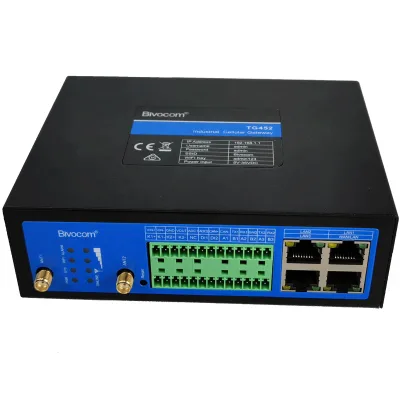
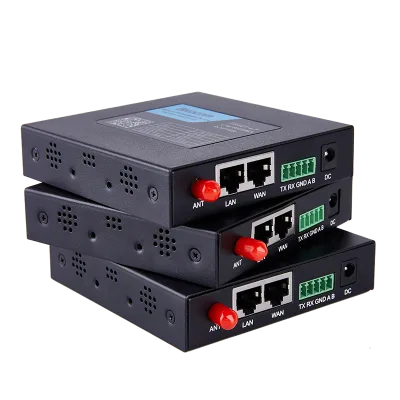
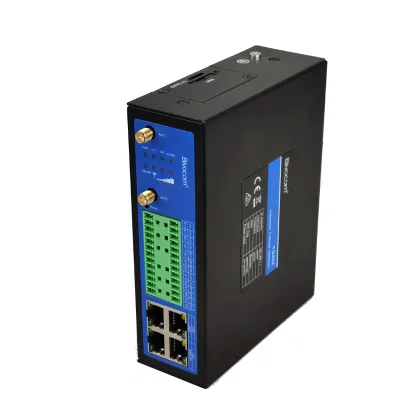
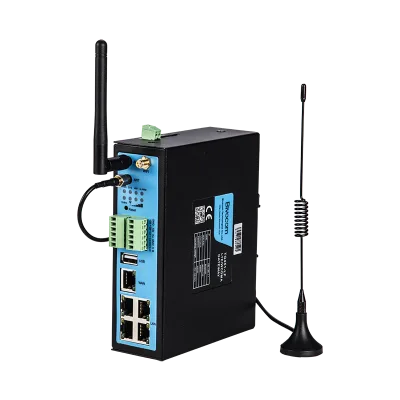
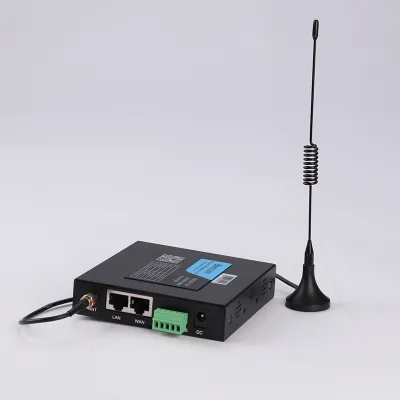
Wireless industrial wifi openwrt access point 4g router 3g sim gateway with ethernet rj45 ports
$123.1236 - $307.8075
MOQ: 1 Minimum

Shenzhen E-Lins Communication Co., Limited
- Manufacturer/Factory
- China Guangdong
- Lead time15 days
- Avg. response≤ 2h
Main products5g Router, 4G Router, LTE Router, 5g Modem, 4G Modem, Swtich, Gateay, Controller, GSM Cellular Devices
Main marketsSouth America,Eastern Europe,Mid East,North America,Southeast Asia,Eastern Asia,Oceania,Western Europe,Africa


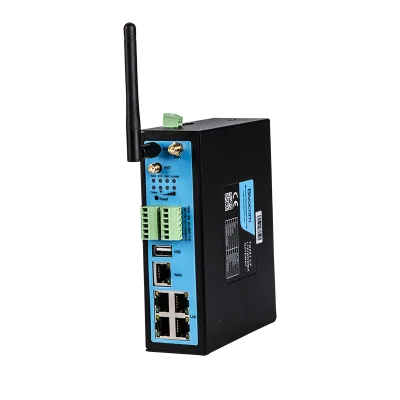
LTE industrial WiFi6 gateway 4G Failover Modem with TR-069, SNMP, and cloud alerts
$68.00 - $150.00
MOQ: 1 Sets

GPS Serial Port WiFi Cloud Management Industrial VPN Wireguard 4G LTE Router
$85.00 - $200.00
MOQ: 1 Sets

LTE gateway with SSH Openwrt LTE 4G Router firewall and hotspot for guests
$68.00 - $150.00
MOQ: 1 Sets


RS232 Digital I/O 5-60V Wide Range Power M2M IoT Cloud Management Platform DHCP 5G Router Best
$68.00 - $210.00
MOQ: 1 Sets
Chengdu Zongheng Intelligence Control Technology Co., Ltd.
- Trading Company
- Sichuan, China
- Lead time15 days
- Avg. response≤ 4h
Main productsWireless & IoT Module And Products
Main marketsSoutheast Asia(25.00%), Western Europe(25.00%), Eastern Europe(25.00%), North America(20.00%), South America(5.00%)
Shenzhen Beilai Technology Co., Ltd.
- Manufacturer
- Guangdong, China
- Lead time3 days
- Avg. response≤ 4h
Main productsIoT Gateways,Ethernet Remote I/O Module,4G Industrial VPN Router,4G M2M RTU,Industrial Computer
Main marketsNorth America(15.00%), Western Europe(13.00%), Eastern Europe(12.00%), Southern Europe(10.00%), Southeast Asia(8.00%), Northern Europe(8.00%), Oceania(8.00%), South America(8.00%), Africa(5.00%), Mid East(4.00%), Domestic Market(3.00%), South Asia(3.00%), Central America(2.00%), Eastern Asia(1.00%)
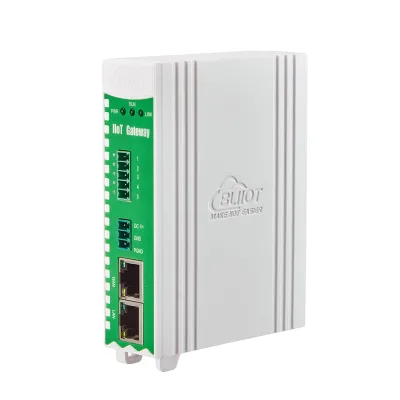
Supports IIoT Data Transmission Industrial-grade EMC Certification Smart Grid Communication Gateway
$53.18 - $59.56
MOQ: 1 Minimum
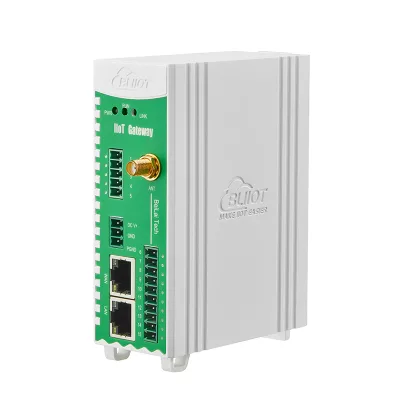

Jiangsu Acrel Electrical Manufacturing Co., Ltd.
- Verified by BV
- Combined
- China Jiangsu
- Lead time15 days
- Avg. response≤ 3h
Main productsPower Meter, Energy Meter, WiFi Meter, RS485 Modbus-RTU Meter, Multifunction Relay, Motor Protection Relay, Busbar Temperature Sensor, Power Tag, Insulation Monitor, Current Sensor
Main marketsSoutheast Asia/ Mideast,Europe,North America

Nantong Super Intelligence Technology Co., Ltd
- Verified by TUVRHEINLAND
- Trading Company
- China Jiangsu
- Lead time30 days
- Avg. response≤ 1h
Main productsIoT Lorawan® Gateways, IoT Lorawan® Sensors, IoT Controllers, 5g & Industrial Cellular Products, Solar Panel Making Machines, Mc4 Solar Panel Connector, Solar Panel Production Line, Solar Panel Raw Materials, Wireless Sensing Camera, Ai Outdoor Parking Camera
Main marketsOthers(foreignTradeCapacity.exportBusinessCapacityMarketOther),Southeast Asia/ Mideast,Domestic

Shenzhen Toprie Electronics Co., Ltd.
- Verified by SGS
- Manufacturer
- China Guangdong
- Lead time15 days
- Avg. response≤ 3h
Main productsPressure Sensor, Power Meter, Sensor, Temperature Sensor, Level Transmitter, Paperless Recorder, Iiot Gateway, Data Logger, Data Acquisition Module, Liquid Level Sensor
Main marketsEurope,North America
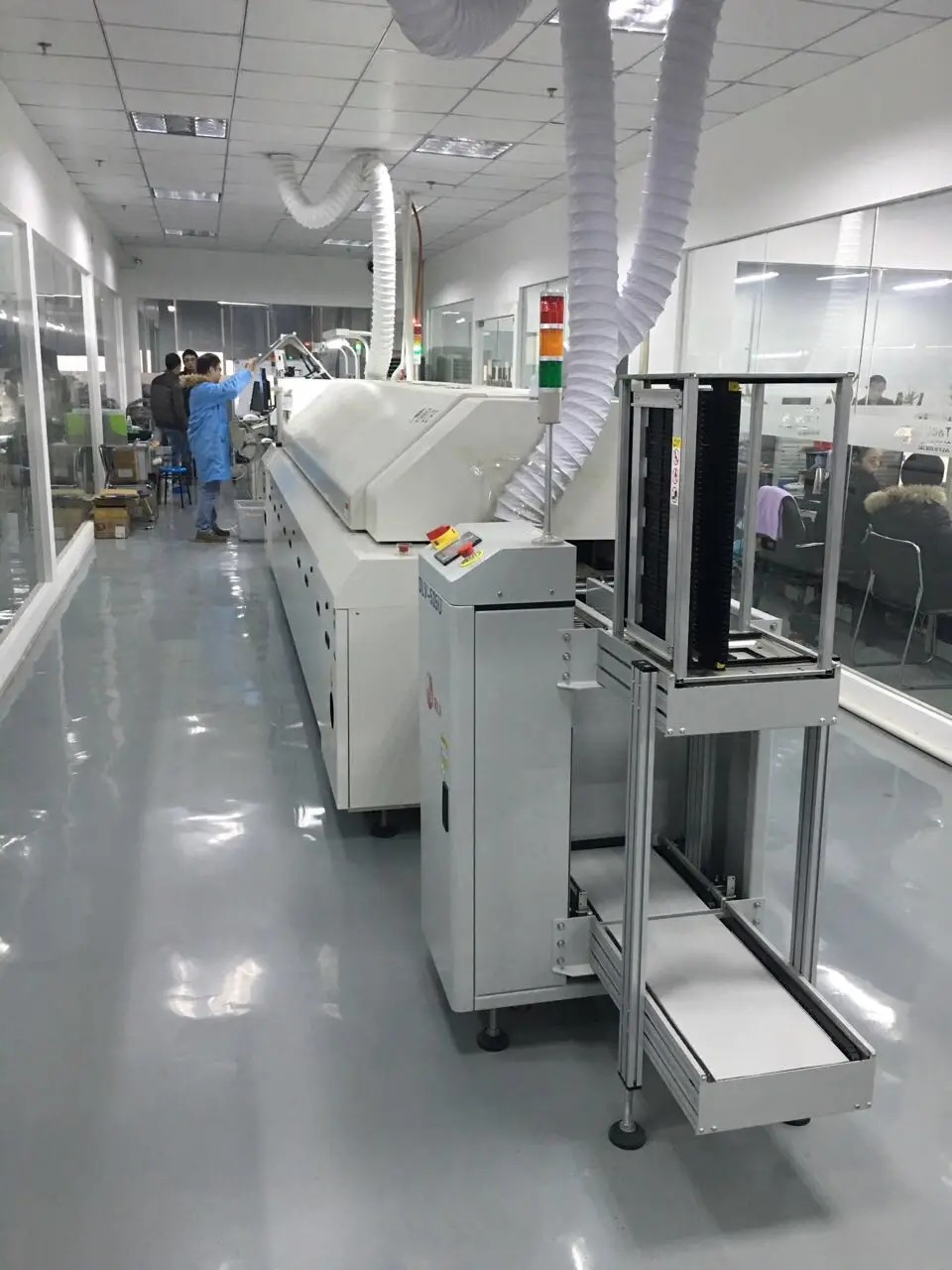
Chongqing JINOU Science and Technology Development Co., Ltd.
- Trading Company
- Chongqing, China
- Lead time15 days
- Avg. response≤ 13h
Main productsBluetooth Modules,Bluetooth Gateway/Router,Sensor Beacons,Smart Home,Bluetooth Serial Adapter
Main marketsDomestic Market(50.00%), North America(30.00%), Southern Europe(5.00%), Eastern Europe(5.00%), South America(3.00%), Northern Europe(2.50%), Western Europe(2.10%), South Asia(0.50%), Eastern Asia(0.50%), Central America(0.40%), Africa(0.30%), Mid East(0.30%), Southeast Asia(0.20%), Oceania(0.20%)
Shanghai Sunfull Automation Co., Ltd.
- Trading Company
- Shanghai, China
- Lead time3 days
- Avg. response≤ 6h
Main productsWEB HMI,IoT gateway,DDC & IO module,BACnet/Modbus/IEC/EntherNetIP/SNMP/KNX/OPC UA gateway,EMS
Main marketsDomestic Market(70.00%), Southeast Asia(20.00%), South America(5.00%), Mid East(5.00%)
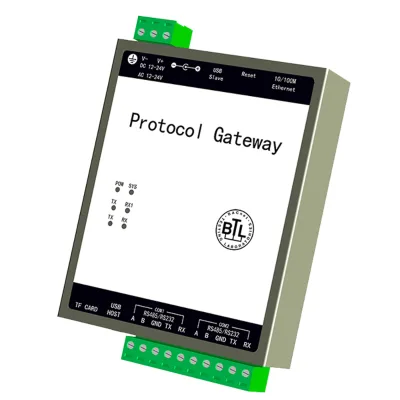
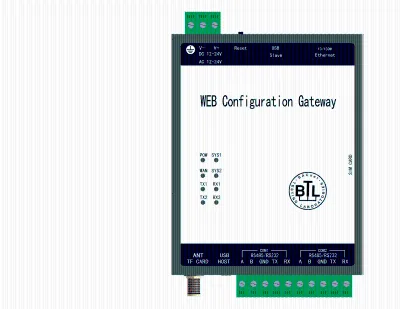
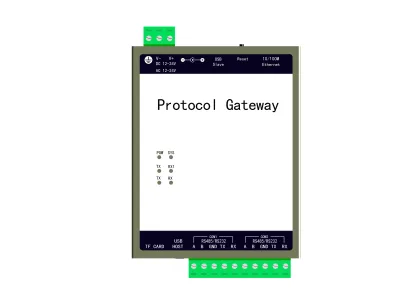
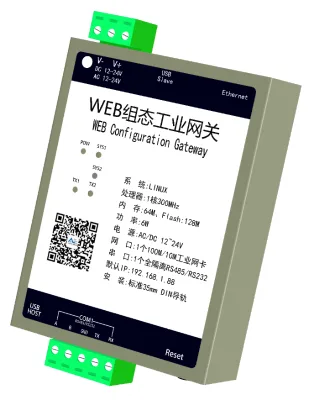
MQTT gateway remote Controller Gateway Modbus RS485/RS232 data acquisition
$267.3166 - $370.1303
MOQ: 1 pieces
HoneyComm IoT Technology(Shenzhen)Co., Ltd.
- Verified by SGS Group
- Trading Company
- Guangdong, China
- Lead time7 days
- Avg. response≤ 2h
Main productsBluetooth Beacons, Beacon Gateways, AOA Beacon Tags, Air Tag Tracker, GPS receiver
Main marketsNorth America(50%), South America(20%), Western Europe(20%)

RisingHF Network(Shenzhen)Co., Ltd,
- Verified by SGS
- Trading Company
- China Guangdong
- Lead time15 days
- Avg. response≤ 3h
Main marketsNorth America


Industrial Power Management Gateway with RS485 Connectivity and Low-Power 4G Communication
$88.00 - $99.00
MOQ: 1 Pieces

Shenzhen Ex-link Technology Co., Ltd.
- Verified by BV
- Trading Company
- China Guangdong
- Lead time15 days
- Avg. response≤ 10h
Main productsOutdoor Router, Indoor Router, WiFi Router, 3G/4G/5g Gateway, 4G CPE, 5g CPE, Modem, 5g Idu, 5g Portable Router, 4G Portable Router
Main marketsSouth America,Africa,Southeast Asia/ Mideast,Europe,Australia,North America

4G Unlock Ethernet Port Router Industrial Grade Gateway for IoT Solution
$60.00 - $80.00
MOQ: 1 Pieces


- Verified by TUVRHEINLAND
- Manufacturer/Factory
- China Guangdong
- Lead time60 days
- Avg. response≤ 9h
Main productsWireless Access Point, Wireless Router, 5g Router, 5g CPE, LTE Router, 4G Router, 4G CPE, Outdoor Wi-Fi, IoT Router, Switch
Main marketsSouth America,Eastern Europe,Mid East,North America,Southeast Asia,Eastern Asia,Oceania,Western Europe,Africa

Industrial Gateway with VPN Client and VPN Server and Support Multiple Authentication
$50.00 - $150.00
MOQ: 1 Pieces


$1.00 - $80.00
MOQ: 1 Pieces

Hengzhan Smart City Technology Co., Ltd
- Verified by TUVRHEINLAND
- Combined
- China Zhejiang
- Lead time30 days
- Avg. response≤ 3h
Main productsSmart Street Light, Solar Light, Light Controller, Street Light Pole
Main marketsDomestic
Chisung Intelligence Technology (Shenzhen) Co., Limited
- Verified by Intertek
- Manufacturer, Trading Company
- Lead time7 days
- Avg. response≤ 3h
Main productsSwing Gate opener, Sliding Gate opener, GSM Gate Opener, Swing Door Opener, Sliding Door Opener
Main marketsDomestic Market(30%), South America(10%), Southeast Asia(10%)

Hangzhou Antin Power Technology Co., Ltd.
- Verified by SGS
- Combined
- China Zhejiang
- Lead time15 days
- Avg. response≤ 1h
Main productsDIN Rail Meter, Humidity Controller, Panel Meter, Energy Meter, Kwh Meter, Electricity Meter, Electricity Submeter, Energy Storage Cabinet, Prepaid Meter, Temperature and Humidity Controller
Main marketsSoutheast Asia/ Mideast
Gdepri Power Control Systems & Equipment Limited
- Manufacturer
- Guangdong, China
- Lead time30 days
- Avg. response≤ 9h
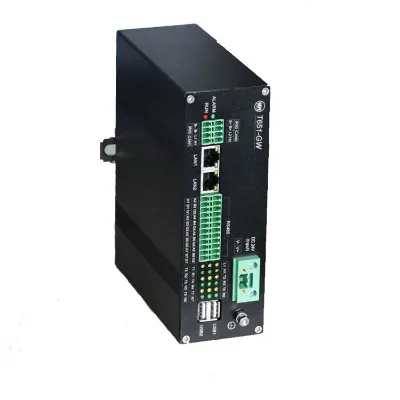
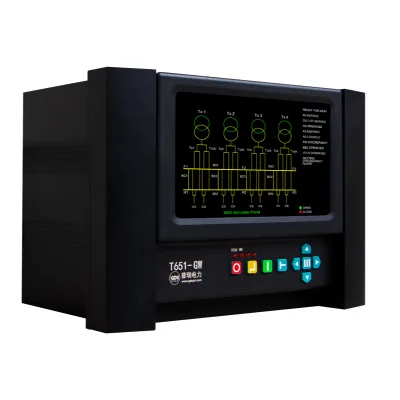
Main productsRemote terminal unit,Communication gateway,Auto-transfer switching,Energy meter,Annunciator
Main marketsSouth Asia(20.00%), Eastern Asia(20.00%), Africa(20.00%), Southeast Asia(20.00%), Eastern Europe(20.00%)
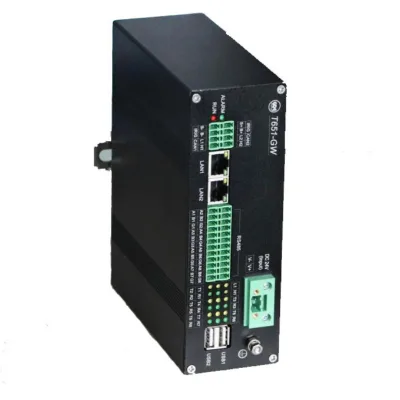
$600.00 - $2000.00
MOQ: 5 Minimum
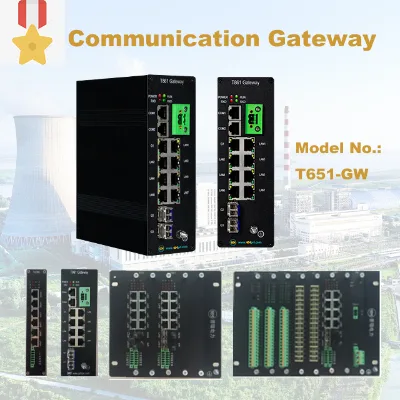
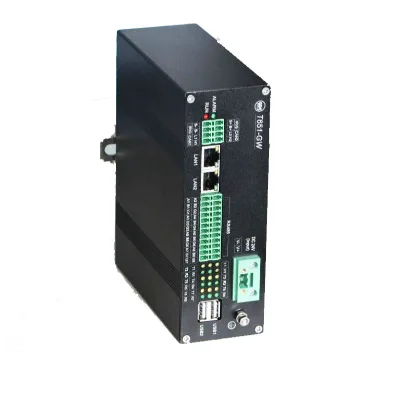
$600.00 - $2000.00
MOQ: 5 Minimum
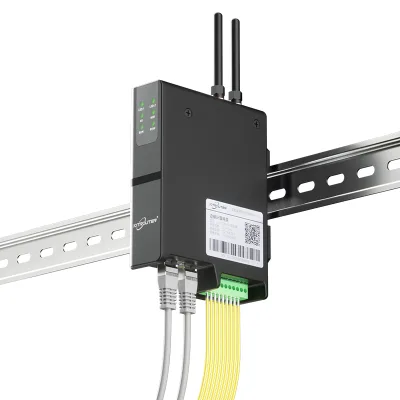
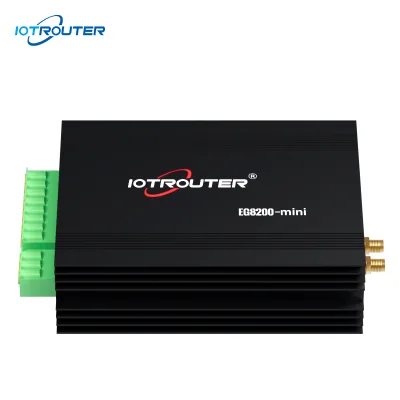






Comprehensive Sourcing Guide
Cloud Managed Industrial LTE Gateway Supplier Concentration and Factory Types
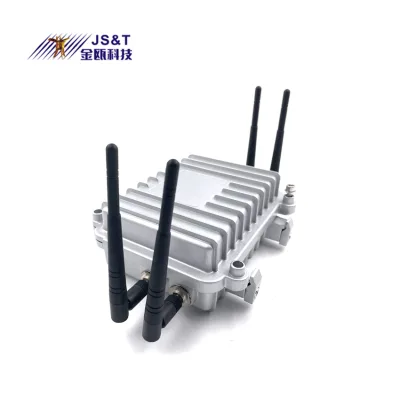
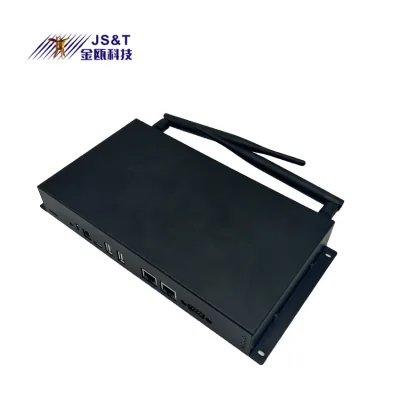
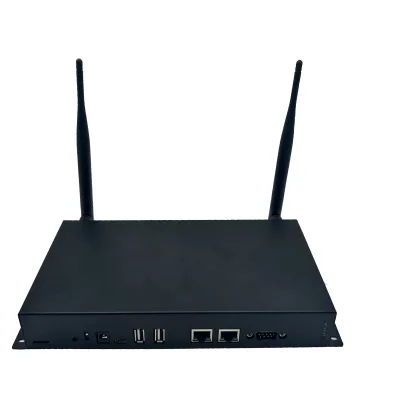
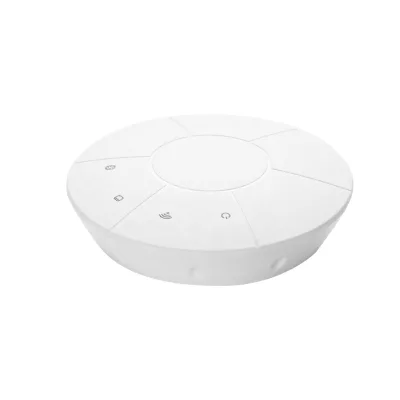
When you search for a Cloud Managed Industrial LTE Gateway, the supplier pool you encounter is dominated by manufacturers rather than trading intermediaries. The visible evidence in this category points to two active manufacturing regions in China. One cluster sits in Fujian, where suppliers list industrial cellular modems, routers, gateways, RTUs and 5G IoT gateways as their core products, and where individual listings carry detailed specifications such as RS232/RS485 serial ports, Ethernet, Wi-Fi, DI/DO, ADC interfaces, Modbus RTU/TCP, MQTT and HTTPS protocols, Python or C/C++ programmability, and certifications such as CE-RED, RCM and NBTC on selected models. A second cluster is in Guangdong, where factories describe themselves as manufacturers/factories producing 5G routers, 4G routers, LTE routers, modems, switches, controllers and GSM cellular devices, with own-brand and OEM/ODM capability.
Factory type matters more than it might first appear. A manufacturer that designs and builds gateways in-house can usually adapt hardware, firmware and cloud onboarding more readily than a reseller listing catalog products. Some listings also show supply-side details such as weekly production capacity, packaging options including neutral and OEM cartons, and dispatch ports. Treat company type labels as a starting point, not proof: verify the factory address, ask which models are built on their own production lines, and request references from existing industrial deployments before you assume the label reflects genuine manufacturing depth.
How to Verify Cloud Managed Industrial LTE Gateway Suppliers
Verification begins with documents that independently confirm who you are dealing with. Ask for a business license and cross-check the registered entity name against the name shown on the platform. For manufacturers, request evidence of factory ownership, such as a lease agreement or property document, and consider a third-party audit or a live video walkthrough of the production and testing areas. Where a supplier displays system certifications such as ISO 9001 and ISO 14001, request the actual certificate files, confirm the certificate number with the issuing body, and check that the scope and validity dates cover manufacturing operations rather than only sales offices.
Product claims require the same discipline. Listings in this category show attributes like CE-RED certification, dual-SIM options, metal IP30 housings, wide power input ranges and programmable firmware environments; none of these should be accepted from a listing table alone. Ask for certification copies tied to the exact model number, not a similar variant, and clarify whether your target market requires additional approvals. For cloud management specifically, confirm which cloud platform the gateway pairs with, whether the cloud service carries separate subscription costs, and who controls the account structure. Finally, test responsiveness before committing: some suppliers in this category display response times around one hour, so a slow reply to a detailed technical question during the inquiry stage is a meaningful early signal of how the relationship will behave after payment.
What to Compare Across Cloud Managed Industrial LTE Gateway Suppliers
Build a comparison table from the attributes that actually appear on supplier profiles, while remembering that not every supplier displays every field. Useful dimensions include location, company type, lead time, minimum order quantity, response speed and main product lines. In the evidence available for this category, lead times differ sharply between suppliers: one Fujian manufacturer lists around three days, while a Guangdong factory lists around fifteen days, and that spread will matter if your project has a fixed commissioning window. Some listings show a minimum order quantity as low as a single unit, which is convenient for pilot deployments, but confirm that the same MOQ applies to customized firmware or branded units.
Beyond profile-level fields, compare the products themselves. Examine the wireless category, the serial and Ethernet interfaces, antenna configurations, VPN support, programmability options such as Python or Node-RED, and protocol coverage for Modbus and MQTT. Compare hardware documentation quality, including dimensional drawings, power specifications and housing ratings, because sloppy datasheets usually predict sloppy deliveries. Response time is another legitimate comparison point; two suppliers in this category display response times near one hour, so measure actual reply quality against the displayed figure. Also weigh establishment history and main-product focus: a supplier whose entire catalog is industrial cellular devices is more likely to resolve an LTE banding or firmware issue than a generalist electronics vendor that happens to list a gateway.
Common Cloud Managed Industrial LTE Gateway Sourcing Risks
The most frequent risk in this category is certification mismatch. Gateways are cellular radio products, and a model certified for one region's spectrum rules may be illegal to deploy in another. Listings here show certifications such as CE-RED, RCM and NBTC on particular models, which tells you certification exists but not that it covers your frequency bands or your destination market. Always match the certificate to the exact model number and ask which band variants exist, because a gateway sold with the wrong regional module can become unusable hardware that no refund will fully compensate.
A second risk cluster involves cloud and firmware ownership. A cloud managed gateway depends on a management platform that may be third-party, subscription-based or discontinued; clarify lifetime costs, account migration terms and whether devices remain manageable if the cloud service changes. Overclaiming is another pattern: some listings describe broad interface sets and protocol support, but only sample units will show whether every port works simultaneously and whether the claimed programmable environment behaves as documented. Quality and continuity risks follow: confirm the metal housing rating, power input tolerance and antenna supply, and ask about long-term module availability, since cellular chipsets are frequently discontinued. Finally, beware of packaging and brand ambiguity, where identical-looking gateways are offered under neutral, OEM and branded cartons; specify labeling requirements in writing, and require pre-shipment inspection with functional testing of every unit against your stated network and protocol configuration.
Cloud Managed Industrial LTE Gateway Regional Sourcing and Logistics
Two regions are supported by the current evidence as manufacturing sources for this category. Fujian appears repeatedly as a place of origin for industrial cellular gateways, routers and RTUs, with one product listing also naming Xiamen as the port of dispatch, which gives you a concrete picture of inland production feeding a nearby seaport. Guangdong appears as a second active region, hosting factories whose main products span LTE and 5G routers, modems, switches and controllers, with own-brand, OEM and ODM arrangements. When a region is not documented for a given supplier, do not guess; ask for the registered address, the factory address and the dispatch port separately, because these three locations frequently differ.
Logistics planning should start from the declared lead time and port. A supplier quoting a few days of production lead time can usually combine your order with standard freight options, while one quoting two weeks or more needs schedule confirmation before you commit to an installation date. For hardware of this size, air freight is feasible for pilot quantities, and sea freight becomes economical at scale; ask about export packaging, carton dimensions and whether neutral packaging is available for your distribution chain. Confirm Incoterms in writing, since responsibilities for customs clearance and insurance differ materially between arrangements. If your deployment is phased, plan reorders early: capacity statements such as weekly set production exist on some listings, but you should validate realistic throughput during a trial order rather than trusting a profile field.
Cloud Managed Industrial LTE Gateway Commercial Terms and Order Planning
Start commercial negotiations by fixing every variable that profiles leave open. Minimum order quantities, when shown, may be as low as one unit in this category, but confirm whether that threshold holds for OEM units, custom firmware loads and extended antennas or accessories. Lead times of roughly three days versus fifteen days across suppliers show how differently factories plan production, so anchor your purchase order to a confirmed production slot, not a profile number. Insist on a proforma invoice listing model numbers, certifications, power variants, packaging type and Incoterms, and define acceptance criteria that reference the datasheet attributes you relied upon when shortlisting.
Payment and risk-transfer structure deserves explicit attention. Ask whether the platform offers escrow or trade assurance for your order, and if not, structure payments so that a meaningful balance is released only after inspection of production samples or a pre-shipment check. For repeat purchasing, negotiate a framework covering firmware update policy, spare-module availability, warranty duration and return logistics for defective units, because industrial gateways often sit in the field for years. Plan your first order as a two-stage pilot: a small batch to validate cloud onboarding, LTE registration on your carriers' bands and protocol behavior, followed by the main order with any corrections written into the specification. Finally, document who holds the cloud administration accounts and credentials before shipment, so that device management transfers cleanly to your operations team on day one.
FAQs
What certifications do these industrial gateways hold?
Many models feature CE-RED certification for European compliance. Some units also include RCM and NBTC approvals for specific regional markets. Buyers should verify the exact certificate list on the product page before ordering to ensure regulatory alignment for their target deployment zone.
What is the typical response time for suppliers?
Suppliers on this page demonstrate rapid response capabilities, with recorded times as low as one day. This quick turnaround helps streamline initial communication and technical clarification. Buyers can expect efficient engagement when inquiring about custom specifications or immediate stock availability for urgent projects.
What are the minimum order quantities for these devices?
The minimum order quantity is one unit, allowing for easy sample testing. This low MOQ supports prototyping and small-scale pilot deployments without requiring large initial capital investment. Buyers can order single units to verify performance before committing to larger bulk production runs.
What communication interfaces are supported by these gateways?
Devices typically support RS232, RS485, Ethernet, and Wi-Fi interfaces. Some models also include USB, DI, DO, and ADC ports for diverse industrial connectivity. This variety ensures compatibility with legacy PLCs and modern sensors, facilitating seamless integration into existing industrial automation and monitoring systems.
What programming languages are supported for customization?
Several gateways support Python, C/C++, and Node-RED for application development. This programmability allows users to create custom logic for data processing and control tasks. Developers can leverage these languages to tailor the gateway behavior precisely to specific industrial IoT use cases and requirements.
What is the lead time for manufacturing these products?
Lead times vary, with some suppliers offering three days and others up to fifteen days. This range depends on the specific model and current production capacity. Buyers should confirm the exact delivery schedule with the supplier to align with their project timelines and deployment schedules.
What power supply options are available for these units?
Most units operate on DC 12V power sources. Some models support a wider input range of DC 5-35V for flexibility. This broad voltage compatibility ensures reliable operation in various industrial environments where power conditions may fluctuate or differ from standard consumer electronics.