Commercial Inflatable Pontoon Dock Suppliers and Manufacturers
Compare 26 verified suppliers of Commercial Inflatable Pontoon Dock based on location, lead time, and certifications. Review product specs like capacity and warranty before requesting quotes from multiple vendors to ensure best fit for your project needs; review the available evidence before requesting comparable quotations from suitable candidates.
Updated
Suppliers List

Guangzhou Huayue Inflatable Products Co., Ltd.
- Verified by BV
- Combined
- China Guangdong
- Lead time30 days
- Avg. response≤ 3h
Main productsInflatable Water Park, Inflatable Slide, Bouncy Castle, Inflatable Mirror Ball, Air Track, Inflatable Bunkers, Inflatable Platform, Inflatable Tent, Inflatable Water Toy, Paddle Boards
Main marketsSouth America,Africa,Southeast Asia/ Mideast,East Asia(Japan/ South Korea),Europe,Australia,North America

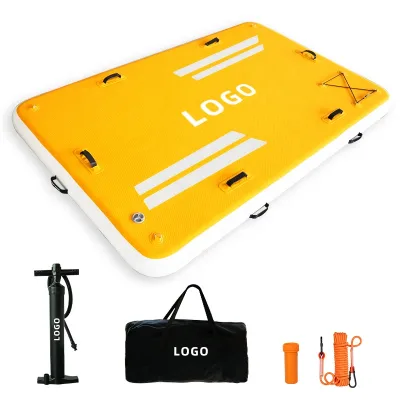
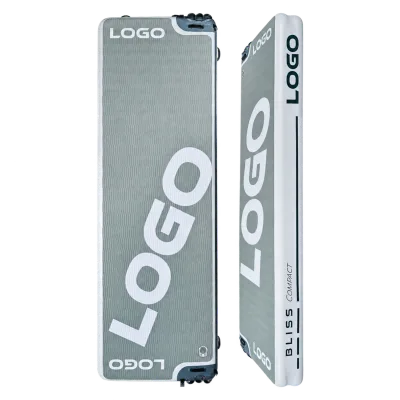
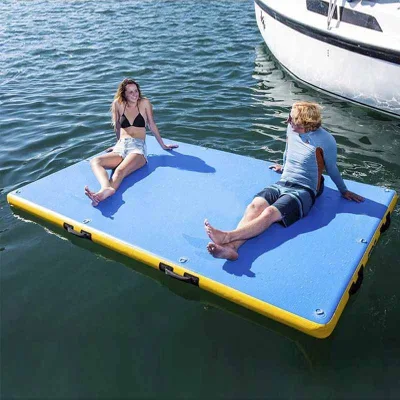
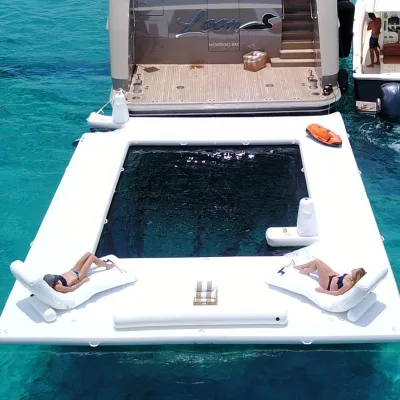
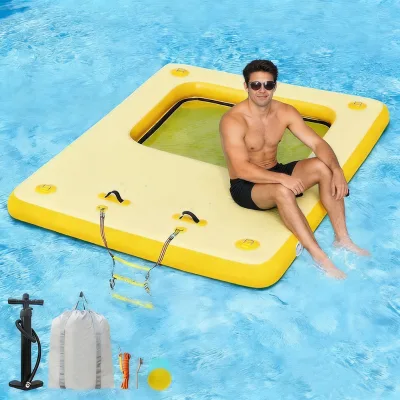
Inflatable Yacht Floating Dock Inflatable Straight Pontoon Platform Dock
$700.00 - $740.00
MOQ: 1 Pieces

Hot Sale Inflatable Yacht Dock Portable Floating Protection Dock Durable Inflatable Dock Floats
$700.00 - $800.00
MOQ: 1 Pieces

Qingdao Colton Yacht Co., Ltd.
- Trading Company
- China Shandong
- Lead time30 days
- Avg. response≤ 21h
Main productsAluminum Rib, Fiberglass Rib, Inflatable Boat, Fiberglass Boat, Aluminum Boat, Boat Accessories
Main marketsEurope,Australia,North America
Guangdong Zhonghang Water Equipments Construction Co., Ltd.
- Verified by SGS Group
- Manufacturer, Trading Company
- Lead time30 days
- Avg. response≤ 2h
Main productsFloating Dock, Floating Pontoon, Jet Ski Dock, Aluminum Alloy Floating Dock, Floating Cube Dock
Main marketsNorth America(21%), Southeast Asia(21%), Oceania(10%)
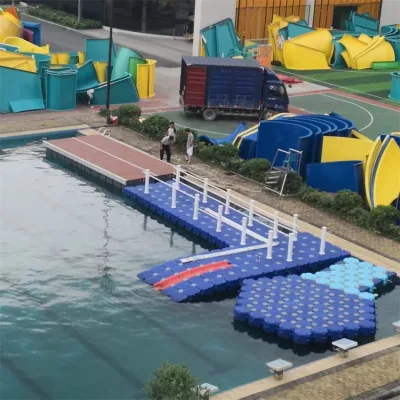
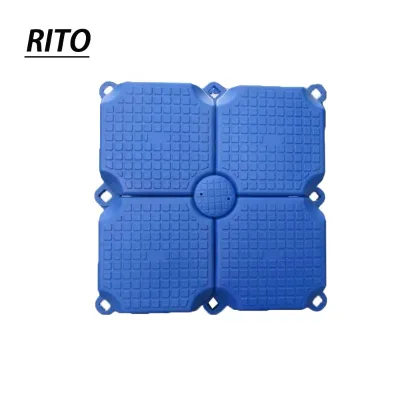
Hexagon Inflatable Floating Pontoon Dock Plastic Floating Dock Pier Plastic Dock Modular Floating
$18.00 - $22.00
MOQ: 10 pieces
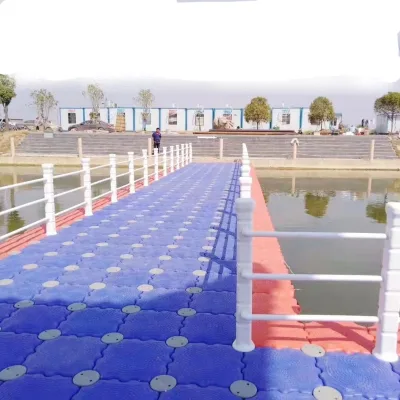
Inflatable Modular Floating Pontoon Stable with Different Sizes for Water Parks
$18.00 - $20.00
MOQ: 1 pieces

Shenzhen Horizon Marina Co., Ltd.
- Manufacturer/Factory,Other
- China Guangdong
- Lead time38 days
- Avg. response≤ 14h
Main productsPontoon, Aluminium Pontoon, Steel Pontoon, WPC Decking, Mooring Cleat, Floating Dock, Gangway, Concrete Pontoon, PE Floating, Service Bollard

GUANGZHOU YOLLOY OUTDOOR PRODUCT CO.,LIMITED
- Verified by BV
- Combined
- China Guangdong
- Lead time15 days
- Avg. response≤ 3h
Main productsInflatable Tent, Inflatable Swimming Pool, Inflatable Water Park, Inflatable Water Slide, Inflatable Floating Dock, Inflatable Sup Paddle Broad, Inflatable Water Toys, Inflatable Game Mechanical Rodeo Bull, Inflatable Planetarium Projection Tent, Inflatable Spray Paint Booth
Main marketsSouth America,East Asia(Japan/ South Korea),Europe,North America
Yushan Yijia Inflatable Products Co., Ltd.
- Manufacturer, Trading Company
- Lead time旺季: "1 - 1":7,"2 - 50":15,"51 - 100":20,"> 100":"To be negotiated", 淡季: "1 - 1":7,"2 - 50":15,"51 - 100":20,"> 100":"To be negotiated"
- Avg. response≤ 4h
Main productsInflatable Air Track,Inflatable Ice Bath,Inflatable Tent,Inflatable DWF Water Play,Inflatable Toys
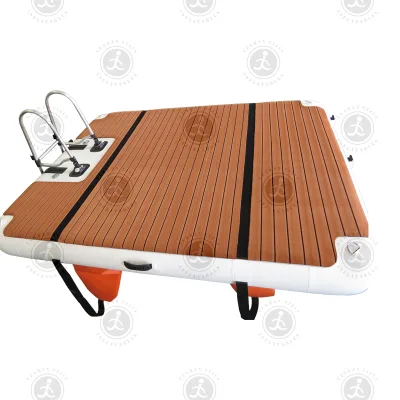
$241.00 - $279.00
MOQ: 1 pieces
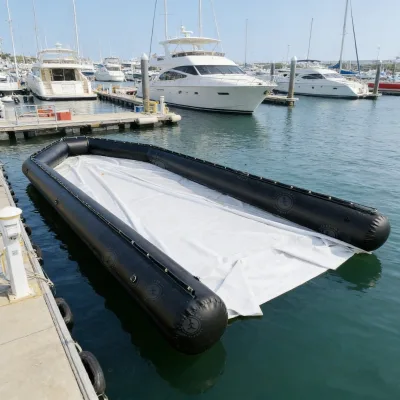
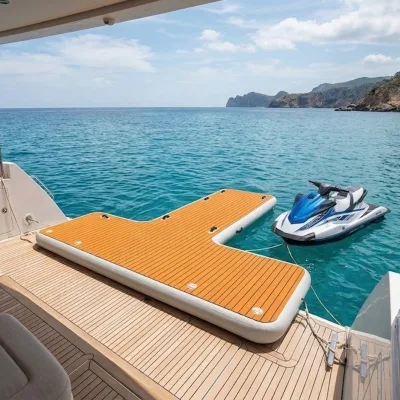
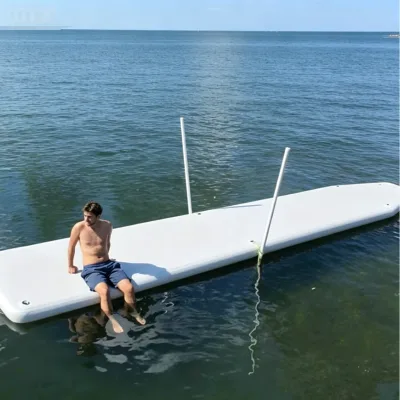
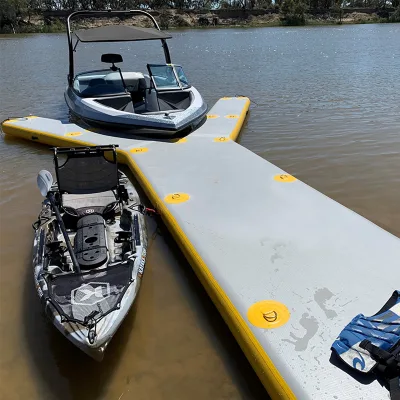
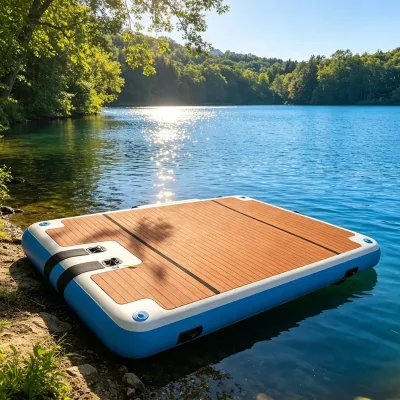
Guangzhou Powerful Toys Co., Ltd.
- Manufacturer, Trading Company
- Lead time旺季: "1 - 1":31,"> 1":"To be negotiated", 淡季: "1 - 1":31,"> 1":"To be negotiated"
- Avg. response≤ 4h
Main productsWedding Bouncer, Jump Airbag, Inflatable Landing Airbag, Inflatable Sports Games, Inflatable Water Games
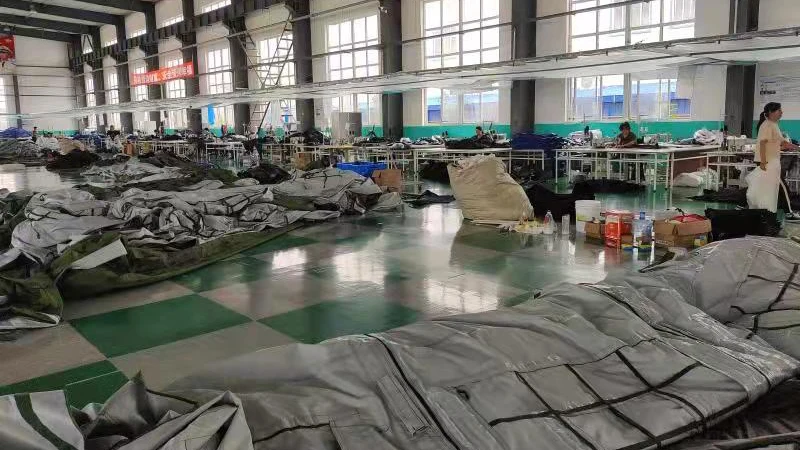
Guangzhou Yushan Inflatable Products Co., Ltd.
- Manufacturer, Trading Company
- Guangdong, China
- Lead time15 days
- Avg. response≤ 3h
Main productsInflatable Bounce House, Inflatable Slide, Inflatable Air Track, Inflatable Water Park, Advertising Inflatable
Main marketsNorth America(40.00%), Western Europe(20.00%), Mid East(20.00%), Southeast Asia(20.00%)
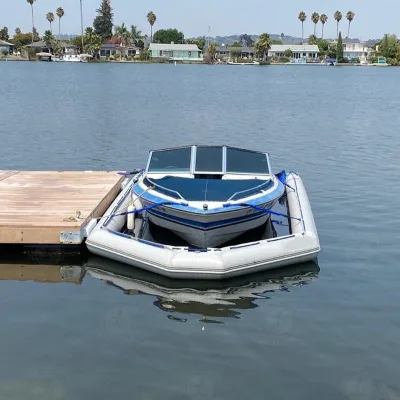
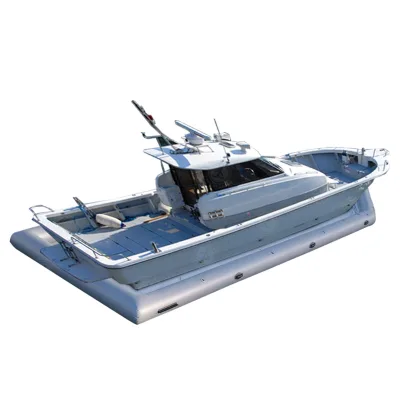
Inflatable Motorboat Dock Floating Repair Dock a Sturdy Marine Inflatable Dock
$1300.00 - $1999.00
MOQ: 1 pieces
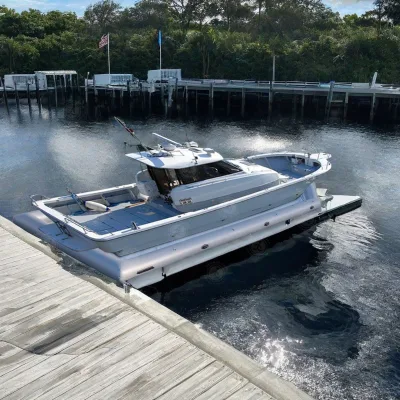
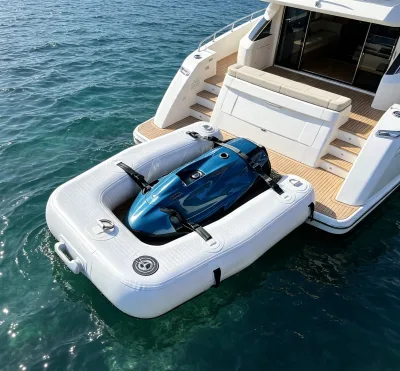
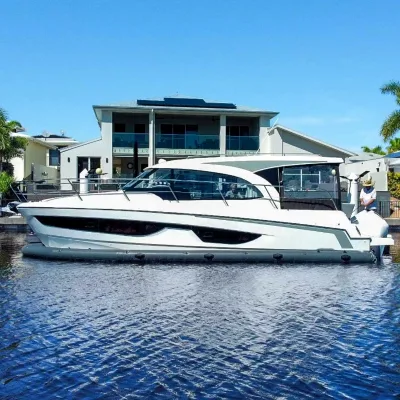
$699.00 - $799.00
MOQ: 1 pieces
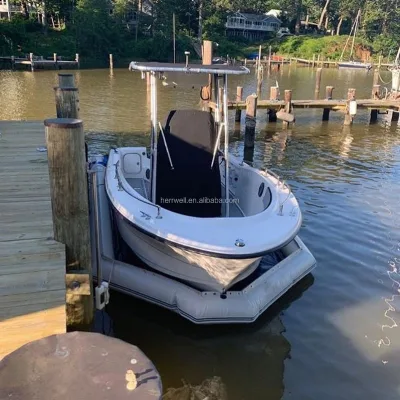
High Quality Inflatable Floating Dock Plastic Jet Ski Floating Dock Platform River Pontoon Bridge
$1300.00 - $1999.00
MOQ: 1 pieces

Guangzhou Barry Industrial Co., Ltd.
- Verified by CTI
- Combined
- China Guangdong
- Lead time15 days
- Avg. response≤ 1h
Main productsInflatable Water Park, Inflatable Sport Game, Inflatable Water Slide, Swimming Pool, Bouncy Castle, Inflatable Dock, Air Track, Inflatable Theme Park, Inflatable Tent, Inflatable Obstacle Course
Main marketsSouth America,Southeast Asia/ Mideast,East Asia(Japan/ South Korea),Domestic,Europe,Australia,North America

Inflatable Y Pontoon Yacht Floating Swim Water Platform Dock Station Inflatable Floating Boat Dock
$130.00 - $599.00
MOQ: 1 Pieces


Custom Pontoonplatform Inflatable Dock Dock for Boats on Sale Logo Free
$189.00 - $299.00
MOQ: 1 Pieces


Guangzhou Asia Inflatables Co., Ltd.
- Combined
- China Guangdong
- Lead time15 days
- Avg. response≤ 8h
Main productsInflatable Water Park, Inflatable Aqua Park, Inflatable Water Sports, Inflatable Water Trampolin, Inflatable Banana Boat, Water Ski Tubes, Inflatable Water Games, Inflatable Tent, Inflatable Obstacle Course, Inflatable Decoration
Main marketsEurope,Australia,North America

Inflatable Platform for Boat / Inflatable Floating Platform / Inflatable Float Dock
$129.00 - $169.00
MOQ: 1 Pieces

- Manufacturer
- Guangdong, China
- Lead time0 days
- Avg. response≤ 5h
Main productsAqua Park,Floating Leisure Platform,Sea Pool,Floating Platform,Inflatable Boat
Main marketsWestern Europe(20.00%), North America(15.00%), Mid East(10.00%), Southeast Asia(10.00%), Eastern Europe(10.00%), Oceania(7.00%), Eastern Asia(5.00%), Northern Europe(5.00%), South America(3.00%), Domestic Market(2.00%), South Asia(2.00%), Southern Europe(1.00%), Africa(1.00%)
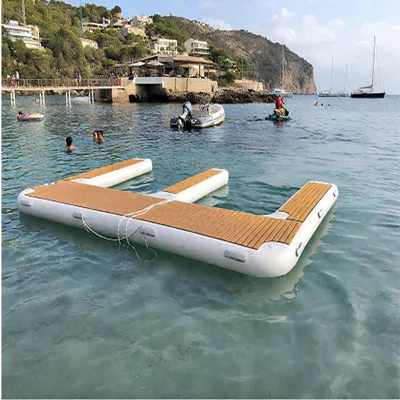
Good Quality Large Commercial Customized Size Inflatable Dock for Yacht Surfboard Docked
$502.5064 - $544.3809
MOQ: 1 pieces
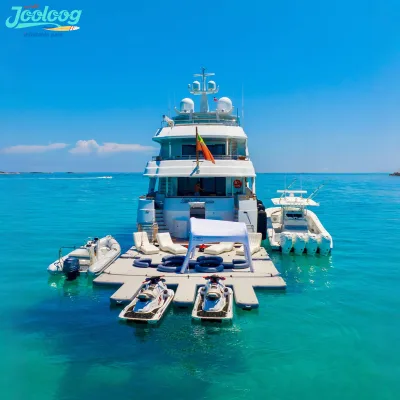
Free Combination Water Floating Inflatable Sea Pontoon Boat Docks for Yacht
$1888.00 - $3380.00
MOQ: 1
Yushan Yijia Inflatable Products Co., Ltd.
- Manufacturer, Trading Company
- Lead time旺季: "1 - 2":3,"3 - 9":7,"10 - 49":25,"> 49":"To be negotiated", 淡季: "1 - 2":3,"3 - 9":7,"10 - 49":25,"> 49":"To be negotiated"
- Avg. response≤ 3h
Main productsInflatable Electric Boat,inflatable house boat with motor for water play, Ice bath tube & Accessories,SPA tub, Recovery tub for family, Inflatable water floating, Platform for pool
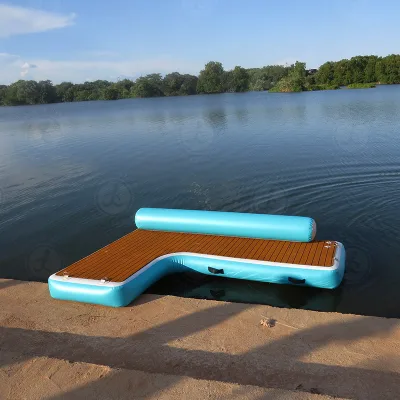
$113.7932 - $165.9917
MOQ: 1 pieces
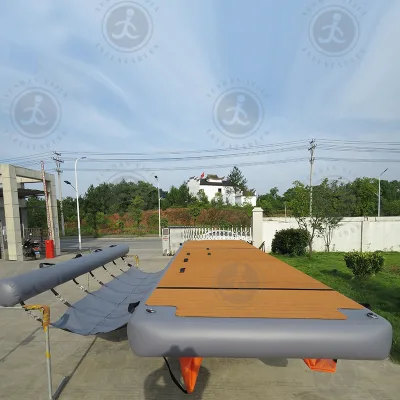
$207.751 - $312.1479
MOQ: 1 pieces
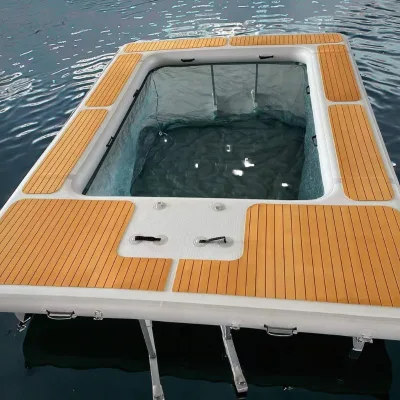
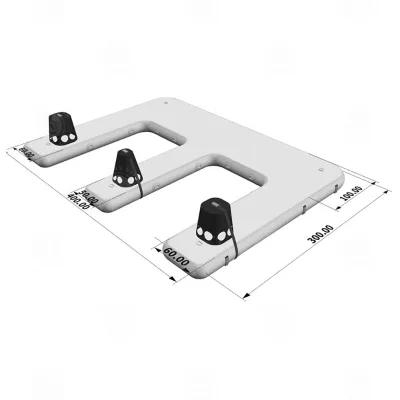
Wholesale Inflatable PVC Portable Floating Dock Swimming Platform for Jet Ski/Yacht/Boat
$229.00 - $329.00
MOQ: 1
Guangzhou Marnolin Marina Engineering Co., Ltd.
- Manufacturer, Trading Company
- Guangdong, China
- Lead time7 days
- Avg. response≤ 1h
Main productsfloating dock,floating pontoon,marina,water park tube,life jacket
Main marketsDomestic Market(70.00%), Africa(10.00%), Western Europe(9.00%), North America(1.00%), South Asia(1.00%), Southern Europe(1.00%), Northern Europe(1.00%), Central America(1.00%), Eastern Europe(1.00%), Eastern Asia(1.00%), Mid East(1.00%), Oceania(1.00%), South America(1.00%), Southeast Asia(1.00%)
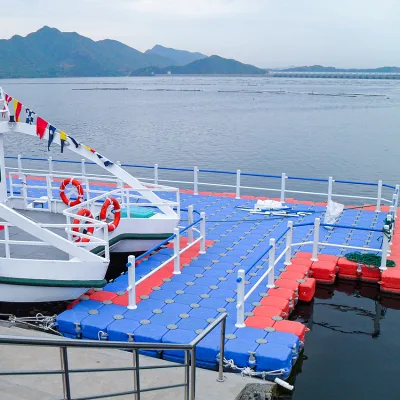
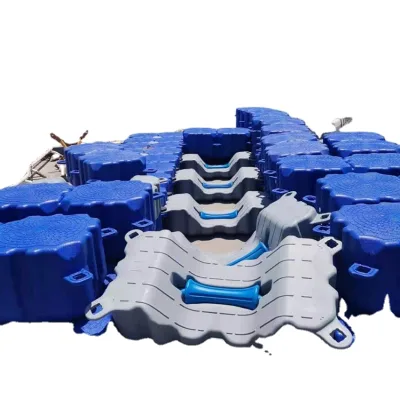
Inflatable Floating Dock Inflatable Dock Platform Floating Platform for Pool Beach Ocean Lake Float
$16.4291 - $20.0225
MOQ: 1 pieces
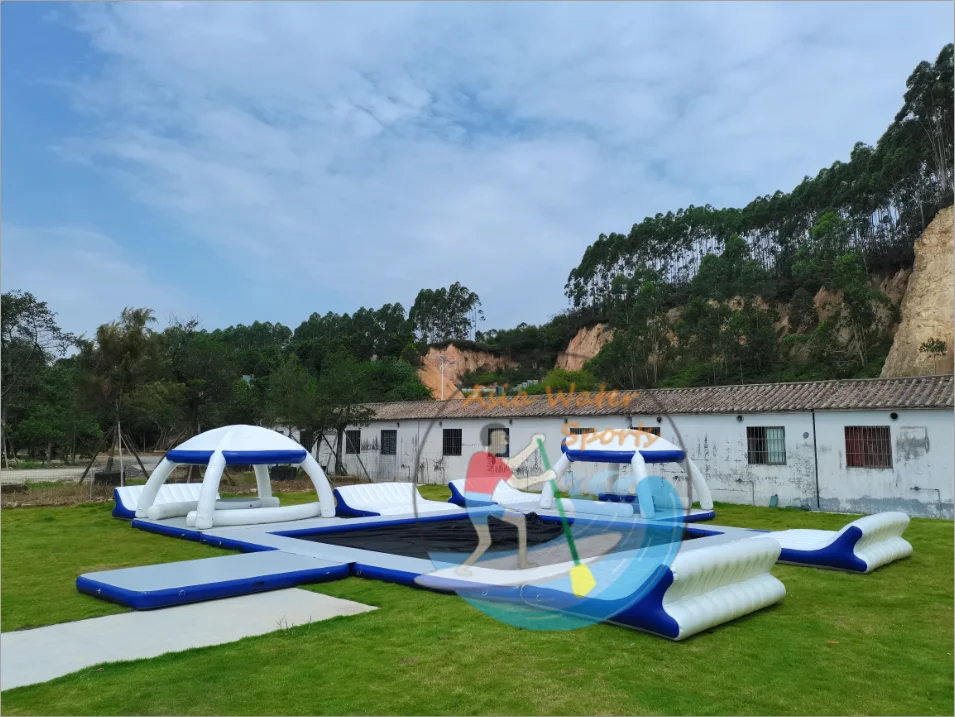
Heshan Asia Inflatable Products Co., Ltd.
- Manufacturer, Trading Company
- Guangdong, China
- Lead time7 days
- Avg. response≤ 3h
Main productsInflatable Water Platform,Inflatable Jetski Dock,Yacht Swimming Pool,Towable Inflatables,Inflatable Water Park
Main marketsNorth America(20.00%), Northern Europe(10.00%), Eastern Europe(10.00%), Western Europe(10.00%), Mid East(7.00%), South Asia(5.00%), Southern Europe(5.00%), Southeast Asia(5.00%), Central America(5.00%), South America(5.00%), Eastern Asia(5.00%), Africa(5.00%), Oceania(5.00%), Domestic Market(3.00%)
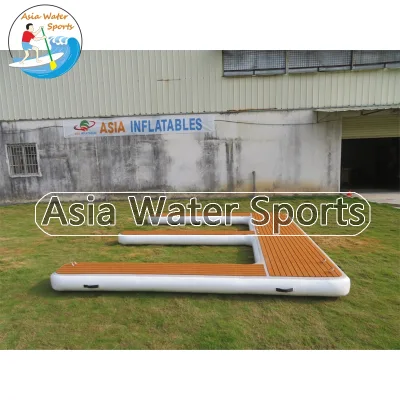
$250.00 - $280.00
MOQ: 1 pieces
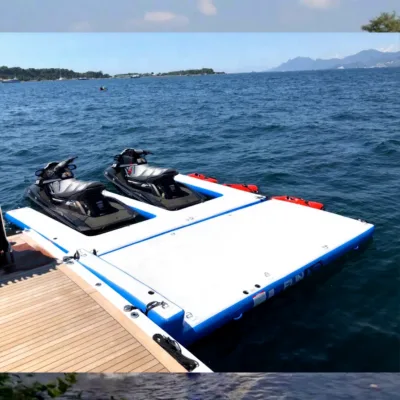
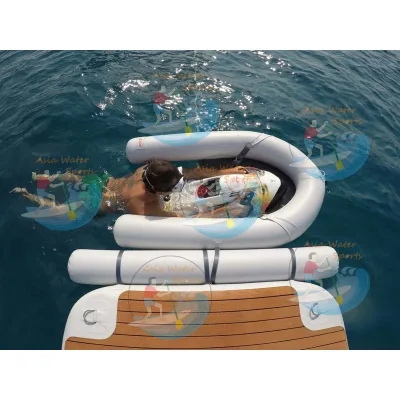
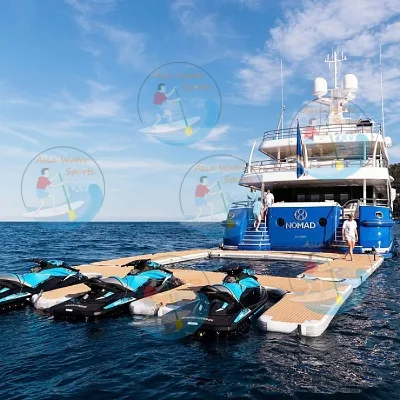
Heavy-Duty Inflatable Boat Dock (4.5x3m) | Customizable with Your Logo for Marinas & Rental Business
$91.0705 - $162.6975
MOQ: 1 sets
Zhengzhou Beiyueyi Import And Export Trading Co., Ltd.
- Trading Company
- Henan, China
- Lead time3 days
- Avg. response≤ 3h
Main productsTransparent kayak,Kayaking
Main marketsEastern Europe(15.00%), North America(15.00%), Northern Europe(10.00%), Central America(10.00%), South America(10.00%), Mid East(6.00%), Southern Europe(5.00%), Africa(5.00%), Southeast Asia(5.00%), Western Europe(5.00%), South Asia(5.00%), Oceania(5.00%), Domestic Market(2.00%), Eastern Asia(2.00%)
Yushan Yijia Inflatable Products Co., Ltd.
- Verified by SGS Group
- Manufacturer, Trading Company
- Lead time20 days
- Avg. response≤ 4h
Main productsInflatable swimming pool, Inflatable Sea Pool,Water hammock, Floating Platform for pool,Inflatable pool cover, pool accessories
FuHai (SuZhou) Technology Co., LTD.
- Verified by TüVRheinland
- Manufacturer, Trading Company
- Lead time30 days
- Avg. response≤ 4h
Main productsSUP, Kayak, Ice Bath Tub, Inflatable Dock, Air Track
Main marketsNorth America(40%), Eastern Europe(12%), Oceania(10%)

Chongqing New Maritime Import & Export Co., Ltd.
- Trading Company
- China Chongqing
- Lead time23 days
- Avg. response≤ 10h
Main productsFloating Pontoon, Marine Equipment, Marine Propeller, Marine Shaft, Marine Anchor, Anchor Chain, Kayak, Marine Mooring Bollard, Marine Winch, Marine Door
Main marketsSouth America,Eastern Europe,Mid East,North America,Southeast Asia,Eastern Asia,Oceania,Western Europe,Africa

Qingdao Jerryborg Marine Machinery Co., Ltd
- Verified by SGS
- Combined
- China Shandong
- Lead time30 days
- Avg. response≤ 3h
Main productsYokohama Fenders, Foam Filled Fenders, Marine Airbags, Ship Launching Airbags, Mooring Buoys, Navigation Buoys, Marine Oil Hoses, Floating Hoses, Mooring Ropes, Anchor Chains
Main marketsSoutheast Asia/ Mideast


Floating Dock for Yacht Berthing and Leisure Fishing Platform Airbag
$1000.00 - $3000.00
MOQ: 1 Pieces
Guangzhou Aurora Amusement Equipment Co., Ltd.
- Verified by TüVRheinland
- Trading Company
- Lead time7 days
- Avg. response≤ 2h
Main productsSoft Play Equipments, Bounce House, Indoor Playground, Amusement Eqiupments, Inflatable Games
Main marketsNorth America(30%), Mid East(15%), Oceania(10%)
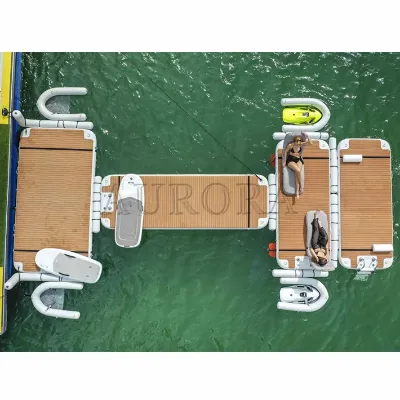
Inflatable Dock Platform Inflatable Floating Dock Inflatable Dock Plat for Lake
$300.00 - $399.00
MOQ: 1
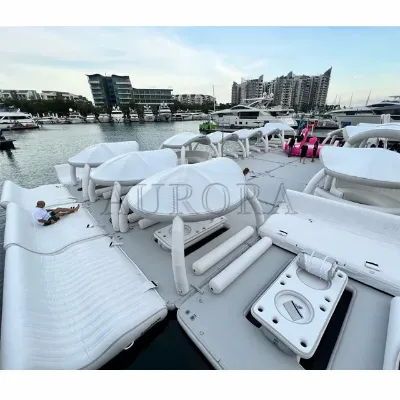
Factory Price Inflatable Floating Dock Boat Platform Island Inflatable Water Equipment
$300.00 - $399.00
MOQ: 1
Shanghai Chi Tong Amusement Equipment Co., Ltd.
- Trading Company
- Shanghai, China
- Lead time7 days
- Avg. response≤ 6h
Main productspedal boat,bumper boat,water bike,inflatable castle,electric boat
Main marketsDomestic Market(20.00%), Southeast Asia(20.00%), South Asia(20.00%), Eastern Asia(20.00%), Africa(5.00%), South America(5.00%), Central America(5.00%), North America(5.00%)
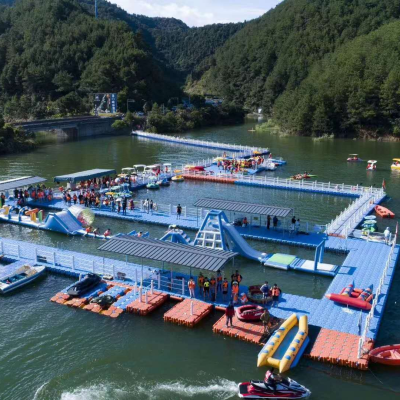
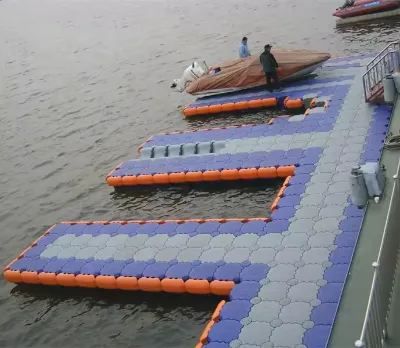
Floating Pontoon Dock for Seadoo Jet Ski
$16.00 - $20.00
Haining Ouxin Sports Products Co., Ltd
- Trading Company
- ZheJiang, China
- Lead time0 days
- Avg. response≤ 7h
Main productsIce Bath Tub, Inflatable Pools, Inflatable Boat, Kayak, Sup
Main marketsNorth America(50.00%), Western Europe(30.00%), Oceania(20.00%)
- Manufacturer
- Zhejiang, China
- Lead time30 days
- Avg. response≤ 3h
Main productsWatersports product,Marine product,Aquaculture product,entertainment product
Main marketsNorth America(30.00%), Domestic Market(10.00%), Southern Europe(10.00%), Northern Europe(10.00%), Southeast Asia(5.00%), South Asia(5.00%), Eastern Europe(5.00%), South America(5.00%), Western Europe(5.00%), Eastern Asia(5.00%), Mid East(5.00%), Oceania(5.00%)

Taizhou Xiaguang Plastic Mould Co., Ltd.
- Verified by TUVRHEINLAND
- Manufacturer/Factory
- China Zhejiang
- Lead time15 days
- Avg. response≤ 6h
Main productsModular Floating Dock, Modular Floating Bridge, Floating Boat Dock, Floating Jetty, Pontoon Cubes, U Float with Roller, Modular Floating Blocks, Jet Ski Pontoon, Floating Docks Prices, Floating Docks and Jetties for Sale
Main marketsSouth America,Eastern Europe

Qingzhou Yongsheng Dredging Equipment Co., Ltd.
- Manufacturer
- China Shandong
- Lead time60 days
- Avg. response≤ 3h
Main productsDredger, Cutter Suction Dredger, Sand Dredger, Jet Suction Dredger, Cutter Head Suction Dredge Vessel, Sand Dredging Boat, Gold Panning Dredger, Hydraulic Mud Clean Dredger, Salt Dredger, Sand Dredging Machine
Main marketsOthers(foreignTradeCapacity.exportBusinessCapacityMarketOther),Southeast Asia/ Mideast,Europe


Modular Floating Pontoon/Floating Dock Platform /Floating Bridge in The Sea
$160000.00 - $290000.00
MOQ: 1 Sets

China Factory Floating Dock Pontoon / Floating Platforms/ Float Pontoon for Sale
$160000.00 - $290000.00
MOQ: 1 Sets

Cheap Stable Floating Dock Pontoon/ Floating Bridge /Pontoon with Good Quality
$160000.00 - $290000.00
MOQ: 1 Sets

High Quality Platform Floating Dock Boat /Floating Dock Pontoon with CE for Sale
$160000.00 - $290000.00
MOQ: 1 Sets
Hebei Shunjie Environmental Protection Equipment Co., Ltd.
- Manufacturer, Trading Company
- Hebei, China
- Lead time15 days
- Avg. response≤ 13h
Main productsFRP water tank,FRP swimming pool,FRP beach chair,FRP warning ball,FRP fish tank
Main marketsDomestic Market(24.00%), Eastern Asia(10.00%), South Asia(10.00%), North America(9.00%), Mid East(8.00%), Southern Europe(7.00%), Eastern Europe(7.00%), Northern Europe(7.00%), South America(4.00%), Africa(4.00%), Central America(3.00%), Western Europe(3.00%), Oceania(2.00%), Southeast Asia(2.00%)






Comprehensive Sourcing Guide
Commercial Inflatable Pontoon Dock Supplier Concentration and Factory Types
The current supplier landscape for commercial inflatable pontoon docks reveals a distinct geographic concentration in China, with active manufacturing and trading entities located in Guangdong and Shandong provinces. Suppliers in Guangdong often operate as combined entities, offering both Original Design Manufacturing (ODM) and Original Equipment Manufacturing (OEM) capabilities, which suggests a flexible production environment capable of handling custom specifications for large-scale projects. These manufacturers typically list main products that include a broad range of water amusement facilities, indicating that inflatable docks are part of a larger ecosystem of water park equipment. This integration allows for shared supply chains and potentially more robust quality control processes for materials used in both recreational and docking applications. The presence of these combined company types implies that buyers can access a wider variety of product configurations, from standard floating platforms to specialized yacht docking stations, all within a single supplier relationship.
In contrast, suppliers based in Shandong province present a different operational profile, with many identifying as trading companies or manufacturers specializing in boat accessories and aluminum rib structures. These entities often focus on specific product lines such as inflatable jet ski docks and floating pontoons, suggesting a niche expertise in smaller, modular docking solutions. The verification status of these suppliers varies, with some holding SGS Group verification and others displaying BV verification, which provides buyers with different levels of assurance regarding business legitimacy and operational capacity. The diversity in company types, ranging from pure manufacturers to trading companies, offers buyers multiple pathways for sourcing, depending on whether they prioritize direct factory pricing or the logistical support and product variety offered by trading entities. Understanding these structural differences is crucial for aligning supplier selection with specific project requirements and budget constraints.
How to Verify Commercial Inflatable Pontoon Dock Suppliers
Verifying the credibility of suppliers requires a multi-layered approach that goes beyond basic company profiles, focusing on tangible evidence of manufacturing capability and compliance. Buyers should prioritize suppliers who display third-party verification badges, such as BV or SGS Group, as these indicate that an independent agency has audited the company’s business license and operational status. However, verification alone does not guarantee product quality, so it is essential to cross-reference these badges with specific product certifications. For instance, many inflatable dock products listed by suppliers carry CE certification, which is a critical requirement for selling in European markets and indicates compliance with health, safety, and environmental protection standards. Buyers must request copies of these certificates and verify their validity with the issuing body to ensure they are not expired or forged. Additionally, checking for ISO certifications, such as ISO 9001 for quality management or ISO 14001 for environmental management, provides further insight into the supplier’s internal processes and commitment to consistent quality.
Beyond certifications, buyers should assess the supplier’s response time and communication efficiency as indicators of their operational maturity. A rapid response time, such as under three hours, often correlates with a well-staffed sales team and efficient internal workflows, which are vital for resolving technical queries and negotiating custom orders. Buyers should also examine the supplier’s main product listings to ensure they have a dedicated focus on inflatable docks rather than a scattered inventory of unrelated goods. Suppliers with a concentrated product line, such as those specializing in water play equipment or boat accessories, are more likely to have specialized expertise and better after-sales support. Furthermore, verifying the supplier’s establishment year and company type helps in understanding their market experience and legal structure. Combined companies may offer more flexibility in customization, while pure manufacturers might provide better cost control for large orders. By combining verification badges, product certifications, and operational metrics, buyers can build a comprehensive profile of supplier reliability.
What to Compare Across Commercial Inflatable Pontoon Dock Suppliers
When evaluating multiple suppliers, buyers must systematically compare key operational metrics to identify the best fit for their specific needs. One of the most critical factors is the Minimum Order Quantity (MOQ), which can vary significantly across the market. Some suppliers offer an MOQ of just one piece, which is ideal for testing market demand or fulfilling small-scale projects, while others may require larger volumes to achieve economies of scale. Buyers should also closely examine the lead time, which typically ranges from ten to fifteen days for standard orders, but can extend to thirty days for more complex customizations or during peak production seasons. Comparing these timelines against project deadlines is essential to avoid delays. Additionally, the response time of the supplier’s sales team should be considered, as faster responses can facilitate quicker negotiations and problem-solving. Suppliers with response times under three hours are generally more reliable for urgent inquiries.
Price and customization options are another vital area of comparison. The price range for inflatable pontoon docks can vary from approximately $300 to $800 per unit, depending on size, material thickness, and additional features like logo printing or custom designs. Buyers should request detailed quotations that break down costs for materials, labor, and shipping to understand the true value proposition. Customization capabilities, such as the ability to adjust dimensions, colors, and load capacities, are also key differentiators. Suppliers that offer ODM and OEM services can tailor products to specific brand requirements, which is crucial for businesses looking to establish a unique market presence. Furthermore, comparing warranty terms, such as a standard two-year warranty, and quality control measures, like pre-shipment testing, provides insight into the supplier’s confidence in their product durability. By systematically comparing these factors, buyers can make informed decisions that balance cost, quality, and service.
Common Commercial Inflatable Pontoon Dock Sourcing Risks
Sourcing inflatable pontoon docks involves several inherent risks that buyers must proactively manage to ensure successful procurement. One significant risk is the variability in product quality, particularly regarding material thickness and durability. While suppliers may claim high load capacities, such as over 500kg, the actual performance can depend on the quality of the PVC or TPU materials used. Buyers should request detailed material specifications and test reports to verify that the products meet the stated durability standards. Another risk is the potential for miscommunication regarding custom specifications, which can lead to receiving products that do not meet the buyer’s exact requirements. This is especially prevalent when dealing with suppliers who offer extensive customization options. To mitigate this, buyers should provide detailed technical drawings and written specifications, and request pre-production samples for approval before committing to full-scale orders.
Logistical risks are also prevalent, particularly concerning shipping and packaging. Inflatable docks are bulky and require careful packing to prevent damage during transit. Buyers should verify the supplier’s packing methods, such as export cartons or vacuum sealing, and ensure that the packaging is robust enough to withstand long-distance shipping. Additionally, discrepancies in shipping weights and dimensions can lead to unexpected freight costs. Buyers should confirm the storage size and weight of the packed products to accurately calculate shipping expenses. Another risk is the lack of after-sales support, which can be critical if products suffer from leaks or damage during use. Buyers should inquire about the supplier’s warranty claims process and availability of replacement parts. By identifying and addressing these risks early in the sourcing process, buyers can minimize disruptions and ensure a smoother procurement experience.
Commercial Inflatable Pontoon Dock Regional Sourcing and Logistics
The geographic location of suppliers significantly impacts logistics costs and delivery timelines, making regional sourcing a strategic consideration for buyers. Suppliers in Guangdong province, a major manufacturing hub in China, often benefit from established supply chains and proximity to major ports, which can facilitate faster and more cost-effective shipping. These suppliers typically offer flexible shipping options, including sea, air, and express delivery, allowing buyers to choose the most suitable method based on urgency and budget. Sea freight is generally the most economical for large orders, while air freight and express services are better suited for smaller, time-sensitive shipments. Buyers should work with suppliers to determine the most efficient shipping route and consolidate orders to reduce per-unit shipping costs. Additionally, understanding the local logistics infrastructure in Guangdong can help buyers anticipate potential bottlenecks during peak seasons.
In contrast, suppliers in Shandong province may have different logistical advantages, particularly for buyers sourcing from northern regions or requiring specific boat accessory integrations. These suppliers often specialize in modular docking solutions, which can be easier to pack and ship due to their standardized sizes. Buyers should compare the shipping terms offered by suppliers in different regions, such as EXW (Ex Works) or FOB (Free on Board), to understand their responsibilities for transportation and insurance. EXW terms place the burden of logistics on the buyer, while FOB terms include loading the goods onto the vessel. By evaluating the logistical implications of sourcing from different regions, buyers can optimize their supply chain for cost and efficiency. It is also advisable to consider the impact of regional trade policies and tariffs on the final landed cost of the products.
Commercial Inflatable Pontoon Dock Commercial Terms and Order Planning
Effective order planning requires a thorough understanding of the commercial terms offered by suppliers, which can significantly influence the total cost of ownership. Buyers should carefully review trade terms such as EXW, FOB, or CIF to determine who is responsible for shipping, insurance, and customs clearance. Clear communication of these terms helps avoid unexpected costs and ensures that the buyer has control over the logistics process. Additionally, payment terms are a critical aspect of order planning, with many suppliers requiring a deposit before production and the balance before shipment. Buyers should negotiate favorable payment terms, such as using secure payment methods like escrow, to protect their financial interests. Understanding the supplier’s refund and return policies is also essential, particularly for custom orders that may not be eligible for returns.
Lead time management is another crucial component of order planning, as delays can disrupt project schedules and customer commitments. Buyers should confirm the production lead time with the supplier and build in buffer time for potential delays. For custom orders, it is advisable to request a detailed production schedule to track progress and identify any potential bottlenecks. Buyers should also plan for quality control inspections, either by conducting them in person or hiring a third-party inspection service, to ensure that the products meet the agreed-upon standards before shipment. By integrating these commercial terms and planning steps into their procurement strategy, buyers can minimize risks and ensure a smooth transaction. Proper documentation, including purchase orders and shipping instructions, should be maintained to facilitate smooth customs clearance and delivery.
FAQs
What is the typical lead time for inflatable pontoon docks?
Manufacturers generally require 10 to 15 days for production and delivery. Some suppliers list a standard lead time of 30 days for larger orders. Buyers should confirm specific timelines based on customization needs and shipping method before placing an order.
What is the minimum order quantity for these docks?
The minimum order quantity is typically one piece for most suppliers. This allows buyers to test quality or purchase single units for specific projects. Custom designs may have different requirements, so verifying the MOQ with the supplier is recommended.
Are these docks certified for safety and quality?
Many products carry CE certification, ensuring compliance with European safety standards. Some suppliers also hold ISO and RoHS certifications for broader quality assurance. Buyers should request valid certificates to verify that the inflatable materials meet specific regulatory requirements for their market.
What is the price range for commercial inflatable docks?
Prices typically range from $300 to $800 per unit depending on size and features. Smaller 2-meter docks start around $380, while larger or customized platforms can reach $740. Costs vary based on material thickness, weight capacity, and included accessories.
Can I customize the size and logo of the dock?
Customization is widely available for size, thickness, and logo printing. Suppliers offer standard dimensions like 2x2 meters or fully custom sizes to fit specific needs. Buyers can request tailored designs to match their brand identity or specific operational requirements for the dock.
Where are these inflatable docks manufactured?
Most suppliers are located in China, specifically in Guangdong and Shandong provinces. These regions are known for manufacturing inflatable water sports equipment. Buyers can verify the exact origin to understand shipping logistics and potential lead times associated with domestic production.
What warranty is provided for inflatable pontoon docks?
A standard warranty of two years is commonly offered by manufacturers. This covers defects in materials and workmanship under normal use. Buyers should review the specific warranty terms to understand what is included and how to claim support if issues arise.