Commercial Fruit Powder Making Machine Suppliers and Manufacturers
Source 24 verified suppliers for Commercial Fruit Powder Making Machine equipment. Compare key dimensions including CE and ISO certifications, lead times, and response speeds. Review product specifications and request quotes directly from the listed factories; review the available evidence before requesting comparable quotations from suitable candidates.
Updated
Suppliers List
Henan Gems Machinery Co., Ltd.
- Verified by Intertek
- Trading Company
- Lead time15 days
- Avg. response≤ 2h
Main productsPasteurizer Tank, Homogenizer, Smoker Machine, Meat Grinder, CIP Cleaning Machine
Main marketsSoutheast Asia(20%), Africa(20%), Mid East(15%)
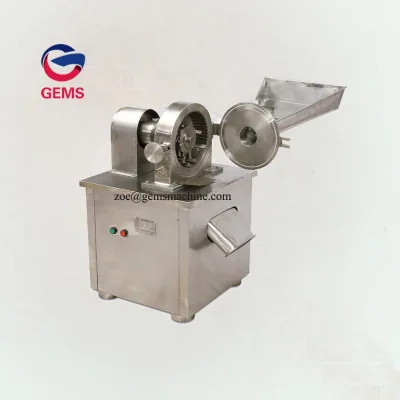
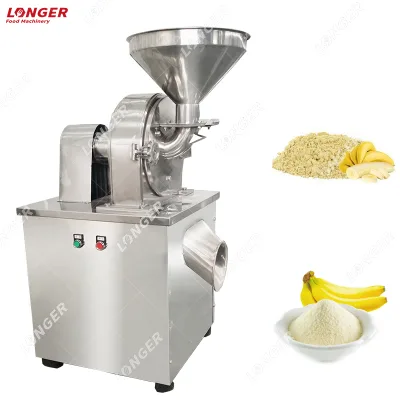
Dry Fruit Banana Powder Making Machine Banana Flour Mill Machines Banana Flour Making Machine
$1679.1792
MOQ: 1 Minimum
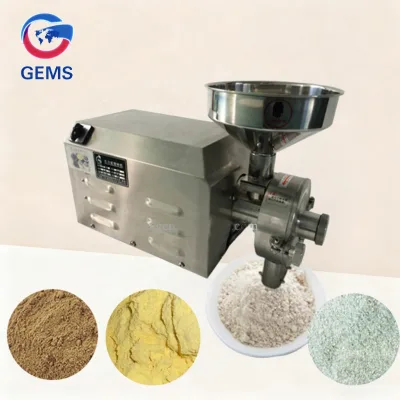
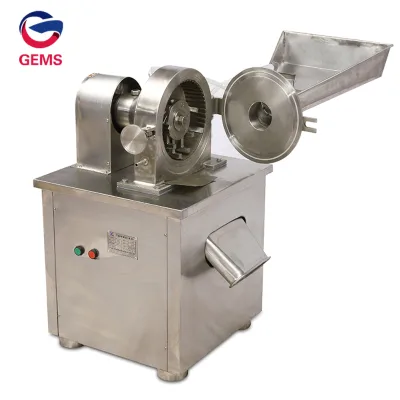
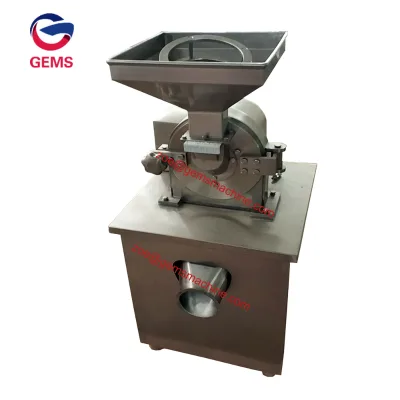
Zhangjiagang Genyond Machinery Co., Ltd.
- Manufacturer, Trading Company
- Jiangsu, China
- Lead time30 days
- Avg. response≤ 5h
Main productsFood Machine,Plant Extraction Equipment,milk machine,fruit machine,filling & packing machine
Main marketsDomestic Market(100.00%)

Henan Baixin Machinery Equipment Co., Ltd.
- Trading Company,Manufacturer/Factory
- China Henan
- Lead time15 days
- Avg. response≤ 4h
Main productsFrozen French Fries Production Line, Potato Chips Production Line, Fruit and Vegetable Production Processing Line, Banana Chips Production Line, Fruit and Vegetable Drying Production Line, Fruit and Vegetable Wahing Line, Frying Equipment, Drying Equipment, Food Processing Equipment, Puff Extruder Machine
Main marketsSouth America,Eastern Europe,Mid East,North America,Southeast Asia,Eastern Asia,Oceania,Western Europe,Africa

Fruit Powder Processing Machine Banana Plantain Powder Making Machine in Sale
$21000.00 - $87500.00
MOQ: 1 Sets

Low Cost Plantain Powder Production Line Banana Powder Making Machine
$20990.00 - $85990.00
MOQ: 1 Sets

Jiangyin Brightsail Machinery Co., Ltd.
- Verified by BV
- Combined
- China Jiangsu
- Lead time30 days
- Avg. response≤ 6h
Main productsGrinding Machine, Mixing Machine, Feeding Machine, Sifting Machine
Main marketsAfrica,Southeast Asia/ Mideast,Europe,North America

Fine Pulverizer Machine Lemon Powder Machine Food Powder Making Machine
$2800.00 - $70000.00
MOQ: 1 Sets

Jiangyin Baoli Machinery Manufacturing Ltd
- Verified by TüVRheinland
- Manufacturer, Trading Company
- Lead time30 days
- Avg. response≤ 8h
Main productsGrinding Equipment, Mixing Equipment, Powder Mixing Production Line, Sifting Machine, Granulating Machine
Main marketsDomestic Market(50%), South Asia(11%), Mid East(8%)
Jiangyin Brightsail Machinery Co., Ltd.
- Verified by TüVRheinland
- Manufacturer, Trading Company
- Lead time30 days
- Avg. response≤ 2h
Main productsGrinding Machine, Mixing Machine, Filling Machine, Drying Machine, Welding Parts
Main marketsSoutheast Asia(30%), North America(12%), South America(12%)
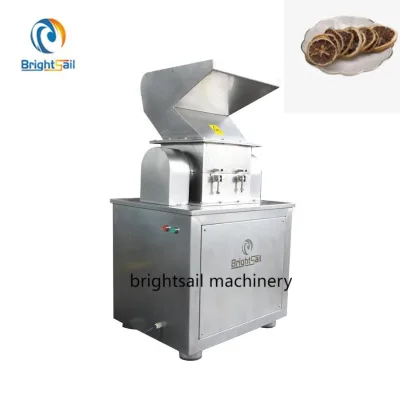
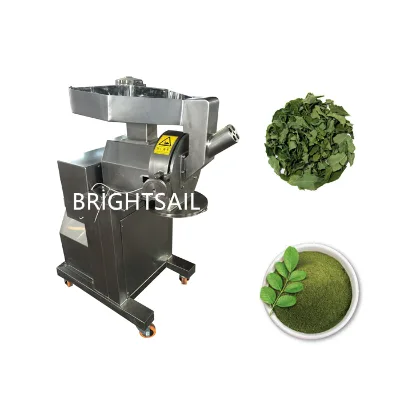
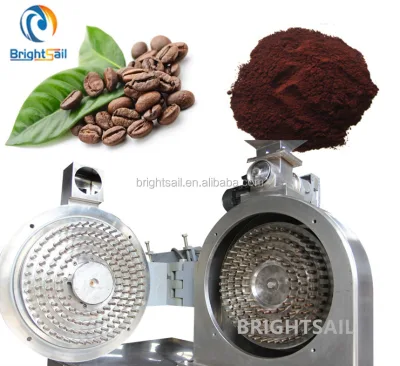
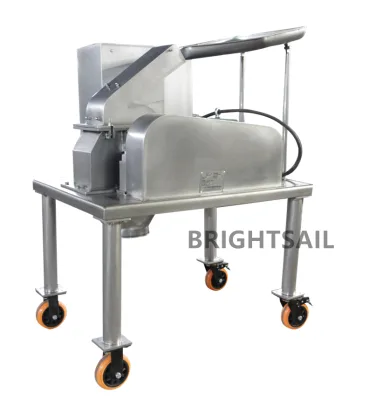
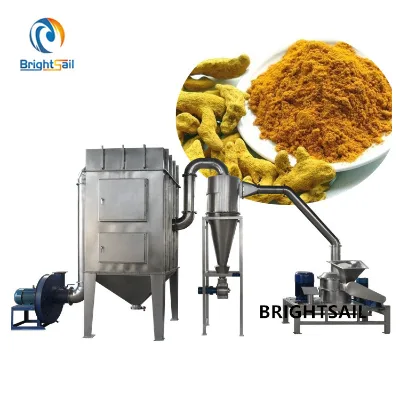
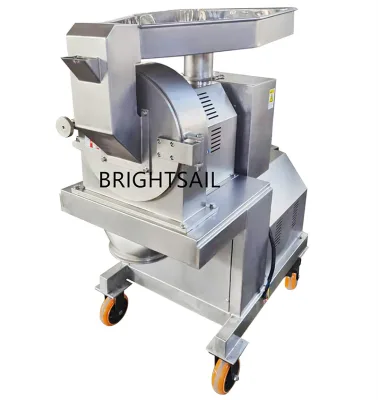
Dry Lemon Granules Making Machine Fruit Coarse Crusher Commercial Grinder with CE
$3140.6575
MOQ: 1 Minimum

Zhengzhou Hento Machinery Co., Ltd.
- Verified by SGS
- Trading Company,Manufacturer/Factory,Group Corporation
- China Henan
- Lead time15 days
- Avg. response≤ 6h
Main productsMeat Processing Machinery, Egg Processing Machinery, Dairy Processing Machinery, Fruit & Vegetable Processing Machinery, Grain Product Making Machines, Snack Machines, Nuts Processing Machinery, Packing Machines, Drying Machines, Commodity Making Machines
Main marketsSouth America,Eastern Europe,Mid East,North America,Southeast Asia,Eastern Asia,Oceania,Western Europe,Africa

Industrial Cocoa Powder Processing Machine / Cocoa Powder Making Machine
$48999.00 - $68999.00
MOQ: 1 Sets


Jiangyin Migreat Machinery Co., Ltd.
- Verified by TUVRHEINLAND
- Trading Company,Manufacturer/Factory
- China Jiangsu
- Lead time23 days
- Avg. response≤ 1h
Main productsGrinding Machine, Mixer Machine, Drying Machine, Granulator, Packing Machine, Sifter, Conveyor, Fluid Bed Dryer, Air Classifier Mill, Spray Dryer
Main marketsSouth America,Eastern Europe,Mid East,North America,Southeast Asia,Eastern Asia,Oceania,Western Europe,Africa

Universal Sugar Grinder Dry Fruit Powder Making Machine Vegetable Seasoning Pin Mill
$2000.00 - $20000.00
MOQ: 1 Pieces


Shanghai Stable Industrial Co., Ltd.
- Verified by TUVRHEINLAND
- Combined
- China Shanghai
- Lead time60 days
- Avg. response≤ 25h
Main productsMixing Tank, Bevarage Processing Equipment, Milk Processing Equipment, Fermentation Tank, Powder Mixer, Vacuum Mixer, Dairy Processing Line, Dairy Machine, Sauce Processing Line
Main marketsSoutheast Asia/ Mideast,Domestic
Jiangyin Huixu Powder Machinery Manufacturing Co., Ltd.
- Manufacturer
- Jiangsu, China
- Lead time20 days
- Avg. response≤ 1h
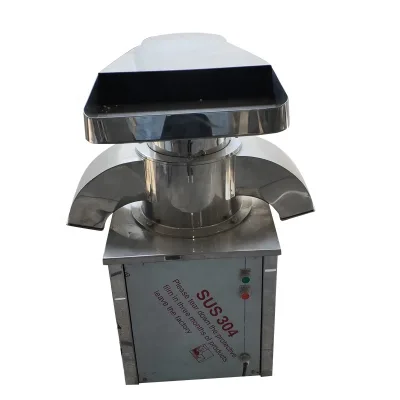
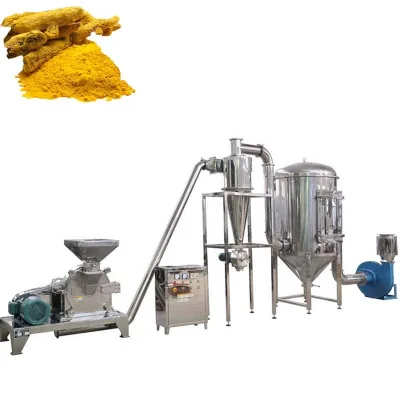
Main productsGrinder,Mixer,Dryer,Granulating Machine,Conveyor
Main marketsDomestic Market(20.00%), North America(10.00%), Eastern Europe(9.00%), South Asia(8.00%), Mid East(8.00%), Northern Europe(7.00%), Africa(5.00%), Southern Europe(5.00%), Central America(5.00%), Western Europe(5.00%), Eastern Asia(5.00%), Southeast Asia(5.00%), South America(5.00%), Oceania(3.00%)
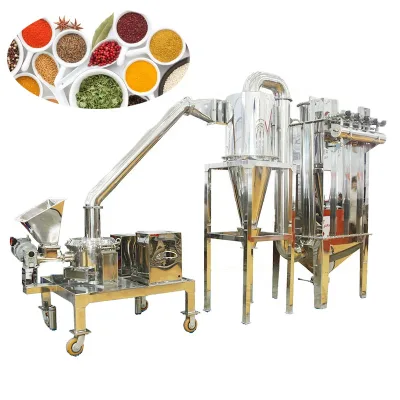
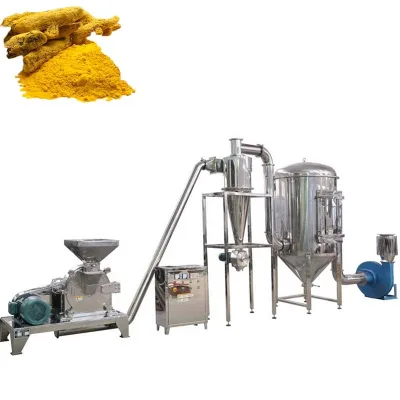
$1800.00 - $2200.00
MOQ: 1 sets
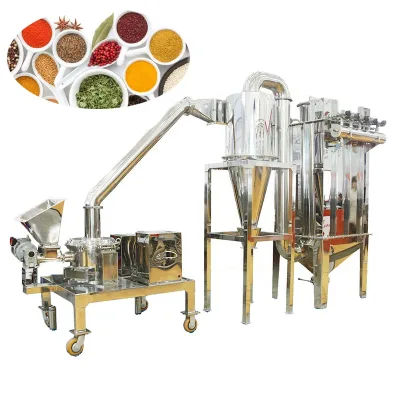
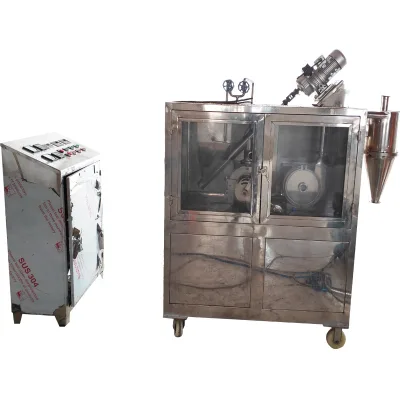
Zhengzhou Hongle Machinery Equipment Co., Ltd.
- Verified by SGS Group
- Manufacturer, Trading Company
- Lead time15 days
- Avg. response≤ 4h
Main productsFruit and Vegetables Production Line, Chicken Feet Production Line, Packing Machine Production Line, Nut Processing Line, Frying Production Line
Main marketsCentral America(20%), Africa(15%), Southern Europe(10%)
Henan Baixin Machinery Equipment Co., Ltd.
- Manufacturer, Trading Company
- Lead time旺季: "1 - 1":35,"> 1":"To be negotiated", 淡季: "1 - 1":35,"> 1":"To be negotiated"
- Avg. response≤ 2h
Main productsFood Processing Equipment, Drying Processing Line, Frying Processing Line, Vegetable & Fruit Processing Line, Extruder Food Production Line
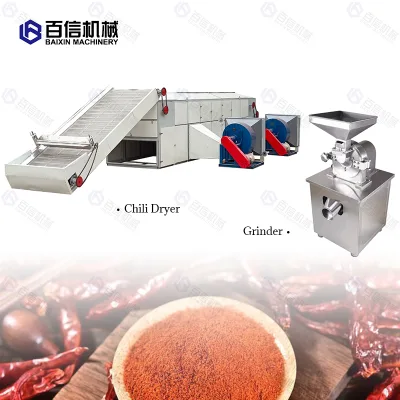
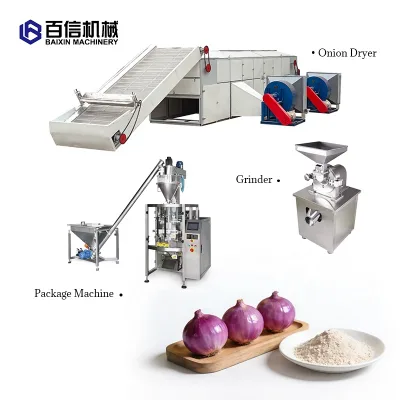
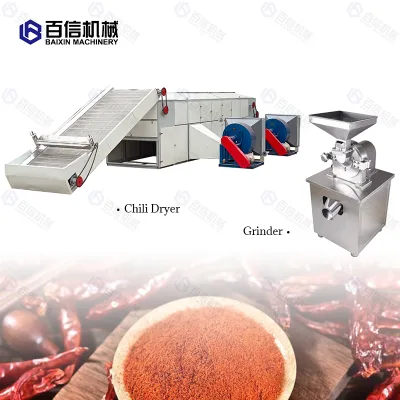
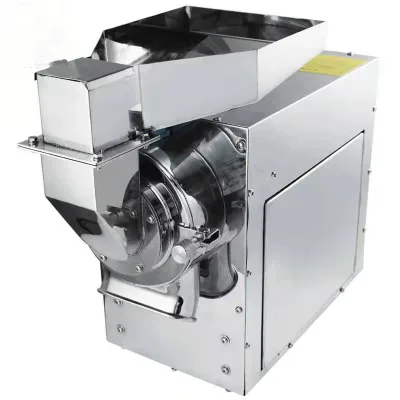
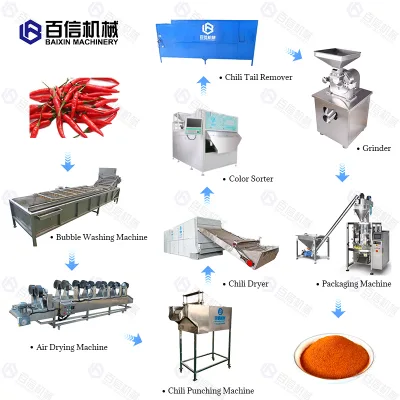
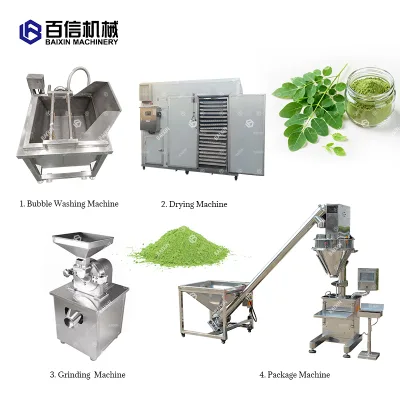
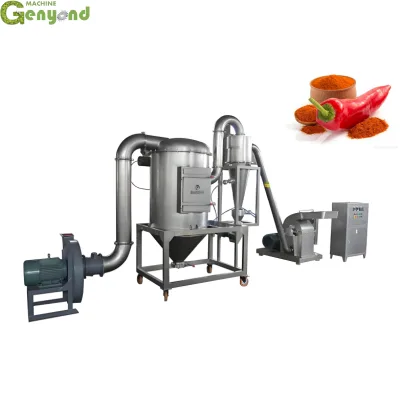
Pepper Washing Sorting Drying Grinding Processing Line Chili Powder Making Machine
$25000.00 - $28000.00

Shandong Chemsta Machinery Manufacturing Co., Ltd.
- Verified by BV
- Combined
- China Shandong
- Lead time30 days
- Avg. response≤ 4h
Main productsOil Press, Soya Protein Machine, Oil Project
Main marketsSouth America,Africa,Southeast Asia/ Mideast,East Asia(Japan/ South Korea),Domestic,Europe,Australia,North America

Shanghai Genyond Technology Co., Ltd.
- Verified by CTI
- Combined
- China Shanghai
- Lead time30 days
- Avg. response≤ 9h
Main productsEssential Oil Machine, Drying Machine, Fruit Juice Machine, Fruit Jam Machine, Milk Machine, Fruit Chips Machine, Filling Packing Machine, Evaporator, Yogurt Machine, Ice Cream Machine
Main marketsSouth America,Africa,Others(foreignTradeCapacity.exportBusinessCapacityMarketOther),Southeast Asia/ Mideast,East Asia(Japan/ South Korea),Domestic,Europe,Australia,North America
Zhengzhou Longer Machinery Co., Ltd.
- Manufacturer, Trading Company
- Lead time旺季: "1 - 1":31,"> 1":"To be negotiated", 淡季: "1 - 1":31,"> 1":"To be negotiated"
- Avg. response≤ 9h
Main productsPeanut Butter Production Line,Cashew Processing Machine,Cocoa Powder Processing Machine,Nuts Roasting Machine
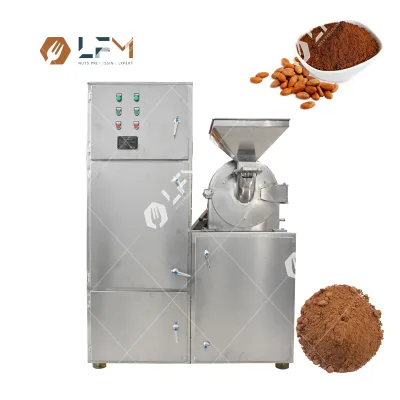
Industrial Automatic Cocoa Powder Make Milling Equipment Cocoa Powder Grinding Machine
$2199.00 - $2599.00
MOQ: 1 sets

Changzhou Jinqiao Spray Drying and Engineering Co., Ltd.
- Verified by TUVRHEINLAND
- Combined
- China Jiangsu
- Lead time60 days
- Avg. response≤ 25h
Main productsInstant Coffee Production Line, Glucose Production Line, Non-Dairy Creamer Production Line, Milk Production Line, Instant Tea Production Line, High Speed Centrifugal Spray Dryer, Pressure Spray Dryer, Herb Medicine Spray Dryer, Closed Cycle Spray Dryer, Spray Congealer
Main marketsSoutheast Asia/ Mideast

Hangzhou Shengde Machinery Co., Ltd.
- Verified by CTI
- Trading Company
- China Zhejiang
- Lead time30 days
- Avg. response≤ 5h
Main productsCapsule Machine, Tablet Pressing Machine, Capsule Counting Machine, Feeze Drying Machine, Tube Filling and Sealing Machine, Blister Packing Machine, Automatic Labeling Machine, Liquid Filling Machine, Vacuum Emulsifying Machine, Capsule Filling Machine
Main marketsSouth America,North America
Zhengzhou Taizy Trading Co., Ltd.
- Verified by TüVRheinland
- Trading Company
- Lead time7 days
- Avg. response≤ 3h
Main productsSnack Frying Machine, Fruit Vegetable Washing Line, Nuts Roasting Seasoning Line, Grain Product Making Machine, Multifunction Packing Machine
Main marketsSoutheast Asia(17%), Domestic Market(14%), North America(11%)

Anyang Aols Machinery Equipments Co., Ltd.
- Trading Company
- Henan, China
- Lead time15 days
- Avg. response≤ 3h
Main productspellet machine,briquette machine,chaff cutter,dryer machine,hammer mill
Main marketsSouth America(30.00%), Africa(30.00%), Eastern Asia(10.00%), Mid East(10.00%), North America(10.00%), Southeast Asia(10.00%)

Shandong Light M & E Co., Ltd.
- Manufacturer/Factory
- China Shandong
- Lead time0 days
- Avg. response≤ 11h
Main productsFood Machinery, Food Extruder, Foodstuff/Snacks Processing Line, Corn Flakes/Breakfast Cereals Production, Chips/Pellets Making Machine, Cheetos/Kurkure/Niknak Machine, Pet Food Making Machine, Texture Soya Protein Food Machine, Modified Starch Machine, Hamburger/Chicken Nugget Machine
Main marketsSouth America,Eastern Europe,Mid East,North America,Southeast Asia,Eastern Asia,Oceania,Western Europe,Africa
Henan Carde Machinery Equipment Co., Ltd.
- Trading Company
- Henan, China
- Lead time20 days
- Avg. response≤ 5h
Main productsSpray dryer,drying machine,Smoking machine,Grinding machine,Packing machine
Main marketsSoutheast Asia(20.00%), Africa(15.00%), South Asia(10.00%), North America(10.00%), Eastern Europe(10.00%), Domestic Market(5.00%), Southern Europe(5.00%), Eastern Asia(5.00%), Northern Europe(5.00%), South America(5.00%), Western Europe(3.00%), Mid East(3.00%), Central America(2.00%), Oceania(2.00%)
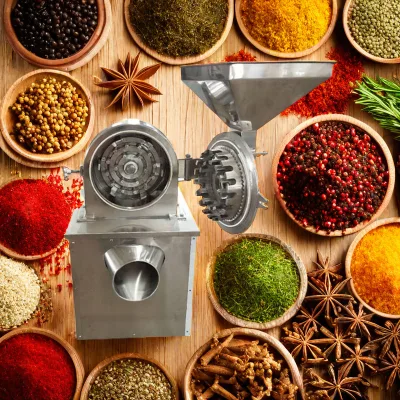
$786.00 - $854.00
MOQ: 1 pieces
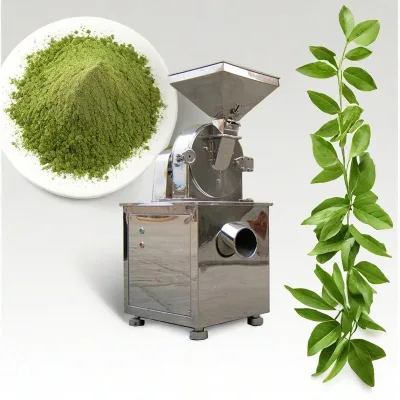
$1231.0913 - $1641.7972
MOQ: 1 pieces
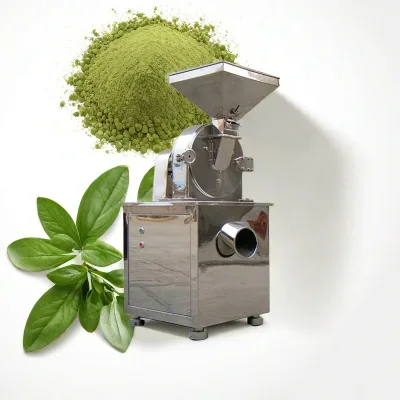
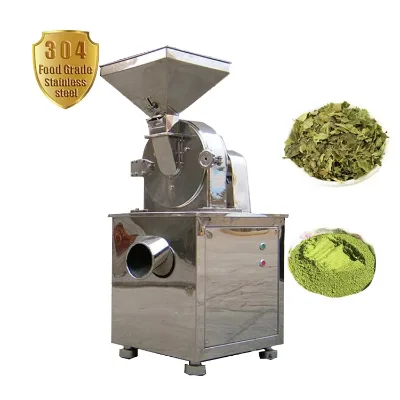
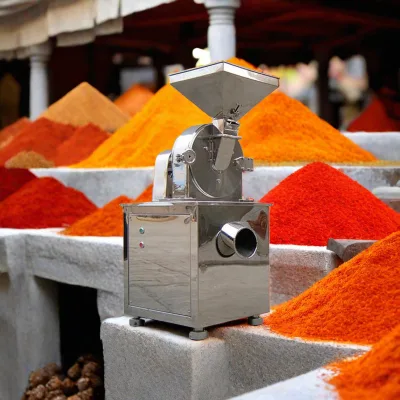
Henan Penghui Machinery And Equipment Co., Ltd.
- Trading Company
- Lead time旺季: "1 - 5":18,"> 5":"To be negotiated", 淡季: "1 - 5":18,"> 5":"To be negotiated"
- Avg. response≤ 2h
Main productsPastry Machinery, Food Machinery, Agriculture Machinery, Textile Machinery, Plastic Machinery
Xinxiang Dongzhen Machinery Co., Ltd.
- Manufacturer, Trading Company
- Lead time旺季: "1 - 1":31,"> 1":"To be negotiated", 淡季: "1 - 1":31,"> 1":"To be negotiated"
- Avg. response≤ 2h
Main productsPulverizer, Mixing machine, Packaging machine, Screening machines, Conveyors machines

Henan Baixin Machinery Equipment Co., Ltd.
- Verified by SGS
- Combined
- China Henan
- Lead time15 days
- Avg. response≤ 2h
Main productsMesh Belt Continuous Dryer, Heat Pump Dryer, Microwave Dryer, French Fries Production Line
Main marketsSouth America,Africa,Southeast Asia/ Mideast,Europe

Pulverizer Machine for Food Spices Powder Dry Powder Pulverizer Grinder Machine
$3000.00 - $3142.00
MOQ: 1 Pieces

Powder Pulverizer/Spices Powder Pulverizer/Spices Powder Pulverizer Machine
$3000.00 - $3142.00
MOQ: 1 Pieces
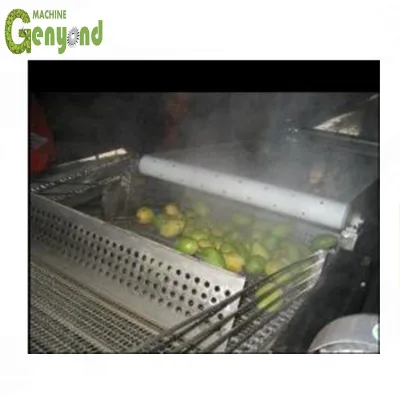
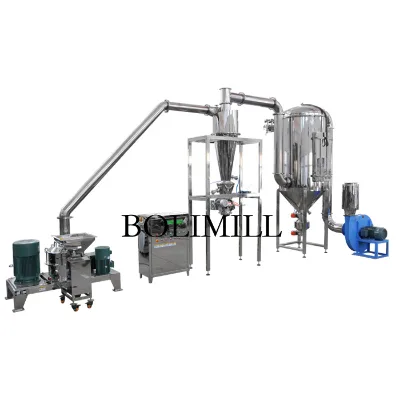
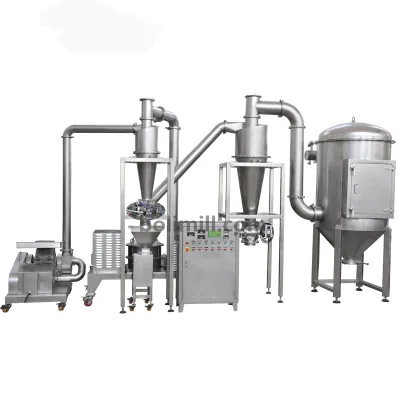


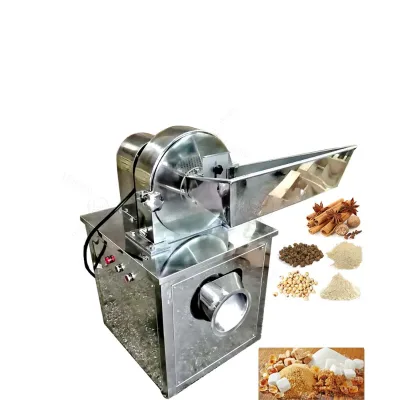
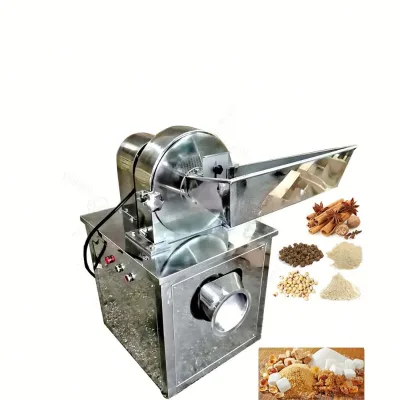


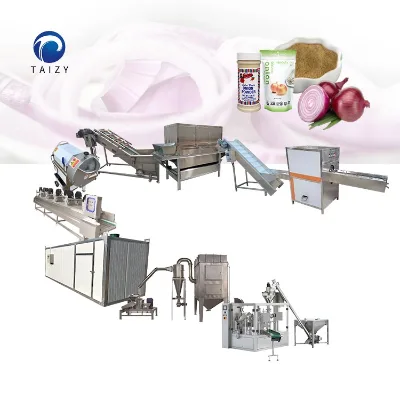


Comprehensive Sourcing Guide
Commercial Fruit Powder Making Machine Supplier Concentration and Factory Types
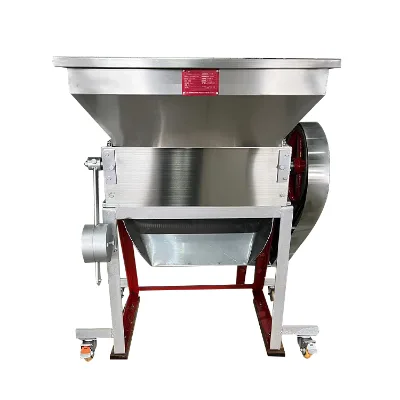
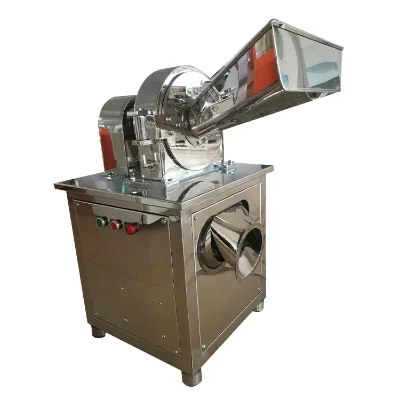
The current supplier landscape for commercial fruit powder making machines reveals a distinct mix of manufacturing capabilities and trading structures. Data indicates that the majority of available entities operate as trading companies, which often serve as intermediaries connecting buyers with broader manufacturing networks. However, a subset of suppliers identifies explicitly as manufacturers, offering direct factory access and potentially more control over production customization. This dual presence requires buyers to carefully distinguish between pure trading operations and those with actual production facilities, as the implications for quality control, lead times, and pricing structures differ significantly. The concentration of these suppliers is not uniformly distributed, but specific geographic origins provide clues about industrial clustering. For instance, certain results point to suppliers located in Jiangsu, China, a region known for its robust machinery manufacturing base. Other data points highlight origins in Henan, China, suggesting a secondary cluster for food processing equipment. When evaluating supplier concentration, buyers should look for these geographic markers to identify regions with established supply chains for grinding and powder processing machinery. Understanding whether a supplier is a manufacturer or a trader is the first step in assessing their ability to meet specific technical requirements for fruit powder production.
Beyond the basic company type, the product evidence suggests a high degree of specialization within the available inventory. Many suppliers focus heavily on specific applications, such as banana powder, mango powder, or tomato powder making machines, rather than offering a generic, one-size-fits-all solution. This specialization often correlates with the supplier’s core competencies and the specific engineering of their grinding equipment. For example, some listings emphasize fine grinding capabilities with mesh outputs ranging from 10 to 120, while others focus on higher throughput for bulk processing. The presence of brands like GEMS in the product data indicates that some suppliers may be distributing established equipment lines rather than producing proprietary machinery. This distinction is crucial for buyers who need to verify the authenticity of technical specifications and warranty support. If a supplier is primarily a trading company, they may be sourcing these branded units from various factories, which can complicate after-sales service and spare parts availability. Conversely, manufacturers offering customized solutions may provide more flexibility in adapting the machine to specific fruit varieties or moisture content levels. Buyers must therefore scrutinize the supplier’s stated main products to determine if their expertise aligns with the specific type of fruit powder production they intend to undertake, ensuring that the supplier’s focus matches their operational needs.
How to Verify Commercial Fruit Powder Making Machine Suppliers
Verifying the legitimacy and capability of Commercial Fruit Powder Making Machine suppliers requires a multi-layered approach that goes beyond simple profile reviews. One critical step is to check for third-party verification badges, such as Intertek, which can provide an additional layer of confidence regarding the supplier’s business operations and product claims. While verification badges are helpful, they should not be the sole determinant of trust. Buyers must also examine the specific certifications listed for both the supplier and the machinery itself. For instance, some suppliers display CE and 2006/42/EC certifications, which are essential for ensuring that the equipment meets European safety and machinery directives. Other listings may mention ISO certifications, indicating adherence to quality management standards. It is important to note that not all suppliers will have every certification displayed, and the absence of a specific badge does not automatically disqualify a supplier, but it does necessitate further due diligence. Buyers should request copies of these certificates and verify their validity with the issuing bodies where possible. Additionally, the presence of machinery test reports and video outgoing inspections in the product data suggests that some suppliers are transparent about their quality control processes. These resources allow buyers to visually inspect the machine’s construction, motor quality, and overall build before committing to an order, providing a tangible way to assess the supplier’s commitment to quality assurance.
Another vital aspect of verification is assessing the supplier’s responsiveness and transparency regarding technical details. The response time metric, which can vary from 2 to 5 hours, serves as an indicator of the supplier’s operational efficiency and customer service readiness. A faster response time often correlates with a more organized sales team that is better equipped to handle technical inquiries and negotiation processes. Buyers should also look for detailed product attributes that demonstrate a deep understanding of the machinery’s specifications. For example, accurate listings will provide precise information on voltage requirements (such as 220V or 380V), power consumption (ranging from 1.5kW to 22kW depending on the model), and output capacity in kilograms per hour. Suppliers that provide comprehensive data on core components, such as the motor brand or material specifications like SUS 304 stainless steel, are generally more reliable than those with vague descriptions. Furthermore, buyers should inquire about the warranty terms, which are commonly listed as one year, and clarify what specific parts or services are covered. It is also advisable to ask about after-sales service provisions, such as field installation, commissioning, and training, which are critical for ensuring the machine operates correctly in a commercial setting. By combining verification badges, certification checks, and an analysis of technical transparency, buyers can build a robust profile of each supplier’s reliability and capability.
What to Compare Across Commercial Fruit Powder Making Machine Suppliers
When evaluating multiple suppliers for commercial fruit powder making machines, buyers must systematically compare key operational and commercial metrics to identify the best fit for their specific needs. One of the most critical factors is the lead time, which can vary significantly between suppliers, ranging from 15 days to 30 days or more. This variation often reflects the supplier’s production capacity, inventory levels, and whether the machine is a standard model or a customized solution. Buyers should align their production schedules with these lead times to avoid delays in setting up their powder processing lines. In addition to lead times, the minimum order quantity (MOQ) is a crucial consideration, especially for smaller operations or those testing new product lines. Some suppliers offer an MOQ of just one unit, which provides flexibility for initial purchases, while others may have higher thresholds. Comparing these MOQs helps buyers determine the financial commitment required and assess the supplier’s willingness to accommodate smaller orders. Furthermore, the price range for these machines can vary, with some models listed around $650 to $1679, depending on the specifications and capacity. Buyers should not focus solely on the lowest price but should evaluate the cost in relation to the machine’s output capacity, power consumption, and material quality. A higher-priced machine with a stainless steel construction and higher mesh output may offer better long-term value due to durability and efficiency.
Beyond pricing and lead times, buyers should compare the specific technical capabilities and main products offered by each supplier. Some suppliers specialize in fine grinding equipment with outputs ranging from 10 to 120 mesh, suitable for high-quality fruit powders, while others may focus on higher throughput models with capacities of 20-40kg/h or more. The voltage requirements, such as 220V or 380V, must also be matched to the buyer’s facility infrastructure to avoid additional installation costs. Additionally, the warranty terms and after-sales service provisions are key differentiators. While a one-year warranty is common, the scope of coverage and the availability of spare parts can vary. Buyers should also consider the supplier’s location, as this can impact shipping costs and logistics complexity. For instance, suppliers in Jiangsu or Henan, China, may have different shipping routes and transit times compared to others. By creating a comparison matrix that includes lead time, MOQ, price, technical specifications, warranty, and location, buyers can objectively assess each supplier’s strengths and weaknesses. This structured approach ensures that the final decision is based on comprehensive data rather than isolated factors, leading to a more informed and successful procurement outcome.
Common Commercial Fruit Powder Making Machine Sourcing Risks
Sourcing commercial fruit powder making machines from international suppliers introduces several risks that buyers must proactively manage to ensure a smooth procurement process. One significant risk is the potential mismatch between the supplier’s claims and the actual machine specifications. For example, a supplier might advertise a machine with a high output capacity, but the actual performance may vary based on the moisture content and hardness of the fruit being processed. Buyers should be cautious of overly optimistic capacity claims and request detailed technical data or video demonstrations to verify performance. Another risk is the variability in material quality, particularly regarding the contact surfaces of the machine. While some listings specify SUS 304 stainless steel, others may use lower-grade materials that are not suitable for food processing. Buyers must explicitly confirm the material grade and request certifications or test reports to ensure compliance with food safety standards. Additionally, the risk of inadequate after-sales support is prevalent, especially when dealing with trading companies that may not have direct technical expertise. If a machine breaks down or requires calibration, the lack of local support can lead to prolonged downtime and production losses. Buyers should prioritize suppliers who offer comprehensive after-sales services, such as field installation and training, to mitigate this risk.
Logistical and compliance risks also pose challenges in the sourcing process. Shipping heavy machinery like fruit powder making machines can be complex and costly, with potential delays due to customs clearance or port congestion. Buyers must ensure that the supplier provides accurate documentation and that the machine meets the import regulations of their destination country. For instance, if the machine is intended for use in the European market, it must comply with CE and 2006/42/EC directives, and buyers should verify that the supplier has provided the necessary certificates. Failure to do so can result in the machine being held at customs or rejected upon arrival. Furthermore, there is a risk of currency fluctuation and payment security issues. Buyers should use secure payment methods, such as escrow services, to protect their funds until the goods are received and inspected. It is also important to clarify the Incoterms of the sale, as this determines who is responsible for shipping costs and insurance. By identifying these risks early in the sourcing process and implementing appropriate mitigation strategies, buyers can reduce the likelihood of costly surprises and ensure a successful procurement experience.
Commercial Fruit Powder Making Machine Regional Sourcing and Logistics
Regional sourcing plays a pivotal role in determining the overall cost and efficiency of acquiring commercial fruit powder making machines. The current data indicates that a significant number of suppliers are located in China, with specific mentions of Jiangsu and Henan provinces. These regions are known for their industrial clusters and manufacturing expertise, which can offer buyers access to a wide variety of machinery options and competitive pricing. However, the geographic location of the supplier also impacts logistics and shipping times. Buyers sourcing from these regions should consider the proximity to major ports, such as Shanghai, which is mentioned as a port of dispatch for some suppliers. This proximity can facilitate faster and more cost-effective shipping, reducing the overall lead time for the machinery to reach the buyer’s facility. Additionally, regional sourcing can influence the availability of local support and spare parts. Suppliers in established industrial hubs may have better networks for sourcing components and providing technical support, which can be beneficial for long-term maintenance. Buyers should also consider the regulatory environment of the supplier’s region, as different provinces may have varying standards for manufacturing and export compliance.
Logistics planning is another critical aspect of regional sourcing that buyers must address. Shipping heavy industrial machinery requires careful consideration of packaging, handling, and transportation methods. Buyers should ensure that the supplier uses standard packing sizes and robust packaging materials to protect the machine during transit. The weight and dimensions of the machine, which can range from 40kg to 5000kg depending on the model, will determine the shipping method, whether by sea, air, or land. Sea freight is typically more cost-effective for larger machines, while air freight may be necessary for urgent orders or smaller units. Buyers should
FAQs
What is the typical lead time for fruit powder making machines?
Manufacturers typically require 15 to 30 days to produce and deliver these machines. The exact duration depends on the specific model and customization needs. Buyers should confirm the timeline with the supplier before placing an order to ensure it aligns with their production schedule.
What certifications do these machines usually have?
Most commercial units carry CE and ISO certifications, ensuring compliance with European safety and quality standards. Some suppliers also provide machinery test reports and video outgoing inspections. These documents verify that the equipment meets international operational requirements before shipment to the buyer.
What is the minimum order quantity for these machines?
The minimum order quantity is often just one unit, allowing buyers to test the equipment with low risk. This flexibility supports small-scale operations or initial trials. Buyers should verify the specific MOQ with the supplier, as some bulk discounts may apply for larger orders.
What materials are used in the construction of these machines?
Machines are typically constructed from SUS 304 stainless steel, ensuring durability and food-grade safety. This material resists corrosion and is easy to clean. The construction supports consistent performance in processing fruits, vegetables, and other food products for commercial powder production.
What is the warranty period for these machines?
Suppliers generally offer a one-year warranty covering core components like the motor. This warranty protects buyers against manufacturing defects. Extended support may include field installation and training services. Buyers should review the specific warranty terms to understand coverage limits and service availability.
What is the power consumption of these machines?
Power consumption varies by model, ranging from 1.5 kW to 22 kW. Smaller units typically use 220V or 380V electricity. Larger industrial machines may require higher voltage and power. Buyers should select a model that matches their facility's electrical capacity and energy efficiency goals.