Compatible OPC Drum Core Suppliers and Manufacturers
Find 26 verified suppliers offering Compatible OPC Drum Core with varying lead times, response speeds, and certifications. Compare dimensions, prices, and origin details to select the right partner for your procurement needs today; review the available evidence before requesting comparable quotations from suitable candidates.
Updated
Suppliers List
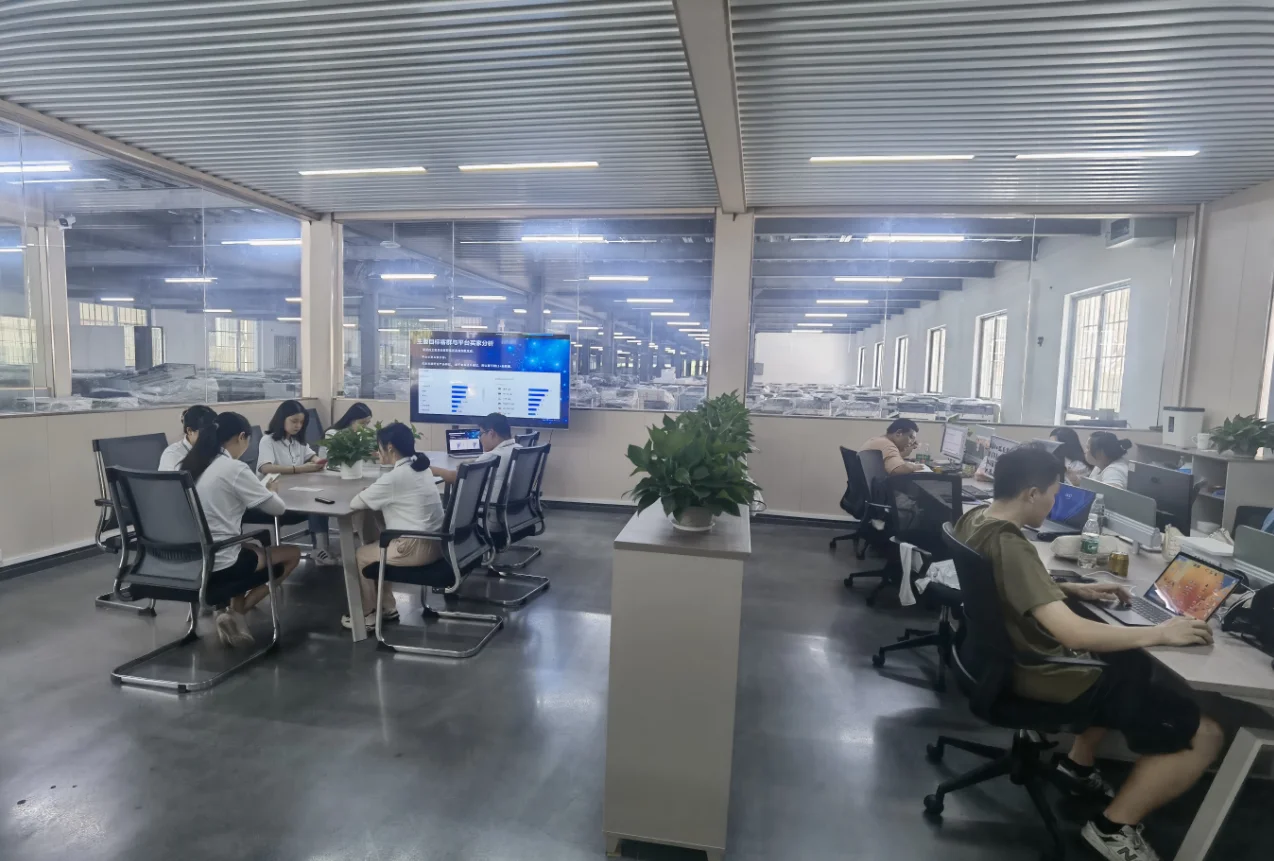
Foshan Shunfeng Office Equipment Co., Ltd.
- Manufacturer, Trading Company
- Guangdong, China
- Lead time0 days
- Avg. response≤ 4h
Main productsPrinter,Copier,Scanner,Electronic Circuit ODM Customization,PCB Design Service
Main marketsAfrica(50.00%), Southeast Asia(20.00%), Mid East(10.00%), Domestic Market(8.00%), North America(5.00%), South America(5.00%), Oceania(2.00%)
Guangzhou Chengyi Office Equipment Co., Ltd.
- Verified by Intertek
- Trading Company
- Lead time15 days
- Avg. response≤ 2h
Main productsPrinter, Copier, Scanner, Toner Cartridge, Copier Parts
Main marketsSoutheast Asia(35%), Africa(22%), Domestic Market(17%)
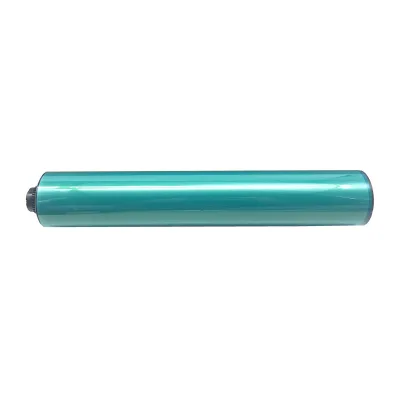
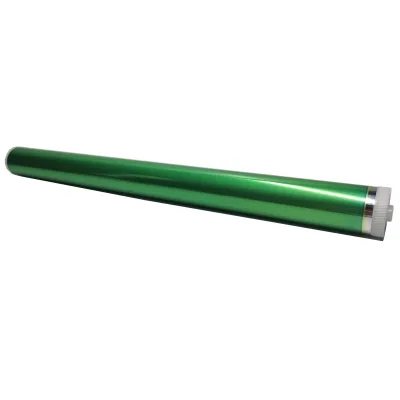
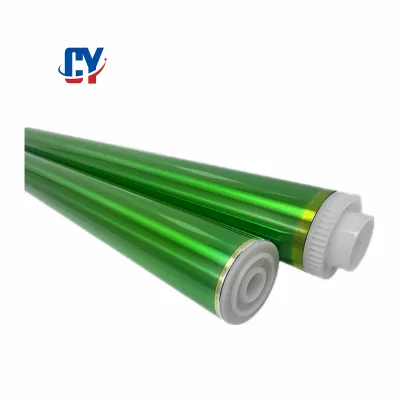
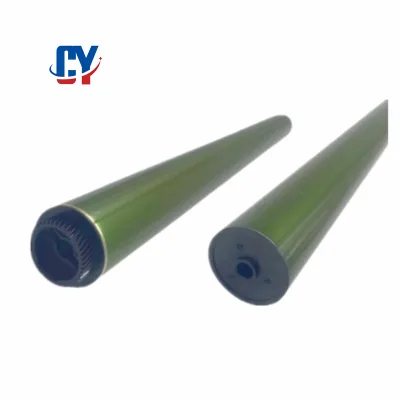
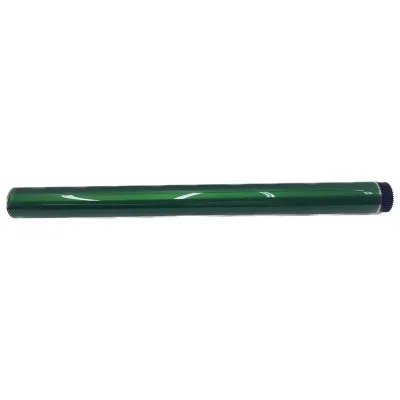
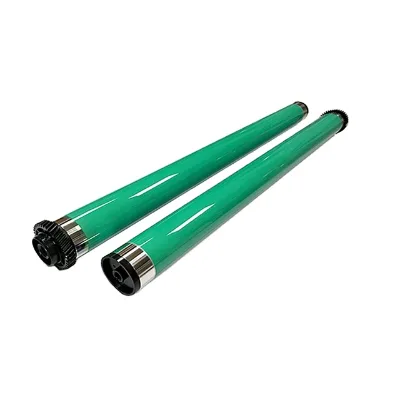
For T 2323 2822 2823 2923 2829 2802 a AC Drum Core Photosensitive Drum Core OPC
$4.1073
MOQ: 1 Minimum
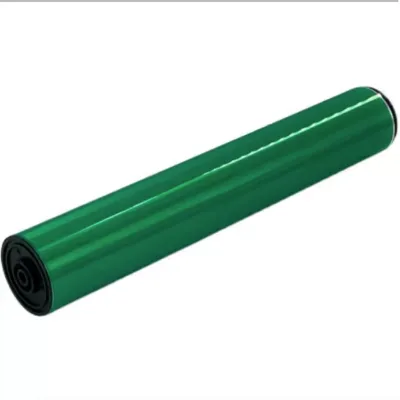

Guangzhou Huiteng Digital Technology Co., Ltd.
- Verified by CTI
- Trading Company
- China Guangdong
- Lead time23 days
- Avg. response≤ 3h
Main productsCopier
Main marketsAfrica,Southeast Asia/ Mideast,Domestic

Guangzhou Chengyi Office Equipment Co., Ltd.
- Verified by BV
- Trading Company
- China Guangdong
- Lead time15 days
- Avg. response≤ 11h
Main productsLaser Printers, Inkjet Printers, Toner Cartridge, Ink, Label Printer, Copiers, Fixing Film, Maintenance Box, OPC Durm, Scanner
Main marketsSoutheast Asia/ Mideast,Domestic

Guangzhou NPsoraka printing equipment Co., Ltd
- Verified by CTI
- Combined
- China Guangdong
- Lead time15 days
- Avg. response≤ 11h
Main productsComcolor Consumable&Parts&Printer, Date-Code Consumables&Parts, Wide-Workforce Ink Cartridge, Duplicator Consumable&Parts, Dtf Ink&Film&Powder
Main marketsSouth America,Africa,Southeast Asia/ Mideast,East Asia(Japan/ South Korea),Domestic,Europe,Australia,North America


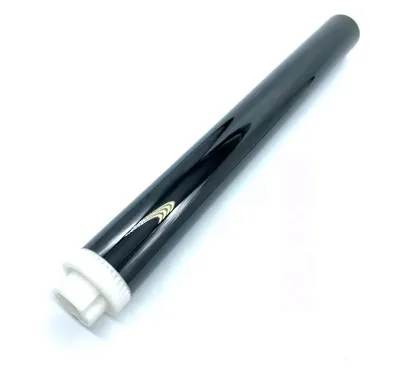
Compatible Long Life OPC Drum Kyocerra 1800/1801/2200/2201 for Drum Cylinder Black Opcdrum
$7.20 - $8.20
MOQ: 1 units

Yangge Consumbles (Guangzhou) Co., Ltd.
- Trading Company
- guangdong, China
- Lead time15 days
- Avg. response≤ 6h
Main productstoner,printing inks,Toner Cartridges,fuser unit,cartridge chips
Main marketsAfrica(90.00%), South Asia(1.00%), Southern Europe(1.00%), Northern Europe(1.00%), Western Europe(1.00%), Mid East(1.00%), Oceania(1.00%), North America(1.00%), Southeast Asia(1.00%), Eastern Europe(1.00%), South America(1.00%)
Guangzhou Fanheng Electronic Technology Co., Ltd.
- Verified by Intertek
- Trading Company
- Lead time3 days
- Avg. response≤ 1h
Main productsDTF Printer, Printer, Printer Part
Main marketsSoutheast Asia(60%), Eastern Europe(15%), Africa(10%)
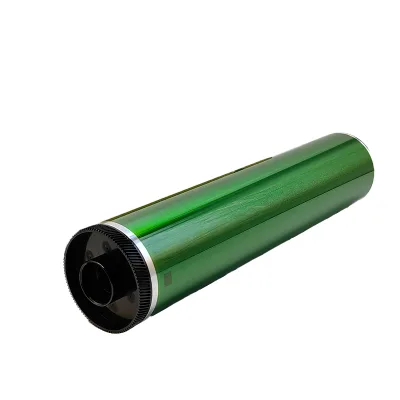
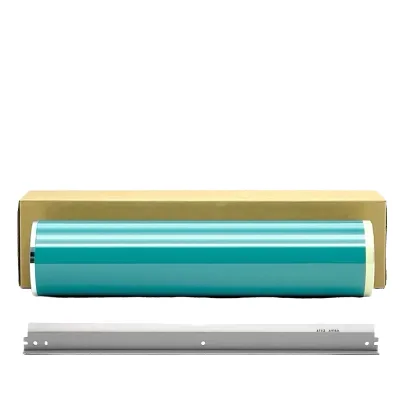
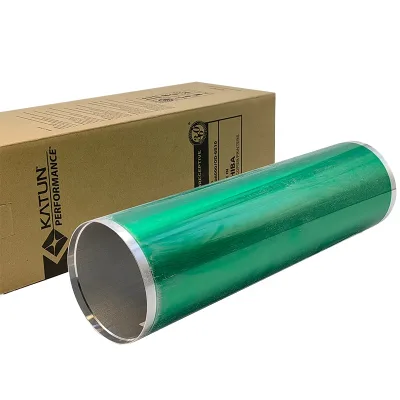
$52.1937 - $54.2818
MOQ: 2 pieces
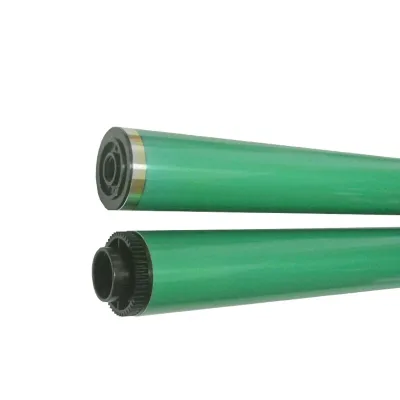
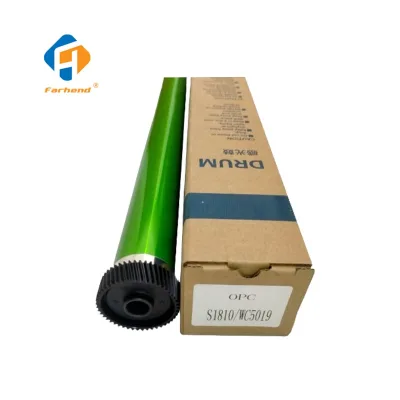

Zhongshan Chenprint Technology Co., Ltd.
- Verified by CTI
- Trading Company
- China Guangdong
- Lead time15 days
- Avg. response≤ 5h
Main productsOPC Drum, Fuser Film, Transfer Belt, Chips, PCR Dr Sr, Cleaning Blade Transfer Blade, Upper Roller Pressure Roller, Adf Separation Roller, Pickup Roller, Transfer Roller
Main marketsEurope


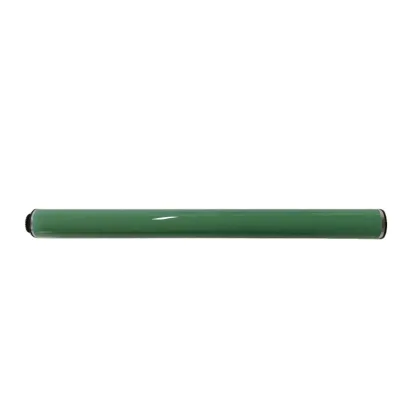
OPC Drum for Sharp Arm208 235 270 275 Arm236 237 276 277 OPC Sharp 270 OPC Drum
$1.00 - $10.00
MOQ: 1 Pieces

$1.00 - $10.00
MOQ: 1 Pieces

OPC Drum for Sharp Ar271 3148n Ar2048s 2648 2048n 255 Sf261 Ar235 Ar270 OPC
$5.00 - $20.00
MOQ: 1 Pieces

SHENZHEN WEPRINT OFFICE TECHNOLOGY COMPANY LIMITED
- Verified by SGS
- Combined
- China Guangdong
- Lead time15 days
- Avg. response≤ 6h
Main productsPrinter Cartridge, Refill Ink, Ink Cartridge, Toner Powder, Toner Cartridge, Drum Unit, Print Head, Copier Toner Cartridge, Fuser Film Sleeve, Fuser Unit
Main marketsSouth America,Africa,Southeast Asia/ Mideast,Europe

- Verified by SGS
- Combined
- China Guangdong
- Lead time15 days
- Avg. response≤ 5h
Main productsToner Cartridge, Drum Unit, Developer, OPC/Gear/Roller/Film/Spare Parts, Copier Toner, Imaging Unit, Cleaning Blade Fuser Unit Pick up Rollers
Main marketsSoutheast Asia/ Mideast


Ebest Kip7000 OPC Drum with Drumhead Kip 7000/7700/7900 Long Life OPC Drum
$288.00 - $295.00
MOQ: 1 Pieces

Ebest Long Life Compatible OPC Drum for Bizhub C351 C451 C550 C650 C452 C552 C652 Cmy
$13.00 - $15.00
MOQ: 1 Bag

Ebest China Factory High Quality Copier OPC Drum for B250 350 200 282 Drum
$7.20 - $8.50
MOQ: 1 Pieces

Ebest High Quality Compatible for Canon IR C7065 C7055 C9065 C9075 C7270 C7260 C9280 Copier OPC Drum
$9.20 - $11.25
MOQ: 1 Pieces

Xiamen O-Atronic Computer Material Co., Ltd.
- Combined
- China Fujian
- Lead time15 days
- Avg. response≤ 9h
Main productsInk, Master, Duplicator Ink, Duplicator Master, Master Rolls, Master Paper, Toner, Digital Ink Cartridges, Ink Cartridges, Toner Cartridge
Main marketsSouth America,Africa,Southeast Asia/ Mideast,East Asia(Japan/ South Korea),Domestic,Europe,North America
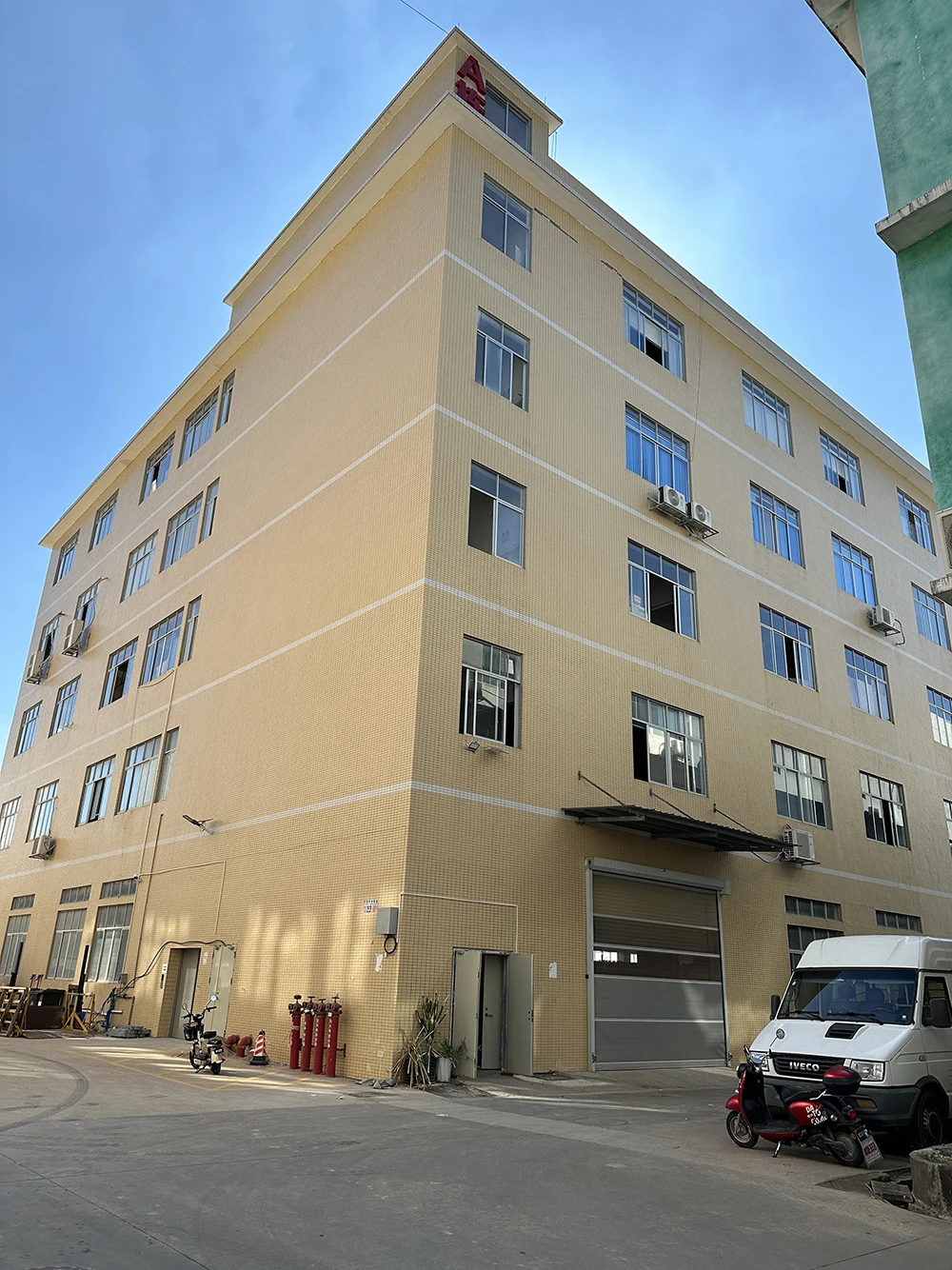
Guangzhou Xinyuanduan Office Equipment Co., Ltd.
- Manufacturer, Trading Company
- Guangdong, China
- Lead time15 days
- Avg. response≤ 3h
Main productsToner Cartridge/Imaging Unit/Developer Unit/Drum Unit/OPC Drum
Main marketsDomestic Market(60.00%), Western Europe(12.00%), South America(5.00%), Mid East(5.00%), Africa(5.00%), North America(5.00%), Eastern Europe(5.00%), Eastern Asia(3.00%)

Guangzhou Bright Color Technology Co., LTD
- Combined
- China Guangdong
- Lead time15 days
- Avg. response≤ 2h
Main productsToner, Toner Cartridge, Drum Unit, OPC Drum, Developer, Lower Roller, Upper Roller, Fuser Film Sleeve, Primary Charge Roller, Magnetic Roller
Main marketsEurope

GuangZhou Microstep Office Equipments Co.,LTD
- Verified by BV
- Trading Company
- China Guangdong
- Lead time15 days
- Avg. response≤ 12h
Main productsToner, Pick up Roller, Fuser Film, Upper Roller, Developer, OPC Drum, Cleaning Blade, Lower Sleeved Roller, Thermistor
Main marketsDomestic

Zhongshan Yinpin Consumables Technology Co., Ltd.
- Verified by CTI
- Trading Company
- China Guangdong
- Lead time15 days
- Avg. response≤ 7h
Main marketsSouth America,Africa,Southeast Asia/ Mideast,East Asia(Japan/ South Korea),Domestic,Europe,Australia,North America

Shenzhen Lanyou Technology Co., Ltd.
- Manufacturer, Trading Company, Distributor/Wholesaler
- Guangdong, China
- Lead time7 days
- Avg. response≤ 2h
Main productscopier consumable,Retractable Stanchion,Consumer Electronics
Main marketsSoutheast Asia(35.00%), North America(20.00%), Western Europe(10.00%), Mid East(10.00%), Africa(10.00%), South America(10.00%), Northern Europe(5.00%)
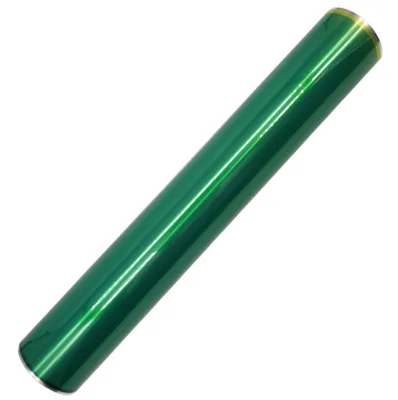
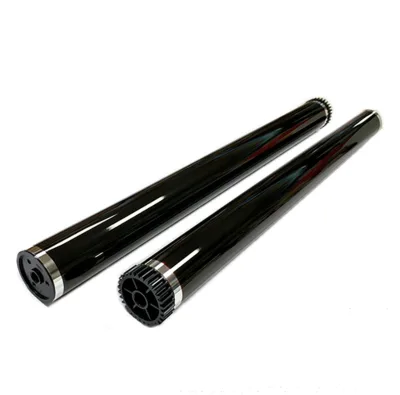
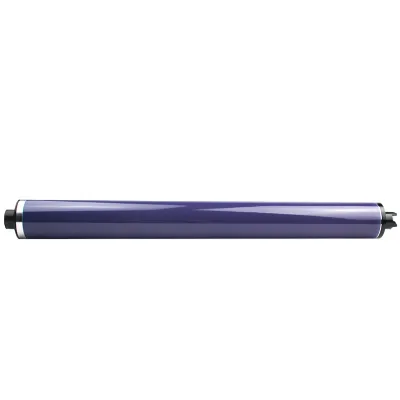
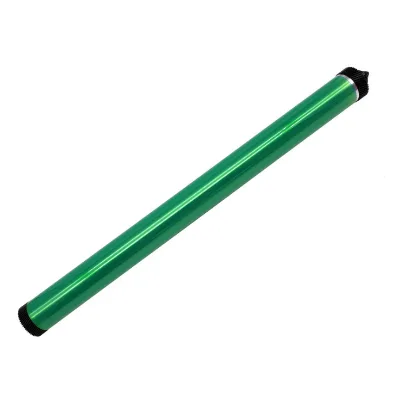
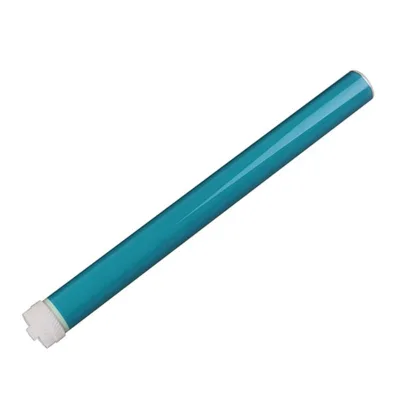
COMPATIBLE NPG 28 OPC DRUM USE for CANON IR 2318L/iR 2320L/iR 2320N/iR2420D/iR2016
$2.8346 - $6.0799
MOQ: 10 Minimum
Guangzhou Aotusi Office Equipment Co., Ltd.
- Verified by SGS Group
- Trading Company
- Lead time7 days
- Avg. response≤ 2h
Main productsToner, Toner Cartridge, Copier OPC Drum, Developer, Transfer Belt
Main marketsMid East(20%), North America(15%), Southern Europe(15%)
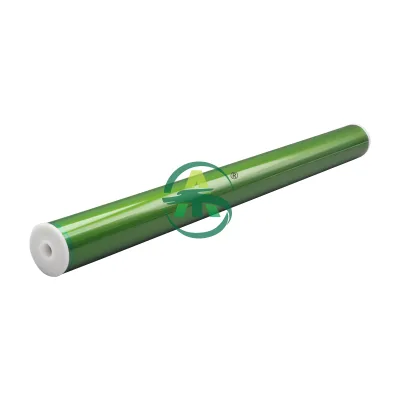
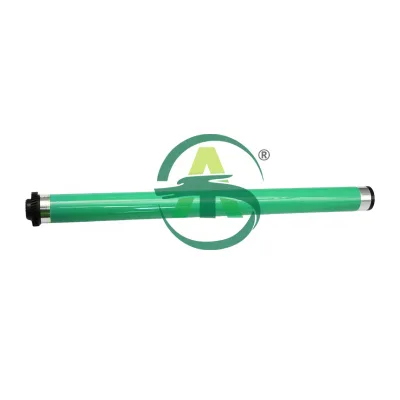
Clean Opc Drum Ir 4570 with Silencer for IR4570/3570/2870/2270/2230/2830/3530/3245/3230/3045
$3.0894 - $3.6036
MOQ: 1 Minimum
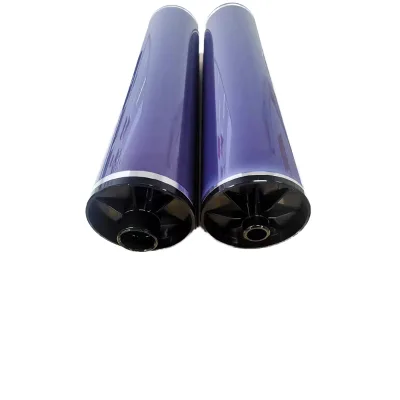

- Trading Company
- China Jiangsu
- Lead time15 days
- Avg. response≤ 22h
Main productsToner Canon, Riso Duplicator Ink, Riso Duplicator Stencil Master, Ricoh Duplicator Ink, Toner Cartridges for HP, Toner Cartridges for Kyocera Mita, OPC Drum, Toner, Toner for Konica Minolta, Toner Cartridges
Main marketsSouth America,Africa,Southeast Asia/ Mideast,East Asia(Japan/ South Korea),Domestic,Europe,Australia,North America
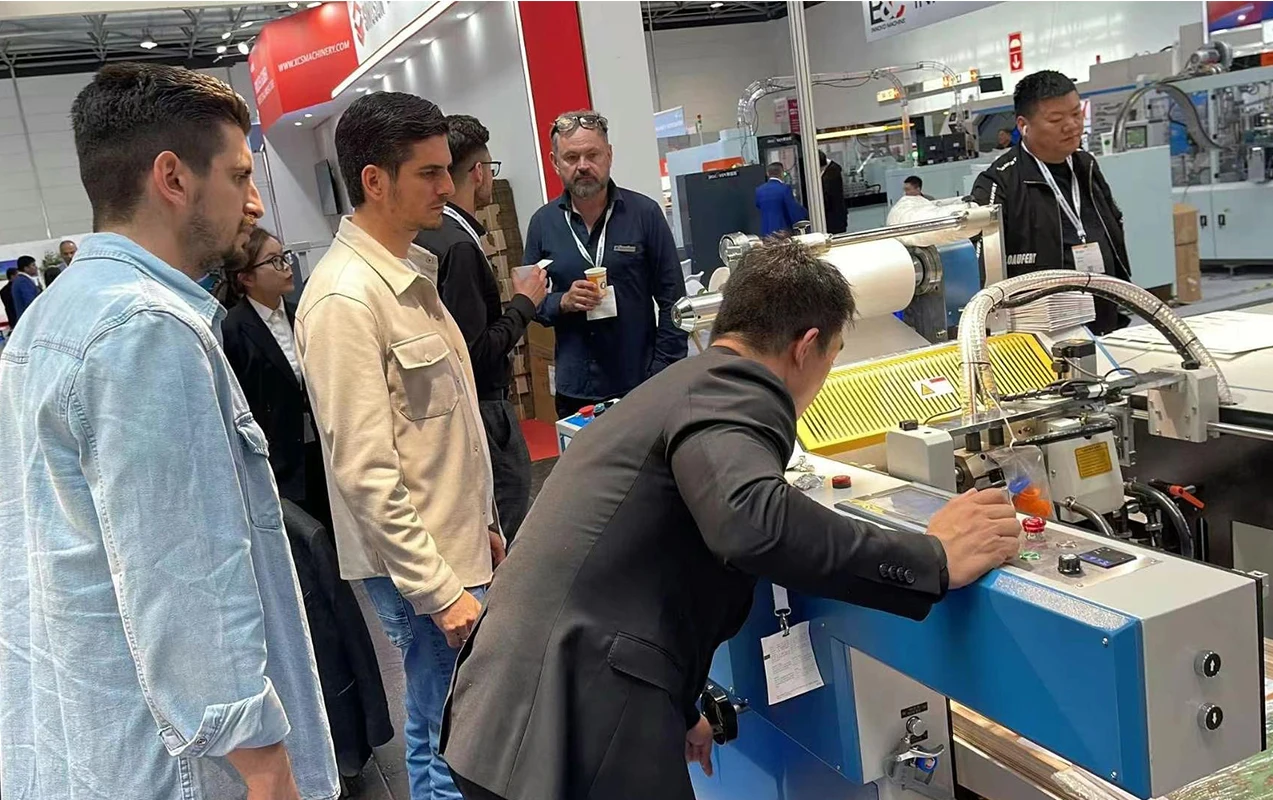
Guangzhou Shangyi Office Equipment Co., Ltd.
- Manufacturer, Trading Company, Distributor/Wholesaler
- Guangdong, China
- Lead time0 days
- Avg. response≤ 3h
Main productsPhotocopiers,printers,project machines,accessories,toner
Main marketsNorth America(25.00%), Mid East(15.00%), Oceania(15.00%), Western Europe(15.00%), Northern Europe(5.00%), Eastern Europe(5.00%), Central America(5.00%), Southeast Asia(3.00%), Domestic Market(2.00%), South Asia(2.00%), Southern Europe(2.00%), Eastern Asia(2.00%), Africa(2.00%), South America(2.00%)
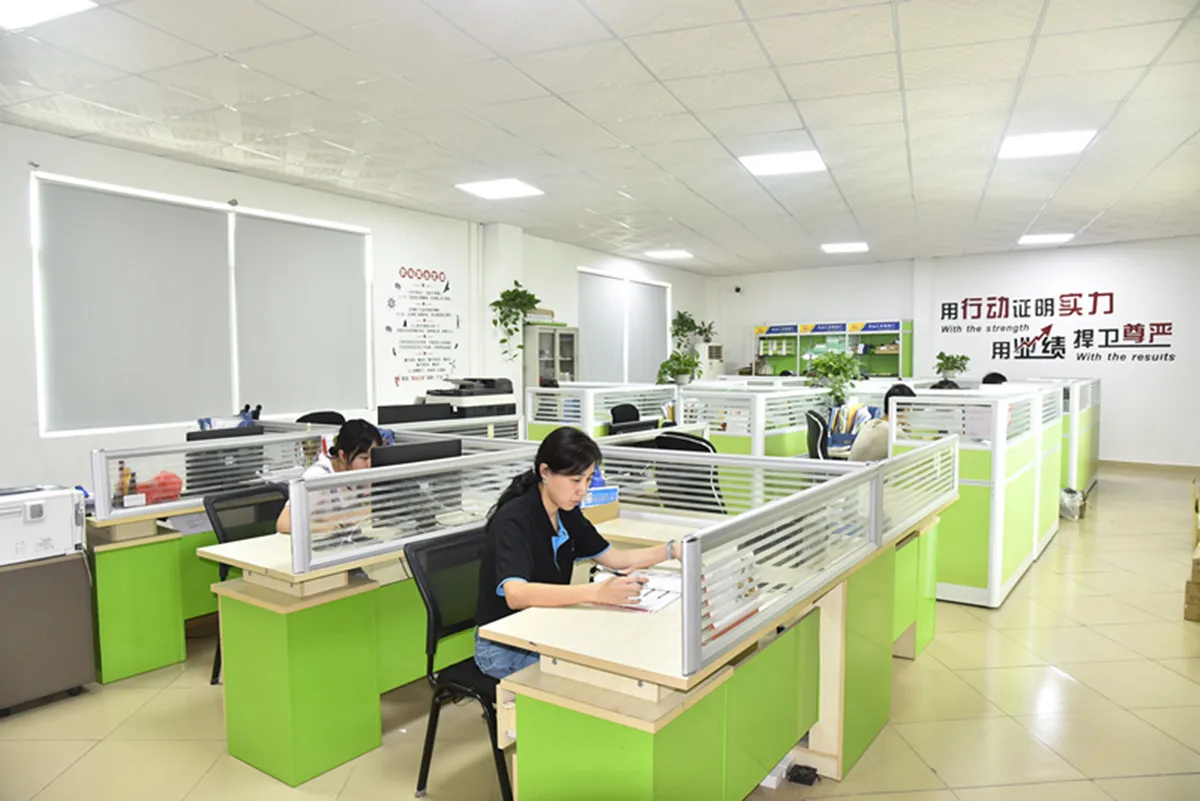
Pengdi Office Equipment Consumables (Guangzhou) Co., Ltd.
- Trading Company, Agent, Other
- Guangdong, China
- Lead time30 days
- Avg. response≤ 7h
Main productsToner,Drum unit,Spare parts,Developer,Opc
Main marketsSoutheast Asia(20.00%), Domestic Market(10.00%), Mid East(10.00%), Africa(10.00%), South Asia(5.00%), Southern Europe(5.00%), North America(5.00%), Northern Europe(5.00%), Eastern Europe(5.00%), Central America(5.00%), Western Europe(5.00%), Eastern Asia(5.00%), Oceania(5.00%), South America(5.00%)

Shenzhen Reston Technology Co., Ltd.
- Manufacturer, Trading Company
- Gongdong, China
- Lead time5 days
- Avg. response≤ 7h
Main productsToner cartridge,Copier parts,Printer Parts,cartridge parts,Ribbon & Lable
Main marketsNorth America(18.00%), Eastern Europe(12.00%), Northern Europe(12.00%), South America(12.00%), Western Europe(9.00%), Southern Europe(9.00%), South Asia(6.00%), Southeast Asia(5.00%), Central America(5.00%), Domestic Market(4.00%), Africa(3.00%), Mid East(3.00%), Oceania(1.00%), Eastern Asia(1.00%)
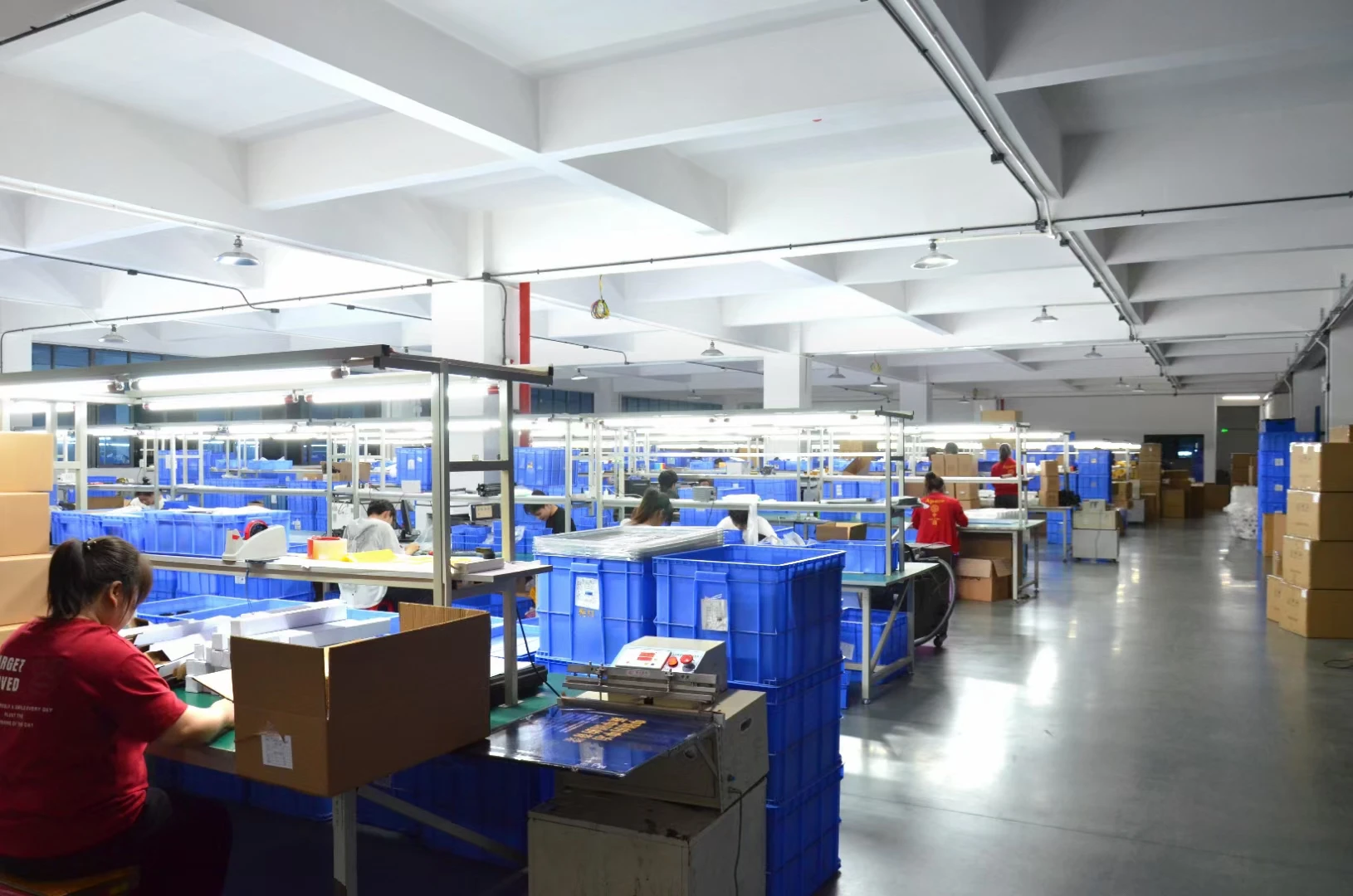
Dongguan Aige Office Supplies Co., Ltd.
- Trading Company
- Guangdong, China
- Lead time0 days
- Avg. response≤ 6h
Main productsToner cartridge,Drum unit,Fuser unit,Developer unit
Main marketsMid East(20.00%), Western Europe(15.00%), Southern Europe(10.00%), North America(10.00%), Eastern Europe(8.00%), Eastern Asia(8.00%), Northern Europe(6.00%), South America(5.00%), South Asia(5.00%), Southeast Asia(3.00%), Domestic Market(3.00%), Africa(3.00%), Oceania(2.00%), Central America(2.00%)

Huaian Gantech Opto-Electronics Limited
- Manufacturer, Trading Company
- Jiangsu, China
- Lead time20 days
- Avg. response≤ 10h
Main productsOPC Drum,toner,toner cartridge,Aluminum Tubes
Main marketsSouthern Europe(12.50%), Central America(12.50%), Western Europe(12.50%), Eastern Asia(12.50%), Mid East(12.50%), Southeast Asia(12.50%), Eastern Europe(12.50%), South America(12.50%)
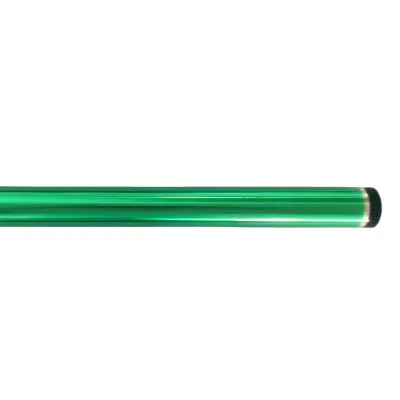
$1.5575 - $1.8678
MOQ: 50 pieces
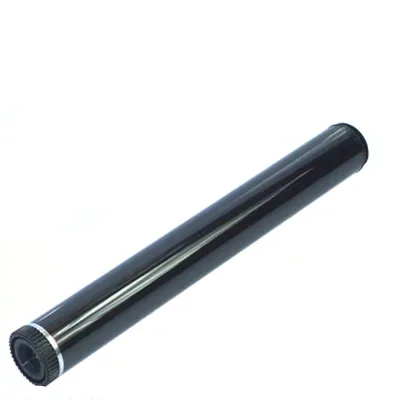
$3.5946 - $5.1341
MOQ: 20 pieces
$1.6669 - $2.0836
MOQ: 100 pieces

Guangzhou Xinshengchu Office Equipment Co., Ltd
- Verified by TUVRHEINLAND
- Combined
- China Guangdong
- Lead time15 days
- Avg. response≤ 10h
Main productsToner Cartridge, OPC Drum, Ink, Master Roller, Drum Unit, Toner Power, Cleaning Blade, Pick up Roller, Fuser Film, Transfer Belt
Main marketsDomestic

Compatible Good Quality Copier OPC Drum for Dcc2250 2270 3300 2200 2255 3360 7425 7435 7428 OPC Drum
$10.00 - $12.00
MOQ: 5 Pieces


$50.00 - $55.00
MOQ: 10 Pieces


$6.00 - $7.50
MOQ: 5 Pieces

Guangzhou Maijia Information Technology Co., Ltd.
- Manufacturer
- Guangdong, China
- Lead time7 days
- Avg. response≤ 4h
Main productsCopier supplies,Printer Consumables,Copier Genuine Parts,Copier supplies original,Compatible Copier Supplies
Main marketsNorth America(25.00%), Southeast Asia(10.00%), South America(10.00%), Southern Europe(9.00%), Oceania(8.00%), Eastern Europe(8.00%), Mid East(6.00%), Domestic Market(5.00%), Central America(5.00%), South Asia(5.00%), Eastern Asia(5.00%), Western Europe(3.00%), Africa(1.00%)

SPRINTONER SUPPLIER (SHENZHEN) CO., LTD.
- Trading Company,Manufacturer/Factory
- China Guangdong
- Lead time15 days
- Avg. response≤ 7h
Main productsToner Powder, Toner Cartridge, Toner Chip, Color Toner, OPC Drum, Copier Parts, Developer, Drum Cleaning Blade, Upper Fuser Roller, Lower Sleeved Roller
Main marketsSouth America,Eastern Europe,Mid East,North America,Southeast Asia,Eastern Asia,Oceania,Western Europe,Africa

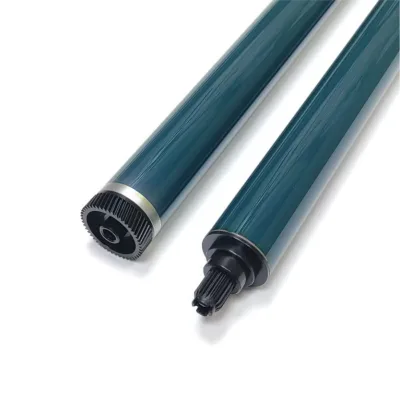
FC25 OPC Drum for Toshiba 2555 2050c 2550c2551c 2051c 2540c 2040c 3040c 3540c 4540c
$8.00 - $8.50
MOQ: 10 Pieces

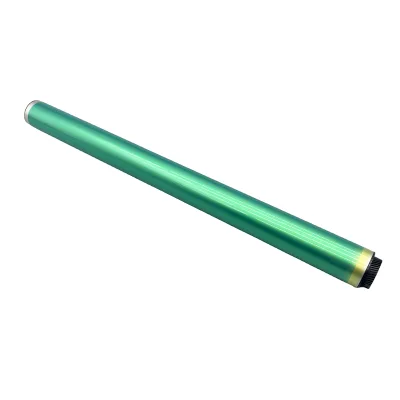
OPC Drum for Toshibas E Studio 5520c 5540c 5560c 6520c 6530c 6540c 6550c 6560c Od-FC55
$26.00 - $28.00
MOQ: 4 Pieces







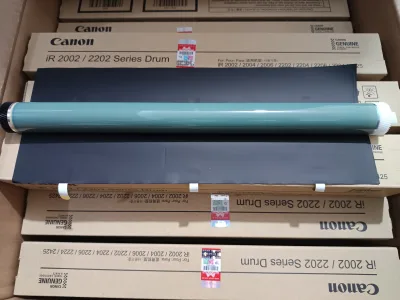
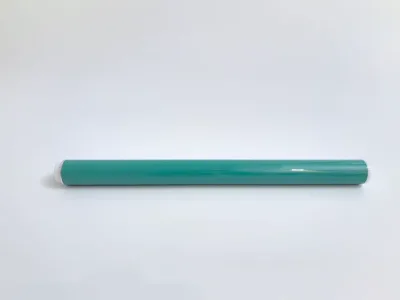
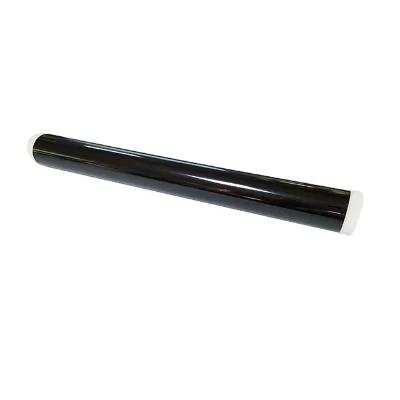
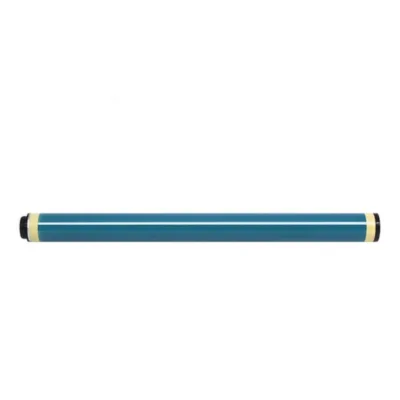
Comprehensive Sourcing Guide
Compatible OPC Drum Core Supplier Concentration and Factory Types
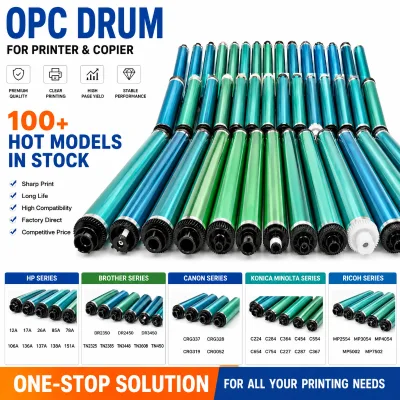
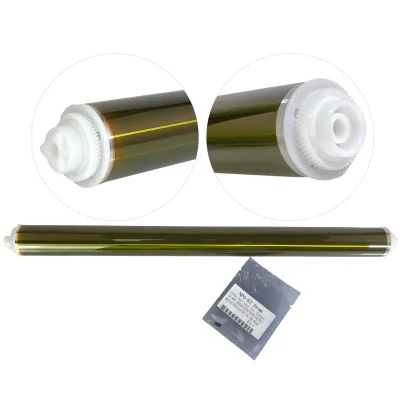
The landscape for sourcing compatible OPC drum cores reveals a distinct mix of manufacturing capabilities and trading structures, primarily anchored in specific industrial hubs. Evidence indicates that a significant portion of suppliers are located in Guangdong, China, a region known for its robust electronics and printing supply chain infrastructure. This concentration suggests that buyers looking for volume production or rapid prototyping may find a dense cluster of potential partners in this area. The presence of both manufacturers and trading companies in these results highlights a dual-path sourcing strategy. Manufacturers often provide direct access to production lines, which can be crucial for customizing drum cores for specific copier models like the Ricoh C4503 or Toshiba series. These entities typically list main products such as printer supplies, copier parts, and electronic circuit ODM customization, indicating a broader technical capability beyond just assembly. Trading companies, on the other hand, may aggregate products from multiple factories, offering a wider variety of compatible models such as the Konica Minolta C454 or HP drum cores in a single transaction. Understanding this distinction is vital for buyers who need to decide whether they prioritize direct factory pricing and control over the convenience of a single-point procurement interface. The coexistence of these company types means that buyers must carefully evaluate the actual source of the goods, as the listed company type may not always reflect the true origin of the specific OPC drum core being purchased.
Furthermore, the product evidence shows a variety of origins, including Japan and China, which adds another layer of complexity to supplier concentration. While Guangdong is a prominent location, some compatible drum cores are listed with a place of origin in Japan, suggesting that some suppliers may be sourcing high-quality components or finished goods from Japanese manufacturers before distributing them globally. This implies that buyers should not assume all "compatible" products are domestically produced in the supplier's listed location. The main products listed by these suppliers often include toner cartridges, copier parts, and scanner components, indicating that many suppliers are specialized in the broader office equipment maintenance sector rather than just OPC drums. This specialization can be a positive indicator of expertise, as these suppliers likely have established relationships with component manufacturers and understand the technical nuances of different drum core models. Buyers should look for suppliers who list specific model numbers, such as MP 4000 or 2050C, as their main products, as this demonstrates a focused inventory and deeper knowledge of the compatible market. The presence of graphic processing and sample processing capabilities in some supplier profiles further suggests that some factories offer value-added services, allowing for custom packaging or minor modifications to meet specific buyer requirements. This level of service differentiation can be a key factor in selecting a supplier who can support long-term partnership needs rather than just one-off transactions.
How to Verify Compatible OPC Drum Core Suppliers
Verifying the legitimacy and capability of a supplier requires a multi-layered approach that goes beyond simple profile reviews. One critical step is to check for third-party verification badges, such as Intertek, which can provide an additional layer of trust regarding the supplier's business operations and product quality. These verifications often involve on-site inspections that confirm the existence of the factory or trading office and validate the claimed business scope. Buyers should also scrutinize the supplier's response time, as a quick response can indicate a well-staffed sales team and efficient internal communication processes. In the current data, response times vary, with some suppliers showing a response time of 2 days and others taking up to 4 days. A faster response time is generally preferable, as it suggests the supplier is actively managing inquiries and is more likely to be responsive during the order fulfillment process. Additionally, buyers should examine the supplier's certification records, such as EMC, CE, and RoHS, which are critical for ensuring that the electronic components and materials used in the OPC drum cores meet international safety and environmental standards. These certifications are not just paperwork; they reflect a commitment to quality control and regulatory compliance, which can reduce the risk of receiving non-compliant or defective products. Buyers should request copies of these certificates and verify their validity with the issuing bodies if necessary, especially for large orders where compliance is a legal requirement in the destination market.
Another essential verification step is to assess the supplier's product evidence and technical specifications in detail. Buyers should look for clear and consistent product attributes, such as model numbers, place of origin, and single gross weight, which indicate a professional and organized listing process. For example, some listings provide detailed package sizes and weights, which are crucial for calculating shipping costs and planning logistics. Buyers should also check for specific product features, such as "Compatible" or "Original" labels, and ensure that these align with their sourcing needs. It is important to verify that the supplier can provide samples before committing to large orders, as this allows for a physical inspection of the drum core's quality, including the condition of the photosensitive layer and the mechanical fit. Some suppliers list sample processing capabilities, which is a positive sign that they are willing to support the buyer's due diligence process. Buyers should also inquire about the supplier's testing procedures, as some listings mention that products are "100% Tested Strictly" before shipment. This claim should be backed up by evidence, such as test reports or quality control protocols, to ensure that the supplier has a robust system for preventing defects. By combining verification of business credentials with a thorough review of product technical details, buyers can significantly reduce the risk of partnering with unreliable suppliers and ensure a smoother sourcing experience for compatible OPC drum cores.
What to Compare Across Compatible OPC Drum Core Suppliers
When evaluating multiple suppliers for compatible OPC drum cores, buyers must compare several key dimensions to identify the best fit for their specific needs. One of the most critical factors is the minimum order quantity (MOQ), which can vary significantly across different suppliers. Some suppliers offer an MOQ of just one piece, which is ideal for small businesses or those testing new product lines, while others may require a minimum of ten pieces or more. This difference can impact the buyer's inventory management and cash flow, so it is essential to align the MOQ with the buyer's consumption rate and storage capacity. Another important factor is the price range, which can fluctuate based on the model, quality, and quantity ordered. For instance, prices for compatible drum cores can range from as low as $4.00 to over $42.00, depending on the specific copier model and the complexity of the drum core. Buyers should compare these prices not just on a per-unit basis but also in the context of the total landed cost, including shipping and taxes. Additionally, the lead time is a crucial consideration, as it determines how quickly the buyer can receive their orders and fulfill their own customers' needs. Some suppliers list a lead time of 15 days, while others may offer faster delivery options, such as 3-7 working days for certain models. Buyers should prioritize suppliers who can meet their required delivery schedules, especially if they have urgent orders or tight deadlines.
Beyond these basic metrics, buyers should also compare the supplier's main products and specialization to ensure they have the expertise to support their specific requirements. Suppliers who list a wide range of printer supplies, copier parts, and toner cartridges may have a broader inventory and better access to various compatible models. However, buyers should also look for suppliers who specialize in specific brands or models, as these suppliers may offer higher quality products and better technical support. For example, a supplier who specializes in Ricoh or Toshiba drum cores may have a deeper understanding of the technical specifications and compatibility issues associated with these brands. Buyers should also compare the supplier's response time and communication style, as a responsive and helpful supplier can make a significant difference in the sourcing process. Additionally, buyers should consider the supplier's location and shipping options, as these factors can impact the overall cost and delivery time. Some suppliers offer shipping via major carriers like DHL, UPS, and FedEx, which can provide faster and more reliable delivery options. By carefully comparing these various dimensions, buyers can make an informed decision and select a supplier who offers the best combination of price, quality, and service for their Compatible OPC Drum Core needs.
Common Compatible OPC Drum Core Sourcing Risks
Sourcing compatible OPC drum cores comes with several inherent risks that buyers must be aware of and actively manage. One of the most significant risks is the variability in product quality, as the term "compatible" can encompass a wide range of manufacturing standards and material grades. Some suppliers may use lower-quality photosensitive materials or less precise manufacturing processes, which can lead to issues such as streaking, poor print quality, or premature wear. Buyers should be cautious of suppliers who do not provide detailed product specifications or who make vague claims about quality without supporting evidence. It is essential to request samples and conduct thorough testing before placing large orders to ensure that the product meets the required performance standards. Another risk is the potential for intellectual property disputes, as some compatible products may infringe on the patents or trademarks of original equipment manufacturers. Buyers should ensure that their suppliers have the necessary licenses or permissions to produce and sell these products, especially if they are exporting to markets with strict IP laws. Additionally, buyers should be aware of the risk of supply chain disruptions, which can be caused by factors such as raw material shortages, production delays, or logistical issues. Suppliers who rely on a single source for key components may be more vulnerable to these disruptions, so buyers should consider diversifying their supplier base to mitigate this risk.
Furthermore, buyers should be vigilant about the risk of inaccurate product listings, which can lead to misunderstandings and dissatisfaction. Some suppliers may list products with incorrect model numbers, specifications, or origins, which can result in the buyer receiving the wrong product or facing compatibility issues. Buyers should carefully review the product details and verify them with the supplier before placing an order. It is also important to be aware of the risk of hidden costs, such as shipping fees, customs duties, or taxes, which can significantly impact the total cost of the order. Buyers should request a detailed quote that includes all costs and ensure that they understand the terms of delivery, such as Incoterms, to avoid unexpected expenses. Additionally, buyers should be cautious of suppliers who offer prices that seem too good to be true, as this may indicate a lower quality product or a potential scam. By understanding and proactively managing these risks, buyers can protect their interests and ensure a successful sourcing experience for compatible OPC drum cores. This involves not only selecting the right supplier but also establishing clear communication channels, setting realistic expectations, and implementing robust quality control measures throughout the procurement process.
Compatible OPC Drum Core Regional Sourcing and Logistics
The regional location of suppliers plays a crucial role in determining the logistics and shipping options available for compatible OPC drum cores. As noted in the evidence, many suppliers are located in Guangdong, China, a major manufacturing hub that offers efficient access to global shipping routes. This location advantage can result in lower shipping costs and faster delivery times, especially for buyers in Asia, Europe, and North America. Buyers should consider the proximity of the supplier to major ports and airports when evaluating logistics options, as this can impact the overall lead time and cost of the order. Additionally, buyers should be aware of the different shipping methods available, such as air freight, sea freight, and express courier services, and choose the one that best fits their needs. For urgent orders, express courier services like DHL, UPS, and FedEx may be the best option, despite the higher cost, as they offer faster delivery and better tracking capabilities. For larger, non-urgent orders, sea freight may be a more cost-effective solution, although it comes with longer transit times. Buyers should also consider the packaging requirements for OPC drum cores, as these products
FAQs
What is the price range for compatible OPC drum cores?
Compatible OPC drum cores typically range from $4 to $42 per unit depending on the model and specifications. Prices vary based on features such as page yield and compatibility with specific copier brands like Ricoh or Toshiba. Buyers should check individual product listings for exact pricing details.
What is the minimum order quantity for these products?
The minimum order quantity varies by supplier, with some accepting single items while others require a minimum of 10 units. Most listings indicate an MOQ of 1 piece, allowing for small trial orders. Buyers should verify the specific MOQ requirements for each product before placing an order.
Where are these OPC drum cores manufactured?
Manufacturing locations for these drum cores include China and Japan. Specific products list origins in Guangdong, China, or Japan. Buyers should check the product attributes for the exact place of origin to ensure alignment with their sourcing preferences and quality expectations.
How quickly do suppliers respond to inquiries?
Supplier response times are generally fast, with some responding within 2 hours and others within 4 hours. This quick turnaround helps buyers get quotes and technical details promptly. Buyers can expect efficient communication when contacting suppliers for Compatible OPC Drum Core inquiries.
What certifications do these suppliers hold?
Some suppliers hold certifications such as EMC, CE, and RoHS, indicating compliance with international standards. These certifications ensure product safety and environmental compliance. Buyers should verify specific certifications for each supplier to meet their regulatory requirements.
What is the typical lead time for orders?
Lead times vary, with some suppliers offering delivery within 3-7 working days and others having a lead time of 15 days. Buyers should confirm the lead time with the supplier to plan their inventory and production schedules effectively.