Compact Manual Edgebander Glue Pot Suppliers and Manufacturers
Compare 20 verified suppliers offering Compact Manual Edgebander Glue Pot units with CE and ISO certifications from China. Review response times, lead times, and pricing to select a manufacturer for your woodworking needs; review the available evidence before requesting comparable quotations from suitable candidates.
Updated
Suppliers List

Shandong Dongteng Machinery Co., Ltd.
- Verified by SGS
- Trading Company
- China Shandong
- Lead time15 days
- Avg. response≤ 3h
Main productsEdge Banding Machine, Wood Saw, Hinge Drilling Machine
Main marketsSouth America,Africa,Southeast Asia/ Mideast,East Asia(Japan/ South Korea),Europe,Australia,North America


PVC Automatic Edgebander PUR EVA Glue Pot for Aluminum Honey Comb Edge Banding Machine
$1789.00 - $2068.00
MOQ: 1 Pieces

Straight and Curved Edge Banding Machine Trimming Edge Bander Glue Pot Edgebander
$3300.00
MOQ: 1 Pieces

Manual Edge Banding Machine Wood Automatic Curve Edgebander Glue for Cabinet
$7700.00 - $8600.00
MOQ: 1 Pieces

Upper Glue Pot Automatic 45 Degree Edge Banding Machine Panel Furniture
$8800.00 - $11500.00
MOQ: 1 Pieces
Zhengzhou Jingzhe Machinery Equipment Co., Ltd.
- Trading Company
- Henan, China
- Lead time20 days
- Avg. response≤ 2h
Main productsEdge banding machine,dust collection,Dust-free double saw,Woodworking subsidiary equipment,Hinge drill
Main marketsAfrica(25.00%), Southeast Asia(20.00%), Mid East(15.00%), Domestic Market(10.00%), North America(5.00%), South Asia(5.00%), Northern Europe(5.00%), Western Europe(5.00%), Eastern Asia(5.00%), South America(5.00%)
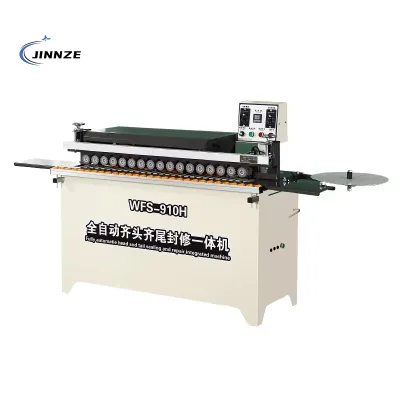
$672.4964 - $693.0297
MOQ: 2 pieces
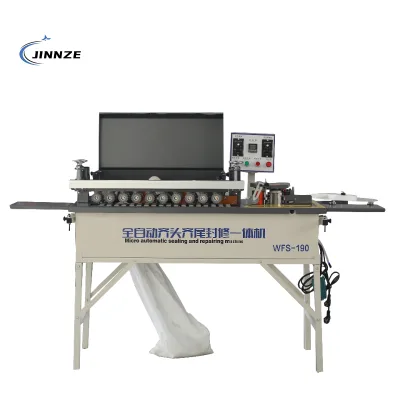
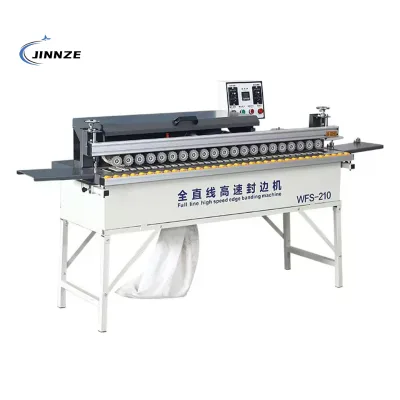
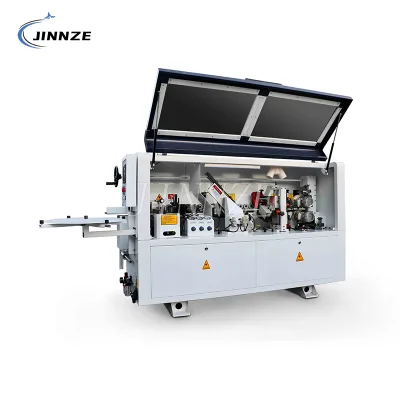
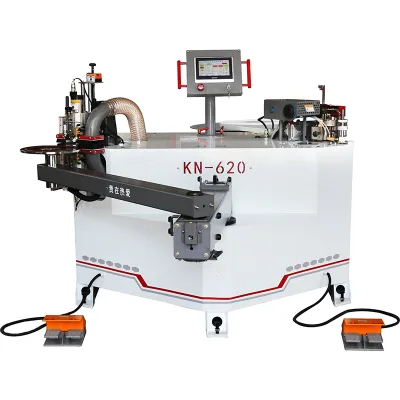

Shenzhen Aucox Technology Co., Ltd.
- Verified by BV
- Trading Company,Manufacturer/Factory
- China Guangdong
- Lead time15 days
- Avg. response≤ 2h
Main productsEdge Banding Machine, Table Saw, Drilling Machine, CNC Router, Sanding Machine, Press Machine, Wood Planer Machine, Edge Bander Machine, Atc CNC Router, Woodworking Machine
Main marketsSouth America,Eastern Europe,Mid East,North America,Southeast Asia,Eastern Asia,Oceania,Western Europe,Africa

Compact Automatic Edge Banding Machine with a Top Glue Pot for Working with EVA/PUR Adhesives
$4500.00 - $6500.00
MOQ: 1 Pieces

Automatic Edge Bander with Top Glue Pot for Strong PUR Adhesion My-12t
$4500.00 - $6500.00
MOQ: 1 Pieces


My12t PUR Glue Edge Banding Machine with Pre-Milling and Top Glue Pot for High Strength Bonding
$5574.00 - $6598.00
MOQ: 1 Pieces

$4500.00 - $6500.00
MOQ: 1 Pieces
Qingdao Delilai Machinery Co., Ltd
- Verified by TüVRheinland
- Manufacturer, Trading Company
- Lead time7 days
- Avg. response≤ 2h
Main productsPrecise Panel Saw, Polishing Machine, Edge Banding Machine, Sanding Machine, Press Machine
Main marketsNorth America(50%), South America(10%), Eastern Europe(10%)
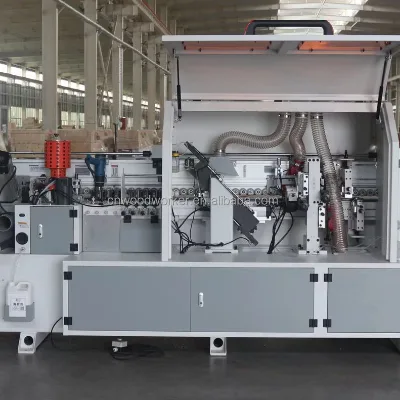
Full Range Edge Banding Machine Edge Bander With 2 Pur Glue Pot for Cabinet
$7899.00 - $7900.00
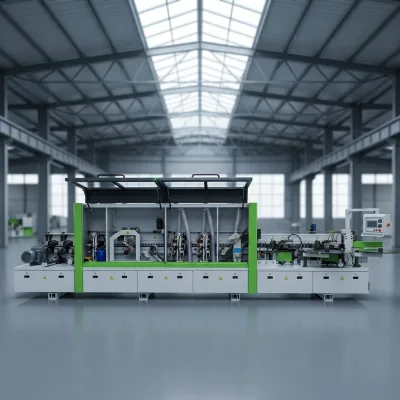
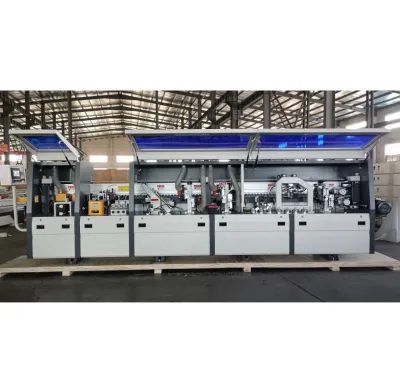
Double or Single Glue Pots Edge Banding Machine Edge Banding Machine
$7900.00 - $9850.00
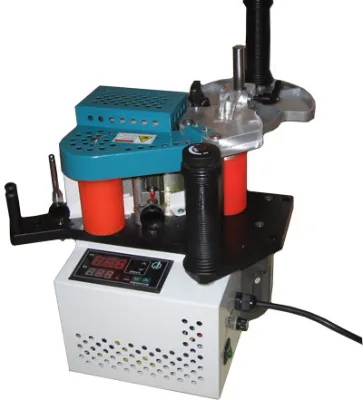

Qingdao Zhongding Machinery Co., Ltd.
- Verified by SGS
- Combined
- China Shandong
- Lead time30 days
- Avg. response≤ 3h
Main productswoodworking machinery
Main marketsSouth America,Africa,Southeast Asia/ Mideast,East Asia(Japan/ South Korea),Europe,Australia,North America

Qingdao Zhongding Machinery Co., Ltd.
- Combined
- China Shandong
- Lead time30 days
- Avg. response≤ 9h
Main productsCNC Machinery, Panel Saw, Edge Bander, Press Machine, Sanding Machine, Drilling Machine
Main marketsSouth America,Africa,Southeast Asia/ Mideast,East Asia(Japan/ South Korea),Europe,Australia,North America


Quality Edge Banding Machine with Good Motor and PUR Glue Pot for Efficiency
$10000.00 - $15000.00
MOQ: 1 Pieces


Versatile Edge Bander for Woodworking Machines with Good Motor and Glue Pot
$10000.00 - $15000.00
MOQ: 1 Pieces

Versatile Edge Banding Machine with PUR Glue Pot and Pre-Milling Functionality
$10000.00 - $15000.00
MOQ: 1 Pieces


Qingdao Yingzhuo Machinery Technology Co., Ltd.
- Verified by TUVRHEINLAND
- Combined
- China Shandong
- Lead time15 days
- Avg. response≤ 3h
Main productsWoodworking Machine, Edge Banding Machine, Sliding Table Panel Saw, CNC Router, Sanding Machine, Drilling Machine, Press Machine, Dust Collector, CNC Beam Saw, Deburring Machine
Main marketsDomestic


Optimal Performance 2900mm Woodworking Edge Banding Machine with Double Gluing Pots
$4420.00 - $4520.00
MOQ: 1 Sets

Double Glue Pot Linear Woodworking Edge Banding Machine with Pre-Milling Function
$13600.00 - $13900.00
MOQ: 1 Sets

Glue Tank Underneath High Class Auto Edge Banding Machine with 2 Glue Pots Factory Price
$13105.00 - $13405.00
MOQ: 1 Sets

China Supply Solid Wood Double Glue Pot Lipping Edge Banding Machine with Corner Rounding
$13135.00 - $13435.00
MOQ: 1 Sets

Perfect Edge Sealing Woodworking Full Automatic Edge Banding Machine with Teflon-Coated Glue Pot
$12950.00 - $13250.00
MOQ: 1 Sets
Jinan Atop Machinery Co., Ltd.
- Manufacturer, Trading Company
- Shandong, China
- Lead time25 days
- Avg. response≤ 2h
Main productsLaser engraving machine,Laser marking machine,Laser welding machine,Laser cleaning machine,fiber laser cutting machine
Main marketsNorth America(15.00%), Africa(10.00%), Mid East(10.00%), Eastern Europe(10.00%), Western Europe(10.00%), Northern Europe(6.00%), Domestic Market(6.00%), South Asia(5.00%), Southern Europe(5.00%), Southeast Asia(5.00%), Central America(5.00%), South America(5.00%), Eastern Asia(5.00%), Oceania(3.00%)
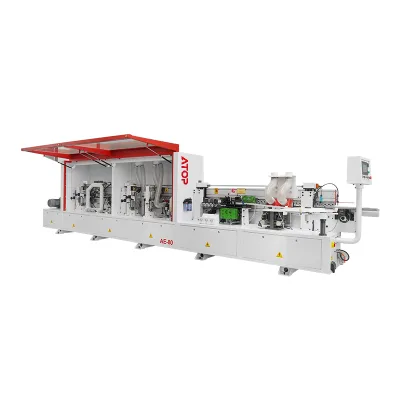
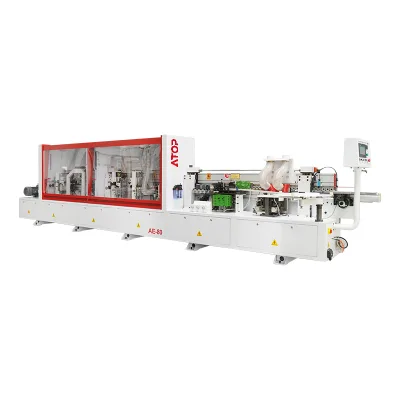
Cabinet Cnc Edgebander for Sale Upper Glue Pot Pur Glue Edgebander Machine for Furniture Production
$12045.2025 - $12822.3126
MOQ: 1 sets
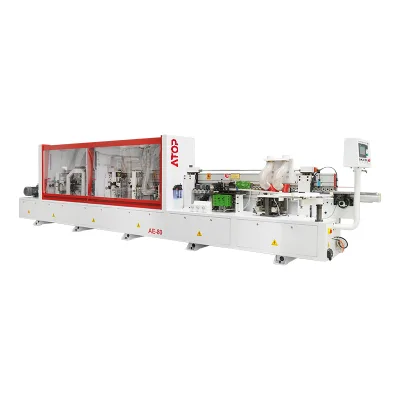
$12127.8424 - $12910.2844
MOQ: 1 sets
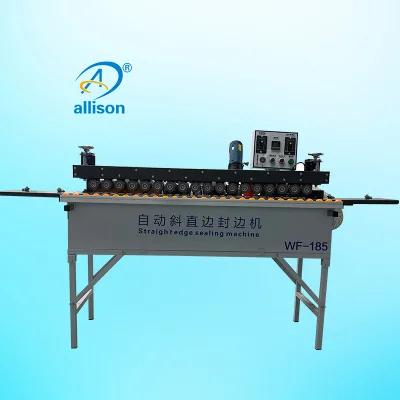
Qingdao Allison Machinery Technology Co., Ltd.
- Verified by SGS Group
- Manufacturer, Trading Company
- Lead time7 days
- Avg. response≤ 2h
Main productsWoodworking Machinery, Textile Machinery
Main marketsNorth America(20%), Africa(20%), Domestic Market(10%)

Hangzhou Ting Ting Trading Co., Ltd.
- Verified by BV
- Trading Company
- China Zhejiang
- Lead time23 days
- Avg. response≤ 3h
Main productsEdge Banding Machine, Woodworking Machine
Main marketsNorth America

Compact Mini Automatic Edge Gluing Machine Edge Bander Edge Banding Machine
$2900.00 - $3200.00
MOQ: 1 set

Tt-306db Economical 4-Function Automatic Edge Banding Machine with Optional Glue Pot
$3500.00 - $4000.00
MOQ: 1 Pieces

Tt-306db Economical Automatic Edge Banding Machine with Optional Easy Change Glue Pot
$3500.00 - $4000.00
MOQ: 1 Pieces


Tt-306D Easy-Change Glue Pot Integrated Woodworking Systems Edge Banding Machine
$2900.00 - $3200.00
MOQ: 1 set

Tt-206 Optional Quick Replace Glue Pot Edge Banding Machine with Custom Voltage Configuration
$2200.00 - $2500.00
MOQ: 1 set
Guangdong Shunde Changsheng Machinery Manufacturing Co., Ltd.
- Verified by SGS Group
- Manufacturer, Trading Company
- Lead time20 days
- Avg. response≤ 6h
Main productsComputer Beam Saw, CNC Router Machine, Edge Banding Machine, CNC Drilling Machine, Automatic Machines Line
Main marketsNorth America(21%), Eastern Europe(15%), Mid East(15%)
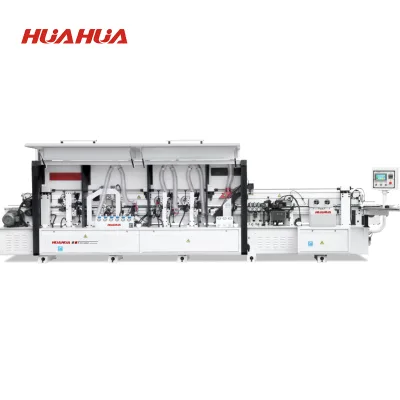
HUAHUA HH506R Glue Pot Edgebander with Corner Round Function
$14000.00 - $17713.00
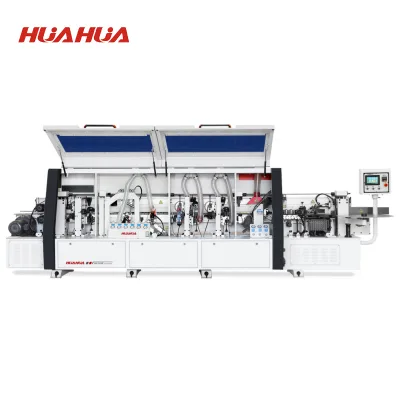
HUAHUA HH505R Woodworking Automatic Glue Pot Homag Edge Bander Machine
$10000.00 - $14000.00
Laizhou Huibang Machinery Equipment Co., Ltd.
- Verified by SGS Group
- Manufacturer, Trading Company
- Shandong, China
- Lead time30 days
- Avg. response≤ 5h
Main productsWoodworking Machinery, Metalworking Machinery, Construction Machinery
Main marketsOceania(52%), North America(30%), Eastern Europe(5%)
Qingdao Holztech Machinery Co., Ltd.
- Manufacturer, Trading Company
- Shandong, China
- Lead time30 days
- Avg. response≤ 2h
Main productsPANEL SAW,EDGE BANDER,DRILLING MACHINES,SANDING MACHINE,COLD PRESS
Main marketsEastern Europe(15.00%), Domestic Market(10.00%), South Asia(10.00%), Africa(10.00%), Southeast Asia(10.00%), Central America(10.00%), South America(10.00%), Mid East(5.00%), Oceania(5.00%), Southern Europe(5.00%), Northern Europe(5.00%), North America(5.00%)

Jinan JCUT CNC Equipment Co., Ltd.
- Manufacturer, Trading Company
- Shandong, China
- Lead time5 days
- Avg. response≤ 6h
Main productsATC CNC Router, Wood CNC Router, Fiber Laser Cutting Machine, Stone CNC Router, Mini CNC Router
Main marketsNorth America(30.00%), Domestic Market(30.00%), Southern Europe(7.00%), South America(5.00%), Western Europe(5.00%), Northern Europe(5.00%), Eastern Europe(5.00%), Oceania(3.00%), Mid East(3.00%), Southeast Asia(3.00%), Eastern Asia(2.00%), Africa(2.00%)
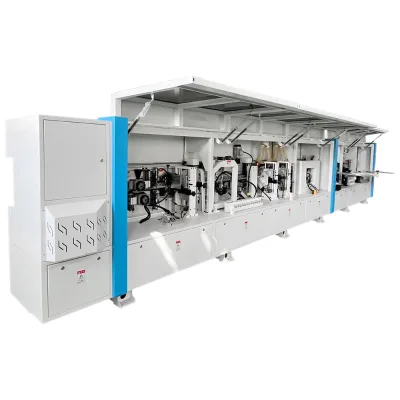
Door Cabinet Pur Edge Banding Machine Double Glue Automatic Multifunction Edge Bander
$12320.5208 - $14373.941
MOQ: 1 sets
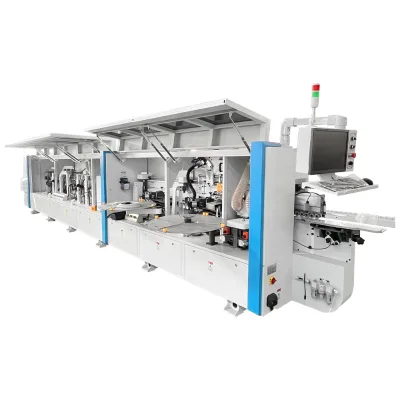
Binding Machine Automatic Portable Edge Bander Portable Edge Banding Machine Price
$12000.00 - $14000.00
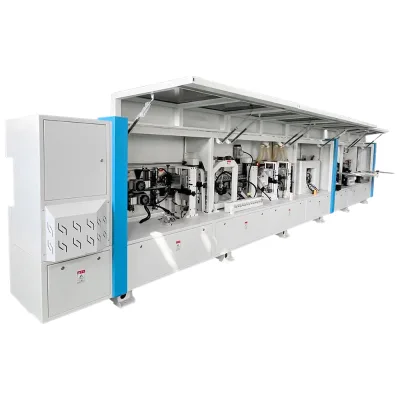
Factory Outlet Edge Gluing Edge Banding Automatic Wood Pvc Edge Banding Machine
$12000.00 - $14000.00
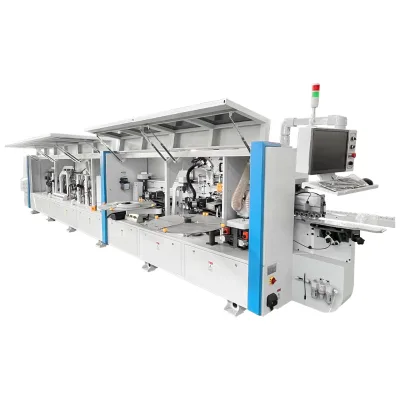
Affordable Automatic Plywood Edge Banding Small Wood-based Panel Mechanical CNC Machine Banding Edge
$12000.00 - $14000.00
MOQ: 1 sets
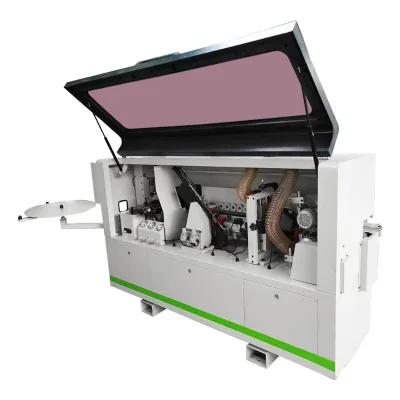
Shenzhen Aucox Technology Co., Ltd.
- Manufacturer, Trading Company, Distributor/Wholesaler
- Guangdong, China
- Lead time7 days
- Avg. response≤ 4h
Main productsedge banding machine,sliding table saw,woodworking machinery,other woodworking machinery,table saw
Main marketsMid East(20.00%), Africa(16.00%), Southeast Asia(15.00%), North America(10.00%), South America(10.00%), Central America(10.00%), Western Europe(5.00%), South Asia(5.00%), Eastern Europe(4.00%), Eastern Asia(3.00%), Northern Europe(2.00%)
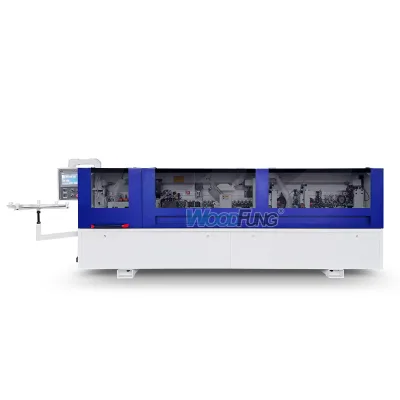
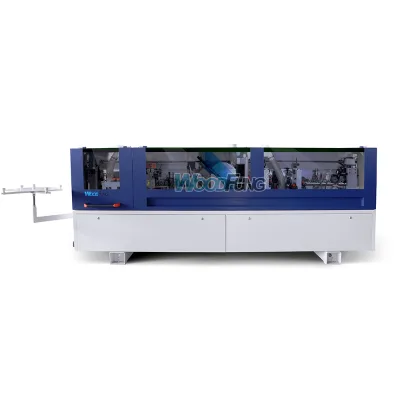
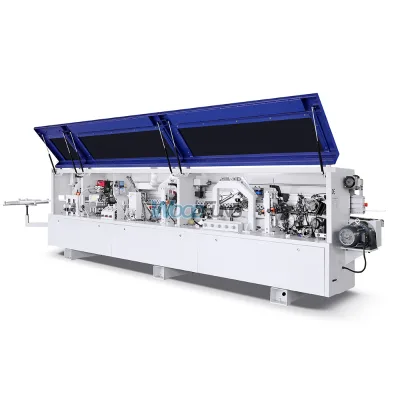
$7216.6657 - $8763.094
MOQ: 1 sets
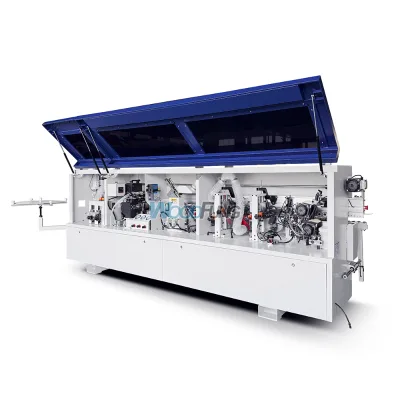
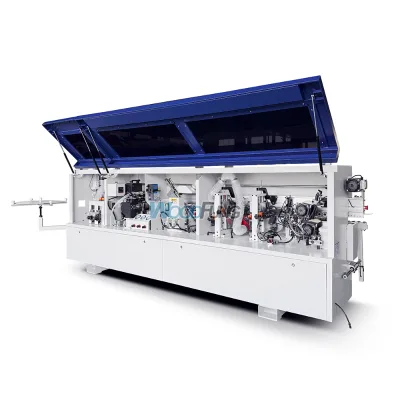
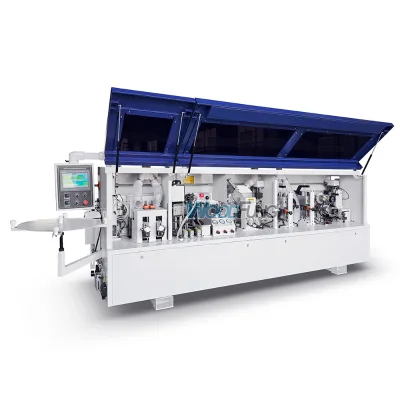
MY-12Q Edge Bander with Pre Milling Double Glue Pot PLC Control
$6700.00 - $6900.00
Shenyang Lead Machinery Manufacture Co., Ltd.
- Manufacturer, Trading Company
- Liaoning, China
- Lead time35 days
- Avg. response≤ 2h
Main productsPolishing Machine,Edge Bander,Drilling Machine,Panel Saw
Main marketsDomestic Market(100.00%), South Asia(100.00%), Africa(100.00%), Southern Europe(100.00%), Northern Europe(100.00%), Central America(100.00%), Western Europe(100.00%), Eastern Asia(100.00%), Mid East(100.00%), Eastern Europe(50.00%), South America(20.00%), Southeast Asia(15.00%), North America(10.00%), Oceania(5.00%)
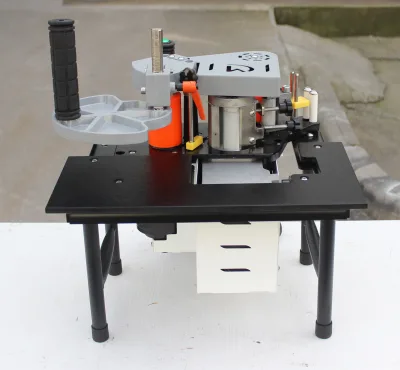
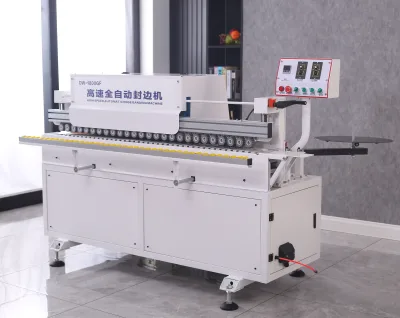
$1655.3247 - $1862.3696
MOQ: 1 sets
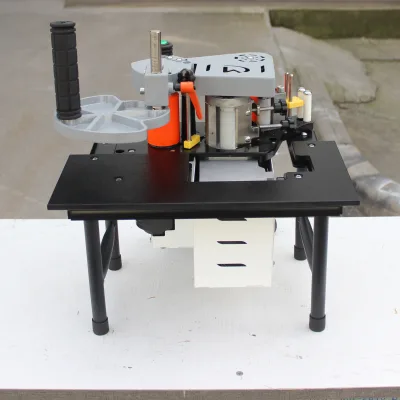
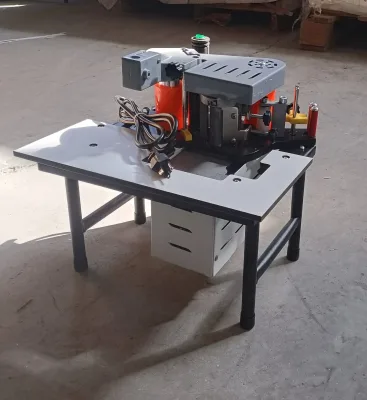
Small Size Handheld Edge Bander Machine
$150.00 - $165.00
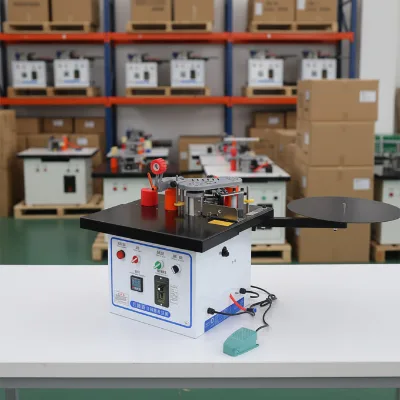
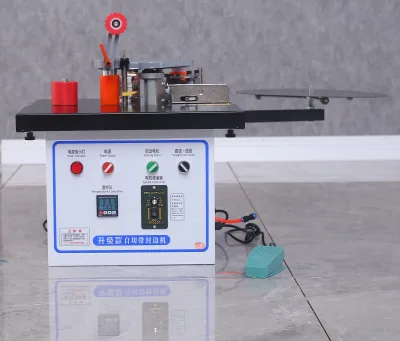
$288.8288 - $309.533
MOQ: 1 sets
Jinan Grandio CNC Equipment Co., Ltd.
- Verified by SGS Group
- Manufacturer, Trading Company
- Lead time15 days
- Avg. response≤ 2h
Main productsCNC Router, Vacuum Press Machine, Polishing Machine, 3D Scanner, Fiber Laser Cutting Machine
Main marketsSouth America(20%), North America(10%), Eastern Europe(10%)

Qingdao Baihang Industry and Trade Co., Ltd.
- Verified by CTI
- Trading Company
- China Shandong
- Lead time30 days
- Avg. response≤ 4h
Main productsEdge Banding Machine, Table Saw, CNC Router, CNC Beam Saw, Solid Wood Machinery, Sanding Machine, CNC Six Side Drilling Machine, Wood Processing Polishing Machine
Main marketsAfrica,Southeast Asia/ Mideast,Europe

Large Capacity Glue Pot Edge Banding Machine Reduce Refill Frequency
$1000.00 - $1090.00
MOQ: 1 Pieces

High Speed with Large 4000ml Glue Pot Woodworking Use Edge Banding Machine
$1000.00 - $1090.00
MOQ: 1 Pieces
Liaoning Felix Technology Co., Ltd.
- Trading Company
- Liaoning, China
- Lead time15 days
- Avg. response≤ 3h
Main productswoodworking machinery,table saw,edge banding machine,CNC machine,Hinge drilling machine
Main marketsWestern Europe(30.00%), Eastern Europe(25.00%), South America(20.00%), South Asia(5.00%), North America(5.00%), Eastern Asia(5.00%), Africa(5.00%), Southeast Asia(5.00%)
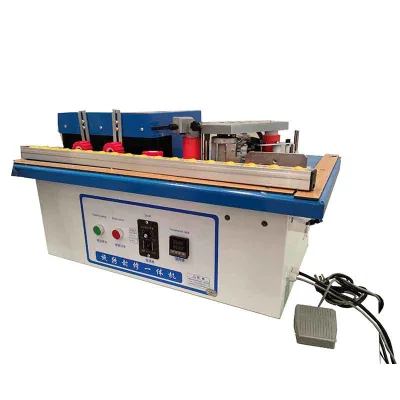
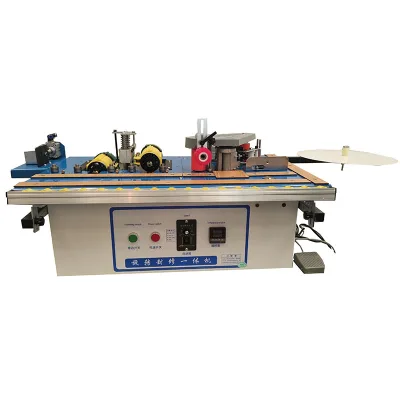
Portable and Manual Rotary Edge Pvc and Pdf Edge Banding and Trimming Machine
$331.0422 - $362.0775
MOQ: 1 sets
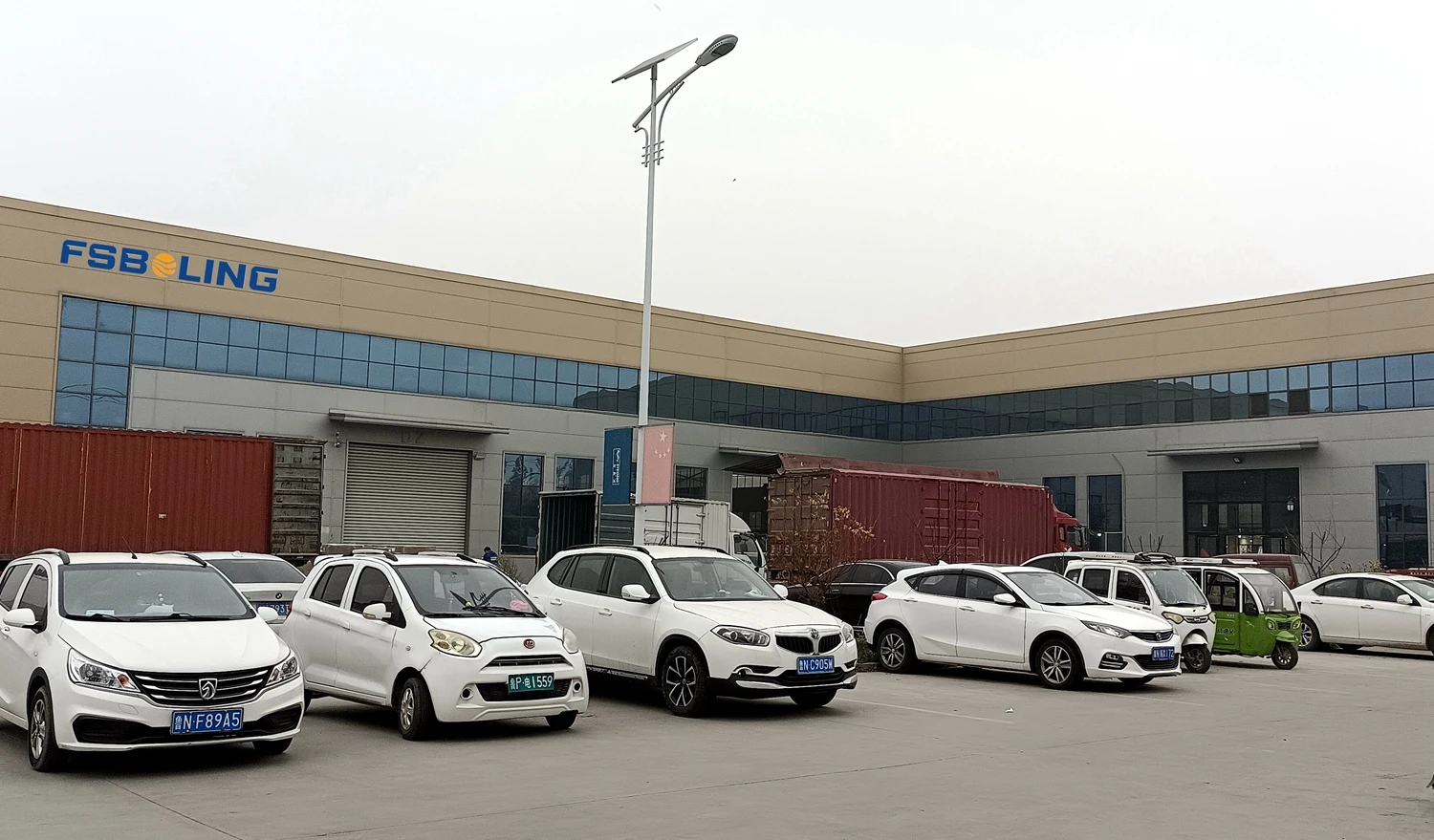
Foshan Boling Technology Co., Ltd.
- Trading Company
- Guangdong, China
- Lead time10 days
- Avg. response≤ 5h
Main productsWoodworking Saw Table/Edge Bonding Machine/Wood Planner/CNC Woodworking Machine, Hardware Tool
Main marketsNorth America(20.00%), South America(20.00%), Western Europe(20.00%), Eastern Europe(10.00%), Mid East(10.00%), South Asia(5.00%), Southern Europe(5.00%), Northern Europe(5.00%), Southeast Asia(5.00%)
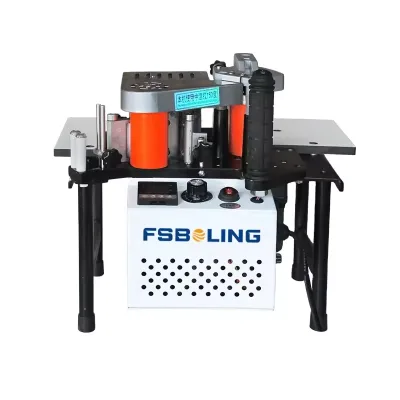
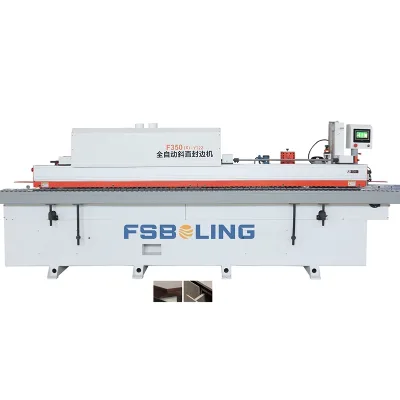
$9713.8723 - $11758.898
MOQ: 1 sets


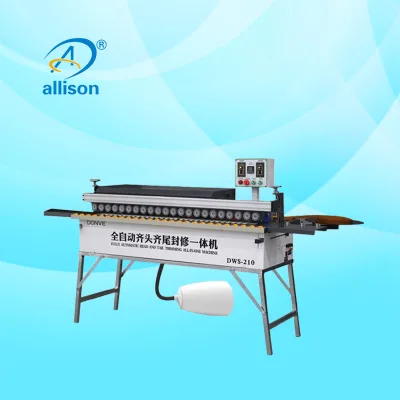
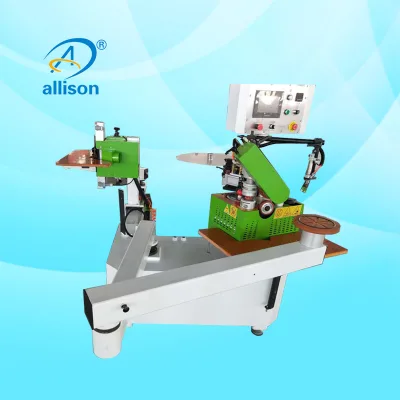
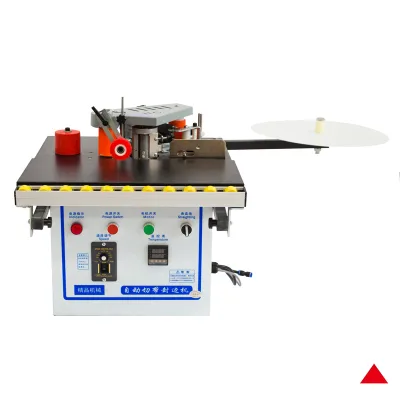
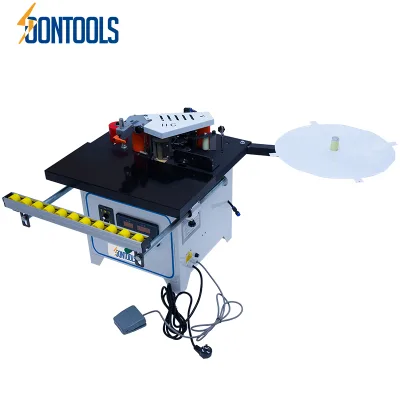
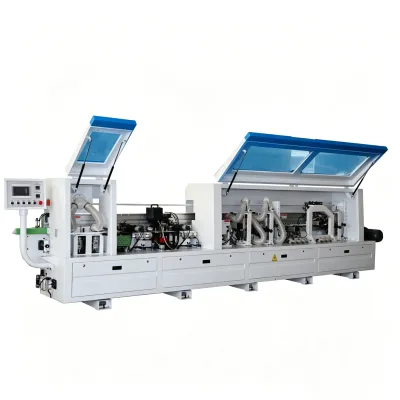
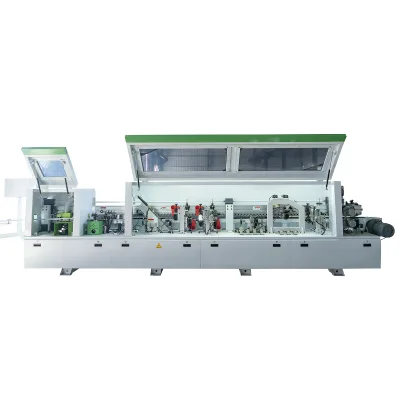
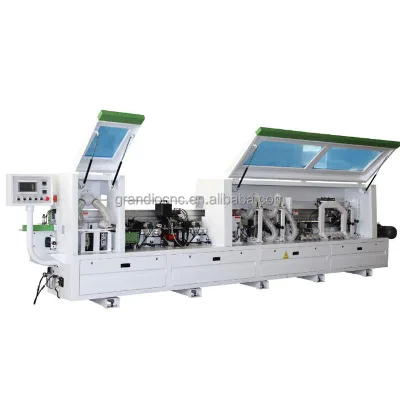
Comprehensive Sourcing Guide
Compact Manual Edgebander Glue Pot Supplier Concentration and Factory Types
The current supplier landscape for Compact Manual Edgebander Glue Pot equipment reveals a distinct geographic and structural concentration that buyers must navigate carefully. Data indicates that a significant portion of available suppliers are located in China, with specific clusters identified in Shandong and Henan provinces. These regions are known for their woodworking machinery manufacturing capabilities, providing a localized ecosystem for components like glue pots and edge banding mechanisms. However, it is crucial to distinguish between the actual manufacturers and the intermediaries facilitating these transactions. The observed supplier types include Trading Companies, which act as bridges between factories and international buyers, potentially adding layers of communication complexity. While some suppliers may represent direct factory operations, others are purely trading entities that aggregate products from multiple sources. This distinction impacts not only the pricing structure but also the technical support and customization capabilities available to the buyer. Understanding whether you are dealing with a direct producer or a trading company is the first step in assessing the reliability and depth of the supply chain.
Furthermore, the product evidence suggests a wide variety of machine configurations, ranging from semiautomatic curve edge banders to fully automatic linear models with advanced trimming functions. Although the core keyword focuses on manual units, the market data shows that many suppliers offer a spectrum of automation levels, including semiautomatic and automatic grades. This diversity means that a supplier specializing in compact manual units might also offer upgraded automatic versions, which could be relevant for future scalability. The main products listed often include edge banding machines, wood saws, and hinge drilling machines, indicating that many suppliers are generalists in woodworking machinery rather than specialists in edge banding alone. This generalist approach can be beneficial for buyers seeking a one-stop solution for multiple woodworking needs, but it may also dilute the specialized expertise required for complex edge banding tasks. Buyers should evaluate whether the supplier’s broad product range correlates with deep technical knowledge in the specific niche of manual edgebander glue pots or if it represents a superficial catalog expansion.
How to Verify Compact Manual Edgebander Glue Pot Suppliers
Verifying the legitimacy and capability of suppliers requires a multi-layered approach that goes beyond simple profile reviews. One critical verification metric observed in the current results is the SGS verification status, which serves as an external validation of the supplier’s business operations. Buyers should prioritize suppliers who have undergone such third-party inspections, as this reduces the risk of dealing with fraudulent entities. Additionally, the response time metric provides insight into the supplier’s operational efficiency and customer service readiness. A response time of approximately 2.69 hours, as seen in some results, indicates a relatively responsive team, which is essential for resolving technical queries regarding glue pot specifications or machine compatibility. However, response time alone is not a guarantee of product quality or delivery reliability, so it must be combined with other verification methods. Buyers should also look for clear communication channels and prompt, detailed answers to specific technical questions about the glue pot capacity, heating elements, and material compatibility.
Certification verification is another paramount step in the assessment process. The product evidence shows that many machines carry CE certification, and some include ISO standards, which are critical for ensuring safety and quality compliance in international markets. Buyers must request valid certification documents and verify their authenticity with the issuing bodies, as counterfeit certificates are a known risk in the machinery trade. It is important to note that while some products list CE and ISO certifications, others may only list CE or have no listed certifications at all. This inconsistency highlights the need for diligent due diligence. Buyers should explicitly ask for the certification scope and validity dates, ensuring that the certifications cover the specific model of the Compact Manual Edgebander Glue Pot being purchased. Furthermore, checking for any additional industry-specific standards or test reports can provide deeper assurance of the machine’s performance and durability, especially regarding the glue pot’s temperature control and sealing integrity.
What to Compare Across Compact Manual Edgebander Glue Pot Suppliers
When evaluating multiple suppliers, buyers must establish a comprehensive comparison matrix that includes technical specifications, pricing, and logistical terms. The product data reveals a wide price range, from as low as $545 to over $11,500, reflecting significant differences in automation levels, build quality, and feature sets. For Compact Manual Edgebander Glue Pot units, buyers should focus on the specific price points associated with manual or semiautomatic models, which often start around the lower end of the spectrum. It is essential to compare not just the unit price but also the Minimum Order Quantity (MOQ), which is observed to be as low as one unit for some suppliers. This flexibility is advantageous for small workshops or testing purposes, but buyers should also inquire about bulk pricing discounts if they plan to scale their operations. Comparing the MOQ alongside the unit price helps in calculating the total initial investment and inventory holding costs.
Technical specifications such as glue pot capacity, heating power, and edge band width compatibility are critical differentiators. The evidence shows glue pot capacities ranging from standard sizes to larger volumes, with some models supporting both PUR and EVA glue types. Buyers should compare the total power consumption, with some machines requiring up to 16kw for fully automatic models, while manual units typically have lower power requirements. Additionally, the edge band width compatibility, which can range from 8-50mm to 14-70mm, must match the buyer’s specific material needs. The automatic grade, whether semiautomatic or automatic, also significantly impacts the operational workflow and labor requirements. Buyers should assess whether the supplier offers customization options, as indicated by the "Customization: Available" attribute in some product listings. This flexibility can be crucial for adapting the machine to unique production environments or specific glue pot configurations that are not standard in the catalog.
Common Compact Manual Edgebander Glue Pot Sourcing Risks
Sourcing machinery from international suppliers introduces several risks that buyers must proactively manage to ensure a successful procurement. One significant risk is the discrepancy between advertised specifications and actual product performance. The product evidence shows varying attributes for similar machine types, such as different glue tank positions (underneath vs. overhead) and varying air pressure requirements. Buyers must be cautious of suppliers who provide vague or inconsistent technical data, as this can lead to compatibility issues with existing factory infrastructure. Another risk is the potential for hidden costs, such as shipping, insurance, and import duties, which can significantly inflate the final landed cost. While the listed prices may appear competitive, buyers should request a detailed breakdown of all costs, including packaging and handling fees, to avoid budget overruns. The wooden package standard mentioned in some listings is a basic requirement, but additional protective measures may be necessary for international shipping.
Quality control and after-sales support are also major concerns in the machinery sourcing process. The absence of system certifications for some suppliers, as indicated by "NIL" in the system certification field, raises questions about their quality management systems. Buyers should verify the supplier’s ability to provide spare parts, technical manuals, and remote or on-site support. The response time metric is a good indicator, but it does not guarantee the quality of the support provided. Additionally, the risk of intellectual property infringement or counterfeit components is present, especially when dealing with trading companies that may source from multiple factories. Buyers should insist on clear warranties and return policies, and verify the supplier’s track record through customer reviews or third-party references. Understanding the supplier’s manufacturing principles, such as the glue tank design, can also help in assessing the long-term reliability and maintenance requirements of the machine.
Compact Manual Edgebander Glue Pot Regional Sourcing and Logistics
The geographic location of suppliers plays a crucial role in determining logistics costs, lead times, and overall supply chain resilience. The current data highlights China as the primary sourcing region, with specific concentrations in Shandong and Henan provinces. These regions are well-established hubs for woodworking machinery, offering a mature supply chain for components and finished goods. However, buyers must consider the logistical implications of sourcing from these locations, including transit times and potential port congestion. The observed lead time of 15 days for some suppliers is a key metric for planning production schedules, but this can vary based on order volume and customization requirements. Buyers should confirm the exact lead time for their specific order, including the time required for manufacturing, testing, and packaging. Additionally, the origin of the products, confirmed as China in the product attributes, should be verified to ensure compliance with any trade regulations or tariffs applicable in the buyer’s country.
Logistics planning also involves selecting the appropriate shipping method and incoterms to manage risk and cost. For Compact Manual Edgebander Glue Pot units, which may vary in size and weight, buyers should evaluate the pros and cons of sea freight versus air freight. Sea freight is generally more cost-effective for larger or heavier machinery, while air freight may be suitable for urgent, smaller orders. The product standard dimensions provided, such as 890800970mm for some models, help in calculating volumetric weight and shipping costs. Buyers should also consider the packaging quality, as wooden packages are standard but may require additional protection for long-distance shipping. Working with a reliable freight forwarder who has experience in machinery imports can help mitigate logistical risks and ensure timely delivery. Understanding the regional logistics landscape allows buyers to make informed decisions about supplier selection and order timing.
Compact Manual Edgebander Glue Pot Commercial Terms and Order Planning
Effective order planning requires a thorough understanding of the commercial terms offered by suppliers, including payment methods, warranties, and delivery conditions. The observed price points, ranging from $545 to $11,500, suggest that buyers should negotiate based on volume and specific requirements. For Compact Manual Edgebander Glue Pot units, buyers should aim for competitive pricing while ensuring that the quality and specifications meet their operational needs. The MOQ of one unit for some suppliers offers flexibility for initial testing, but buyers should also explore bulk pricing options for larger orders. Payment terms, such as letters of credit or escrow services, can provide additional security for both parties. Buyers should verify the availability of escrow options, as this can protect against non-delivery or non-conformance issues. Additionally, understanding the supplier’s return and refund policies is essential for managing potential risks associated with international transactions.
Warranty and after-sales support are critical components of the commercial agreement. Buyers should ensure that the warranty covers key components such as the glue pot, heating elements, and control systems. The supplier’s ability to provide technical support and spare parts is equally important for maintaining machine uptime. Buyers should request a detailed warranty certificate and clarify the terms of service, including response times for technical issues. Furthermore, buyers should plan for the installation and commissioning of the machine, which may require on-site support from the supplier or their agents. Understanding the total cost of ownership, including maintenance and operational costs, helps in making a comprehensive financial assessment. By carefully negotiating commercial terms and planning for long-term support, buyers can secure a reliable supply of Compact Manual Edgebander Glue Pot equipment that meets their production goals.
FAQs
What is the price range for manual edgebanders with glue pots?
Manual edgebanders with glue pots are available starting at $545.00 for basic semiautomatic models. Higher-end automatic units with trimming functions range from $1,789.00 to $11,500.00. Prices vary based on automation level, power consumption, and included features like rough or fine trimming capabilities.
What certifications do these woodworking machines typically hold?
Most edgebanding machines carry CE certification, with some models also holding ISO certification. These certifications ensure compliance with international safety and quality standards for industrial woodworking machinery. Buyers should verify specific certificate details with suppliers before purchase to confirm regulatory compliance for their region.
What is the minimum order quantity for these machines?
The minimum order quantity for manual edgebanders with glue pots is typically one unit. This allows buyers to test equipment quality before committing to larger orders. Suppliers generally support single-unit purchases, making it accessible for small workshops or individual furniture makers to acquire necessary machinery.
Where are these edgebanding machines manufactured?
These woodworking machines are primarily manufactured in China, with specific production hubs located in Shandong and Henan provinces. Suppliers in these regions specialize in edge banding equipment, offering a wide range of models from manual to fully automatic systems tailored for various furniture manufacturing needs.
What edge banding materials are compatible with these machines?
These machines support various edge banding materials including PVC, wood veneer, melamine, and plastic strips. Some models also handle ABS and acrylic edges. The compatible thickness ranges from 0.5mm to 3mm, with width capacities typically spanning 8mm to 70mm depending on the specific machine model.
What is the typical lead time for these machines?
The typical lead time for manufacturing and shipping these edgebanding machines is approximately 15 days. This timeframe allows for production, quality checks, and packaging preparation. Buyers should confirm exact delivery schedules with suppliers, as lead times may vary based on order volume and customization requirements.
How quickly do suppliers respond to inquiries?
Suppliers typically respond to inquiries within an average of 2.69 hours. This rapid response time facilitates efficient communication regarding technical specifications, pricing, and shipping details. Buyers can expect timely updates on order status and product availability, ensuring smoother procurement processes for their woodworking equipment needs.