Eco Friendly Magic Kitchen Sponge Suppliers and Manufacturers
Source 26 verified suppliers for Eco Friendly Magic Kitchen Sponge. Compare lead times, MOQs, and response rates to find the right partner. Contact suppliers directly to request samples and confirm pricing; review the available evidence before requesting comparable quotations from suitable candidates.
Updated
Suppliers List

Jiangsu Miaohong Environmental Protection New Material Co., Ltd.
- Verified by BV
- Combined
- China Jiangsu
- Lead time15 days
- Avg. response≤ 7h
Main productsSponge, Cleaning Sponge, Kitchen Sponge, Dishcloth, Magic Sponge
Main marketsSouth America,Southeast Asia/ Mideast,Domestic,Europe,North America


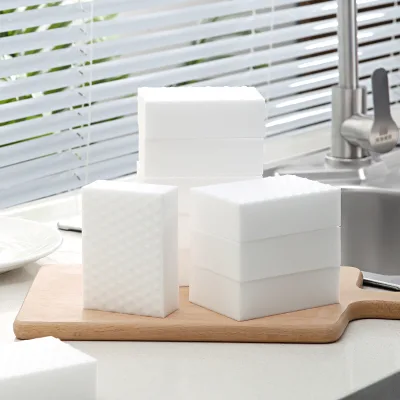
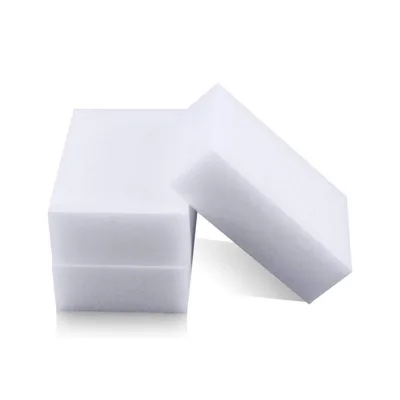
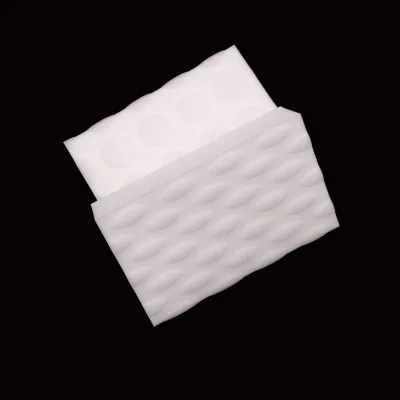
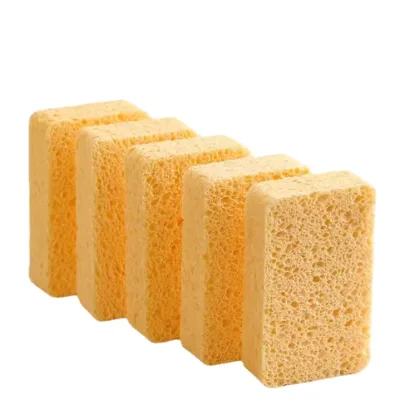
Magic Eco Friendly Compressed Cellulose Sponge Kitchen Dish Washing Cleaning Sponge
$0.25
MOQ: 3000 Pieces


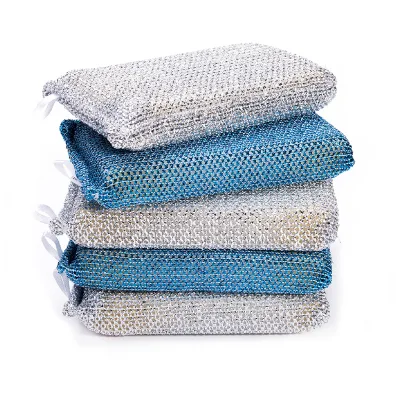
Emery Strong Decontamination Cleaning Sponge Kitchen Dish Wash Magic Sponge
$0.20 - $0.30
MOQ: 100 Pieces

Eco-Friendly Non-Scratch Scrub Reusable Wash Dishes Cleaning Kitchen Sponge
$0.20 - $0.37
MOQ: 1000 Pieces
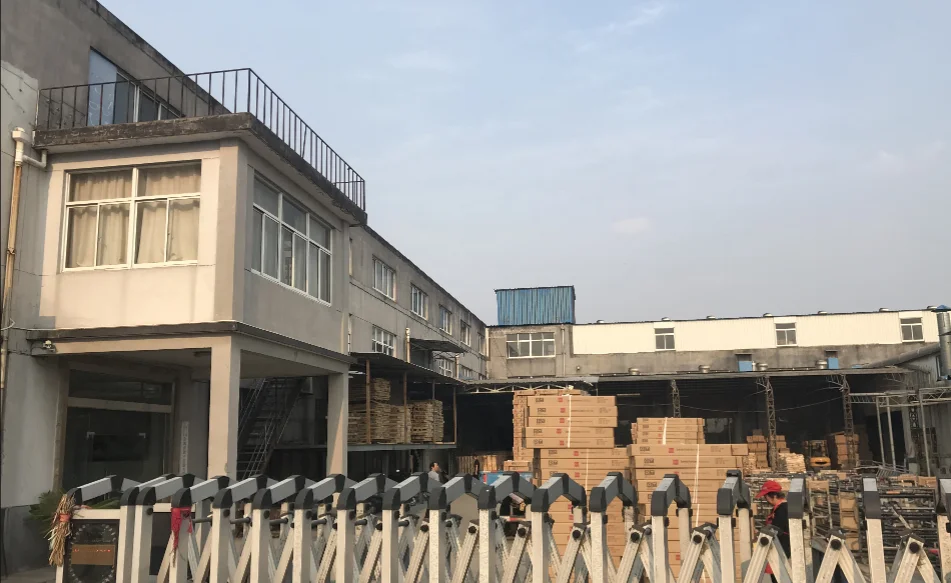
Jinhua Mairuibao Musical Instruments Co., Ltd.
- Trading Company
- Zhejiang, China
- Lead time15 days
- Avg. response≤ 2h
Main productsGuitar Parts and accessories,Electric and Acoustic Guitar,Car cleaning Products,Car Repair Tools,Car decoration
Main marketsNorth America(35.00%), Eastern Europe(20.00%), South America(12.00%), Western Europe(10.00%), Central America(5.00%), Southern Europe(5.00%), Southeast Asia(5.00%), Northern Europe(2.00%), Domestic Market(2.00%), Mid East(2.00%), Eastern Asia(1.00%), Africa(1.00%)

Shanghai Qimian Industrial Co., Ltd.
- Trading Company
- China Shanghai
- Lead time15 days
- Avg. response≤ 2h
Main productsCleaning Sponge, Aluminum Bun Pan, BBQ Grill, Sponge Material, Aluminum Bun Pan Rack, Yoga Mat, Kitchen Cleaning Tools, Brush
Main marketsSouth America,Africa,Southeast Asia/ Mideast,East Asia(Japan/ South Korea),Europe,North America
Ningbo Lky Commodity Co., Ltd.
- Verified by SGS Group
- Manufacturer, Trading Company
- Lead time30 days
- Avg. response≤ 3h
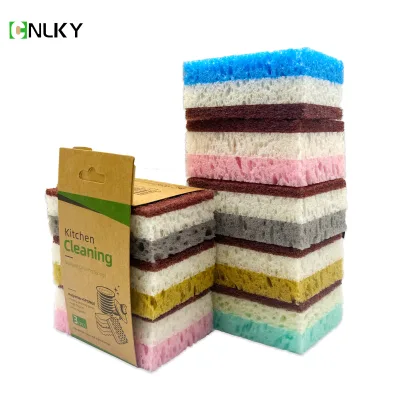
Main productsBath Brush, Bath Product; African Net, Wood Pulp Sponge, Hair Brush, Kitchen Cleaning Sponge
Main marketsWestern Europe(28%), North America(20%), South America(8%)
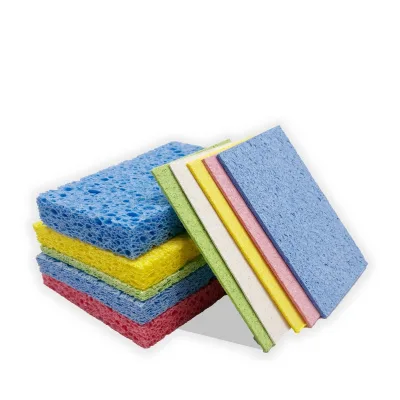
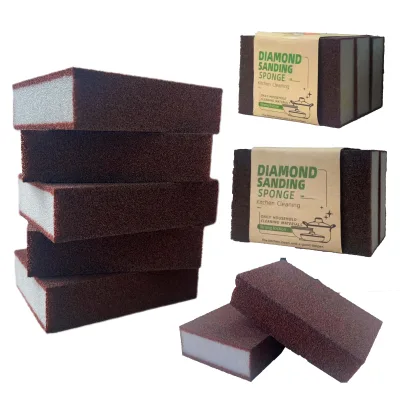
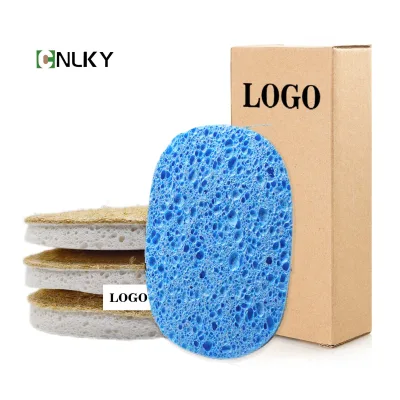
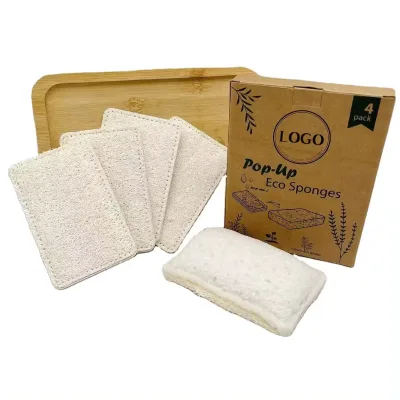
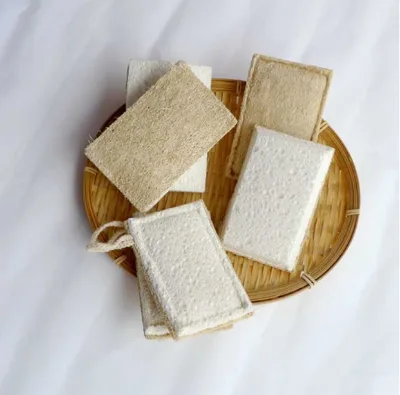
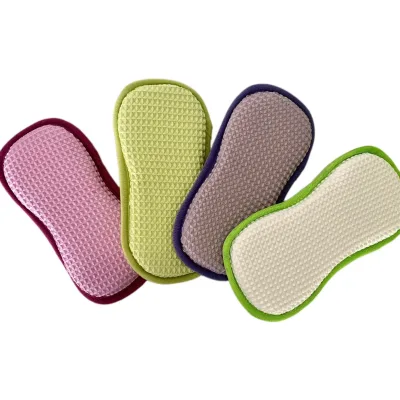
Natural Loofah Kitchen Sponges Eco Friendly Sponges for Dishes Reusable Scrubbers Sponges
$0.50 - $0.68
MOQ: 1000 pieces
Shandong Inso Bio-Tech Co., Ltd.
- Manufacturer, Trading Company
- Shandong, China
- Lead time3 days
- Avg. response≤ 1h
Main productsIndustrial Cleaning Product,Commericial Cleaning Product,Microfiber Manufacture,Towels Manufacture,Commercial Product Supply Chain
Main marketsSoutheast Asia(35.00%), Eastern Europe(20.00%), Eastern Asia(15.00%), South America(15.00%), North America(10.00%), South Asia(5.00%)

Zhangjiagang Fengyuan Import & Export Co., Ltd.
- Trading Company
- China Jiangsu
- Lead time38 days
- Avg. response≤ 15h
Main productsMicrofiber and Cotton Mops, Microfiber Cleaning Cloth, Non-Woven Wipes, Cleaning Sponges and Scouring Pads, Cleaning Dusters, Brushes and Brooms
Main marketsSouth America,Africa,Southeast Asia/ Mideast,Domestic,Europe,Australia,North America

Hubei Zhongtai Abrasive Tools Co., Ltd.
- Verified by SGS
- Combined
- China Hubei
- Lead time30 days
- Avg. response≤ 8h
Main productsSand Paper, Sanding Sponge Block, Abrasive Cloth Roll
Main marketsSouth America,Southeast Asia/ Mideast,East Asia(Japan/ South Korea),Europe
Linyi Mailer International Trade Co., Ltd.
- Trading Company
- Shandong, China
- Lead time30 days
- Avg. response≤ 8h
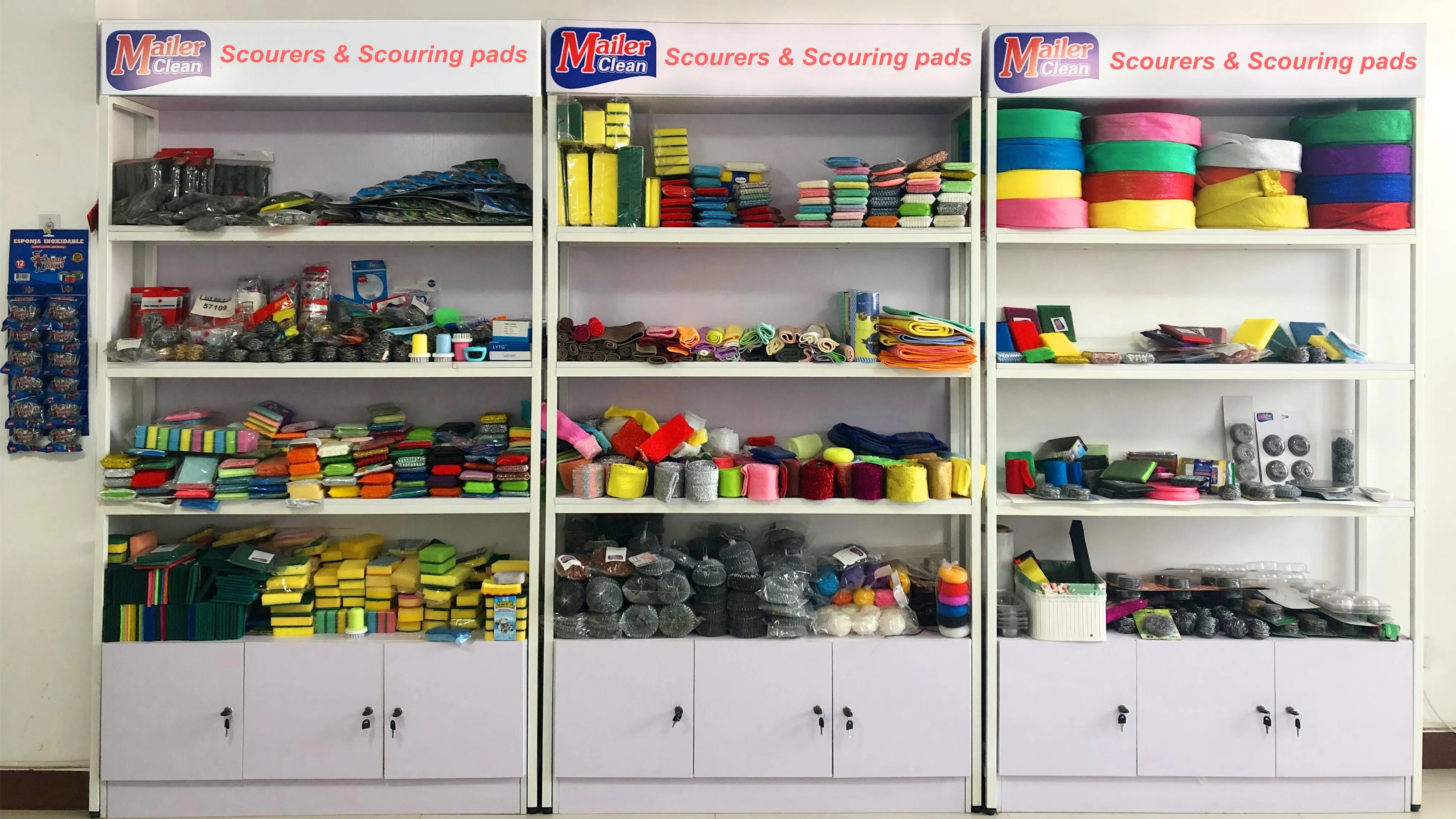
Main productsScourers,Cleaning Sponge,Scouring Pads,Cleaning Clothes
Main marketsWestern Europe(40.00%), Eastern Europe(20.00%), North America(10.00%), Mid East(10.00%), Africa(10.00%), South America(10.00%)
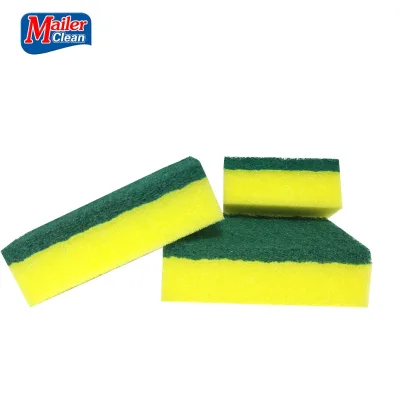
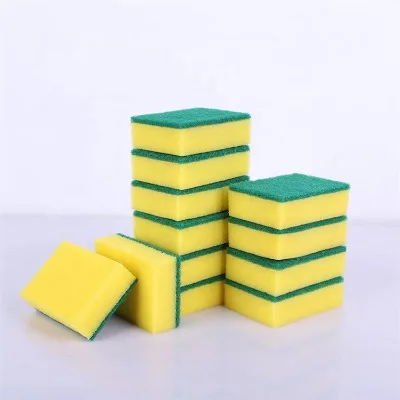
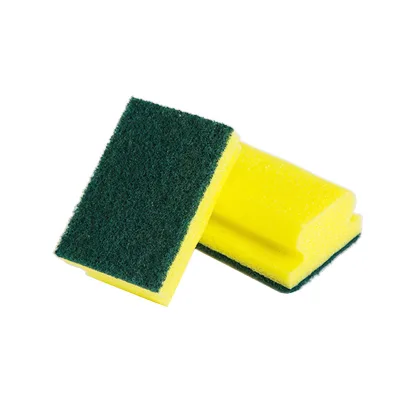
Magic Sponge Kitchen Scourer Sponge
$0.04 - $0.06
Kingdeer Supply Chain (Yancheng) Co., Ltd.
- Trading Company
- Jiangsu, China
- Lead time30 days
- Avg. response≤ 8h
Main productsSponge,Cleaning cloth,Glass straw,Glass spoon,cup
Main marketsNorthern Europe(15.00%), Central America(15.00%), Africa(10.00%), Western Europe(10.00%), South Asia(8.00%), Eastern Asia(5.00%), Southeast Asia(5.00%), Eastern Europe(5.00%), Mid East(3.00%), Oceania(3.00%), South America(3.00%), North America(3.00%), Domestic Market(3.00%), Southern Europe(2.00%)

Henan Topeco Clean Import & Export Co., Ltd.
- Verified by BV
- Trading Company
- China Henan
- Lead time15 days
- Avg. response≤ 13h
Main productsMagic Eraser, Magic Sponge, Melamine Sponge
Main marketsSouth America,Southeast Asia/ Mideast,East Asia(Japan/ South Korea),Europe,North America
Shenzhen Dongtai Sponge Product Co., Ltd.
- Verified by Intertek
- Manufacturer, Trading Company
- Lead time20 days
- Avg. response≤ 3h
Main productsPackaging Foam, EVA Foam, Foam Mat, Kneeling Foam, Foam Toys
Main marketsNorth America(43%), Western Europe(22%), Eastern Asia(20%)

Jiangyin Moonstar Clean Products Co., Ltd.
- Verified by SGS
- Trading Company,Manufacturer/Factory
- China Jiangsu
- Lead time15 days
- Avg. response≤ 12h
Main productsMicrofiber Cloth, Microfiber Fabric, Nonwoven Fabric
Main marketsSouth America,Eastern Europe,Mid East,North America,Southeast Asia,Eastern Asia,Oceania,Western Europe,Africa

Compressed Cellulose Sponge Magic Biodegradable Kitchen Dish Washing Cleaning Sponge
$0.10
MOQ: 10000 Pieces


Shandong Bunker Commodity Co., Ltd.
- Verified by Intertek
- Manufacturer, Trading Company
- Lead time30 days
- Avg. response≤ 3h
Main productsStainless Steel Scourer, Cleaning Sponge, Scouring Pad, Mesh Scourer, Cleaning Cloth
Main marketsDomestic Market(23%), South America(15%), South Asia(15%)
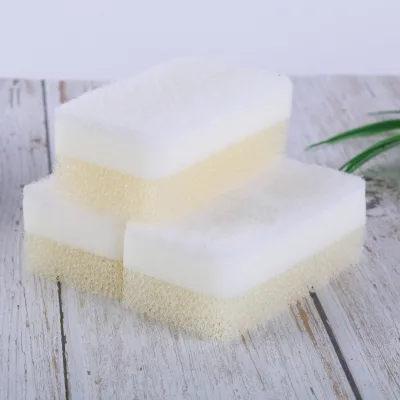
Eco Fiendly Sponge Drains Water Quickly Multi Function Cleaning Kitchen Kitchen Cleaning Sponge
$0.06 - $0.10
MOQ: 10000 pieces
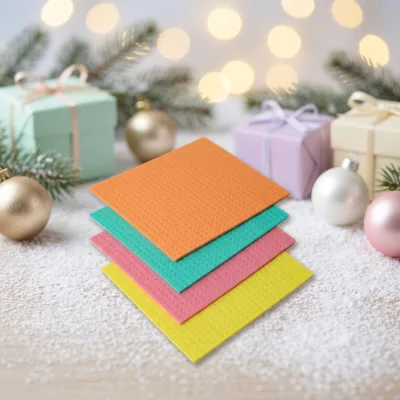
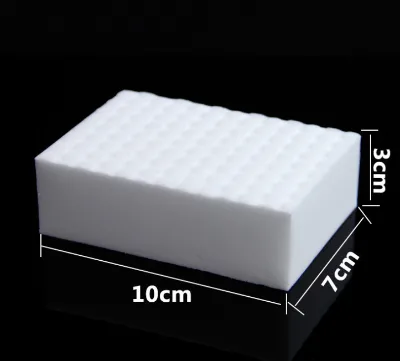
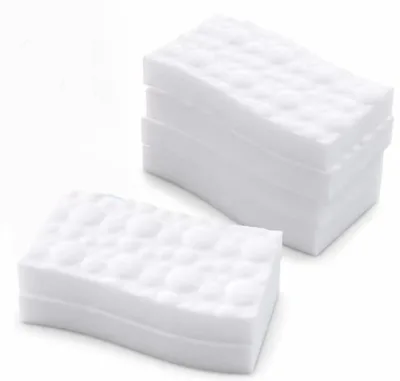
Eraser Free Shipping Kitchen Bathroom Toilet Cleaning Water Magical Stick Face Magic Sponge
$0.03 - $0.05
MOQ: 10000 pieces
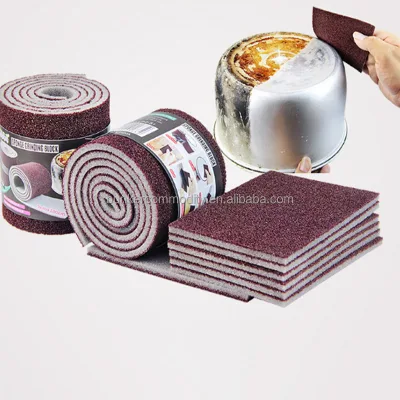
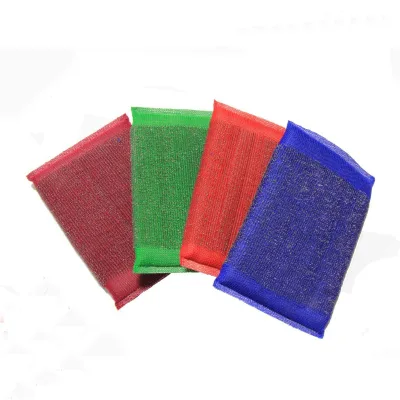
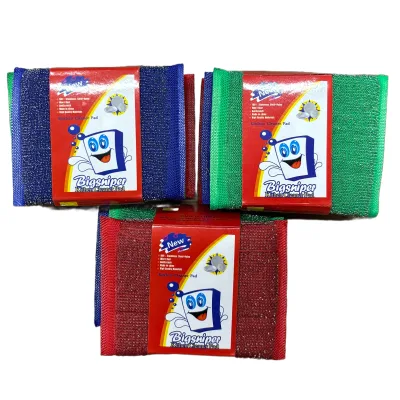
Hand Protect High Absorption Abrasive Non Scratch Kitchen Sponge for Dish Washing
$0.09 - $0.11
MOQ: 100
Jinhua Jenny Daily Commodity Co., Ltd.
- Manufacturer, Trading Company
- Lead time旺季: "1 - 3000":15,"3001 - 5000":20,"> 5000":"To be negotiated", 淡季: "1 - 3000":15,"3001 - 5000":20,"> 5000":"To be negotiated"
- Avg. response≤ 14h
Main productsKitchen Sponge, Bath Ball, Kitchen Scrubber Fabric, Kitchen Cleaning Ball
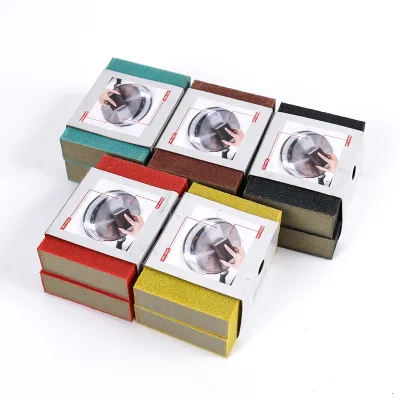
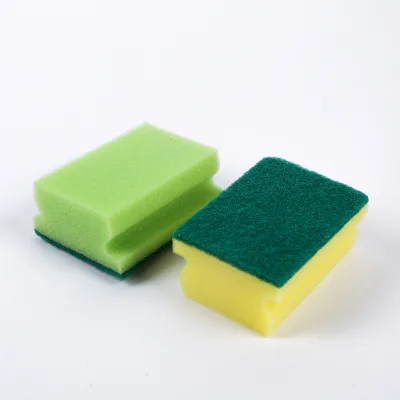
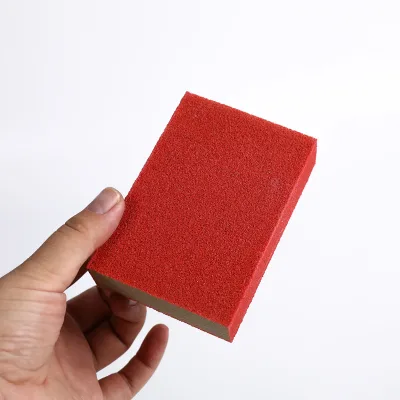
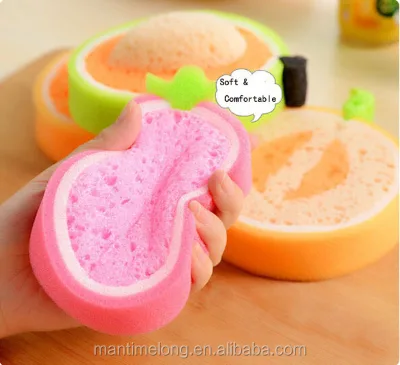
Household Kitchen Magic Clean Soft Sponges
$0.05 - $0.07
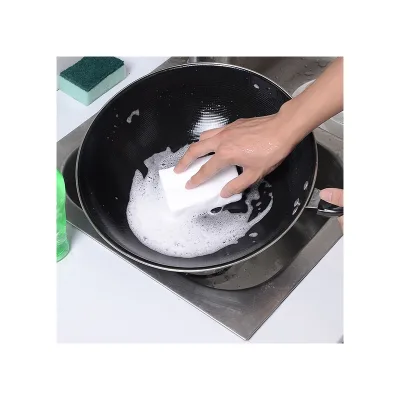
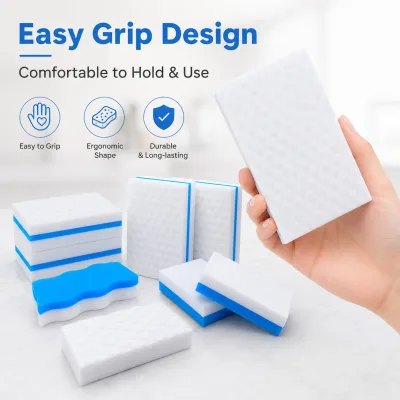
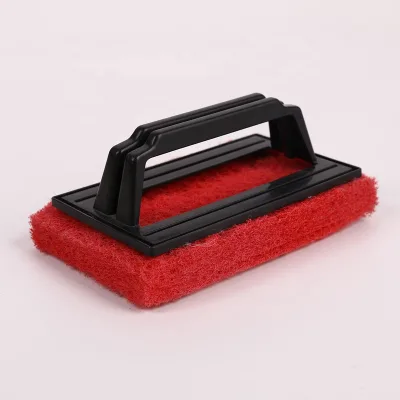
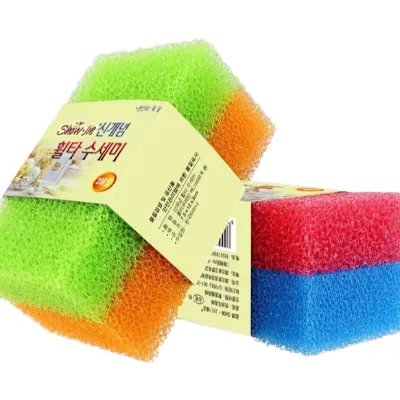
Factory Sink Cleaning Magic Brush Sponge Tiles Brush Rust Removal Brush Pot Sponge Cleaning
$0.06 - $0.08
MOQ: 1000 pieces
Shenzhen Mantimelong Electronic Co., Ltd.
- Manufacturer, Trading Company
- Guangdong, China
- Lead time3 days
- Avg. response≤ 10h
Main productsBALL PEN,STATIONERY,HOUSEHOLD SUNDRIES,PEN
Main marketsNorthern Europe(25.00%), South America(20.00%), Mid East(13.00%), Western Europe(10.00%), North America(10.00%), Eastern Europe(8.00%), Oceania(5.00%), Eastern Asia(5.00%), Southeast Asia(4.00%)
Shenzhen Hongchengxing Industry (Group) Co., Ltd.
- Manufacturer, Trading Company, Buying Office
- Guangdong, China
- Lead time20 days
- Avg. response≤ 11h
Main productsBath sponge,Car wash sponge,Dishwashing sponge,Wood pulp cotton,Pva sponge
Main marketsNorth America(50.00%), South America(15.00%), Eastern Europe(10.00%), Eastern Asia(5.00%), Oceania(5.00%), Africa(5.00%), Southeast Asia(5.00%), Mid East(3.00%), Western Europe(2.00%)
Guangxi Guimei Loofah Daily Necessities Co., Ltd.
- Verified by SGS Group
- Manufacturer, Trading Company
- Lead time60 days
- Avg. response≤ 4h
Main productsCleaning Sponge, Scouring Pad, Loofah, Cellulose Sponge, Car Wash Sponge
Main marketsNorth America(30%), Western Europe(30%), Eastern Europe(20%)
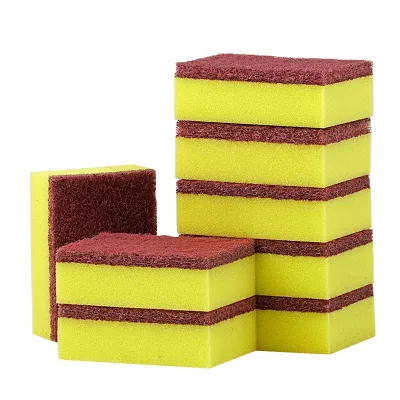
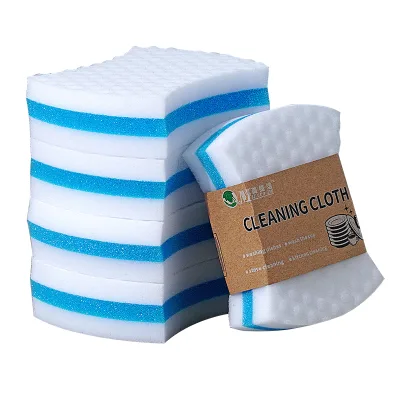
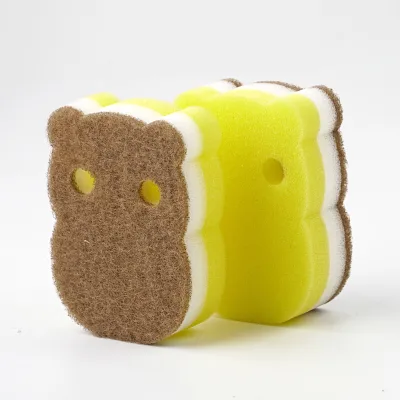
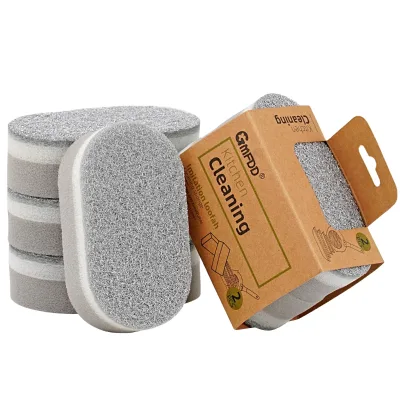
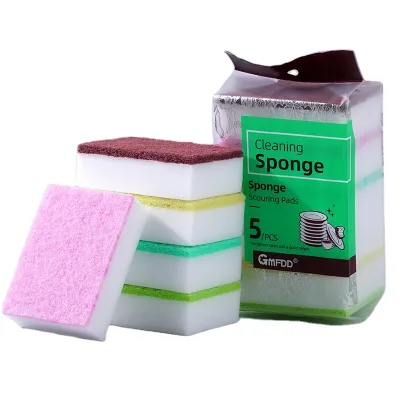
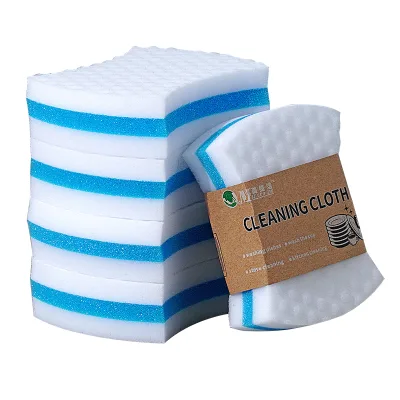
$0.08 - $0.19
MOQ: 250 Minimum
Puyang En-World New Material Co., Ltd.
- Trading Company
- Henan, China
- Lead time10 days
- Avg. response≤ 3h
Main productsmagic sponge,nano cleaning sponge,project sponge,melamine foam panel,melamine sponge
Main marketsNorthern Europe(25.00%), Eastern Asia(25.00%), Eastern Europe(25.00%), North America(25.00%)
Jiashan Donghui Sponge Co., Ltd.
- Manufacturer
- Zhejiang, China
- Lead time23 days
- Avg. response≤ 4h
Main productsScouring Pad,Kitchen sponge,Cellulose sponge,magic sponge,toilet sponge refills
Main marketsDomestic Market(90.00%), North America(8.00%), Eastern Europe(2.00%)
Langfang Suoteng Household Goods Co., Ltd.
- Verified by Intertek
- Manufacturer, Trading Company
- Hebei, China
- Lead time35 days
- Avg. response≤ 3h
Main productsBroom and Dustpan, Toilet Brush, Clothes Cleaning Brush, Pot Brush, Bed Brush
Main marketsDomestic Market(75%), North America(10%), Western Europe(7%)
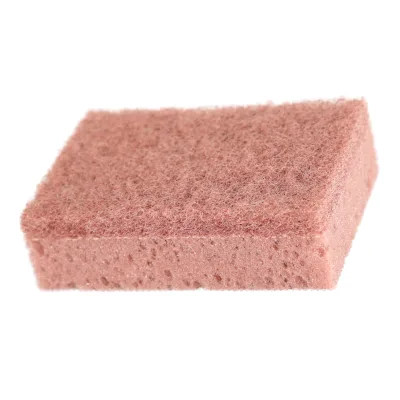
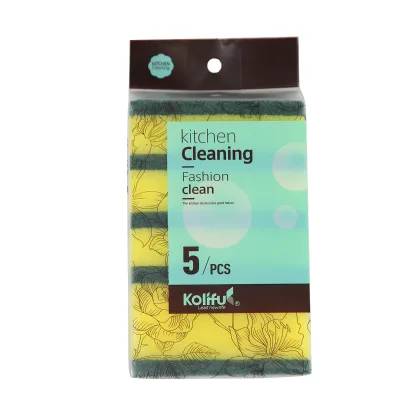
$0.9679 - $1.1325
MOQ: 300 sets
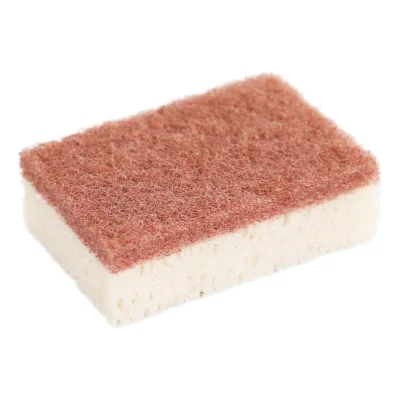

Dongguan Dihui Foam Sponge Co., Ltd.
- Verified by TUVRHEINLAND
- Combined
- China Guangdong
- Lead time15 days
- Avg. response≤ 8h
Main productsScouring Pad, PU Foam
Main marketsDomestic


High Quality Customized Kitchen Dish Scouring Pad Scrubber Cleaning Sponge
$0.05 - $0.08
MOQ: 1000 Pieces

Yancheng Hengfeng Sponge Co., Ltd.
- Verified by SGS Group
- Manufacturer, Trading Company
- Lead time30 days
- Avg. response≤ 5h
Main productsSponge Scourer, Cellulose Sponge, Car Wash Sponge, Plastic Brush, Memory Foam Pillow
Main marketsDomestic Market(50%), Eastern Asia(20%), North America(8%)
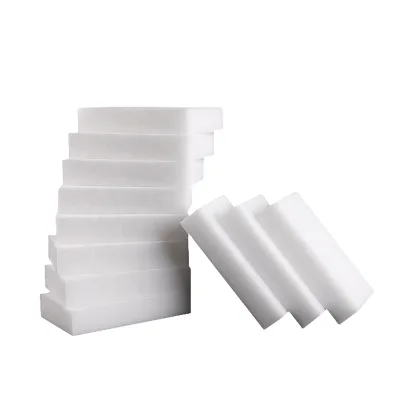
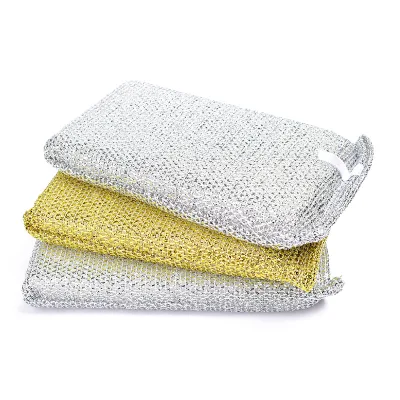
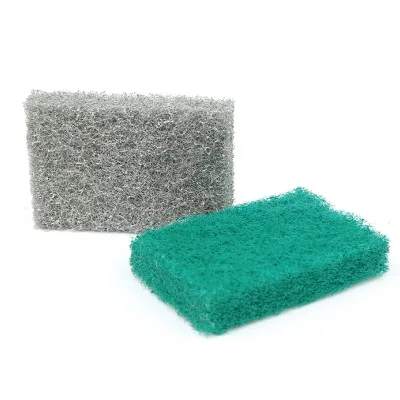
$0.2723 - $0.3142
MOQ: 1000 sets

Zhejiang E-Sun environmental Technology Co., Ltd.
- Verified by BV
- Trading Company
- China Zhejiang
- Lead time30 days
- Avg. response≤ 8h
Main productsCleaning Cloth, Cleaning Mop, Cleaning Sponge, Disposable Mop, Disposable Cleaning Cloth, Microfiber Towel
Main marketsSouth America,Southeast Asia/ Mideast,East Asia(Japan/ South Korea),Europe,Australia,North America

Esun Multifunction Eco Friendly Natural Kitchen Sponge for Cleaning Natural Kitchen Sponge
$0.17 - $0.21
MOQ: 2000 Pieces

Esun Magic Two-Sided Dish Washing Sponges Household Kitchen Cleaning Sponges
$0.03 - $0.05
MOQ: 5000 Pieces

- Verified by SGS
- Combined
- China Guangdong
- Lead time30 days
- Avg. response≤ 23h
Main productsScouring Pad, Sponge Scrubber, Floor Pad, Sponge Scouring Pad, Brush, Nylon Scouring Pad, Polishing Pad, Car Sponge, Sponge Washing Pad, Cleaning Tool
Main marketsAfrica,Domestic,Europe
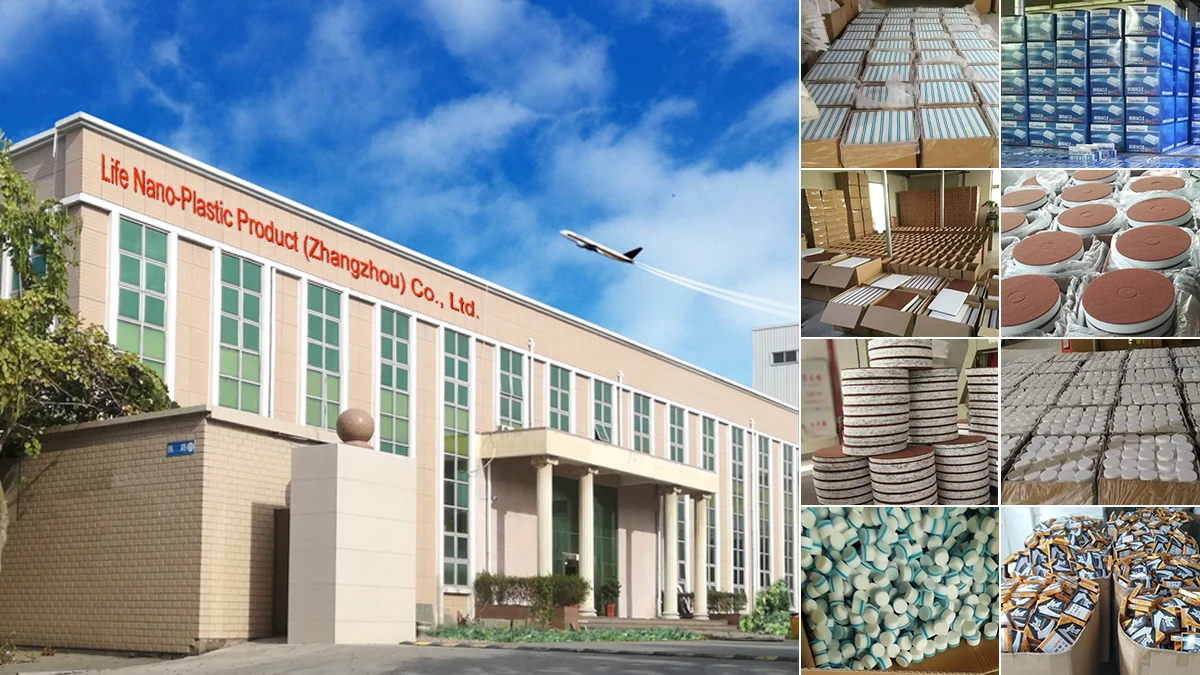
Life Nano Plastic Product (Zhangzhou) Co., Ltd.
- Manufacturer, Trading Company
- Fujian, China
- Lead time7 days
- Avg. response≤ 3h
Main productsmelamine foam,melamine sponge,magic eraser,floor cleaning pad,teeth cleaning
Main marketsCentral America(20.00%), North America(15.00%), South America(15.00%), Eastern Europe(12.00%), Southeast Asia(10.00%), Western Europe(10.00%), Mid East(5.00%), South Asia(3.00%), Domestic Market(2.00%), Eastern Asia(2.00%), Northern Europe(2.00%), Oceania(2.00%), Africa(2.00%)
SEQ Industrial (Changzhou ) Co., Ltd.
- Manufacturer, Trading Company
- Jiangsu, China
- Lead time0 days
- Avg. response≤ 11h
Main productsmicrofiber cloth,wash mitt,cleaning sponge,household towel,kitchen towel
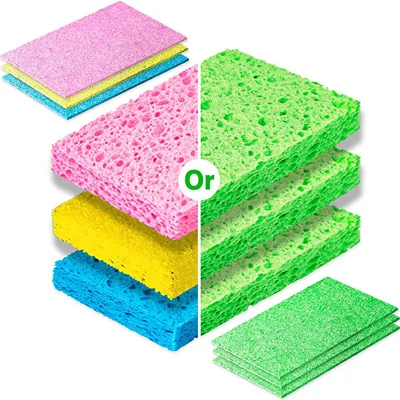
Main marketsNorth America(20.00%), Western Europe(10.00%), Domestic Market(10.00%), Mid East(10.00%), Southern Europe(10.00%), Eastern Europe(10.00%), South America(10.00%), Eastern Asia(5.00%), Oceania(5.00%), Northern Europe(5.00%), Central America(5.00%)










Comprehensive Sourcing Guide
Eco Friendly Magic Kitchen Sponge Supplier Concentration and Factory Types
The current supplier landscape for Eco Friendly Magic Kitchen Sponge reveals a distinct geographic concentration in China, with specific manufacturing hubs identified in Jiangsu and Zhejiang provinces. These regions serve as primary centers for the production of household cleaning tools, including various forms of sponges and scouring pads. Suppliers located in Jiangsu often operate as combined entities, blending manufacturing capabilities with trading functions, which allows for greater flexibility in production volume and customization options. This dual nature is particularly relevant for buyers seeking both standard inventory and bespoke product designs. The presence of verified suppliers in these areas indicates a mature supply chain infrastructure, where established factories have the capacity to handle large-scale orders while maintaining quality control standards. Buyers should recognize that the concentration of suppliers in these specific provinces suggests a cluster effect, where raw material sourcing, skilled labor, and logistics networks are optimized for this type of household goods production. Understanding this geographic distribution helps in assessing the reliability and scalability of potential partners, as suppliers in these established industrial zones are likely to have more robust operational histories and supply chain resilience compared to newer or less centralized operations.
Supplier types in this category vary significantly, ranging from combined companies that handle both production and sales to pure trading companies that act as intermediaries. Trading companies, such as those identified in Zhejiang, may offer a broader range of related products, including guitar parts and car cleaning tools, indicating a diversified business model. This diversification can be advantageous for buyers looking to consolidate orders across different product categories, but it may also imply less specialized focus on kitchen sponges specifically. In contrast, combined companies in Jiangsu often emphasize their OEM and ODM capabilities, suggesting a stronger in-house manufacturing presence. This distinction is crucial for buyers who require strict quality control or specific material compositions, as in-house manufacturers typically have more direct oversight over the production process. The verification status of suppliers, such as BV verification, provides an additional layer of confidence regarding their business legitimacy and operational stability. However, buyers must carefully evaluate whether the supplier’s primary business focus aligns with their specific needs, as trading companies may rely on third-party factories, introducing potential variability in product consistency and lead times.
How to Verify Eco Friendly Magic Kitchen Sponge Suppliers
Verifying suppliers for Eco Friendly Magic Kitchen Sponge requires a multi-layered approach that goes beyond basic profile reviews. Buyers should prioritize suppliers with third-party verification badges, such as BV verification, which indicates that an independent agency has audited the company’s business credentials and operational capabilities. This verification is a critical first step in establishing trust, as it confirms the legal existence of the entity and provides insight into its financial and operational stability. However, verification alone is not sufficient; buyers must also assess the supplier’s response time, which serves as a proxy for their customer service quality and operational efficiency. A response time of around six hours, as observed in some suppliers, suggests a responsive team capable of addressing inquiries and resolving issues promptly. In contrast, suppliers with faster response times, such as two hours, may offer more agile communication, which is beneficial for time-sensitive projects or urgent order modifications. Buyers should use these metrics to gauge the supplier’s readiness to engage in a long-term partnership, as consistent and timely communication is essential for smooth transaction management and problem resolution throughout the procurement process.
Beyond verification badges and response times, buyers should scrutinize the detailed product attributes and specifications provided by suppliers. For instance, the availability of customization options, such as custom packaging, printing, or material adjustments, indicates a supplier’s flexibility and willingness to meet specific buyer requirements. Suppliers that explicitly state customization is available and provide detailed product models, such as KCSK-310 or okhm, demonstrate a structured approach to product management and quality control. Buyers should also verify the origin of the products, ensuring that the stated place of origin matches the supplier’s location, as discrepancies can indicate misrepresentation or outsourcing issues. Additionally, examining the packing specifications, such as OPP bags or cartons, and carton dimensions helps buyers assess the supplier’s logistical efficiency and potential shipping costs. By cross-referencing these detailed product attributes with the supplier’s verification status and response metrics, buyers can build a comprehensive profile of each potential partner, ensuring that they select suppliers who not only meet quality standards but also align with their operational and communication preferences.
What to Compare Across Eco Friendly Magic Kitchen Sponge Suppliers
When evaluating multiple suppliers for Eco Friendly Magic Kitchen Sponge, buyers must systematically compare key operational metrics to identify the most suitable partner. Lead time is a critical factor, with some suppliers indicating a standard lead time of fifteen days, which allows for predictable inventory planning and supply chain management. Buyers should compare these lead times against their own sales cycles and stock requirements to ensure that the supplier can meet their delivery deadlines without causing stockouts or excess inventory. Alongside lead time, the minimum order quantity (MOQ) is another essential comparison point, as it directly impacts the buyer’s initial investment and risk exposure. Suppliers may offer varying MOQs, ranging from one hundred pieces to three thousand pieces, allowing buyers to choose based on their order volume and budget constraints. Lower MOQs are advantageous for testing new markets or trying new products, while higher MOQs may offer better unit pricing for established buyers with consistent demand. By comparing these operational parameters, buyers can align their procurement strategy with their business goals, ensuring that they select suppliers who offer the right balance of flexibility, cost-efficiency, and reliability.
Price and customization capabilities are also vital dimensions for comparison, as they directly influence the buyer’s profit margins and product differentiation strategy. Unit prices for Eco Friendly Magic Kitchen Sponge can vary significantly, with some suppliers offering prices as low as $0.05 per piece, while others charge up to $0.37 per piece, depending on the product’s material, complexity, and customization options. Buyers should analyze these price points in conjunction with the supplier’s customization offerings, such as the ability to print logos, change colors, or alter packaging. Suppliers that provide detailed product attributes, such as absorption capacity, sponge color options, and shape variations, enable buyers to make informed decisions based on specific product requirements. Additionally, comparing the supplier’s main products and company type helps buyers assess their specialization and expertise. For example, suppliers focusing primarily on kitchen sponges may offer more specialized knowledge and higher quality control compared to diversified trading companies. By systematically comparing these factors, buyers can identify suppliers that offer the best value proposition, balancing cost, quality, and service to meet their specific business needs.
Common Eco Friendly Magic Kitchen Sponge Sourcing Risks
Sourcing Eco Friendly Magic Kitchen Sponge involves several inherent risks that buyers must proactively manage to ensure a successful procurement process. One significant risk is the variability in product quality, particularly when dealing with suppliers who offer extensive customization options. While customization allows for product differentiation, it can also lead to inconsistencies if the supplier lacks robust quality control measures. Buyers should be cautious of suppliers who do not provide detailed product specifications or who have vague descriptions of materials and manufacturing processes. For instance, claims of "eco-friendly" or "natural" materials should be verified through specific product attributes, such as the use of compressed cellulose or natural loofah, rather than relying on marketing terms alone. Additionally, buyers should be aware of the potential for misrepresentation in product origins or manufacturing capabilities, especially when dealing with trading companies that may not have direct oversight of the production process. To mitigate these risks, buyers should request detailed product samples, conduct thorough due diligence on supplier credentials, and establish clear quality standards in their contracts.
Another common risk is the discrepancy between quoted prices and final costs, which can arise from hidden fees, shipping charges, or currency fluctuations. Buyers should carefully review the pricing structure provided by suppliers, noting whether the quoted price includes packaging, shipping, or other ancillary costs. For example, some suppliers may offer low unit prices but charge separately for custom packaging or carton assembly, which can significantly increase the total cost of ownership. Additionally, buyers should be mindful of the supplier’s response time and communication style, as poor communication can lead to misunderstandings regarding order specifications, delivery schedules, or payment terms. Suppliers with slower response times may be less responsive to urgent issues or changes, increasing the risk of delays or errors. To address these risks, buyers should establish clear communication protocols, request detailed quotations that itemize all costs, and maintain regular contact with suppliers throughout the order process. By anticipating and managing these potential pitfalls, buyers can reduce the likelihood of disruptions and ensure a smoother sourcing experience.
Eco Friendly Magic Kitchen Sponge Regional Sourcing and Logistics
The regional sourcing of Eco Friendly Magic Kitchen Sponge is heavily influenced by the geographic concentration of suppliers in China, particularly in Jiangsu and Zhejiang provinces. These regions offer well-developed logistics networks and infrastructure, facilitating efficient transportation of goods to international markets. Buyers should consider the logistical advantages of sourcing from these areas, as proximity to major ports and transportation hubs can reduce shipping times and costs. For instance, suppliers in Jiangsu and Zhejiang often have access to established export channels, enabling faster delivery to global destinations. However, buyers must also account for the potential impact of regional logistics constraints, such as port congestion or seasonal shipping delays, which can affect lead times and inventory planning. To mitigate these risks, buyers should work with suppliers who have experience in international shipping and can provide accurate estimates of transit times. Additionally, buyers should consider the supplier’s packing specifications, such as carton dimensions and weight, as these factors directly influence shipping efficiency and costs. By understanding the logistical landscape of these sourcing regions, buyers can optimize their supply chain and ensure timely delivery of products.
Logistics planning also involves evaluating the supplier’s packaging capabilities and their impact on product protection and storage. Suppliers may offer various packing options, such as OPP bags or cartons, each with different levels of protection and space efficiency. For example, some suppliers provide detailed carton sizes, such as 555550cm, which helps buyers calculate the number of units per container and optimize shipping volume. Buyers should compare these packing specifications across suppliers to identify the most cost-effective and protective options for their needs. Additionally, buyers should consider the supplier’s ability to handle custom packaging requirements, such as branded boxes or eco-friendly materials, which may impact logistics complexity and cost. By carefully evaluating the logistical aspects of sourcing, including transportation routes, packing efficiency, and supplier experience, buyers can minimize shipping risks and ensure that their products arrive in optimal condition. This holistic approach to logistics planning enables buyers to build a resilient supply chain that can adapt to changing market conditions and customer demands.
Eco Friendly Magic Kitchen Sponge Commercial Terms and Order Planning
Commercial terms and order planning are critical components of successful sourcing for Eco Friendly Magic Kitchen Sponge, requiring careful attention to payment structures, order volumes, and contractual agreements. Buyers should negotiate clear payment terms that align with their cash flow needs and risk tolerance, such as using escrow services for secure transactions or establishing milestone-based payments for large orders. Understanding the supplier’s MOQ requirements is essential for effective order planning, as it determines the minimum investment required to initiate production. Buyers should assess whether the supplier’s MOQ aligns with their sales forecast and inventory capacity, ensuring that they do not overcommit to orders that may result in excess stock. Additionally, buyers should clarify the supplier’s lead time policies, including any provisions for rush orders or expedited shipping, to ensure that they can meet customer demand without compromising quality. By establishing clear commercial terms and aligning them with their business objectives, buyers can create a stable and predictable procurement process that supports long-term growth.
Order planning also involves coordinating with suppliers to manage production schedules, quality inspections, and delivery timelines. Buyers should request detailed production schedules from suppliers, including key milestones such as material procurement, production start, and completion dates, to ensure that
FAQs
What is the price range for eco friendly magic kitchen sponges?
Prices typically range from $0.05 to $0.37 per unit depending on material and customization. Basic sponge models start at $0.05, while compressed cellulose or specialized cleaning variants cost up to $0.37. Buyers should verify exact pricing based on order volume and specific product attributes.
What are the minimum order quantities for these sponges?
Minimum order quantities vary significantly by product type. Some standard kitchen sponges require a minimum of 100 pieces, while others demand 1,000 or 3,000 units. Buyers must check the specific MOQ for each model, as requirements range from 100 to 3,000 pieces per order.
Where are these eco friendly sponges manufactured?
Manufacturing locations are primarily in Jiangsu and Zhejiang provinces in China. Suppliers in these regions offer various sponge types, including compressed cellulose and natural loofah options. Buyers can filter results by these specific Chinese locations to align with their supply chain preferences.
How long does production take for these sponges?
Standard lead times are approximately 15 days for production. This duration applies to typical orders of kitchen cleaning sponges. Buyers should confirm specific delivery schedules with suppliers, as lead times may vary based on order size and customization requirements.
Can these sponges be customized for branding?
Yes, customization is available for most kitchen sponge products. Suppliers offer OEM and ODM services, allowing for custom packaging, colors, and printing. Buyers can request customized solutions for branding, ensuring the final product meets their specific marketing and quality standards.
What materials are used in these kitchen sponges?
Materials include sponge, compressed cellulose, natural loofah, and microfiber. Some products feature emery for strong decontamination, while others focus on eco-friendly and biodegradable properties. Buyers should select materials based on their specific cleaning needs and sustainability goals.