Concrete Mineral Block Making Machine Suppliers and Manufacturers
Explore 27 verified suppliers of concrete mineral block making machines from China Guangxi and Henan. Compare ISO certifications, response times, lead times, and pricing ranges to find the right factory. Contact suppliers directly to request quotes and verify specifications; review the available evidence before requesting comparable quotations from suitable candidates.
Updated
Suppliers List

Guangxi Hongfa Heavy Machinery Co., Ltd.
- Verified by CTI
- Combined
- China Guangxi
- Lead time30 days
- Avg. response≤ 18h
Main productsConcrete Block Making Machine, EPS Concrete Wall Panel Making Machine, AAC Block Production Line, Concrete Tile Making Machine, Cement Pile Making Machine, Concrete Batching Plant, Artificial Quartz Plate Machine, Brick Machine, Concrete Mixer, Cement Brick Machine
Main marketsSouth America,Africa,Southeast Asia/ Mideast,Domestic

Gongyi Xiaoyi Hongying Machinery Factory
- Verified by SGS
- Combined
- China Henan
- Lead time15 days
- Avg. response≤ 4h
Main productsBrick Machine, Crusher Machine
Main marketsSouth America,Africa,Others(foreignTradeCapacity.exportBusinessCapacityMarketOther),Southeast Asia/ Mideast,Australia,North America

Henan Yishen Machinery Co., Ltd.
- Verified by BV
- Trading Company
- China Henan
- Lead time23 days
- Avg. response≤ 3h
Main productsMachinery and Equipment Sales, Agricultural Machinery Sales, Mining Machinery Sales.
Main marketsAfrica,Southeast Asia/ Mideast,North America


Auto Block Making Machine Building Material Concrete Block Making Machine
$4400.00 - $4500.00
MOQ: 1 Pieces


Langfang Nianpeng International Trade Co., Ltd.
- Verified by BV
- Combined
- China Hebei
- Lead time23 days
- Avg. response≤ 1h
Main productsBlock Machine, Brick Machine, Brick Making Machine, Block Making Machine
Main marketsAfrica,Others(foreignTradeCapacity.exportBusinessCapacityMarketOther)


Concrete Block Machine\Automatic Block Making Machine\Brick Machine\Block Machine
$5600.00 - $46000.00
MOQ: 1 Pieces


Hot Sales Concrete Block Making Machines Hollow Block Making Machine CE Certification
$3000.00 - $55000.00
MOQ: 1 Sets


Shandong Qufu Taifeng Mechanical Equipment Co., Ltd.
- Verified by SGS
- Combined
- China Shandong
- Lead time15 days
- Avg. response≤ 6h
Main productsShredder, Crushing Machine, Plastic Shredder, Wood Crusher, Stone Hammer Mill, Jaw Crusher, Ball Mill, Wood Pellet Mill, Hydraulic Baler, Feed Pellet Machine
Main marketsAfrica,Southeast Asia/ Mideast,Europe
Zhengzhou Share Machinery Co., Ltd.
- Trading Company
- Henan, China
- Lead time7 days
- Avg. response≤ 3h
Main productsConstruction Machinery/Industrial Machinery/Printing Machinery
Main marketsSouth America(20.00%), North America(20.00%), Africa(10.00%), Southeast Asia(10.00%), Eastern Europe(10.00%), Oceania(7.00%), South Asia(5.00%), Southern Europe(5.00%), Central America(5.00%), Western Europe(2.00%), Eastern Asia(2.00%), Northern Europe(2.00%), Mid East(2.00%)
Luohe Tengli Mechanical And Electrical Equipment Co., Ltd.
- Verified by SGS Group
- Manufacturer, Trading Company
- Lead time0 days
- Avg. response≤ 2h
Main productsVegetable Cutter, Packaging Machine, Pasta Machinery, Meat Machinery
Main marketsNorth America(28%), Africa(21%), Northern Europe(17%)
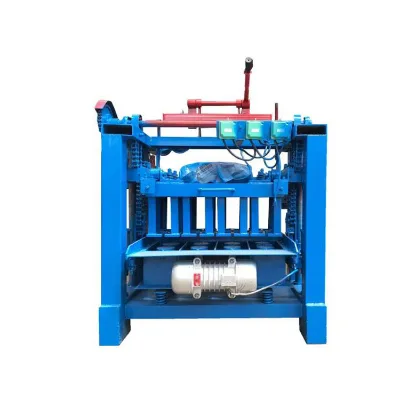
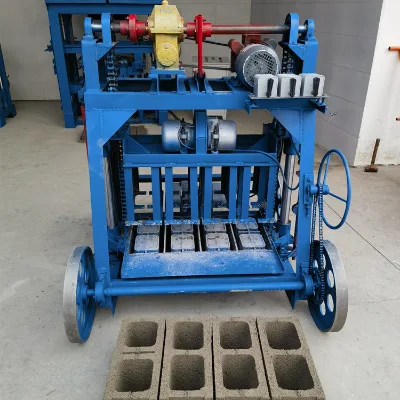
Cement Concrete Block Hollow Brick Making Machine Interlock Paving Maker for Use in Africa
$1600.00 - $1690.00
MOQ: 1 sets
Henan Vansen Machinery Equipment Co., Ltd.
- Verified by Intertek
- Manufacturer, Trading Company
- Henan, China
- Lead time15 days
- Avg. response≤ 2h
Main productsSingle-shaft and Double-shaft Shredder, Plastic Crusher, Plastic Washing Line, Mining Stone Crushing Equipment, Biomass Briquetting and Carbonization Equipment
Main marketsNorth America(45%), Africa(25%), Mid East(20%)
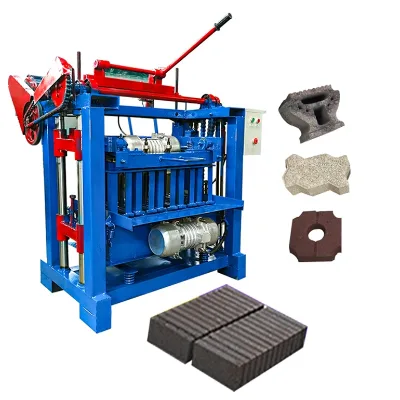
China Common Blocks and Bricks Making Machine Rocks Blocks Making Machine
$3400.00 - $3600.00
MOQ: 1 sets
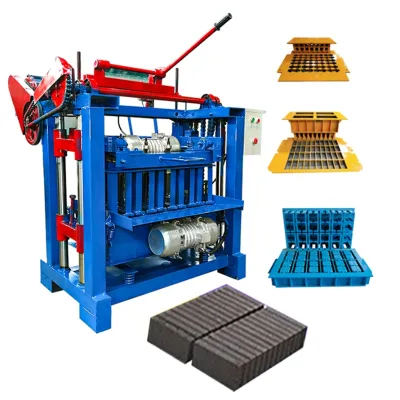
Hollow Blocks Making Machine Cement Sand Cinder Concrete Brick Making Machinery for Africa
$550.00 - $1550.00
MOQ: 1 Minimum
Henan Blick Refractory Technology Co., Ltd.
- Verified by Intertek
- Manufacturer, Trading Company
- Lead time3 days
- Avg. response≤ 2h
Main productsBrick Making Machine, Stone Crusher
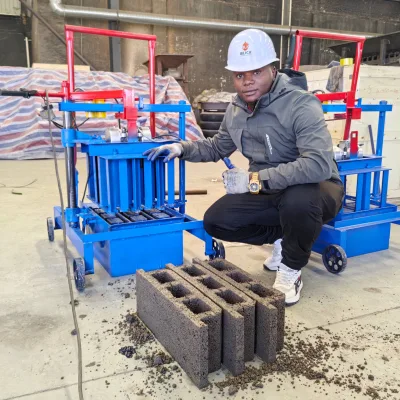
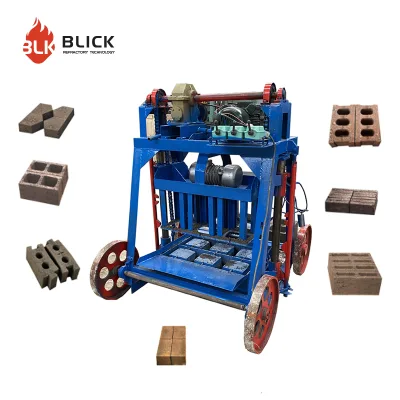
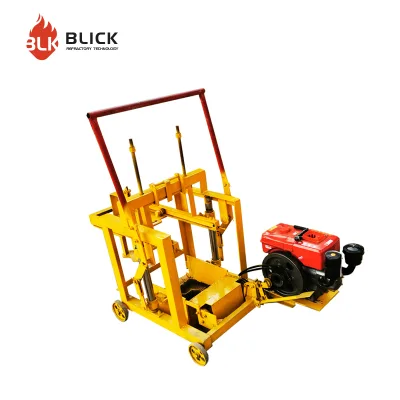
Semi -automatic Diesel Block Machine Building Material Refractory Concrete Brick Making Machinery
$1339.2081 - $1442.3033
MOQ: 1 pieces
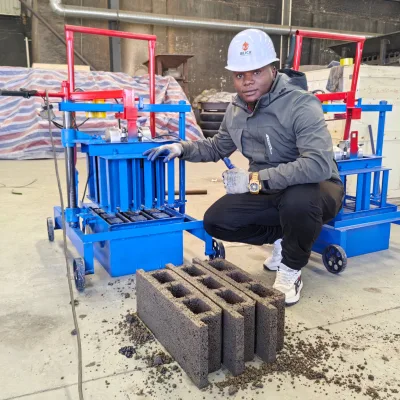
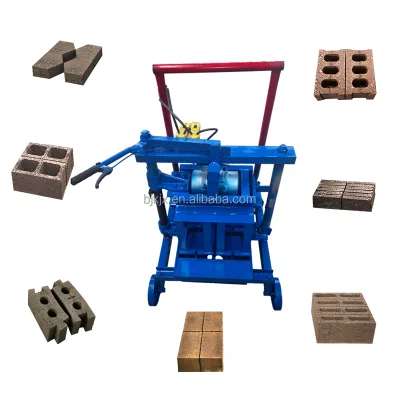
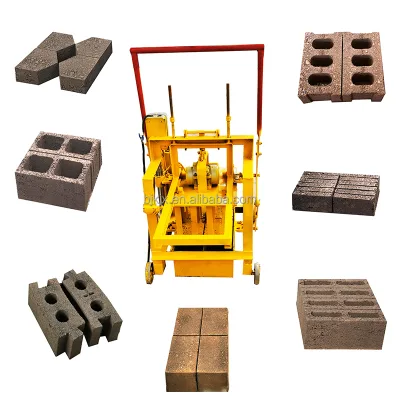
After -sales Is Guaranteed Machine Making Bricks Machine Block Concrete Light Weight Black Machine
$549.00 - $649.00
MOQ: 1 pieces
Henan Weibang Intelligent And Technology Co., Ltd.
- Manufacturer, Trading Company
- Henan, China
- Lead time7 days
- Avg. response≤ 3h
Main productsshotcrete machine,mortar grout pump,gunite machine,cement grout pump,Geomembrane welding machine
Main marketsAfrica(12.00%), Southeast Asia(10.00%), Mid East(8.00%), South Asia(5.00%), Eastern Asia(5.00%)
Guangxi Hongfa Heavy Machinery Co., Ltd.
- Manufacturer, Trading Company
- Lead time旺季: "1 - 1":45,"> 1":"To be negotiated", 淡季: "1 - 1":45,"> 1":"To be negotiated"
Main productsConcrete Block Machine, EPS Cement Wall Panel Machine, AAC Block Production Line, Fiber cement board production line, Roof Tile Making Machine
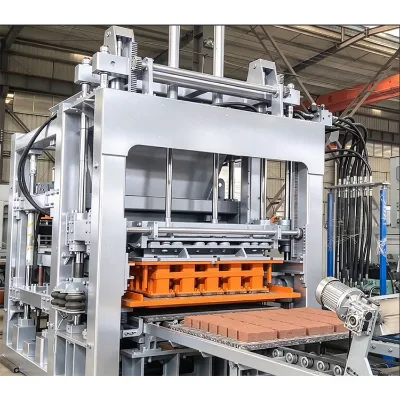
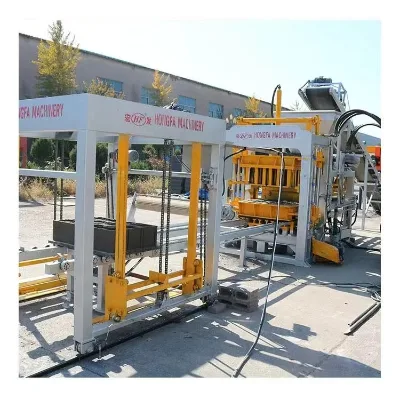
Hollow Block Making Machine Price Briks Making Machinery Automatic Concrete Block Making Machine
$17300.00 - $23580.00
MOQ: 1 sets
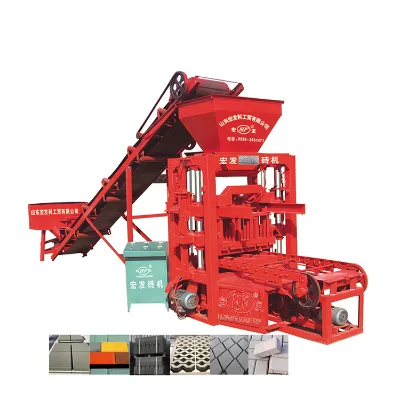
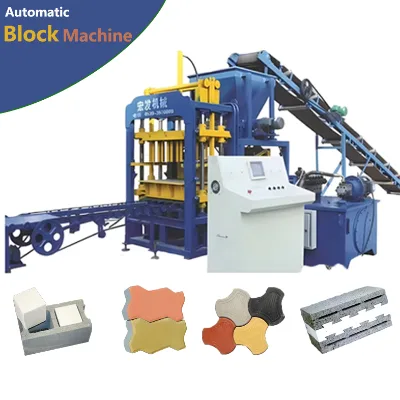
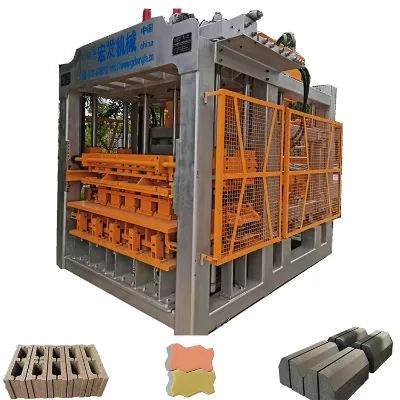
Henan Yuandong Machinery Equipment Co., Ltd.
- Verified by TüVRheinland
- Manufacturer, Trading Company
- Lead time7 days
- Avg. response≤ 3h
Main productsConcrete Mixer, Road Roller, Floor Grinder, Concrete Power Trowel, Plate Compactor
Main marketsNorth America(55%), Western Europe(12%), South America(10%)
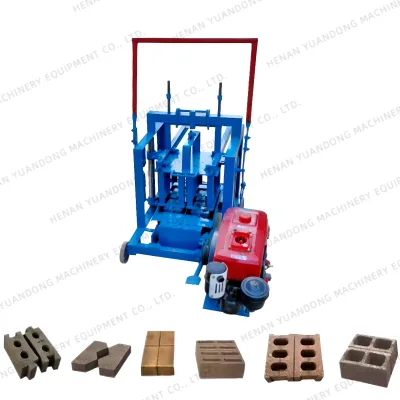
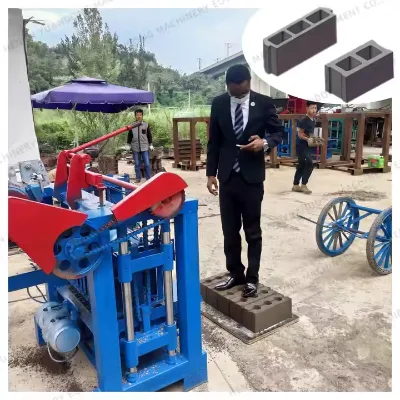
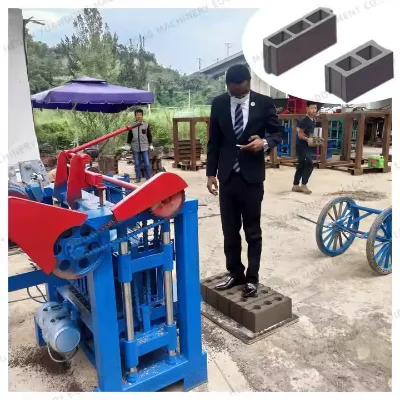
Small Brick Making Machine Block Making Machine Concrete Block Machine Support Customization
$500.00 - $600.00
MOQ: 1 sets
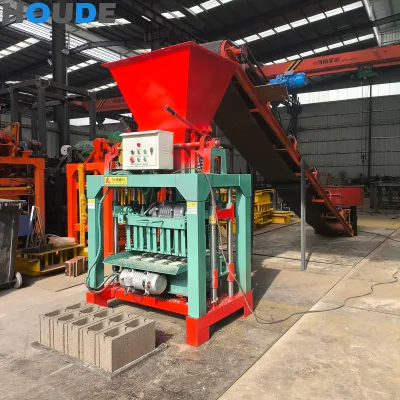
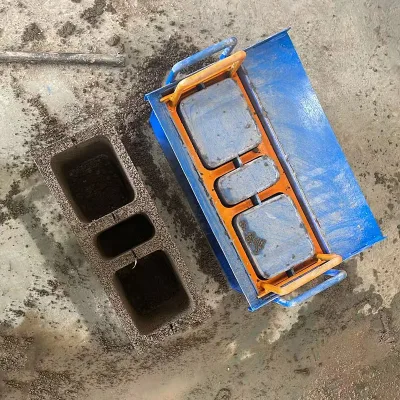
Gongyi Houde Machinery Equipment Co., Ltd
- Manufacturer, Trading Company
- Henan, China
- Lead time15 days
- Avg. response≤ 2h
Main productsBrick Making Machine,Diesel Motorized Tricycle,Mining Mini Dumper,Electric Trolley,Electric Forklift
Main marketsAfrica(50.00%), South America(50.00%)
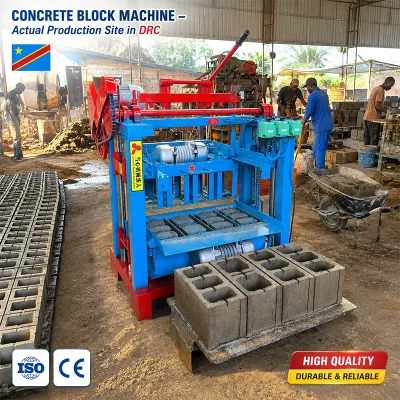
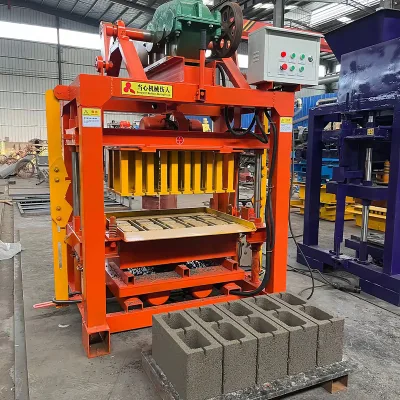
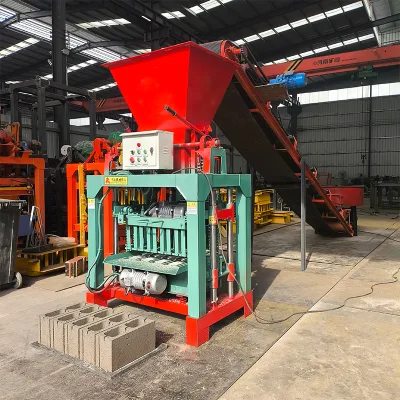
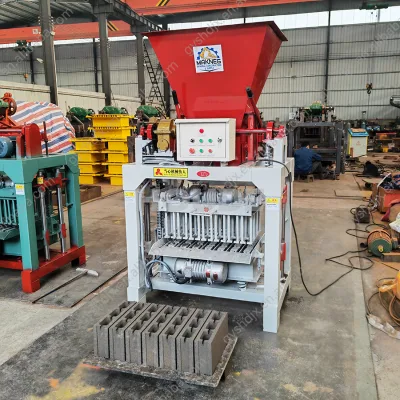
$410.9658 - $1592.4926
MOQ: 1 Minimum
- Verified by Intertek
- Trading Company
- Lead time7 days
- Avg. response≤ 1h
Main productsFruit Vegetable Machine, Meat Processing Machine, Pastry Bakery Machine, Snack Machine, Feed Processing Machine
Henan Share M&E Equipment Co.,Ltd
- Verified by SGS Group
- Trading Company
- Lead time7 days
- Avg. response≤ 3h
Main productsTextile Machinery, Printing Machinery, Construction Machinery, Wood Machinery
Main marketsNorth America(20%), South America(20%), Eastern Europe(10%)

Anhui KEDA Industrial Co., Ltd.
- Verified by TUVRHEINLAND
- Trading Company,Manufacturer/Factory
- China Anhui
- Lead time60 days
- Avg. response≤ 6h
Main productsBlock Machine, Block Making Machine, Brick Machine, Brick Making Machine, Concrete Block Machine, Autoclaved Aerated Concrete, AAC Plant Solution, AAC Block Machine
Main marketsSouth America,Eastern Europe,Mid East,North America,Southeast Asia,Eastern Asia,Oceania,Western Europe,Africa


Lightweight Concrete Block Making Machine for Building Material Making
$200000.00 - $10000000.00
MOQ: 1 Pieces

Customized Automatic Concrete Block Making Machine for Building Material
$2000000.00 - $10000000.00
MOQ: 1 Pieces
Gongyi Yuanhang Machinery Equipment Co., Ltd.
- Manufacturer, Trading Company
- Henan, China
- Lead time15 days
- Avg. response≤ 5h
Main productswood crusher,wood chipper,plastic pellet machine,crusher,shredder
Main marketsSouth America(25.00%), Africa(25.00%), South Asia(12.00%), North America(11.00%), Eastern Asia(10.00%), Mid East(10.00%), Southeast Asia(5.00%), Eastern Europe(2.00%)
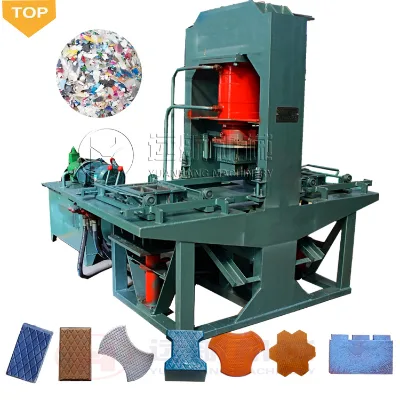
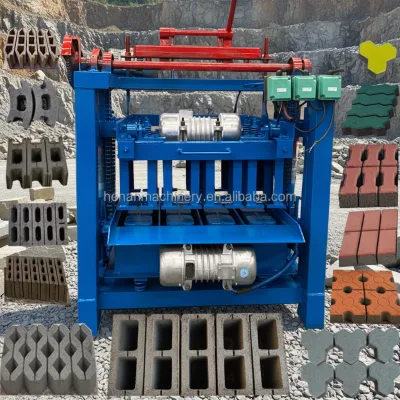
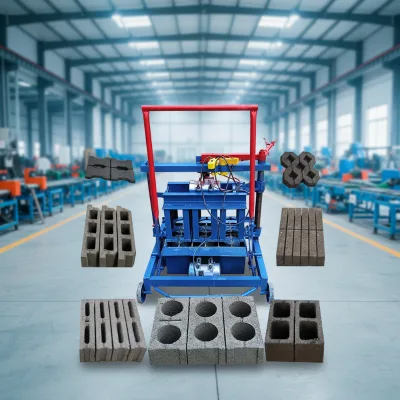
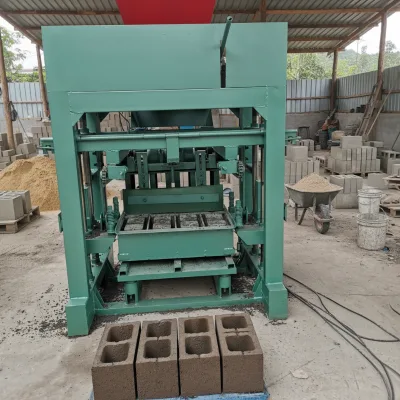
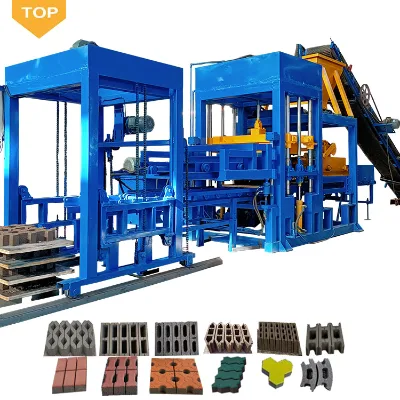
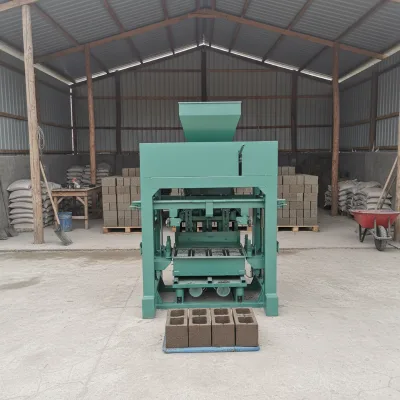
Brick Block Making Machine Beton Block Making Machine Machines-for-bricks-making
$1390.00 - $5280.00
MOQ: 1 sets
Linyi Dongyue Imp. & Exp. Co., Ltd.
- Verified by SGS Group
- Manufacturer, Trading Company
- Lead time30 days
- Avg. response≤ 3h
Main productsBrick Making Machine, AAC Block Making Machine, Pressure Vessel, Stone Coated Metal Roofing Tile, Autoclave
Main marketsAfrica(15%), Southeast Asia(13%), Mid East(13%)
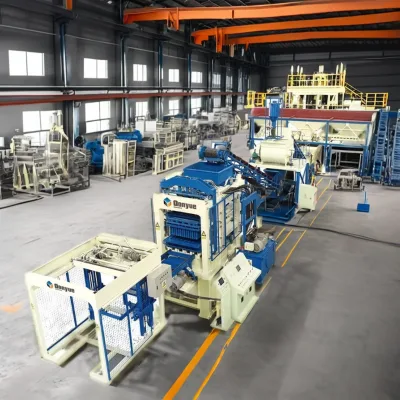
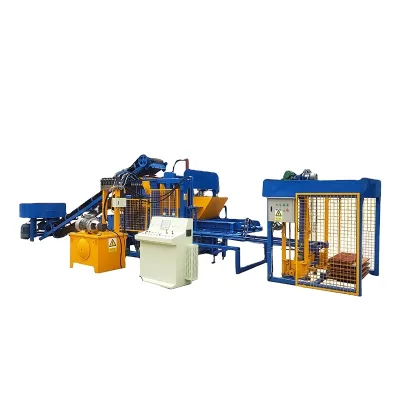
Concrete Brick Making Machine Hallow Block Product Line Block Machine Making Automatic
$138799.833
MOQ: 1 Minimum
Henan Early Bird Machinery Co., Ltd.
- Verified by TüVRheinland
- Manufacturer, Trading Company
- Lead time5 days
- Avg. response≤ 3h
Main productsWell Drilling Rig, Core Drilling Rig, Down The Hole Drilling Rig, Crusher Production Line, Concrete Machinery
Main marketsSoutheast Asia(24%), North America(22%), South America(18%)
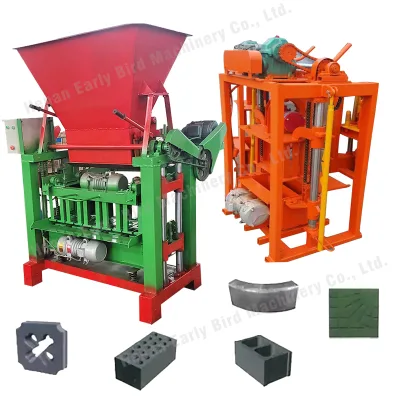
Hot Selling Cement Block Making Machine Cheap Hydraulic Brick Making Machinery
$950.00 - $1280.00
MOQ: 1
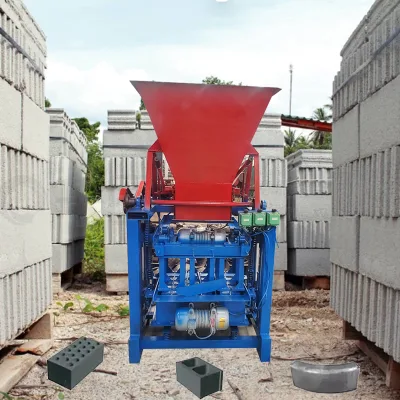
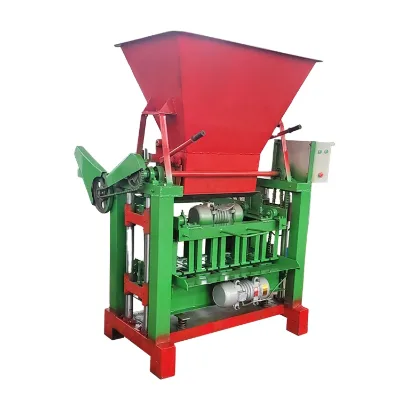
Large Automatic Good Quality Concrete Brick Making Machine for Brick Made Foreign Direct Selling
$1086.2309 - $1396.5823
MOQ: 1 pieces

Linyi Weida Machinery Co., Ltd.
- Verified by TUVRHEINLAND
- Trading Company,Manufacturer/Factory,Group Corporation
- China Shandong
- Lead time30 days
- Avg. response≤ 3h
Main productsConcrete Block Making Machine, Brick Making Machine, Curbstone Maker Machine, Gmt Pallets
Main marketsSouth America,Eastern Europe,Mid East,North America,Southeast Asia,Eastern Asia,Oceania,Western Europe,Africa


Building Material Machinery Concrete Construction Hollow Block Making Machine
$9900.00 - $14000.00
MOQ: 1 Pieces

8-15brick Making Machine/Construction Material Machinery Concrete Block Machine
$15000.00 - $30000.00
MOQ: 1 Pieces

12-15 Block Machine Concrete Block Making Machine Block Making Machine for Sale
$19800.00 - $25800.00
MOQ: 1 Pieces
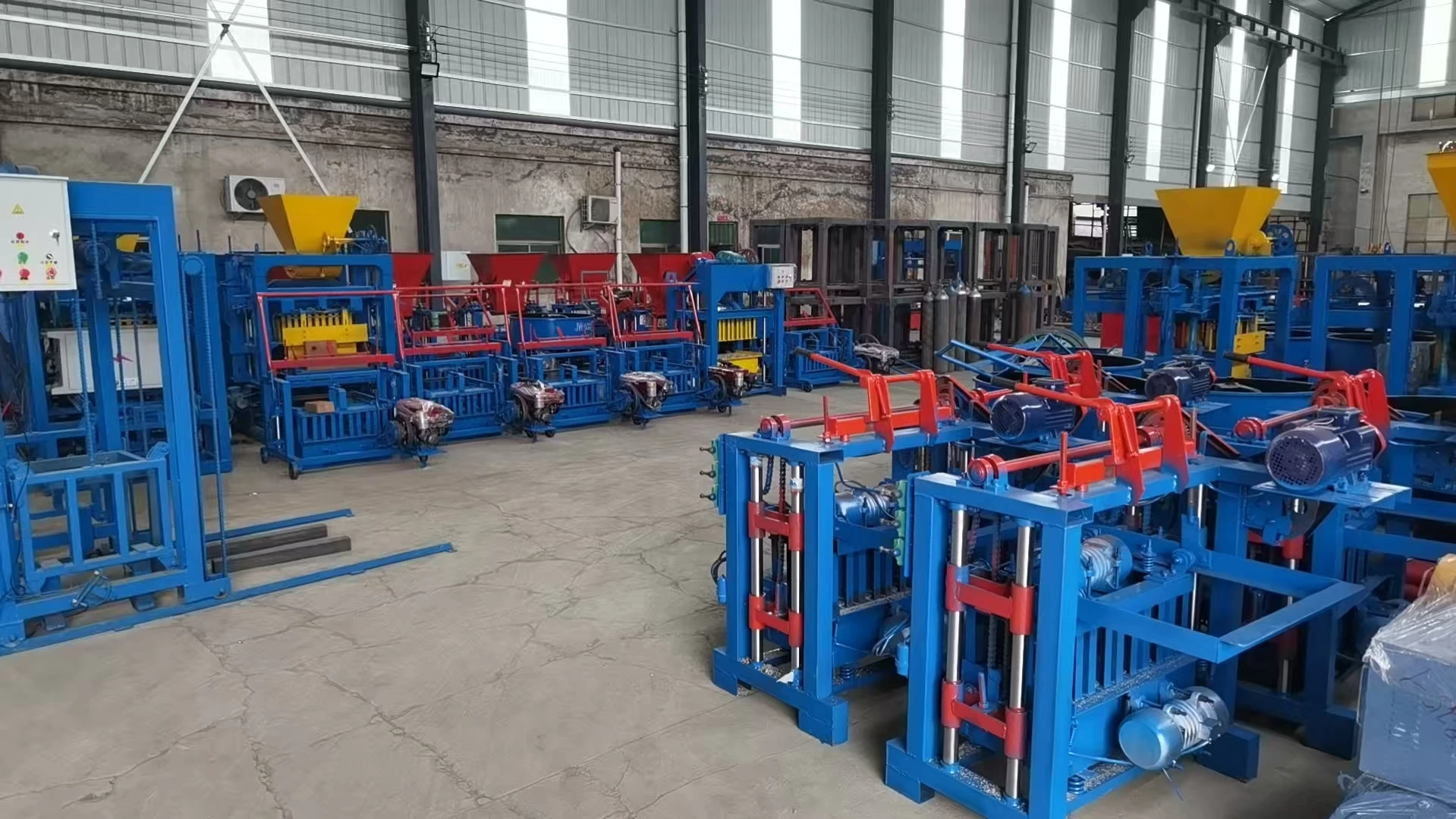
Gongyi Chenghui Machinery Equipment Co., Ltd.
- Manufacturer, Trading Company
- Henan, China
- Lead time7 days
- Avg. response≤ 4h
Main productsBrick making machine,Concrete block making machine,Clay brick making machine,Manual brick machine,Automatic brick machine
Main marketsSoutheast Asia(20.00%), Eastern Asia(10.00%), South Asia(10.00%), Eastern Europe(10.00%), Oceania(5.00%)

ZCJK Intelligent Machinery Wuhan Co., Ltd.
- Combined
- China Hubei
- Lead time23 days
- Avg. response≤ 8h
Main productsBlock Making Machine, Brick Making Machine, Brick Machine, Block Machine, Block Machine Supplier, Brick Machine Supplier, Cement Block Making Machine, Cement Brick Making Machine, Cement Brick Machine, Roof Tile Machine
Main marketsSouth America,Africa,Southeast Asia/ Mideast,Domestic

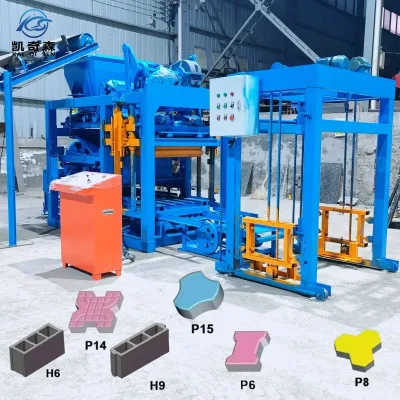
Block Making Machinery Automatic Block Making Machine Concrete Block Making Machine
$2700.00 - $3000.00
MOQ: 1 Pieces


Shandong Sunite Machinery Co., Ltd.
- Verified by TUVRHEINLAND
- Combined
- China Shandong
- Lead time30 days
- Avg. response≤ 3h
Main productsAAC Production Line, AAC Machine, Brick Machine, Brick Making Machine, Block Machine, Block Making Machine, AAC Block Machine, AAC Brick Machine, Composite Lightweight Wall Production Line, Concrete Block Making Machine
Main marketsOthers(foreignTradeCapacity.exportBusinessCapacityMarketOther)
Henan Mingxin Machinery Co., Ltd.
- Manufacturer, Trading Company
- Lead time旺季: "1 - 1":15,"> 1":"To be negotiated", 淡季: "1 - 1":15,"> 1":"To be negotiated"
- Avg. response≤ 6h
Main productsOil Press Machine, Oil Press Production Line, Oil Refinery Equipment
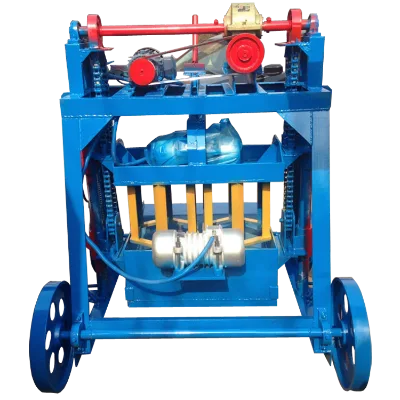
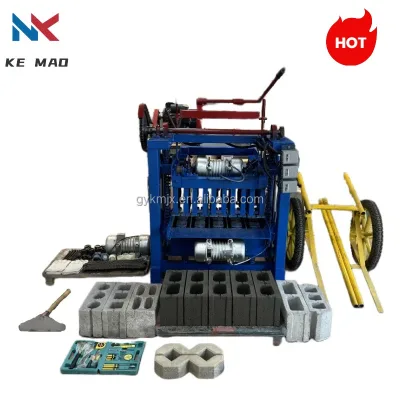
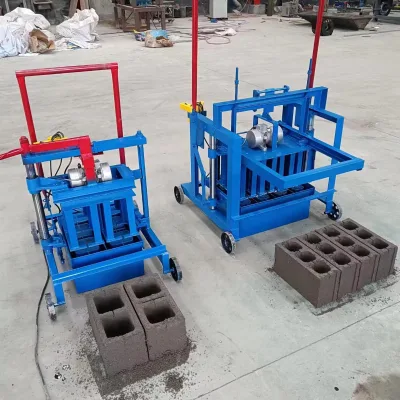
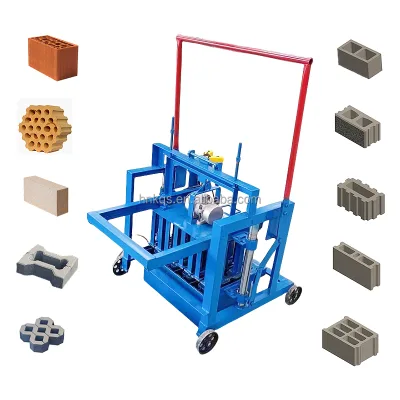
4-35 Moving 4 Inch 6inch 8inch Hollow Concrete Block Making Machine
$800.00 - $1100.00
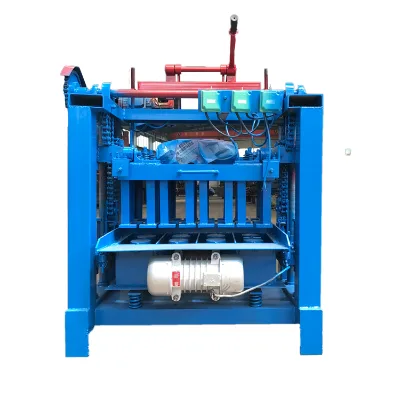
Gongyi Kemao Machinery Equipment Co., Ltd.
- Verified by Intertek
- Manufacturer, Trading Company
- Lead time15 days
- Avg. response≤ 2h
Main productsBrick Making Machinery, Crusher, Block Manufacturing Machine, Oil Pressers

- Verified by BV
- Combined
- China Fujian
- Lead time60 days
- Avg. response≤ 1h
Main productsAutomatic Concrete Block Making Machine, Concrete Products Forming Machine, Rotary Table Static Press Machine, Static Press Machine, Baking-Free Brick Production Line, Intelligent Palletizer, Block Molding Machine, Mobile Block Making Machine, Construction Waste Processing Equipment, Batching Machine / Mixer
Main marketsSoutheast Asia/ Mideast
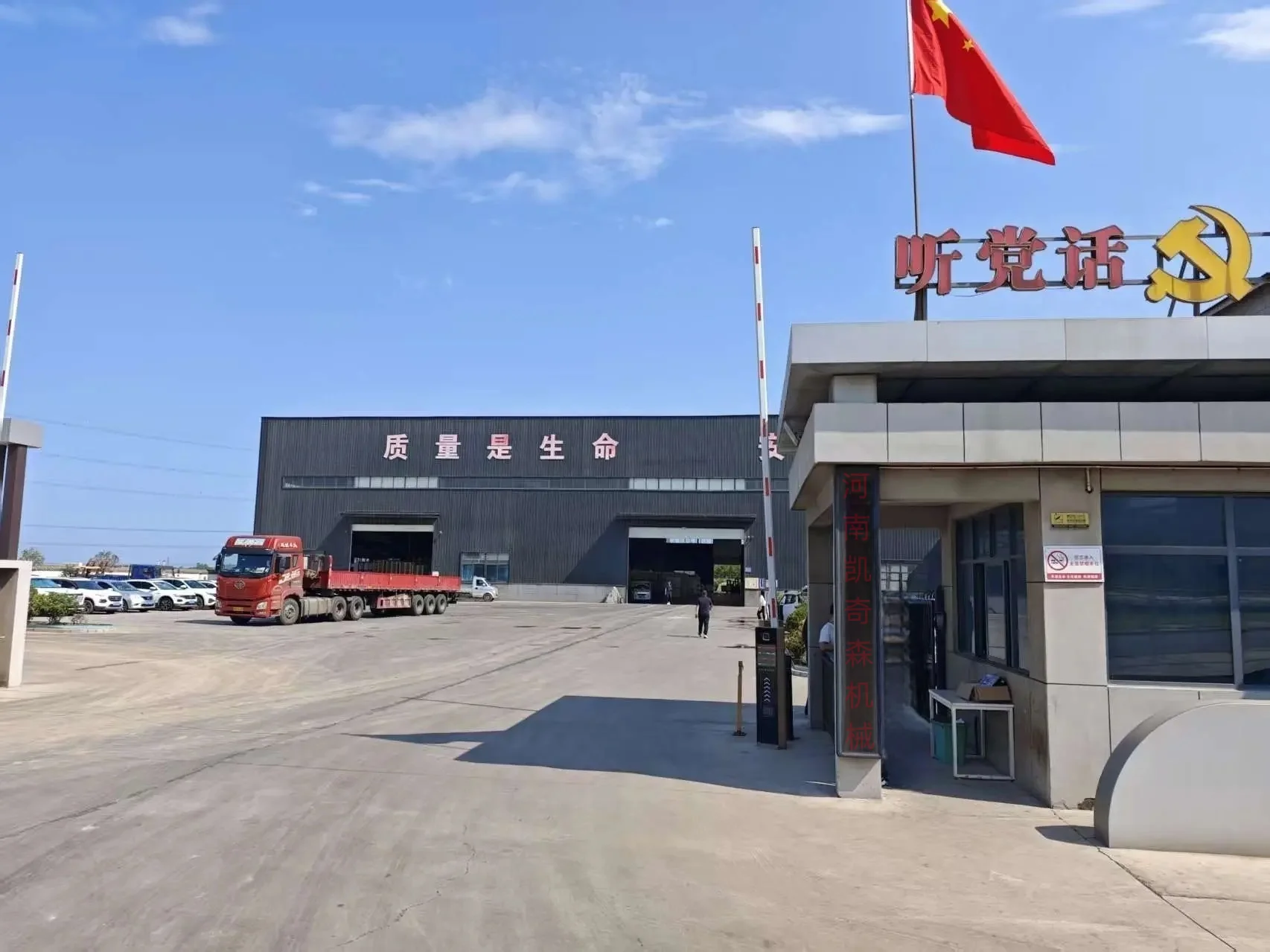
Henan Kaiqisen Machinery Equipment Co., Ltd.
- Trading Company
- Henan, China
- Lead time7 days
- Avg. response≤ 2h
Main productsJaw crusher,Hammer crusher,Drying machinery,Ball mill,Brick making machine
Main marketsNorthern Europe(15.00%), North America(15.00%), Southeast Asia(13.00%), Eastern Asia(13.00%), South America(12.00%), Africa(11.00%), Eastern Europe(11.00%), Mid East(10.00%), Central America(10.00%), South Asia(10.00%), Domestic Market(10.00%), Oceania(9.00%), Western Europe(8.00%), Southern Europe(5.00%)


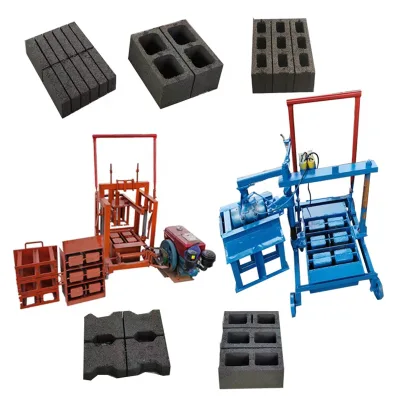
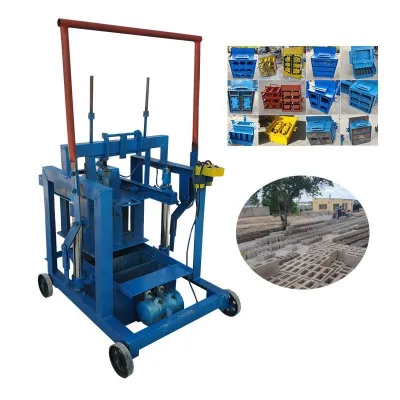
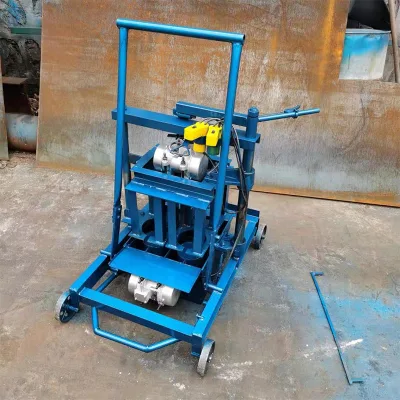
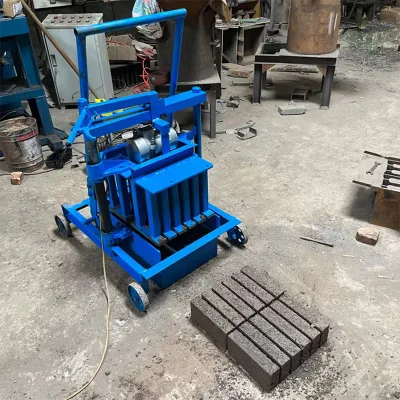
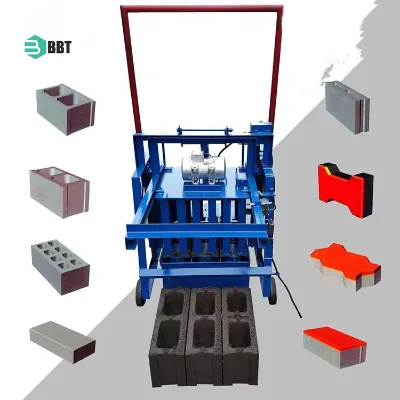
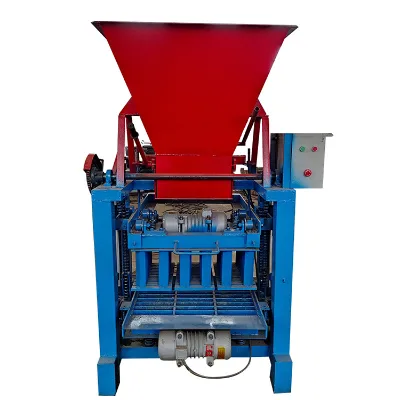
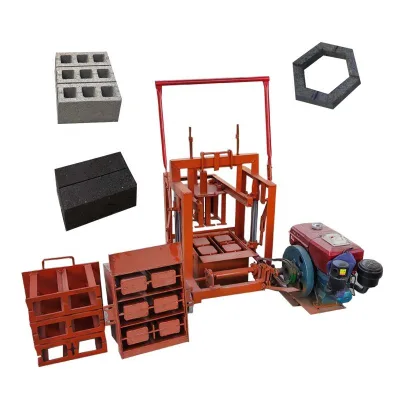
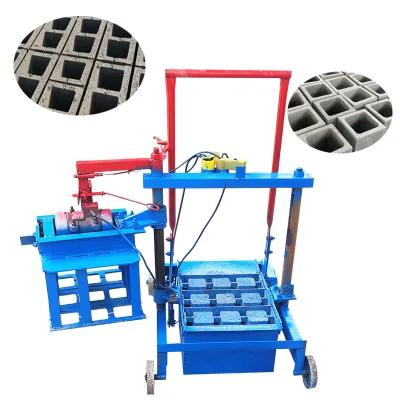




Comprehensive Sourcing Guide
Concrete Mineral Block Making Machine Supplier Concentration and Factory Types
The current supplier landscape for concrete mineral block making machines reveals a distinct geographic concentration in China, specifically within the Guangxi region. This area hosts a significant number of manufacturers specializing in heavy construction machinery, including concrete block making machines, EPS concrete wall panel making machines, and AAC block production lines. The presence of these specific product categories indicates a mature industrial cluster where supply chains for raw materials like cement, sand, and broken stones are well-established. Buyers evaluating suppliers should recognize that this regional focus often correlates with specialized engineering expertise in hydraulic and hydroforming technologies, which are critical for producing high-density mineral blocks. The concentration in Guangxi suggests that many factories in this area have optimized their logistics and manufacturing processes for exporting large, heavy equipment, potentially offering competitive advantages in terms of production efficiency and localized support networks.
In addition to the Guangxi cluster, there is a notable presence of suppliers located in Henan, China, who focus on related construction equipment such as brick machines and crusher machines. These suppliers often operate as combined entities, meaning they may function as both manufacturers and trading companies, offering a broader range of products than specialized factories. This dual nature can be advantageous for buyers seeking a one-stop solution for multiple types of construction machinery, but it requires careful verification of actual manufacturing capabilities. The company types observed include combined entities that may leverage existing supply chains to offer diverse product lines, from concrete batching plants to artificial quartz plate machines. Understanding the factory type is crucial, as combined suppliers might outsource specific components or rely on third-party manufacturing for certain machine parts, which can impact quality control and customization flexibility. Buyers must distinguish between pure manufacturers and trading companies to ensure they are dealing with the source of production, especially when negotiating technical specifications and after-sales service agreements.
How to Verify Concrete Mineral Block Making Machine Suppliers
Verifying the authenticity and reliability of Concrete Mineral Block Making Machine suppliers requires a multi-layered approach that goes beyond simple profile reviews. One critical step is to check for third-party verification badges, such as CTI or SGS, which indicate that an independent agency has inspected the supplier’s business license, factory premises, or product quality. In the current results, some suppliers display CTI verification, while others show SGS verification, providing a baseline level of trust regarding their operational legitimacy. However, verification badges alone do not guarantee product quality or financial stability, so buyers should cross-reference these claims with other data points. It is essential to confirm that the verification covers the specific entity you are contracting with, as some suppliers may have multiple legal entities or subsidiaries. Additionally, buyers should request recent inspection reports or video tours of the production floor to visually confirm the presence of the machinery and manufacturing processes described in the supplier’s profile.
Another vital aspect of verification is assessing the supplier’s certifications and compliance with international standards. Many suppliers in the concrete block making machine sector display ISO9001:2015 certification, which indicates a standardized quality management system. Some products also list CE certification, which is mandatory for machinery sold in the European market and suggests adherence to specific safety and performance standards. Buyers should request copies of these certificates and verify their validity through the issuing bodies. Furthermore, it is important to check if the supplier has any history of disputes or negative feedback, although this information may not always be readily available in the initial search results. Buyers should also inquire about the supplier’s experience with similar projects or exports to their target market, as this can provide insights into their reliability and understanding of international trade requirements. By combining verification badges, certification checks, and direct communication, buyers can build a more comprehensive picture of a supplier’s credibility and capability.
What to Compare Across Concrete Mineral Block Making Machine Suppliers
When comparing suppliers, buyers should focus on key operational metrics such as lead time, minimum order quantity (MOQ), and response time to gauge efficiency and service quality. The observed data shows a lead time of approximately 30 days for some suppliers, which is a standard benchmark for heavy machinery manufacturing. Buyers should compare this against their project timelines to ensure timely delivery. Additionally, the MOQ for these machines is often set at 1 unit, which is favorable for small to medium-sized enterprises that may not require large-scale production lines immediately. However, buyers should also consider the total cost of ownership, including shipping and installation, rather than just the unit price. Response time is another critical factor, with some suppliers showing an average response time of around 17.72 hours. Faster response times can indicate a more responsive sales team, which is crucial for resolving technical queries and negotiating terms quickly.
Beyond operational metrics, buyers should compare the technical specifications and customization options offered by different suppliers. The product attributes reveal variations in automatic grade, with options ranging from semiautomatic to fully automatic systems. For instance, some machines are described as having a hydraulic shock type, while others use hydroforming technology, which can affect the density and quality of the produced blocks. Buyers should also look at the rated pressure, cycle molding time, and pallet size, as these parameters directly impact production capacity and efficiency. Customization is frequently listed as available, allowing buyers to tailor the machine to specific raw materials like fly ash or cement. Comparing the included accessories, such as free molds or spare parts, can also provide value-added benefits. By systematically evaluating these technical and commercial details, buyers can identify the supplier that best aligns with their specific production needs and budget constraints.
Common Concrete Mineral Block Making Machine Sourcing Risks
One significant risk in sourcing concrete mineral block making machines is the potential mismatch between advertised specifications and actual performance. Suppliers may list high production capacities or advanced features, such as PLC control systems or specific vibration forms, but these claims need to be validated through detailed technical discussions or factory audits. For example, while some products claim a cycle molding time of 15-20 seconds, the actual throughput may vary depending on the raw material properties and operator skill. Buyers should be cautious of overly optimistic performance claims and request case studies or references from previous clients to verify real-world performance. Additionally, the risk of receiving substandard components, such as motors or PLCs, is present if the supplier does not specify the brands or origins of these critical parts. Ensuring that the core components are from reputable manufacturers can mitigate this risk and enhance the machine’s longevity and reliability.
Another common risk is the ambiguity surrounding after-sales service and spare parts availability. While some suppliers offer engineers available to service machinery overseas, the logistics and costs associated with international technical support can be substantial. Buyers should clarify the scope of the after-sales service, including warranty periods, response times for technical issues, and the availability of spare parts. The observation that some suppliers provide one set of free spare parts is a positive indicator, but buyers should also assess the cost and lead time for additional parts. Furthermore, there is a risk related to the complexity of installation and commissioning, especially for automatic machines that require precise calibration. Buyers should ensure that the supplier provides comprehensive installation guides or on-site support to avoid delays in production start-up. By proactively addressing these risks through detailed contract terms and clear communication, buyers can protect their investment and ensure a smooth operational launch.
Concrete Mineral Block Making Machine Regional Sourcing and Logistics
Sourcing concrete mineral block making machines from China, particularly from regions like Guangxi and Henan, involves specific logistical considerations due to the heavy and bulky nature of the equipment. The standard dimensions for many machines, such as 8200x2600x3020mm or 7500x2100x3020mm, require careful planning for container loading or flat rack shipping. Buyers should work with suppliers who have experience in packing and shipping such large items, as improper packing can lead to damage during transit. The observed packing methods include naked packing, stretch film packing, or containerized shipping, each with different implications for protection and cost. Buyers should request detailed packing lists and photos to ensure that the machine is adequately secured. Additionally, understanding the Incoterms agreed upon, such as FOB or CIF, is crucial for determining who bears the risk and cost of transportation.
Logistics also involve navigating customs clearance and import regulations in the buyer’s country. Concrete block making machines may be subject to specific tariffs or regulatory requirements, depending on the country of origin and the machine’s classification. Buyers should consult with their freight forwarders to determine the correct HS codes and any necessary certifications for import. The lead time of 30 days for production does not include shipping time, which can vary significantly based on the destination port and shipping method. Buyers should plan for potential delays due to port congestion or weather conditions. Furthermore, the location of the supplier can impact shipping costs, with factories in Guangxi potentially offering more competitive rates for shipments to Southeast Asia or other nearby regions. By carefully planning the logistics and understanding the associated costs and risks, buyers can ensure a smooth and cost-effective delivery of their concrete mineral block making machines.
Concrete Mineral Block Making Machine Commercial Terms and Order Planning
Order planning for concrete mineral block making machines requires a clear understanding of commercial terms, including pricing structures, payment methods, and warranty conditions. The price range for these machines can vary significantly, from as low as $3,700 for smaller models to over $120,000 for larger, fully automatic lines. Buyers should request detailed quotations that break down the cost of the machine, accessories, shipping, and any additional services. It is important to clarify whether the price includes installation, training, or after-sales support, as these can add significant value. Payment terms are typically negotiated on a case-by-case basis, with common methods including Telegraphic Transfer (TT) or Letter of Credit (LC). Buyers should aim for favorable payment terms, such as a deposit followed by payment upon shipment or after installation, to mitigate financial risk.
Warranty and service agreements are critical components of the commercial terms. Buyers should ensure that the warranty covers both parts and labor, and clarify the duration and scope of coverage. Some suppliers offer a one-year warranty for specific components, but buyers should verify if this applies to the entire machine or just certain parts. Additionally, the availability of spare parts should be guaranteed for a reasonable period, typically several years, to ensure long-term operational continuity. Buyers should also consider the total cost of ownership, including energy consumption, maintenance, and potential downtime. By negotiating clear and comprehensive commercial terms, buyers can protect their investment and ensure a successful partnership with the supplier. Proper order planning, including budgeting for logistics and installation, is essential to avoid unexpected costs and delays, ensuring that the Concrete Mineral Block Making Machine is integrated smoothly into the buyer’s production process.
FAQs
What is the price range for concrete block making machines?
Prices for concrete block making machines range from $3,700 to $120,000 depending on the model and automation level. Basic semiautomatic units start near $3,700, while fully automatic hydroforming lines with PLC controls cost significantly more. Buyers should verify specific model pricing as costs vary by configuration and included accessories.
What certifications do these machines typically hold?
Most concrete block making machines listed carry ISO and CE certifications, ensuring compliance with international safety and quality standards. Some suppliers also hold ISO9001:2015 system certification for their manufacturing processes. Buyers should request valid certificates to verify that the equipment meets the regulatory requirements for their specific operating region.
What is the typical lead time for delivery?
The typical lead time for these machines is approximately 30 days from order confirmation. This timeframe allows for manufacturing, quality testing, and preparation for shipping. Buyers should confirm exact delivery schedules with suppliers, as lead times may vary based on production volume, customization requirements, and current factory workload.
Where are these machines manufactured?
These machines are primarily manufactured in China, with specific production hubs located in Guangxi and Henan provinces. Guangxi suppliers often specialize in combined machinery types, while Henan facilities focus on brick and crusher machines. Buyers can verify the exact place of origin for each specific model to ensure supply chain transparency.
What is the minimum order quantity for these machines?
The minimum order quantity for concrete block making machines is typically one unit. Suppliers generally accept single-unit orders for both small semiautomatic models and large automatic production lines. This flexibility allows buyers to start with a single machine and expand their production capacity by ordering additional units as business needs grow.
What after-sales service is provided for these machines?
Suppliers provide after-sales service including engineers available to service machinery overseas. This support helps buyers with installation, troubleshooting, and maintenance of their block making equipment. Buyers should confirm the specific terms of overseas service coverage, including travel costs and response times, to ensure adequate support for their operations.