Automatic Marble Ceramic Tile Cutter Suppliers and Manufacturers
Explore 28 verified options for Automatic Marble Ceramic Tile Cutter suppliers offering OEM, ODM, and custom capabilities. Compare response times, lead times, certifications, and pricing to select the right partner for your project needs today; review the available evidence before requesting comparable quotations from suitable candidates.
Updated
Suppliers List

YONGKANG LUOGESEN AIR COMPRESSOR CO., LTD.
- Combined
- China Zhejiang
- Lead time30 days
- Avg. response≤ 6h
Main productsCompressor, Air Compressor, Air Pump, Compressor Pump, Oilless Air Pump, Direct Driven Air Compressor, Electric Sander, Orbital Sander, Abrasive Wheel, Non Woven Wheel
Main marketsDomestic


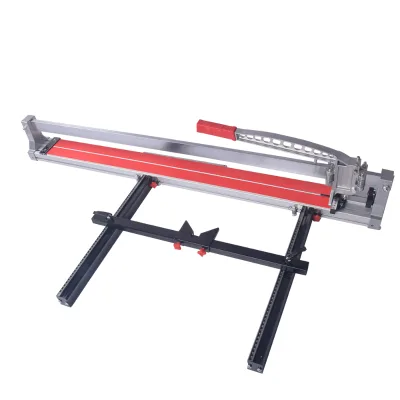
Manual Portable Ceramic Cutting Floor Porcelain Machine Marble Tile Cutter
$15.00 - $35.00
MOQ: 100 Pieces

Hand Tools Cutting Marble Machine Machinery Wall Porcelain Ceramic Tile Cutter
$15.00 - $35.00
MOQ: 100 Pieces

Marble Floor Cutting Portable Stone Porcelain Machinery Machine Ceramic Tool Manual Tile Cutter
$34.68 - $37.00
MOQ: 100 Pieces
ZHE CHENG HONGXIN MACHINRERY FACTORY
- Verified by TüVRheinland
- Manufacturer, Trading Company
- Lead time15 days
- Avg. response≤ 3h
Main productsIntestine Case Cleaning Machine, Sesame Peeling Machine, Cardboard Expanding Shredder Machine, Flax Brake, Grain Thresher Machine
Main marketsNorth America(20%), Southeast Asia(20%), Africa(20%)
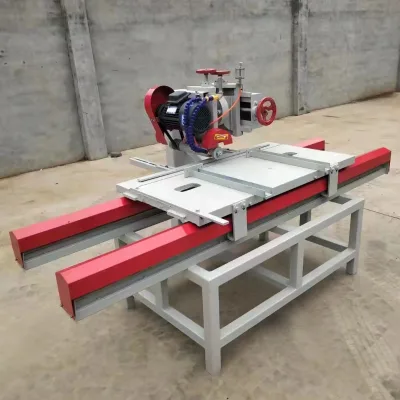
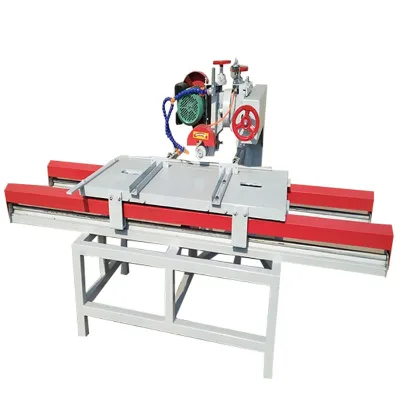
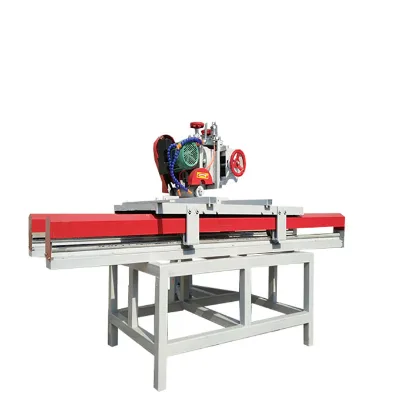
Porcelain Tile Cutter Ceramic Tile Cutting Machine Motor Tile Cutter
$1299.00 - $1399.00
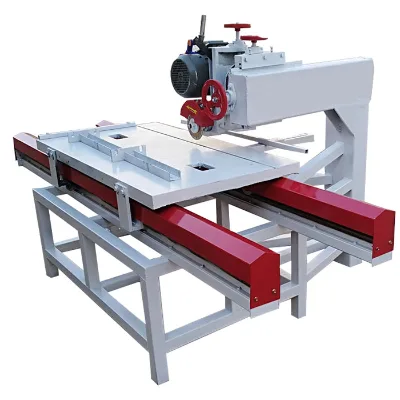
Multi-functional Ceramic Processing Machine Tile Marble Cutting Machine
$1250.00 - $1350.00
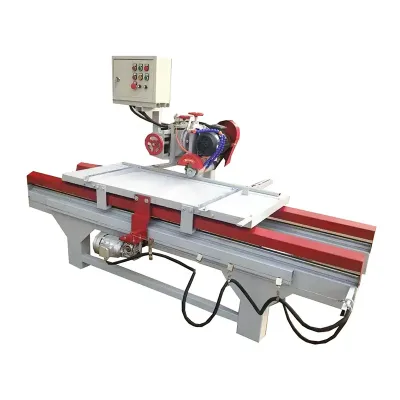

QUANZHOU XINHAINENG MACHINERY CO., LTD.
- Verified by SGS
- Manufacturer
- China Fujian
- Lead time30 days
- Avg. response≤ 3h
Main productsStone Bridge Saw, Stone Cutting Machine, Stone Polishing Machine, Stone Engraving Machine, Stone Thin Veneer Saw, Stone Quarry Machine, Stone Profiling Machine, Stone Machinery
Main marketsDomestic

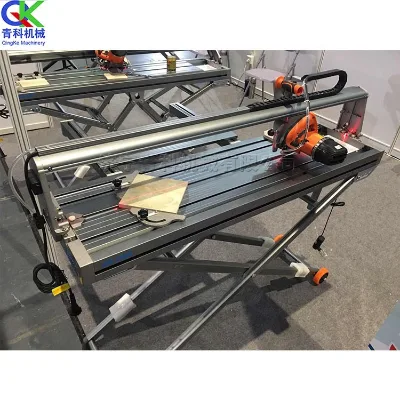
Intelligent Double Head Marble Slab Tile Cutting Machine Laser Ceramic Tile Cutter
$3500.00
MOQ: 1 Pieces

Electric 45 Degree Ceramic Granite Marble Tile Cutter 1200mm Tile Cutting Machine
$1050.00 - $1150.00
MOQ: 1 Pieces

Haineng Stone Machinery Marble Granite Tile Cutter Ceramic Tile Cutting Machine
$1050.00 - $1150.00
MOQ: 1 Pieces

Excellent Quality Marble Tile Cutter Electric Marble Stone Ceramic Tile Cutting Machine
$1050.00 - $1150.00
MOQ: 1 Pieces

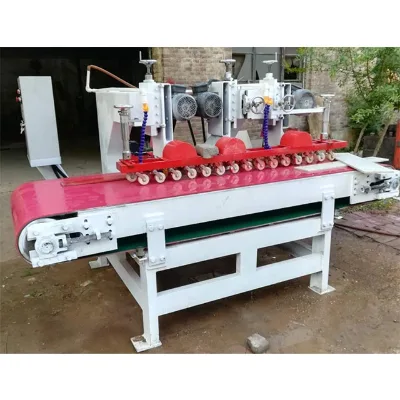
Automatic Ceramic Floor Tile Cutter Multi-Blades Mosaic Tile Cutting Machine
$6350.00 - $6550.00
MOQ: 1 Pieces

Multifunctional Stone Tile Cutter CE Granite Marble Cutter Stone Cutting Machine
$1050.00 - $1150.00
MOQ: 1 Pieces
Foshan Bao Tao Machine & Equipment Co., Ltd.
- Verified by SGS Group
- Manufacturer, Trading Company
- Lead time7 days
- Avg. response≤ 2h
Main productsCeramic Tile Cutting Machine, Tile Edge Polishing Machine, Water Jet Cutting Machine, Tile Chamfering Machine, Stone Machine
Main marketsDomestic Market(40%), Southeast Asia(16%), Mid East(16%)
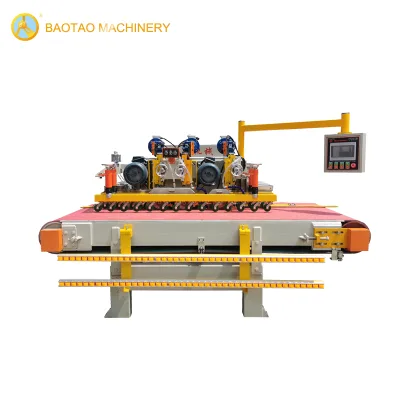
$10999.00 - $11900.00
MOQ: 1 sets
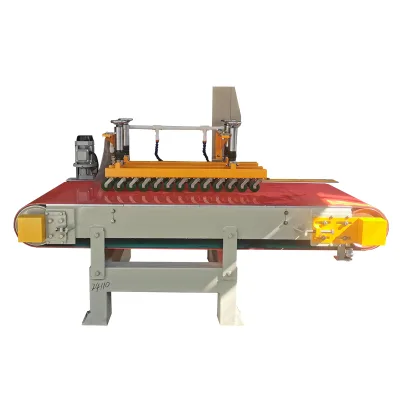
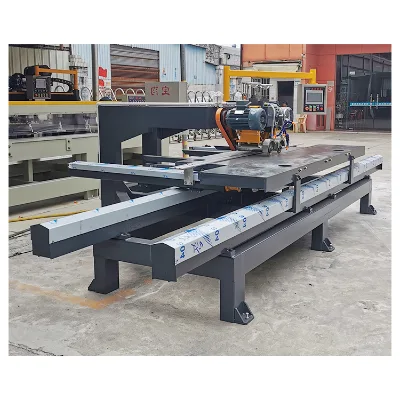
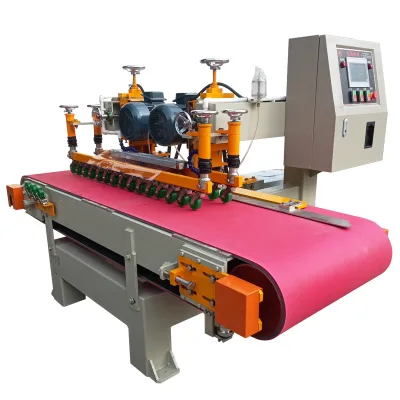
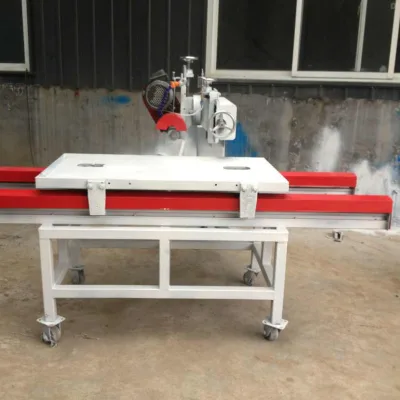
New Design Cutting Ceramic Tile Machinery Line Marble Processing Machines Ceramics
$6976.8377 - $7386.2146
MOQ: 1 sets
Zhengzhou Share Machinery Co., Ltd.
- Trading Company
- Henan, China
- Lead time7 days
- Avg. response≤ 3h
Main productsConstruction Machinery/Industrial Machinery/Printing Machinery
Main marketsSouth America(20.00%), North America(20.00%), Africa(10.00%), Southeast Asia(10.00%), Eastern Europe(10.00%), Oceania(7.00%), South Asia(5.00%), Southern Europe(5.00%), Central America(5.00%), Western Europe(2.00%), Eastern Asia(2.00%), Northern Europe(2.00%), Mid East(2.00%)

Ningbo Zhixin Metal Product Co., Ltd
- Verified by TUVRHEINLAND
- Trading Company,Manufacturer/Factory
- China Zhejiang
- Lead time0 days
- Avg. response≤ 7h
Main productsFastener, Tool Set, Sheet Metal Fabrication, Metal Stamping Part, CNC Machining Parts


Professional Tools Manual Tile Cutter Tiles Marble Cutter Machine with Laser Function
$58.60 - $60.50
MOQ: 20 Pieces

Industrial Grade Ergonomic Handle Perfect Countertop Making Ceramic Tile Cutter Tool Machine
$83.25 - $86.80
MOQ: 20 Pieces

Zhengzhou Kovi Machinery Co., Ltd
- Verified by TUVRHEINLAND
- Manufacturer/Factory
- China Henan
- Lead time15 days
- Avg. response≤ 5h
Main productsFiber Opening Machine, Toy Stuffing Machine, Paper Tube Cutting Machine, Fabric Pleating Machine, Glass Edging Machine, Fiber Carding Machine, Pipe Punching Machine, Ball Fiber Machine, Cotton Opening Machine, Textile Waste Recycling Machine
Main marketsSouth America,Eastern Europe,Mid East,North America,Southeast Asia,Eastern Asia,Oceania,Western Europe,Africa

$1200.00 - $1400.00
MOQ: 1 Sets


Jiangxi Huaqi Mechanical And Electrical Equipment Co., Ltd.
- Verified by Intertek
- Trading Company
- Lead time30 days
- Avg. response≤ 3h
Main productsPolisher, Cutting Saw, Banding Machine, Tile Cutting Machine, Sprayer
Main marketsDomestic Market(67%), South America(7%), Northern Europe(5%)
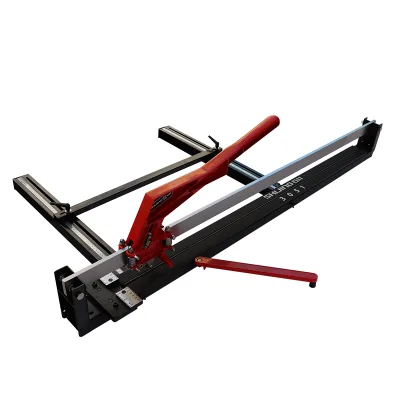
High Quality Manual Tile Cutter for Ceramic Granite Marble Dry Cutting Machine Stone Machinery
$44.6297 - $56.8196
MOQ: 2 sheets
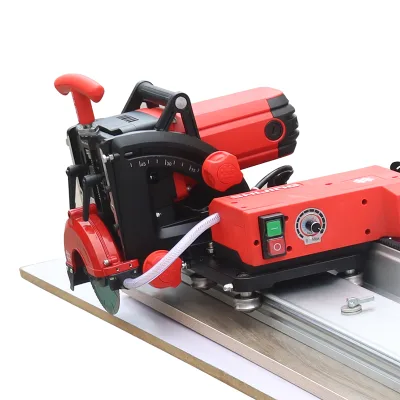
Manual Tile Cutter Marble High.tile.hand.cutter Granite Machine Long Track Tile Cutter
$815.1022 - $989.6923
MOQ: 2 pieces
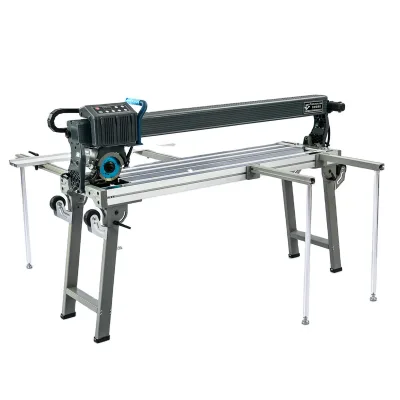
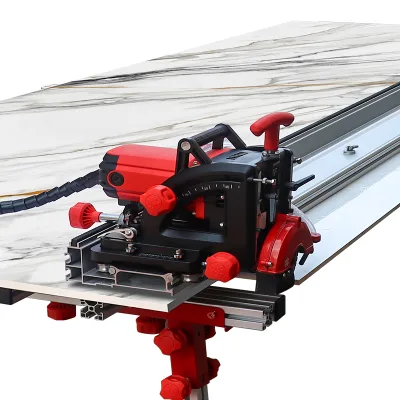
$815.1022 - $989.6923
MOQ: 2 pieces
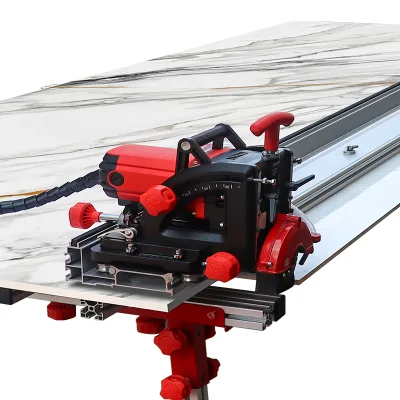
$811.1868 - $984.9389
MOQ: 2 pieces
Shandong keruide Heavy Machinery co.,ltd
- Verified by TüVRheinland
- Manufacturer, Trading Company
- Lead time3 days
- Avg. response≤ 4h
Main productsExcavator, Forklift, Skid Steer Loader, Tricycle, Road Roller
Main marketsDomestic Market(25%), North America(20%), Eastern Europe(20%)
Zhengzhou Jieyuan Machinery Manufacturing Co., Ltd.
- Trading Company
- Henan, China
- Lead time7 days
- Avg. response≤ 2h
Main productsCurtain machine,quilt machine,cotton fiber machine,Aluminum cutting machine,Pipe bending machine
Main marketsSouthern Europe(20.00%), Western Europe(20.00%), South Asia(10.00%), Africa(10.00%), Central America(10.00%), Mid East(5.00%), South America(5.00%), Northern Europe(5.00%), Southeast Asia(5.00%), North America(5.00%), Eastern Asia(5.00%)
Shandong Maytop Import & Export Co., Ltd.
- Verified by TüVRheinland
- Manufacturer, Trading Company
- Lead time3 days
- Avg. response≤ 3h
Main productsMini Excavator, Lawn Mower, Tractor, Loader, Spray Foam Machine
Main marketsNorth America(40%), Eastern Europe(15%), Western Europe(10%)
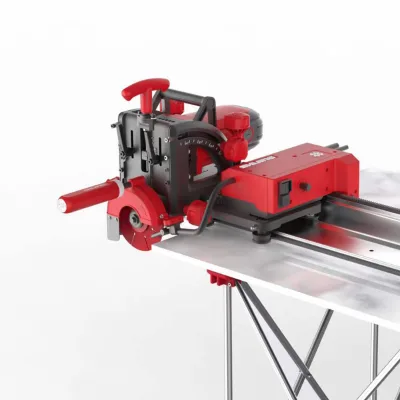
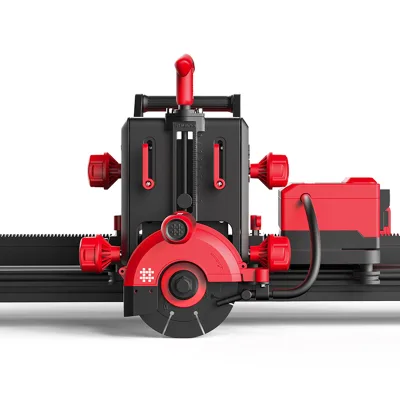
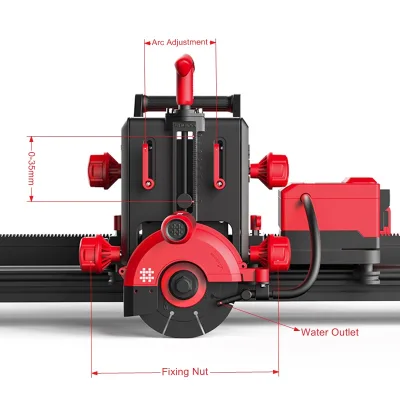
$350.00 - $1190.00
MOQ: 1 Minimum
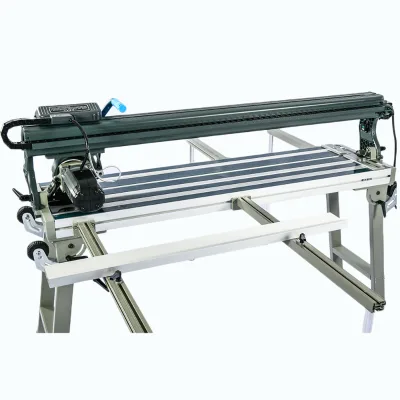
$350.00 - $1190.00
MOQ: 1 Minimum
$800.00 - $1100.00
MOQ: 1 Minimum

Hangzhou Vleader Tools Co., Ltd.
- Verified by CTI
- Combined
- China Zhejiang
- Lead time30 days
- Avg. response≤ 1h
Main productsPower Trowel, Table Saw, Concrete Floor Grinder, Diamond Tools, Post Driver, Floor Grinder, Floor Saw, Earth Auger, Wet/Dry Core Bits, Grinding Shoes/Cup Wheels
Main marketsSoutheast Asia/ Mideast,Domestic,Europe

Decoration Table Saw Tile Cutter for Ceramic Tile Marble Granite Cutting
$451.00 - $485.00
MOQ: 1 Pieces

Multi Material Table Saw Tile Cutter for Stone Brick Ceramic Tile Cut
$1032.00 - $1147.00
MOQ: 1 Pieces

Precision Marble Tile Stone Cutting Automatic Stone Cutter Bridge Saw Machine
$910.00 - $1008.00
MOQ: 1 Pieces


Large Capacity Tile Cutter with 600mm Cutting Length and 350mm Blade Size
$451.00 - $485.00
MOQ: 1 Pieces
- Verified by TüVRheinland
- Manufacturer, Trading Company
- Lead time10 days
- Avg. response≤ 2h
Main productsPlastic Tile Leveling System
Main marketsEastern Europe(40%), Mid East(20%), South America(10%)

Qingdao G & G Machinery Co., Ltd.
- Verified by TUVRHEINLAND
- Trading Company,Manufacturer/Factory
- China Shandong
- Lead time45 days
- Avg. response≤ 9h
Main productsLog Splitter, CNC Lathe, Concrete Mixer, Wood Chuck, Woodworking Turning Tools, Cutting Machine, Drilling&Milling Machine, Surface Grinder, Metal Band Saw
Main marketsSouth America,Eastern Europe,Mid East,North America,Southeast Asia,Eastern Asia,Oceania,Western Europe,Africa
Zhengzhou Kovi Machinery Co., Ltd.
- Verified by SGS Group
- Trading Company
- Lead time6 days
- Avg. response≤ 4h
Main productsFiber Opening Pillow Filling Machine, Quilting Machine, Fabric Rolling Machine, Paper Tube Cutting Machine, Fabric Pleating Machine
Main marketsNorth America(20%), South America(20%), Eastern Europe(15%)
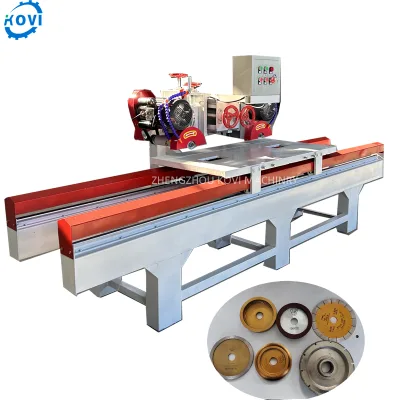
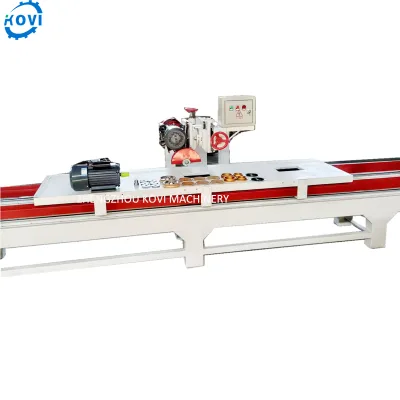
Professional Manual Ceramic Tile Cutter Machine for Cutting Tile
$1300.00 - $1400.00
Henan Share M&E Equipment Co.,Ltd
- Verified by SGS Group
- Trading Company
- Lead time7 days
- Avg. response≤ 3h
Main productsTextile Machinery, Printing Machinery, Construction Machinery, Wood Machinery
Main marketsNorth America(20%), South America(20%), Eastern Europe(10%)

- Trading Company,Manufacturer/Factory
- China Fujian
- Lead time0 days
- Avg. response≤ 9h
Main productsCutting Machine, Stone Cutting Machine, Edge Cutting Machine, Profiling Machine, Polishing Machine, Splitting Machine, Bridge Cutter, Grinding Machine, CNC Machine, CNC Cutting Machine


Automatic Mosaic Tile Cutting Machine Granite Marble Stone Processing Machinery
$6500.00 - $36500.00
MOQ: 1 Pieces

Hangzhou John Hardware Tools Co., Ltd
- Manufacturer, Trading Company
- Zhejiang, China
- Lead time60 days
- Avg. response≤ 10h
Main productsTile Cutting Machine, Large Format Slab System, Tile Carrying & Laying Tools, Grouting & Cleaning Tools, Tile Leveling Tools
Main marketsWestern Europe(30.00%), North America(27.00%), Eastern Europe(10.00%), Domestic Market(10.00%), South America(7.00%), Central America(7.00%), Southeast Asia(5.00%), Africa(3.00%), Mid East(1.00%)
Ningbo Dongrun Imp & Exp Co., Ltd.
- Verified by SGS Group
- Trading Company
- Lead time25 days
- Avg. response≤ 5h
Main productsHand Tools; Outdoor Equipment; Hardware; Power Tools
Main marketsNorth America(20%), South America(20%), Eastern Europe(10%)

Shanghai Hystrong Industrial Co., Ltd.
- Verified by SGS
- Trading Company
- China Shanghai
- Lead time30 days
- Avg. response≤ 3h
Main productsLog Splitter, Trencher, Drill Press, Table Saw, Wood Chipper, Magnetic Drill Press, Band Saw, Miter Saw, Log Saw, Wood Lathe
Main marketsSouth America,Southeast Asia/ Mideast,Europe

Yuyao Goldsen International Trade Co., Ltd.
- Verified by TUVRHEINLAND
- Manufacturer/Factory
- China Zhejiang
- Lead time30 days
- Avg. response≤ 5h
Main productsPower Tools, Electric Cordless Impact Drill, Angle Grinder, Rotary Hammer Drill Demlition Breaker, High Pressure Washer Cleaner, Airless Paint Sprayer Spray Gun Machine, Spray Tan Tanning Machine, Hot Air Heat Gun, Chainsaw Sharpener Grinder Machine, Wood Working Tools Miter Saw
Main marketsSouth America,Eastern Europe,Mid East,North America,Southeast Asia,Eastern Asia,Oceania,Western Europe,Africa

High-Efficiency 1400W Marble Cutter Fast Cutting for Marble Tile Stone Ceramic Construction
$15.90 - $16.50
MOQ: 1000 Pieces

Industrial 1450W Marble Cutter High Precision Cutting for Marble Tile Stone Ceramic
$16.90 - $17.50
MOQ: 1000 Pieces

Ningbo Sanding Edge Mechatronics Industry and Trade Co., Ltd
- Verified by SGS
- Combined
- China Zhejiang
- Lead time30 days
- Avg. response≤ 9h
Main marketsAfrica,Southeast Asia/ Mideast,Europe,North America


High Cost-Effective Tile Cutter Beautiful Practical for Efficient Ceramic Cutting
$35.00 - $55.00
MOQ: 500 Pieces

Jining Qingke Machinery Co., Ltd.
- Manufacturer, Trading Company
- Lead time旺季: "1 - 100":1,"> 100":"To be negotiated", 淡季: "1 - 100":1,"> 100":"To be negotiated"
- Avg. response≤ 4h
Main productsExcavator, Forklift, Skid Steer Loader, Tricycle, Road Roller

Zhejiang Haigong Machinery Co., Ltd.
- Verified by BV
- Combined
- China Zhejiang
- Lead time30 days
- Avg. response≤ 7h
Main productsArc Edge Polishing Machine, Titles Cutting Machine, Line Polishing Machine, Specialty Line Polishing Machine, Automatic Edge Grinding Machine, Automatic Bridge Cutting Machine, Infrared Automatic Bridge Cutting Machine, PLC Automatic Profiling Machine, Bridge Grinding Machine, Stone Cutting Machine
Main marketsSouth America,Southeast Asia/ Mideast,East Asia(Japan/ South Korea),Europe,Australia,North America

Multi-Function Granite Cutting Machine with Tile Cutter for Ceramic Tiles
$11000.00 - $17000.00
MOQ: 1 Set

Efficient Granite Cutting Machine and Water Cooling Tile Cutter for Ceramic
$11000.00 - $17000.00
MOQ: 1 Set

Jiangxi Zhongli Superhard Materials Tools Co., Ltd.
- Combined
- China Jiangxi
- Lead time15 days
- Avg. response≤ 11h
Main productsDiamond Tool
Main marketsSouth America,Africa,Southeast Asia/ Mideast,East Asia(Japan/ South Korea),Domestic,Europe,Australia,North America
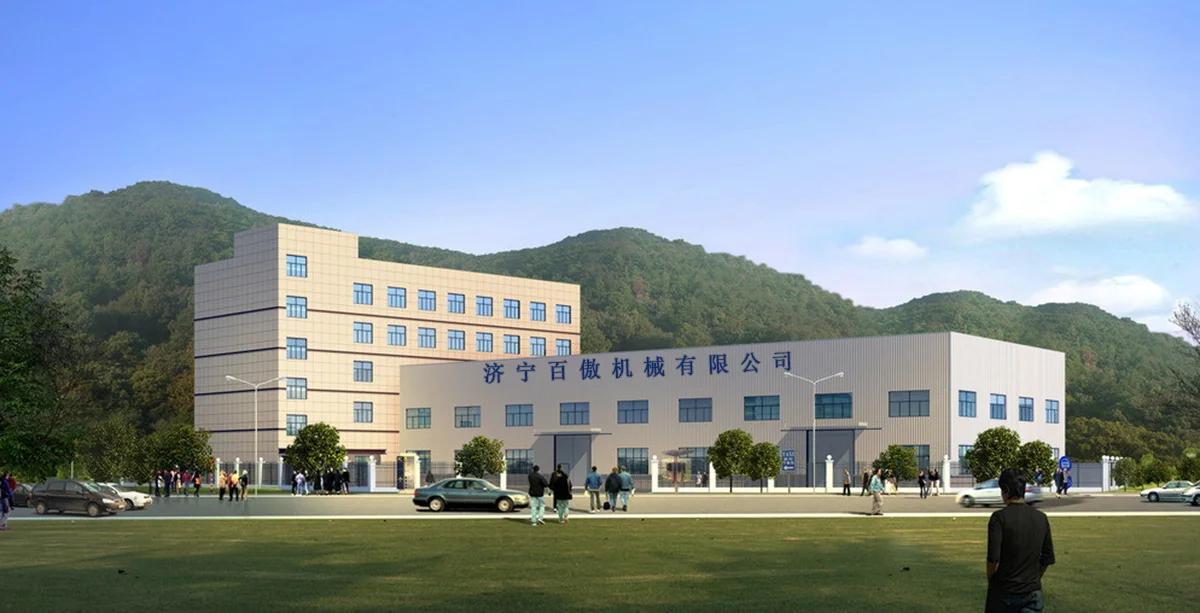
Jining Better Origin Machinery Co., Ltd.
- Trading Company
- Shandong, China
- Lead time7 days
- Avg. response≤ 3h
Main productsPackaging machinery,Cutting machinery,Hardware tools
Main marketsNorth America(20.00%), Western Europe(15.00%), Northern Europe(10.00%), South America(10.00%), Africa(10.00%), Southeast Asia(10.00%), Eastern Europe(10.00%), Southern Europe(5.00%), Mid East(5.00%), Oceania(5.00%)
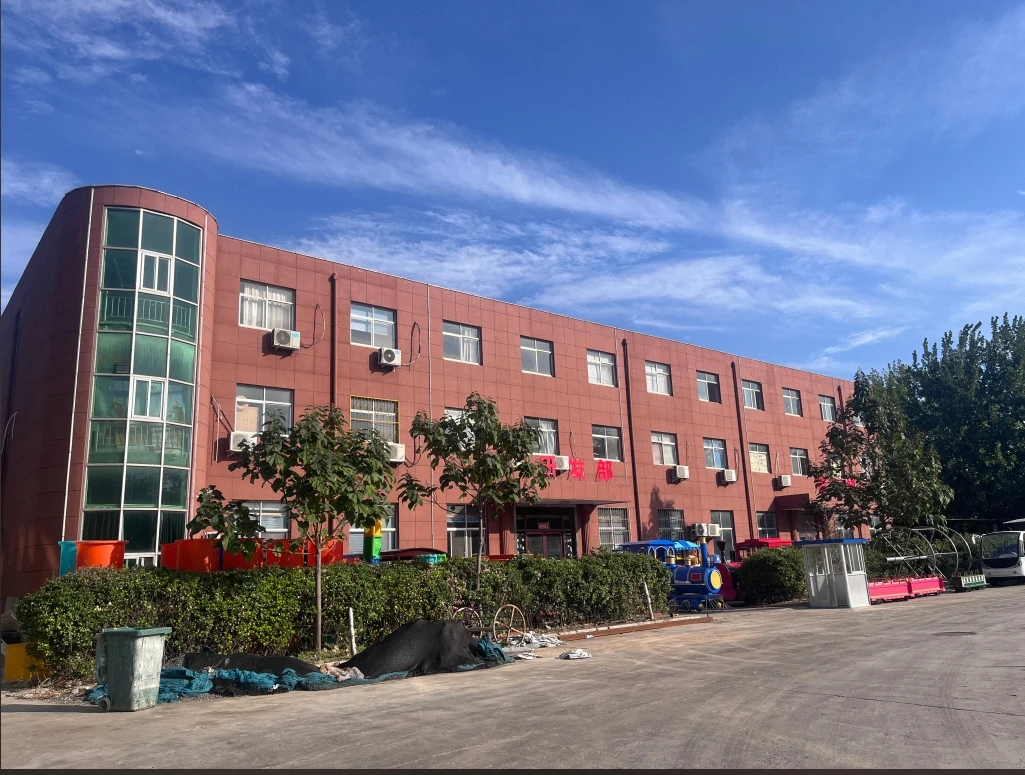
Henan Gongcheng Machinery Equipment Co., Ltd.
- Trading Company
- He Nan Sheng, China
- Lead time0 days
- Avg. response≤ 1h
Main productsStone cutting machine,Stone processing equipment,Infrared cutting machine,Stone cutting machine,Waste cutting machine
Main marketsSoutheast Asia(25.00%), North America(25.00%), South America(20.00%), Eastern Europe(15.00%), Africa(10.00%)

Shandong Pinjia Machinery Technology Co., Ltd.
- Manufacturer, Trading Company
- Shandong, China
- Lead time3 days
- Avg. response≤ 4h
Main productsForklift,excavator,seed planting,spayer machine,construction machine
Main marketsSoutheast Asia(25.00%), Africa(21.00%), Eastern Europe(14.00%), North America(12.00%), Domestic Market(8.00%), South America(8.00%), Mid East(6.00%), Oceania(3.00%), Northern Europe(3.00%)
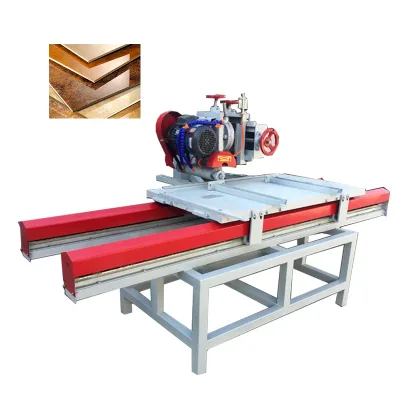
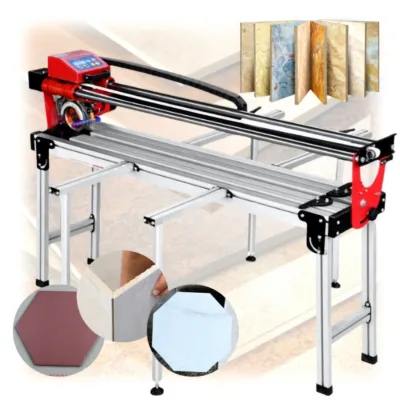
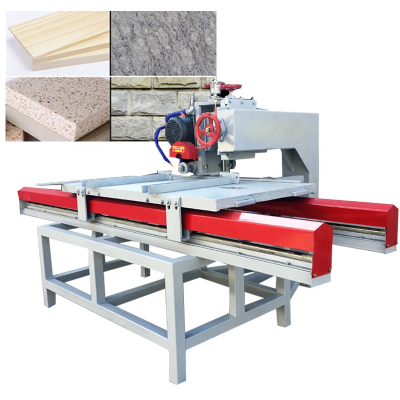
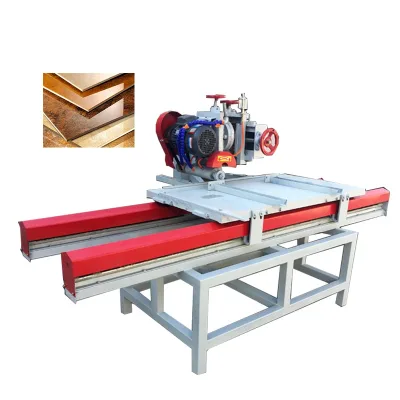


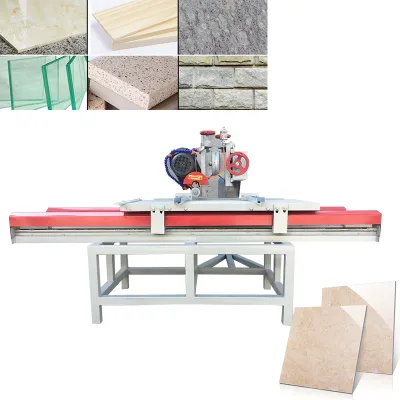
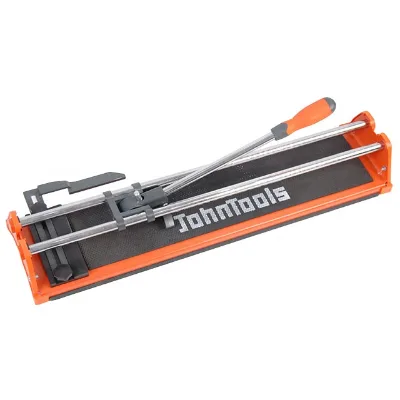
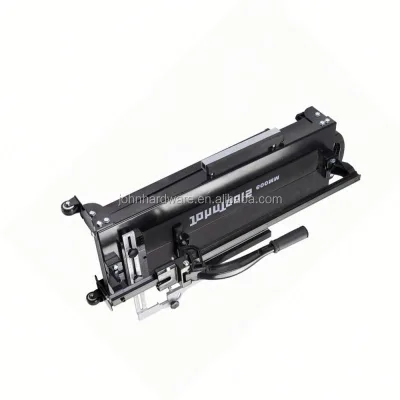
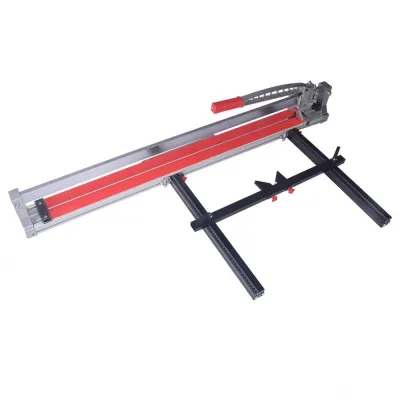




Comprehensive Sourcing Guide
Automatic Marble Ceramic Tile Cutter Supplier Concentration and Factory Types
The current supplier landscape for automatic marble ceramic tile cutters reveals a diverse mix of manufacturing capabilities and business models. Many suppliers operate as combined entities, functioning as both manufacturers and trading companies, which allows them to offer broader product ranges while maintaining direct control over production. This dual role is evident in the variety of main products listed, which often extend beyond tile cutters to include compressors, air pumps, and other machinery. Such diversification suggests that these factories possess versatile engineering resources capable of adapting to different mechanical requirements. Buyers should recognize that a supplier listing multiple machinery types may have specialized assembly lines for tile cutting equipment, but they might also rely on third-party components for specific parts. Understanding this structural flexibility is crucial for assessing whether a supplier can meet custom specifications or if they are limited to standard catalog items. The presence of both manufacturer and trading company labels indicates that some entities may source from external workshops while others handle in-house fabrication. This distinction impacts quality control processes and supply chain transparency. Buyers must determine if the supplier’s primary focus is on high-volume production of standard models or if they have the capacity for low-volume, high-customization orders. The concentration of these varied business types in the results suggests a competitive market where differentiation is achieved through service levels, technical support, and product versatility rather than exclusive specialization in a single machine type.
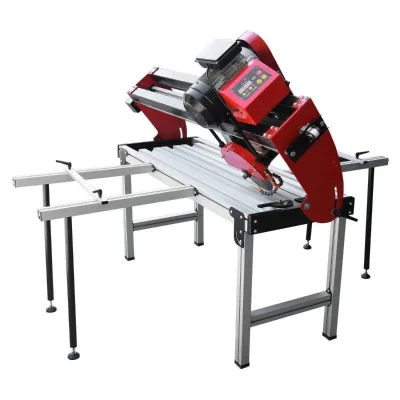
In addition to business model variations, the technical specifications of the products highlight a split between manual and automated solutions. While the core keyword focuses on automatic cutters, many listed products are described as manual or portable, indicating that suppliers often bundle different tiers of equipment. For instance, some listings feature CNC cutting machines with low-speed cutting abilities, while others describe motorized desktop units with specific voltage requirements. This product mix implies that suppliers may not be dedicated solely to automatic systems but rather serve a broader construction and hardware market. The inclusion of keywords like "ceramic tile cutter" alongside "stone cutting machine" further broadens the scope, suggesting that these suppliers cater to both residential renovation and industrial construction needs. Buyers should be aware that a supplier offering both manual and automatic options may have different quality standards for each line. The automatic models, such as those with 3 kW power ratings and video technical support, likely require more rigorous testing and certification processes compared to simpler manual tools. This variance in product complexity means that buyers evaluating automatic marble ceramic tile cutters must carefully distinguish between the supplier’s core competencies. A supplier strong in manual tool manufacturing might not have the same depth of expertise in automated CNC systems. Therefore, assessing the specific product evidence for automatic features is essential to ensure the supplier can deliver the advanced functionality required for high-precision marble and ceramic cutting tasks.
How to Verify Automatic Marble Ceramic Tile Cutter Suppliers
Verifying the legitimacy and capability of suppliers requires a multi-layered approach that goes beyond surface-level listings. One critical step is to check for third-party verification badges, such as TüVRheinland, which indicate that an independent agency has audited the supplier’s operations. This verification provides a baseline of trust regarding the company’s legal status and business practices. However, verification alone does not guarantee product quality or technical competence. Buyers should also examine the supplier’s response time, which serves as an indicator of operational efficiency and customer service readiness. A response time of around three to five hours suggests a responsive team, which is vital for resolving technical queries about machine specifications or troubleshooting potential issues. Additionally, buyers should look for detailed product attributes that demonstrate technical transparency. For example, listings that specify core components like motors, voltage ratings (220V/380V), and power consumption (3 kW) show a higher level of detail than generic descriptions. These specifics allow buyers to assess whether the machine meets their facility’s electrical and operational requirements. Suppliers that provide comprehensive data on machine dimensions, weight, and processing thickness are more likely to be reliable partners who understand the technical nuances of their products.
Beyond technical details, buyers should scrutinize the after-sales service provisions and warranty terms offered by suppliers. Automatic marble ceramic tile cutters are complex machines that require ongoing maintenance and support. Suppliers that explicitly state they provide video technical support, online service, or a one-year warranty demonstrate a commitment to long-term customer satisfaction. The availability of machinery test reports and video outgoing-inspections is another strong indicator of quality control. These documents provide evidence that the machine has been tested for performance and safety before shipment. Buyers should request these reports to verify that the machine meets the stated specifications, such as processing width and saw blade diameter. Furthermore, checking for relevant certifications is essential, especially for machinery that will be used in industrial settings. Certifications like CE mark compliance indicate that the product meets European safety and health standards, which is crucial for buyers in regulated markets. If a supplier lacks these certifications or test reports, buyers should inquire about the reasons and consider the potential risks of non-compliance. By combining verification badges, response metrics, technical transparency, and service guarantees, buyers can build a comprehensive profile of a supplier’s reliability. This holistic verification process helps mitigate the risk of partnering with suppliers who may lack the necessary infrastructure to support complex automatic cutting equipment.
What to Compare Across Automatic Marble Ceramic Tile Cutter Suppliers
When evaluating multiple suppliers, buyers must compare key operational metrics to determine the best fit for their procurement needs. One of the most significant factors is the lead time, which varies considerably among suppliers. Some suppliers offer a lead time of 15 days, while others may require 30 days or more. This difference can impact production schedules and inventory management, making it crucial for buyers to align supplier lead times with their project deadlines. Additionally, the minimum order quantity (MOQ) is a critical consideration, especially for smaller businesses or those testing new equipment. MOQs can range from as low as 20 units to 100 units or higher. Buyers should assess whether the MOQ aligns with their budget and storage capacity. Suppliers with lower MOQs may be more flexible for trial orders, while those with higher MOQs might offer better economies of scale. Another important metric is the price range, which can vary widely based on machine specifications and automation levels. For instance, basic manual or semi-automatic units may start at a lower price point, while fully automatic CNC machines with advanced features can cost significantly more. Buyers should compare prices not just on the unit cost but also on the total value proposition, including warranty, support, and included accessories.
Beyond operational metrics, buyers should compare the customization capabilities and main product focus of each supplier. Some suppliers offer OEM and ODM services, allowing for custom branding and design modifications. This capability is valuable for buyers looking to create a unique product line or integrate specific features into their machinery. Suppliers that list "customization available" in their product attributes are more likely to accommodate specific requirements. Additionally, the supplier’s main product portfolio can indicate their expertise. A supplier whose main products include a wide range of machinery, such as compressors and sanders, may have broader engineering resources but less specialized focus on tile cutters. In contrast, a supplier focusing primarily on stone and tile machinery may offer more specialized support and higher quality control for their core products. Buyers should also compare the response time, as faster responses can facilitate quicker negotiations and problem resolution. By systematically comparing lead times, MOQs, prices, customization options, and product focus, buyers can identify suppliers that best match their specific operational and financial requirements. This comparative analysis ensures that the selected supplier can deliver the right balance of cost, speed, and quality for the Automatic Marble Ceramic Tile Cutter procurement.
Common Automatic Marble Ceramic Tile Cutter Sourcing Risks
Sourcing automatic marble ceramic tile cutters involves several potential risks that buyers must proactively manage. One significant risk is the mismatch between advertised specifications and actual product performance. Suppliers may list machines with high automation levels, such as CNC control, but the actual cutting ability might be limited to low-speed operations or specific material types. This discrepancy can lead to inefficiencies in production if the machine cannot handle the required throughput or material hardness. Buyers should verify these specifications through detailed product attributes and, if possible, request video demonstrations or test reports. Another risk is the variability in after-sales support. While some suppliers offer video technical support and online service, others may have limited or no support infrastructure. Automatic machines require regular maintenance and troubleshooting, so a lack of robust support can lead to prolonged downtime and increased operational costs. Buyers should assess the supplier’s support capabilities by reviewing their warranty terms and the availability of spare parts. Additionally, the risk of non-compliance with safety standards is a concern, especially for machinery used in industrial environments. If a supplier lacks necessary certifications like CE, the machine may not meet local regulatory requirements, leading to legal and safety issues.
Furthermore, buyers face the risk of supply chain disruptions, particularly if the supplier relies on external components or has limited production capacity. Suppliers that are both manufacturers and trading companies may have complex supply chains that are vulnerable to delays. The lead time variability, ranging from 15 to 30 days, indicates potential instability in production scheduling. Buyers should inquire about the supplier’s production capacity and inventory management practices to mitigate this risk. Another risk is the quality inconsistency across different product lines. Suppliers offering both manual and automatic machines may have different quality control standards for each line. Buyers should ensure that the automatic machines undergo rigorous testing, such as machinery test reports and video outgoing-inspections, to guarantee consistent quality. Additionally, the risk of hidden costs, such as shipping, customs duties, and installation fees, can impact the total cost of ownership. Buyers should clarify all costs upfront and include them in their budget planning. By identifying and addressing these risks through thorough verification, clear communication, and detailed contract terms, buyers can protect their investments and ensure a smooth sourcing process for automatic marble ceramic tile cutters.
Automatic Marble Ceramic Tile Cutter Regional Sourcing and Logistics
Regional sourcing plays a crucial role in determining the logistics and cost structure for automatic marble ceramic tile cutters. Many suppliers are located in China, specifically in regions like Zhejiang and Henan, which are known for their manufacturing clusters. Sourcing from these regions can offer advantages in terms of cost efficiency and supply chain maturity. However, buyers must consider the logistical implications of importing machinery from these locations. Shipping large and heavy equipment, such as tile cutting machines that can weigh up to 500 kg, requires careful planning to ensure safe and timely delivery. Buyers should work with suppliers who have experience in international shipping and can provide accurate estimates for freight costs and delivery times. Additionally, the origin of the machine can impact the availability of local service and support. Suppliers in China may have established networks for exporting, but buyers in other regions should verify if the supplier offers local installation and training services. If not, buyers may need to arrange for third-party support, which can add to the overall cost and complexity of the procurement process.
Another aspect of regional sourcing is the impact of local regulations and standards on the machinery. Suppliers in different regions may adhere to different safety and quality standards, which can affect the machine’s compatibility with local regulations. For example, machines certified for the European market may have specific electrical and safety features that differ from those intended for other regions. Buyers should ensure that the machine they purchase meets the regulatory requirements of their operating location. This may involve verifying certifications like CE or other local standards. Additionally, the regional sourcing decision can influence the supplier’s responsiveness and communication. Suppliers in the same time zone as the buyer may offer faster response times and easier coordination. However, many suppliers are located in China, which may present time zone challenges. Buyers should assess the supplier’s communication practices and ensure they have a reliable point of contact for ongoing support. By carefully considering the regional aspects of sourcing, including logistics
FAQs
What is the price range for automatic marble ceramic tile cutters?
Prices for these machines vary significantly based on automation and capacity. Manual models range from $15 to $37, while motorized desktop units cost between $1,299 and $1,399. Heavy-duty industrial cutters can reach up to $3,200. Buyers should verify specific model specifications to determine the exact cost for their production needs.
What is the typical lead time for manufacturing these machines?
Manufacturing lead times generally span 15 to 30 days depending on the supplier and order volume. Some manufacturers offer faster turnaround times for standard models, while customized or complex CNC cutting machines may require the full month. Buyers should confirm the specific delivery schedule with the supplier before placing an order to ensure timely project completion.
What is the minimum order quantity for these tile cutters?
Minimum order quantities vary by machine type. Manual tile cutters typically require a minimum of 100 units, whereas motorized or industrial automatic cutters often have a lower MOQ of 20 units. Buyers should check the specific product listing for the exact minimum quantity required, as bulk orders may qualify for different pricing tiers.
What certifications are available for these industrial cutting machines?
Some suppliers provide machines certified under the 2006/42/EC directive and carry CE marks, ensuring compliance with European safety standards. Machinery test reports and video outgoing inspections are also provided by certain manufacturers. Buyers should request these documents to verify that the equipment meets the specific regulatory requirements for their target market.
What is the average response time for supplier inquiries?
Supplier response times typically average around 3 to 5.58 hours. Faster response rates indicate active sales teams ready to assist with technical questions and quotations. Buyers should expect prompt communication when inquiring about automatic marble ceramic tile cutters, allowing for efficient negotiation and clarification of product specifications during the sourcing process.
What materials can these automatic tile cutters process?
These machines are designed to cut various hard materials including marble, jade stone, and ceramics. They handle processing thicknesses ranging from 6mm to 25mm. The cutting width and length capabilities vary by model, with some units supporting up to 1200mm in length. Buyers should select a model that matches their specific material and size requirements.