Customized Eco-Friendly PVC Woven Patch Suppliers and Manufacturers
Source 28 verified suppliers for customized eco-friendly pvc woven patch products. Compare response times, lead times, certifications like Oeko-Tex 100, and pricing to find the right partner. Filter results to request samples and verify manufacturing capabilities; review the available evidence before requesting comparable quotations from suitable candidates.
Updated
Suppliers List
Dongguan Saiming Garment Accessories Co., Ltd.
- Verified by TüVRheinland
- Manufacturer, Trading Company
- Lead time7 days
- Avg. response≤ 2h
Main productsWoven Label, Woven Patch, Care Label, Printing Label, Embroidery Patch
Main marketsNorth America(10%), South America(10%), Eastern Europe(10%)
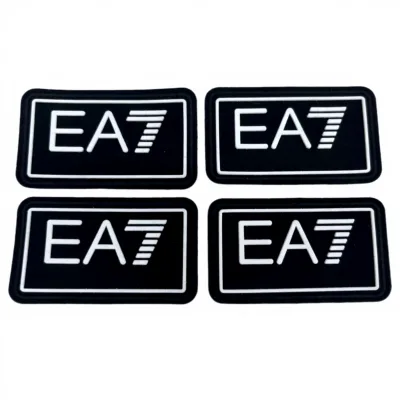
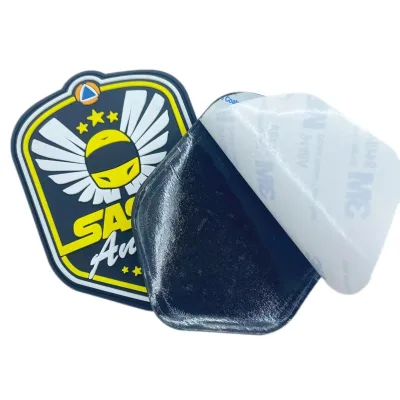
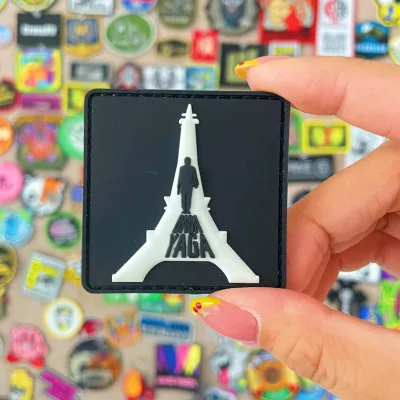
Pvc Patches Custom logo with Hook and Loop Wholesales High Quality Pvc Patch for Hat
$0.3635 - $0.8303
MOQ: 100 pieces
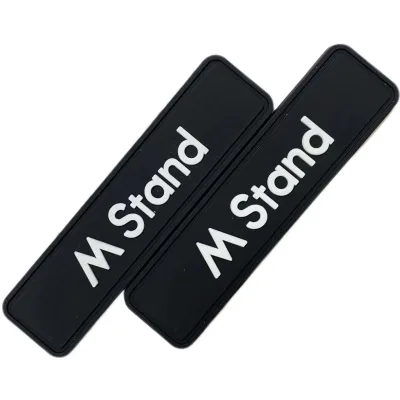
Wholesale Custom Logo PVC Patches Rectangle Sew-On PVC Patches for Clothing
$0.40 - $1.00
MOQ: 100 pieces
Zhongshan He Yang Craft Gifts Co., Ltd.
- Verified by SGS Group
- Manufacturer, Trading Company
- Lead time12 days
- Avg. response≤ 1h
Main productsEmbroidery patch, woven label patch, Chenille patch, Sequin patch, Clothing Label
Main marketsNorth America(25%), Western Europe(25%), Eastern Europe(9%)
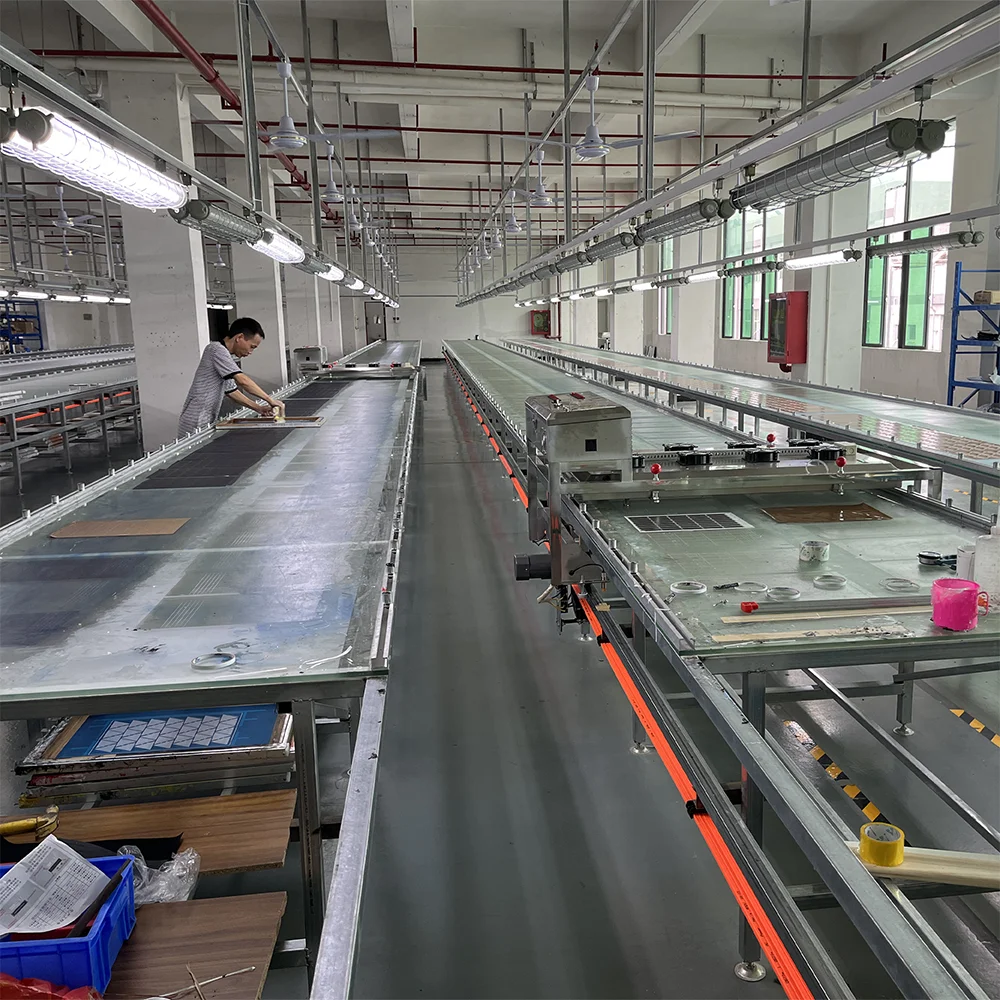
Dongguan Jia Dian Clothing Accessories Co., Ltd.
- Manufacturer, Trading Company
- Guangdong, China
- Lead time7 days
- Avg. response≤ 3h
Main productsSilicone patch,Luggage hanging decorations,silicone bracelet,Craft gift decorations,TPU patch
Main marketsEastern Europe(15.00%), Mid East(10.00%), Africa(10.00%), Southeast Asia(10.00%), North America(10.00%), South America(10.00%), Domestic Market(5.00%), South Asia(5.00%), Southern Europe(5.00%), Northern Europe(5.00%), Central America(5.00%), Western Europe(5.00%), Eastern Asia(5.00%), Oceania(5.00%)
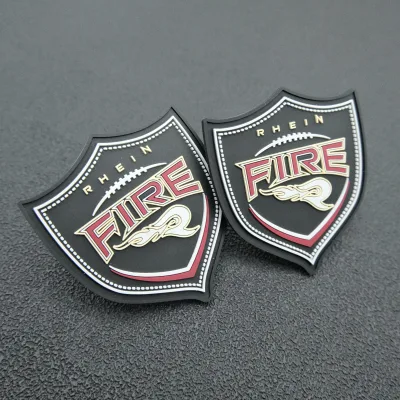
$0.37 - $0.40

Zhongshan Yingying Textile Co., Ltd.
- Verified by SGS
- Manufacturer
- China Guangdong
- Lead time15 days
- Avg. response≤ 2h
Main productsPatch, Keychain, Sequin Patch, Towel Embroidery Patch, Embroidery Patch, Embroidery Keychain, Woven Label Patch, Woven Patch, Woven Keychain, Lanyard

Customized Shape PVC Custom Rubber Patch Customizable Patches with High Quality
$0.35 - $0.45
MOQ: 1 Pieces


Pantone Solid Coated PVC Custom Patch Customizable Patches with Cheap Price
$0.35 - $0.45
MOQ: 1 Pieces


Wenzhou Guda Technology Co., Ltd.
- Verified by BV
- Combined
- China Zhejiang
- Lead time30 days
- Avg. response≤ 4h
Main marketsEurope

Customized Eco-Friendly Soft Rubber Labels PVC Waterproof Rubber Patches
$0.025 - $0.10
MOQ: 500 Pieces

Customizable Color PVC Rubber Environmentally Friendly 3D Rubber PVC Patch
$0.35 - $0.50
MOQ: 500 Pieces


High-Quality Customized PVC Rubber Patches in Various Styles and Rich Colors
$0.20 - $0.45
MOQ: 500 Pieces

$0.025 - $0.10
MOQ: 500 Pieces

Hangzhou Jiugui Garment Accessories Co., Ltd.
- Verified by CTI
- Trading Company,Manufacturer/Factory
- China Zhejiang
- Lead time15 days
- Avg. response≤ 7h
Main productsWoven Label, Hang Tag, Embroidery Patch, Leather Patch, Stickers, Seal Tag, Grosgrain Ribbon, Tote Bag, Printing Label
Main marketsSouth America,Eastern Europe,Mid East,Southeast Asia,Eastern Asia,Oceania,Western Europe,Africa

Eco-Friendly New Design Customized Embossed Logo Silicone PVC 3D Soft Rubber Patches for Garment
$0.011 - $0.03
MOQ: 100 Pieces

- Verified by Intertek
- Trading Company
- Henan, China
- Lead time7 days
- Avg. response≤ 3h
Main productsPromotional Lanyards, Metal Pin, Canvas Bags, Baseball Caps, Metal Key Chains
Main marketsNorth America(60%), Western Europe(30%), Domestic Market(10%)
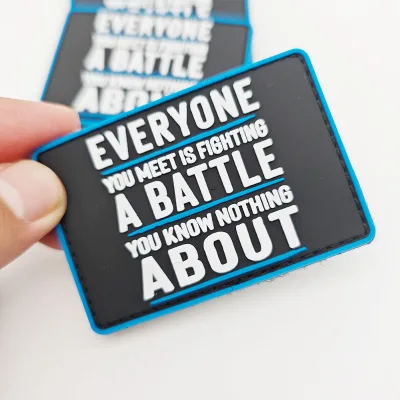
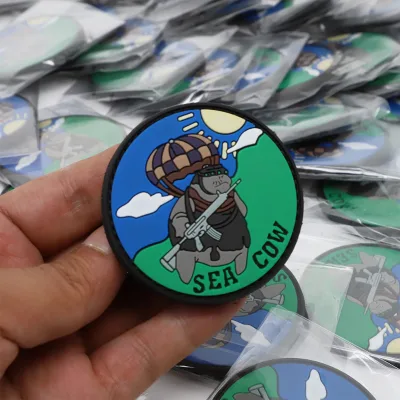
$0.30 - $0.85
MOQ: 100 pieces
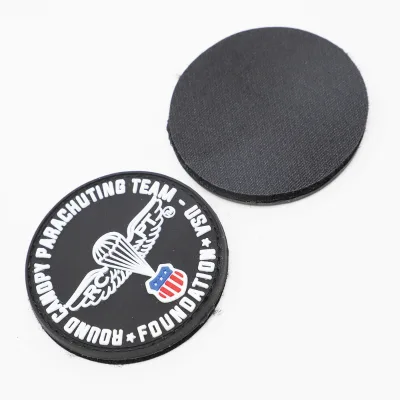
Custom Waterproof Eco-Friendly Recycled PVC Patch - Sustainable Velcro Attachment for Outdoor Brands
$0.35 - $0.95
MOQ: 100 pieces

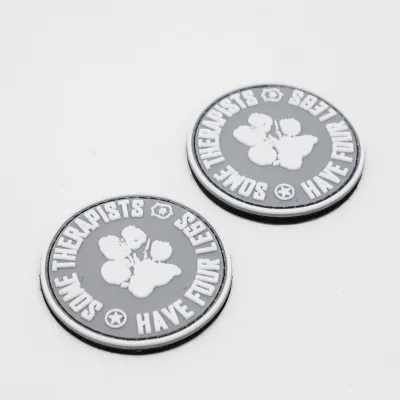
$0.35 - $0.95
MOQ: 100 pieces
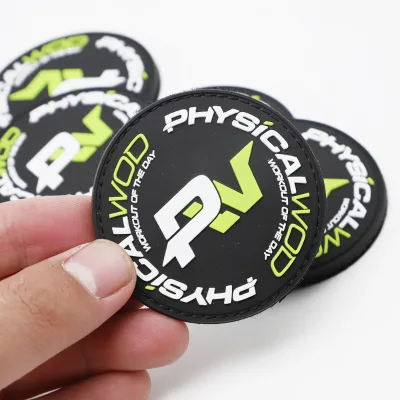

- Trading Company,Manufacturer/Factory
- China Zhejiang
- Lead time23 days
- Avg. response≤ 6h
Main productsKeychain, Patch, Paper Air Freshener, Car Perfume Bottle, Stickers, Badge, Packaging Box, Air Freshener Bottle
Main marketsSouth America,Eastern Europe,Mid East,North America,Southeast Asia,Eastern Asia,Western Europe
Guangzhou Kaki Crafts Co., Ltd.
- Verified by TüVRheinland
- Manufacturer, Trading Company
- Lead time15 days
- Avg. response≤ 3h
Main productsPVC Patch, TPU Patch Label, Silicone Printing Patch, Silicone Heat Transfer Label, Leather Patch
Main marketsNorth America(40%), South America(10%), Oceania(10%)

Custom Eco-Friendly PVC Patch Label for Clothing No Minimum Order Required
$0.3905 - $0.5849
MOQ: 100 pieces
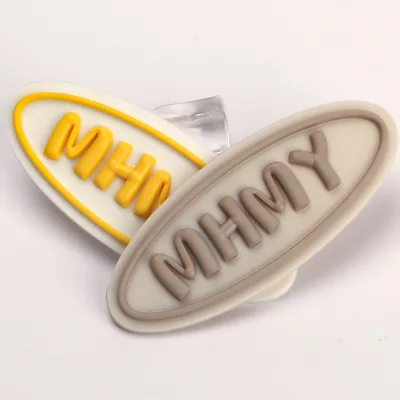
Oem Free Design Eco-Friendly Rubber/PVC Patch Custom Embossed 3D Iron-On Patches
$0.2154 - $0.5131
MOQ: 100 pieces
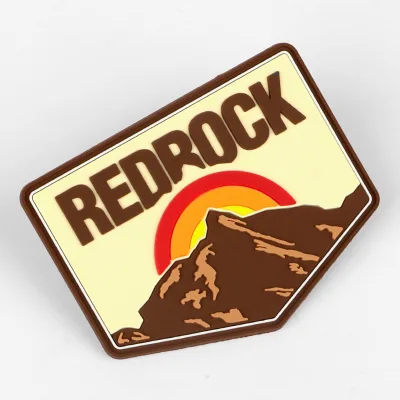
$0.1646 - $0.392
MOQ: 100 pieces
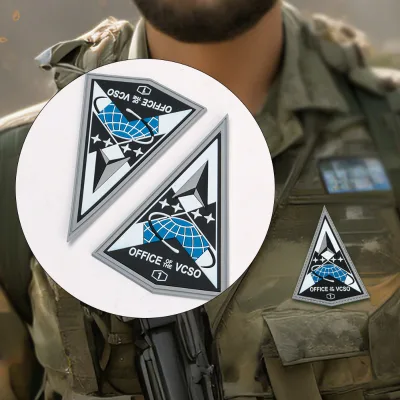
Factory Custom 3D Soft Rubber PVC Label Patch Rubber Label Patch Soft Pvc Patch for Clothing Anc Cap
$0.2693 - $0.579
MOQ: 100 pieces

XIAMEN POPTRIMS TEXTILE CO.,LTD.
- Verified by BV
- Trading Company
- China Fujian
- Lead time15 days
- Avg. response≤ 7h
Main productsElastic Webbing, Elastic Suspender, Custom Lanyard, Garment Label, Rubber Patch, Shoelace, Strings & Drawcords, Fancy Satin Grosgrain Ribbon, Jacquard Ribbon, Custom Print Ribbon
Main marketsSouth America,Africa,Southeast Asia/ Mideast,East Asia(Japan/ South Korea),Europe,Australia,North America


Custom PVC Patch Attractive Environmental Low MOQ Rubber Patch with Factory Price Custom Logo
$0.30 - $0.50
MOQ: 500 piece


Dongguan Lin Wang Garment Accessory Co., Ltd.
- Manufacturer, Trading Company
- Lead time旺季: "1 - 9999":7,"> 9999":"To be negotiated", 淡季: "1 - 9999":7,"> 9999":"To be negotiated"
- Avg. response≤ 2h
Main productsPVC Rubber Patches, Embroidery Patch, Silicone Heat Transfer, Garment Label, Keychains
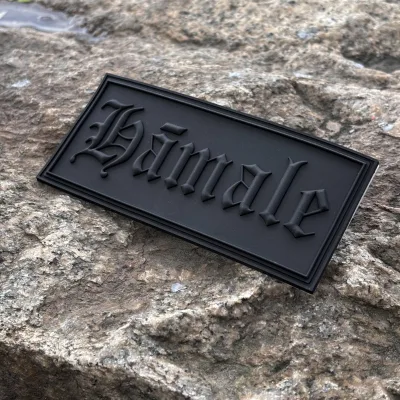
Eco-Friendly Custom Pvc Patch Hot Sell Pvc Patches Logo Custom Pvc Patch for Garment
$0.21 - $0.30
MOQ: 50 pieces
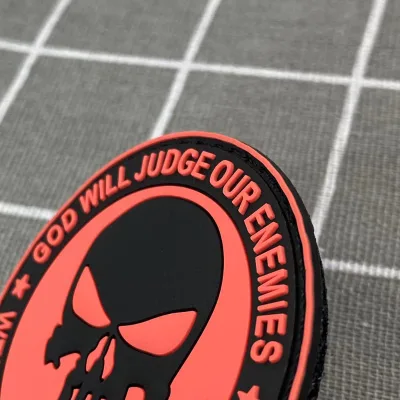

Hangzhou Tengzhuo Garment Accessories Co., Ltd.
- Verified by SGS
- Trading Company
- China Zhejiang
- Lead time0 days
- Avg. response≤ 1h
Main productsWoven Labels, Printing Labels, Hang Tags, Leather Patches, PVC Patches
Zhongshan Yueyou Craft Co., Ltd.
- Verified by SGS Group
- Manufacturer, Trading Company
- Lead time10 days
- Avg. response≤ 3h
Main productsPVC Products, Lanyard, Badge, Challenge Coin, Medal
Main marketsNorth America(35%), Western Europe(20%), Northern Europe(15%)
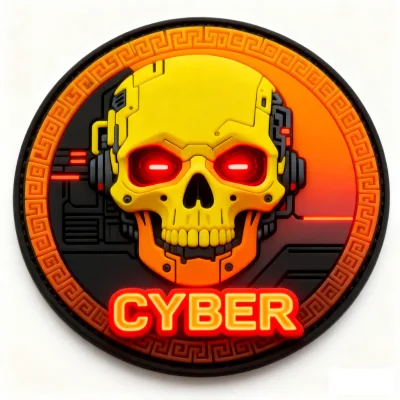
$0.199 - $0.6582
MOQ: 100 pieces
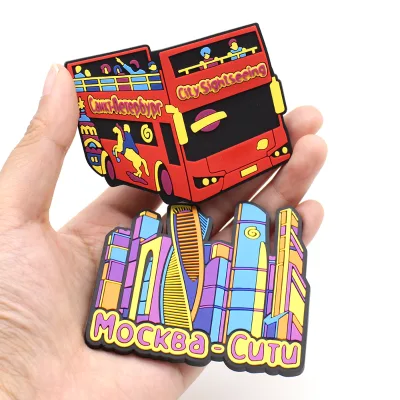
Anti-Scratch PVC Patches with Backing: Heavy-Duty Solutions for Work Uniform Systems
$0.19 - $0.63
MOQ: 100
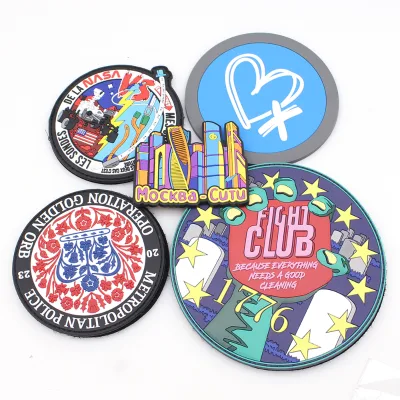
Pvc Rubber Patch Attractive Environmental NO MOQ with Factory Price Custom logo
$0.19 - $0.63
MOQ: 100
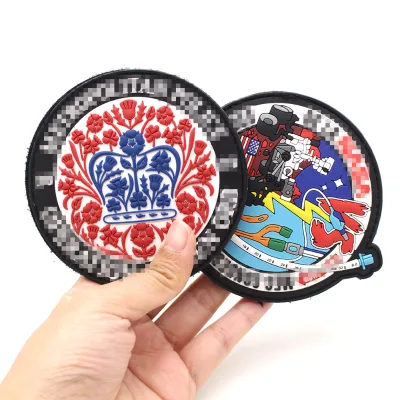
Good Quality Custom 3D Pvc Rubber Label Patch Silicone Patch for Clothing Soft Pvc Patches
$0.19 - $0.63
MOQ: 100 pieces
Haiyan Lesheng Embroidery Co., Ltd.
- Manufacturer, Trading Company
- Zhejiang, China
- Lead time10 days
- Avg. response≤ 5h
Main productsEmbroidery Patches,Woven label,PVC Patches,Leather Patches,Digital Patches
Main marketsNorth America(40.00%), Domestic Market(15.00%), Western Europe(10.00%), Eastern Europe(10.00%), Southern Europe(5.00%), Oceania(5.00%), Northern Europe(5.00%), Eastern Asia(5.00%), South America(5.00%)
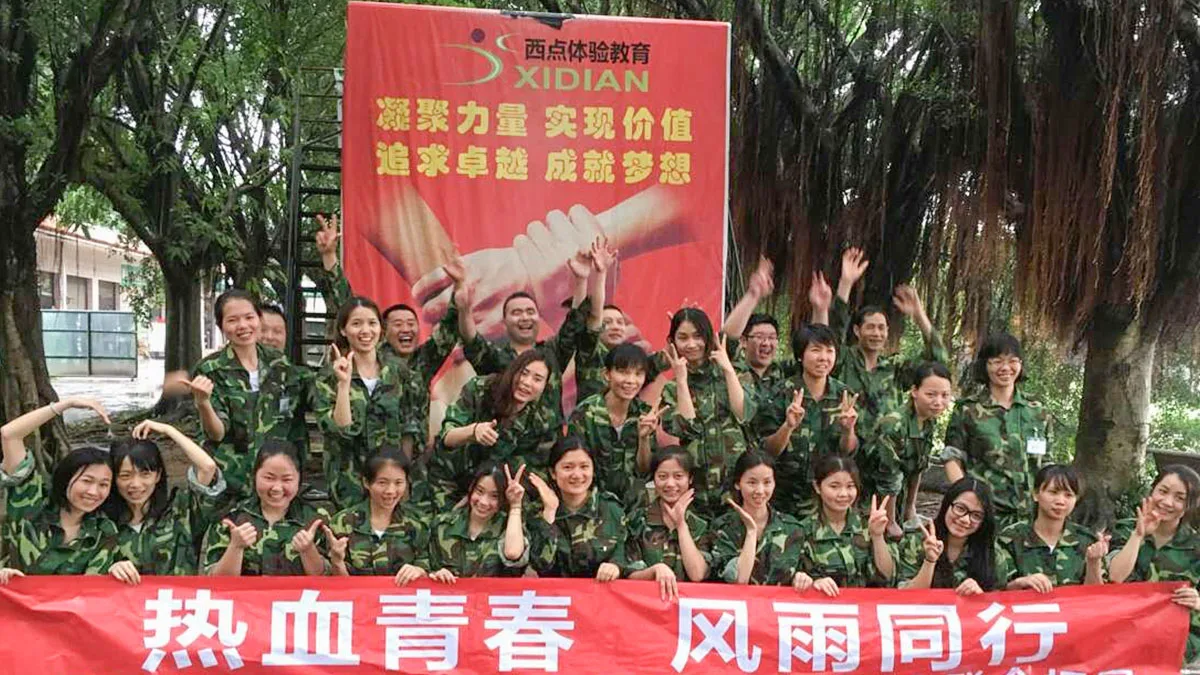
Dongguan Hui Sui Jewelry Co., Ltd.
- Trading Company
- Guangdong, China
- Lead time15 days
- Avg. response≤ 2h
Main productscustom patches,enamel pins,key chain,gift sets,Lanyard
Main marketsNorth America(60.00%), Western Europe(30.00%), Oceania(2.00%), South America(1.00%), Northern Europe(1.00%), Mid East(1.00%), Eastern Europe(1.00%), Central America(1.00%), Southeast Asia(1.00%), South Asia(0.50%), Southern Europe(0.50%), Eastern Asia(0.50%), Africa(0.50%)

Wenzhou Yigou Trading Co., Ltd
- Verified by CTI
- Trading Company
- China Zhejiang
- Lead time30 days
- Avg. response≤ 4h
Main productsClothing Accessories, Label Printing Material, Polyester Satin, Seal Tag, Rubber Label, Plastic Seal Tag, Woven Label, Label Ribbon TTR Ribbon, Cotton Tape, Woven Edge Satin Ribbon
Main marketsSoutheast Asia/ Mideast,Europe
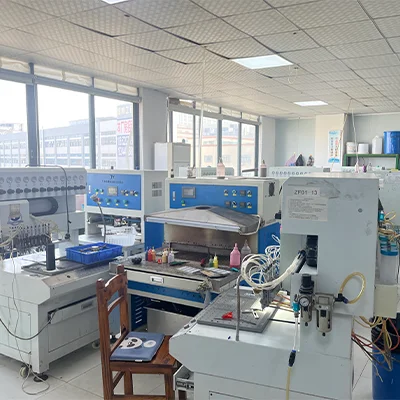
Zhongshan City Dongfeng Town Lifelong Craft & Gifts Factory
- Manufacturer, Trading Company
- Guangdong, China
- Lead time1 days
- Avg. response≤ 1h
Main productsFridge Magnet, Coasters, Keychain, Bottle Opener, Luggage Tag
Main marketsSouthern Europe(20.00%), Eastern Europe(20.00%), Western Europe(20.00%), North America(20.00%), Southeast Asia(10.00%), South America(10.00%), Eastern Asia(10.00%), Northern Europe(10.00%), Oceania(10.00%), Central America(5.00%), Mid East(5.00%)

Zhongshan Lixin Crafts Co.,Ltd.
- Verified by BV
- Combined
- China Guangdong
- Lead time15 days
- Avg. response≤ 1h
Main productsPatch, Sports Event Medal, Enamel Pin, Custom Keychain, Challenge Coin, Fridge Magnet
Main marketsDomestic


Eco-Friendly PVC Soft Label Custom Embossed Logo PVC Patch for Garment Shoe Accessory
$0.85 - $1.30
MOQ: 100 Pieces


- Manufacturer, Trading Company
- Lead time旺季: "1 - 10000":32,"> 10000":"To be negotiated", 淡季: "1 - 10000":32,"> 10000":"To be negotiated"
- Avg. response≤ 3h
Main productsLapels Pins, Coins, Medals, Key Chains, Dog Tag

Zhongshan Chensheng Cultural Gifts Co., Ltd.
- Verified by BV
- Combined
- China Guangdong
- Lead time15 days
- Avg. response≤ 1h
Main productsKeychain, Patch, Enamel Pins / Metal Lapel Pins, Award Medals, Fridge Magnet, Toy, Souvenir Gifts, Custom Metal Crafts, Metal Ruler Bookmarks, Incense Burner Box / Coil Incense Holder
Main marketsDomestic


Personalized Custom PVC Patch for Clothing Accessories and Creative Projects Design
$0.15 - $0.45
MOQ: 100 Pieces


Dongguan Fanyuan Trading Co., Ltd.
- Verified by BV
- Manufacturer/Factory
- China Guangdong
- Lead time23 days
- Avg. response≤ 5h
Main productsWoven Label/Patch/Badge, Embroidered Patch/Badge, PVC/Silicone Label, 3D PVC Keychains, Action Figure, Handicrafts, Statue, Cartoon Toys, Promotional Gifts, Fridge Magnet
Main marketsSouth America,Eastern Europe,Mid East,North America,Southeast Asia,Eastern Asia,Oceania,Western Europe,Africa


Wholesale Custom 3D Silicone PVC Patches Embossed Logo Soft Label Rubber Patch
$0.008 - $0.15
MOQ: 10 Pieces

Beijing Weshine International Culture Development Co., Ltd.
- Manufacturer, Trading Company
- Beijing, China
- Lead time20 days
- Avg. response≤ 4h
Main productsPaper bag; Express bag; Bubble bag; Zipper bag, Trademark; Hangtag; Woven label; Webbing, Embroidery patch; Iron on patches
Main marketsNorth America(30.00%), Eastern Europe(30.00%), Western Europe(20.00%), Eastern Asia(20.00%)

- Verified by TUVRHEINLAND
- Combined
- China Jiangsu
- Lead time15 days
- Avg. response≤ 4h
Main productsMetal Crafts, Embroidery Crafts, PVC Crafts, Acrylic Crafts, Key Chains, Promotional Gifts, Canvas Bag/Shopping Bag/Drawstring Bag, Baseball Cap/Bucket Hat/Other Caps, Ceramic Mug/PVC Mug/Stainless Steel Cup, Gift Boxes
Main marketsNorth America

China Manufacturer Personalized Custom 3D Rubber Patch Logo Clothing PVC Patches
$0.15 - $0.80
MOQ: 50 Pieces

Top Quality Cheap Price Custom Logo Round PVC Rubber Patch Customized Patches
$0.30 - $1.20
MOQ: 100 Pieces


Patch Manufacturer Personalized Logo Patch Cheap Custom Patches Custom 3D Soft PVC Patch
$0.40 - $0.70
MOQ: 100 Pieces
Dongguan Lin Wang Garment Accessory Co., Ltd.
- Verified by SGS Group
- Trading Company
- Lead time8 days
- Avg. response≤ 2h
Main productsEmbroidery Patch, Silicone Heat Transfer, Soft PVC Patch, Scout Neckerchief, Keychain
Main marketsNorth America(77%), Western Europe(10%), Eastern Europe(5%)
ELE-BADGE GIFTS(ZHONGSHAN) CO.,LTD
- Verified by SGS Group
- Manufacturer, Trading Company
- Lead time15 days
- Avg. response≤ 2h
Main productsPVC Patch, Embroidery Patch, Chenille Patch, Embroidery Keychain, PVC Keychain
Main marketsNorth America(35%), Western Europe(35%), Southeast Asia(10%)
T&K Garment Accessories Co., Ltd.
- Verified by TüVRheinland
- Manufacturer, Trading Company
- Lead time10 days
- Avg. response≤ 3h
Main productsSilk Screen Printing Badge, TPU Heat Transfer Labels, High Frequency Badge, Laser Label, Transfer Label
Main marketsDomestic Market(26%), North America(10%), Southeast Asia(10%)

Zhongshan Xinyuan Silicone Rubber Co., Ltd.
- Verified by TUVRHEINLAND
- Combined
- China Guangdong
- Lead time15 days
- Avg. response≤ 2h
Main productsEmbroidery Patch, PVC Keychain, Pin Badge, Medal, Lanyard, Challenge Coin, Paper Air Freshener, Coffee Maker, Luggage Tag, Coffee Maker/Grinder
Main marketsSouth America,Southeast Asia/ Mideast,Domestic,Europe,North America
Dongguan Weicheng Clothing Accessories Co., Ltd.
- Verified by Intertek
- Manufacturer, Trading Company
- Lead time7 days
- Avg. response≤ 2h
Main productsTPU Heat Transfer Patch, Silicone Heat Transfer Patch, Embroidery Patch, Woven Patch, Tape & Ribbon
Main marketsDomestic Market(50%), Western Europe(25%), Eastern Asia(19%)
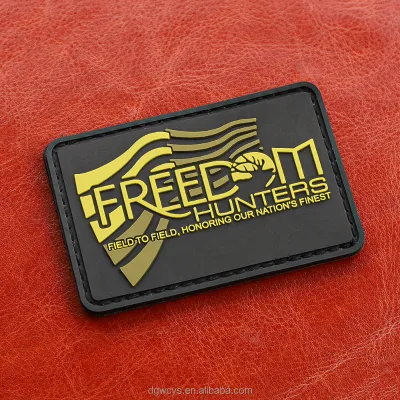
Custom PVC Patches 2D 3D Soft PVC Clothes Rubber Patch With Hook and Loop Backing
$0.15 - $0.35
MOQ: 100 pieces
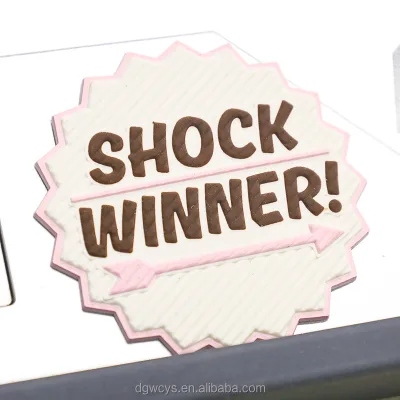
$0.1556 - $0.362
MOQ: 100 pieces







Comprehensive Sourcing Guide
Customized Eco-Friendly Pvc Woven Patch Supplier Concentration and Factory Types
The current supplier landscape for customized eco-friendly PVC woven patches reveals a mix of manufacturer and trading company entities, each offering distinct operational advantages. Evidence indicates that some suppliers possess specific capabilities in sample processing, graphic processing, and customized on-demand production, which are critical for bespoke patch orders. These facilities often list main products including woven labels, embroidery patches, and various silicone rubber patches, suggesting a broad manufacturing base capable of handling diverse material requests. The presence of both manufacturer and trading company types implies that buyers may encounter direct factory sources alongside intermediaries who aggregate supply from multiple workshops.
Geographic concentration of these suppliers is observed in specific regions such as Guangdong and Zhejiang, with some product origins explicitly noted as Zhongshan, China. These locations serve as established hubs for garment accessories and patch manufacturing, likely offering a dense network of specialized vendors. When evaluating potential partners, buyers should verify if the supplier's stated location aligns with their specific production needs, as regional clusters often influence logistics efficiency and material availability. Understanding whether a supplier operates as a direct manufacturer or a trading company helps clarify the supply chain structure and potential for direct communication regarding technical specifications.
How to Verify Customized Eco-Friendly Pvc Woven Patch Suppliers
Verification of supplier credibility relies heavily on third-party audit reports and system certifications that validate their operational standards. Available data shows that some suppliers hold TüVRheinland verification, while others are verified by SGS Group or BV, indicating varying levels of external scrutiny. Certifications such as Oeko-Tex 100, GRS, Sedex, BSCI, REACH, RoHS, and EN 71 are present in the results, serving as indicators of compliance with international safety and environmental standards. Buyers must confirm that these certifications are current and specifically applicable to the PVC and woven materials they intend to purchase, as generic claims do not guarantee product-specific compliance.
Beyond certifications, response times and lead times provide tangible metrics for assessing supplier reliability and operational efficiency. The observed response times range from one to three days, with some suppliers demonstrating faster engagement capabilities. Lead times vary significantly, with records showing durations of seven, twelve, fifteen, and even thirty days depending on the order complexity and supplier capacity. Buyers should request proof of these metrics for their specific order volume, as advertised averages may not reflect actual performance during peak seasons. Confirming the supplier's ability to meet these timelines through direct inquiry ensures that the procurement schedule remains realistic and aligned with business requirements.
What to Compare Across Customized Eco-Friendly Pvc Woven Patch Suppliers
Comparing suppliers requires a systematic evaluation of key operational dimensions including minimum order quantities, pricing structures, and production capacities. The data indicates that MOQs can range from as low as one unit to one hundred units, offering flexibility for different order sizes. Price points for similar products vary, with minimum prices observed between 0.025 and 0.400, and maximum prices extending up to 1.000 per unit. Buyers should analyze these ranges to understand the cost implications of different order volumes and material specifications, ensuring that the selected supplier offers a competitive rate without compromising on quality or delivery speed.
Production capabilities and customization options are equally critical factors in the comparison process. Some suppliers offer ODM and OEM services, along with the ability to handle customized on-demand requests, which is essential for unique branding needs. Attributes such as color customization, size variations, and specific features like 3D effects or self-adhesion are available across different product listings. Buyers must verify that the supplier can accommodate their specific design requirements, including color matching and size constraints, before committing to an order. Additionally, checking for capabilities in graphic processing and sample production helps ensure that the final product will meet the intended design standards.
Common Customized Eco-Friendly Pvc Woven Patch Sourcing Risks
One significant risk in sourcing these patches involves the potential mismatch between advertised certifications and actual product compliance. While some suppliers list extensive certifications like ISO9001:2015 or ISO14001:2015, others may have no listed certifications, creating uncertainty about their quality control processes. Buyers must be cautious of suppliers claiming eco-friendly status without providing verifiable documentation, as the term can be used loosely in the absence of specific standards like GRS or Oeko-Tex. Ensuring that the specific batch of patches meets the required environmental and safety standards is crucial to avoid regulatory issues in the destination market.
Another risk pertains to the variability in lead times and response speeds, which can disrupt supply chain planning. The observed lead times span from seven to thirty days, and response times vary from one to nearly four days, indicating inconsistent operational performance across the supplier base. Relying on average metrics without confirming specific timelines for a given order can lead to delays that impact product launches or inventory levels. Buyers should establish clear communication channels and request written confirmation of delivery schedules to mitigate the risk of unexpected delays, ensuring that the procurement process remains predictable and reliable.
Customized Eco-Friendly Pvc Woven Patch Regional Sourcing and Logistics
Regional sourcing strategies should focus on leveraging the identified manufacturing clusters in Guangdong and Zhejiang, where a concentration of patch suppliers is evident. These regions offer logistical advantages due to their proximity to major ports and established supply chains for garment accessories. However, buyers must verify the specific location of each supplier, as some may be based in Zhongshan while others operate in different parts of China. Confirming the exact origin of the product helps in calculating accurate shipping costs and transit times, which are critical for maintaining cost efficiency and meeting delivery deadlines.
Logistics planning must also account for the specific packaging and shipping standards provided by the supplier. Some suppliers offer standard shipping packaging, while others provide customized packing solutions that may affect the overall shipping volume and cost. Buyers should inquire about the packaging details to ensure that the patches are protected during transit and that the packaging meets any specific requirements of the destination market. Additionally, understanding the supplier's experience with international shipping and their ability to handle customs documentation can streamline the import process and reduce the risk of delays at the border.
Customized Eco-Friendly Pvc Woven Patch Commercial Terms and Order Planning
Commercial terms for these orders often include specific pricing structures based on order volume and customization complexity. The observed price ranges suggest that buyers can negotiate better rates for larger quantities, with minimum prices starting as low as 0.025 per unit. However, the maximum prices can reach up to 1.000, indicating that complex designs or special features may incur higher costs. Buyers should clarify the pricing model, including any additional charges for tooling, sample production, or rush orders, to avoid unexpected expenses during the procurement process.
Order planning must also consider the supplier's capacity for handling customized requests and their ability to scale production. Some suppliers offer ODM and OEM services, allowing for significant customization, while others may have limited capacity for large-scale orders. Buyers should assess the supplier's ability to meet their volume requirements within the specified lead time, ensuring that the production schedule aligns with their business needs. Establishing clear terms regarding payment, delivery, and quality assurance is essential for a successful partnership, and buyers should document these terms in a formal agreement to protect their interests throughout the order lifecycle.
FAQs
What is the typical lead time for custom patches?
Manufacturers generally require between 7 and 30 days to produce custom orders. The specific duration depends on the supplier type and production capacity. Some facilities offer rapid processing within a week, while others with larger scale operations may need up to a month to complete complex customizations and quality checks.
What certifications are available for eco-friendly patches?
Suppliers often provide Oeko-Tex 100 and GRS certifications for eco-friendly products. Additional standards include BSCI, REACH, RoHS, and EN 71. These certifications ensure compliance with international safety and environmental regulations. Buyers should verify specific documentation to confirm the material safety and ethical manufacturing practices required for their market.
What is the minimum order quantity for custom patches?
Minimum order quantities vary significantly among suppliers. Some manufacturers accept orders as low as 50 or 100 pieces, while others may require higher volumes. Certain providers offer flexible MOQs starting from just one unit for sampling or small batches. Buyers should check specific product listings to determine the exact threshold for their order size.
How quickly do suppliers typically respond to inquiries?
Response times generally range from one to three days. Many verified suppliers aim for rapid communication to facilitate efficient sourcing. Some platforms report average response times under two days. Quick replies indicate active customer service teams ready to discuss customization details, pricing, and production schedules promptly for potential buyers.
What is the price range for custom PVC patches?
Prices typically range from $0.025 to $1.00 per piece. The cost depends on complexity, size, and quantity ordered. Basic designs may start near the lower end, while intricate 3D or multi-color options cost more. Bulk orders often reduce the unit price, making it essential to request quotes based on specific design requirements and volume.
Where are these patch manufacturers located?
Manufacturers are primarily located in Guangdong and Zhejiang provinces in China. These regions are known for strong textile and accessory production capabilities. Buyers can find suppliers in major industrial hubs like Zhongshan. Location impacts shipping logistics and lead times, so verifying the specific city helps in planning transportation and customs clearance efficiently.