Source Handmade Soft PVC Patch with Custom Shape for Uniforms
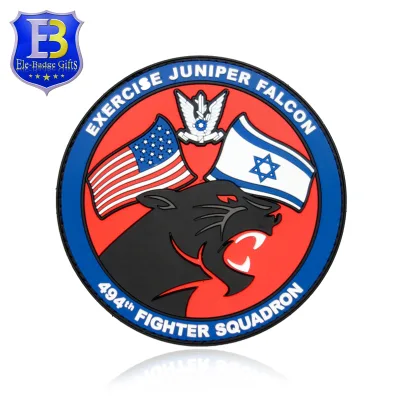
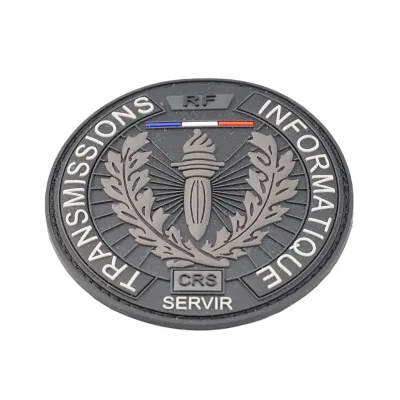
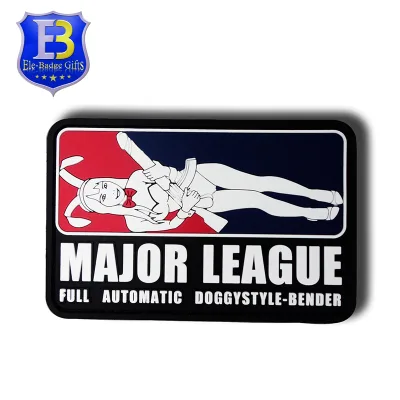
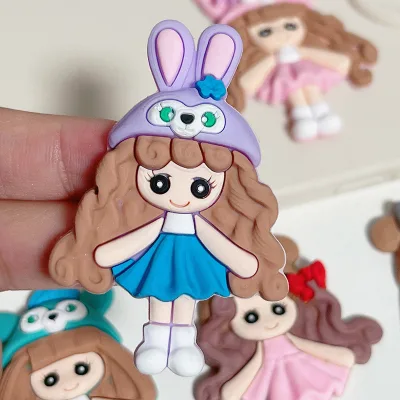
Find 30 Handmade Soft PVC Patch with Custom Shape options for uniforms, bags, and hats. Compare features like iron-on backing, laser cut borders, and eco-friendly materials from Chinese manufacturers to secure the best fit for your garment accessories; compare the available evidence and request quotations based on your requirements.
Updated
Key considerations
Products List

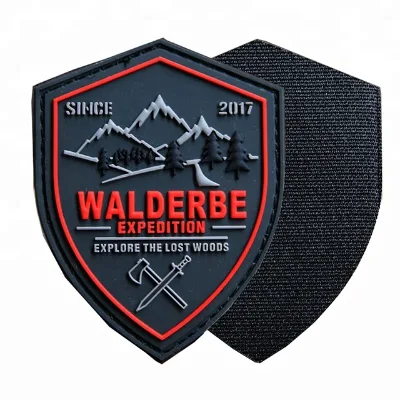


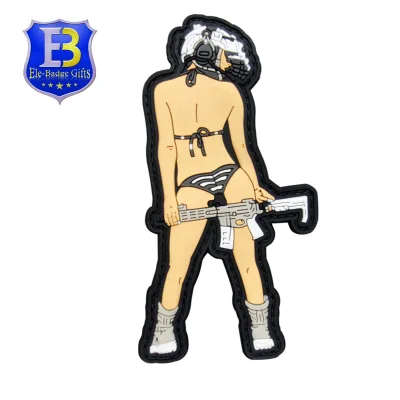
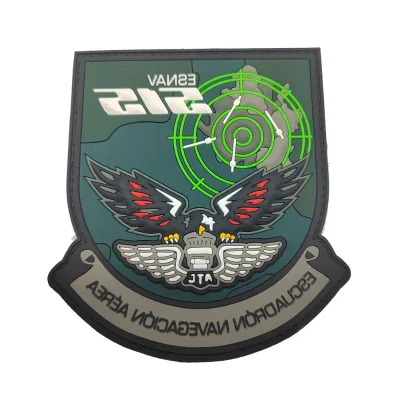
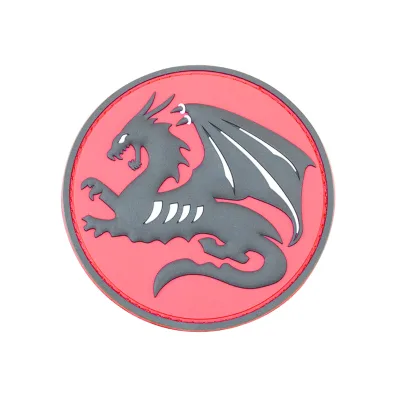

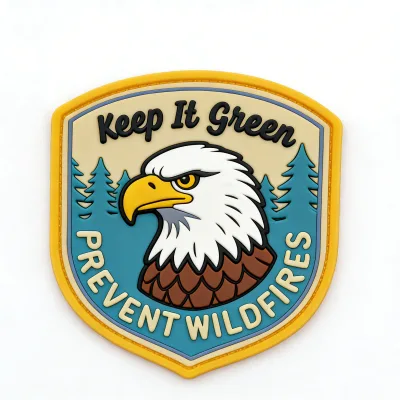
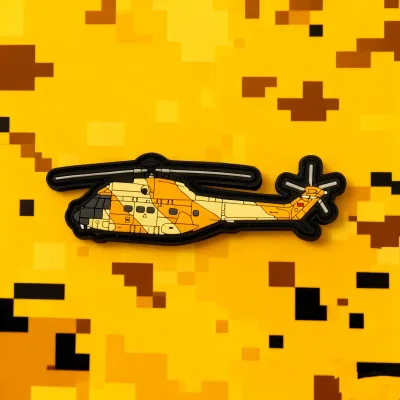


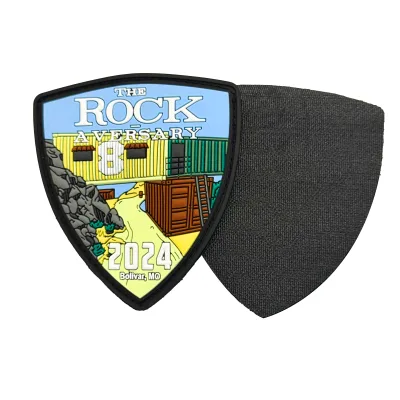


Comprehensive Sourcing Guide
Handmade Soft PVC Patch Sourcing Guide
Sourcing handmade soft PVC patches requires a nuanced understanding of material properties and manufacturing capabilities. These patches are distinct from embroidered or woven alternatives due to their three-dimensional appearance and tactile finish. Buyers must recognize that "handmade" often refers to specific finishing techniques or artisanal assembly rather than the entire production process. This distinction impacts quality control and consistency. The core keyword highlights a preference for custom shapes, which necessitates suppliers with advanced molding and cutting technologies. Understanding these foundational differences helps procurement teams set realistic expectations for lead times and unit costs.
The market for these accessories spans various industries, including fashion, security, and promotional goods. Observations indicate that suppliers offer customization in color, logo, and border style, allowing for high brand specificity. However, the term "handmade" may also overlap with other techniques like embroidery or weaving in some listings. Buyers should verify the exact material composition, such as organic silicone or standard PVC, to ensure compliance with safety and durability requirements. Clear communication with suppliers about the desired aesthetic and functional attributes is essential to avoid misinterpretation of product capabilities and to secure the right manufacturing partner.
Product Scope and Observed Listing Signals
Current market listings reveal a diverse range of patch types, including embroidery, collar badges, and ranks. Prices observed in the market range from $0.03 to $0.99 per unit, reflecting variations in complexity and material quality. Minimum Order Quantities (MOQs) typically start at 50 pieces, with some suppliers requiring 100 pieces for certain customizations. This flexibility allows small businesses to test designs before committing to larger orders. The presence of both "Stick-On" and "Velcro-On" styles indicates a broad application scope, catering to different attachment needs on garments and accessories.
Suppliers frequently highlight features such as eco-friendly materials, nickel-free components, and 3D effects. These attributes are critical for brands targeting environmentally conscious consumers or requiring specific safety standards. The availability of custom colors, including all Pantone colors, ensures precise brand matching. Additionally, options for laser-cut or merrowed borders provide aesthetic versatility. Buyers should note that while many listings claim customization, the actual feasibility depends on the supplier's tooling and production capacity. Verifying these signals against actual product samples is crucial to ensure the final output meets design specifications.
Technical Specifications to Verify
When evaluating technical specifications, buyers must confirm the exact material composition, such as organic silicone or standard PVC. The thickness of the patches can vary, with options like 4mm or 6mm being common. These dimensions affect the patch's durability and visual prominence. The backing type is another critical factor, with choices including iron-on, sewing-on, or sticking-on options. Each backing method offers different levels of permanence and ease of application, influencing the final product's suitability for specific garments or accessories.
Customization options extend to size, shape, and logo design, with many suppliers offering fully customized solutions. The production model numbers, such as 2306-01 or rubber patch-011, can help in tracking specific product lines. Buyers should verify the standard diameter, which is often 10mm or customizable, and ensure that the border style, whether laser-cut or merrowed, aligns with design requirements. Additionally, the attachment method, such as hook and loop for Velcro-on patches, must be confirmed to ensure compatibility with the intended use case.
Compliance and Safety Documentation
Compliance with safety standards is paramount, especially for products used in clothing and accessories. Buyers should request documentation confirming that materials are free from harmful substances, such as nickel, which can cause allergic reactions. While some listings mention Oeko-Tex standards, buyers must verify the actual certification status with the supplier. This verification ensures that the patches meet international safety requirements for textile accessories. Understanding the specific compliance needs of the target market is essential to avoid regulatory issues and ensure product safety.
Environmental considerations are also increasingly important in procurement decisions. Suppliers claiming eco-friendly materials should provide evidence of sustainable sourcing and production practices. Buyers should inquire about the recyclability of the PVC or silicone used and any waste management protocols in place. This information helps brands align their procurement strategies with corporate sustainability goals. Additionally, verifying the origin of the materials and the manufacturing process can provide insights into the overall environmental impact of the product.
Cost Drivers and Commercial Terms
Costs for handmade soft PVC patches are influenced by several factors, including material quality, customization complexity, and order volume. The observed price range of $0.03 to $0.99 per unit reflects these variations. Buyers should consider the trade-off between cost and quality, as lower prices may indicate thinner materials or less durable finishes. Minimum Order Quantities, typically starting at 50 pieces, also impact the unit cost, with larger orders often benefiting from economies of scale. Understanding these cost drivers helps in budgeting and negotiating favorable terms with suppliers.
Commercial terms, such as payment methods and shipping options, vary among suppliers. Common payment methods include T/T, Western Union, and PayPal, while shipping can be arranged via air, sea, or express courier. Lead times for samples are usually around 5 to 9 days, with mass production taking 13 to 15 days. Buyers should clarify these terms early in the procurement process to avoid delays and ensure smooth transaction handling. Additionally, discussing price adjustments for large quantities can help optimize costs for high-volume orders.
Supplier Qualification and Quality Control
Qualifying suppliers involves assessing their production capabilities, quality control processes, and customer service. Buyers should request samples to evaluate the physical quality of the patches, including color accuracy, border finish, and attachment strength. Verifying the supplier's experience with similar products and their ability to handle custom orders is crucial. Additionally, checking references or reviews from other buyers can provide insights into the supplier's reliability and consistency. A thorough qualification process helps mitigate risks and ensures a successful partnership.
Quality control measures should be clearly defined and agreed upon with the supplier. This includes specifications for material thickness, color matching, and defect tolerance. Buyers should establish a clear communication channel for addressing any issues that arise during production. Regular updates and inspections can help identify and resolve problems early, ensuring that the final product meets expectations. Additionally, understanding the supplier's return and replacement policies is essential for managing any potential quality issues that may occur after delivery.
Long-Term Procurement Checks
Long-term procurement success depends on continuous monitoring of supplier performance and market trends. Buyers should regularly review supplier metrics, such as on-time delivery rates, product quality, and responsiveness to issues. Establishing a scorecard system can help track these metrics and identify areas for improvement. Additionally, staying informed about changes in material costs, regulatory requirements, and consumer preferences is essential for adapting procurement strategies. This proactive approach helps maintain a competitive edge and ensures that the supply chain remains resilient and efficient.
Building strong relationships with suppliers is also key to long-term success. Regular communication and collaboration can lead to better pricing, improved product quality, and innovative solutions. Buyers should consider developing a diversified supplier base to mitigate risks associated with single-source dependencies. Additionally, exploring opportunities for joint development projects can foster innovation and create unique products that differentiate the brand in the market. By focusing on these long-term checks, buyers can ensure a sustainable and profitable procurement process.
FAQs
Can I get Handmade Soft PVC Patch with Custom Shape in specific colors?
Yes, custom colorful options are available for these patches. You can select any Pantone color to match your brand identity. The manufacturer supports full customization for shape, logo, and color. This ensures the final product aligns perfectly with your design requirements and visual standards.
What is the minimum order quantity for these patches?
The minimum order quantity varies by product type. Some items require 100 pieces, while others start at 50 pieces. You should check the specific listing for the exact MOQ. Bulk orders may allow for price discussions, making larger quantities more cost-effective for your sourcing needs.
How long does production take for custom patches?
Sample production typically takes about 5 to 9 days. Mass production generally requires 8 to 15 days after sample approval. Lead times depend on the order quantity and complexity. Air express shipping is commonly used for delivery. You should confirm exact timelines with the supplier before placing your order.
What backing options are available for these patches?
Multiple backing options are available to suit your application. You can choose iron-on, sewing on, or sticking on methods. Some products feature hook and loop attachments for versatility. The choice depends on the fabric and intended use. Ensure the backing matches your garment or accessory requirements for secure attachment.
Are these patches suitable for uniforms and security gear?
Yes, these patches are suitable for clothes, hats, bags, and uniforms. They are also applied in security applications. The durable materials ensure longevity in professional settings. Custom shapes and logos allow for clear identification. They provide a professional appearance for captains and security personnel.
What payment methods are accepted for these orders?
Common payment methods include T/T, Western Union, and PayPal. Some suppliers also accept Visa and Mastercard. Payment terms may vary based on the supplier and order size. Secure transactions are standard for international trade. You should verify accepted methods with the specific vendor before finalizing your purchase agreement.