Source Nickel-Free Nylon Invisible Zipper for Garments
Find 30 nickel-free nylon invisible zipper options for home textile, bag, and garment applications. Compare specs like 3# and 5# sizes, auto-lock sliders, and customizable lengths from Zhejiang suppliers; compare the available evidence and request quotations based on your requirements.
Updated
Key considerations
Products List


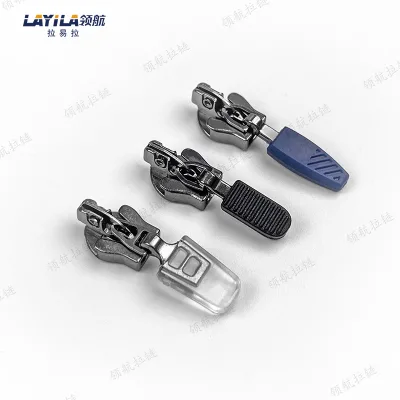
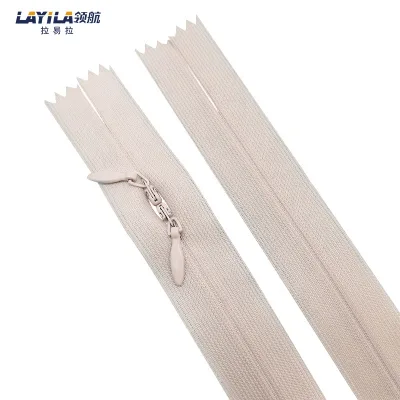
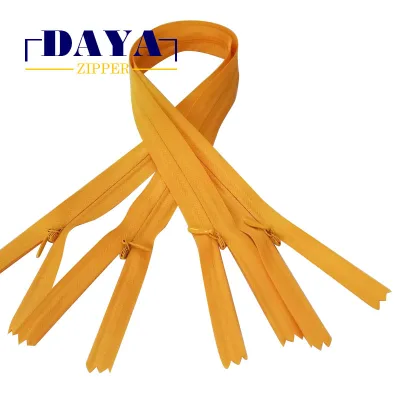
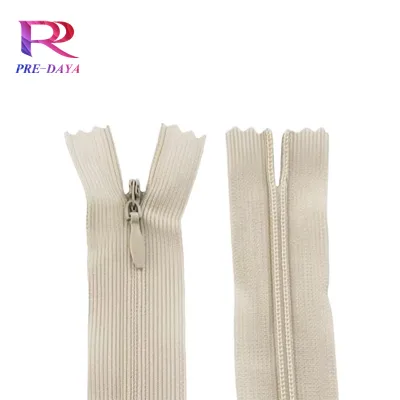
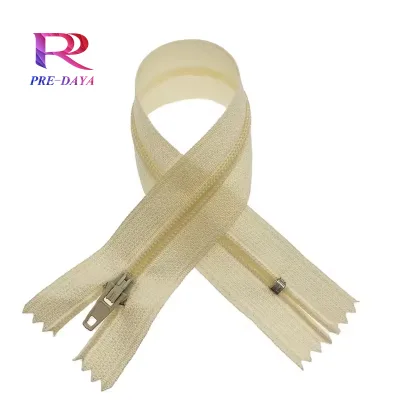
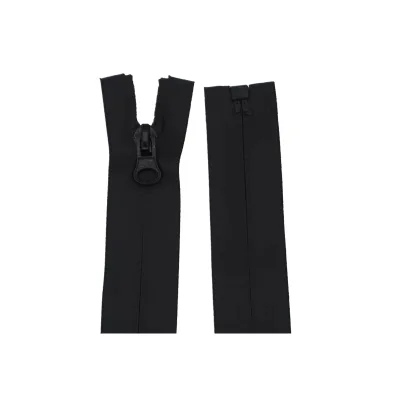
Comprehensive Sourcing Guide
Nickel-Free Nylon Invisible Zipper Sourcing Guide
Sourcing nickel-free nylon invisible zippers requires a disciplined approach to material verification and supplier transparency. Buyers must prioritize suppliers who explicitly confirm the absence of nickel in both the coil and slider components, as this is critical for compliance with strict chemical regulations in the European Union and other markets. The core material is nylon, which offers flexibility and durability, but the specific construction of the invisible coil must be verified to ensure it meets the aesthetic and functional requirements of high-end apparel and home textile applications.
Procurement teams should focus on suppliers located in established manufacturing hubs like Zhejiang, China, where specialized zipper production clusters exist. These regions often provide the necessary infrastructure for high-volume production and customization. However, geographic proximity alone does not guarantee quality or compliance. Buyers must conduct thorough due diligence to ensure that the supplier’s internal quality control processes are robust enough to maintain consistency across large orders, particularly when dealing with custom colors and lengths that are frequently requested in the invisible zipper segment.
Product Scope and Observed Listing Signals
The observed market signals indicate a diverse range of invisible zipper configurations, primarily centered around nylon coil technology. Listings frequently highlight models such as H-001, H-002, and Z-002, which are available in various sizes including #3, #4, and #5. These sizes cater to different fabric weights and end-use requirements, with smaller sizes typically used for delicate garments and larger sizes for heavier applications. The availability of customizable lengths, ranging from 10CM to 120CM, allows buyers to tailor the product to specific pattern pieces, reducing waste and improving production efficiency.
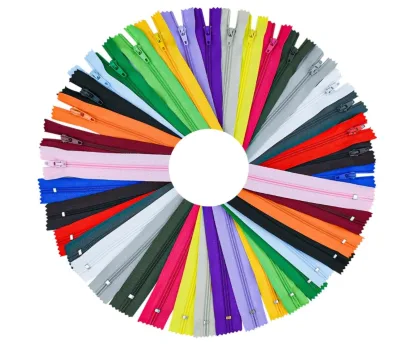
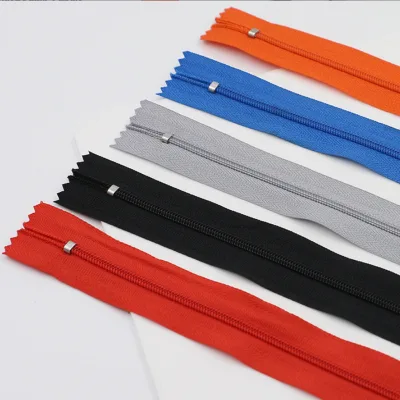
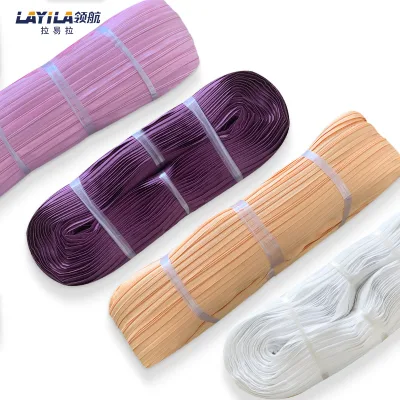
Color options are extensive, with suppliers offering dyed nylon coils in white, ivory, grey, brown, and black, as well as other colors as required. This flexibility is essential for matching diverse fabric palettes in fashion and home textile industries. Additionally, the presence of individual packaging, such as 100PCS per bag, suggests a focus on protecting the delicate coil structure during transit. Buyers should verify that the packaging method aligns with their storage and handling capabilities to prevent damage before the zippers reach the cutting table.
Technical Specifications to Verify
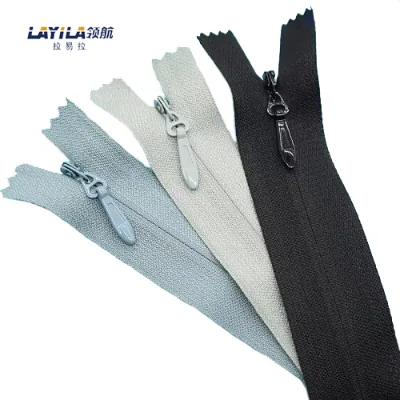
Technical verification must begin with the slider type, as invisible zippers often utilize pin lock or auto lock mechanisms depending on the end-use. While some listings mention auto lock sliders, others specify pin lock, and buyers must confirm which mechanism is suitable for their specific garment construction. The slider material is also a critical factor, with metal sliders available in various sizes like #3, #5, #8, and #10. For nickel-free requirements, it is imperative to confirm that the metal components used in the slider and tape insert are free from nickel plating or alloying.
The coil specification is another vital area for verification. Nylon coil zippers are known for their seamless appearance and durability, but the coil density and tooth formation must be consistent to prevent jamming. Buyers should request samples to test the smoothness of the slider action and the integrity of the coil under tension. Additionally, the type of tape, whether it is nylon or polyester, should be confirmed, as this affects the zipper’s compatibility with different fabric types and washing conditions.
Compliance and Safety Documentation
Compliance with chemical safety standards is non-negotiable for nickel-free products. Buyers must request documentation that proves the absence of nickel in all components, including the slider, tape insert, and any metal parts. Standards such as SGS certification are often cited by suppliers, but buyers should verify the specific test reports to ensure they cover nickel release testing according to relevant regulations like REACH in the EU. This documentation serves as the primary evidence of compliance and should be reviewed by the buyer’s quality assurance team before placing large orders.
In addition to chemical compliance, buyers should inquire about other relevant safety and quality certifications that the supplier may hold. These might include ISO standards for quality management or environmental certifications that reflect the supplier’s commitment to sustainable manufacturing practices. While not all suppliers will have every certification, having a clear picture of the supplier’s compliance portfolio helps buyers assess their overall reliability and risk profile. It is also advisable to check for any history of non-compliance or recalls associated with the supplier or their products.
Cost Drivers and Commercial Terms
Cost drivers for nickel-free nylon invisible zippers include the complexity of the manufacturing process, the cost of raw materials, and the level of customization required. Custom colors and lengths typically incur higher costs due to the setup time and material waste involved. Buyers should also consider the impact of order volume on pricing, as larger orders often benefit from economies of scale. However, the minimum order quantity (MOQ) can vary significantly, ranging from 500 to 50,000 pieces, which may influence the total cost per unit for smaller buyers.
Commercial terms such as payment methods, lead times, and shipping arrangements also play a crucial role in the total cost of ownership. Buyers should negotiate clear terms regarding quality acceptance and returns in case of non-compliance or defects. It is important to clarify who bears the cost of testing and certification, as well as any additional fees for custom packaging or labeling. Understanding these commercial dynamics helps buyers budget accurately and avoid unexpected expenses that can erode profit margins.
Supplier Qualification and Quality Control
Supplier qualification involves a comprehensive assessment of their manufacturing capabilities, quality control systems, and track record. Buyers should visit the supplier’s facility or request detailed virtual tours to observe their production lines and quality control checkpoints. Key areas to inspect include the raw material storage, the coil winding process, and the final inspection stage. Suppliers with robust quality control systems will have clear procedures for identifying and rectifying defects, ensuring that only compliant products reach the customer.
Quality control should also extend to the supplier’s supply chain management. Buyers should verify that the supplier has reliable sources for nickel-free raw materials and that they conduct regular audits of their sub-suppliers. This ensures that the integrity of the nickel-free claim is maintained throughout the production process. Additionally, buyers should establish clear communication channels with the supplier to address any quality issues promptly and effectively. Building a strong relationship with the supplier can lead to better cooperation and problem-solving in the long run.
Long-Term Procurement Checks
Long-term procurement success depends on continuous monitoring of supplier performance and product quality. Buyers should implement a system for tracking key performance indicators such as on-time delivery, defect rates, and compliance with specifications. Regular audits and sample testing should be conducted to ensure that the supplier maintains the required standards over time. This proactive approach helps identify potential issues early and allows for corrective actions before they impact production schedules or product quality.
Furthermore, buyers should stay informed about changes in regulations and market trends that may affect the demand for nickel-free zippers. This includes monitoring updates to chemical safety standards and consumer preferences for sustainable materials. By staying ahead of these changes, buyers can ensure that their supply chain remains compliant and competitive. Building a diversified supplier base can also mitigate risks associated with single-source dependencies, providing greater flexibility and resilience in the face of market fluctuations.
FAQs
What customization options are available for these zippers?
Customization is available for length, color, and logo requests. You can specify lengths ranging from 10cm to 120cm and choose from various colors including dyed options. The supplier accepts custom requests for logos and specific product models to meet your unique design requirements.
Which specifications are offered for nylon invisible zippers?
Specifications include sizes 3#, 4#, 5#, 8#, and 10# with open-end or closed-end types. The product models cover H-001, Z-002, and various color variants. These zippers are suitable for home textiles, bags, garments, and shoes with auto-lock or pin-lock slider types.
Can I find nickel-free nylon invisible zipper suppliers in China?
Yes, suppliers are located in Zhejiang, China, offering nylon and metal zipper options. They provide products meeting SGS standards with customizable lengths and colors. The MOQ ranges from 500 to 50,000 pieces, and packing is typically 100 pieces per bag for efficient shipping.
How is the packaging handled for bulk zipper orders?
Standard packaging involves 100 pieces per bag with 10 bags per carton. Customized packing options are also available upon request. This ensures safe transport and easy inventory management for buyers sourcing large quantities of invisible zippers for garment or bag manufacturing applications.
What slider types are included in the product range?
The range includes auto-lock one-way sliders and pin-lock sliders for various applications. These are available on both open-end and closed-end zippers. The slider types ensure secure closure for garments, bags, and shoes while maintaining the invisible aesthetic required for modern textile designs.
Which certifications do the zipper manufacturers hold?
Manufacturers hold SGS certification for quality assurance on their nylon and metal zipper products. This standard ensures reliability for home textile and garment applications. Buyers can verify these certifications when sourcing from suppliers in Zhejiang, China, who offer customizable specifications and lengths.
What is the minimum order quantity for these zippers?
The minimum order quantity ranges from 500 to 50,000 pieces depending on the specific product model and customization needs. Flexible MOQs allow buyers to start with smaller batches or scale up for large production runs. This suits various business sizes from small boutiques to large manufacturers.