Source 3D Embossed Imitation Leather Labels for Garments, Shoes, Bags
Find 30 listings for 3D Embossed Imitation Leather Labels suitable for garments, shoes, and bags. Compare options featuring synthetic leather, PU, or cowhide materials with custom sizes, heat transfer printing, and embossed or debossed techniques to meet your specific branding needs.
Updated
Key considerations
Products List


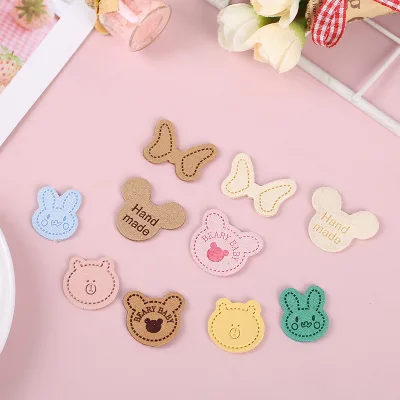
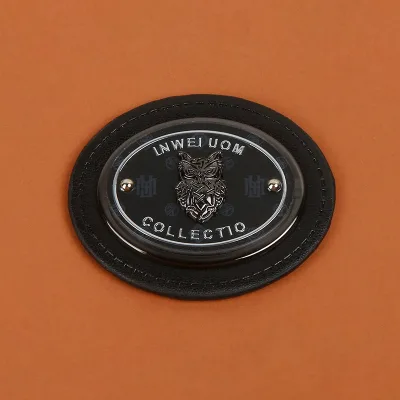
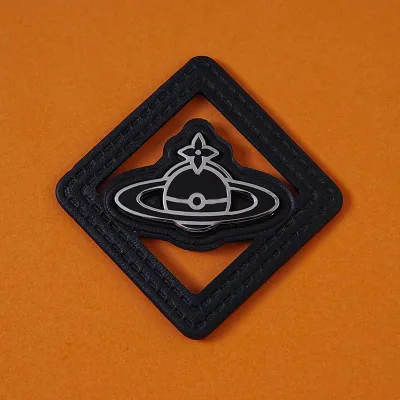
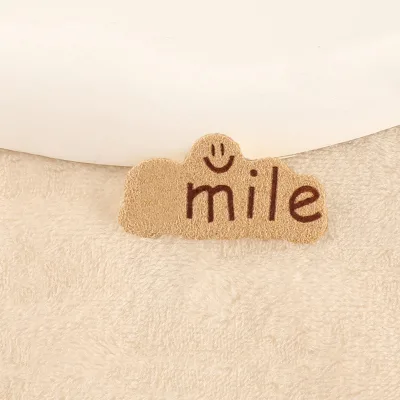
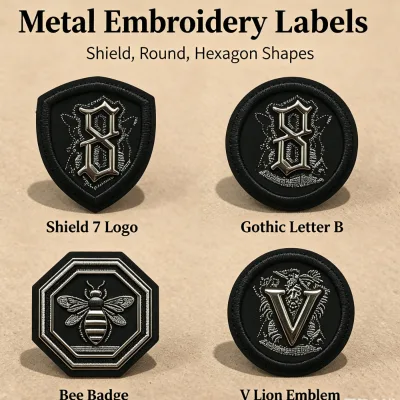
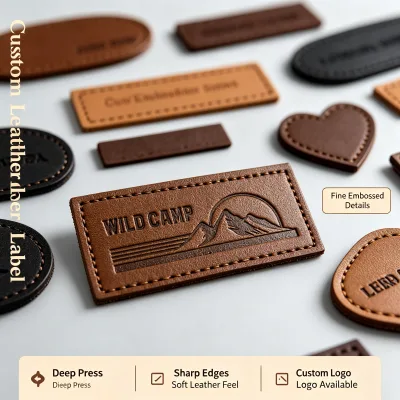
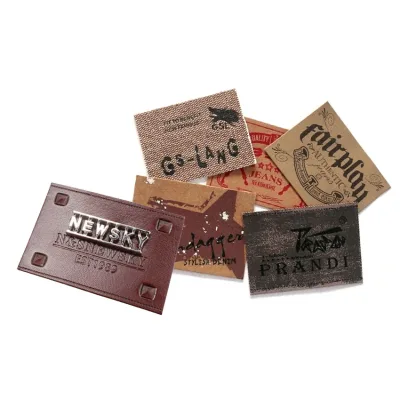
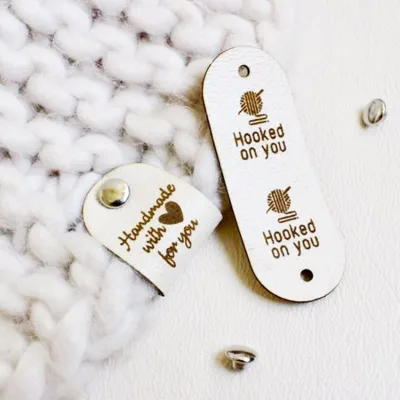


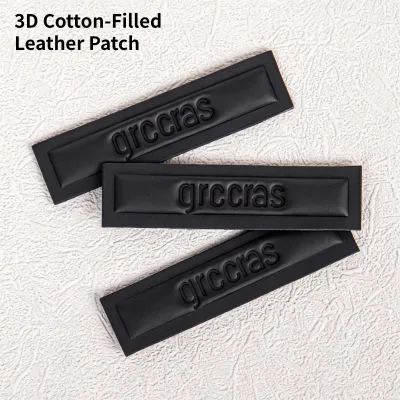


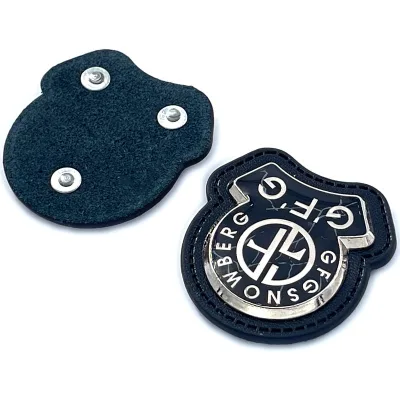
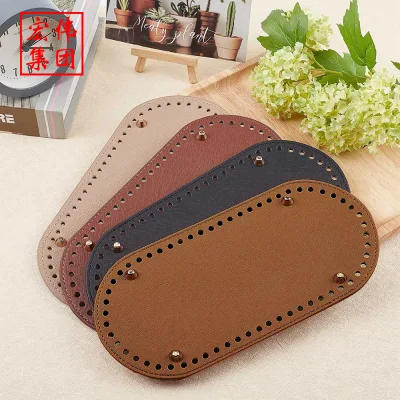
Comprehensive Sourcing Guide
3D Embossed Imitation Leather Labels Sourcing Guide
Buyers evaluating 3D Embossed Imitation Leather Labels must first distinguish between the various material compositions observed in the market, ranging from synthetic leather and PU to cowhide and silicone leather. The product listings indicate that these labels are primarily designed for application on garments, shoes, bags, and hats, serving as a durable branding element that withstands the rigors of daily wear. Understanding the specific material base is critical, as the choice between synthetic options and genuine leather alternatives will directly influence the tactile feel, cost structure, and environmental profile of the final product.
Procurement teams should also scrutinize the manufacturing techniques listed, such as embossed, debossed, and printed finishes, to ensure they align with the desired aesthetic outcome. The observed data highlights that these labels often feature specific shapes like rectangles, squares, or rounds, with customization available for size and logo design. This flexibility allows brands to tailor the label's appearance to their specific identity, but it requires clear communication of technical requirements to the supplier to avoid discrepancies between the sample and the bulk production run.
Product Scope and Observed Listing Signals
The market for these labels demonstrates a wide range of customization capabilities, with suppliers offering various sizes, colors, and pattern types to meet specific design needs. Buyers will observe that features such as waterproofing, eco-friendliness, and anti-counterfeit capabilities are frequently highlighted, suggesting that these labels are engineered for high-value applications where durability and brand protection are paramount. The presence of heat transfer printing and heat-cut edges indicates advanced manufacturing processes that enhance the precision and finish of the final product.
Commercial signals in the listings reveal that minimum order quantities typically start at 500 pieces, though some suppliers may list ranges up to 5000 units depending on the complexity of the order. Pricing observations suggest a broad spectrum, with unit costs varying significantly based on material selection and order volume. Buyers must navigate these commercial terms carefully, as the "single item" selling units often imply a sample or low-volume testing phase before committing to larger production runs that leverage economies of scale.
Technical Specifications to Verify
When verifying technical specifications, buyers must confirm the exact model numbers and production standards associated with their order, as these identifiers often dictate the specific tooling and processes used. The observed data includes model numbers like WLB-001, BZD037, and 089, which correspond to distinct product configurations. It is essential to request detailed technical drawings that specify the embossing depth, edge finishing methods, and the precise dimensions of the label to ensure it fits the intended garment or accessory without compromising the design integrity.
Verification of the printing and finishing techniques is equally critical, as the market offers options ranging from standard printing to 3d embossed logos and debossed effects. Buyers should explicitly confirm whether the label utilizes heat transfer printing or other methods to ensure the graphic design remains vibrant and legible after washing. Additionally, the specification of the fold type, such as straight cut, and the single gross weight of the package must be validated to prevent logistical issues during shipping and to ensure the label meets the structural requirements of the final assembly line.
Compliance and Safety Documentation
While specific certification statuses like Oeko-Tex are mentioned in background contexts, buyers must actively request current compliance documentation rather than assuming adherence to any particular standard. The product features list includes "Eco-Friendly" attributes, but this claim requires substantiation through verified test reports that confirm the absence of harmful substances in the synthetic leather or PU materials used. Procurement teams should demand certificates that align with the destination market's regulations, ensuring that the labels do not introduce chemical risks to the end consumer or violate environmental directives.
Safety documentation should also address the durability and performance of the label under specific conditions, such as exposure to water or repeated washing cycles. The observed product advantage of not deforming after washing is a significant claim that must be backed by empirical test data provided by the supplier. Buyers should insist on seeing results from standardized wash tests to verify that the embossed logo and printed graphics remain intact, ensuring that the label maintains its aesthetic and functional quality throughout the lifecycle of the garment or accessory.
Cost Drivers and Commercial Terms
The primary cost drivers for 3D Embossed Imitation Leather Labels include the complexity of the mold design, the type of material selected, and the volume of the order. Suppliers often cite a minimum order quantity of 500 pieces, which serves as a baseline for covering the setup costs associated with custom tooling and specialized printing processes. Buyers should anticipate that orders falling below this threshold may incur significantly higher per-unit costs or require a premium for sample production, making it essential to plan inventory needs carefully to optimize the total cost of ownership.
Commercial terms regarding lead times and packaging must be clearly defined to avoid supply chain disruptions. The observed data indicates that sample orders can be supported with a lead time of seven days, but bulk production timelines will vary based on the supplier's capacity and the specific customization requirements. Packaging standards, such as OPP bag inner packing combined with export-standard outer packing, are crucial for protecting the labels during transit. Buyers should negotiate these terms explicitly to ensure that the goods arrive in perfect condition and that the delivery schedule aligns with their production calendar.
Supplier Qualification and Quality Control
Supplier qualification should focus on verifying the origin of the products, as the observed data points to manufacturing hubs in Guangdong and Zhejiang, China. Buyers must assess the supplier's capacity to maintain consistency across large production runs, particularly when dealing with custom sizes and colors. It is advisable to request a comprehensive audit of the supplier's facilities to ensure they possess the necessary equipment for embossing, printing, and cutting, as well as a robust quality control system to minimize defects in the final output.
Quality control protocols must be established to verify that the physical attributes of the labels match the approved samples. This includes checking the accuracy of the embossed depth, the precision of the heat-cut edges, and the consistency of the color shades, which can range from yellow and brown to black and green. Buyers should implement a clear acceptance criteria document that defines acceptable tolerances for dimensions and appearance, ensuring that any deviations are identified and rectified before the goods are shipped to the final destination.
Long-Term Procurement Checks
Establishing a long-term procurement strategy requires regular performance reviews of the supplier's ability to meet quality and delivery commitments over time. Buyers should track key performance indicators such as defect rates, on-time delivery percentages, and responsiveness to design changes to ensure the partnership remains productive. Continuous monitoring helps identify potential issues early, allowing for corrective actions before they impact the broader supply chain or the brand's reputation in the market.
Sustainability and innovation should also be part of the long-term evaluation criteria, as the market for eco-friendly and recycled materials continues to evolve. Buyers should engage with suppliers to explore opportunities for improving the environmental profile of the labels, such as adopting more sustainable materials or reducing waste during the manufacturing process. By fostering a collaborative relationship focused on continuous improvement, brands can ensure that their 3D Embossed Imitation Leather Labels remain competitive and aligned with evolving consumer expectations and regulatory requirements.
FAQs
What materials are used for 3D Embossed Imitation Leather Labels?
These labels are crafted from synthetic leather, PU, cowhide, or silicone leather. The main material options allow for various textures and durability levels suitable for garments, shoes, and bags. Buyers can select the specific material type that best matches their product's aesthetic and functional requirements during the customization process.
Can I customize the size and shape of these labels?
Yes, customization is available for both size and shape. Various sizes are offered as per your request, and shapes include folded, round, or square patterns. The product supports custom sizes and accepts logo or graphic design inputs, ensuring the labels fit your specific garment or accessory dimensions perfectly.
What is the minimum order quantity for these leather labels?
The standard minimum order quantity is 500 pieces. However, observed listings indicate a broader MOQ range from 100 to 5000 units depending on the supplier. Buyers should confirm the specific MOQ with the manufacturer, as it may vary based on the complexity of the embossing and printing techniques required.
How are these labels packaged for export?
Labels are typically packed in OPP bags for inner protection, combined with standard outer export packing. This method ensures the items remain secure during transit. The single package size is approximately 15x15x15 cm with a gross weight of 0.4 kg, facilitating efficient logistics and storage for bulk orders.
What printing and finishing techniques are applied to these labels?
Techniques include embossed, debossed, printed, and heat transfer printing methods. Features like heat-cut edges and anti-counterfeit barcodes are also available. These processes allow for detailed 3D logos and durable text, ensuring the labels remain legible and intact even after washing, making them ideal for high-quality apparel and accessories.
Where are these imitation leather labels manufactured?
These products originate from Guangdong and Zhejiang provinces in China. Manufacturers in these regions specialize in producing customized garment labels with various features like eco-friendly materials and waterproof properties. Buyers can source directly from these locations to benefit from established supply chains and competitive pricing for bulk leather label orders.