Digital Printing Rubber Magnet Suppliers and Manufacturers
Explore 21 verified options for Digital Printing Rubber Magnet from Zhejiang and Guangdong factories. Compare response times, lead times, certifications like ISO and RoHS, and MOQs to find the right partner. Contact suppliers directly to request samples and negotiate pricing.
Updated
Suppliers List

- Verified by TUVRHEINLAND
- Manufacturer/Factory
- China Zhejiang
- Lead time15 days
- Avg. response≤ 10h
Main productsNeodymium Magnet, Ferrite Magnet, Rubber Magnet, AlNiCo Magnet, Fridget Magnet, Keyring, Keychain, Magnet Sticker, Wood Magnet, Magnet Toy
Main marketsSouth America,Mid East,North America,Eastern Asia,Western Europe

Honesun Industrial Co., Limited
- Trading Company
- China Zhejiang
- Lead time23 days
- Avg. response≤ 12h
Main productsRubber Magnet, Cylinder Magnet, Magnet, Permanent Magnet, Neodymium Magnet, NdFeB Magnet, Magnetic Toy, Magnetic Ball, Magnetic Name Badge, Neocube
Main marketsSouth America,Eastern Europe,Mid East,North America,Southeast Asia,Eastern Asia,Oceania,Western Europe,Africa


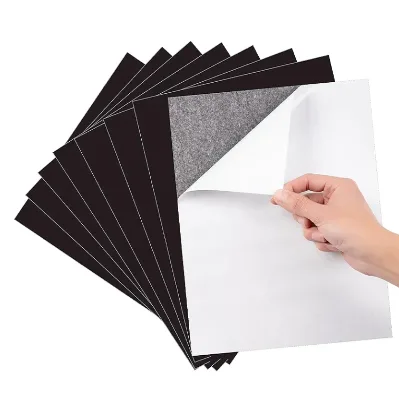
Soft Flexible Rubber Magnet Sheets, Rubber Magnet PVC Magnet Paper Printing
$0.10 - $30.00
MOQ: 1 Pieces

Magnetic Paper Magnetic Sheet Flexible Rubber Magnet with Adhesive PVC Rubber Magnets
$0.10 - $20.00
MOQ: 10 Pieces


Dongguan Maghard Flexible Magnet Co., Ltd.
- Manufacturer, Trading Company
- Lead time旺季: "1 - 1000":18,"> 1000":"To be negotiated", 淡季: "1 - 1000":18,"> 1000":"To be negotiated"
- Avg. response≤ 7h
Main productsRubber Magnetic Sheets Strip Rolls, Magnetic Promotion Items, Fridge Magnet, Magnetic Toys, Magnetic Stationery Gifts
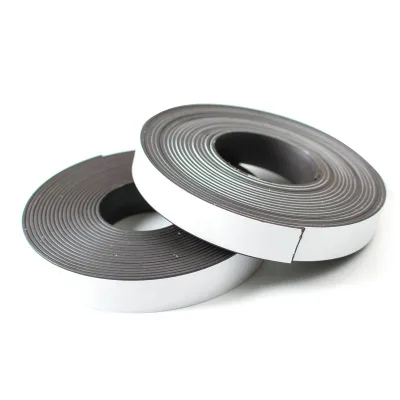
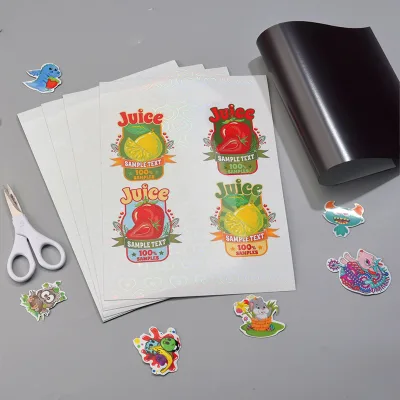
Printable Colorful Soft Flat Pvc Coated Rubber Magnet Isotropic Rubber Magnet Colorful Rubber Magnet
$0.3112 - $2.045
MOQ: 100 Minimum
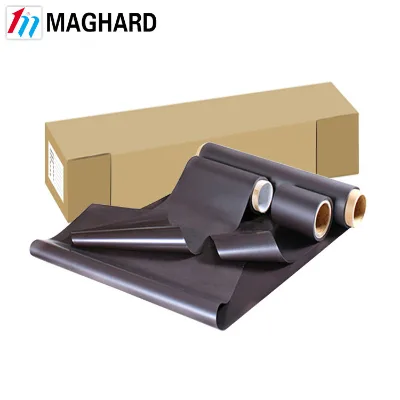
Free Sample Custom Strong Isotropic Rubber Adhesive Flexible Magnet Roll For Printing
$30.00 - $32.00
MOQ: 50 rolls
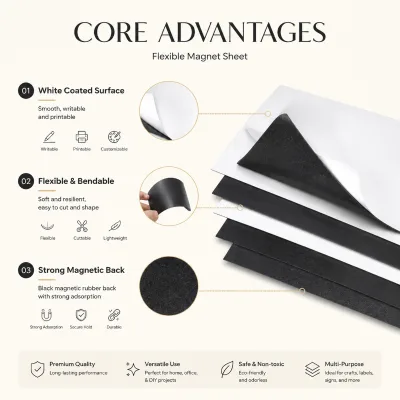
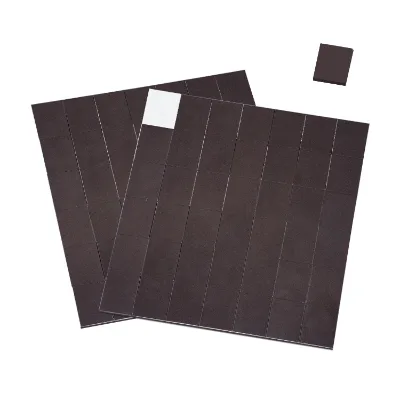
Factory Price For Industrial Isotropic Soft Rubber Magnets Sheet Die Cutting Small Size
$0.15 - $0.25
MOQ: 1000 pieces
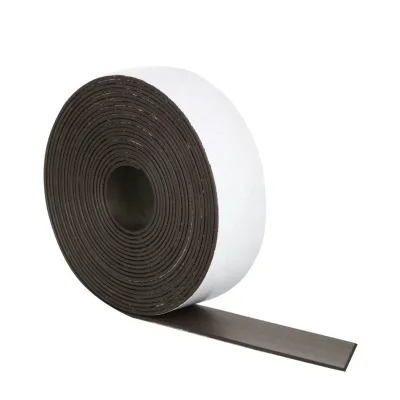
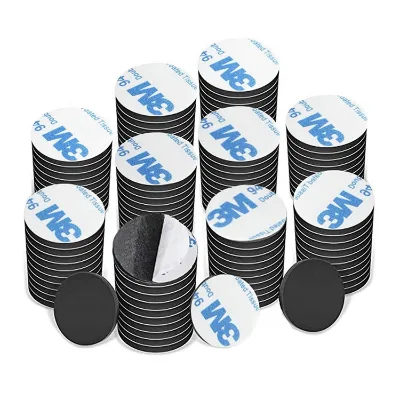
High Purchase Rate Magnetic Material Magnetic Round Rubber Magnet for Fridge Decoration
$0.02 - $0.04
MOQ: 1000 pieces
Hangzhou Hs Magnetics Co., Ltd.
- Manufacturer, Trading Company
- Zhejiang, China
- Lead time20 days
- Avg. response≤ 4h
Main productsMagnet
Main marketsWestern Europe(30.00%), North America(30.00%), Southeast Asia(20.00%), Mid East(10.00%), Southern Europe(3.00%), Northern Europe(3.00%), Africa(3.00%), South America(1.00%)

Safecare Electro Products Co., Ltd.
- Trading Company
- China Anhui
- Lead time30 days
- Avg. response≤ 8h
Main productsFlexible Rubber Magnet, Neodymium Magnet, Magnetic Tape, Magnetic Strip, Rubber Magnet Sheet, Rubber Magnet Rolls, Ferrite Magnet
Main marketsSouth America,Africa,Southeast Asia/ Mideast,Europe,Australia,North America


Colorful Strong Magnet Sheet Magnetic Roll Rubber Flexible Roll with Adhesive
$0.01 - $5.00
MOQ: 1000 Pieces


Zhejiang Dongyang Yongmin Rubber Plastic Magnet Co., Ltd.
- Manufacturer, Trading Company
- Zhejiang, China
- Lead time15 days
- Avg. response≤ 3h
Main productsRubber Magnetic Roll, Rubber Magnetic Sheet, Rubber Magnetic Strip, Ferrous Sheet, Neodymium Magnetic Strip
Main marketsDomestic Market(77.00%), Eastern Europe(8.00%), South America(6.00%), North America(2.00%), Western Europe(2.00%), Eastern Asia(2.00%), Southeast Asia(2.00%), Mid East(1.00%)
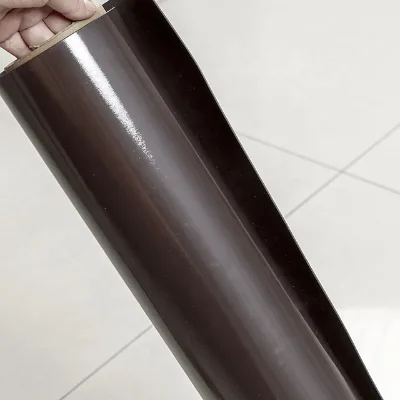

$20.5221 - $92.3466
MOQ: 40 Minimum
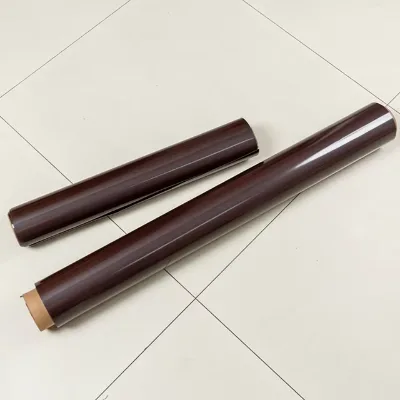
Magnet Magnes Newest Selling Direct Manufactory Price Soft Rubber Magnet with Magnet Composite Strip
$30.00 - $60.00
MOQ: 1 rolls
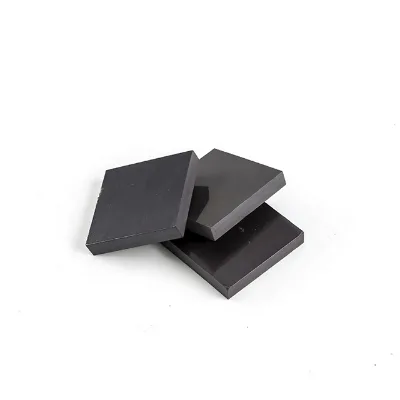
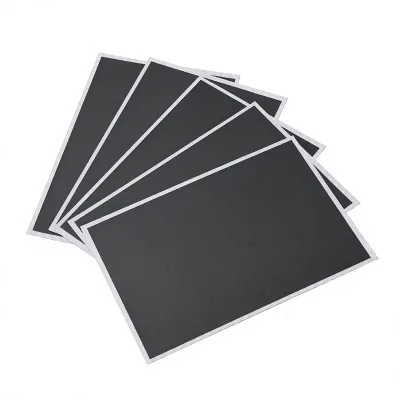
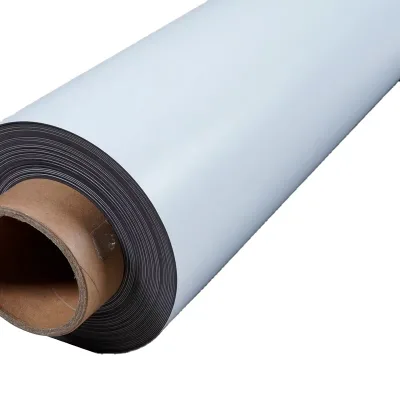
$30.7832 - $61.5649
MOQ: 50 Minimum

YOPO SCIENCE & TECHNOLOGY (NINGBO) CO., LTD.
- Verified by BV
- Trading Company,Manufacturer/Factory
- China Zhejiang
- Lead time45 days
- Avg. response≤ 18h
Main productsNdFeB Magnet, Flexible Magnet, AlNiCo Magnets, Ferrite Magnets, Magnetic Toys, Magnetic Tools, Magnetic Artwares, Magnetic Assembly, Magnetic Lifter, Magnetic Chuck
Main marketsSouth America,Eastern Europe,Mid East,North America,Southeast Asia,Eastern Asia,Oceania,Western Europe,Africa

Dongguan Magtoon Magnetic Products Co., Ltd.
- Manufacturer, Trading Company
- Guangdong, China
- Lead time15 days
- Avg. response≤ 3h
Main productsRubber magnets,Magnet strips,Fridge Magnet,Magnetic toys,Magnetic stationery
Main marketsDomestic Market(50.00%), Eastern Asia(30.00%), North America(10.00%), Eastern Europe(5.00%), Western Europe(5.00%)
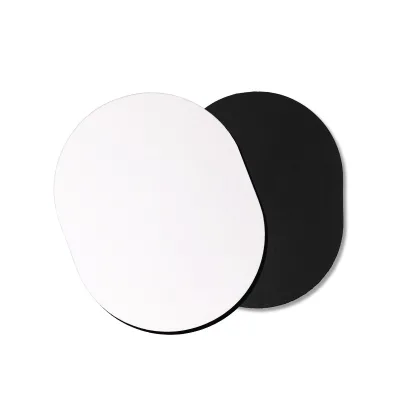
Double Sided Adhesive Flexible Rubber Magnetic Sheet
$2.00 - $3.44
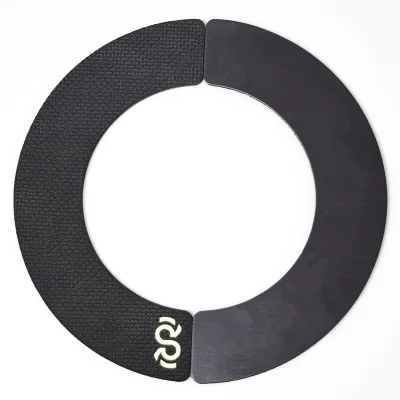
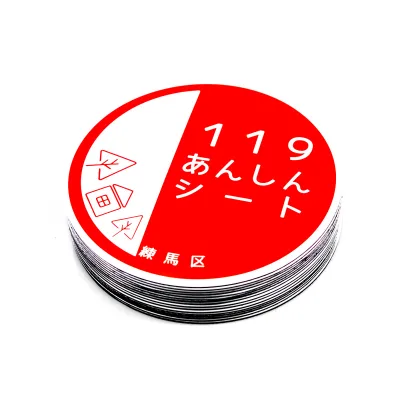
Magnetic Label, Fridge Magnets, Round Magnetic Stickers with Printing, Personalized Design
$0.1541 - $0.6149
MOQ: 500 units
Hongsu Promotion & Advertising Products (Yancheng) Co., Ltd.
- Trading Company
- Jiangsu, China
- Lead time30 days
- Avg. response≤ 4h
Main productsFlag Banner,Advertising Tents,Advertising Inflatables,Indoor and Outerdoor Displays,Gift Promotion
Main marketsNorth America(50.00%), Western Europe(40.00%), Mid East(10.00%)
- Verified by SGS Group
- Manufacturer, Trading Company
- Lead time15 days
- Avg. response≤ 4h
Main productsMagnetic Rotor, Magnetic Components, Bonded Magnet, Sintered Neodymium Magnet, Sintered SmCo Magnet
Main marketsNorth America(10%), South America(10%), Southeast Asia(10%)
Hefei Qizhi Electronic Technology Co., Ltd.
- Verified by TüVRheinland
- Trading Company
- Lead time10 days
- Avg. response≤ 2h
Main productsNdfeb Magnet, Rubber Magnet, Magnetic Component, Linear Actuator, Motor
Main marketsEastern Europe(14%), South America(13%), Southern Europe(13%)
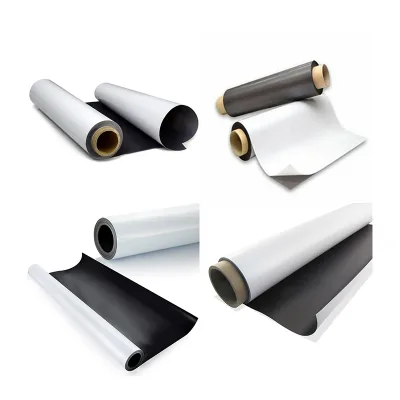

$0.08 - $0.10
MOQ: 1000 Minimum

$20.4384 - $66.4209
MOQ: 50 Minimum
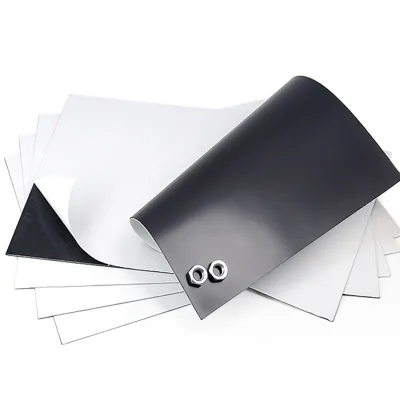
Popular Rubber Magnets Magnets for Car with logo Bumper Car Magnetic Sticker
$0.03 - $0.10
MOQ: 1000 pieces
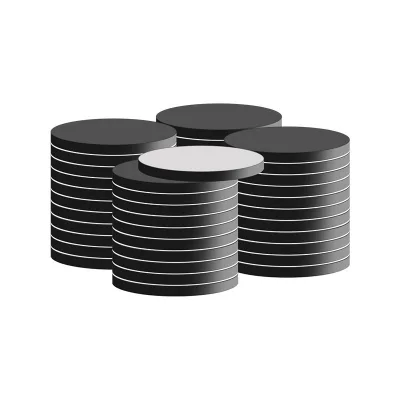
Round, Small Dot-shaped Rubber Magnets with Self-adhesion, Strong Soft Magnets for Refrigerators
$0.0204 - $0.205
MOQ: 5 Minimum
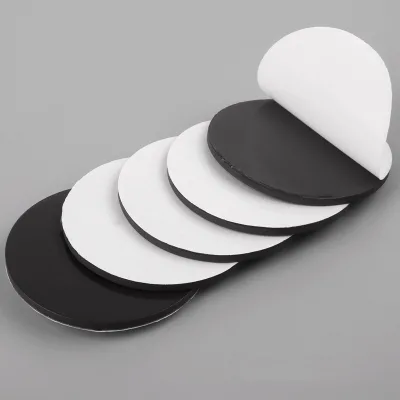
Dongguan Maghard Flexible Magnet Co., Ltd.
- Verified by TüVRheinland
- Manufacturer, Trading Company
- Lead time15 days
- Avg. response≤ 6h
Main productsMagnetic Materials, Decorative Accents, Whiteboards, Magnetic Blocks, Other Educational Toys
Main marketsDomestic Market(20%), Eastern Europe(15%), Western Europe(15%)
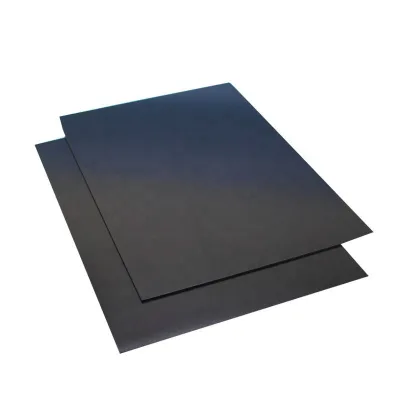
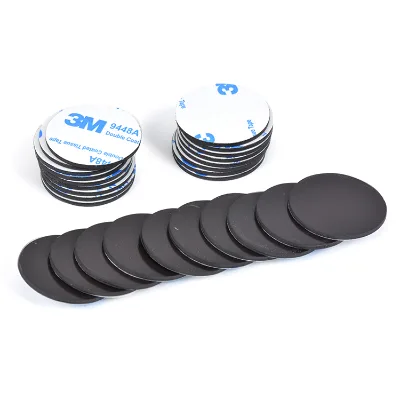
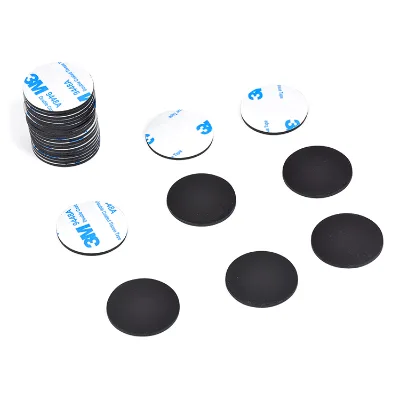
Promotional Gifts Die Cut Printable Magnetic Sheet Self Adhesive Rubber Magnet
$0.08 - $0.15
MOQ: 2000 Minimum

- Manufacturer, Trading Company
- Hong Kong S.A.R.
- Lead time7 days
- Avg. response≤ 1h
Main productsneodymium magnet
Main marketsNorth America(30.00%), South America(30.00%), Eastern Europe(20.00%), Eastern Asia(10.00%), Mid East(5.00%), Western Europe(5.00%)
Huizhou Bolide Ls Adhesive Technology Co., Ltd.
- Verified by SGS Group
- Manufacturer, Trading Company
- Lead time7 days
- Avg. response≤ 8h
Main productsConductive Fabric Tape, Polyimide Tape, Nano Double Sided Tape, Anti-Slip Tape, Die Cut Tape
Main marketsNorth America(35%), Domestic Market(32%), Western Europe(7%)

Xiamen Yuxiang Magnetic Materials Technology Co., Ltd.
- Trading Company
- China Fujian
- Lead time23 days
- Avg. response≤ 6h
Main productsNdFeB Magnet, SmCo Magnet, AlNiCo Magnet, Ferrite Magnet, Rubber Magnet, Fridge Magnet, Magnetic Powder, Magnetic Compound, Magnetic Core, Magnetic Materials
Main marketsSouth America,Africa,Southeast Asia/ Mideast,East Asia(Japan/ South Korea),Europe,Australia,North America

Zhejiang Dongyang Gaoke Electromagnetic Equipment Co., Ltd.
- Manufacturer, Trading Company
- Zhejiang, China
- Lead time25 days
- Avg. response≤ 4h
Main productsRubber Magnetic Roll,Fridge Magnet,Extruded Magnetic Strip,Motor Magnetic Strip,Anisotropic Magnet
Main marketsEastern Asia(40.00%), Domestic Market(10.00%), North America(10.00%), Western Europe(8.00%), Central America(7.00%), Eastern Europe(5.00%), Southeast Asia(5.00%), South America(5.00%), South Asia(4.00%), Africa(2.00%), Oceania(2.00%), Southern Europe(2.00%)
Dongguan Guanghong Magnet Products Co., Ltd.
- Manufacturer, Trading Company
- Guangdong, China
- Lead time0 days
- Avg. response≤ 2h
Main productsMagnet,Neodymium Iron Boron Magnets,Ferrite Magnet,Flexible Magnet,Magnetic Assemblies
Main marketsNorth America(40.00%), Eastern Europe(30.00%)

Wenzhou Guda Technology Co., Ltd.
- Verified by BV
- Combined
- China Zhejiang
- Lead time30 days
- Avg. response≤ 4h
Main marketsEurope
Lu'an Baytari Advertising Production Co.,ltd.
- Manufacturer, Trading Company
- Anhui, China
- Lead time7 days
- Avg. response≤ 2h
Main productsBanners,Flags,Stickers & Decals,Table Cloths,Signs
Main marketsNorth America(25.00%), Western Europe(15.00%), Oceania(10.00%), Southern Europe(10.00%), Northern Europe(10.00%), Eastern Europe(10.00%), Africa(5.00%), Southeast Asia(5.00%), South America(5.00%), Eastern Asia(5.00%)
Dongguan Meitian Technology Limited
- Verified by SGS Group
- Manufacturer, Trading Company
- Lead time10 days
- Avg. response≤ 3h
Main productsMagnet, Magnetic Materials, Neodymium Magnet, NdFeB Magnet, Permanent Magnet
Main marketsNorth America(25%), Mid East(15%), Northern Europe(10%)
Fuzhou Toklung Business Services Co., Ltd.
- Trading Company
- Fujian, China
- Lead time0 days
- Avg. response≤ 5h
Main productsCustom Promotional Gifts,Corporate Giveaways,Branded Merchandise,Event Supplies,OEM & ODM Solutions
Main marketsNorth America(65.00%), Eastern Europe(25.00%), South America(10.00%)




















Comprehensive Sourcing Guide
Digital Printing Rubber Magnet Supplier Concentration and Factory Types
The current supplier landscape for digital printing rubber magnets reveals a distinct mix of manufacturing capabilities and trading structures, primarily concentrated in China. Evidence indicates that suppliers are located in regions such as Zhejiang and Guangdong, with Zhejiang specifically noted for its manufacturing output. This geographic clustering suggests that buyers can expect a robust supply chain infrastructure in these areas, where raw materials like ferrite powders and polymers are readily available for processing into flexible magnetic sheets. The presence of manufacturers in these zones implies that direct factory engagement is possible, potentially offering better control over production quality and customization options compared to purely trading entities. Buyers should recognize that while some suppliers operate as pure trading companies, others are verified manufacturers or hybrid entities that combine both roles. This distinction is critical because it affects the level of direct communication, the ability to request factory audits, and the transparency of the supply chain. Understanding whether a supplier is a factory or a trader helps in determining the appropriate negotiation strategy and the depth of technical support available during the sourcing process.
Supplier types vary significantly in their operational focus and product offerings. Some entities specialize in a broad range of magnetic products, including neodymium, ferrite, and rubber magnets, while others focus more narrowly on flexible rubber magnet sheets and rolls. The evidence shows that many suppliers offer OEM and ODM services, indicating a high degree of flexibility in meeting specific client requirements for digital printing applications. This capability is essential for buyers who need custom designs, logos, or specific dimensions for their marketing materials or industrial applications. The availability of customization options, such as customized magnet sizes and shapes, allows for greater versatility in product design. However, buyers must carefully assess the supplier’s actual production capacity and technical expertise to ensure they can deliver consistent quality across large orders. The presence of both manufacturers and trading companies in the results suggests that buyers have multiple pathways to source digital printing rubber magnets, each with its own advantages and potential drawbacks regarding cost, lead time, and service level.
How to Verify Digital Printing Rubber Magnet Suppliers
Verifying the legitimacy and capability of Digital Printing Rubber Magnet suppliers requires a multi-layered approach that goes beyond simple profile reviews. One of the most reliable indicators of supplier credibility is third-party verification, such as the TÜV Rheinland certification observed in some results. This type of verification provides an independent assessment of the supplier’s business practices and operational standards, offering buyers a higher degree of confidence in the supplier’s reliability. Buyers should prioritize suppliers who have undergone such rigorous verification processes, as it reduces the risk of dealing with fraudulent or unqualified entities. Additionally, checking for system certifications like ISO 9001, ISO 14001, and BSCI can provide further assurance of the supplier’s commitment to quality management, environmental responsibility, and social compliance. These certifications are not just formalities; they reflect a structured approach to production and management that can significantly impact the consistency and ethical standards of the final product. Buyers should request copies of these certificates and verify their validity through the issuing bodies to ensure they are current and applicable to the specific products being sourced.
Beyond certifications, buyers should assess the supplier’s response time and communication efficiency as key indicators of their operational health. The data shows response times ranging from approximately 7 to 11 hours, which can serve as a benchmark for evaluating potential partners. A faster response time often correlates with a more responsive and organized sales team, which is crucial for resolving issues quickly during the production and shipping phases. Buyers should also look for evidence of product-specific attributes, such as material composition and certification details like ISO, CE, and RoHS compliance for the rubber magnets themselves. These product-level certifications ensure that the materials used are safe and meet international standards, which is particularly important for products that may come into contact with consumers or are used in sensitive environments. By combining verification of the company’s credentials with an assessment of its operational responsiveness and product compliance, buyers can build a comprehensive profile of each supplier, enabling them to make more informed and secure sourcing decisions.
What to Compare Across Digital Printing Rubber Magnet Suppliers
When evaluating multiple suppliers for digital printing rubber magnets, buyers should systematically compare key operational metrics to identify the best fit for their specific needs. Lead time is a critical factor, with observed values ranging from 15 to 23 days, and some suppliers offering variable lead times based on order volume and seasonality. For instance, one supplier indicated a lead time of 18 days for orders between 1 and 1000 units, with larger orders requiring negotiation. This variability highlights the importance of discussing lead times explicitly during the inquiry phase to avoid production delays. Buyers should also compare Minimum Order Quantities (MOQs), which can vary significantly, from as low as 1 unit for some trading companies to 1000 or 2000 units for manufacturers. Understanding these MOQs helps in determining the feasibility of small-batch prototyping versus large-scale production runs. Additionally, comparing response times, which ranged from 7 to 11 hours, can help buyers gauge the efficiency of the supplier’s customer service and their ability to handle urgent requests or changes in order specifications.
Price and customization capabilities are another crucial area for comparison. The price range for rubber magnets observed in the data spans from $0.10 to $30.00 per unit, depending on the product type, material, and order volume. Buyers should not focus solely on the lowest price but should consider the total value proposition, including quality, lead time, and service. Customization options, such as the ability to provide customized magnet sizes, shapes, and printing finishes, are essential for many buyers. Suppliers that offer OEM services and have flexible production lines can accommodate unique design requirements more effectively. Buyers should also compare the range of main products offered by each supplier, as some may specialize in rubber magnets while others offer a broader range of magnetic products. This specialization can impact the supplier’s expertise and the quality of their core offerings. By systematically comparing these dimensions, buyers can create a weighted scoring matrix to objectively evaluate and select the most suitable supplier for their Digital Printing Rubber Magnet needs.
Common Digital Printing Rubber Magnet Sourcing Risks
Sourcing digital printing rubber magnets involves several inherent risks that buyers must proactively manage to ensure a successful procurement process. One significant risk is the variability in product quality, particularly regarding the magnetic strength and durability of the rubber material. Since rubber magnets are composite materials made from ferrite powders and polymers, inconsistencies in the mixing and curing processes can lead to variations in magnetic performance. Buyers should request samples to test the magnetic strength and flexibility before committing to large orders. Another risk is the potential for delays in production and shipping, especially if the supplier is overwhelmed with orders or if there are issues with raw material availability. The observed lead times of 15 to 23 days are estimates and can be extended by unforeseen circumstances. Buyers should establish clear communication channels and request regular updates on production progress to mitigate the risk of delays. Additionally, the risk of non-compliance with international standards, such as RoHS or CE, is a concern, particularly for products intended for export to regulated markets. Buyers must verify that the supplier’s products meet the necessary regulatory requirements and request relevant test reports to ensure compliance.
Another common risk is the misalignment of expectations regarding customization and printing quality. Digital printing on rubber magnets requires specialized equipment and expertise to achieve high-resolution images and vibrant colors. If the supplier lacks the necessary technology or experience, the final product may not meet the buyer’s aesthetic standards. Buyers should review the supplier’s portfolio of previous work and request samples of printed rubber magnets to assess the print quality. Furthermore, there is a risk of intellectual property infringement if the supplier uses copyrighted designs or logos without proper authorization. Buyers must ensure that they have the necessary rights to the designs they submit and that the supplier agrees to maintain confidentiality and respect intellectual property rights. Finally, the risk of financial loss due to supplier insolvency or fraud is always present in international trade. Buyers should use secure payment methods, such as escrow services, and conduct due diligence on the supplier’s financial stability and reputation. By identifying and addressing these risks early in the sourcing process, buyers can protect their interests and ensure a smoother procurement experience.
Digital Printing Rubber Magnet Regional Sourcing and Logistics
The regional concentration of Digital Printing Rubber Magnet suppliers in China, particularly in Zhejiang and Guangdong, offers distinct logistical advantages and challenges for international buyers. Zhejiang, as a noted manufacturing hub, provides access to a well-developed supply chain network, which can facilitate efficient raw material sourcing and production. Guangdong, another key region, is known for its advanced manufacturing capabilities and proximity to major shipping ports, which can reduce transit times and costs for exports. Buyers should consider the logistical implications of sourcing from these regions, including the availability of freight forwarders and the efficiency of local customs clearance processes. The proximity to ports in these areas can lead to faster shipping times and potentially lower freight costs, especially for large container loads. However, buyers must also account for the variability in shipping schedules and the potential for delays due to port congestion or global supply chain disruptions. Establishing relationships with reliable logistics partners who have experience in handling magnetic products is crucial to ensure timely and safe delivery.
Logistics planning should also consider the specific handling requirements of rubber magnets, which are flexible and can be prone to damage if not packed correctly. The observed packing methods, such as carton packing and palletizing, indicate that suppliers have standard procedures for protecting the products during transit. Buyers should verify that the supplier’s packing methods meet their specific requirements and that the packaging is suitable for the mode of transport being used, whether by sea, air, or express courier. For air freight, the weight and volume of the rubber magnets must be carefully calculated to optimize shipping costs. Additionally, buyers should be aware of any restrictions or special requirements for shipping magnetic materials, as some carriers may have specific regulations regarding the transport of magnets. Understanding these logistical nuances allows buyers to plan their supply chain more effectively, minimize costs, and ensure that the products arrive in good condition. By leveraging the regional advantages of Chinese manufacturing hubs and planning for logistical challenges, buyers can optimize their sourcing strategy for digital printing rubber magnets.
Digital Printing Rubber Magnet Commercial Terms and Order Planning
Effective order planning for digital printing rubber magnets requires a clear understanding of the commercial terms offered by suppliers, including pricing structures, payment terms, and after-sales support. The observed price ranges, from $0.10 to $30.00 per unit, highlight the importance of negotiating based on order volume and specific product requirements. Buyers should seek detailed quotations that break down costs for materials, printing, and packaging to ensure transparency. Payment terms are another critical aspect, with many suppliers offering options such as T/T or L/C, and some providing escrow services for added security. Buyers should choose payment methods that balance risk and convenience, ensuring that funds are protected until the goods are received and inspected. Additionally, buyers should clarify the terms for sample orders, including costs and lead times, as samples are essential for verifying quality before placing bulk orders. Some suppliers offer free samples, while others charge a fee that may be credited against the bulk order. Understanding these terms helps in budgeting accurately and avoiding unexpected costs.
Order planning should also account for the supplier’s capacity and lead time variability, as discussed earlier. Buyers should align their order schedules with the supplier’s production capacity to avoid delays, especially during peak seasons when lead times may be extended. Establishing a clear timeline for design approval, sample production, bulk manufacturing, and shipping is essential for managing expectations and ensuring timely delivery. Buyers should also plan for potential contingencies, such as quality issues or shipping delays, by building buffer time into their schedules. After-sales support,
FAQs
What certifications do rubber magnets have?
Manufacturers typically hold ISO 9001, ISO 14001, BSCI, GMP, and QC 080000 system certifications. Product-level attributes often include ISO, CE, and RoHS compliance. These standards ensure quality management and environmental responsibility. Buyers should verify specific certificates for their target markets to ensure regulatory alignment and safety.
What is the typical lead time?
Standard lead times range from 15 to 23 days depending on the supplier type. Some manufacturers offer 18 days for orders under 1000 units during peak seasons. Larger quantities may require negotiation. Trading companies might have slightly longer processing times. Confirm exact schedules with the supplier before placing bulk orders.
What is the minimum order quantity?
MOQs vary significantly by product type and supplier. Some items require a minimum of 1000 units, while others accept orders as low as one piece. Customized rubber magnets often have higher thresholds. Buyers should check specific product pages for exact MOQ requirements to ensure they meet the supplier's production constraints.
What is the price range?
Prices generally range from $0.10 to $30.00 per unit depending on specifications. Basic rubber magnet rolls start around $0.10 to $0.50. Complex 3D stickers or printed sheets may cost up to $11.20 or higher. Volume discounts often apply. Request detailed quotes for accurate pricing based on your specific design and quantity.
Are samples available?
Samples are generally available for most rubber magnet products. Suppliers indicate that sample requests are acceptable for quality verification. This allows buyers to test material quality, adhesion, and print resolution before committing to large orders. Confirm sample costs and shipping details with the supplier to ensure smooth evaluation.
Where are these suppliers located?
Suppliers are primarily located in China, specifically in Zhejiang and Guangdong provinces. These regions are known for manufacturing capabilities in magnetic materials. Buyers can find both manufacturers and trading companies in these areas. Location impacts shipping logistics and lead times. Verify the exact origin for each product to plan your supply chain effectively.
What customization options exist?
Customization is widely available for size, shape, and coating. Suppliers offer OEM and ODM services for tailored solutions. Options include customized magnet sizes, UV coatings, and specific adhesive types. Buyers can request unique dimensions or branding. Confirm customization capabilities and tooling requirements with the supplier to ensure your specific design needs are met.