Double Flute Hammer Drilling Bit Suppliers and Manufacturers
Find 23 verified suppliers offering Double Flute Hammer Drilling Bit options with varying lead times, certifications, and locations. Compare response times, MOQs, and material standards to select the right factory for your well drilling needs; review the available evidence before requesting comparable quotations from suitable candidates.
Updated
Suppliers List

Glorytek Industry (Beijing) Co., Ltd.
- Verified by CTI
- Manufacturer/Factory
- China Beijing
- Lead time15 days
- Avg. response≤ 5h
Main productsDrilling Rig, Drill Bits, DTH Drill Rig, Drill Machine, Downhole Motor, Water Well Drill Rig, Tricone Bits, DTH Hammer, Anchor Drill Rig, Button Bits
Main marketsSouth America,Eastern Europe,Mid East,North America,Southeast Asia,Eastern Asia,Oceania,Western Europe,Africa

Shenyang ABT Drilling Equipment Co., Ltd.
- Verified by BV
- Combined
- China Liaoning
- Lead time30 days
- Avg. response≤ 9h
Main productsDTH Hammer, Drilling Bit, Air Compressor, Drilling Rig, Water Detector, Used Air Compressor, Used Drilling Rig, Used Truck, Used Excavator, Drilling Rod
Main marketsSouth America,Africa,North America

Changsha Tianhe Drilling Tools and Machinery Co., Ltd.
- Verified by SGS
- Manufacturer
- China Hunan
- Lead time23 days
- Avg. response≤ 6h
Main productsDTH Hammers and DTH Bits(3inch -32inch)for Water, Overburden Casing System, Button Bits, Shank Adapters, Coupling Sleeve, DTH Bits, Concentric and Ecasing System, Drilling Tools Manufacturer, Drill Bits, RC Hammers and RC Bits
Main marketsSouth America,Africa,Southeast Asia/ Mideast,East Asia(Japan/ South Korea),Domestic,Europe,Australia

Jiangsu Goldmoon Industry Co., Ltd.
- Verified by SGS
- Combined
- China Jiangsu
- Lead time15 days
- Avg. response≤ 4h
Main productsDrill Bit, Hole Saw, Saw Blade, Router Bit, Taps & Dies, End Mill, Grinding Tool, Work Gloves, Safety Helmet & Safety Shoes, Artificial Flowers
Main marketsEurope

Concrete Drill Bit Double SDS Plus Flute Masonry Hammer Drill Bit for Electric Drill
$0.50 - $0.80
MOQ: 1000 Pieces


Zhejiang Pulanka Rock Tools Co., Ltd.
- Verified by Intertek
- Manufacturer, Trading Company
- Lead time30 days
- Avg. response≤ 4h
Main productsDrill Bit, Thread Button Bit, Dth Hammer Bit, Dth Hammer , Drill Rod
Main marketsSoutheast Asia(50%), Africa(10%), North America(10%)

Linqing City Ruilong Drill Co., Ltd.
- Trading Company
- Shandong, China
- Lead time10 days
- Avg. response≤ 4h
Main productsDrill Bit,Drill Pipe,Drill Rig,Spare parts for drilling
Main marketsSoutheast Asia(20.00%), Oceania(11.00%), Mid East(10.00%), Northern Europe(10.00%), Africa(10.00%), North America(10.00%), Eastern Europe(10.00%), Domestic Market(5.00%), Western Europe(5.00%), South Asia(5.00%), South America(2.00%), Eastern Asia(2.00%)
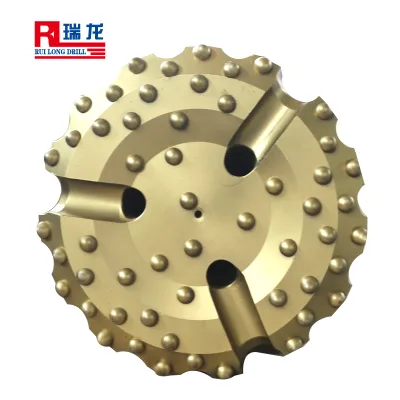
Hammer With Drill Bit. Drill Bit for Geological Exploration Drilling Bits
$160.00 - $200.00
MOQ: 10 sets
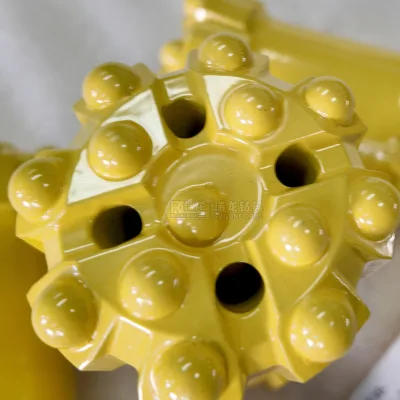
$35.00 - $37.00
MOQ: 10 pieces

Henan Hanfa Heavy Industry Equipment Co., Ltd.
- Trading Company,Manufacturer/Factory,Group Corporation
- China Henan
- Lead time15 days
- Avg. response≤ 3h
Main productsStone Crusher, Water Well Drilling Rig, Ball Mill, DTH Drilling Rig, Rotary Drilling Rig, Pile Driver, Mobile Crushing Plant, Mineral Processing Line, Rotary Kiln, Flotation Machine
Main marketsSouth America,Eastern Europe,Mid East,North America,Southeast Asia,Eastern Asia,Oceania,Western Europe,Africa
Danyang Ebuy Imp & Exp Co., Ltd.
- Verified by Intertek
- Manufacturer, Trading Company
- Lead time20 days
- Avg. response≤ 8h
Main productsDiamond Saw Blade, TCT Saw Blade, Cutting Disc, Drill Bits
Main marketsSouth America(32%), Domestic Market(27%), Eastern Europe(8%)
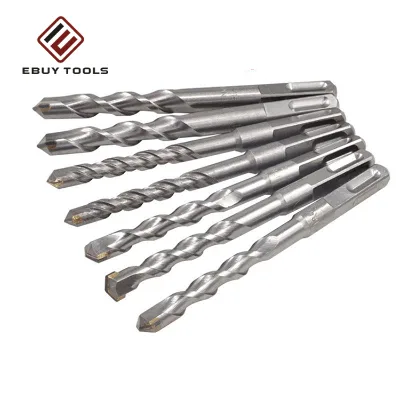
Cross or Single Tip S4 Flute SDS Plus Hammer Drill Bit Drilling Tools for Concrete Masonry Granite
$0.15 - $0.45
MOQ: 100 pieces
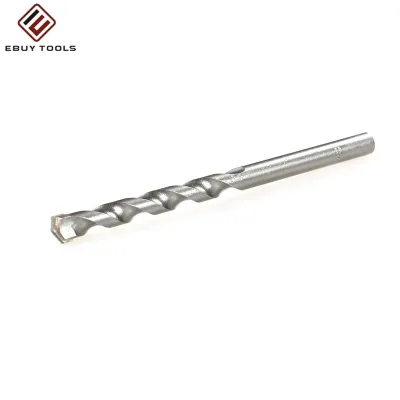
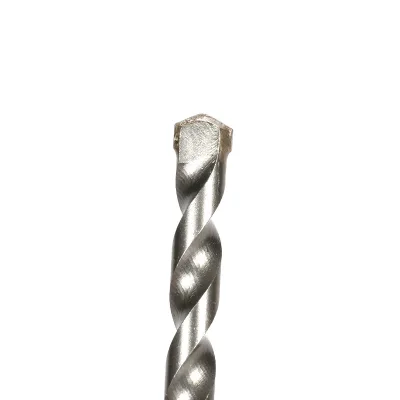
Hot Sales High Quality Masonry Drill Electric Hammer Drill Bits for Concrete High Effective Drilling
$0.04 - $0.07
MOQ: 10 pieces
$0.5445 - $1.1908
MOQ: 100 pieces

Jining Shengdu Pneumatic Tools Co., Ltd.
- Manufacturer, Trading Company
- Shandong, China
- Lead time15 days
- Avg. response≤ 2h
Main productsRock Drill,Gasoline rock drill,internal combustion rock drill,hydraulic rock drill,Gasoline breaker
Main marketsMid East(40.00%), South America(30.00%), Domestic Market(20.00%), Africa(10.00%)

Beijing Jincheng Mining Technology Co., Ltd.
- Verified by SGS
- Trading Company
- China Beijing
- Lead time30 days
- Avg. response≤ 5h
Main productsCore Drilling Rig, Water Well Drilling Rig, Rock Drilling Rig, Engineering Drilling Rig, DTH Drilling Tools, Diamond Core Drilling Tools, Water Well Drilling Tools, Portable Air Compressor, Drill Mud Pump
Main marketsAfrica

Changsha Chaojingang Machinery Manufacturing Co., Ltd.
- Verified by SGS
- Combined
- China Hunan
- Lead time30 days
- Avg. response≤ 6h
Main productsDTH Hammer, DTH Bit, Reverse Circulation Hammer, Reverse Circulation Bit, High Air Pressure DTH Hammer, Top Hammer Drill Bit, Casing Drilling System, Drill Pipes and Rods
Main marketsSouth America,Africa,Southeast Asia/ Mideast,Domestic,Europe,Australia


Hard Rock Drilling Top Hammer Drill Bits, High Performance Rock Drilling Tools
$30.00 - $300.00
MOQ: 1 Pieces

- Verified by TüVRheinland
- Manufacturer, Trading Company
- Lead time25 days
- Avg. response≤ 3h
Main productsDrill Bits, Screwdriver, Chisel, Hole Saws
Main marketsWestern Europe(22%), Southeast Asia(20%), North America(15%)

Shanghai Ostar Tools Int'l Co., Ltd.
- Trading Company,Manufacturer/Factory
- China Shanghai
- Lead time45 days
- Avg. response≤ 15h
Main productsOscillating Multi Tool Blades, Hole Saws, Jigsaw Blade, Reciprocating Saw Blade, Tct Saw Blade, Diamond Saw Blade, SDS Drill Bits, HSS Drill Bits, Cutting Disc, Cutting Tools
Main marketsSouth America,Eastern Europe,North America,Western Europe

- Trading Company
- Jiangsu, China
- Lead time30 days
- Avg. response≤ 3h
Main productsWoodworking Tools,Caulking Guns,Garden Tools,Bits,Plier
Main marketsNorth America(35.00%), Western Europe(20.00%), Northern Europe(10.00%), Oceania(10.00%), South Asia(5.00%), Southeast Asia(5.00%), South America(5.00%), Mid East(5.00%), Eastern Europe(5.00%)

Changsha Heijingang Industrial Co., Ltd.
- Combined
- China Hunan
- Lead time30 days
- Avg. response≤ 6h
Main productsDTH Hammer, DTH Bit, Drill Rig, Thread Bit, Rock Drilling Machine, Drilling Bits
Main marketsSouth America,Africa,Southeast Asia/ Mideast,East Asia(Japan/ South Korea),Domestic,Europe,Australia,North America
Xiamen Betopper Mining Machinery Co., Ltd.
- Verified by SGS Group
- Manufacturer, Trading Company
- Lead time25 days
- Avg. response≤ 1h
Main productsRock Drill, Small Hole Drilling Tools, Top Hammer Drilling Tools, DTH Drilling Tools, Stone Pushing & Splitting Tools
Main marketsNorth America(20%), South Asia(12%), South America(10%)
Shanghai Harden Tools Co., Ltd.
- Verified by SGS Group
- Manufacturer, Trading Company
- Lead time30 days
- Avg. response≤ 2h
Main productsHand Tools/Power Tools/Garden Tools/Electronic Tools/Welding Tools
Main marketsSoutheast Asia(10%), Africa(10%), Oceania(10%)

Guangzhou International Technology Co., Ltd.
- Verified by TUVRHEINLAND
- Trading Company
- China Hunan
- Lead time15 days
- Avg. response≤ 4h
Main productsDrill Rig, PDC Bits, Tricone Bits, Roller Cone Bit, Drilling Machine, Impregnated Diamond Core Bits, DTH Hammer Drill Bits, Drilling Equipment, Drilling Tools, PDC Core Bits
Main marketsAfrica,Europe


$200.00 - $500.00
MOQ: 1 Pieces

Putian Firip Mining&Machinery Co., Ltd.
- Verified by BV
- Manufacturer
- China Fujian
- Lead time23 days
- Avg. response≤ 8h
Main productsDTH Bit, DTH Hammer, Button Bit, Cross Bits, Tapered Button Bit, Rock Tools, Drilling Tools, Low Air Pressure Drill Bit, Other Parts, High Air Pressure Drill Bit
Main marketsSouth America,Africa,Southeast Asia/ Mideast,East Asia(Japan/ South Korea),Europe
Zhejiang Miningwell Supply Chain Management Co., Ltd.
- Verified by SGS Group
- Manufacturer, Trading Company
- Lead time15 days
- Avg. response≤ 2h
Main productsWater Well Drilling Machine, Air Compressor, DTH Drilling Machine, DTH Hammer, DTH Bits; Drill Rod
Main marketsSoutheast Asia(30%), South America(25%), Africa(25%)

- Verified by SGS
- Trading Company
- China Shandong
- Lead time15 days
- Avg. response≤ 2h
Main productsBolt, Nut, Screw, Threaded Inserts, Washers, Threaded Rods & Studs, Lifting & Clamping, Pins & Rivets, Nails
Main marketsEurope

Changzhou Hongjian Tools Co., Ltd.
- Verified by CTI
- Combined
- China Jiangsu
- Lead time30 days
- Avg. response≤ 3h
Main productsCarbide End Mill, Carbide Drill, End Milling Cutter, Carbide Reamer, Carbide Ball Nose End Mill, Carbide Corner Radius End Mill, Carbide Rods, Roughing End Mill, Carbide Taper End Mill, Carbide Mirco End Mill
Main marketsSouth America,Southeast Asia/ Mideast,Domestic,Europe
Harbin Dongan Lifeng Cutter Co., Ltd.
- Manufacturer, Trading Company
- Heilongjiang, China
- Lead time30 days
- Avg. response≤ 10h
Main productsTurning Tools,Milling Cutters,Drill Bits,Reamers,Profile Cutters
Main marketsDomestic Market(80.00%), Southeast Asia(10.00%), Mid East(5.00%), Eastern Europe(2.00%), Northern Europe(2.00%), Africa(1.00%)








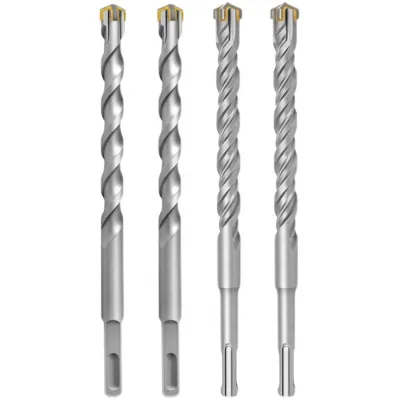


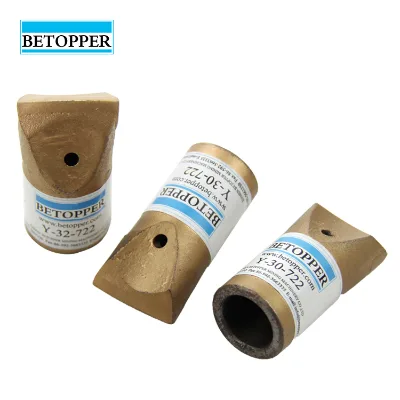
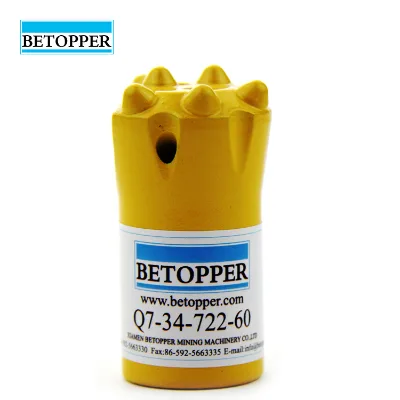
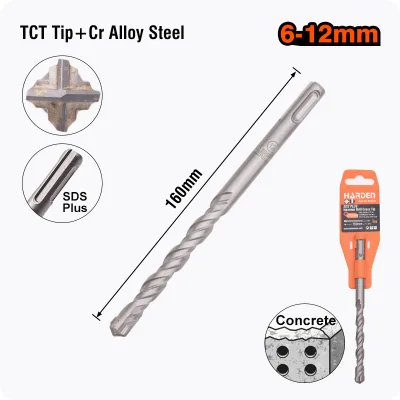




Comprehensive Sourcing Guide
Double Flute Hammer Drilling Bit Supplier Concentration and Factory Types
The current supplier landscape for double flute hammer drilling bits reveals a diverse mix of manufacturing capabilities concentrated primarily in specific Chinese industrial hubs. Evidence indicates that suppliers are located in regions such as Beijing, Liaoning, and Hunan, suggesting a geographic clustering of production facilities that may offer logistical advantages for bulk orders. These locations host a variety of company types, ranging from dedicated manufacturers and factories to combined entities that may include trading operations. Understanding this distribution is critical for buyers who need to align their sourcing strategy with the specific operational model of the supplier. For instance, a manufacturer in Hunan might offer different customization options compared to a combined entity in Liaoning, even if both produce similar drilling components. The presence of these distinct factory types means that buyers must look beyond the product name to understand the underlying supply chain structure. Some suppliers are identified as manufacturers with specific OEM or ODM capacities, while others may operate as combined entities with broader but potentially less specialized production lines. This variation in factory type directly impacts the flexibility of production, the ability to handle custom specifications, and the overall reliability of the supply chain. Buyers should consider how the concentration of suppliers in these regions affects lead times and communication efficiency. The clustering of suppliers in Beijing, Liaoning, and Hunan suggests that there are established industrial ecosystems supporting the production of drilling tools, which can be leveraged for sourcing efficiency. However, the specific location of a supplier should be verified against the buyer’s logistical requirements to ensure that transportation costs and delivery schedules are optimized. The diversity in company types also implies that buyers need to carefully assess whether they are dealing with a direct factory or a trading company, as this distinction can influence pricing, quality control processes, and after-sales support. By recognizing the concentration of suppliers in these key regions, buyers can better navigate the market and identify partners that align with their specific operational needs and strategic goals.
How to Verify Double Flute Hammer Drilling Bit Suppliers
Verifying the credibility and operational capacity of Double Flute Hammer Drilling Bit suppliers requires a multi-layered approach that goes beyond simple product listings. Buyers should prioritize suppliers who have undergone third-party verification processes, as these provide an additional layer of trust and assurance regarding the supplier’s legitimacy and operational standards. In the current market, verification bodies such as CTI, BV, and SGS have been observed among supplier results, indicating that these organizations play a significant role in validating supplier claims. When evaluating a potential partner, buyers should check for these verification badges and understand the scope of the verification, whether it covers factory audits, product testing, or business license validation. Additionally, certifications such as ISO 9001, ISO 14001, and ISO 9001:2015 are critical indicators of a supplier’s commitment to quality management and environmental standards. These certifications suggest that the supplier has established systematic processes for manufacturing and quality control, which is essential for producing consistent and reliable drilling bits. Buyers should request copies of these certificates and verify their validity through the issuing bodies. Furthermore, the presence of specific product certifications, such as CE or API standards, can provide additional assurance regarding the product’s compliance with international safety and performance requirements. It is also important to assess the supplier’s response time and communication efficiency, as these factors can impact the overall sourcing experience. A supplier with a quick response time is more likely to be responsive to inquiries, issues, and changes in order specifications. Buyers should also look for evidence of video outgoing inspections or other quality assurance measures that demonstrate the supplier’s transparency and commitment to delivering products that meet agreed-upon standards. By combining verification badges, certifications, and communication metrics, buyers can build a comprehensive profile of a supplier’s reliability and capability. This holistic approach to verification helps mitigate risks and ensures that the chosen supplier is equipped to meet the buyer’s specific requirements for double flute hammer drilling bits.
What to Compare Across Double Flute Hammer Drilling Bit Suppliers
When comparing suppliers for double flute hammer drilling bits, buyers must evaluate a range of operational and commercial metrics to identify the most suitable partner. Key dimensions for comparison include lead time, minimum order quantity (MOQ), response speed, and production capacity. Lead times can vary significantly, with some suppliers offering as little as 15 days while others may require up to 30 days or more. This difference can be crucial for buyers with tight project schedules or urgent replenishment needs. Similarly, MOQs can range from as low as one unit to higher thresholds such as 20 units, affecting the buyer’s ability to test the product or manage inventory costs. Response speed is another critical factor, with some suppliers demonstrating rapid response times that facilitate smoother communication and quicker issue resolution. Buyers should also consider the supplier’s main products and specialization, as a supplier focused exclusively on drilling tools may offer greater expertise and consistency compared to a generalist. Production capacity indicators, such as OEM or ODM capabilities, can also influence the supplier’s ability to handle custom orders or scale production. Additionally, the supplier’s location and associated logistics costs should be factored into the comparison, as these can impact the total cost of ownership. Buyers should also assess the supplier’s pricing structure, noting that prices can vary based on material specifications, standard compliance, and customization options. For example, some products may be priced around $400 to $500, while others may have different price points based on their specific features and materials. By systematically comparing these metrics, buyers can create a weighted evaluation matrix that aligns with their specific priorities, whether they are cost-driven, quality-focused, or speed-sensitive. This structured approach to comparison ensures that buyers make informed decisions based on objective data rather than subjective impressions. It also helps in identifying suppliers who offer the best balance of cost, quality, and service for their specific sourcing needs.
Common Double Flute Hammer Drilling Bit Sourcing Risks
Sourcing double flute hammer drilling bits from international suppliers introduces several risks that buyers must proactively manage to ensure successful procurement. One significant risk is the potential mismatch between product specifications and actual delivery, particularly when dealing with custom or specialized drilling bits. Buyers must ensure that the material, standard, and dimensions of the bits match their operational requirements, as discrepancies can lead to equipment failure or inefficiency. Another risk is the variability in quality control processes among suppliers, which can result in inconsistent product performance. This is particularly relevant when suppliers have different certification levels or verification statuses. Buyers should be cautious of suppliers who lack clear quality assurance measures or who do not provide detailed product attributes such as material composition and manufacturing processes. Additionally, there is a risk associated with communication barriers and cultural differences, which can lead to misunderstandings regarding order details, delivery schedules, or payment terms. Buyers should establish clear communication protocols and confirm all details in writing to mitigate this risk. Another common risk is the potential for delays in production or shipping, which can disrupt project timelines. This risk is heightened when dealing with suppliers who have longer lead times or who operate in regions with logistical challenges. Buyers should also be aware of the risk of counterfeit or substandard products, especially when sourcing from unverified suppliers. To mitigate this, buyers should prioritize suppliers with strong verification badges and certifications. Furthermore, there is a risk related to after-sales support and warranty claims, which can be difficult to enforce across international borders. Buyers should clarify warranty terms and support policies before placing orders. By identifying and addressing these risks early in the sourcing process, buyers can protect their interests and ensure a smoother procurement experience. Proactive risk management involves thorough due diligence, clear contract terms, and ongoing monitoring of supplier performance.
Double Flute Hammer Drilling Bit Regional Sourcing and Logistics
Regional sourcing of double flute hammer drilling bits offers distinct logistical advantages and challenges that buyers must carefully evaluate. Suppliers located in China, particularly in regions like Beijing, Liaoning, and Hunan, provide access to established manufacturing clusters that can offer competitive pricing and efficient production. However, the geographic distance between these suppliers and international buyers can introduce complexities in shipping and customs clearance. Buyers should consider the total landed cost, which includes not only the product price but also freight, insurance, and import duties. The choice of shipping method, whether by sea or air, will impact both the cost and the lead time. For large orders, sea freight is often more cost-effective, while air freight may be necessary for urgent or smaller shipments. Buyers should also assess the supplier’s experience with international logistics, as this can influence the reliability of delivery and the handling of documentation. Some suppliers may offer FOB (Free on Board) or CIF (Cost, Insurance, and Freight) terms, which define the responsibilities and costs associated with shipping. Understanding these terms is crucial for budgeting and risk allocation. Additionally, buyers should consider the impact of regional trade policies and tariffs on the final cost of the products. Changes in trade regulations can affect the competitiveness of suppliers in different regions. Buyers should also evaluate the supplier’s packaging and handling practices, as improper packaging can lead to damage during transit. Wooden cases and boxes are commonly used for drilling bits, but buyers should ensure that the packaging meets international shipping standards. By carefully planning the logistics strategy and selecting suppliers with strong logistical capabilities, buyers can minimize disruptions and ensure timely delivery of double flute hammer drilling bits. This involves close collaboration with freight forwarders and clear communication with suppliers regarding shipping instructions and documentation requirements.
Double Flute Hammer Drilling Bit Commercial Terms and Order Planning
Effective order planning and negotiation of commercial terms are essential for securing the best value when sourcing double flute hammer drilling bits. Buyers should focus on key commercial aspects such as payment terms, pricing structures, and warranty policies. Payment terms can vary, with some suppliers offering secure payment options like escrow services to protect both parties. Buyers should prioritize suppliers who provide transparent pricing and clear breakdowns of costs, including any additional fees for customization or expedited shipping. It is also important to negotiate favorable payment terms, such as partial payments upfront and the balance upon shipment or delivery, to manage cash flow and risk. Buyers should also clarify the supplier’s warranty and return policies, ensuring that there are clear procedures for addressing defects or non-conforming products. Understanding the supplier’s production capacity and lead times is crucial for accurate order planning, as this helps in aligning procurement schedules with project timelines. Buyers should also consider the supplier’s flexibility in handling order modifications or cancellations, as this can be valuable in dynamic market conditions. Additionally, buyers should evaluate the supplier’s ability to provide technical support and documentation, such as material test reports or compliance certificates, which may be required for regulatory purposes. By establishing clear commercial terms and maintaining open communication, buyers can build a strong partnership with their suppliers. This involves regular reviews of performance metrics and feedback loops to continuously improve the sourcing process. Buyers should also stay informed about market trends and price fluctuations to make informed decisions about when to place orders. Effective order planning requires a balance of strategic foresight and operational agility, ensuring that the buyer can meet their production needs while minimizing costs and risks.
FAQs
What is the minimum order quantity for double flute hammer drilling bits?
The minimum order quantity varies by supplier and specific product model. Some manufacturers list an MOQ of just one unit for standard items, while others require a minimum of twenty units for specialized configurations. Buyers should verify the exact MOQ on the product page before placing an order to ensure it aligns with their project needs.
What materials are used to manufacture these drilling bits?
Manufacturers typically use stainless steel or alloy steel for these bits. Stainless steel options are common for specific corrosion-resistant applications, while alloy steel is often chosen for heavy-duty rock drilling and ore mining. The material choice directly impacts durability and performance in different geological conditions, so buyers must select based on their specific drilling environment.
What certifications do these suppliers hold?
Many suppliers hold ISO 9001 or ISO 14001 system certifications. Some products specifically list ISO 9001:2015 or CE certification for quality assurance. These certifications indicate adherence to international manufacturing standards. Buyers should check the product details for specific certification claims to ensure the supplier meets their quality and safety requirements for industrial drilling operations.
What is the typical lead time for these products?
Lead times generally range from fifteen to thirty days depending on the supplier and order volume. Some manufacturers offer faster turnaround times of around fifteen days, while others may require up to thirty days for production and shipping. Buyers should confirm the exact lead time with the supplier before finalizing orders to manage their project schedules effectively.
What is the price range for these drilling bits?
Prices vary significantly based on specifications, ranging from approximately eighty dollars to over five thousand eight hundred dollars per unit. Lower-priced items may be smaller or standard models, while higher prices reflect specialized heavy-duty equipment. Buyers should review the specific product listing for accurate pricing details relevant to their required model and quantity.
Where are these suppliers located?
Suppliers are primarily located in China, with specific manufacturing bases in Beijing, Liaoning, and Hunan provinces. These regions are known for their industrial capabilities in mining machinery and drilling tools. Buyers can filter results by these locations to find suppliers that may offer logistical advantages or specific regional manufacturing expertise for their sourcing needs.