Double Shaft Concrete Mixer with Pump Suppliers and Manufacturers
Source 19 verified suppliers for Double Shaft Concrete Mixer with Pump units. Compare key dimensions including lead times, response speeds, and pricing ranges from Chinese factories. Review specifications and request quotes directly; review the available evidence before requesting comparable quotations from suitable candidates.
Updated
Suppliers List

Zhengzhou Focus Machinery Co., Ltd.
- Verified by BV
- Manufacturer/Factory
- China Henan
- Lead time15 days
- Avg. response≤ 3h
Main productsConcrete Batching Plant, Mobile Concrete Mixing Plant, Asphalt Mixing Plant, Concrete Pump, Concrete Mixer, Concrete Truck Mixer, Dry Mortar Mixing Plant, Tower Crane, Construction Hoist, Stablized Soil Mixing Plant
Main marketsSouth America,Eastern Europe,Mid East,North America,Southeast Asia,Eastern Asia,Oceania,Western Europe,Africa


with High Quality 40m3/H Portable Twin-Shaft Mixer with Pump for Sale
$20000.00 - $39000.00
MOQ: 1 Sets


Wuxi Pinnacle Mechanical Equipment Co., Ltd.
- Trading Company,Manufacturer/Factory
- China Jiangsu
- Lead time23 days
- Avg. response≤ 11h
Main productsTamping Rammer, Plate Compactor, Road Roller, Concrete Vibrator, Surface Finishing Screed, Power Trowel, Diesel Generator, Diesel Engine, Welding Generator, Floor Saw
Main marketsSouth America,Eastern Europe,Mid East,North America,Southeast Asia,Eastern Asia,Oceania,Western Europe,Africa

Ningdu Xingye Machinery Manufacturing Co., Ltd.
- Combined
- China Jiangxi
- Lead time15 days
- Avg. response≤ 4h
Main productsConcrete Mixing Plant, Concrete Plant, Concrete Batching Plant, Concrete Mixer, Cement Silo, Concrete Pump, Concrete Mixer Truck, Rebar Bending Machine, Self Loading Concrete Mixer, Mobile Concrete Mixer
Main marketsSouth America,Africa,Southeast Asia/ Mideast,Domestic

Zhengzhou Elephant Machinery Co., Ltd.
- Verified by SGS
- Trading Company
- China Henan
- Lead time23 days
- Avg. response≤ 1h
Main productsDrilling Machine, Paper Cup Machine, Pump, Excavator, Egg Tray Machine, Fog Cannon, Shot Blasting Machine, Rock Splitter, Underwater Dredging Robot, Curb Paver Machine
Main marketsSouth America,Africa,Others(foreignTradeCapacity.exportBusinessCapacityMarketOther),Southeast Asia/ Mideast,East Asia(Japan/ South Korea),Europe,Australia,North America

HANGZHOU TOB ENGINEERING MACHINERY CO., LTD.
- Combined
- China Zhejiang
- Lead time30 days
- Avg. response≤ 6h
Main productsPortable Concrete Mixer, Tilting Drum Concrete Mixer, Self Loading Concrete Mixer, Concrete Mixer Truck, Twin Shaft Concrete Mixer, Planetary Concrete Mixer, Small Crane, Block Making Machine, Road Machinery, Earth Moving Machine
Main marketsAfrica,Southeast Asia/ Mideast
Henan Yuandong Machinery Equipment Co., Ltd.
- Verified by TüVRheinland
- Manufacturer, Trading Company
- Lead time7 days
- Avg. response≤ 3h
Main productsConcrete Mixer, Road Roller, Floor Grinder, Concrete Power Trowel, Plate Compactor
Main marketsNorth America(55%), Western Europe(12%), South America(10%)
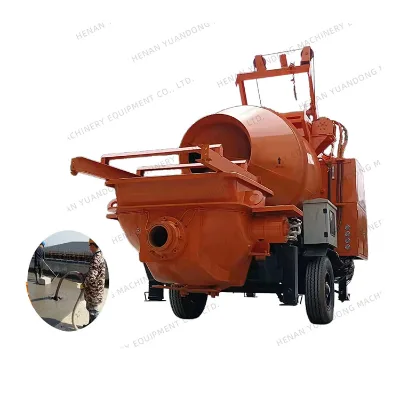
$10640.00 - $11200.00
MOQ: 1 sets
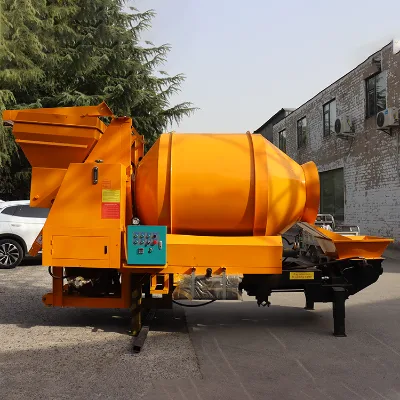
$10324.3448 - $16312.4648
MOQ: 1 Minimum

Shandong Jufenglong Construction Machinery Co., Ltd.
- Verified by BV
- Combined
- China Shandong
- Lead time30 days
- Avg. response≤ 10h
Main productsMini Wheel Loader, Wheel Loader, Front Loader, Small Loader, Concrete Mixer Truck, Concrete Mixer, Diesel Concrete Mixer, Agricultural Machinery, Construction Machinery, Self Loading Concrete Mixer
Main marketsSoutheast Asia/ Mideast

Gongyi Zhanjie Xinda Construction Machinery Factory
- Manufacturer, Trading Company
- Henan, China
- Lead time30 days
- Avg. response≤ 1h
Main productsBrick Making Machine,Stone Crusher,Grinding Machine,Mineral Processing Equipment,Mixer
Main marketsDomestic Market(50.00%), Africa(20.00%), Southeast Asia(10.00%), North America(5.00%), Central America(5.00%), Western Europe(5.00%), Oceania(5.00%)
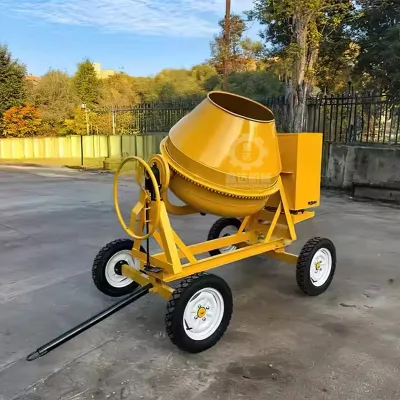
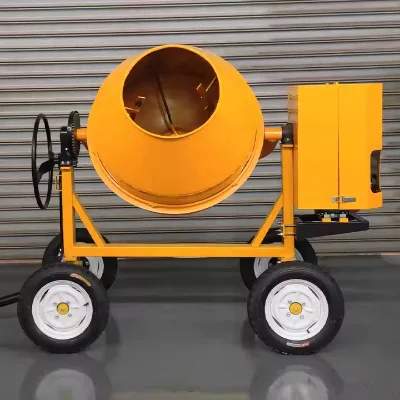
Productivity Mobile Four-wheel Concrete Mixer with Pump Popular Type Mixing
$724.7043 - $828.2335
MOQ: 1 sets
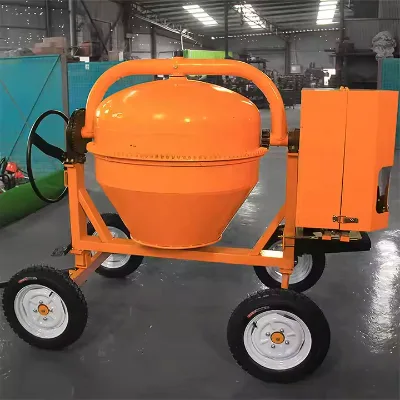
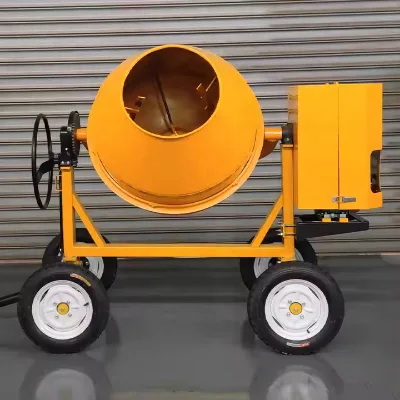
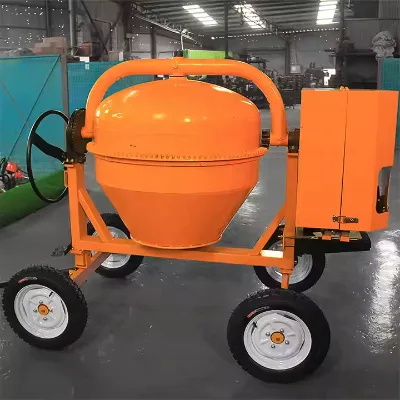
Concrete Machinery for Construction Industry Mobile Mixer Saves Manpower
$500.00 - $800.00
MOQ: 1 sets
Zhengzhou Pioneer Machinery Co., Ltd.
- Trading Company
- Henan, China
- Lead time10 days
- Avg. response≤ 2h
Main productsConcrete Mixer,Concrete Mixing Plant,concrete pump,machine tools,Road Roller
Main marketsSouth Asia(12.00%), Eastern Asia(12.00%), Mid East(12.00%), Oceania(12.00%), Africa(12.00%), Southeast Asia(12.00%), Eastern Europe(12.00%), South America(12.00%), Domestic Market(4.00%)
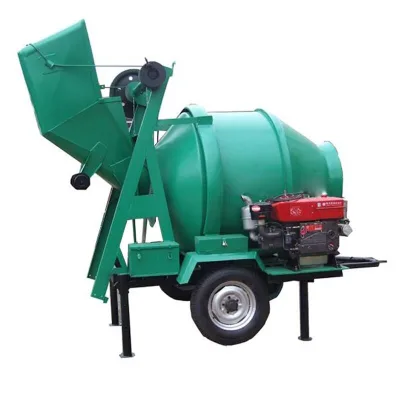
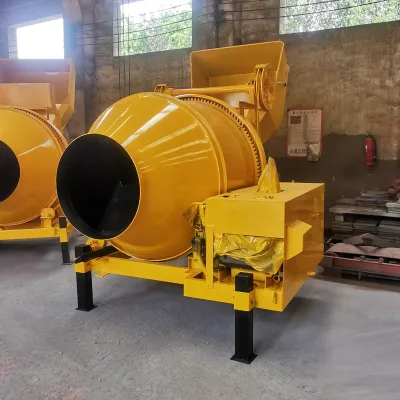
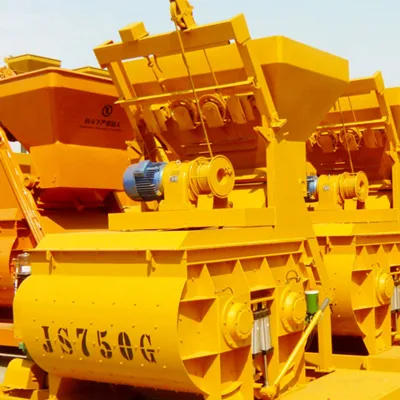
Low Price 0.75 Cubic Meter Hydraulic Cement Concrete Mixer Professional Construction Machine
$20409.3296
MOQ: 1 Minimum

Quanzhou Hawen Machinery Co., Ltd.
- Verified by BV
- Combined
- China Fujian
- Lead time23 days
- Avg. response≤ 6h
Main productsBlock Machine, Block Making Machine, Concrete Block Machine, Brick Making Machine, Cement Brick Machine, Cement Block Machine, Concrete Brick Machine
Main marketsSouth America,Africa,Southeast Asia/ Mideast,Europe,North America

Jining Hengwang Construction Machinery Co., Ltd.
- Verified by SGS
- Combined
- China Shandong
- Lead time15 days
- Avg. response≤ 8h
Main productsExcavator, Backhoe Loader, Dumper, Truck Crane, Road Roller, Forklift, Concrete Pump, Mixer Truck, Wheel Excavator, Crawler Dumper
Main marketsAfrica,Others(foreignTradeCapacity.exportBusinessCapacityMarketOther),Europe,Australia
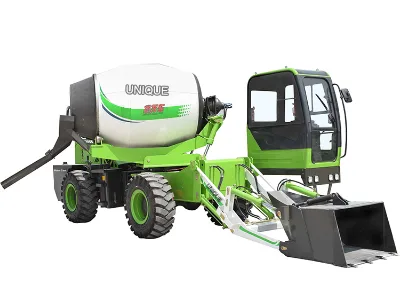
Zhengzhou Unique Industrial Equipment Co., Ltd.
- Manufacturer, Trading Company
- Lead time旺季: "1 - 1":15,"> 1":"To be negotiated", 淡季: "1 - 1":15,"> 1":"To be negotiated"
- Avg. response≤ 2h
Main productsConcrete Batching Plant, Stone Crusher Plant, Asphalt Plant, Self Loading Concrete Mixer, Water Drilling Machine
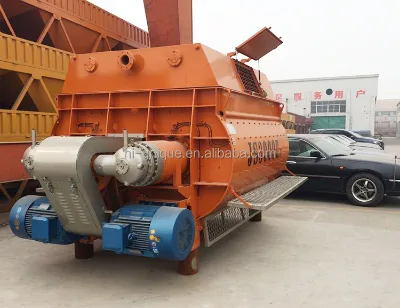
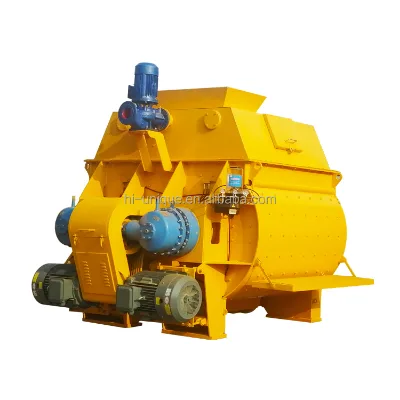
Horizontal Concrete Mixer with 3m³ Capacity and Double Spiral for Construction Use
$14325.4866 - $36836.9654
MOQ: 1 Minimum
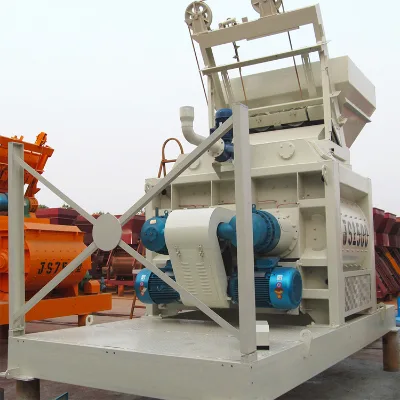
1500L Heavy Duty Concrete Mixer with Wear-Resistant Manganese Alloy Blades
$15736.2744 - $16260.8169
MOQ: 1 sets
$14000.00 - $36000.00
MOQ: 1 Minimum

Shandong Cad Industry Machinery Equipment Co., Ltd.
- Verified by BV
- Manufacturer/Factory
- China Shandong
- Lead time15 days
- Avg. response≤ 5h
Main productsBig Bag Debagging, Mobile Bulk Truck Loader, Bulk Bag Discharger, Bolted Cement Silo, Horizontal Container Silo, Dry Concrete Batching Plant, Concrete Mixer, Grout Batching Plant, Pneumatic Conveyor System, Dry Motor Mixing Plant
Main marketsSouth America,Eastern Europe,Mid East,North America,Southeast Asia,Eastern Asia,Oceania,Western Europe,Africa

Twin Shaft Concrete Mixer Machine for Ready Mix Concrete Production
$15000.00 - $20000.00
MOQ: 1 Pieces


High Capacity Twin Shaft Concrete Mixer for Industrial Concrete Mixing Operations
$15000.00 - $20000.00
MOQ: 1 Pieces

Automatic Twin Shaft Concrete Mixer for Large Scale Construction Projects Applications
$15000.00 - $20000.00
MOQ: 1 Pieces

- Verified by TüVRheinland
- Trading Company
- Lead time35 days
- Avg. response≤ 2h
Main productsLaundry Bar Soap Making Machine, Toilet Soap Plodder Machine, Detergent Soap Wash Powder Machine, Soap Pack Machine, Soap Stamp Machine
Main marketsAfrica(48%), Southeast Asia(19%), North America(10%)

HENAN SHENGMAO MACHINERY CO., LTD.
- Verified by SGS
- Trading Company,Manufacturer/Factory
- China Henan
- Lead time23 days
- Avg. response≤ 4h
Main productsConcrete Batching Plant, Concrete Mixer, Cement Silo, Asphalt Mixing Plant, Crushing Plant, Self-Loading Concrete Mixer, Concrete Pump, Horizontal Cement Feeder, Brick Making Machine, Concrete Recycling Plant
Main marketsSouth America,Eastern Europe,Mid East,North America,Southeast Asia,Eastern Asia,Oceania,Western Europe,Africa

SHANDONG MACPEX MACHINERY EQUIPMENT CO., LTD.
- Verified by SGS
- Manufacturer/Factory,Group Corporation
- China Shandong
- Lead time45 days
- Avg. response≤ 7h
Main productsConcrete Batching Plant, Concrete Pipe Making Machine, Dry Mortar Mix Plant, Concrete Twin Shaft Mixer, Asphalt Mixing Plant, Asphalt Mixer, Self Loading Concrete Mixer, Pumps
Main marketsSouth America,Eastern Europe,Mid East,North America,Southeast Asia,Eastern Asia,Oceania,Western Europe,Africa
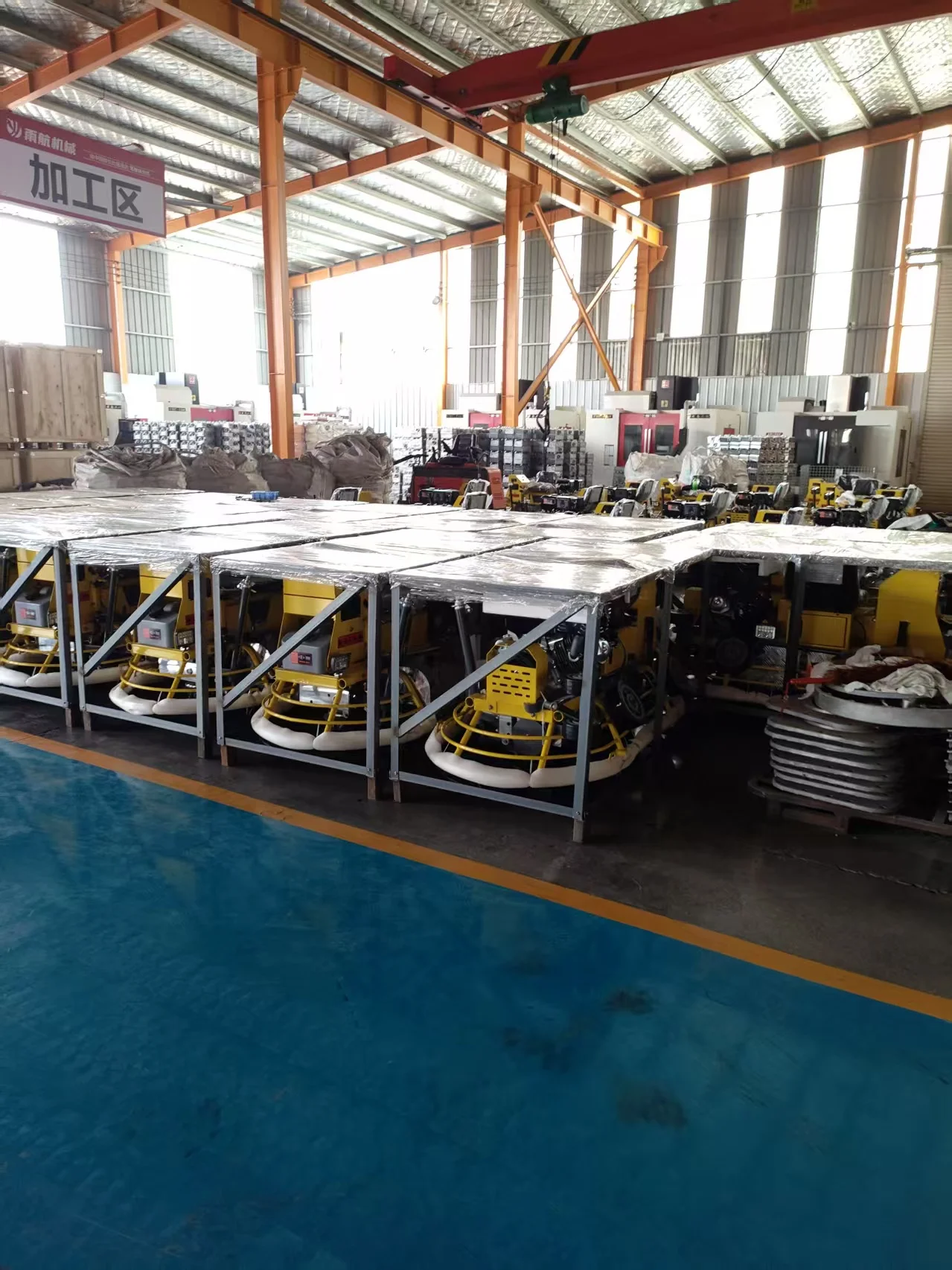
Luohe Ao Jianqing Intelligent Equipment Co., Ltd.
- Trading Company
- Henan, China
- Lead time15 days
- Avg. response≤ 3h
Main productstrowel,trephine,Cutting machine,backhoe,vibrators
Main marketsDomestic Market(40.00%), North America(10.00%), Africa(10.00%), South Asia(10.00%), Eastern Asia(10.00%), Oceania(5.00%), Southern Europe(5.00%), Southeast Asia(5.00%), South America(5.00%)
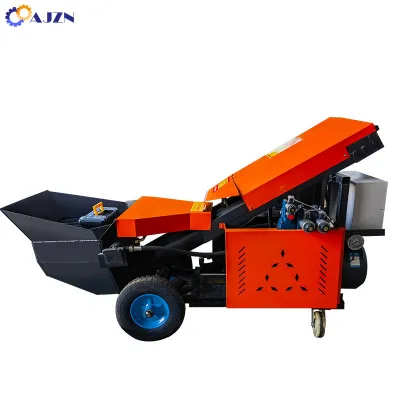
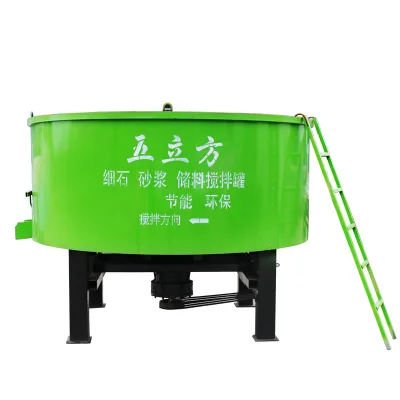
High-quality Price Concrete Mixer Mixer Suitable for Pumping of Cement
$439.00 - $500.00
MOQ: 1 pieces

Zhengzhou Vantage Machinery Co., Ltd.
- Trading Company
- Henan, China
- Lead time0 days
- Avg. response≤ 1h
Main productsPiston Rock Splitter,Concrete Mixers,Quarry Crushers,Mucking Loader,Used Equipment
Main marketsEastern Asia(25.00%), Africa(25.00%), Southeast Asia(15.00%), South America(10.00%), Mid East(10.00%), Oceania(5.00%), North America(5.00%), South Asia(2.00%), Northern Europe(2.00%), Domestic Market(1.00%)

Qingzhou Hongyuan Vehicles Co., Ltd.
- Verified by BV
- Combined
- China Shandong
- Lead time30 days
- Avg. response≤ 5h
Main productsConcrete Mixer Truck, Wheel Loader, Loader, Mini Loader, Telescopic Loader, Sugarcane Loader, Zl Wheel Loader, Earth Moving Machine, Radlader, Construction Machine
Main marketsAfrica,Southeast Asia/ Mideast,Domestic,Europe,Australia,North America






Comprehensive Sourcing Guide
Double Shaft Concrete Mixer with Pump Supplier Concentration and Factory Types
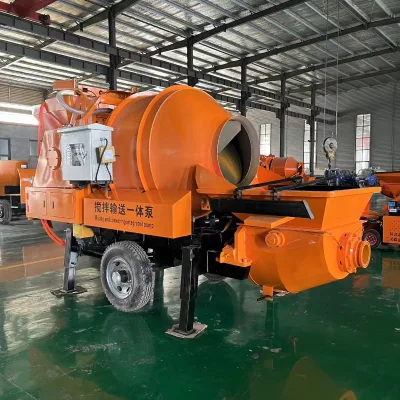
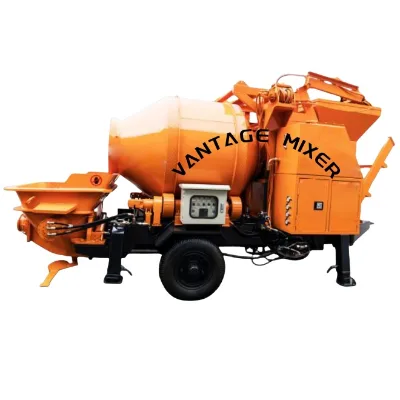
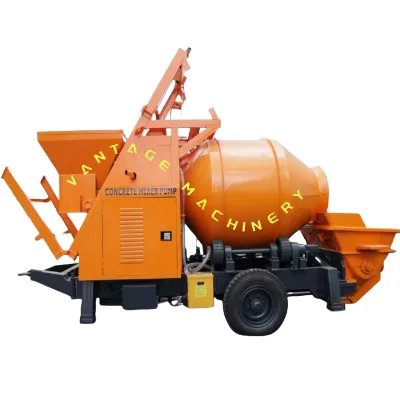
The current supplier landscape for Double Shaft Concrete Mixer with Pump equipment reveals a concentration of manufacturing capabilities primarily within China, with specific industrial hubs identified in Henan, Jiangsu, and Jiangxi provinces. These regions host a mix of manufacturer-factories and trading companies, each offering distinct advantages for international buyers seeking reliable construction machinery. In Henan, suppliers are predominantly classified as manufacturer-factories, indicating a direct production capability for complex machinery such as concrete batching plants, mobile concrete mixing plants, and asphalt mixing plants. This structural classification suggests that buyers in this cluster may have access to more integrated supply chains, where the design, assembly, and testing of the Double Shaft Concrete Mixer with Pump occur under one roof. The presence of established brands like FOCUS in this region further implies a level of proprietary technology and standardized production processes that can benefit buyers looking for consistent quality and brand recognition.
In contrast, suppliers located in Jiangsu and Jiangxi present a more diversified corporate structure, including trading companies and combined entity types. The Jiangsu-based suppliers, for instance, operate as both trading companies and manufacturer-factories, which can offer flexibility in sourcing but may introduce additional layers in the communication and logistics chain. The Jiangxi suppliers are categorized as combined entities, which often indicates a hybrid business model that may blend direct manufacturing with extensive distribution networks. This diversity in supplier types means that buyers must carefully evaluate the specific nature of the engagement, whether they are dealing directly with the production line or through an intermediary. The main products listed across these regions consistently include concrete mixers, pumps, and related construction equipment, confirming that these areas are specialized clusters for heavy machinery. Understanding this concentration helps buyers target their search efforts toward regions with the highest density of relevant manufacturing expertise, thereby reducing the risk of sourcing from generalist suppliers who may lack specialized knowledge in concrete mixing technology.
How to Verify Double Shaft Concrete Mixer with Pump Suppliers
Verifying the legitimacy and capability of Double Shaft Concrete Mixer with Pump suppliers requires a rigorous examination of their certification status, verification badges, and response metrics. A critical first step is to check for system certifications such as ISO 9001, which indicates that the supplier has implemented a quality management system compliant with international standards. In the current results, several suppliers display ISO 9001 certification, often alongside CE certification for their products, which is essential for ensuring safety and regulatory compliance in many international markets. Additionally, buyers should look for verification badges from reputable third-party inspection agencies, such as BV (Bureau Veritas), which provide an independent confirmation of the supplier’s business license and operational capabilities. The presence of these badges significantly reduces the risk of engaging with fraudulent entities and adds a layer of trust to the sourcing process. Buyers should prioritize suppliers who not only display these certifications but also provide accessible documentation or audit reports that can be reviewed prior to placing an order.
Beyond certifications, the responsiveness and operational transparency of the supplier are key indicators of reliability. The response time metric, which measures how quickly a supplier replies to inquiries, serves as a practical gauge of their customer service efficiency. For example, some suppliers in the current dataset show a response time of approximately 2.55 hours, while others may take significantly longer, such as 10.74 hours. A faster response time often correlates with a more organized sales team and a higher likelihood of receiving timely technical support and quotation updates. Buyers should also examine the detailed product attributes provided, such as the shotcrete type, condition, and machining process, to ensure the supplier has accurate and comprehensive knowledge of their equipment. Furthermore, verifying the origin of the products, such as Zhengzhou, China, and checking for specific model numbers like JBS40-JS500, allows buyers to cross-reference the supplier’s claims with industry standards. By combining certification checks, verification badges, and responsiveness analysis, buyers can effectively filter out unreliable suppliers and focus on those with proven track records in the Double Shaft Concrete Mixer with Pump market.
What to Compare Across Double Shaft Concrete Mixer with Pump Suppliers
When evaluating multiple suppliers for Double Shaft Concrete Mixer with Pump equipment, buyers must systematically compare key operational metrics such as lead time, minimum order quantity (MOQ), and pricing structures to determine the best fit for their project requirements. Lead time is a critical factor in project planning, as delays in machinery delivery can halt construction progress. In the current supplier results, lead times vary, with some suppliers indicating a lead time of 15 days, while others may have longer production schedules. Buyers should request specific lead time estimates for their desired configuration and quantity, as these can fluctuate based on current production loads and component availability. Similarly, the MOQ provides insight into the supplier’s flexibility and target market. Some suppliers may have an MOQ of just one unit, catering to small-scale contractors or individual buyers, while others might require larger orders to optimize production efficiency. Understanding these thresholds helps buyers align their procurement strategy with the supplier’s operational capabilities.
Pricing and product specifications are equally important dimensions for comparison. The price range for Double Shaft Concrete Mixer with Pump units can vary significantly based on features, capacity, and included accessories. For instance, prices for certain models may range from $20,000 to $60,000, depending on the specific configuration and additional options like diesel or electric power sources. Buyers should compare not just the base price but also the total cost of ownership, including shipping, installation, and maintenance costs. Additionally, comparing technical specifications such as the rated output volume, concrete cylinder diameter, and hopper capacity ensures that the selected mixer meets the project’s performance requirements. Suppliers may also offer customization options, which can be a deciding factor for buyers with unique site conditions or operational needs. By creating a detailed comparison matrix that includes lead time, MOQ, price, and technical specs, buyers can make data-driven decisions that balance cost, speed, and quality, ultimately securing the most suitable Double Shaft Concrete Mixer with Pump for their operations.
Common Double Shaft Concrete Mixer with Pump Sourcing Risks
Sourcing Double Shaft Concrete Mixer with Pump equipment from international suppliers carries inherent risks related to product quality, after-sales support, and logistical complexities. One significant risk is the potential discrepancy between the advertised specifications and the actual delivered product. While suppliers may list certifications like CE and ISO 9001, buyers must ensure that these certifications are valid and applicable to the specific model being purchased. There is a risk that some suppliers might use generic certifications that do not cover the unique engineering aspects of their concrete mixers. Additionally, the condition of the equipment, whether new or used, must be clearly defined, as misrepresentation can lead to unexpected maintenance costs and operational downtime. Buyers should request detailed technical drawings, material certificates, and factory audit reports to verify the quality and authenticity of the machinery before committing to a purchase. This due diligence is crucial to avoid receiving substandard equipment that fails to meet the required performance standards.
Another major risk involves the reliability of after-sales service and spare parts availability. Double Shaft Concrete Mixer with Pump units are complex mechanical systems that require regular maintenance and occasional part replacements. If the supplier is located in a distant region, such as China, buyers may face challenges in obtaining timely technical support and genuine spare parts. Some suppliers may offer limited warranty periods or lack a local service network in the buyer’s country, leading to prolonged equipment downtime in case of breakdowns. Furthermore, the complexity of international shipping for heavy machinery poses logistical risks, including potential damage during transit and customs clearance delays. Buyers must carefully review the packing methods, such as standard overseas transportation packages, and ensure that the supplier has experience in handling large, heavy equipment exports. To mitigate these risks, buyers should prioritize suppliers with established export histories, clear warranty terms, and accessible customer support channels, ensuring a smoother procurement experience and long-term operational reliability.
Double Shaft Concrete Mixer with Pump Regional Sourcing and Logistics
The regional sourcing of Double Shaft Concrete Mixer with Pump equipment from China involves navigating specific logistical considerations related to transportation, packaging, and customs procedures. Suppliers in regions like Henan, Jiangsu, and Jiangxi are well-equipped to handle international shipments, but buyers must account for the substantial size and weight of the machinery. For example, certain models have dimensions such as 510022503150mm and a total weight of 4500kg, which requires specialized shipping containers and handling equipment. The packing method, often described as a standard overseas transportation package, is designed to protect the equipment during transit, but buyers should verify the specific packaging details to ensure adequate protection against moisture and physical damage. Additionally, the origin of the components, such as the Weifang diesel engine, may influence the supply chain dynamics and potential delays if there are shortages in specific parts. Understanding these logistical factors helps buyers plan for accurate freight costs and delivery timelines.
Customs clearance and import regulations in the buyer’s country also play a critical role in the sourcing process. Different regions have varying requirements for machinery imports, including safety standards, emission regulations, and documentation needs. Buyers must ensure that the supplier provides all necessary export documents, such as commercial invoices, packing lists, and certificates of origin, to facilitate smooth customs clearance. The response time of the supplier can also impact the efficiency of the logistics process, as delays in communication can lead to errors in documentation and shipping instructions. Furthermore, buyers should consider the total landed cost, which includes not only the product price but also freight, insurance, tariffs, and local handling fees. By working with suppliers who have extensive experience in international logistics and who can provide comprehensive shipping support, buyers can minimize disruptions and ensure that their Double Shaft Concrete Mixer with Pump arrives at the job site in optimal condition and on schedule.
Double Shaft Concrete Mixer with Pump Commercial Terms and Order Planning
Effective order planning for Double Shaft Concrete Mixer with Pump equipment requires a thorough understanding of commercial terms, payment structures, and contractual obligations. Buyers should negotiate clear payment terms that align with their cash flow management and risk tolerance, such as using secure payment methods like escrow services to protect their funds until the goods are shipped and verified. The minimum order quantity (MOQ) is a key commercial term that influences the negotiation process, as buyers with smaller orders may need to accept higher unit prices or wait for consolidated shipments. Additionally, buyers must clarify the Incoterms, such as FOB or CIF, to determine who is responsible for shipping costs and insurance. This clarity is essential for accurate budgeting and avoiding unexpected expenses during the logistics phase. Suppliers may also offer customization options, which can affect the lead time and final price, so these details must be explicitly stated in the purchase agreement.
Warranty and after-sales service terms are critical components of the commercial agreement that buyers must carefully review. A robust warranty should cover major components like the hydraulic system, engine, and mixing shaft, with clear definitions of what is included and excluded. Buyers should also inquire about the availability of technical support, training, and spare parts, as these factors significantly impact the long-term usability of the equipment. Some suppliers may offer extended warranty packages or maintenance contracts, which can provide additional peace of mind. Furthermore, buyers should establish clear communication channels for addressing any issues that arise post-delivery, ensuring that the supplier is responsive and committed to resolving problems promptly. By meticulously planning the commercial terms and order details, buyers can secure a favorable deal that balances cost, quality, and support, ultimately ensuring a successful procurement of their Double Shaft Concrete Mixer with Pump equipment.
FAQs
What is the price range for a Double Shaft Concrete Mixer with Pump?
Prices for these machines typically range from $100 to $60,000 depending on specifications. Smaller units like the PME-CM140 start around $100, while heavy-duty models such as the JBS40-JS500 cost between $20,000 and $60,000. Buyers should verify exact quotes based on capacity and configuration.
What certifications do these mixers usually have?
Most manufacturers provide CE and ISO 9001 certifications for their equipment. These standards ensure compliance with international safety and quality management requirements. Buyers should request valid certificates to verify that the machinery meets specific regional regulatory standards before finalizing any purchase agreement.
What is the typical lead time for delivery?
Manufacturers generally require 15 to 23 days to produce and ship these units. Lead times vary based on the supplier's location and current production volume. Buyers should confirm specific delivery schedules with the supplier to ensure the timeline aligns with their project construction deadlines.
Where are these machines primarily manufactured?
These machines are primarily manufactured in China, with key production hubs in Henan, Jiangsu, and Jiangxi provinces. Suppliers in these regions offer various models, including mobile and self-loading options. Buyers can filter results by location to find suppliers closest to their logistics preferences.
What is the minimum order quantity for these mixers?
The minimum order quantity is typically one unit for most suppliers. This allows buyers to purchase single machines for small projects or initial testing. Buyers should confirm the MOQ with the specific supplier, as some may offer discounts for bulk orders of multiple units.
What is the response time for supplier inquiries?
Supplier response times vary, with some replying within 2.55 hours and others taking up to 10.74 hours. Faster response times indicate active sales teams ready to assist with technical questions. Buyers should prioritize suppliers with quicker response rates for efficient communication during the sourcing process.