Drawers Pulls Suppliers and Manufacturers in China
Compare 27 verified Drawers Pulls suppliers by location, lead time, and certification. Review product specs like material and MOQ before contacting factories for quotes. Check response times and customization options to find the right partner for your furniture hardware needs.
Updated
Suppliers List

NINGBO TONGYI METALWORK CO.,LTD.
- Manufacturer/Factory
- China Zhejiang
- Lead time60 days
- Avg. response≤ 9h
Main productsDoor Lock, Cabinet Pull, Adjustable Leg, Latch, Sink Drain, Hook, Door Stop, Knob, Door Catch, Furniture Handle
Main marketsSouth America,Eastern Europe,Mid East,North America,Southeast Asia,Eastern Asia,Oceania,Western Europe
Foshan Kadit Hardware Company Limited
- Manufacturer
- Guangdong, China
- Lead time15 days
- Avg. response≤ 5h
Main productscabinet handle,aluminium handle,profile handle,led cabinet light,furniture handle
Main marketsDomestic Market(35.00%), South America(20.00%), North America(15.00%), Western Europe(15.00%), Oceania(15.00%)
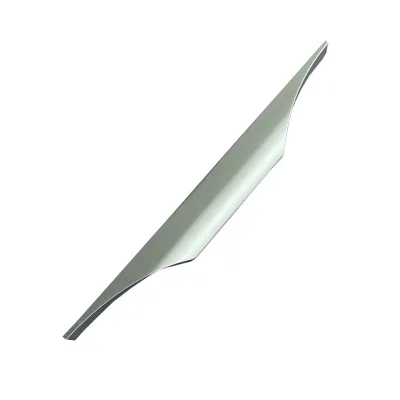
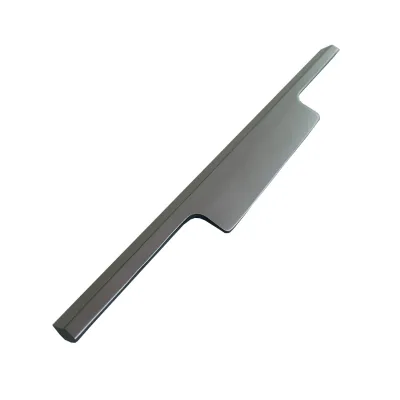
Wholesale Factory Producing Aluminum Furniture Handles Cupboard Drawer Pulls
$0.50 - $0.90
MOQ: 500 pieces
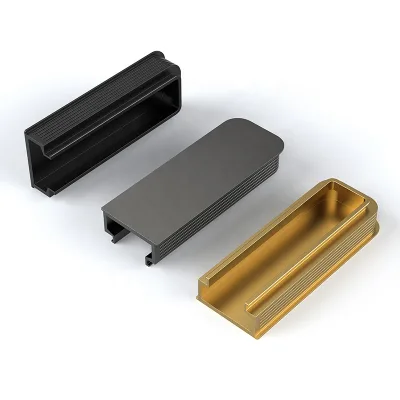
Sliding Door Pulls Cabinet Door Handles
$0.50 - $0.90

Zhongshan Norye Hardware Co., Ltd.
- Verified by SGS
- Combined
- China Guangdong
- Lead time30 days
- Avg. response≤ 5h
Main productsGrab Bar, Shower Seat, Towel Warmer, Paper Towel Dispenser, Electric Towel Rack, Bathroom Accessories, Soap Dispenser, Towel Rack, Floor Drain, Shower Niche
Main marketsEurope,Australia,North America

- Verified by TUVRHEINLAND
- Combined
- China Guangdong
- Lead time30 days
- Avg. response≤ 6h
Main productsCabinet Handle, Door Handle, Door Lock, Furniture Knob, Cabinet Hinge, Drawer Slide, Door Hinge, Mortise Lock, Cylinder Lock, Door Stopper
Main marketsSouth America,Southeast Asia/ Mideast,Europe

Guangzhou Longterm Technology Co.,Ltd.
- Verified by CTI
- Combined
- China Guangdong
- Lead time30 days
- Avg. response≤ 13h
Main productsHandle, Furniture Handle, Door Lock, Cabinet Handle, Kitchen Handle, Furniture Accessories, Door Hardware, Cloth Hooks, Hinges, Door Stoppers
Main marketsSouth America,Africa,Southeast Asia/ Mideast,Europe,Australia,North America

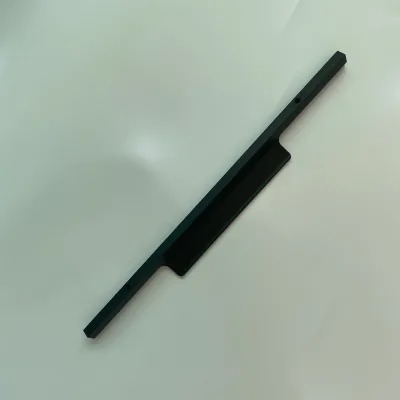
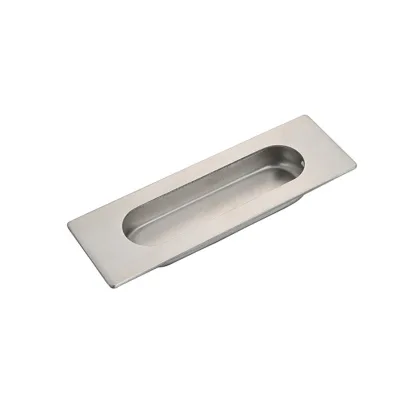
Wooden Drawer Cabinet Door Closet Pull Recessed Concealed Drawer Handle Pull
$1.11 - $1.30
MOQ: 1000 Pieces


$0.20 - $3.00
MOQ: 1000 Pieces
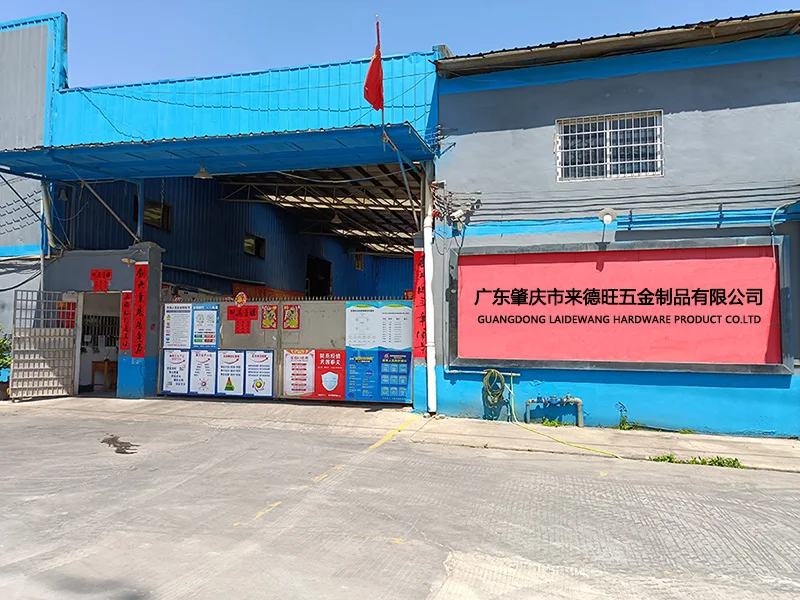
Zhaoqing Laidewang Hardware Products Co., Ltd.
- Manufacturer, Trading Company
- Guangdong, China
- Lead time14 days
- Avg. response≤ 2h
Main productsDoor and window hardware accessories,Door and window hinge,Furniture hardware accessories,Hardware bathroom accessories,Machining hardware products
Main marketsDomestic Market(60.00%), Eastern Asia(15.00%), North America(10.00%), Mid East(10.00%), Western Europe(5.00%)
Wenzhou Filta Hardware Co., Ltd.
- Trading Company
- Lead time旺季: , 淡季:
- Avg. response≤ 5h
Main productsFurniture Handle, Function Hardware, Door Handle, Smart Lock, Bathroom Accessories
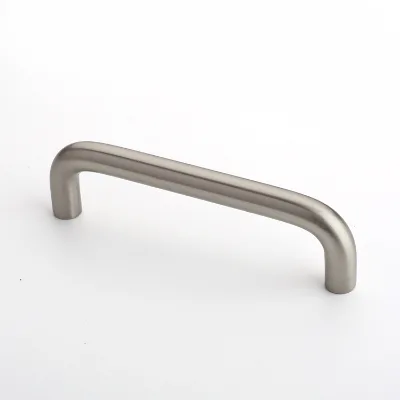
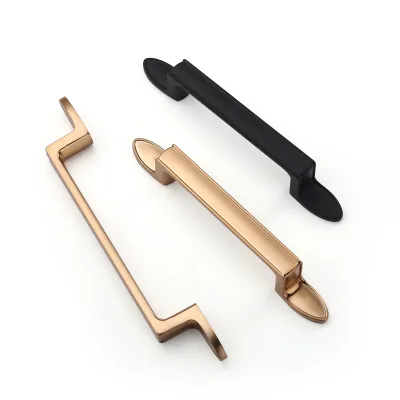
Wire Pulls USA Type China Furniture Hardware Supplier Wire Drawer Pulls
$0.8904 - $1.3911
MOQ: 1000 Minimum
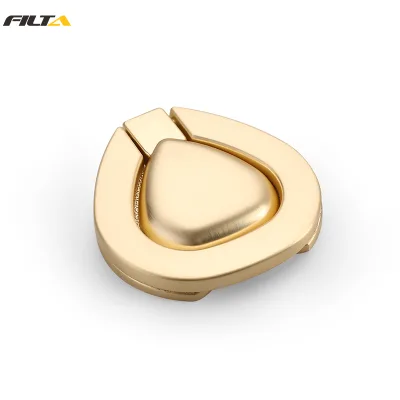

$0.62 - $0.83
MOQ: 1000 pieces

- Combined
- China Guangdong
- Lead time45 days
- Avg. response≤ 4h
Main productsDoor Handle, Door Lock, Door Hinge, Door Bolt, Cabinet Handle, Cabinet Hinge, Door Closer, Barn Door Hardware, Door Stopper, Glass Hardware
Main marketsSouth America,Southeast Asia/ Mideast,East Asia(Japan/ South Korea),Domestic,Europe,North America


Leather Pull Furniture Single Hole Pull Handles for Doors Cabinets Cupboards Drawer
$1.00 - $3.00
MOQ: 1000 Pieces


Jiangxi Jin Bai Cheng Hardware Products Co., Ltd.
- Verified by SGS
- Trading Company,Manufacturer/Factory
- China Jiangxi
- Lead time23 days
- Avg. response≤ 1h
Main productsDoor Roller, Window Roller, Wardrobe Wheel, Door Hinge, Door Handle, Garage Door Wheel, Shower Room Roller, Friction Stay, Door Stopper, Furniture Ball Bearing
Main marketsSouth America,Eastern Europe,Mid East,North America,Southeast Asia,Eastern Asia,Oceania,Western Europe


Vintage Drawer Pulls Zinc Alloy Single Hole Handle Wardrobe Cabinet Furniture Ring Pull
$0.476 - $0.565
MOQ: 5000 Pieces


Wenzhou Lucheng District Yangyi Hongyingmen Hardware Factory
- Manufacturer, Trading Company
- Zhejiang, China
- Lead time0 days
- Avg. response≤ 3h
Main productsFurniture Handle,Furniture Hardware Accesories,Cabinet Knobs,Hook,Door Handle
Main marketsMid East(40.00%), Domestic Market(20.00%), South America(20.00%), Southeast Asia(10.00%), Eastern Europe(10.00%)
Jiangmen Degol Hardware Co., Ltd.
- Verified by SGS Group
- Manufacturer, Trading Company
- Lead time35 days
- Avg. response≤ 3h
Main productsHandles, Hinges, Door Closers, Locks
Main marketsNorth America(20%), South America(20%), Mid East(12%)
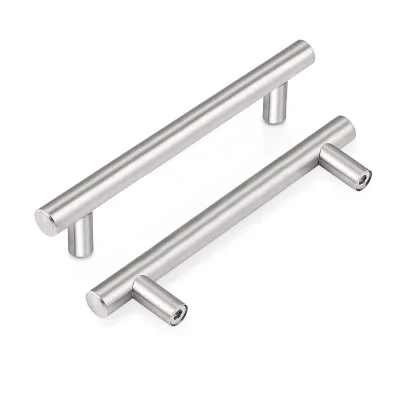
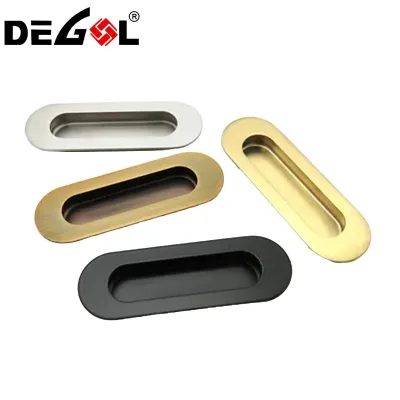
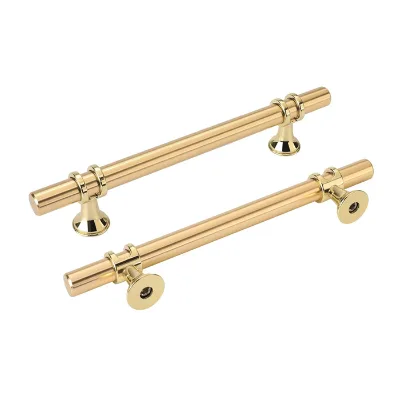
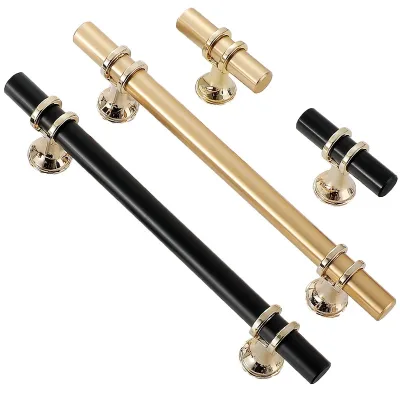
$0.3598 - $1.5365
MOQ: 1000 Minimum
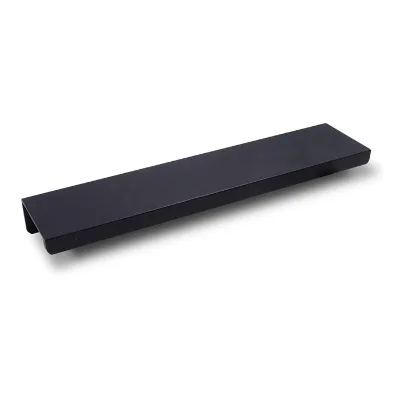
Jiangmen Marchry Hardware Co., Ltd.
- Verified by TüVRheinland
- Manufacturer, Trading Company
- Lead time35 days
- Avg. response≤ 3h
Main productsDoor Handles, Door Locks, Door Hinges, Toilet Partition Hardware, Door Stoppers
Main marketsWestern Europe(35%), North America(25%), South America(10%)
- Manufacturer, Trading Company
- Hong Kong S.A.R.
- Lead time0 days
- Avg. response≤ 3h
Main productsDoor Handles,Door Locks,Door Hinges,Door Stoppers,Toilet Partition Hardware
Main marketsWestern Europe(30.00%), Mid East(30.00%), Eastern Europe(15.00%), South America(15.00%), North America(10.00%)

Shanghai Addith Hardware Co., Ltd.
- Verified by CTI
- Trading Company
- China Shanghai
- Lead time23 days
- Avg. response≤ 9h
Main productsHinge, Drawer Slide, Handle, Furniture Leg, Screws, Gas Support, LED Light, Faucet, Cabinet Accessories, PVC Edge Banding
Main marketsSouth America,Africa,East Asia(Japan/ South Korea),North America

Egg/Oval Shape Furniture Handle Wardrobe Cupboard Cabinet Door Drawer Pulls
$2.94 - $11.77
MOQ: 3000 Pieces


- Verified by TUVRHEINLAND
- Combined
- China Guangdong
- Lead time30 days
- Avg. response≤ 2h
Main marketsSoutheast Asia/ Mideast


Kunrled Design 128mm Handles Simple Cupboard Pulls for Wardrobe Furniture Drawers Dressers
$0.30 - $0.40
MOQ: 1000 Pieces


Foshan Tonghuashun Stainless Steel Products Co., Ltd.
- Verified by SGS
- Manufacturer/Factory
- China Guangdong
- Lead time0 days
- Avg. response≤ 7h
Main productsMechanical Door Lock, Door Catch, Draw Latch, Handle, Hinge, Torque Hinge, Whale Tail Lock, Friction Hinge, Industrial Hinge, Industrial Handle
Main marketsSouth America,Eastern Europe,Mid East,North America,Southeast Asia,Eastern Asia,Oceania,Western Europe,Africa

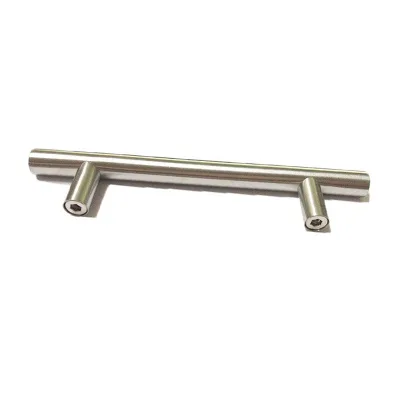
Stainless Steel polishing cabinet pulls grab handles modern kitchen dresser drawer pulls
$5.30 - $5.62
MOQ: 100 Pieces

Zhaoqing Jason Hardware Limited
- Verified by TüVRheinland
- Trading Company
- Lead time30 days
- Avg. response≤ 6h
Main productsHandle And Knob, Furniture Leg, Furniture Hardware Accessories
Main marketsNorth America(73%), Eastern Europe(3%), Eastern Asia(3%)

Jiangmen Tianhao Hardware And Electric Appliance Co.,Ltd
- Verified by TUVRHEINLAND
- Trading Company
- China Guangdong
- Lead time15 days
- Avg. response≤ 12h
Main productsDrawer Slides, Cabinet Hinges, Catches Buffers& Locks, Connectors Shelf Supports & Hangers, Furniture Legs & Castors, Decorative & Proof Fittings, Kitchen Storage Fittings, Wardrobe Storage Fittings, Furniture Handles & Knobs, Door Handles & Locks
Main marketsSouth America,Southeast Asia/ Mideast,Europe,Australia,North America


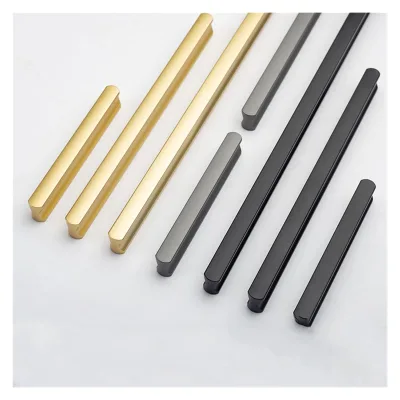
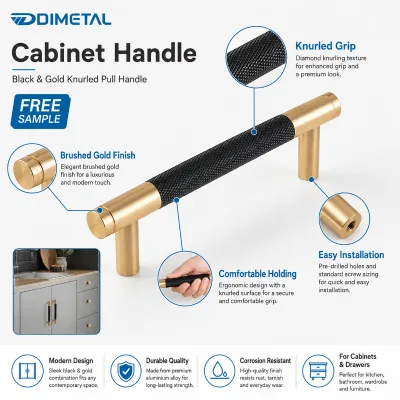
Modern Sleek Gold and Black Aluminum Profile Cabinet Drawer Handle Pull
$0.72 - $1.08
MOQ: 2000 Pieces

Aluminum Alloy Cabinet Handles Gold Black Kitchen Cupboard Drawer Pulls
$0.57 - $0.66
MOQ: 2000 Pieces


Minimalist Round Aluminium Knob Small Drawer Pulls for Cupboard Wholesale
$0.43 - $0.55
MOQ: 2000 Pieces

Guangdong DIMETAL Industrial Co., Ltd
- Manufacturer, Trading Company
- Guangdong, China
- Lead time15 days
- Avg. response≤ 3h
Main productsFurniture hinges,Drawer Slides,Furniture Handle,Shelf support,Furniture casters
Main marketsNorth America(30.00%), Western Europe(10.00%), Eastern Asia(10.00%), Oceania(10.00%), Africa(10.00%), Southeast Asia(10.00%), Eastern Europe(10.00%), South America(10.00%)

Jiangmen Tianhao Hardware And Electric Appliance Co.,Ltd
- Verified by TUVRHEINLAND
- Manufacturer/Factory
- China Guangdong
- Lead time30 days
- Avg. response≤ 14h
Main productsDrawer Slides, Cabinet Hinges, Door Hinges, Kitchen Accessories, Wardrobe Accessories, Kitchen Drawer Basket, Ball Bearing Slides, Furniture Hardware, Furniture Fittings, Cabinet Handles
Main marketsSouth America,Eastern Europe,North America,Oceania,Western Europe


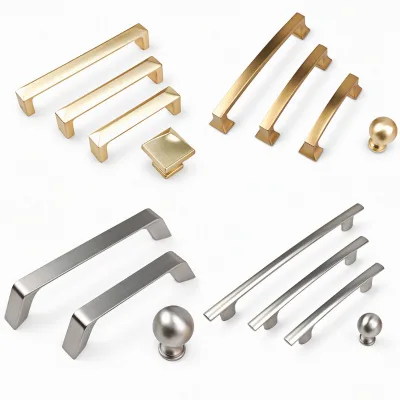
Classic Brushed Nickel Zinc Alloy Furniture Handle Durable Cabinet Drawer Pull
$1.132 - $1.30
MOQ: 3000 pcs


Cabinet Hardware Aluminium Alloy Drawer Handle Wardrobe Pulls Wholesale
$1.02 - $1.77
MOQ: 2000 Pieces

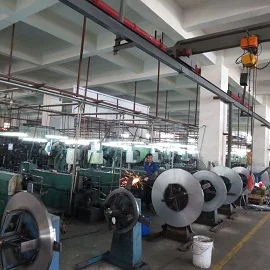
Jiangmen Tianhao Hardware And Electric Appliance Co., Ltd.
- Manufacturer, Trading Company
- Guangdong, China
- Lead time30 days
- Avg. response≤ 8h
Main productsDrawer Slide,Cabinet Hinge,Baskets,Minifix Cam Lock and Bolt,Castor Wheels
Main marketsSouth America(54.00%), Western Europe(31.00%), North America(6.00%), Mid East(5.00%), Eastern Europe(1.00%), Southeast Asia(1.00%), Oceania(1.00%), Africa(1.00%)
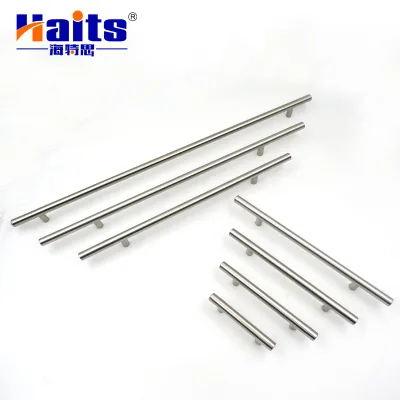
$0.18 - $0.25
MOQ: 5000 pieces
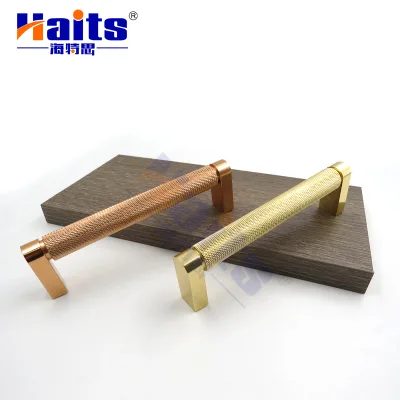
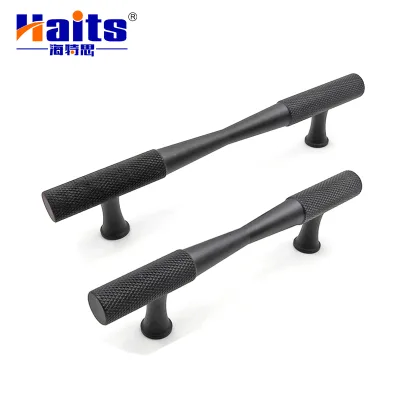

D&D Hardware Industrial Co., Ltd.
- Combined
- China Guangdong
- Lead time30 days
- Avg. response≤ 5h
Main productsDoor Hardware, Door Handle, Door Hinge, Mortise Lock, Lock Cylinder, Door Stopper, Door Bolt, Glass Hinge, Glass Hardware, Door Inronmongery
Main marketsSouth America,Southeast Asia/ Mideast,Europe,North America
Shanghai Maxery Services Co., Ltd.
- Trading Company
- Lead time旺季: "1 - 200":45,"201 - 300":60,"> 300":"To be negotiated", 淡季: "1 - 200":45,"201 - 300":60,"> 300":"To be negotiated"
- Avg. response≤ 7h
Main productsDoor Lever Handle, Cabinet Knob And Puller, Home Decoration Hardware, Bathroom Accessories, Faucet
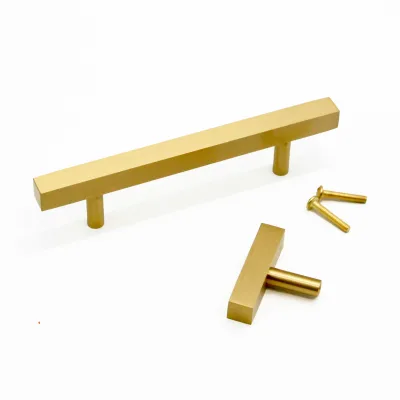
$2.25 - $8.34
MOQ: 200 Minimum
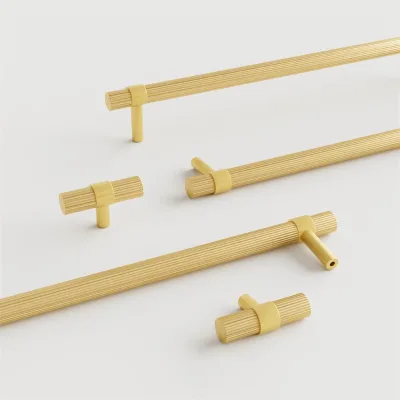
$3.5886 - $15.3797
MOQ: 100 pieces
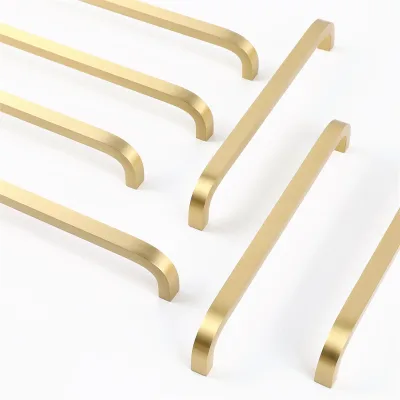


Jiangmen Yako Hardware Manufacturer Co.,Ltd
- Verified by TUVRHEINLAND
- Manufacturer/Factory
- China Guangdong
- Lead time45 days
- Avg. response≤ 3h
Main productsDoor Hinge, Door Handle, Door Stopper, Door Lock, Shower Door Hinge, Glass Clamp, Furniture Handle, Mailbox, Railing Bracket, Pull Handle
Main marketsSouth America,Eastern Europe,Mid East,North America,Southeast Asia,Eastern Asia,Oceania,Western Europe,Africa

High Quality Stainless Steel Square Furniture Kitchen Cabinet Drawer Handle Pulls
$0.50 - $2.00
MOQ: 1000 Pieces

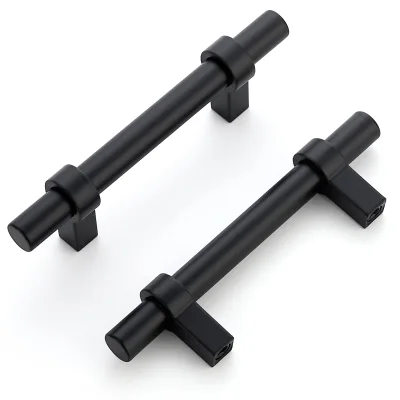
Furniture Kitchen Cabinet Pull Handle Drawer and Dresser Pulls Knobsnet Pulls and Handle
$0.80 - $2.00
MOQ: 100 Pieces

Xiamen GQK Intelligent Technology Co., Ltd.
- Manufacturer
- Fujian, China
- Lead time0 days
- Avg. response≤ 1h
Main productsfurniture hardware,cabinet handle,hinges silde,aluminum door,cabinet kitchen hardware
Main marketsSouth America(31.00%), North America(28.00%), Eastern Europe(10.00%), Western Europe(6.00%), Southern Europe(5.00%), Oceania(5.00%), Northern Europe(5.00%), Africa(4.00%), Southeast Asia(2.00%), South Asia(1.00%), Mid East(1.00%), Eastern Asia(1.00%), Central America(1.00%)
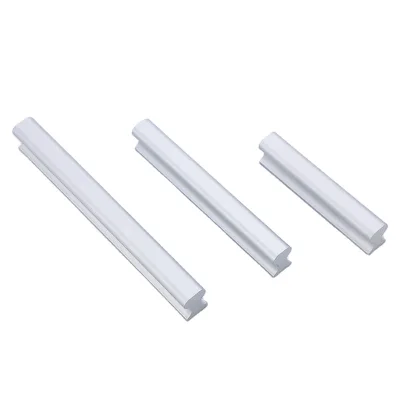
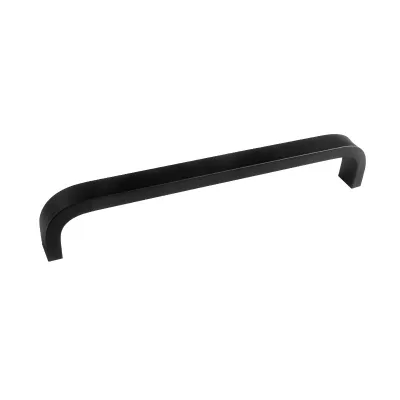
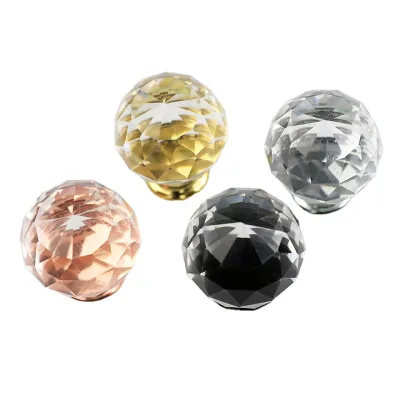
GQK Furniture Drop Dresser Drawer Pulls
$0.33 - $0.39
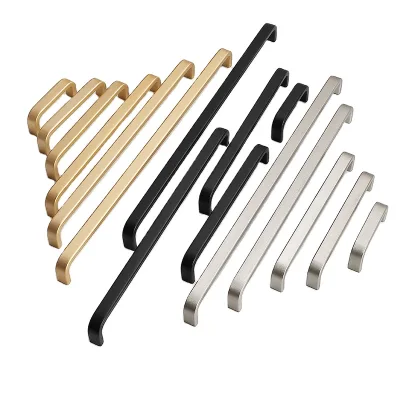
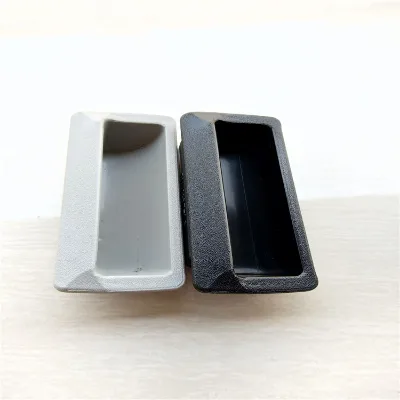
Jiangmen S.R.I Hardware Co., Ltd.
- Manufacturer
- Guangdong, China
- Lead time30 days
- Avg. response≤ 4h
Main productsDoors and Windows Accessories - Door Handle,Door Stopper,Door Bolt,Door Hinge and Door Viewer
Main marketsEastern Europe(14.30%), North America(12.20%), Oceania(10.20%), South Asia(8.20%), Southern Europe(8.20%), Central America(8.20%), Western Europe(6.10%), Northern Europe(6.10%), Domestic Market(6.10%), Mid East(6.10%), Africa(4.10%), Southeast Asia(4.10%), Eastern Asia(4.10%), South America(2.00%)
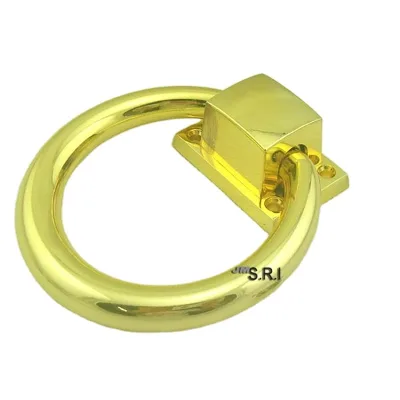
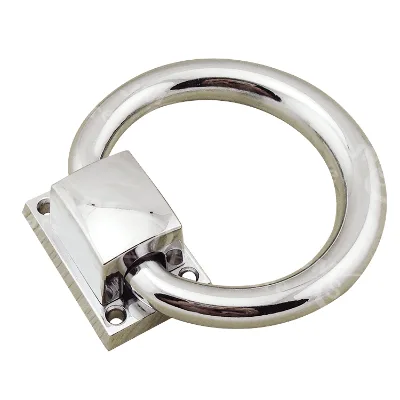
Modern Adjustable Cabinet Ring Pulls Dresser Drawer Pulls in Zinc Alloy for Door Application
$5.1835 - $9.3313
MOQ: 500 Minimum
Guangzhou Allied Electronic Technology Co., Ltd.
- Verified by Intertek
- Manufacturer, Trading Company
- Lead time30 days
- Avg. response≤ 3h
Main productsFurniture Handles, Door Lock, Door Hardware
Main marketsNorth America(70%), Oceania(20%), South America(10%)


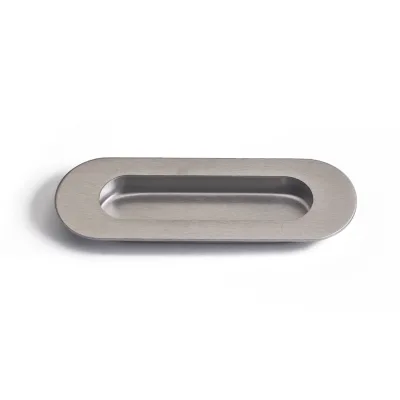
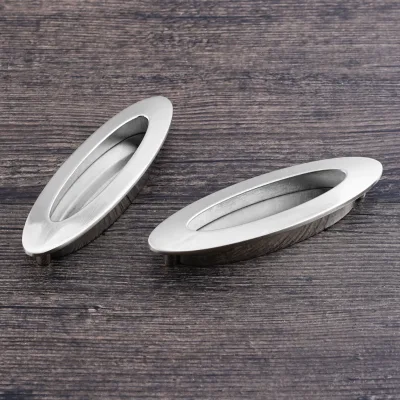
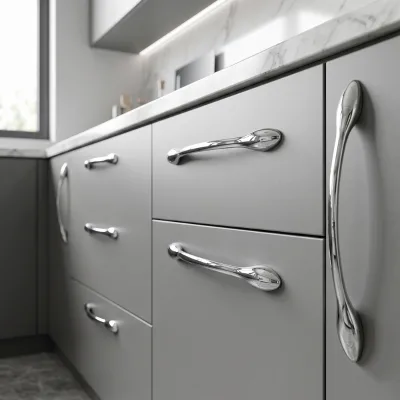
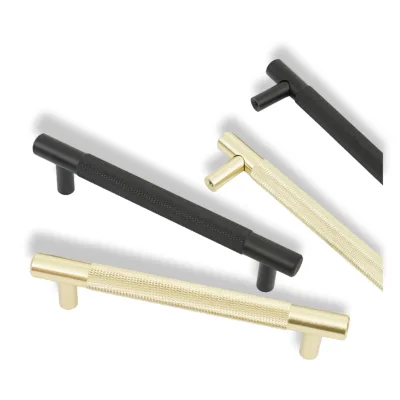


Comprehensive Sourcing Guide
Drawers Pulls Supplier Concentration and Factory Types
The sourcing landscape for Drawers Pulls reveals a distinct geographic concentration in China, with significant manufacturing clusters located in Zhejiang and Guangdong provinces. These regions serve as primary hubs for hardware production, offering buyers access to established industrial ecosystems that specialize in furniture components. Factories in these areas typically operate as manufacturers or factories, providing direct access to production lines rather than acting as intermediaries. This structural advantage often translates to greater control over quality assurance and production scheduling, which is critical for buyers seeking consistent supply chains for high-volume hardware orders. The presence of these specific locations in supplier results indicates a mature supply chain infrastructure capable of supporting both domestic and international demand for drawer pulls and related furniture hardware.
Supplier types vary, but the predominant model observed is the manufacturer or factory entity. These entities often possess their own brand capabilities alongside OEM services, allowing for flexible engagement models depending on the buyer’s needs. Some suppliers offer customized branding options, while others focus on producing standard items under their own established labels. This duality provides buyers with the opportunity to either source generic, cost-effective hardware or develop proprietary product lines with unique branding. The concentration of factory-type suppliers in these Chinese provinces suggests a high level of specialization, where economies of scale can be leveraged to reduce unit costs. Buyers should recognize that this factory-centric model is the norm for this category, enabling direct negotiation on production parameters and material specifications without the markup associated with trading companies.
How to Verify Drawers Pulls Suppliers
Verification begins with confirming the supplier’s operational legitimacy and production capacity through direct evidence rather than self-reported claims. Buyers should prioritize suppliers that display clear manufacturer credentials, such as ISO 9001 system certification, which indicates a standardized approach to quality management. This certification is a tangible metric that can be cross-referenced with official databases to ensure validity. Additionally, examining the supplier’s response time provides insight into their operational efficiency and customer service readiness. A rapid response time, such as those observed in the range of five to nine hours, suggests a well-staffed and responsive team capable of addressing technical queries and order modifications promptly. This metric is particularly important for buyers who require quick turnaround on samples or urgent production adjustments.
Further verification involves assessing the supplier’s product portfolio and customization capabilities. Suppliers that explicitly state customization availability and offer specific material options, such as brass or stainless steel, demonstrate a flexible production environment. Buyers should request detailed product attributes, including model numbers, packing methods, and origin details, to ensure transparency. The presence of specific product evidence, such as detailed prop attributes for materials and finishes, serves as a proxy for the supplier’s technical competence. It is also advisable to verify the supplier’s main products to ensure they align with the buyer’s specific requirements for drawer pulls. Suppliers listing a broad range of hardware, including cabinet pulls, knobs, and latches, often possess the versatile tooling and expertise necessary to handle complex orders. This comprehensive product listing is a strong indicator of a robust manufacturing capability.
What to Compare Across Drawers Pulls Suppliers
When evaluating multiple suppliers, lead time and minimum order quantity (MOQ) are critical differentiators that impact inventory planning and cash flow. Suppliers may offer varying lead times, ranging from rapid turnaround options to longer production cycles, depending on the complexity of the order and material availability. For instance, some suppliers may offer lead times as short as fifteen days, while others might require up to sixty days for standard orders. Similarly, MOQs can vary significantly, with some suppliers requiring as few as five hundred units, while others may mandate orders of five thousand units or more. Buyers must align these constraints with their sales forecasts and storage capabilities to avoid overstocking or stockouts. Comparing these metrics across suppliers allows buyers to identify partners that best fit their operational rhythm and volume requirements.
Price and material composition are equally important factors in supplier comparison. Unit prices for drawer pulls can differ based on the material used, such as brass versus aluminum alloy, and the level of customization required. Buyers should compare price points for similar product specifications to ensure they are receiving competitive rates. Additionally, the availability of different finishes and design styles, such as modern European simple or vintage styles, should be evaluated against the buyer’s target market preferences. Suppliers that offer a wide range of sizes and customization options provide greater flexibility for product development. It is also essential to compare the supplier’s response speed, as faster communication can facilitate quicker resolution of issues and smoother order processing. By systematically comparing these dimensions, buyers can construct a balanced supplier portfolio that mitigates risk and optimizes cost efficiency.
Common Drawers Pulls Sourcing Risks
One significant risk in sourcing Drawers Pulls is the potential mismatch between sample quality and mass production output. Suppliers may provide high-quality samples that do not reflect the consistency of the final batch, particularly when dealing with materials like brass or aluminum alloy that can vary in finish and durability. Buyers must implement rigorous quality control measures, including third-party inspections, to verify that the production run meets the agreed-upon standards. This is especially important when dealing with customized orders, where specific design elements or finishes may be prone to variation during mass production. The risk of inconsistency is heightened when suppliers lack robust quality management systems, making it crucial to verify certifications and production processes before committing to large orders.
Another risk involves the reliability of lead times and communication responsiveness. Suppliers may promise short lead times that are not consistently met, leading to delays in product launches and inventory shortages. This risk is exacerbated when buyers fail to account for potential bottlenecks in the supply chain, such as material shortages or production scheduling conflicts. Additionally, the lack of clear communication regarding customization options can result in orders that do not meet the buyer’s specifications. Buyers should establish clear communication protocols and regular check-ins with suppliers to monitor production progress. It is also advisable to include penalty clauses in contracts for late deliveries to mitigate the financial impact of delays. By proactively addressing these risks, buyers can protect their interests and ensure a smoother sourcing experience.
Drawers Pulls Regional Sourcing and Logistics
Sourcing from specific regions in China, such as Zhejiang and Guangdong, offers logistical advantages due to the proximity to major ports and established shipping routes. These regions are well-connected to global trade networks, facilitating efficient export processes for hardware products. Buyers should consider the impact of regional logistics on shipping costs and transit times when selecting suppliers. Suppliers located in these areas often have experience in handling international shipments, including proper packaging and documentation requirements. The use of carton or pallet packing methods, as observed in supplier product details, indicates a readiness for export logistics. Buyers should verify the supplier’s packing specifications to ensure that products are protected during transit, minimizing the risk of damage.
Additionally, the geographic concentration of suppliers in these regions can lead to economies of scale in logistics, potentially reducing shipping costs for bulk orders. Buyers may benefit from consolidating orders from multiple suppliers within the same region to optimize freight efficiency. However, it is essential to coordinate closely with suppliers to ensure that all items are ready for shipment simultaneously. The origin of the products, clearly stated as China in supplier results, also impacts customs clearance and tariff considerations. Buyers should be aware of any trade regulations or duties applicable to hardware imports from these regions. By leveraging the logistical advantages of these sourcing hubs, buyers can streamline their supply chain and reduce overall procurement costs.
Drawers Pulls Commercial Terms and Order Planning
Commercial terms, including payment methods and escrow services, play a vital role in securing transactions and protecting buyer interests. Buyers should prioritize suppliers that offer secure payment options, such as escrow services, which hold funds until the order is completed and verified. This mechanism reduces the risk of fraud and ensures that suppliers are incentivized to deliver on their promises. Additionally, understanding the supplier’s return and refund policies is essential for managing potential disputes. Buyers should negotiate clear terms regarding quality issues, late deliveries, and order modifications to avoid misunderstandings. The availability of customization options, such as specific finishes or designs, should be confirmed in writing to ensure that the final product meets the buyer’s expectations.
Order planning requires careful consideration of production cycles and inventory management. Buyers should align their order quantities with the supplier’s MOQs and lead times to maintain a steady supply of Drawers Pulls. It is advisable to place orders well in advance of peak seasons to account for potential production delays. Regular communication with suppliers regarding production status and shipping updates is crucial for effective inventory management. Buyers should also consider the total cost of ownership, including shipping, duties, and handling fees, when evaluating supplier quotes. By developing a comprehensive order planning strategy, buyers can optimize their supply chain efficiency and ensure timely product availability for their customers. This proactive approach minimizes disruptions and supports consistent business operations.
FAQs
What is the typical lead time for drawer pulls?
Manufacturers in China generally require 15 to 60 days for production. Guangdong suppliers often offer faster turnaround times around 15 days, while Zhejiang facilities may need up to 60 days. Buyers should confirm specific schedules with the supplier before placing orders to ensure timely delivery.
What materials are commonly used for cabinet drawer pulls?
Brass and stainless steel are popular choices for durability and aesthetics. Aluminum alloy is also widely used for modern, lightweight designs. Some suppliers offer customized finishes on brass handles. Buyers should verify material specifications to ensure the hardware meets their project requirements and environmental conditions.
What is the minimum order quantity for drawer pulls?
MOQs vary significantly by supplier and product type. Some manufacturers require a minimum of 500 pieces per model, while others may demand 5,000 units. Buyers seeking smaller batches should look for suppliers with lower MOQs or consider standard stock items to reduce initial investment costs effectively.
Are customization options available for furniture handles?
Yes, many manufacturers offer customization services for drawer pulls. Buyers can often request specific designs, finishes, or sizes. Some suppliers provide optional design services and allow for custom packaging. It is important to discuss customization details and potential additional costs directly with the supplier during the inquiry phase.
What certifications do drawer pull suppliers typically hold?
Many furniture hardware manufacturers hold ISO 9001 certification for quality management systems. This indicates adherence to international standards for production processes. Buyers should request valid certification documents to verify compliance. Ensuring suppliers have proper certifications helps maintain product quality and reliability for large-scale procurement projects.
How quickly do suppliers typically respond to inquiries?
Response times can vary, with some suppliers replying within a few hours. Average response metrics may hover around 5 to 9 hours. Faster response times often indicate efficient customer service teams. Buyers should prioritize suppliers with quick reply rates to ensure smooth communication throughout the sourcing and negotiation process.