Dual 40Khz Body Cavitation Machine Suppliers and Manufacturers
Source 21 verified suppliers for Dual 40Khz Body Cavitation Machine units. Compare grounded dimensions including CE certification, 1-year warranty, and 5-day lead times. Filter by MOQ and voltage to identify suitable manufacturers for your commercial needs; review the available evidence before requesting comparable quotations from suitable candidates.
Updated
Suppliers List
Guangzhou Allfond Electronics Co., Ltd.
- Verified by TüVRheinland
- Trading Company
- Lead time5 days
- Avg. response≤ 3h
Main productsBeauty Machine, Slimming Machine, Micro Needle System, Hair Removal Machine, HIFU
Main marketsSouthern Europe(25%), South America(20%), Eastern Europe(12%)
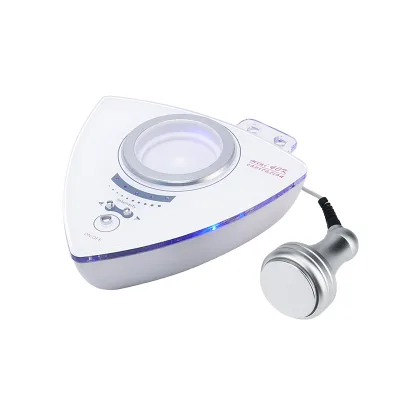
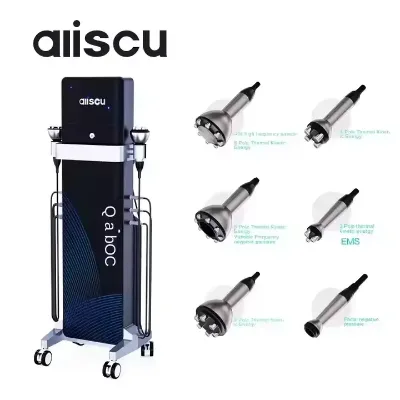
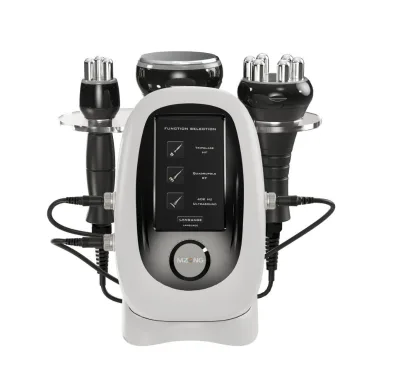
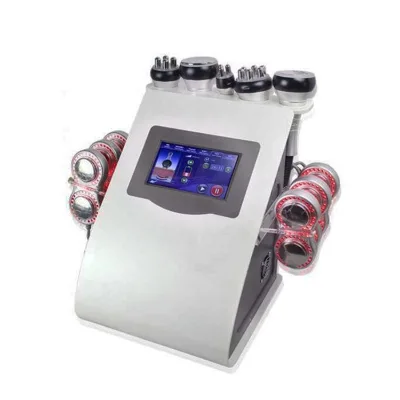
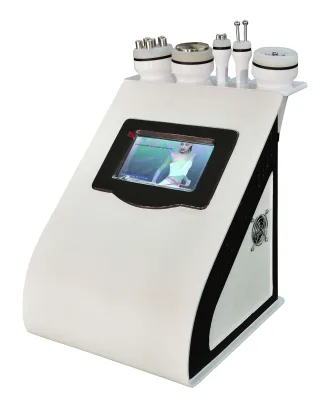
Professional 3-in-1 Cavitation + Radiofrequency + Ultrasonic Machine - 40KHz/1MHz Dual Frequency
$81.5081 - $101.1102
MOQ: 1 pieces
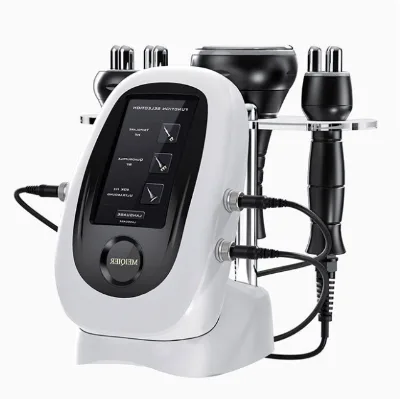
$385.00 - $420.00
MOQ: 1 pieces

GUANGZHOU KONMISON TECHNOLOGY CO., LIMITED
- Verified by BV
- Trading Company
- China Guangdong
- Lead time30 days
- Avg. response≤ 8h
Main productsBeauty Machine, Beauty Equipment, Slimming Machine, Cavitation Weight Loss Beauty Machine, Skin Care Machine, RF Skin Lifting Rejuvenation Machine, IPL Hair Removal Machine, Laser Hair Removal Machine, LED Facial Mask Beauty Device
Main marketsEurope,Australia


40K Cavitation Multifunctional Vacuum RF Fat Burning Body Slimming Machine
$160.00 - $200.00
MOQ: 1 Pieces

40K Ultrasonic Cavitation Machine for Body Slimming Weight Loss Fat Burner Machine
$115.00 - $160.00
MOQ: 1 Pieces

40kHz Cavitation Body Slimming Machine 5 in 1 Ultrasonic Cavitation Machine for Sale
$175.00 - $215.00
MOQ: 1 Pieces

40K Cavitation Machine for Body Slimming Weight Loss Strong Power with Ce
$79.00 - $119.00
MOQ: 1 Pieces

Beijing ADSS Development Co., Ltd.
- Verified by TUVRHEINLAND
- Combined
- China Beijing
- Lead time15 days
- Avg. response≤ 5h
Main productsHifu, Laser Vaginal Tightening, Digital Syringe Injector, 808nm Diode Laser Hair Remvoal, Fractional RF & Thermal RF, Vacuum Shape, 20MHz RF Thermal, Cryolipolysis Slimming Machine, Cavitation Slimming Machine, Fractional CO2 Laser
Main marketsSouth America,East Asia(Japan/ South Korea),Europe,Australia,North America


Cellulite Removal Vacuum Cavitation RF Body Slimming Machine Weight Loss Body Beauty Machine
$3000.00 - $5000.00
MOQ: 1 Pieces

Multi- Functional Body Shape Ultrasonic Cavitation Vacuum RF Slimming Machine
$2500.00 - $3800.00
MOQ: 1 Pieces

Ofan Intelligent Technology (guangzhou) Co., Ltd.
- Verified by SGS
- Combined
- China Guangdong
- Lead time15 days
- Avg. response≤ 7h
Main productsFat Freezing Machine, EMS Sculpting Machine, Cavitation RF Machine, Fractional RF Machine, Bbl Body Slimming Machine, Hifu Machine, Hydra Dermabrasion Machine, Hair Therapy Machine, Laser Machine
Main marketsSoutheast Asia/ Mideast,Europe,North America

Ofan Weight Loss Cavitation Machine 80K Vacuum Cavitation 40K Body Ultrasound Cavitation Machine
$150.00 - $299.00
MOQ: 1 Pieces

Ofan Fat Burning Cavitation Machine Weight Loss Body Slimming Cavitation Machine
$299.00 - $399.00
MOQ: 1 Pieces

Ofan Cavitation Machine Vacuum Body Slimming Beauty Machine for Body Fitting 9in1 Machine 40 K
$220.00 - $299.00
MOQ: 1 Pieces

$150.00 - $299.00
MOQ: 1 Pieces

$299.00 - $399.00
MOQ: 1 Pieces

$199.00 - $499.00
MOQ: 1 Pieces
Guangzhou Magic Belle Beauty Device Co., Ltd.
- Verified by TüVRheinland
- Manufacturer, Trading Company
- Lead time10 days
- Avg. response≤ 2h
Main productsMulti Functional RF Beauty Instrument, Multi Functional Frozen Shaping Instrument, Magnetic Slimming Instrument, Focus Shock Wave Machine
Main marketsNorth America(70%), Western Europe(5%), Southern Europe(5%)
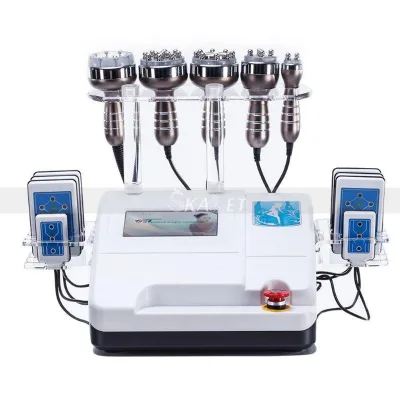
Portable Cavitation Machine Fat Cavitation Machine 40k Weight Loss Vacuum Cavitation System Machine
$513.0652 - $718.7023
MOQ: 1 Minimum
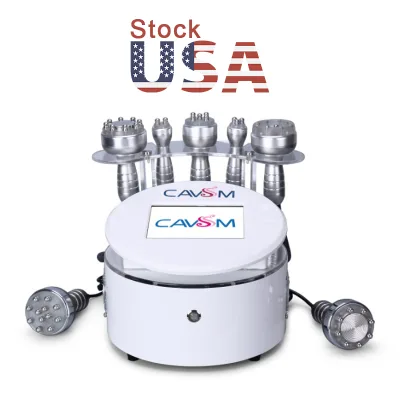
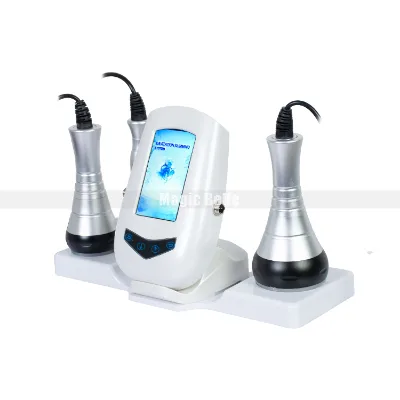
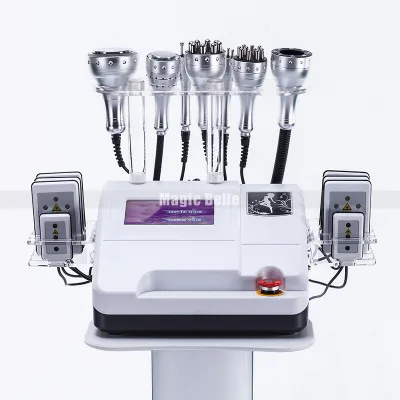
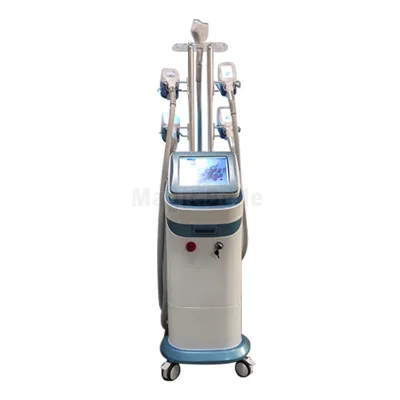
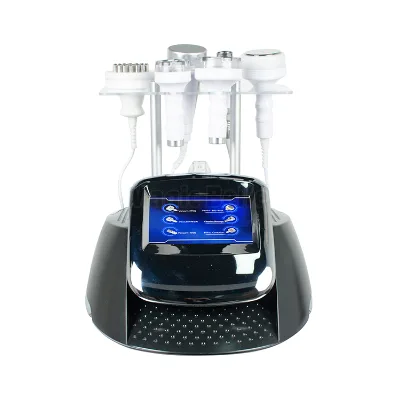
Factory Vacuum Therapy Machine 6 In1 Cavitation Ultrasonic and Body Slimming Home Use Equipment
$235.5602 - $256.2229
MOQ: 1 units
Guangzhou Lafo Electronic Technology Co., Ltd.
- Manufacturer, Trading Company
- Lead time旺季: "1 - 5":5,"> 5":"To be negotiated", 淡季: "1 - 5":5,"> 5":"To be negotiated"
- Avg. response≤ 2h
Main productsbeauty machine,face beauty machine,slimming machine,laser machine,hair removal machine
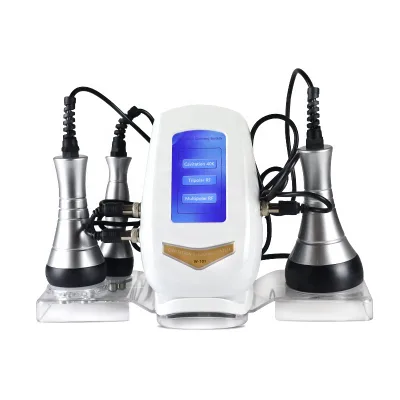
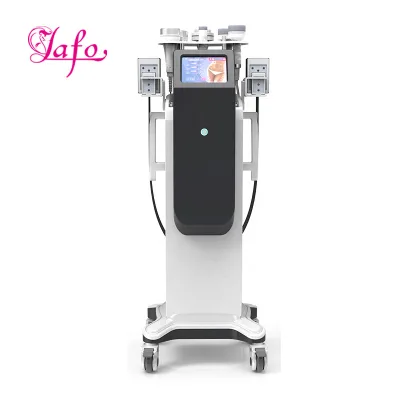
$509.213 - $713.3063
MOQ: 1 sets
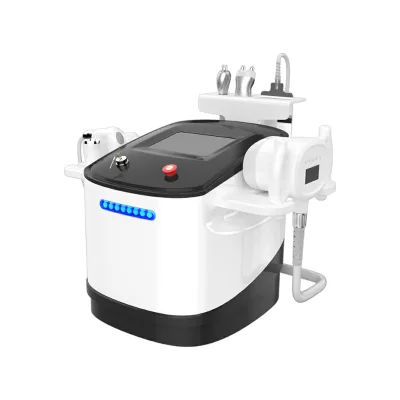
LF-164 Newest Products Body Slimming Machine Lose Weight 6 in 1 40k Vacuum Cavitation Ultrasonic
$1230.2491 - $2051.0983
MOQ: 1 sets
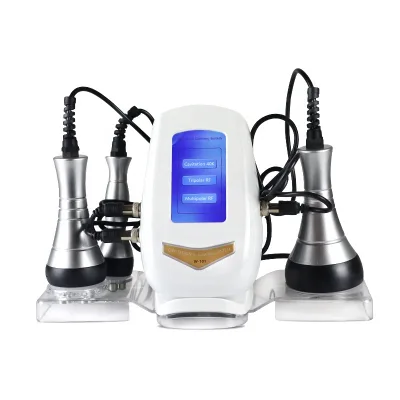
$60.00 - $80.00
MOQ: 1 units
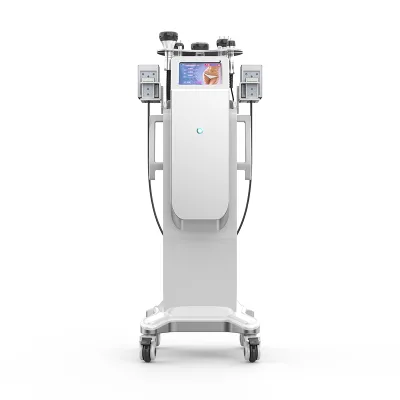
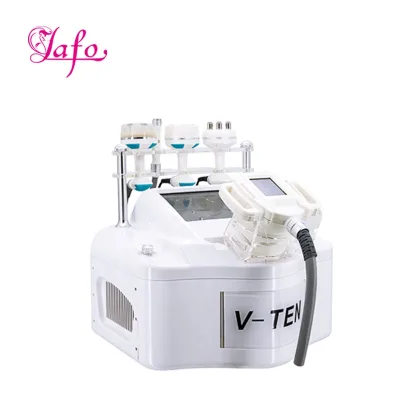
$1500.00 - $2000.00
MOQ: 1 Minimum

Beijing Globalipl Development Co., Ltd.
- Verified by TUVRHEINLAND
- Combined
- China Beijing
- Lead time15 days
- Avg. response≤ 9h
Main productsIPL Shr, Hair Removal IPL, Hair Removal Laser, IPL RF Elight YAG Laser Beauty Machine, 808nm Diode Laser Hair Removal Machine, Shr IPL +Diode Laser, Fat Freeze Cryolipolysis Slimming Machine, Ultrasonic Cavitation Slimming Machine, Q Switch ND YAG Laser Tattoo Removal Machine, Fractional CO2 Laser for Scar Removal
Main marketsOthers(foreignTradeCapacity.exportBusinessCapacityMarketOther),Europe,Australia,North America

Body Slimming Ultrasonic Cavitation Vacuum Massage Ultrasonic Cavitation Machine
$1500.00 - $1999.00
MOQ: 1 set


Hebei Tuosite Import & Export Trade Co., Ltd.
- Verified by CTI
- Trading Company
- China Hebei
- Lead time15 days
- Avg. response≤ 5h
Main productsBeauty Equipment, Medical Equipment, Skin Care Equipment, Diode Laser Equipment, Hair Removal Equipment, Muscle Building Equipment, Cryolipolysis Equipment, Cavitation Vacuum Equipment, Roller Infrared Massage Cellulite Equipment
Main marketsEurope


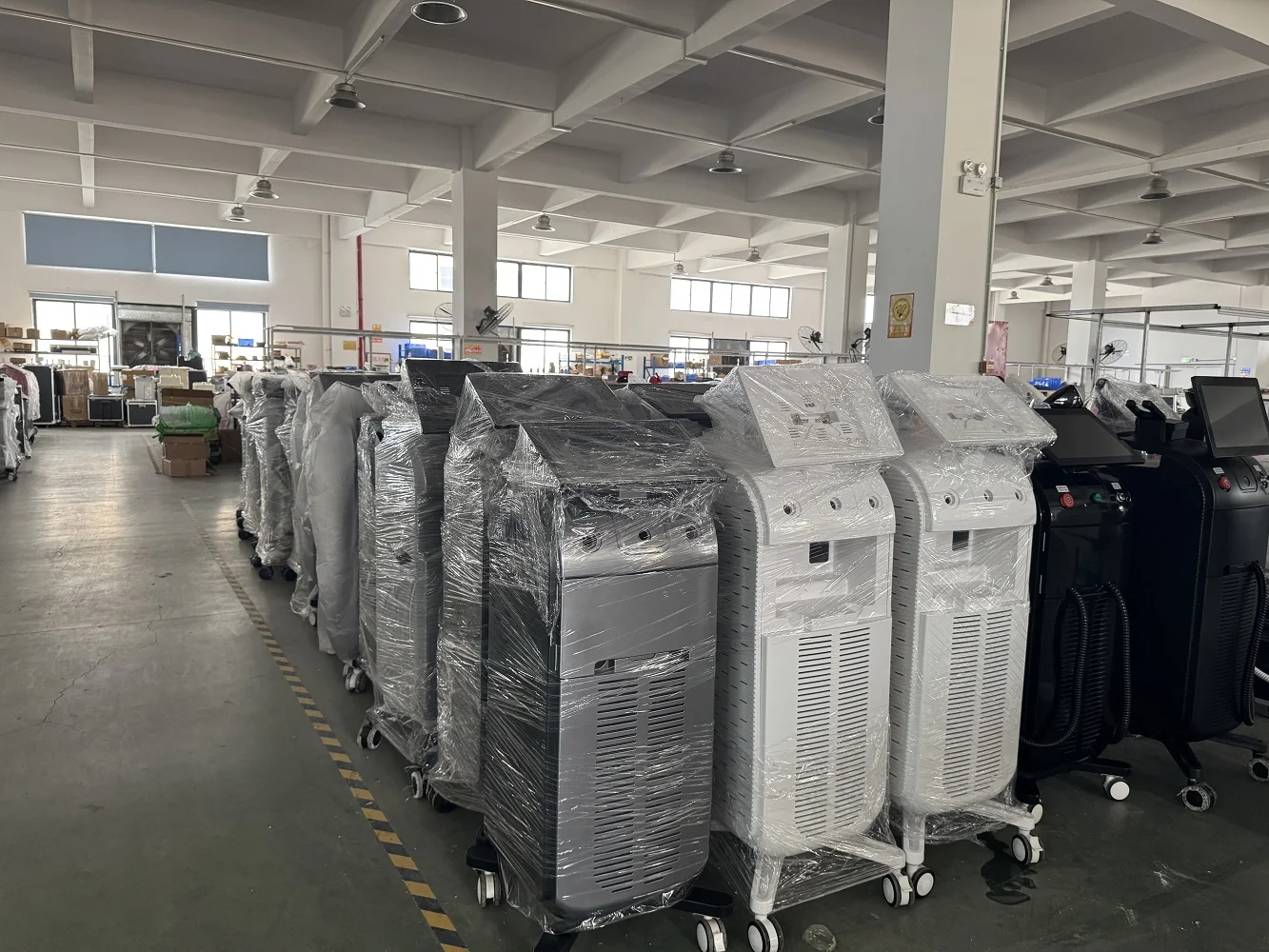
Professional Multifunctional Vacuum Cavitation Machine for Body Cellulite Reduction
$1600.00 - $2300.00
MOQ: 1 Pieces
Guangzhou Etele Electronics Co., Ltd.
- Manufacturer, Trading Company
- Guangdong, China
- Lead time10 days
- Avg. response≤ 2h
Main productsLaser Hair Removal Machine,Slimming Machine,Hydro Dermabrasion Machine,RF Equipment,Intense Pulsed Light(IPL)
Main marketsDomestic Market(37.00%), North America(20.00%), Southern Europe(12.00%), Eastern Europe(10.00%), Western Europe(6.00%), South America(5.00%), Eastern Asia(3.00%), Northern Europe(2.00%), Mid East(1.00%), South Asia(1.00%), Southeast Asia(1.00%), Oceania(1.00%), Central America(1.00%)
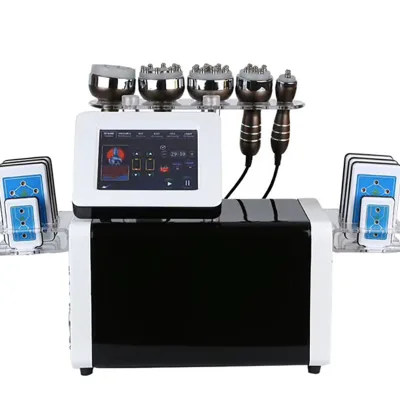
$444.5648 - $465.2425
MOQ: 1 sets
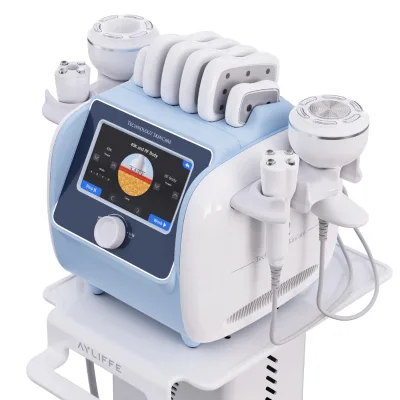
Personal Care Cavitation Machine 80K Slimming Machine Fat Dissolving Device Body Contouring Machine
$428.00 - $447.00
MOQ: 1 sets
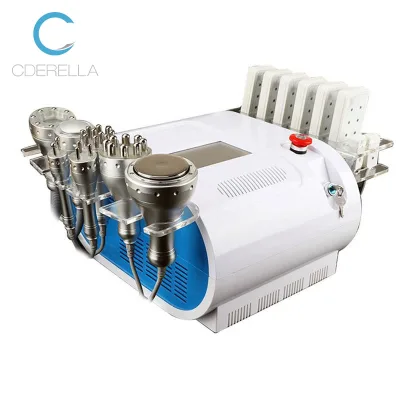
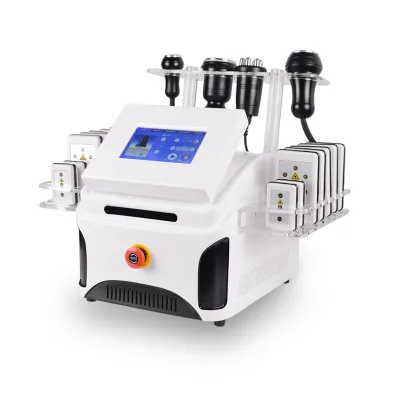
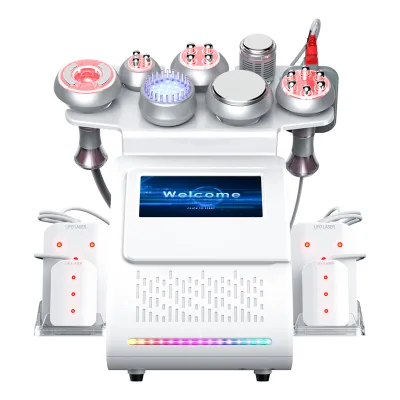
6in1 Body Laser RF Machine with Cooling System Cold Freeze Lipo Cavitation 40k Celliute
$368.8762 - $389.3699
MOQ: 1 cartons
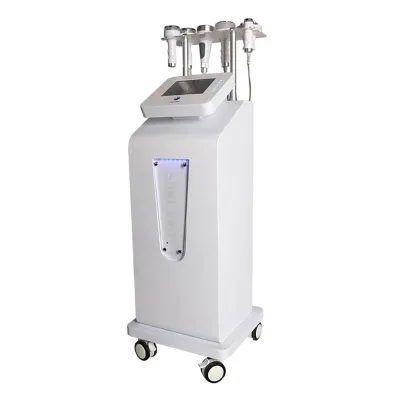
Ultrasonic Cavitation 6in1 RF Radio Frequency Vacuum Anti Cellulite Machine
$267.6613 - $404.6052
MOQ: 1 pieces
$361.8555 - $392.872
MOQ: 1 carats

Beijing Winkonlaser Technology Limited
- Verified by BV
- Combined
- China Beijing
- Lead time15 days
- Avg. response≤ 3h
Main productsBeauty Devices, Diode Laser Hair Removal, Laser Tattoo Removal, Wrinkle Removal Machine, Slimming Machine, IPL, 808 Diode Laser, Hifu, RF, ND YAG Laser
Main marketsSouth America,Africa,Southeast Asia/ Mideast,East Asia(Japan/ South Korea),Europe,Australia,North America
Guangzhou Konmison Electronic Technology Co., Ltd.
- Verified by SGS Group
- Manufacturer, Trading Company
- Lead time3 days
- Avg. response≤ 7h
Main productsSlimming Machine, Hydra Dermabrasion Machine, Anti-wrinkle Machine, Hair Removal & Tattoo Removal Machine, Breast Enlargement Machine
Main marketsNorth America(30%), Eastern Europe(23%), South America(10%)
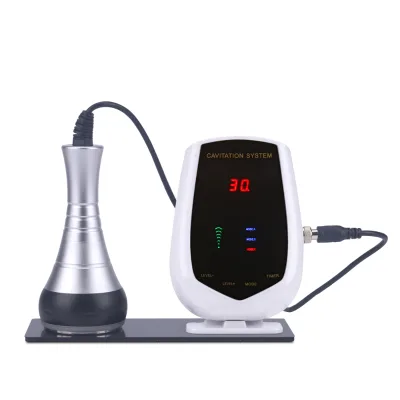
Hot Sale 40K Focused Unoseiton Ultrasound Fat Cavitation Lose Weight Machine
$58.50 - $67.50
MOQ: 1 sets
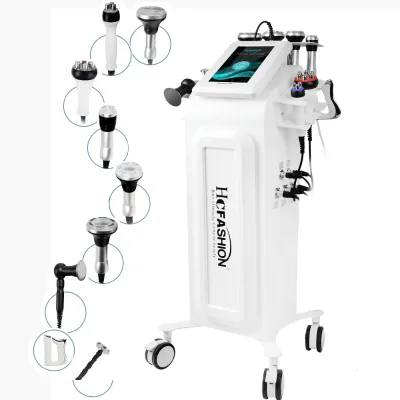
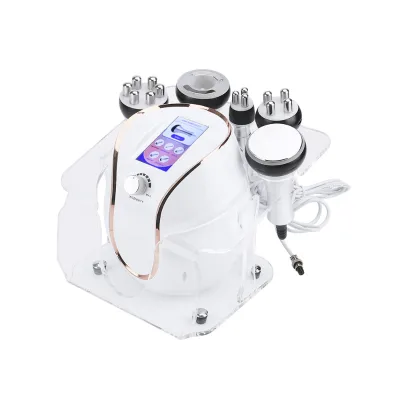
25k /40K Radiofrecuencia Y Cavitation Profesionales 5 in 1 Cavitation Stomach Fat Burning Machine
$183.90 - $217.90
MOQ: 1 sets
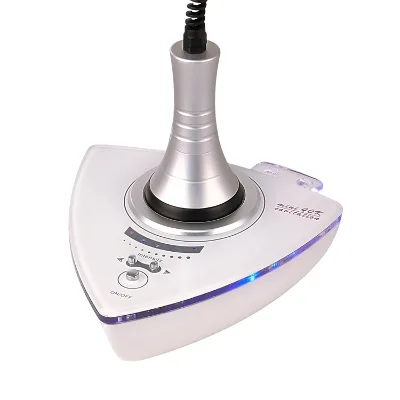
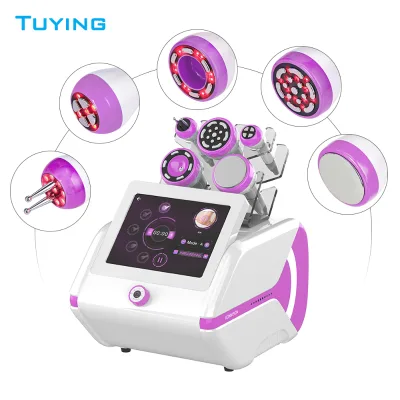
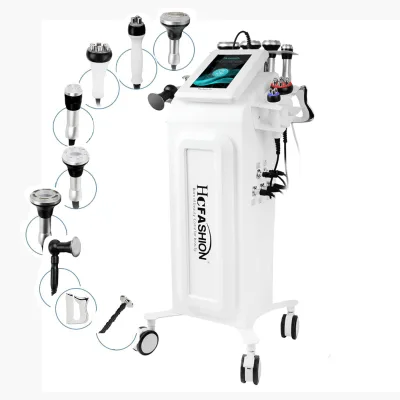
Konmison Ultrasonic RF Body Liposuction Weight Loss 5 in 1 Cavitation Slimming System Beauty Machine
$230.5486 - $251.0408
MOQ: 1 sets

Guangzhou Yingcai Beauty Instrument Co., Ltd.
- Verified by SGS
- Combined
- China Guangdong
- Lead time15 days
- Avg. response≤ 3h
Main productsHifu Machine, Hair Removal Machine, Pico Laser Machine, PDT Machine, Franctional Laser Machine, Electrolysis Hair Removal, Hydra Dermabrasion Facial Machine, Cavitation Machine, Cryolipolysis Machine
Main marketsSouth America,Africa,Southeast Asia/ Mideast,East Asia(Japan/ South Korea),Europe,Australia,North America

Wholesale Fat Cavitation Cavitation Body Slimming Machine Ultrasonic Cavitation Vacuum
$185.00 - $215.00
MOQ: 1 Sets


Premium Body Slimming Machine 2 Years Warranty Cavitation Machine for Salon Use
$220.00 - $257.00
MOQ: 1 Sets


$220.00 - $257.00
MOQ: 1 Sets

4 in 1 Sculpting RF Machine 40K Cavitation Vacuum Slimming Therapy Machine
$80.00 - $100.00
MOQ: 1 Pieces
Shaanxi Keysun Bio-Tech Co., Ltd.
- Manufacturer, Trading Company
- Shaanxi, China
- Lead time20 days
- Avg. response≤ 7h
Main productsBeauty Machine/Health Care Product/Skin Care Product/Cosmetics
Main marketsNorth America(30.00%), Eastern Europe(10.00%), Africa(10.00%), South America(8.00%), Mid East(6.00%), South Asia(5.00%), Western Europe(5.00%), Southern Europe(5.00%), Southeast Asia(5.00%), Oceania(5.00%), Eastern Asia(4.00%), Northern Europe(4.00%), Central America(2.00%), Domestic Market(1.00%)
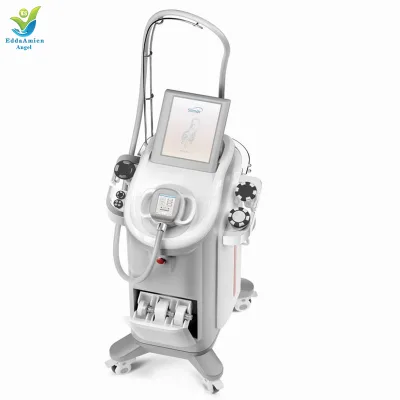
$1835.2045 - $2268.2292
MOQ: 1 sets
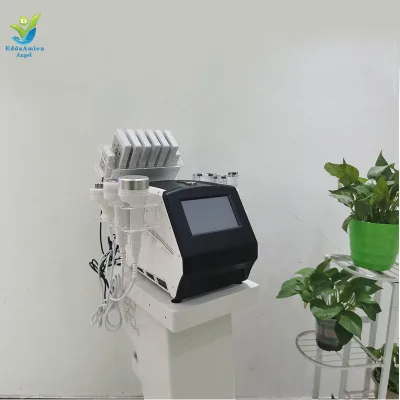
$250.00 - $322.00
MOQ: 1 sets
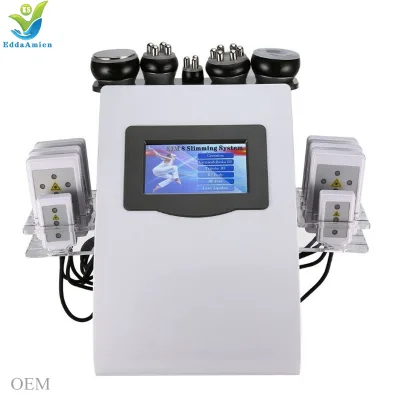
$179.6846 - $236.1571
MOQ: 1 sets
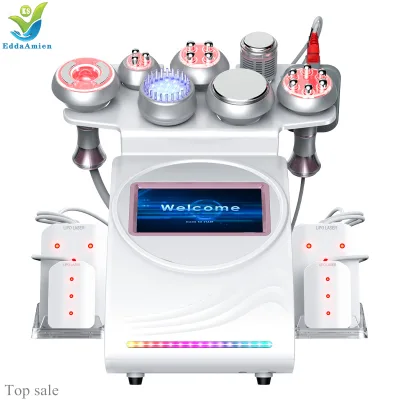
$308.2732 - $355.7009
MOQ: 1 pieces
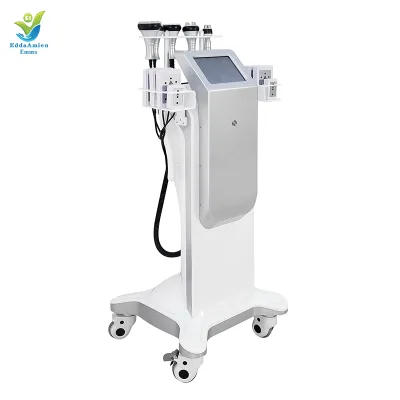
New 6 in 1 9 in 1Cavitation Machine RF 40K 80K Cavitation at Home Use Slimming Body Machine for Sell
$348.00 - $419.00
MOQ: 1 sets
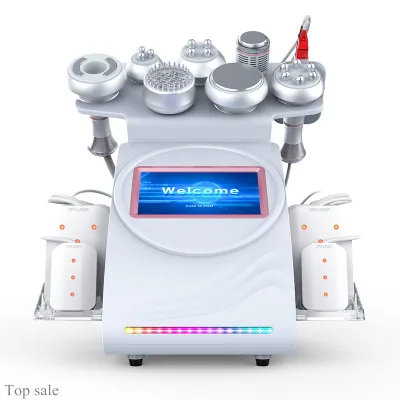
$299.00 - $345.00
MOQ: 1 pieces
Guangzhou Baihang Beauty Equipment Co.,Ltd.
- Verified by SGS Group
- Trading Company
- Lead time5 days
- Avg. response≤ 2h
Main productsCryolipolysis Beauty Machine, Hifu Beauty Machine, Cavitation Rf Beauty Machine, Liposonix Beauty Machine, Facial Care Beauty Machine
Main marketsNorth America(40%), South America(10%), Eastern Europe(10%)
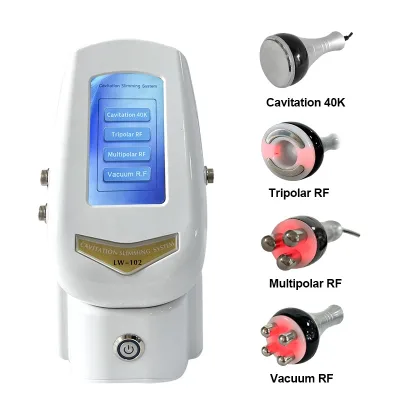
$76.9557 - $97.4764
MOQ: 1 pieces
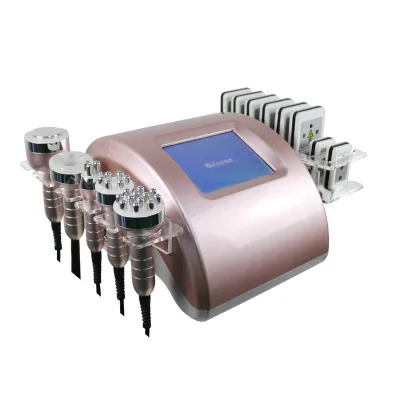
$350.00 - $450.00
MOQ: 1 pieces

Guangzhou RenLang electronic technology Co., LTD
- Verified by CTI
- Combined
- China Guangdong
- Lead time15 days
- Avg. response≤ 8h
Main productsBeauty Machine, Hair Removal Machine, Tattoo Removal Machine
Main marketsEurope
Guangzhou Yinaimei Electronic Technology Co., Ltd.
- Verified by TüVRheinland
- Trading Company
- Lead time0 days
- Avg. response≤ 2h
Main productsEndospheres Machine, Emsculpt Machine, Laser Hair Removal Machine, LPG Slimming Machine, CO2 Fractional Laser Machine
Main marketsDomestic Market(70%), North America(20%), South America(10%)
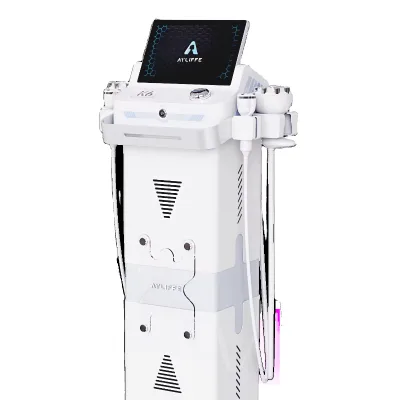
$516.9353 - $1151.733
MOQ: 1 acres
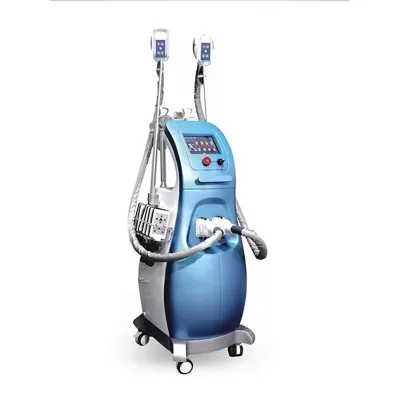
$827.0965 - $1426.7427
MOQ: 1 pieces
MAGIC PLUS (GUANGZHOU) BEAUTY EQUIPMENT CO., LTD.
- Verified by SGS Group
- Manufacturer, Trading Company
- Lead time5 days
- Avg. response≤ 4h
Main productsEmslim Hifu, Cryo Slimming Machine, Hair Removal Machine, Facial Machine, Body Massage Machine
Main marketsNorth America(28%), Western Europe(20%), Southern Europe(20%)
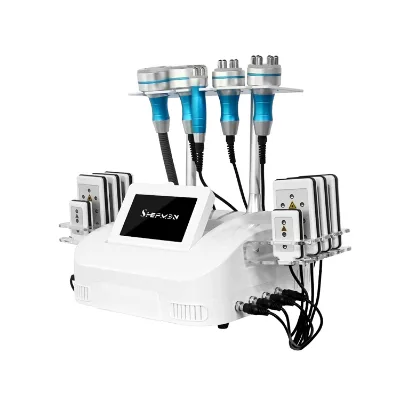
$256.7226 - $411.3746
MOQ: 1 units
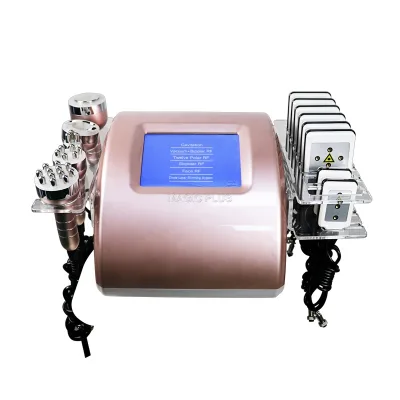
$205.1719 - $617.5772
MOQ: 1 Minimum
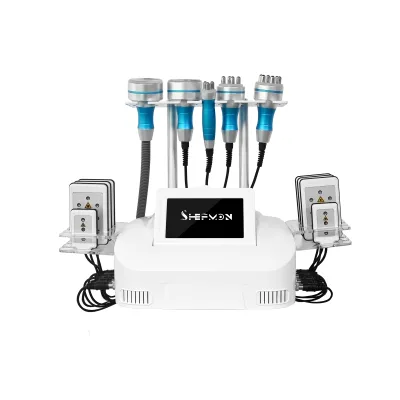
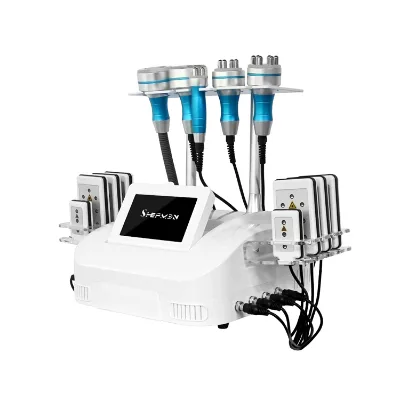
High Quality Multifunctional 6 in 1 80k Cavitation Vacuum System Therapy Machine for Body Slimming
$199.00 - $299.00
MOQ: 1 units
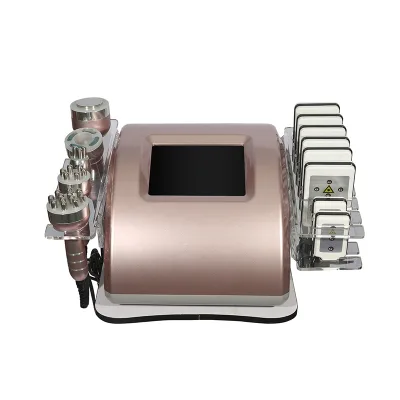
$205.1719 - $411.3746
MOQ: 1 Minimum
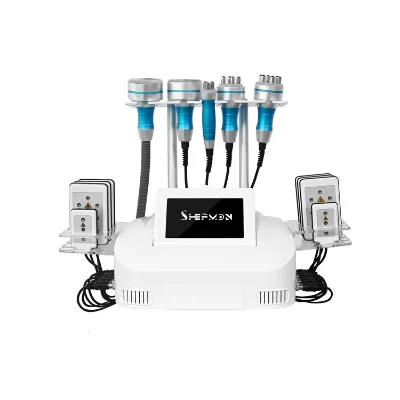

Guangzhou Corelaser Beauty Equipment Limited
- Manufacturer, Trading Company
- Guangdong, China
- Lead time5 days
- Avg. response≤ 3h
Main productsHIFU machine,Pressotherapy machine,IPL/ELIGHT/808NM DIODE LASER MACHINE,CRYOLIPOLYSIS MACHINE,CAVITATION MACHINE
Main marketsWestern Europe(20.00%), Domestic Market(10.00%), North America(10.00%), Southern Europe(10.00%), South Asia(10.00%), Northern Europe(10.00%), Oceania(8.00%), Central America(6.00%), Africa(6.00%), Southeast Asia(3.00%), South America(3.00%), Mid East(2.00%), Eastern Europe(2.00%)
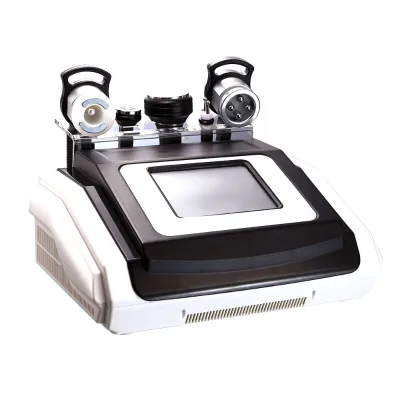
Vacuum Multi RF Weight Loss Body Shape 40k Cavitation Slimming Machine for Abdomen Arm Leg
$279.1461 - $310.1612
MOQ: 1 units
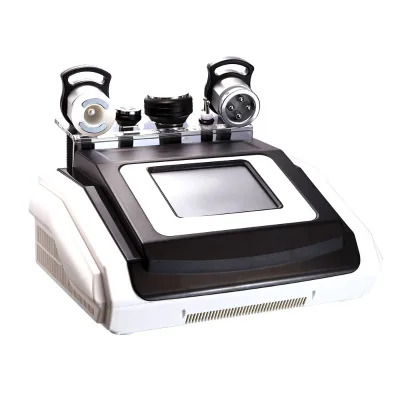
Cheap Price 40K Fat Reduction Cavitation Weight Loss Body Sculpting RF Skin Tightening Machine
$277.6112 - $308.4558
MOQ: 1 units
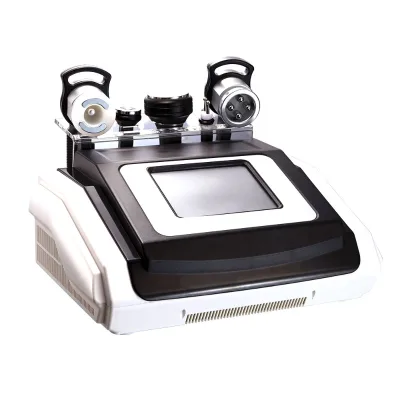
$277.6112 - $308.4558
MOQ: 1 units
Sanhe Lefis Electronics Co., Ltd.
- Manufacturer, Trading Company
- Lead time旺季: "1 - 5":35,"> 5":"To be negotiated", 淡季: "1 - 5":35,"> 5":"To be negotiated"
- Avg. response≤ 3h
Main productsHifu, Laser Beauty Equipment, Slimming Machine, Rf Machine, Emsculpt
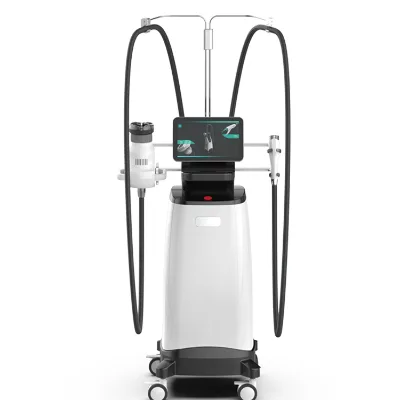
$3668.2668 - $4078.1289
MOQ: 1 Minimum
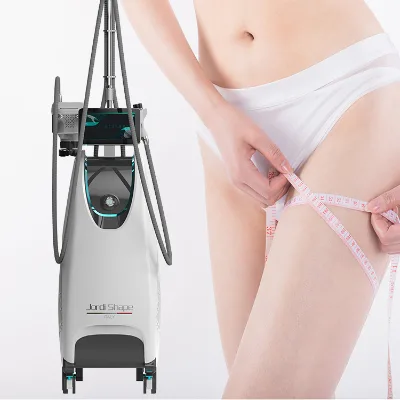
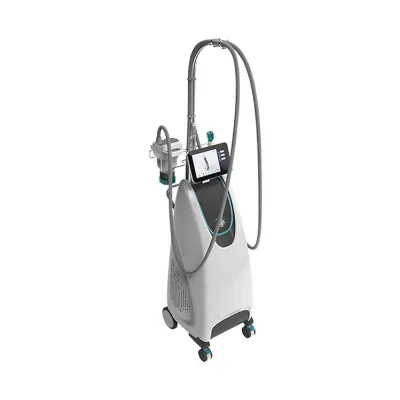
$3665.749 - $3891.0182
MOQ: 20 sets
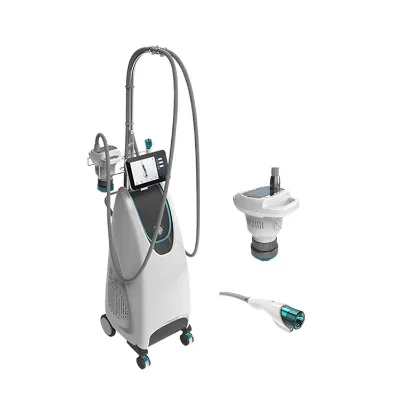
80k Cavitation Rf Machine Cellulite Machine Slimming Ultrasonic 9 in 1 Rf Skin Tightening Machine
$3665.749 - $3891.0182
MOQ: 20 sets
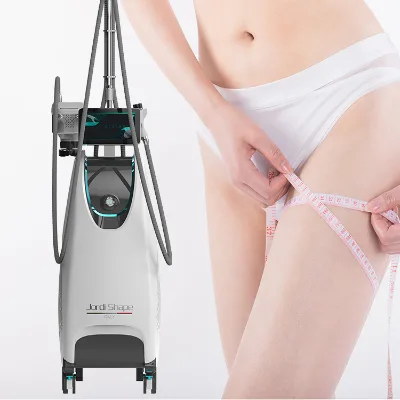
$3580.00 - $3900.00
MOQ: 1 sets

Foshan City DaiNi Electronic Technology Co., Ltd.
- Verified by SGS
- Combined
- China Guangdong
- Lead time15 days
- Avg. response≤ 9h
Main productsBeauty Machine, Beauty Equipment, Dermabrasion Machine, Breast &Butt Enlargement, Oxygen Machine, Haire &Tattoo Removal, Skin Care, Slimming Machine, PDT & LED, Hifu
Main marketsSoutheast Asia/ Mideast
Guangzhou Meiwozi Beauty Equipment Co., Ltd.
- Manufacturer, Trading Company, Distributor/Wholesaler
- Guangdong, China
- Lead time5 days
- Avg. response≤ 3h
Main productsbeauty machine,RF machine,facial machine,Slimming machine,derma roller
Main marketsWestern Europe(30.00%), South Asia(15.00%), Southern Europe(10.00%), Eastern Europe(10.00%), Northern Europe(5.00%), Central America(5.00%), South America(5.00%), Eastern Asia(5.00%), Domestic Market(5.00%), Africa(5.00%), North America(2.00%), Oceania(2.00%), Mid East(1.00%)
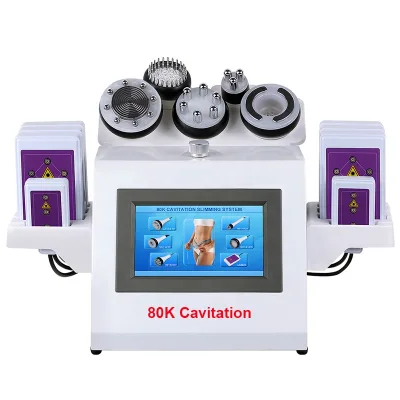
$307.3966 - $368.8762
MOQ: 1 pieces
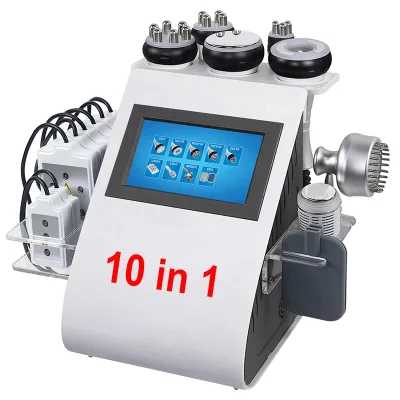
$260.00 - $310.00
MOQ: 1 pieces


Comprehensive Sourcing Guide
Dual 40Khz Body Cavitation Machine Supplier Concentration and Factory Types
The current supplier landscape for dual 40khz body cavitation machines is characterized by a mix of specialized manufacturers and trading entities that facilitate global distribution. Analysis of the available results indicates that the predominant company type identified is the Trading Company, which suggests that many buyers may be interacting with intermediaries rather than direct factory sources. This structural dynamic is significant because trading companies often aggregate products from multiple smaller workshops or factories, potentially offering a wider variety of models but introducing an additional layer between the buyer and the production line. Buyers must recognize that while trading companies can streamline communication and consolidate shipping, they may not have direct control over the manufacturing quality assurance processes that are critical for aesthetic medical devices. The presence of these entities means that verifying the actual origin of the machinery is a necessary step to ensure that the specifications promised align with the engineering capabilities of the true production facility.
Furthermore, the product evidence reveals a concentration of specific technical configurations, such as the 40k Cavitation Machine and RF Vacuum Cavitation machines, which are frequently marketed under brand names like Allfond. These products are categorized under Beauty>Aesthetic medicine>Home Use RF Beauty Instrument or RF Equipment, indicating a strong market focus on both commercial salon use and portable home applications. The main products listed include Beauty Machine, Slimming Machine, Micro Needle System, Hair Removal Machine, and HIFU, suggesting that many suppliers operate as multi-category aesthetic equipment providers rather than niche specialists in cavitation technology alone. This broad product range can be advantageous for buyers seeking a one-stop solution for their clinic or retail inventory, but it also requires careful scrutiny to ensure that the cavitation machines are not secondary offerings with less rigorous development compared to the supplier’s primary revenue-generating devices. Understanding this factory type and product focus helps buyers set appropriate expectations regarding technical support and customization capabilities.
How to Verify Dual 40Khz Body Cavitation Machine Suppliers
Verification is the most critical phase in sourcing dual 40khz body cavitation machines, as the aesthetic industry is rife with unverified claims regarding efficacy and safety. Buyers should prioritize suppliers that display third-party verification badges, such as TüVRheinland, which serves as a tangible indicator that the company has undergone a rigorous assessment of its business legitimacy and operational capabilities. This verification status provides a baseline of trust, confirming that the entity exists and operates within recognized business frameworks, but it does not automatically validate the technical performance of every individual product listed. Therefore, buyers must look beyond the general company verification and examine the specific product certifications, such as CE, LVD, IEC 62321, EMC, and RoHS, which are explicitly listed in the system certification data. These certifications are essential for ensuring that the electrical components and electromagnetic emissions of the cavitation machines comply with international safety standards, particularly for devices that will be used in commercial settings or exported to regulated markets.
In addition to certification checks, buyers should actively engage with suppliers to assess their responsiveness and technical depth, as these factors often correlate with the reliability of after-sales support. The observed response time of 3 hours indicates a high level of operational readiness, which is crucial for resolving technical queries or negotiating custom specifications before placing an order. Buyers should test this responsiveness by asking detailed questions about the cavitation frequency stability, the quality of the transducers, and the warranty terms for critical components like the RF generator. It is also advisable to request video demonstrations of the machine in operation, as the product attributes mention "Video Technical Support" as a provided service. This not only verifies the machine’s functionality but also allows the buyer to evaluate the clarity and professionalism of the supplier’s support team. By combining third-party verification badges with direct interaction and certification scrutiny, buyers can significantly reduce the risk of partnering with unreliable vendors.
What to Compare Across Dual 40Khz Body Cavitation Machine Suppliers
When evaluating multiple suppliers for dual 40khz body cavitation machines, buyers must systematically compare key operational and commercial dimensions to identify the most suitable partner. One of the most immediate differentiators is the Minimum Order Quantity (MOQ), which varies significantly across the market. Evidence shows that many suppliers offer an MOQ of just 1 PC, which is ideal for small businesses, startups, or buyers testing the market with low risk. However, buyers seeking larger volumes should negotiate for tiered pricing, as the price range for similar devices can span from approximately $53 to over $700 depending on the complexity and features. Comparing the price points alongside the MOQ helps buyers determine the true cost efficiency of each supplier. For instance, a supplier with a higher MOQ might offer a lower unit price, but the total capital outlay must be weighed against the buyer’s cash flow constraints and storage capacity.
Another critical comparison point is the lead time and the style of the equipment, which impacts both inventory management and end-user experience. The observed lead time of 5 days suggests a relatively fast turnaround for many suppliers, but buyers must confirm if this applies to stock items or requires production time for custom orders. The product attributes reveal a mix of portable, desktop, and stationary styles, each with different power requirements and handle configurations. For example, some models are rated at 25W with a single handle, while others are 150W with four handles and higher energy densities up to 60J/cm2. Buyers should compare these technical specifications against their target market’s needs, ensuring that the voltage options (such as 100V-120V or 220V-240V) match the electrical standards of their destination country. Additionally, comparing the warranty periods, which are often listed as 1 Year or 12 Months, and the after-sales service options, such as online support versus video technical support, provides insight into the long-term value and risk mitigation offered by each supplier.
Common Dual 40Khz Body Cavitation Machine Sourcing Risks
Sourcing dual 40khz body cavitation machines carries inherent risks related to product performance and regulatory compliance that buyers must proactively manage. A primary risk is the discrepancy between advertised specifications and actual performance, particularly regarding the cavitation frequency and energy density. While many products claim a 40KHZ frequency, the actual output stability and the uniformity of the ultrasound waves can vary significantly between manufacturers. Buyers who do not verify these technical details through sample testing or detailed engineering documentation may receive machines that fail to deliver the promised fat reduction or skin tightening results, leading to customer dissatisfaction and potential liability. Furthermore, the risk of receiving devices with inadequate safety features is heightened when sourcing from suppliers that do not provide comprehensive certification documentation. Without valid CE or RoHS certificates, the machines may not meet the legal requirements for sale in many international markets, resulting in customs seizures or fines.
Another significant risk is the reliability of after-sales support and warranty fulfillment. The aesthetic equipment market is competitive, and some suppliers may offer attractive initial prices but lack the infrastructure to provide consistent technical support. While some suppliers list "Video Technical Support" or "Online support," the quality and availability of this support can be inconsistent. Buyers who do not establish clear communication channels and response time expectations before ordering may find themselves without assistance when technical issues arise post-purchase. Additionally, the risk of intellectual property infringement or counterfeit components is present, especially when dealing with trading companies that source from multiple factories. Buyers should be cautious of suppliers that use generic branding or lack transparent information about their manufacturing processes. To mitigate these risks, buyers should insist on detailed product manuals, clear warranty terms, and verifiable proof of component quality, ensuring that they are not left vulnerable to operational disruptions or legal complications after the transaction is complete.
Dual 40Khz Body Cavitation Machine Regional Sourcing and Logistics
The regional sourcing of dual 40khz body cavitation machines is heavily influenced by the manufacturing hubs identified in the product evidence, with Guangdong, China, and broader China regions being the primary origins. This concentration in Guangdong is significant because the province is a global leader in the production of beauty and aesthetic equipment, offering a robust supply chain ecosystem that includes component suppliers, assembly factories, and logistics providers. Buyers sourcing from this region benefit from the efficiency of established industrial clusters, which often result in faster production times and competitive pricing. However, the specific place of origin, whether it is a major city within Guangdong or another part of China, can impact the quality control standards and the sophistication of the manufacturing processes. Buyers should inquire about the specific factory location to assess the supplier’s access to skilled labor and advanced machinery, which are critical for producing high-quality cavitation devices with precise frequency control.
Logistics and shipping considerations are also paramount when sourcing from these regions, as the weight and dimensions of the machines affect freight costs and delivery times. The product attributes indicate that portable models can weigh as little as 2.2kg to 3kg, with packing sizes around 342711cm, making them relatively easy to ship via air freight for small orders. In contrast, larger stationary or standing units, such as the RF Vacuum Cavitation machine, may require more substantial packaging and potentially sea freight for cost efficiency. Buyers must calculate the total landed cost, including shipping, insurance, and import duties, to determine the true profitability of their sourcing strategy. Additionally, the voltage and plug types (US, EU, UK) must be compatible with the destination market, requiring suppliers to provide appropriate adapters or customized power supplies. Understanding these logistical nuances helps buyers plan their inventory and distribution strategies effectively, ensuring that the machines arrive in optimal condition and are ready for immediate use or sale.
Dual 40Khz Body Cavitation Machine Commercial Terms and Order Planning
Effective order planning for dual 40khz body cavitation machines requires a thorough understanding of the commercial terms and payment structures offered by suppliers. The observed price ranges, from approximately $53 to over $700, reflect the diversity in product complexity and feature sets, with higher-priced models often including additional technologies like RF and ultrasonic functions. Buyers should negotiate based on volume, leveraging the low MOQ of 1 PC to test the market before committing to larger orders. It is essential to clarify whether the quoted prices include packaging, accessories, and any necessary certifications documentation, as these can add hidden costs. Additionally, buyers should inquire about the payment terms, such as the availability of escrow services or trade assurance, which provide a layer of financial protection by holding funds until the goods are received and verified. This is particularly important for first-time transactions with new suppliers, as it mitigates the risk of non-delivery or significant deviation from the agreed specifications.
Warranty and return policies are also critical components of the commercial terms that buyers must scrutinize. Most suppliers offer a warranty period of 1 Year or 12 Months, but the scope of this warranty varies. Buyers should confirm whether the warranty covers parts, labor, or both, and whether the supplier provides replacement parts or requires the entire unit to be returned for repair. The availability of spare handles and probes, which are consumable or prone to wear, should be addressed in the initial agreement to ensure long-term operational continuity. Furthermore, buyers should establish clear procedures for handling defective items, including who bears the cost of return shipping and the timeline for resolution. By carefully negotiating these commercial terms and planning for potential after-sales needs, buyers can secure a more stable and profitable sourcing relationship, ensuring that their investment in dual 40khz body cavitation machines yields a reliable return over time.
FAQs
What is the minimum order quantity for dual 40khz body cavitation machines?
The minimum order quantity is typically one piece for these devices. This low threshold allows buyers to test product quality and functionality before committing to larger bulk orders. It supports flexible procurement strategies for small clinics or individual practitioners seeking to evaluate performance.
What certifications do these beauty machines usually carry?
These machines generally carry CE, RoHS, EMC, LVD, and IEC 62321 certifications. These standards ensure electrical safety and electromagnetic compatibility for commercial use. Buyers should verify specific documentation with suppliers to confirm compliance with local regulatory requirements in their target markets.
How long does production and delivery typically take?
Lead times are approximately five days for standard models. Response times to inquiries are around three days. This quick turnaround supports urgent restocking needs. Buyers should confirm exact shipping schedules with suppliers to account for international logistics and customs clearance delays.
What voltage options are available for global use?
Devices support 100V-120V and 220V-240V inputs. Some models also accept 110V/220V at 50-60Hz frequencies. This versatility ensures compatibility with diverse electrical grids worldwide. Buyers must select the correct plug type and voltage setting for their specific regional power standards.
What after-sales support is provided for these devices?
Suppliers offer video technical support and online assistance. This remote guidance helps users troubleshoot operational issues effectively. A one-year warranty is standard for most units. Buyers should clarify specific support terms and warranty coverage details directly with the manufacturer before purchase.
What are the typical price ranges for these machines?
Prices range from approximately fifty-three to seventy-four dollars for portable units. Larger stationary models cost between six hundred sixty-seven and seven hundred thirty-nine dollars. These variations depend on features like handles and power output. Buyers should request detailed quotes for accurate budgeting.