eco-friendly squeaky pet chew toy Suppliers and Manufacturers
Compare 32 verified suppliers offering eco-friendly squeaky pet chew toys with varying lead times, MOQs, and certifications like BV or SGS. Review product specs and response times to select a partner, then request quotes for your specific needs; review the available evidence before requesting comparable quotations from suitable candidates.
Updated
Suppliers List

- Verified by BV
- Trading Company
- China Zhejiang
- Lead time30 days
- Avg. response≤ 15h
Main marketsSouth America,Africa,Southeast Asia/ Mideast,East Asia(Japan/ South Korea),Europe,Australia,North America

Xiamen Furvorite Pet Supplies Co., Ltd.
- Verified by SGS
- Trading Company,Manufacturer/Factory
- China Fujian
- Lead time45 days
- Avg. response≤ 3h
Main productsDog Harness, Pet Clothes, Dog Leash, Dog Collar, Pet Bed, Pet Accessories, Pet Grooming Tool, Pet Gates & Furniture, Pet Bowls & Feeding, Dog Brace
Main marketsSouth America,Eastern Europe,Mid East,North America,Southeast Asia,Eastern Asia,Oceania,Western Europe,Africa

Quanzhou Huixiang Electronic Commerce Co., Ltd.
- Trading Company
- Fujian, China
- Lead time15 days
- Avg. response≤ 1h
Main productsPet Intelligent Feeder,Pet tracking locator,Pet intelligent toy,Pet daily necessities,Pet grooming and cleaning supplies
Main marketsMid East(35.00%), Eastern Asia(13.00%), Africa(12.00%), South America(10.00%), Southeast Asia(10.00%), South Asia(8.00%), Northern Europe(4.00%), Domestic Market(3.00%), Central America(3.00%), Eastern Europe(2.00%)
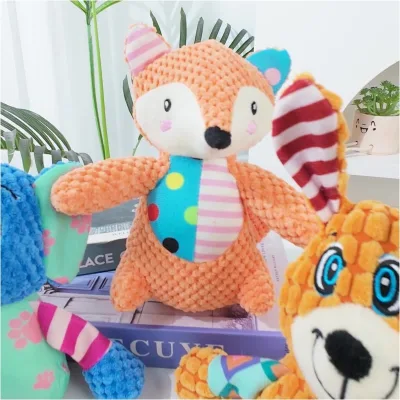
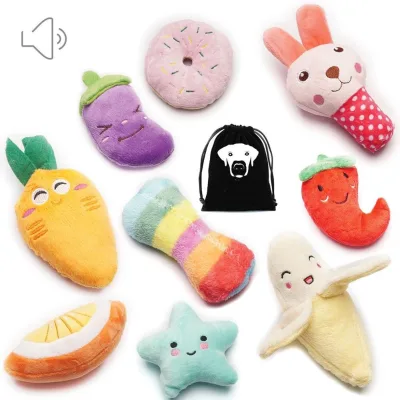
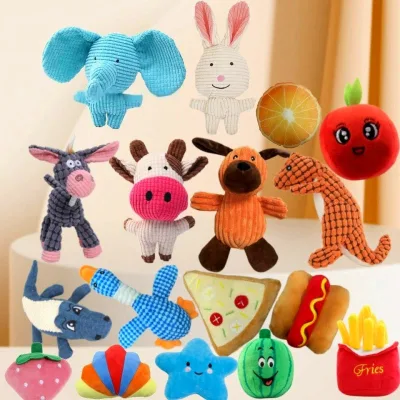
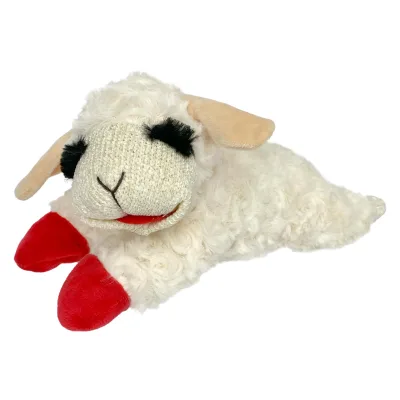
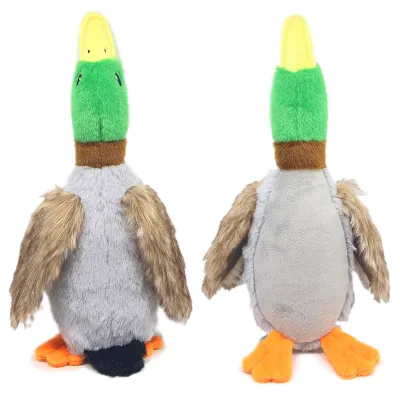
Eco-Friendly Soft Chew Toy for Dogs & Cats, Durable Plush Squeaky Toy
$0.3116 - $1.5969
MOQ: 3 Minimum
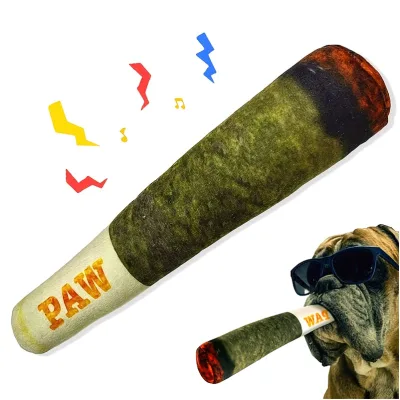
Shenzhen Levin Toys & Gifts Co., Limited
- Verified by TüVRheinland
- Manufacturer, Trading Company
- Lead time30 days
- Avg. response≤ 2h
Main productsCustom Plush Toys, Plush Stuffed Toys, Plush Animal Toys, Plush Pet Toys, Plush Infant Toys
Main marketsNorth America(45%), Western Europe(20%), South America(5%)

Ningbo V. K. Industry and Trading Co., Ltd.
- Verified by BV
- Trading Company
- China Zhejiang
- Lead time30 days
- Avg. response≤ 6h
Main productsIce Bath Tub, Cosmetic Glass Bottle, Hydroponics Grow Box, Baby Bottle, Inflatable Tent, Cream Jar, Reed Diffuser Bottle, Jewish Products, Mezuzah Case
Main marketsSouth America,Europe,Australia,North America

Qingdao Eastwell Trading Co.,ltd
- Trading Company
- Shangdong, China
- Lead time15 days
- Avg. response≤ 2h
Main productspet toys,pet collar,pet feeder,pet grooming,pet apparel
Main marketsNorth America(45.00%), South America(35.00%), Oceania(10.00%), Eastern Europe(10.00%)
Hangzhou Cute Pet Technology Co., Ltd.
- Verified by SGS Group
- Trading Company
- Lead time20 days
- Avg. response≤ 7h
Main productsSelf-Cleaning Cat Litter Box, Automatic Pet Feeder and Water Fountain, Pet Air Purifier, Pet Grooming Kit, Smart Pet Toy
Main marketsNorth America(40%), South America(10%), Southeast Asia(10%)

Hangzhou Tianyuan Pet Products Co., Ltd.
- Verified by TUVRHEINLAND
- Combined
- China Zhejiang
- Lead time30 days
- Avg. response≤ 13h
Main productsPet Beds, Cat Trees, Pet Products, Pet Accessories, Pet Supplies, Pet Collar, Pet Toy, Pet Brush, Pet Bowl, Pet Clothes
Main marketsEurope,North America

GUANGZHOU GREAT EAST TRADING CO., LTD.
- Trading Company,Manufacturer/Factory
- China Guangdong
- Lead time45 days
- Avg. response≤ 14h
Main productsAquarium Products, Pet Products, Dog Cage, Hamster Cage, Dog Toy, Silicone Rubber, Air Pump, Water Pump, Cat Toy, Cat Litter Tray
Main marketsSouth America,Eastern Europe,Mid East,North America,Southeast Asia,Eastern Asia,Oceania,Western Europe,Africa

- Verified by TUVRHEINLAND
- Trading Company
- China Zhejiang
- Lead time15 days
- Avg. response≤ 13h
Main productsWooden Toy, Outdoor Product, Kitchen Item, Personal Care Tool, Painting Set, Disk Rack, Yoga, Garden
Main marketsSouth America,Europe,North America

Haining Free Import & Export Co., Ltd.
- Trading Company
- zhejiang, China
- Lead time3 days
- Avg. response≤ 7h
Main productsPet Toys,Pet Clothing,Pet Harness,Pet Slow Feed Bowl
Main marketsNorth America(50.00%), Domestic Market(5.00%), South Asia(5.00%), Southern Europe(5.00%), Northern Europe(5.00%), Western Europe(5.00%), Eastern Asia(5.00%), Oceania(5.00%), Southeast Asia(5.00%), Eastern Europe(5.00%), South America(5.00%)
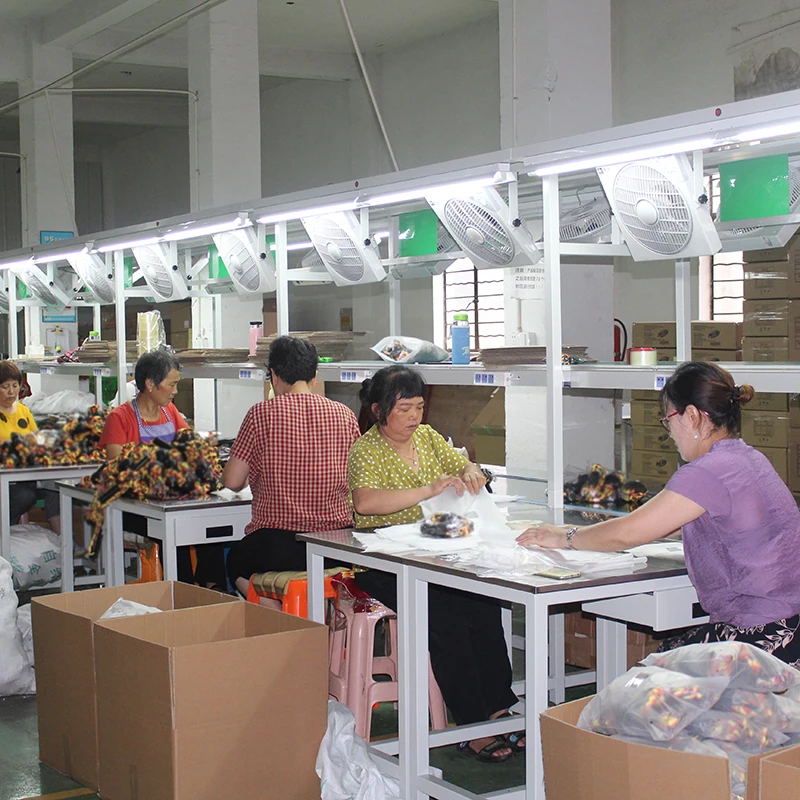
Shaoxing City Heou Leisure Goods Co., Ltd.
- Manufacturer, Trading Company
- Zhejiang, China
- Lead time30 days
- Avg. response≤ 24h
Main productsPet Toys, Pet Cleaning & Grooming Products, Pet Collars & Leashes, Pet Products, Pet Houses & Furniture
Main marketsNorth America(35.00%), Northern Europe(20.00%), Western Europe(15.00%), Southern Europe(10.00%), Eastern Europe(10.00%), Southeast Asia(10.00%)
Luoyang Xize Import And Export Co., Ltd.
- Trading Company
- Henan, China
- Lead time0 days
- Avg. response≤ 2h
Main productsDog Brush,Dog Leash,Dog Bottle,Dog Toys,Music Boxing Machine
Main marketsNorth America(32.00%), Western Europe(15.00%), South America(11.00%), Eastern Europe(10.00%), Oceania(9.00%), Mid East(8.00%), Southeast Asia(6.00%), Africa(5.00%), Eastern Asia(4.00%)

Shanghai Langyi Enterprise Development Co., Ltd
- Verified by SGS
- Manufacturer/Factory
- China Shanghai
- Lead time105 days
- Avg. response≤ 4h
Main productsPet Toy, Pet Bed, Dog Toy, Cat Toy, Dog Bed, Cat Tree, Dog Collar and Leash, Pet Bowl
Main marketsSouth America,Eastern Europe,Mid East,North America,Oceania,Western Europe

Ningbo Yinzhou Wenhui Paper Co., Ltd.
- Verified by TUVRHEINLAND
- Manufacturer/Factory
- China Zhejiang
- Lead time45 days
- Avg. response≤ 8h
Main productsStationery Gifts Promotional Homeware, Pen, Pet Products, Board Game, Paper Tube, Notebook, Wooden Toys, DIY Toy, Puzzle, Gift Bag
Main marketsSouth America,Eastern Europe,Mid East,North America,Southeast Asia,Eastern Asia,Oceania,Western Europe,Africa
Guangzhou Babyhouse Pet Supplies Company Limited
- Manufacturer, Trading Company
- Guangdong, China
- Lead time5 days
- Avg. response≤ 4h
Main productsCollars,Harnesses,Leashes,Dog Muzzles,Toys
Main marketsNorth America(50.00%), Western Europe(10.00%), Southeast Asia(10.00%), Eastern Europe(10.00%), South America(10.00%), Northern Europe(5.00%), Central America(5.00%)
Yiwu Mengcheng Pet Products Co., Ltd.
- Trading Company
- Zhejiang Province, China
- Lead time0 days
- Avg. response≤ 4h
Main productsPet Toys,Pet Bowls,Cat Litter Box,Pet Cleaning Product,Plastic Pet Air Box
Main marketsSoutheast Asia(70.00%), South America(20.00%), Western Europe(5.00%), North America(5.00%)
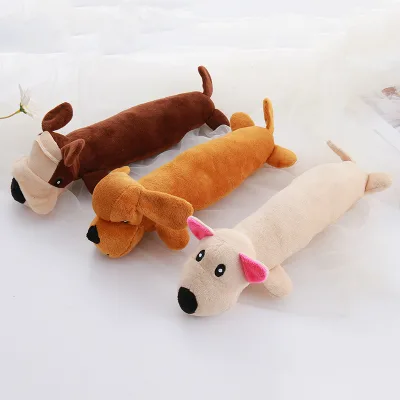
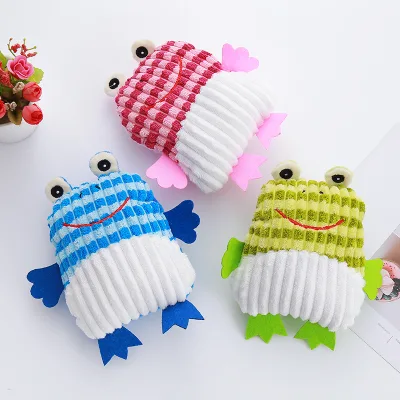
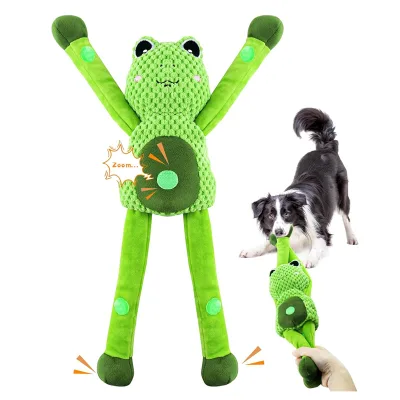
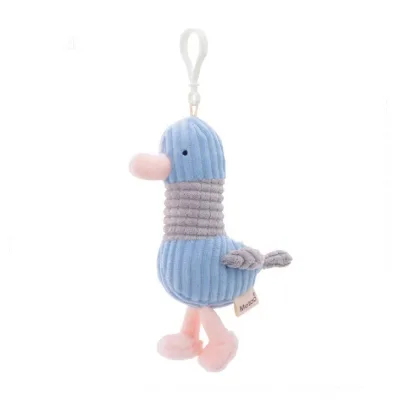
New Pet Squeak Toys Custom Cute Frog Dog Chewing Squeaky Pet Plush Chew Toy Pet
$1.13 - $1.33
MOQ: 5 pieces
Hangzhou Pinyu Commerce Co., Ltd.
- Verified by Intertek
- Trading Company
- Lead time60 days
- Avg. response≤ 5h
Main productsPet Toy, Pet Interactive Toy, Pet Supplies
Main marketsNorth America(60%), Eastern Asia(10%), Eastern Europe(10%)

Xiamen Newtop Material Company
- Verified by TUVRHEINLAND
- Combined
- China Fujian
- Lead time15 days
- Avg. response≤ 3h
Main productsSilicone Pet Prodcuts, Silicone Housewares Product, Silicone Baby Product, Silicone Parts, Silicone Cap, Silicone Breast Pump, Slow Feeder, Silicone Pet Mat, Silicone Gasket, Silicone Hose
Main marketsEurope,North America


$2.00 - $2.20
MOQ: 100 Pieces

Beijing Yanzichu Technology Co., Ltd.
- Trading Company
- Beijing, China
- Lead time7 days
- Avg. response≤ 3h
Main productsPet Toys, Pet Beds, Pet Harnesses, Pet Bowls & Feeders, Pet Food
Main marketsDomestic Market(100.00%)
Sanming City Hanhe Handicrafts Co., Ltd.
- Verified by TüVRheinland
- Manufacturer, Trading Company
- Lead time12 days
- Avg. response≤ 3h
Main productsParacord Dog Collar And Leash, Paracord Phone Strap, Paracord Bracelet, Paracord Bottle Strap, Paracord Ducked Lanyard
Main marketsNorth America(35%), Domestic Market(20%), South America(14%)

WOR-BIZ INDUSTRAL PRODUCT CO., LIMITED (ANHUI)
- Verified by TUVRHEINLAND
- Trading Company
- China Anhui
- Lead time45 days
- Avg. response≤ 8h
Main productsPet Products, Pet Harness, Pet Collar, Pet Leash, Pet Carrier, Pet Toy, Pet Bed, Pet Clothes, Pet Accessory, Pet Feeder
Main marketsSouth America

PUYANG SELFAIDING INDUSTRIAL CO., LTD.
- Verified by SGS
- Manufacturer
- China Henan
- Lead time15 days
- Avg. response≤ 3h
Main productsAdult Bib, Pet Pad, Underpad, Baby Bib, Protective Panties, Washable Sanitary Pad, Compression Stockings, Patient Care Clothing, Pet Nest, Pet Toy

Guangzhou Doglemi Pet Product Ltd.
- Manufacturer, Trading Company
- Guangdong, China
- Lead time35 days
- Avg. response≤ 5h
Main productsPet Clothes, Pet Collars Leash And Harness, Pet Carriers, Pet Snuffle Mat, Pet Toys
Main marketsDomestic Market(48.00%), North America(16.00%), Western Europe(10.00%), South America(5.00%), South Asia(3.00%), Oceania(3.00%), Eastern Asia(2.00%), Southern Europe(2.00%), Central America(2.00%), Northern Europe(2.00%), Eastern Europe(2.00%), Mid East(2.00%), Southeast Asia(2.00%), Africa(1.00%)
Hangzhou Yichuan Technology Co., Ltd.
- Trading Company
- Zhejiang, China
- Lead time7 days
- Avg. response≤ 6h
Main productsClothes,Kitchen supplies,Outdoor products,Pet Supplies,Customized products
Main marketsNorthern Europe(25.00%), Western Europe(22.00%), North America(15.00%), Central America(15.00%), Southern Europe(8.00%), Southeast Asia(6.00%), Mid East(6.00%), Eastern Europe(3.00%)

Xiamen Neway Rubber & Plastic Products Co., Ltd.
- Verified by BV
- Combined
- China Fujian
- Lead time15 days
- Avg. response≤ 3h
Main productsPlastic Injection Molding, Plastic Parts, Silicone Rubber Parts, Gasket Seals, Rubber Grommet, Mould, O Ring, Extrusion Strip, Metal Parts, Suction Cup
Main marketsSouth America,Africa,Southeast Asia/ Mideast,East Asia(Japan/ South Korea),Europe,Australia,North America

$0.20 - $1.00
MOQ: 500 Pieces

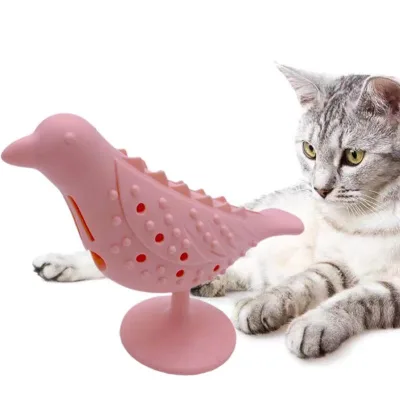
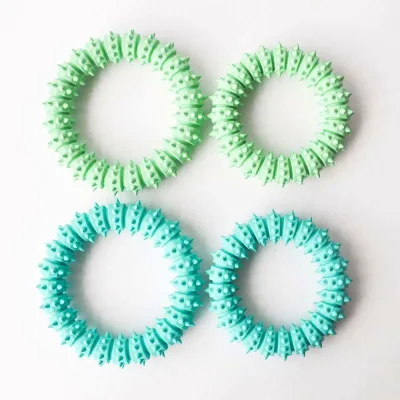
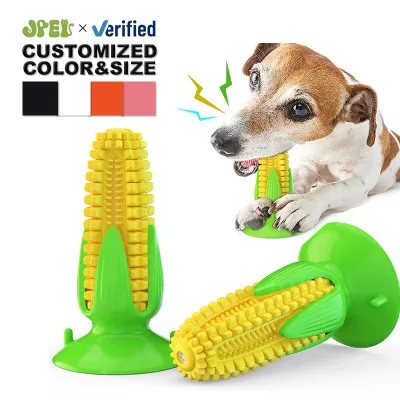
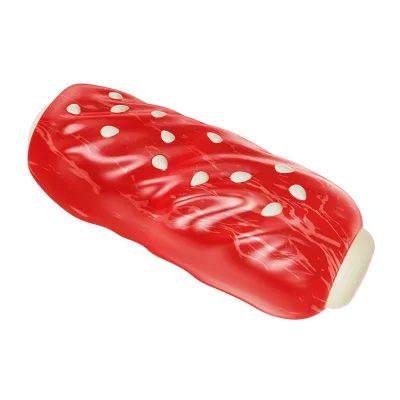
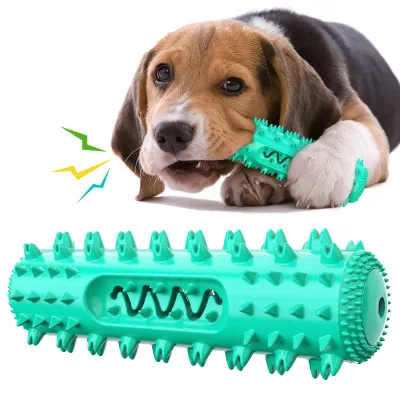
Durable Interactive & Movement Toys Grinding Teeth Cleaning Pet Chew Squeak Toys
$0.20 - $1.00
MOQ: 500 Pieces
Shandong Longyuan Home Furnishing Co., Ltd.
- Manufacturer, Trading Company
- Shandong, China
- Lead time15 days
- Avg. response≤ 2h
Main productsPet supplies,Pigeon supplies,Bird supplies,Other pet products,Reptile supplies
Main marketsDomestic Market(60.00%), North America(15.00%), Southeast Asia(10.00%), Mid East(5.00%), Oceania(4.00%), South America(2.00%), Western Europe(2.00%), Eastern Asia(1.00%), Africa(1.00%)

Hefei Ark Universe International Trade Co., Ltd.
- Verified by SGS
- Trading Company
- China Anhui
- Lead time15 days
- Avg. response≤ 4h
Main productsLED Display, LED Screen, Sports Wear, Soccer Jersey, LED String Light, Flexible LED Display, Outdoor LED Display, Indoor LED Display, Football Jersey, Christmas Decoration
Main marketsNorth America
Hangzhou Hellomoon Trading Co., Ltd.
- Verified by Intertek
- Trading Company
- Lead time5 days
- Avg. response≤ 4h
Main productsPet Clothes, Pet Toys, Pet Feeders, Pet Leads, Pet Beds
Main marketsNorth America(39%), Eastern Europe(13%), Oceania(11%)

Shenzhen Kingod Silicone Products Co., Ltd
- Verified by TUVRHEINLAND
- Combined
- China Guangdong
- Lead time15 days
- Avg. response≤ 1h
Main productsBaby Set, Baby Products, Baby Goods, Breast Pump, Face Mask, Baby Bottle, Medical Components, Phone Case, Silicone Kitchen Products, Toys
Main marketsNorth America
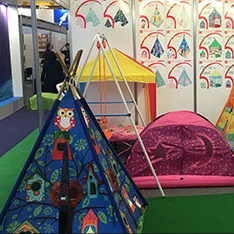
Taizhou Flourish Leisure Co., Ltd.
- Trading Company
- Zhejiang, China
- Lead time30 days
- Avg. response≤ 4h
Main productspet tent,pet product,pet toys,kids toys tent,leisure product
Main marketsSouthern Europe(11.00%), Northern Europe(11.00%), Western Europe(11.00%), Eastern Asia(11.00%), South Asia(11.00%), Southeast Asia(11.00%), Eastern Europe(11.00%), South America(11.00%), North America(11.00%), Oceania(1.00%)
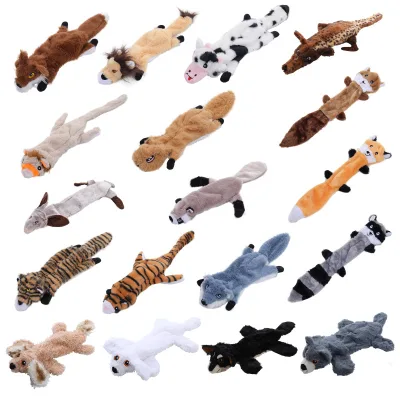
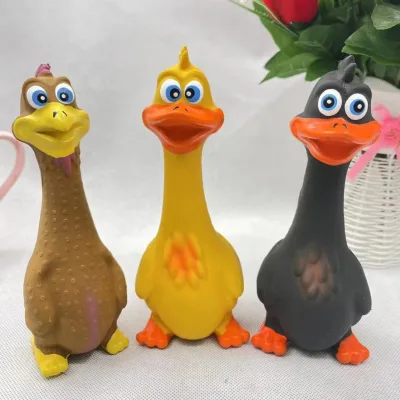
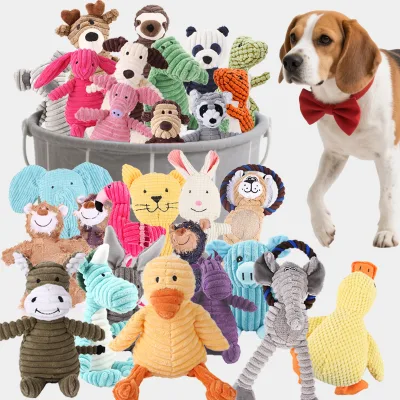
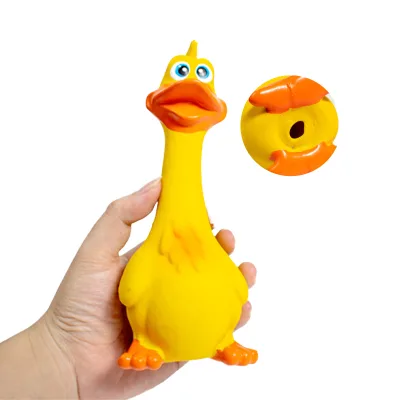
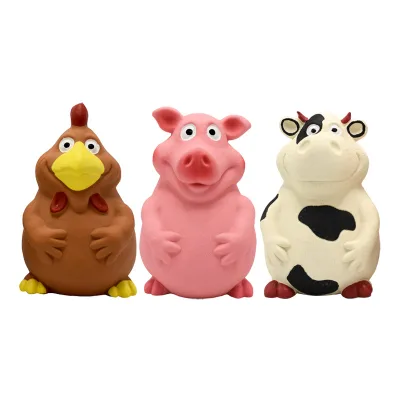
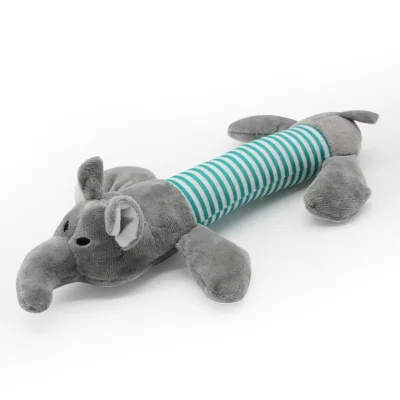
Dog Squeaky Toys No Stuffing Animals Dog Chew Toy for Large and Medium Dogs
$1.486 - $1.6703
MOQ: 2 Minimum

- Verified by SGS
- Trading Company
- China Zhejiang
- Lead time15 days
- Avg. response≤ 12h
Main productsPet Harness, Pet Collar, Pet Leash, Pet Feeder, Pet Carries, Pet Toy, Pet Bed, Pet Grooming, Pet Accessories
Main marketsEurope,Australia

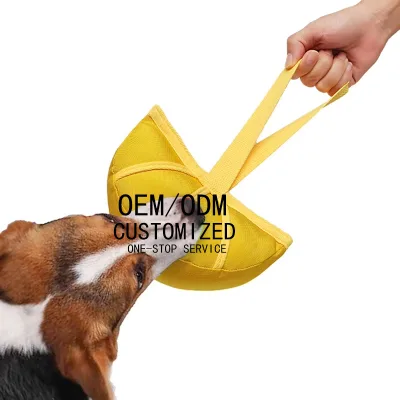
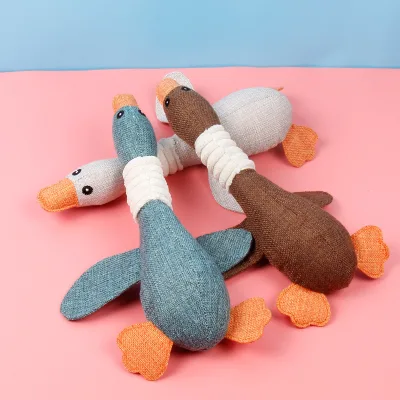
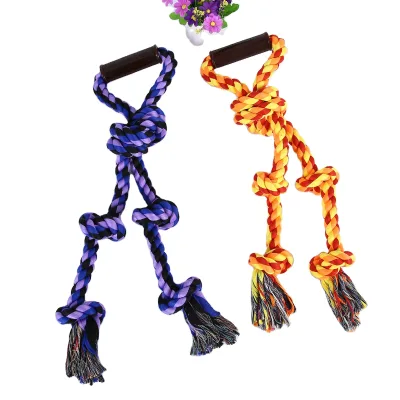
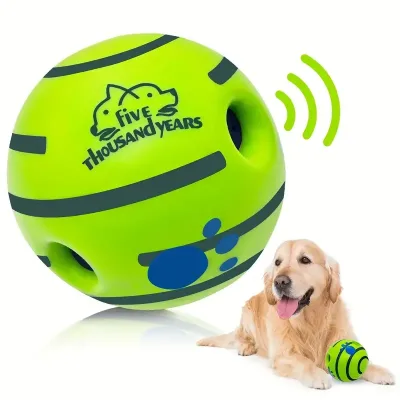
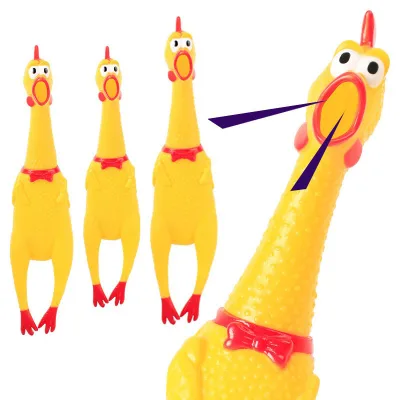
Dog Chew Toys for Aggressive Chewers, Indestructible Tough Durable Squeaky Interactive Dog Toys
$1.66 - $1.69
MOQ: 200 Pieces


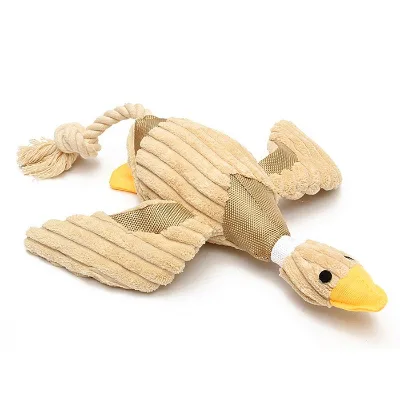
Chew Toys for Aggressive Chewers Indestructible Dog Toys for Large Dogs,
$1.83 - $1.93
MOQ: 100 Pieces









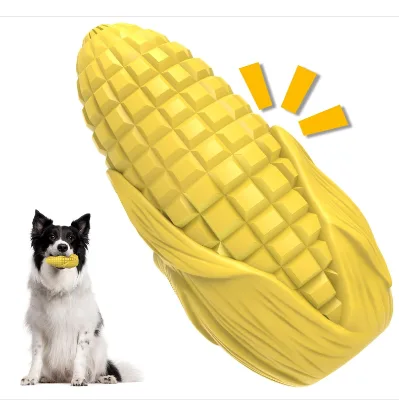


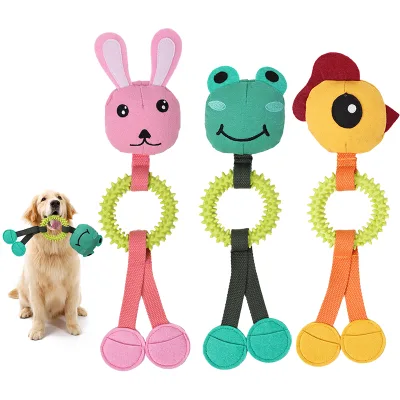
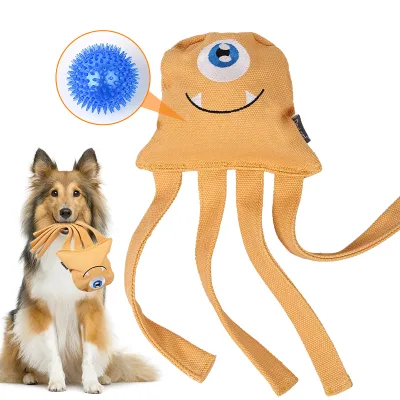
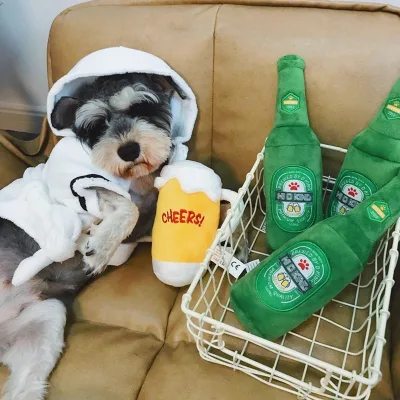




Comprehensive Sourcing Guide
Eco-Friendly Squeaky Pet Chew Toy Supplier Concentration and Factory Types
The current supplier landscape for eco-friendly squeaky pet chew toys reveals a distinct concentration of manufacturing and trading entities within specific Chinese provinces, notably Zhejiang and Fujian. These regions serve as critical hubs for pet product manufacturing, offering established supply chains for raw materials such as rubber, plush fabrics, and cotton ropes. Buyers evaluating suppliers should recognize that the geographic clustering in these areas often correlates with specialized industrial capabilities, where factories may focus on specific material treatments or assembly techniques required for durable, non-toxic pet items. The presence of both trading companies and manufacturer/factory entities in these locations indicates a diverse ecosystem where some suppliers act as intermediaries while others control the production line directly. Understanding this geographic distribution helps buyers assess the logistical feasibility of sourcing, as proximity to ports in Zhejiang and Fujian can influence shipping efficiency and cost structures for international orders.
Supplier types vary significantly in their operational models, impacting how buyers interact with potential partners. Many listed entities identify as trading companies, which may offer broader product assortments and flexible order handling but might lack direct control over manufacturing quality. Conversely, suppliers listing themselves as manufacturer/factory entities often provide more direct oversight of production processes, which can be crucial for ensuring that eco-friendly claims are substantiated by actual material sourcing and production practices. Some suppliers also highlight capabilities in OEM and ODM services, suggesting they can customize designs or packaging to meet specific brand requirements. This distinction is vital for buyers who need to determine whether they are working with a direct producer or a reseller, as it affects communication channels, customization flexibility, and the ability to conduct factory audits. The mix of company types in the current results suggests that buyers must carefully verify the actual nature of the supplier’s operations to align with their specific sourcing goals.
How to Verify Eco-Friendly Squeaky Pet Chew Toy Suppliers
Verification is a critical step in ensuring that suppliers meet quality and safety standards for pet products, particularly when dealing with items intended for chewing and ingestion. Buyers should prioritize suppliers who hold recognized third-party verifications, such as BV or SGS, which indicate that the company has undergone rigorous audits of its business legitimacy and operational practices. These certifications provide a baseline level of trust, confirming that the supplier is a legitimate entity with documented processes. However, verification alone does not guarantee product safety, so buyers must also look for specific product-related certifications or test reports that confirm the toys are non-toxic and free from harmful chemicals. Since eco-friendly claims are central to this product category, verifying the source of materials and the manufacturing processes is essential to ensure that sustainability claims are accurate and not merely marketing terms.
Beyond basic verification, buyers should assess the supplier’s responsiveness and transparency as indicators of reliability. A quick response time, such as those observed in some supplier profiles, can signal efficient communication channels, which are crucial for resolving issues during the sourcing process. Buyers should also inquire about the supplier’s ability to provide detailed product specifications, including material compositions and production standards. For instance, some suppliers offer customized options, which requires a higher level of coordination and quality control. It is advisable to request samples to physically inspect the product’s durability, squeaker quality, and overall construction before committing to larger orders. Additionally, buyers should verify if the supplier offers escrow services or other payment protections, which can safeguard transactions until the goods are received and inspected. This multi-layered verification approach helps mitigate risks associated with unverified claims and ensures that the supplier can consistently deliver high-quality, safe pet toys.
What to Compare Across Eco-Friendly Squeaky Pet Chew Toy Suppliers
When evaluating multiple suppliers, buyers should compare key operational metrics such as lead times, minimum order quantities (MOQs), and response speeds to determine which partner best fits their business needs. Lead times can vary significantly, with some suppliers offering production cycles of around 30 days, while others may require up to 45 days. This difference can impact inventory planning and market launch schedules, making it essential to align supplier capabilities with your sales forecasts. Similarly, MOQs range from as low as 10 pieces to 50 pieces or more, allowing buyers with smaller budgets or testing phases to start with manageable quantities. Comparing these thresholds helps buyers identify suppliers who are flexible enough to accommodate different order sizes, whether for initial market testing or large-scale distribution.
Price and customization options are also critical factors in supplier comparison. Unit prices for eco-friendly squeaky pet chew toys can vary based on materials, such as rubber versus plush, and the complexity of the design. Buyers should analyze the price ranges offered by different suppliers to ensure they remain within their target margins while maintaining quality standards. Additionally, the availability of customization services, including logo printing, packaging design, and product modifications, can be a decisive factor for brands looking to differentiate their offerings. Some suppliers offer extensive customization options, while others may have more limited capabilities. By comparing these attributes across suppliers, buyers can create a shortlist of partners that not only meet their price and volume requirements but also support their brand’s unique identity and operational preferences.
Common Eco-Friendly Squeaky Pet Chew Toy Sourcing Risks
One of the primary risks in sourcing eco-friendly pet chew toys is the potential discrepancy between marketing claims and actual product composition. Suppliers may label products as "non-toxic" or "eco-friendly" without providing verifiable test results or certifications to support these assertions. This can lead to regulatory compliance issues in target markets, where strict safety standards for pet products are enforced. Buyers must be vigilant in requesting documentation that proves the materials used are safe for pets, including tests for heavy metals, phthalates, and other harmful substances. Failure to verify these aspects can result in product recalls, legal liabilities, and damage to brand reputation. Therefore, it is crucial to establish clear quality assurance protocols and require suppliers to provide comprehensive safety data sheets and third-party test reports before finalizing any orders.
Another significant risk is the variability in product durability and quality, which can affect customer satisfaction and repeat purchases. Pet chew toys are subjected to intense wear and tear, and inconsistencies in manufacturing can lead to premature failure, such as broken squeakers or torn materials. Buyers should assess the supplier’s quality control processes and ask for details on how they ensure consistency across production batches. Additionally, the risk of supply chain disruptions, such as delays in raw material availability or production bottlenecks, can impact order fulfillment. Suppliers with longer lead times or less flexible production schedules may be more susceptible to these issues. To mitigate these risks, buyers should diversify their supplier base, maintain open communication channels, and consider placing smaller, more frequent orders to monitor quality and delivery performance over time.
Eco-Friendly Squeaky Pet Chew Toy Regional Sourcing and Logistics
Sourcing from specific regions in China, such as Zhejiang and Fujian, offers logistical advantages due to their proximity to major international ports. These locations are well-connected to global shipping routes, facilitating efficient export processes for pet products. Buyers should consider the impact of regional logistics on shipping costs and transit times, as suppliers located closer to ports may offer more competitive freight rates and faster delivery schedules. Additionally, the concentration of suppliers in these areas can lead to economies of scale, potentially reducing production costs and improving availability of raw materials. However, buyers must also account for potential regional risks, such as local regulatory changes or environmental policies that could affect manufacturing operations. Understanding the logistical landscape of these regions helps buyers make informed decisions about supplier selection and inventory management.
Logistics planning should also include considerations for packaging and handling, as pet toys require careful packaging to prevent damage during transit. Some suppliers offer polybag or box packaging options, which can influence the volume and weight of shipments, thereby affecting shipping costs. Buyers should work with suppliers to optimize packaging designs that protect the products while minimizing environmental impact, aligning with the eco-friendly theme of the products. Additionally, buyers should verify if suppliers have experience in exporting to their target markets, as this can impact their familiarity with customs regulations and documentation requirements. By leveraging the logistical strengths of these regions and working closely with suppliers on packaging and shipping strategies, buyers can streamline their supply chain and reduce overall procurement costs.
Eco-Friendly Squeaky Pet Chew Toy Commercial Terms and Order Planning
Commercial terms, including payment methods and warranty policies, play a crucial role in the sourcing process. Buyers should negotiate clear terms that protect their interests, such as using escrow services for secure transactions and defining quality acceptance criteria. It is also important to establish clear communication regarding any customization requirements, including design approvals and sample confirmations, to avoid misunderstandings during production. Buyers should ensure that all agreed-upon terms are documented in the purchase contract, including specifications for materials, colors, and packaging. This documentation serves as a reference point for quality control and dispute resolution, ensuring that both parties are aligned on expectations.
Order planning should be aligned with the supplier’s lead times and production capacity to ensure timely delivery. Buyers should consider seasonal demand fluctuations and plan orders accordingly to avoid stockouts or excess inventory. For suppliers with longer lead times, such as those requiring 45 days for production, buyers should place orders well in advance to accommodate the timeline. Additionally, buyers should monitor supplier performance metrics, such as response times and delivery accuracy, to identify potential issues early. By maintaining a proactive approach to order planning and commercial negotiations, buyers can build a reliable supply chain that supports their business growth and customer satisfaction. Regular reviews of supplier performance and market trends will help buyers adapt to changes and maintain a competitive edge in the pet product market.
FAQs
What is the price range for eco-friendly squeaky pet chew toys?
Prices typically range from $0.92 to $5.99 per unit depending on material and customization. Rubber toys start around $0.92, while plush options cost between $1.57 and $2.28. Premium eco-friendly designs with specific packaging can reach up to $5.99. Buyers should verify exact costs based on order volume and selected features.
What is the minimum order quantity for these pet toys?
The minimum order quantity is generally 50 pieces for standard rubber and plush squeaky toys. Some specialized eco-friendly or customized plush items may require a lower MOQ of 10 pieces. Buyers should confirm the specific MOQ with the supplier before placing an order to ensure it meets their procurement needs.
How long does production take for these pet toys?
Lead times vary by supplier, typically ranging from 30 to 45 days. Some manufacturers offer faster turnaround times, while others may require longer periods for customized orders. Buyers should confirm the exact lead time with the supplier to plan their inventory and shipping schedules effectively.
Are these toys made from non-toxic and sustainable materials?
Yes, many options are described as non-toxic, scratch-resistant, and eco-friendly. Materials include rubber and plush, with some products highlighting sustainable features. Buyers should verify specific material certifications and safety standards with the supplier to ensure the toys meet their quality and safety requirements.
Can I customize the packaging or logo on these toys?
Customization is available for packaging and logo printing on many products. Some suppliers offer OEM and ODM services for branding. However, certain items may be listed as non-customized or without logo printing by default. Buyers should specify their customization needs when requesting a quote.
Where are these pet toys manufactured?
These toys are primarily manufactured in China, with suppliers located in Zhejiang and Fujian provinces. Buyers can filter results by location to find suppliers in specific regions. Verifying the origin ensures alignment with sourcing preferences and potential logistics considerations.
What is the supplier response time for inquiries?
Supplier response times vary, with some responding within 3 hours and others taking up to 14 hours. Faster response times indicate higher availability and potentially quicker communication. Buyers should consider response speed when selecting a supplier for timely order processing.