Portable Folding Insect Cage Suppliers and Manufacturers
Source 16 verified suppliers for Portable Folding Insect Cage products. Compare dimensions like mesh hole size, lead times, and certifications such as ISO 9001. Request quotes directly to evaluate pricing and customization options; review the available evidence before requesting comparable quotations from suitable candidates.
Updated
Suppliers List

QINGDAO BESTO METAL PRODUCTS CO., LTD.
- Verified by BV
- Manufacturer/Factory
- China Shandong
- Lead time15 days
- Avg. response≤ 3h
Main productsFence, Lawn Edge, Wire Mesh, WPC Fence Panel, Gabion, Metal Garden Shed, Fence Post, Heavy Duty Shelf, Metal Garden Edging, Wheelbarrow
Main marketsSouth America,Eastern Europe,Mid East,North America,Southeast Asia,Eastern Asia,Oceania,Western Europe,Africa

Xiamen Hongju United Technology Co., Ltd.
- Verified by TUVRHEINLAND
- Combined
- China Fujian
- Lead time23 days
- Avg. response≤ 2h
Main marketsAfrica,East Asia(Japan/ South Korea),Europe,Australia,North America


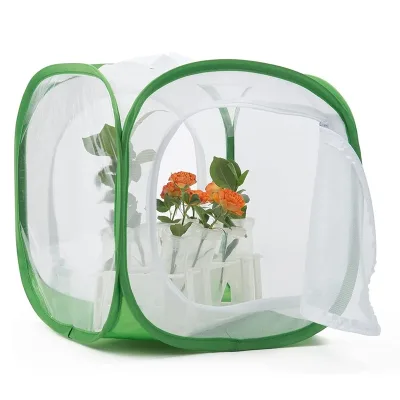
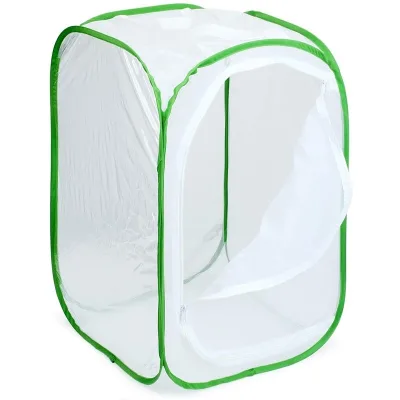
120 Mesh Foldable Insect Habitat Cage Featuring Easy Clean Polyester Bottom
$13.98 - $15.88
MOQ: 100 Pieces

120 Mesh Portable Customized Insect Rearing Cage with Easy Clean Polyester Bottom
$13.98 - $15.88
MOQ: 300 Pieces
Bests Industrial And Trading Co., Ltd.
- Verified by TüVRheinland
- Trading Company
- Lead time10 days
- Avg. response≤ 1h
Main productsAquarium Supplies, Pet Supplies, Aquaculture Supplies, Reptile Accessories
Main marketsNorth America(20%), South America(15%), Western Europe(15%)
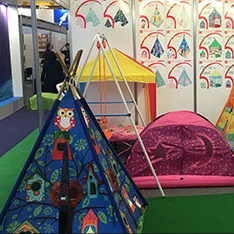
Taizhou Flourish Leisure Co., Ltd.
- Trading Company
- Zhejiang, China
- Lead time30 days
- Avg. response≤ 4h
Main productspet tent,pet product,pet toys,kids toys tent,leisure product
Main marketsSouthern Europe(11.00%), Northern Europe(11.00%), Western Europe(11.00%), Eastern Asia(11.00%), South Asia(11.00%), Southeast Asia(11.00%), Eastern Europe(11.00%), South America(11.00%), North America(11.00%), Oceania(1.00%)
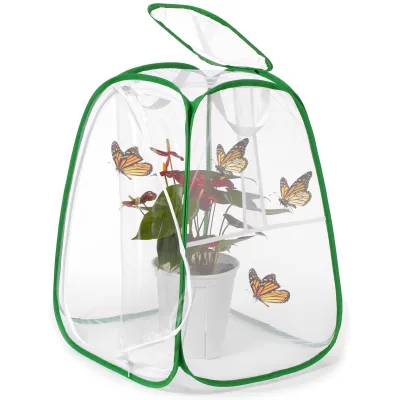
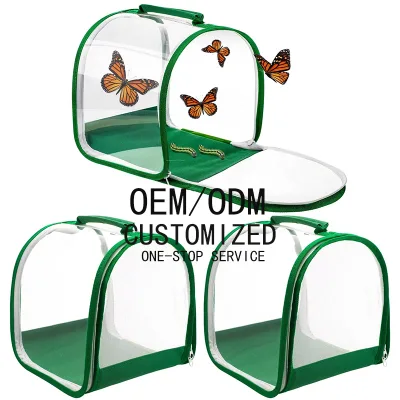
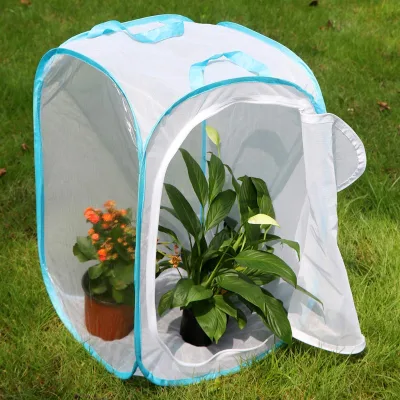
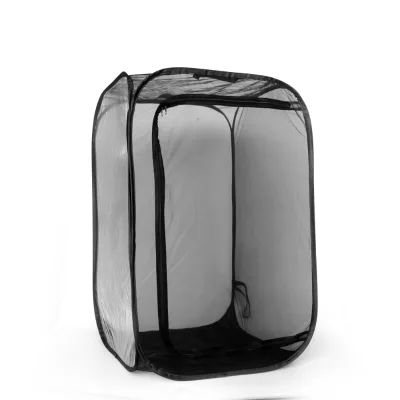
Foldable Animal Mesh Cage Insect Habitat for Butterflies and Reptiles Collapsible Small Animal House
$4.00 - $5.00
MOQ: 10 pieces
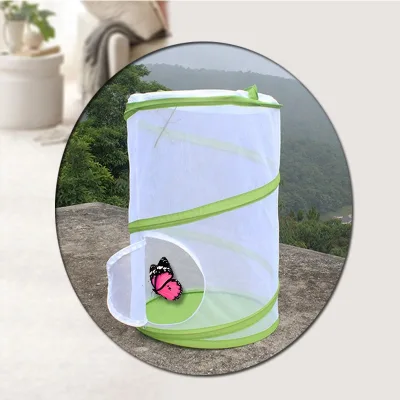
$3.2956 - $3.6042
MOQ: 500 pieces

Ningbo Yaki Optical Instrument Co., Ltd.
- Combined
- China Zhejiang
- Lead time45 days
- Avg. response≤ 6h
Main productsMicroscope, Magnifier, Telescope, Binoculars, Student Microscope, LED Microscope, USB Microscope, Mini Microscope, Microscope Ring Light, Microscope Camera
Main marketsSouth America,Southeast Asia/ Mideast,East Asia(Japan/ South Korea),Europe,Australia,North America

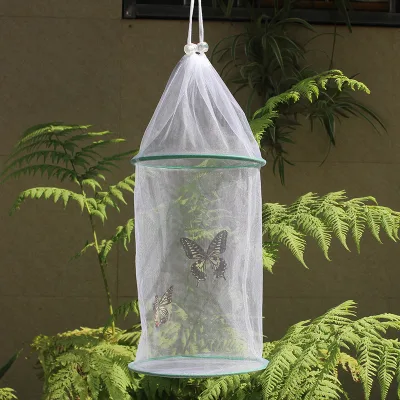
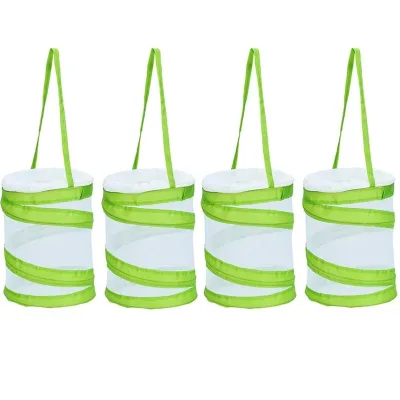
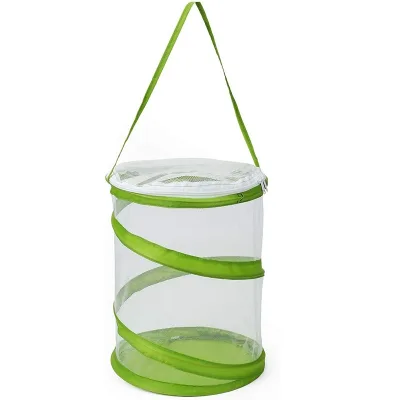
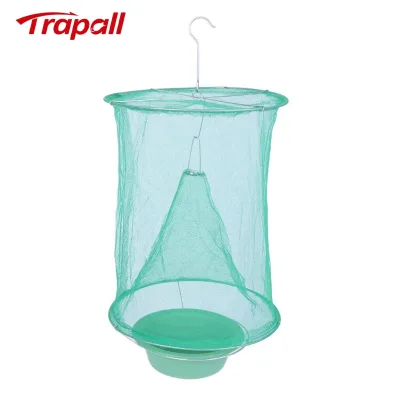
Pet Green Foldable Bug Basket Cylindrical Insect Mesh Cage for Outdoor Garden
$1.50 - $2.00
MOQ: 500 Pieces

Hangzhou Magicatch Pest Control Technology Co., Ltd.
- Trading Company
- Zhejiang, China
- Lead time0 days
- Avg. response≤ 3h
Main productsScientific Pest Solutions,Glue & Mechanical Traps,Ultrasonic & Electronic,Commercial & Garden Control,OEM / FBA Customization
Main marketsNorth America(35.00%), Western Europe(15.00%), Northern Europe(15.00%), Oceania(10.00%), Mid East(10.00%), Eastern Europe(10.00%), South America(5.00%)
Hunan Hengshuangkang Technology Co., Ltd.
- Trading Company
- Hunan, China
- Lead time20 days
- Avg. response≤ 2h
Main productsfly trap,mouse trap,cockroach killer,hardware,cabinet handle
Main marketsMid East(30.00%), Africa(30.00%), Southeast Asia(20.00%), North America(20.00%)
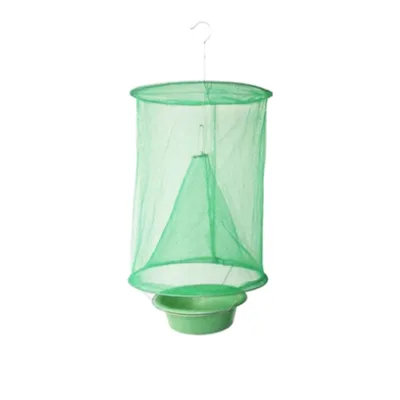
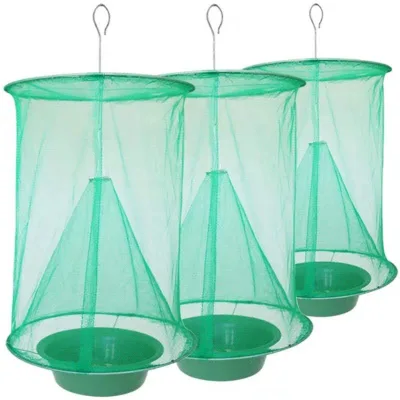
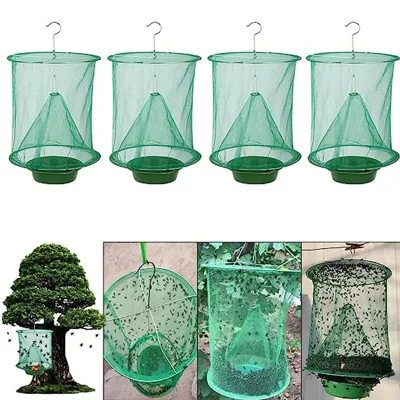
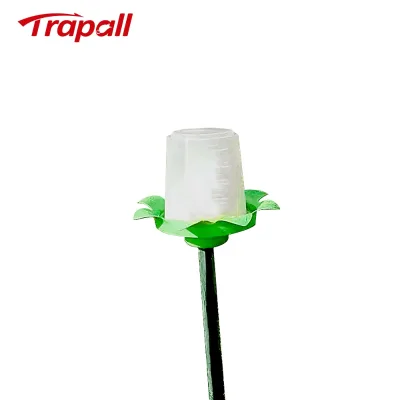
Outdoor Insect Trapper Mosquito Catcher Bug Killer Cage Net Reusable Fly Trap Fruit Fly Gnat Trap
$0.5138 - $1.0261
MOQ: 100 pieces
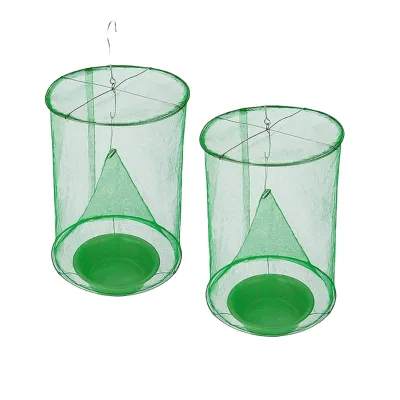
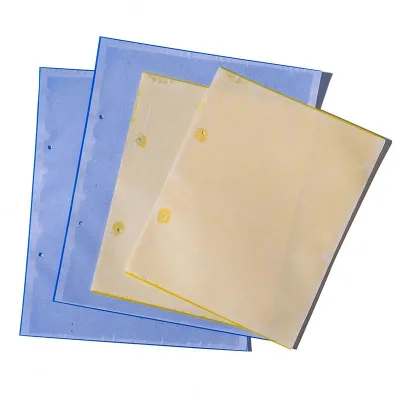
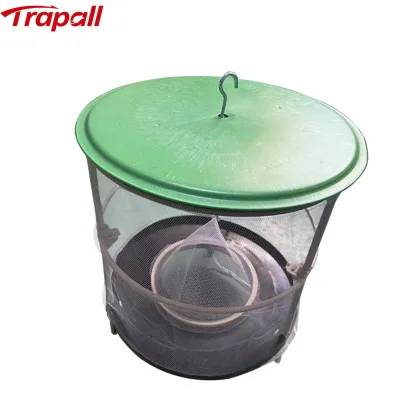
the green fly catcher trap cage for hotel and restaurant catching and seize fly
$0.5138 - $1.0261
MOQ: 100 pieces
Xiamen Consolidates Manufacture And Trading Co., Ltd.
- Verified by SGS Group
- Manufacturer, Trading Company
- Lead time45 days
- Avg. response≤ 7h
Main productsRodent Control Trap, Moth Trap, Mole Trap, Bird Control Trap, Rodent Bait Station
Main marketsNorth America(16%), Southeast Asia(12%), Mid East(11%)

Cangzhou Antour Hardware Products Co., Ltd.
- Manufacturer
- Hebei, China
- Lead time15 days
- Avg. response≤ 2h
Main productsstainless steel bird spikes, mouse trap, plastic bird spikes, bait station box, bird repellent wire
Main marketsWestern Europe(30.00%), North America(20.00%), Mid East(20.00%), Oceania(10.00%), Eastern Asia(10.00%), Eastern Europe(10.00%)

Henan Hengyin Automation Technology Co., Ltd.
- Verified by BV
- Trading Company,Manufacturer/Factory
- China Henan
- Lead time45 days
- Avg. response≤ 3h
Main productsPig Farrowing Crate, Pig Gestation Crate, Pig Floor, PVC Panel, Pig Farming Equipment, Pig Nursery Crates, Pig Feeder, Pig Fattening Crates, Pig Feeding System, Ventilation System for Pig Farm
Main marketsSouth America,North America,Southeast Asia,Eastern Asia,Oceania,Africa

Hebei Yongkun Metal Products Co., Ltd.
- Combined
- China Hebei
- Lead time15 days
- Avg. response≤ 5h
Main productsWedge Wire Screen, Gabion, Sintered Mesh, Knitted Mesh, Metal Conveyor Belt, Stainless Steel Wire Mesh, Filter Element, Mining Screen, Filter Disc, Perforated Sheet
Main marketsSouth America,Africa,Southeast Asia/ Mideast,East Asia(Japan/ South Korea),Europe,North America

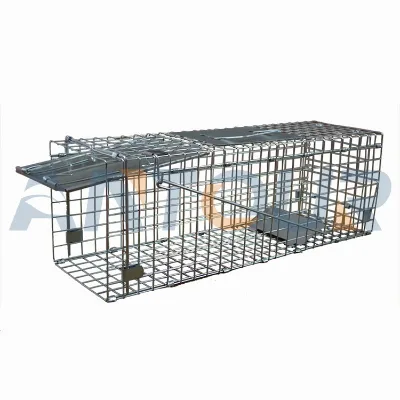
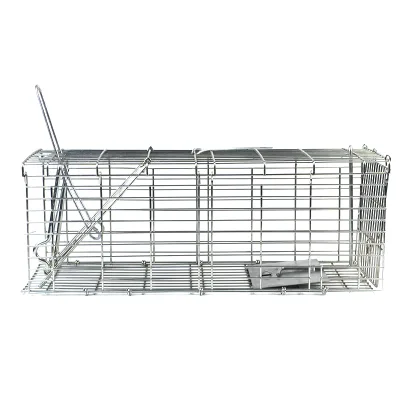
Pest Control Mouse Trap Anti-Corrosion and Anti-Rust Portable Mouse Trap Cage
$5.80 - $6.00
MOQ: 50 Pieces


Pest Control Dust-Resistant Rust-Resistant Sturdy Durable Mouse Trap Cage
$5.80 - $6.00
MOQ: 50 Pieces



Guangzhou Jiupin Eco-Technologies Co., Ltd.
- Manufacturer, Trading Company, Distributor/Wholesaler
- Guangdong, China
- Lead time0 days
- Avg. response≤ 2h
Main productsTrading Cards,Paper Bags,Notebooks,Packaging Boxes,Envelope
Main marketsDomestic Market(98.00%), Southeast Asia(2.00%)
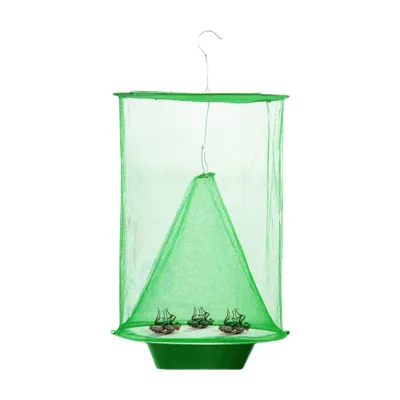
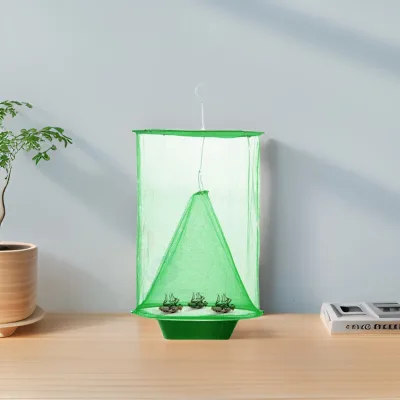
$1.0801 - $1.4156
MOQ: 100 pieces
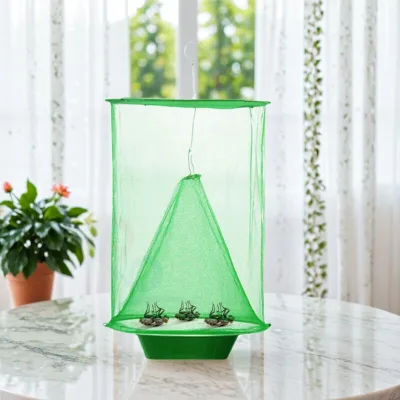
Hanging Fly Trap, Ranch Green Cage for Indoor or Outdoor Family Farms, Park, Restaurants
$1.0801 - $1.4156
MOQ: 100 pieces
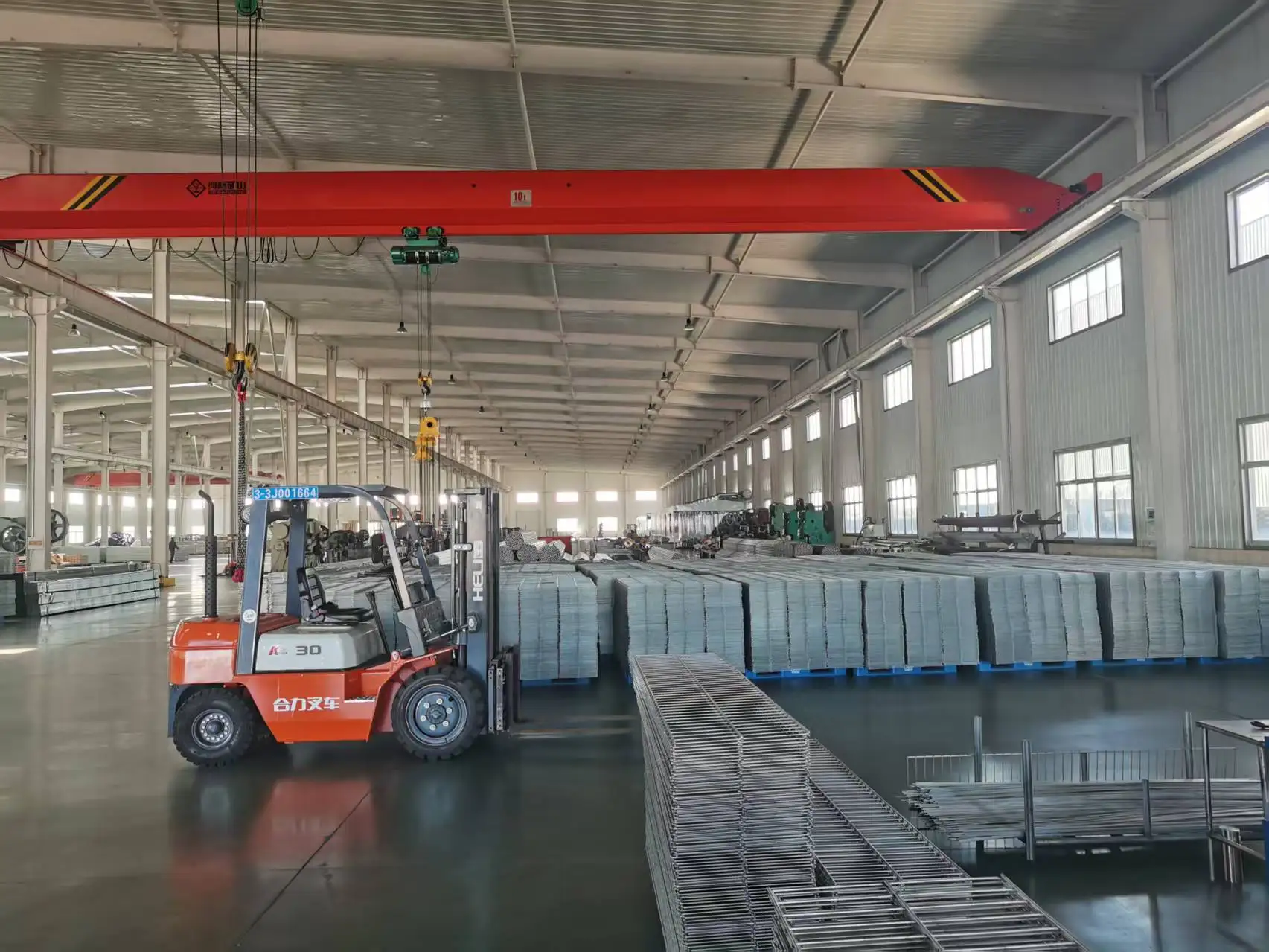
Hebei Better Metal Products Co., Ltd.
- Manufacturer, Trading Company
- Hebei, China
- Lead time30 days
- Avg. response≤ 3h
Main productsPet cage,Pet playpen,Chicken coop,Dog kennel,Farm fencing
Main marketsNorth America(40.00%), Western Europe(15.00%), Southeast Asia(10.00%), Eastern Europe(10.00%), Southern Europe(5.00%), Northern Europe(5.00%), Central America(5.00%), South America(5.00%), Oceania(5.00%)
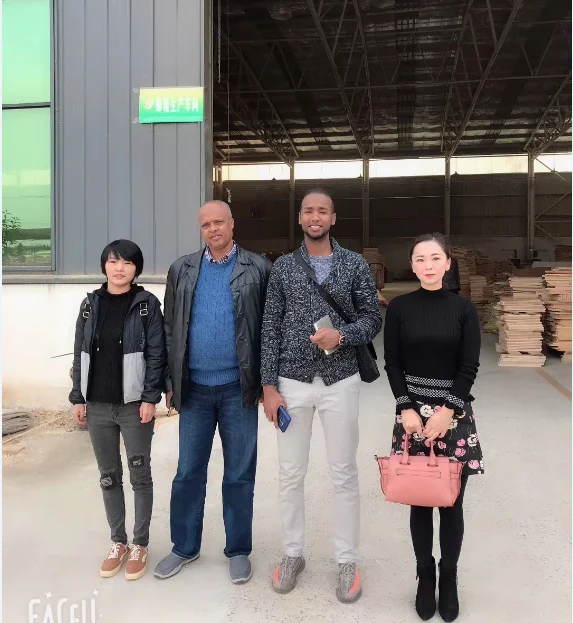
Henan Baichun Bio-Technology Co., Ltd.
- Trading Company
- Henan, China
- Lead time15 days
- Avg. response≤ 4h
Main productsBeekeeping equipment,Beehive,Honey extractor,Bee suit,Beeswax foundation machine
Main marketsOceania(30.00%), North America(20.00%), Eastern Europe(10.00%), South America(8.00%), Mid East(8.00%), Eastern Asia(6.00%), Western Europe(5.00%), South Asia(5.00%), Central America(3.00%), Southern Europe(2.00%), Africa(2.00%), Southeast Asia(1.00%)
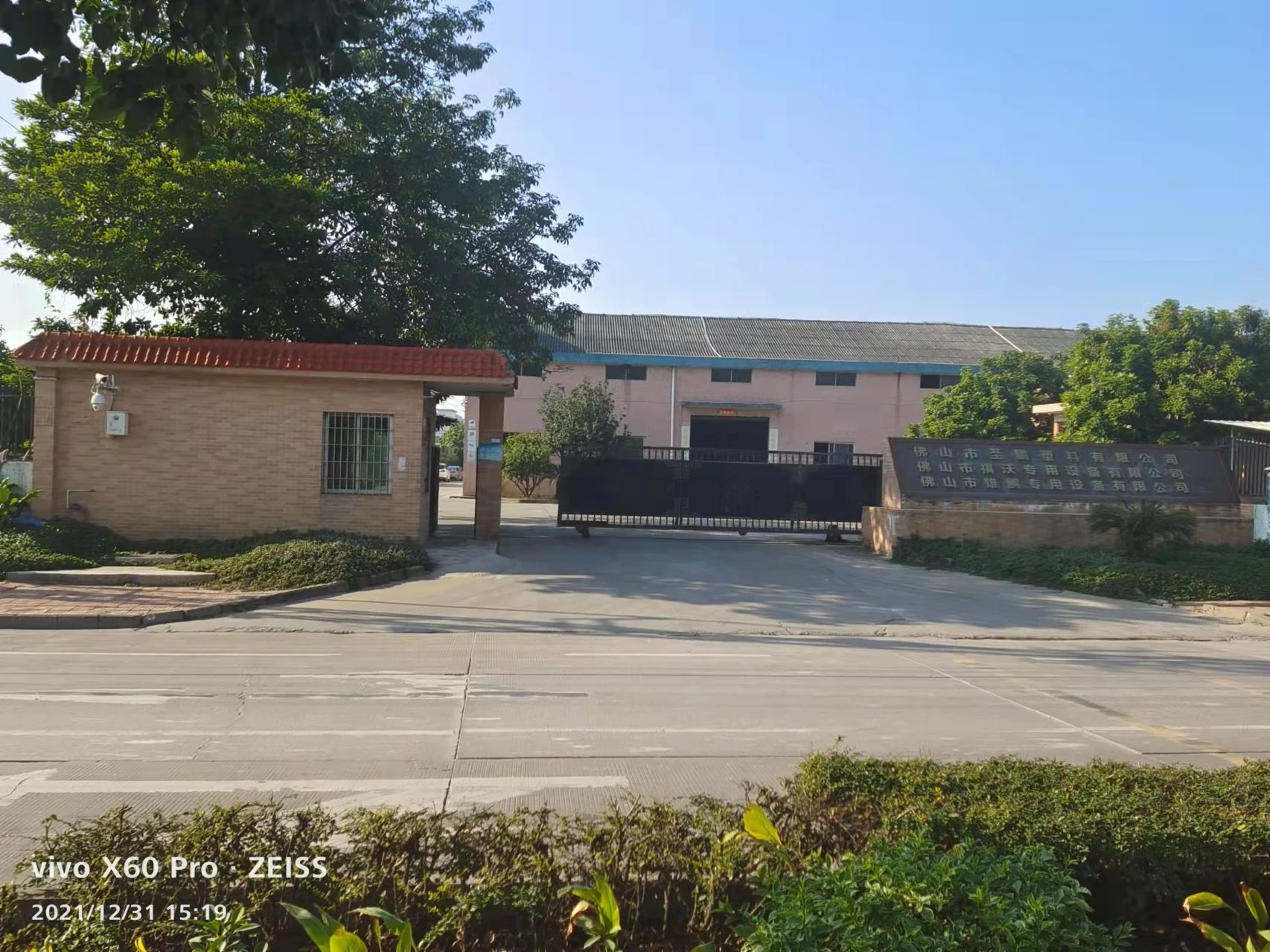
Foshan Shengpeng Plastic Co., Ltd.
- Manufacturer, Trading Company
- Guangdong, China
- Lead time35 days
- Avg. response≤ 5h
Main productsFish Tank,Turtle Tank,Air Pump,Filter,Aquarium Light
Main marketsDomestic Market(50.00%), Southeast Asia(10.00%), Mid East(10.00%), South America(10.00%), Africa(6.00%), North America(5.00%), Eastern Europe(3.00%), Western Europe(2.00%), Oceania(1.00%), Eastern Asia(1.00%), South Asia(1.00%), Southern Europe(0.50%), Central America(0.30%), Northern Europe(0.20%)
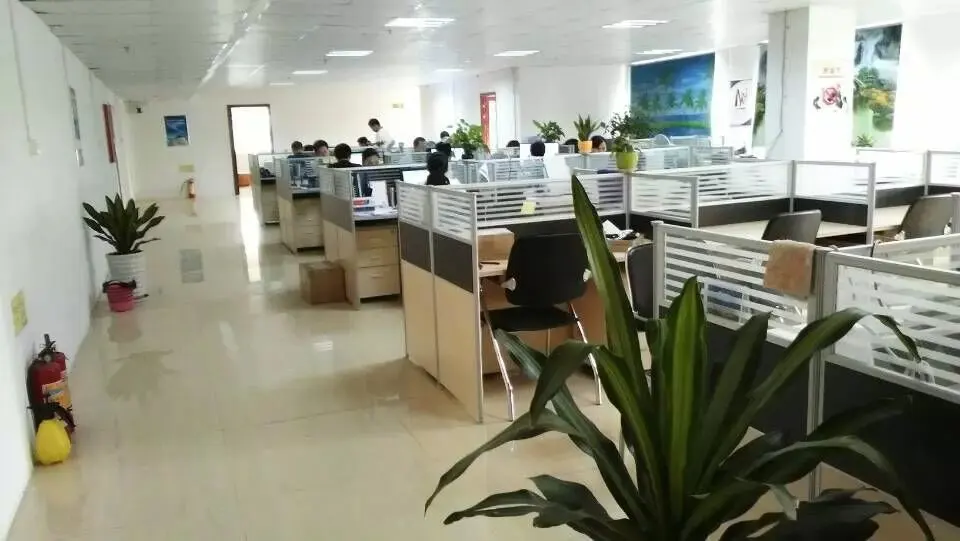
Luoyang Sweet Honey Biotech Co., Ltd.
- Trading Company
- Henan, China
- Lead time15 days
- Avg. response≤ 5h
Main productsbeekeeping equipment,beeswax,foundation sheet,beehive,pollen
Main marketsNorth America(40.00%), Africa(25.00%), Western Europe(10.00%), Oceania(10.00%), Southern Europe(5.00%), Eastern Europe(2.00%), Northern Europe(2.00%), Mid East(2.00%), South Asia(1.00%), Southeast Asia(1.00%), Eastern Asia(1.00%), Central America(1.00%)





Comprehensive Sourcing Guide
Portable Folding Insect Cage Supplier Concentration and Factory Types
Current data indicates a concentration of manufacturing activity in China, specifically within the Shandong and Fujian provinces. Shandong-based entities often operate as Manufacturer/Factory types, producing a diverse range of metal goods including wire mesh containers and garden fencing alongside insect habitats. These facilities typically hold ISO 14001 and ISO 9001 certifications, suggesting established environmental and quality management systems. In contrast, suppliers located in Fujian may present as Combined entities or Trading Companies, focusing on specialized pet and aquaculture supplies. These Fujian-based operations frequently list ODM and OEM capabilities, indicating flexibility in customizing designs for specific insect rearing needs.
When evaluating the factory type, buyers must distinguish between direct manufacturers and trading intermediaries. Direct manufacturers in Shandong often emphasize heavy-duty metal construction and full welding capabilities for their storage and cage products. Trading companies in Fujian may aggregate products from various sources, offering a broader selection of insect-specific features like polyester bottoms or specific mesh hole sizes. The presence of verification badges such as BV or TÜV Rheinland provides a baseline for legitimacy, but the company type dictates the depth of technical control over the production process. Buyers should verify if the supplier claims to be the actual producer or a reseller to ensure direct communication regarding technical specifications and customization limits.
How to Verify Portable Folding Insect Cage Suppliers
Verification of supplier credentials is critical when sourcing portable folding insect cages, as the market includes both specialized manufacturers and general trading firms. Current results show suppliers holding TÜV Rheinland verification, which adds a layer of third-party confidence to their business operations. Some entities also display ISO 9001 and ISO 14001 system certifications, which are standard indicators of quality management and environmental compliance. However, not all suppliers in the current dataset possess these certifications; some are listed with NIL status for system certification. Buyers must explicitly request proof of these documents rather than assuming they apply to every listing, as the absence of a badge does not necessarily indicate a lack of quality but requires further due diligence.
Response time and verification status serve as immediate indicators of supplier reliability and engagement levels. Data shows response times ranging from 1.0 to 2.73 hours, with some suppliers demonstrating rapid communication capabilities essential for resolving technical queries about mesh spacing or foldable mechanisms. A supplier with a verified status like BV or TÜV Rheinland often correlates with a more structured verification process, though this is not a guarantee of product performance. Buyers should prioritize suppliers who respond quickly and can provide clear documentation of their verification status. It is also necessary to confirm the specific scope of their verification, ensuring it covers the relevant product lines such as insect habitats or metal storage cages rather than just general business registration.
What to Compare Across Portable Folding Insect Cage Suppliers
Comparing suppliers requires a detailed analysis of lead times, minimum order quantities, and specific product attributes like mesh spacing and load capacity. Lead times in the current dataset vary significantly, with some suppliers offering 10 days while others require up to 23 days or even 15 to 45 days depending on quantity and design. Minimum order quantities also differ widely, ranging from 100 units for specialized insect cages to 2000 units for larger metal storage solutions. Buyers must align these constraints with their inventory needs, noting that lower MOQs often come with higher unit prices, while bulk orders may reduce costs but increase storage requirements.
Product specifications are another vital comparison point, particularly regarding customization options and material durability. Some suppliers offer full welding and specific wire diameters ranging from 4.8mm to 6.4mm, while others focus on lightweight mesh designs with hole sizes under 20 mesh or greater than 60 mesh. Customization availability is a key differentiator, with some products explicitly marked as customizable for size, color, or feature sets like sunshade inclusion. Buyers should compare the standard dimensions, such as 30x30x30cm versus 40x40x60cm, against their specific rearing requirements. Additionally, checking the packing methods, such as pallets versus cartons or polybags, helps in estimating shipping costs and handling efficiency for the final delivery.
Common Portable Folding Insect Cage Sourcing Risks
One significant risk involves the discrepancy between claimed product attributes and actual manufacturing capabilities, particularly regarding material thickness and structural integrity. While some listings specify wire diameters and full welding, others may offer generic descriptions without detailed technical data. Buyers face the risk of receiving products that do not meet the required load capacity or mesh spacing for their specific insect species. For instance, a cage designed for rabbits may not be suitable for larger insects if the bar spacing is too wide, leading to escape or injury. It is essential to verify the exact dimensions and material specifications before placing an order, as generic product titles can mask critical differences in construction quality.
Another risk lies in the variability of lead times and payment terms, which can disrupt supply chain planning. Some suppliers indicate lead times of 15 to 45 days depending on quantity, while others offer fixed 10-day windows. Payment terms often require a 30% deposit and 70% balance, which exposes buyers to financial risk if production delays occur. The lack of standardized certifications across all suppliers, with some showing NIL status, further complicates risk assessment. Buyers must ensure that the supplier has a clear protocol for handling delays and that the payment structure includes safeguards. Without these protections, the uncertainty in delivery schedules and product quality can lead to significant operational disruptions for the buyer.
Portable Folding Insect Cage Regional Sourcing and Logistics
Regional sourcing strategies should focus on the specific logistical advantages of the identified manufacturing hubs in China. Suppliers in Shandong and Fujian offer distinct logistical profiles, with Shandong often associated with heavy industrial output and Fujian with specialized pet and aquaculture goods. The origin of the products is consistently listed as China, which impacts shipping routes and customs procedures. Buyers should consider the distance from these ports to their destination to estimate transit times accurately. The packing methods, such as pallets for heavy metal cages or cartons for lighter insect habitats, also influence the volume and weight calculations for freight forwarding.
Logistics planning must account for the specific dimensions and folding capabilities of the products to optimize container space. Foldable designs, such as those with dimensions like 750x550x500mm or 30x30x30cm, offer significant advantages in reducing shipping volume compared to rigid structures. However, buyers must verify the folded dimensions to ensure they align with the carrier's constraints. The origin location also dictates the availability of specific shipping lanes and potential tariffs. For example, sourcing from Fujian might offer different shipping options compared to Shandong due to port proximity. Buyers should work with freight forwarders who understand the nuances of shipping from these specific Chinese regions to minimize costs and avoid delays.
Portable Folding Insect Cage Commercial Terms and Order Planning
Commercial terms for portable folding insect cages vary significantly based on the supplier's capacity and product type. Price ranges observed in the data span from $2.38 to $100.00 per unit, heavily influenced by the MOQ and customization level. Suppliers with lower MOQs, such as 100 units, often command higher per-unit prices compared to those requiring 2000 units. Buyers must calculate the total landed cost, including the base price, shipping, and any potential tariffs, to determine the true cost of the order. Understanding the price structure is crucial for budgeting, especially when dealing with fluctuating raw material costs that may affect the final quote.
Order planning should integrate the specific lead times and payment terms to ensure a smooth transaction. With lead times ranging from 10 to 45 days, buyers need to schedule their production cycles accordingly to avoid stockouts. Payment terms typically require a 30% deposit and 70% balance, which is standard but requires careful cash flow management. Buyers should also consider the customization lead time, as designs requiring specific mesh sizes or colors may extend the production window. Planning for these variables ensures that the order is placed with sufficient lead time to meet market demands. Additionally, verifying the supplier's ability to meet the agreed-upon delivery date is essential to maintain supply chain stability.
FAQs
What is the price range for portable folding insect cages?
Portable folding insect cages typically range from $2.38 to $100 per unit depending on mesh density and size. Basic mesh habitats start near $2.38, while larger metal storage cages or specialized pet enclosures can reach up to $100. Prices vary based on customization options and order volume.
What is the minimum order quantity for these cages?
Minimum order quantities vary significantly by product type. Basic mesh insect habitats require a minimum of 100 units, while larger metal storage cages need 300 units. Specialized pet cages often have higher thresholds, requiring at least 2000 units for standard orders from manufacturers.
How long does production take for these cages?
Production lead times generally range from 10 to 45 days depending on the supplier and order complexity. Some manufacturers offer faster turnaround times of 10 to 15 days for standard items, while customized designs or larger orders may require up to 45 days for completion.
Are these cages suitable for outdoor use?
Yes, many portable folding insect cages are designed for both indoor and outdoor use. Features like waterproof performance, sunshade covers, and durable metal or mesh construction ensure suitability for outdoor environments. Some models specifically include teal sunshade covers to protect inhabitants from direct sunlight.
What certifications do these suppliers hold?
Suppliers offering these cages hold various certifications including ISO 9001, ISO 14001, and industry-specific standards like CE, RoHS, and FCC. Some manufacturers also possess BV or TÜV Rheinland verification, ensuring quality management and product safety compliance for international trade requirements.
Can I customize the size and mesh of these cages?
Customization is widely available for portable folding insect cages. Buyers can specify dimensions, mesh hole sizes, and materials. Options include custom sizes like 30x30x30cm or 40x40x60cm, with mesh densities ranging from less than 20 mesh to over 60 mesh for specific rearing needs.