Event Wristband Suppliers and Manufacturers in China
Compare 25 verified Event Wristband suppliers by location, response time, and certifications like ISO9001:2015. Review lead times and MOQs to select a factory in Guangdong or Zhejiang for your next order; review the available evidence before requesting comparable quotations from suitable candidates.
Updated
Suppliers List

Zhongshan Xinyuan Silicone Rubber Co. Ltd
- Verified by TUVRHEINLAND
- Combined
- China Guangdong
- Lead time15 days
- Avg. response≤ 2h
Main productsSilicone Mold, Silicone Ice Cube Tray, Silicone Wristband, Silicone Tea Infuser, Silicone Bakeware, Silicone Keychain, Silicone Cup Coaster, Silicone Bag
Main marketsSouth America,Southeast Asia/ Mideast,Domestic,Europe,North America

- Verified by TUVRHEINLAND
- Trading Company
- China Zhejiang
- Lead time15 days
- Avg. response≤ 3h
Main productsLanyard, Promotional Gift, Baseball Cap, Bags, T-Shirt, Ceramic Mug, Sport Water Bottle, PU Toys
Main marketsEurope,Australia,North America


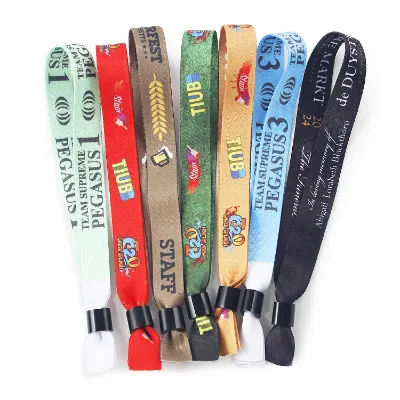
Fabric Wristbands, Events Wristband, Promotional Wristband, Party Wristbands
$0.08 - $0.10
MOQ: 1000 Pieces

Chongqing Colorful Technology Co., Ltd.
- Verified by BV
- Combined
- China Chongqing
- Lead time15 days
- Avg. response≤ 5h
Main productsSmart Card, PVC Card, Bisiness Card, Metal Card, Gift Card, Thank You Card, Plastic Card
Main marketsSoutheast Asia/ Mideast,Europe,North America
Yiwu Phonbon Import & Export Co., Ltd.
- Trading Company
- Zhejiang, China
- Lead time15 days
- Avg. response≤ 7h
Main productsmedal,lapel pin,metal coins,cross,rosary
Main marketsWestern Europe(16.67%), Southeast Asia(16.67%), Southern Europe(15.00%), Eastern Europe(15.00%), South America(10.00%), Africa(5.00%), Northern Europe(5.00%), Central America(5.00%), North America(5.00%), Mid East(3.00%), Eastern Asia(2.00%), South Asia(1.00%), Oceania(0.66%)

Ganzhou Hongsheng Weaving Belts Co., Ltd.
- Verified by CTI
- Trading Company
- China Jiangxi
- Lead time15 days
- Avg. response≤ 7h
Main productsLanyard/Fabric Wristband/Silicone Bracelet
Main marketsSouth America,Africa,Southeast Asia/ Mideast,East Asia(Japan/ South Korea),Europe,Australia,North America

- Verified by SGS
- Combined
- China Fujian
- Lead time15 days
- Avg. response≤ 5h
Main marketsEurope

PUTIAN IDENTTAG IMP&EXP CO., LTD.
- Verified by BV
- Combined
- China Fujian
- Lead time15 days
- Avg. response≤ 4h
Main productsRFID Wristband, Entertainment Wristband, RFID Card, Card Inlay, RFID NFC Tag, RFID Label, RFID Bracelet, NFC Cashless Event Ticket, RFID Access Control Card, Fabric Wristband
Main marketsSouth America,Africa,Southeast Asia/ Mideast,Domestic,Europe,Australia,North America


Custom Comfortable Soft Eco-Friendly Adjustable Party Festival Exhibition Event Wristband
$0.035 - $0.08
MOQ: 100 Pieces


Guangzhou Mangou Craft Co., Ltd.
- Verified by TüVRheinland
- Trading Company
- Lead time5 days
- Avg. response≤ 1h
Main productsPromotion Gift Set, Advertising Umbrella, Lanyard, Advertising T-shirt, Keychain
Main marketsNorth America(25%), Eastern Europe(20%), South America(10%)
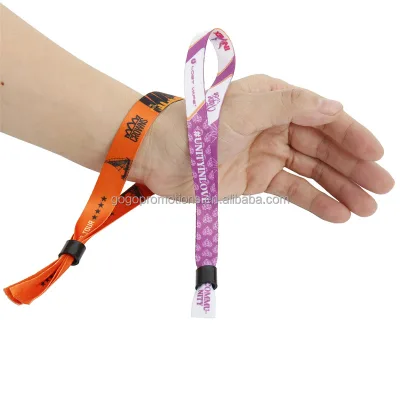
Promotional Hot Style Adjustable Size Bracelet Custom Polyester Festival Event Wristband With Logo
$0.1035 - $0.3118
MOQ: 100 pieces


Jiangsu Goju Identification Technology Co., Ltd.
- Verified by TüVRheinland
- Manufacturer, Trading Company
- Lead time15 days
- Avg. response≤ 1h
Main productsMedical ID Wristbands, ID Wristbands, Labels, Bibs Numbers
Main marketsNorth America(38%), Domestic Market(35%), Oceania(5%)
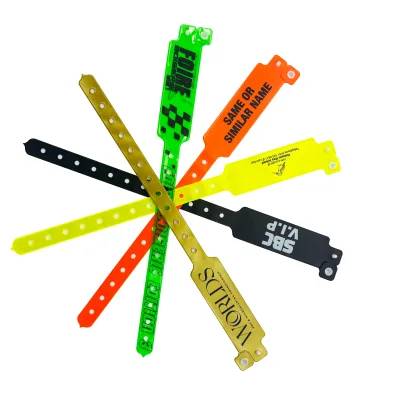
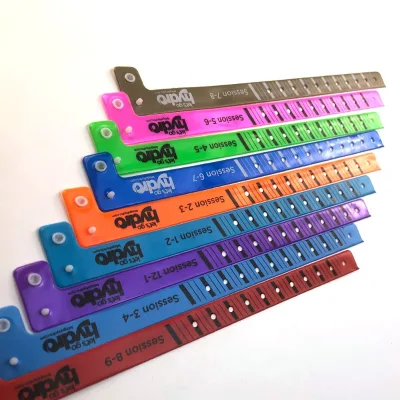
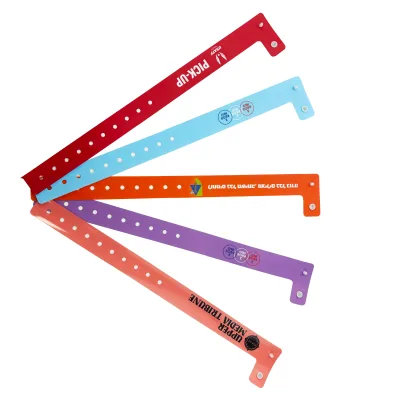
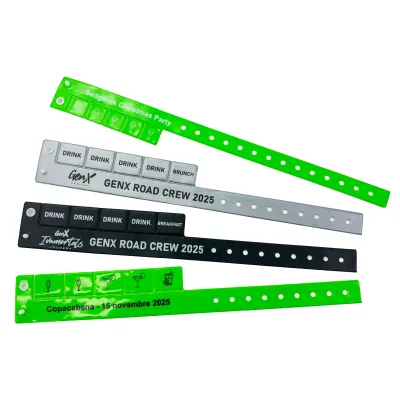
Waterproof Event Wristbands with Detachable Coupon for Redemption and Easy Tracking
$0.06 - $0.07
MOQ: 200
Dongguan Guan Lian Ribbon Co., Ltd.
- Verified by TüVRheinland
- Manufacturer, Trading Company
- Lead time0 days
- Avg. response≤ 1h
Main productsLanyard, Keychain, Luggage Belt, Pet Collar & Leasher, Badge Reel
Main marketsDomestic Market(43%), North America(15%), Western Europe(15%)

Zhongshan Xinyuan Silicone Rubber Co., Ltd.
- Verified by TUVRHEINLAND
- Combined
- China Guangdong
- Lead time15 days
- Avg. response≤ 2h
Main productsEmbroidery Patch, PVC Keychain, Pin Badge, Medal, Lanyard, Challenge Coin, Paper Air Freshener, Coffee Maker, Luggage Tag, Coffee Maker/Grinder
Main marketsSouth America,Southeast Asia/ Mideast,Domestic,Europe,North America
Guangzhou Lovecolour Ribbon & Lanyards Co., Ltd.
- Manufacturer
- Guangdong, China
- Lead time15 days
- Avg. response≤ 3h
Main productswristbands,lanyards,keychain,stubby holder,card holder
Main marketsNorth America(32.00%), Eastern Europe(20.00%), Mid East(12.00%), South America(10.00%), Africa(8.00%), Western Europe(5.00%), Eastern Asia(5.00%), Southeast Asia(5.00%), Southern Europe(3.00%)
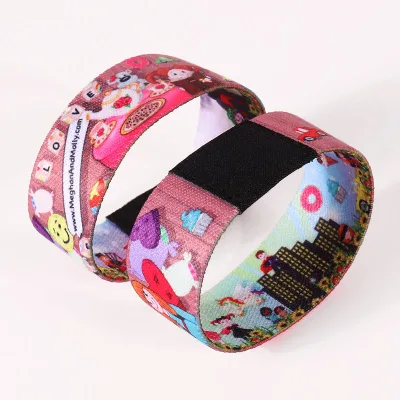
Hot Sales Custom Polyester Printing Event Festival Party Wrist Band Bracelet RFID Fabric Wristband
$0.15 - $0.50
MOQ: 100 pieces
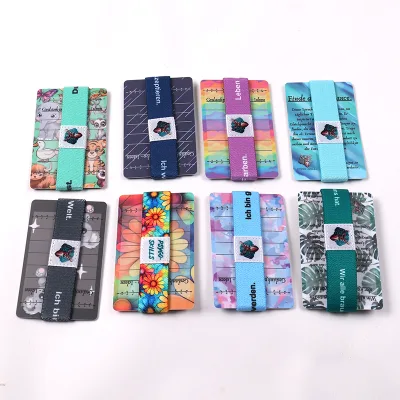
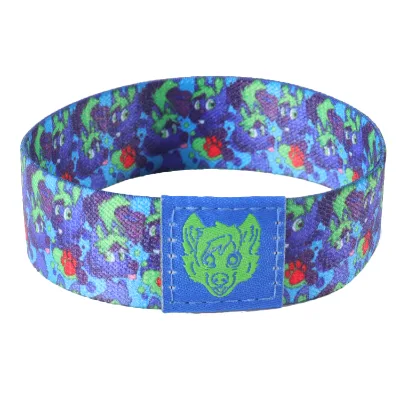
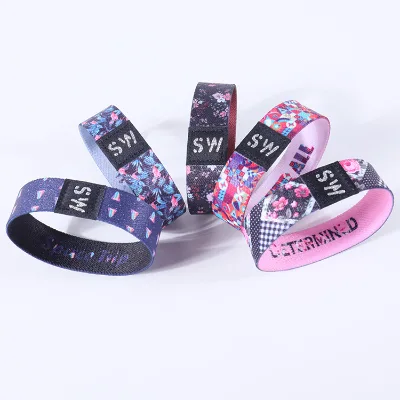
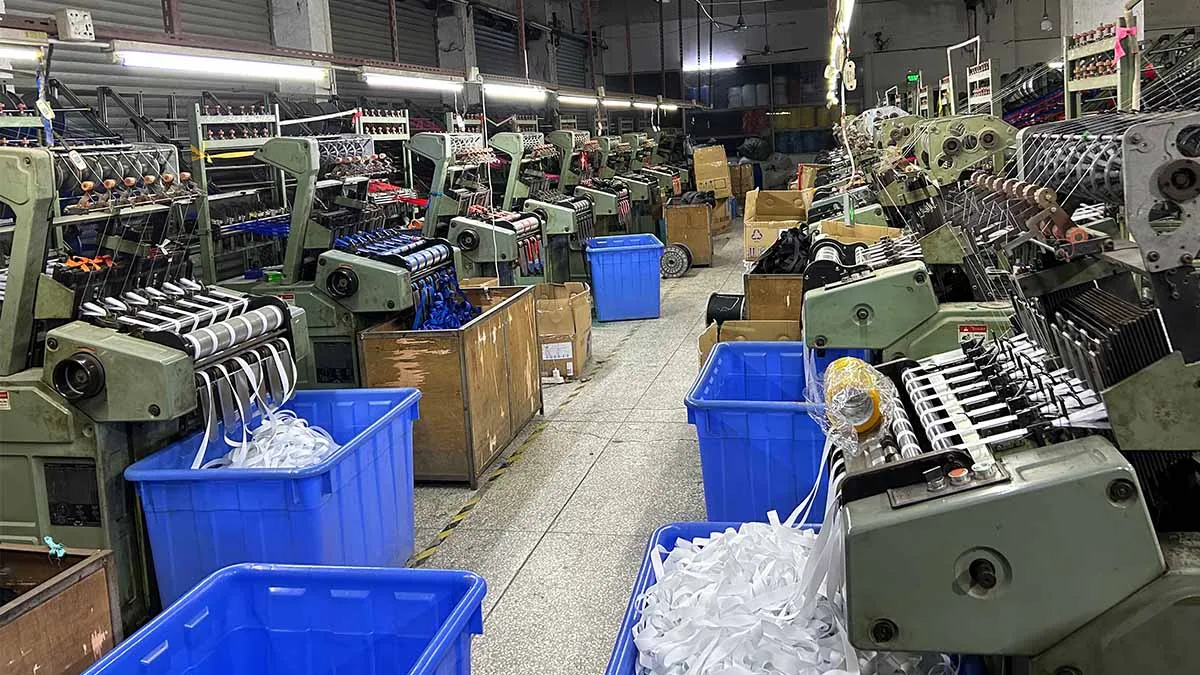
Guangzhou Zhuoyuexing International Trade Co., Ltd.
- Trading Company
- Guangdong, China
- Lead time10 days
- Avg. response≤ 1h
Main productsWristband, Lanyard, Wristband Lock
Main marketsNorth America(40.00%), South America(10.00%), Mid East(10.00%), Southeast Asia(10.00%), Eastern Asia(5.00%), Western Europe(5.00%), Central America(5.00%), Africa(5.00%), South Asia(2.00%), Oceania(2.00%), Southern Europe(2.00%), Northern Europe(2.00%), Eastern Europe(2.00%)
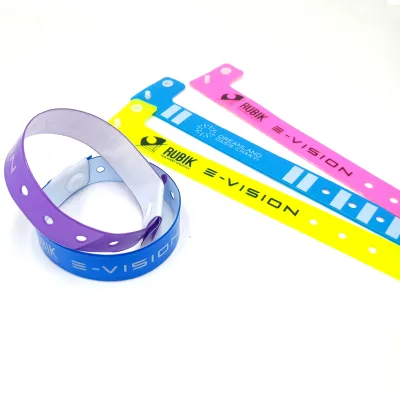
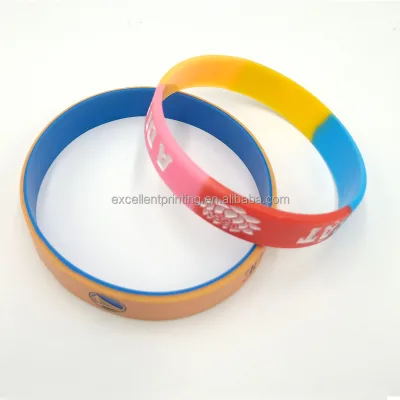
Waterproof Festival Party Concert PVC Vinyl Wristband for Event Other Party Decorations
$0.05 - $0.12
MOQ: 1000
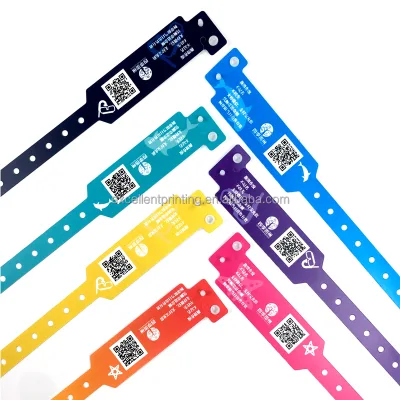
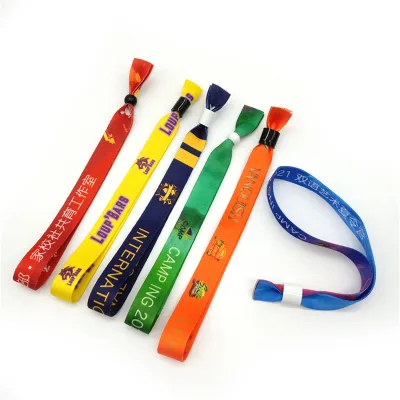
$0.04 - $0.18
MOQ: 1000 pieces
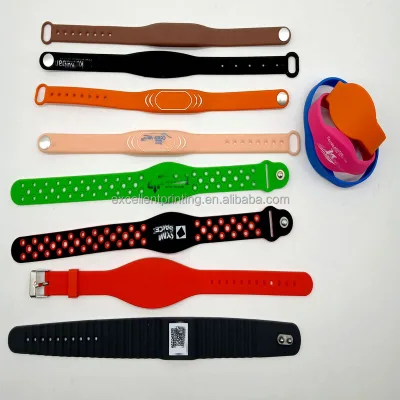
Waterproof 13.56mhz NFC Bracelet RFID Silicone Slap Wristband Other Party Decorations
$0.30 - $0.50
MOQ: 1000
Guangzhou Wangwen Technology Co., Ltd.
- Verified by SGS Group
- Manufacturer, Trading Company
- Guangdong, China
- Lead time8 days
- Avg. response≤ 2h
Main productsGift Items, Notebook, Promotional Pen, Umbrella , Promotional Gifts
Main marketsNorth America(60%), Western Europe(25%), Mid East(10%)
Guangzhou Santa Craft Gifts Co., Ltd.
- Manufacturer, Trading Company
- Guangdong, China
- Lead time5 days
- Avg. response≤ 2h
Main productsWristbands,Lanyards,Keychains,Webbing,Pvc Card
Main marketsNorth America(25.00%), Western Europe(15.00%), Northern Europe(12.00%), Mid East(8.00%), Domestic Market(8.00%), Central America(5.00%), South America(5.00%), Southern Europe(5.00%), Eastern Europe(5.00%), Southeast Asia(5.00%), South Asia(2.00%), Eastern Asia(2.00%), Africa(2.00%), Oceania(1.00%)
Zhongshan Eonshine Textile Craft Co., Ltd.
- Trading Company
- Guangdong, China
- Lead time14 days
- Avg. response≤ 6h
Main productsShoelace,Wristband,RFID Wristband,Lanyard,Embroidery Patch
Main marketsNorth America(35.00%), Western Europe(13.00%), Southern Europe(10.00%), Northern Europe(10.00%), Eastern Europe(10.00%), South Asia(4.00%), South America(3.00%), Africa(3.00%), Southeast Asia(3.00%), Oceania(2.00%), Eastern Asia(2.00%), Mid East(2.00%), Central America(2.00%), Domestic Market(1.00%)
Ganzhou Hongsheng Weaving Belts Co., Ltd.
- Manufacturer, Trading Company
- Jiangxi, China
- Lead time10 days
- Avg. response≤ 5h
Main productslanyards,Fabric wristbands,silicone bracelets,pvc keychain,pvc patch
Main marketsEastern Europe(20.00%), Northern Europe(20.00%), Southern Europe(10.00%), Western Europe(10.00%), North America(10.00%), Mid East(10.00%)
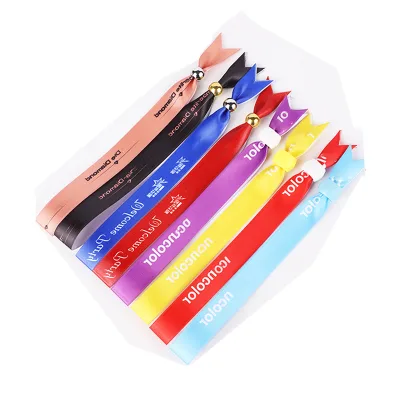
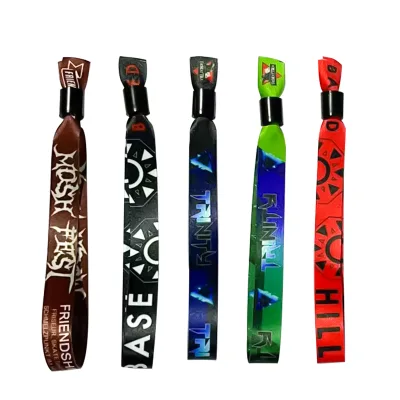
$0.07 - $0.12
MOQ: 100 pieces
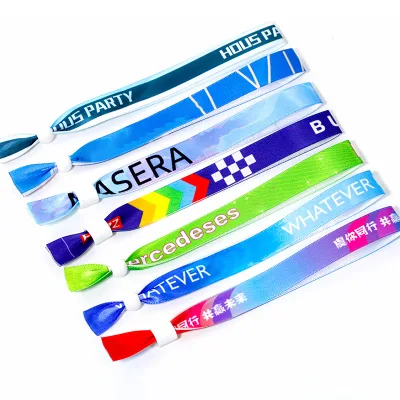
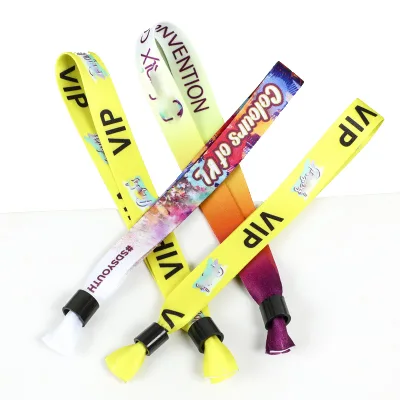
$0.0725 - $0.1347
MOQ: 100 pieces
Shenzhen Kkmark Event Co., Ltd.
- Manufacturer, Trading Company, Distributor/Wholesaler
- Guangdong, China
- Lead time20 days
- Avg. response≤ 4h
Main productsAluminum truss,truss clamps,Flight Road Cases,event stage,plastic HDPE flight case
Main marketsNorth America(50.00%), Oceania(20.00%), Eastern Europe(10.00%), Southeast Asia(5.00%), South Asia(4.00%), Domestic Market(2.00%), South America(2.00%), Mid East(1.00%), Africa(1.00%), Southern Europe(1.00%), Northern Europe(1.00%), Central America(1.00%), Western Europe(1.00%), Eastern Asia(1.00%)
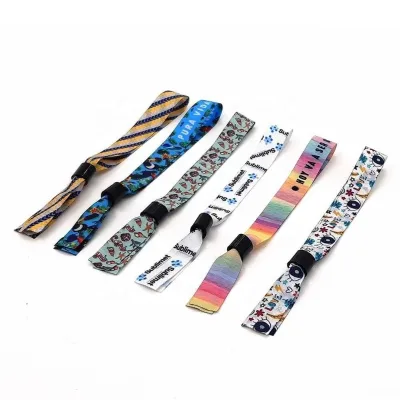
$0.0821 - $0.2054
MOQ: 5 pieces
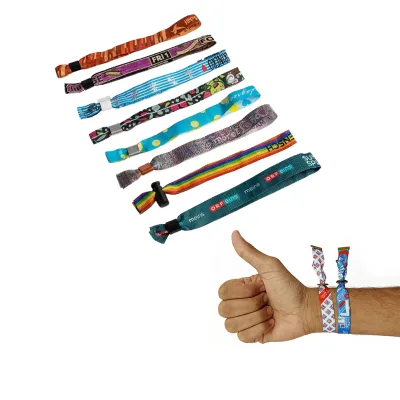
Dongguan Dongchuang Arts & Crafts Co., Ltd.
- Verified by SGS Group
- Manufacturer, Trading Company
- Lead time10 days
- Avg. response≤ 2h
Main productsCustom Lanyards, Pet Collars and Leashes, Medal Ribbons, Wristbands, Shoelaces
Main marketsDomestic Market(50%), North America(10%), Western Europe(10%)
Guangzhou Jiawen Electronic Barcode Technology Co., Ltd.
- Manufacturer, Trading Company
- Guangdong, China
- Lead time30 days
- Avg. response≤ 15h
Main productspatients Id wristband,medical wristband,event wristbands,wristbands labels printer,tyvek wristbands
Main marketsDomestic Market(15.00%), Mid East(10.20%), Eastern Asia(10.10%), South Asia(10.00%), Southeast Asia(8.90%), North America(8.00%), Africa(7.60%), Eastern Europe(6.50%), South America(6.20%), Central America(4.30%), Western Europe(3.80%), Southern Europe(3.60%), Oceania(3.30%), Northern Europe(2.50%)
Zhongshan Xiaolan Lianxin Gifts&Crafts Factory
- Verified by Intertek
- Manufacturer, Trading Company
- Guangdong, China
- Lead time7 days
- Avg. response≤ 2h
Main productsLanyard, Wristband, Promotional gift set, Bag Hanger, Baseball cap
Main marketsWestern Europe(28%), North America(25%), Domestic Market(20%)
Shenzhen Duen Technology Co., Ltd.
- Verified by SGS Group
- Manufacturer, Trading Company
- Lead time20 days
- Avg. response≤ 5h
Main productsTyvek Wristband, Stickers, Printing Paper, Thermal Wristbands , PVC Wristbands
Main marketsSouth America(30%), Domestic Market(20%), North America(15%)
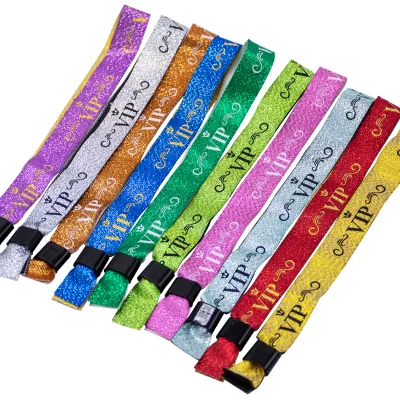
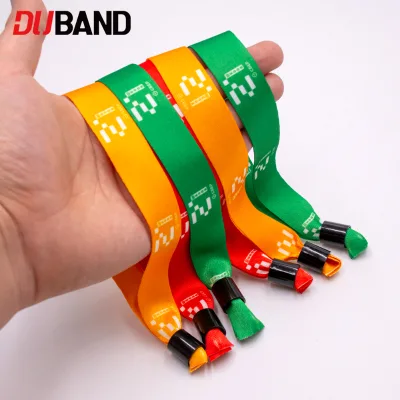
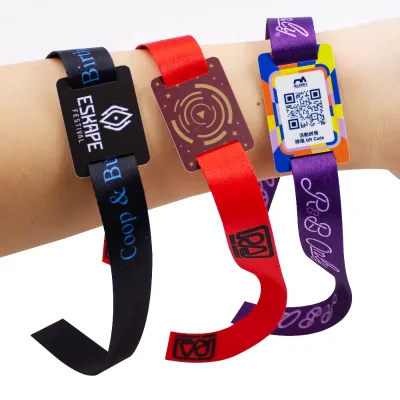
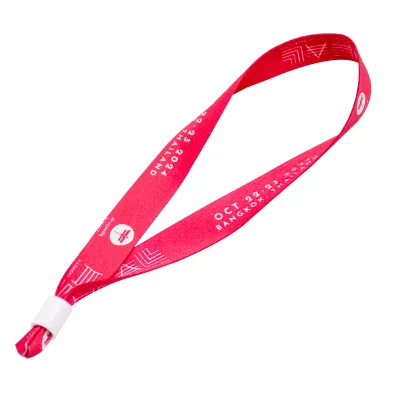
$0.0716 - $0.2353
MOQ: 100 pieces
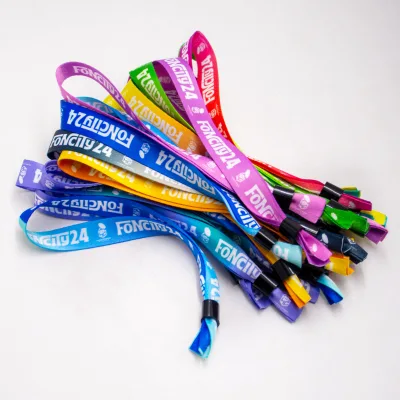

Dongguan Huachuang Craft Gift Co., Ltd.
- Manufacturer, Trading Company
- Guangdong, China
- Lead time5 days
- Avg. response≤ 3h
Main productsWristbands,Lanyards,Card Holder,Luggage Straps,Pet Leashes
Main marketsNorth America(19.00%), Western Europe(17.00%), Oceania(14.00%), Northern Europe(13.00%), Domestic Market(12.00%), Mid East(8.00%), Southeast Asia(5.00%), South Asia(3.00%), Eastern Asia(2.00%), Southern Europe(2.00%), South America(2.00%), Africa(1.00%), Eastern Europe(1.00%), Central America(1.00%)
Ningbo Luxi Commodity Co., Ltd.
- Manufacturer, Trading Company
- Zhejiang, China
- Lead time0 days
- Avg. response≤ 4h
Main productsOutdoor Products,Hardwares,Plastics
Main marketsNorth America(80.00%), Western Europe(20.00%)
Shenzhen Fbetter Gifts Co., Ltd.
- Manufacturer, Trading Company, Distributor/Wholesaler
- Guangdong, China
- Lead time15 days
- Avg. response≤ 3h
Main productssilicone wristbands,silicone smartwallet,PVCkey chain,PVC bar mat,lanyard
Main marketsEastern Europe(30.00%), Northern Europe(10.00%), Central America(10.00%), Western Europe(10.00%), Southern Europe(10.00%), North America(10.00%), South America(10.00%), South Asia(5.00%), Southeast Asia(5.00%)






Comprehensive Sourcing Guide
Event Wristband Supplier Concentration and Factory Types
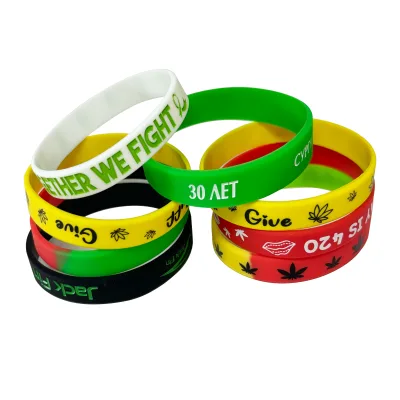
The current supplier landscape for event wristbands reveals a diverse mix of manufacturing capabilities concentrated in specific Chinese provinces. Factories located in Guangdong, such as those in Zhongshan, often operate as combined entities capable of handling both Original Design Manufacturing (ODM) and maintaining their own brands. These suppliers typically specialize in silicone-based products, including wristbands, ice cube trays, and bakeware, indicating a strong foundation in silicone molding technology. This specialization allows them to offer a wide range of silicone features, such as glow-in-the-dark properties, mosquito repellent additives, and RFID integration. The presence of ISO9001:2015 certification and TÜV Rheinland verification in this cluster suggests a higher baseline for quality management systems among these combined factories. Buyers seeking high-volume silicone orders with complex customization needs, such as embossed logos or specific material thicknesses like 2mm, will find these Guangdong-based combined suppliers well-equipped to handle the technical demands of production.
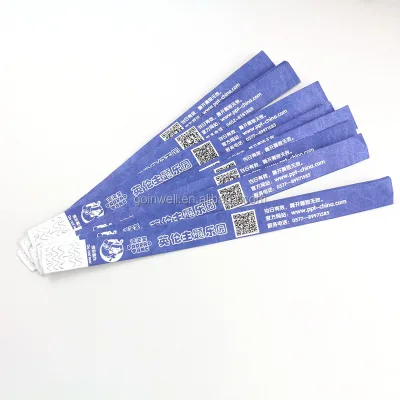
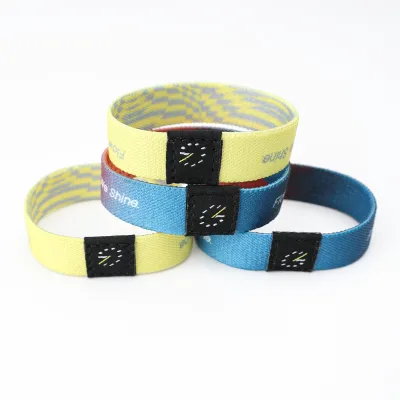
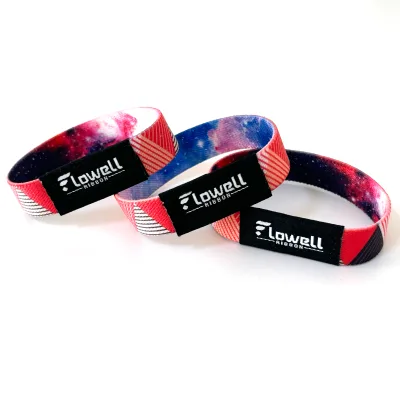
In contrast, suppliers in Zhejiang, particularly those in Ningbo, often present as trading companies rather than direct manufacturers. These entities typically focus on promotional gifts and may source wristbands from various factories, offering a broader catalog that includes lanyards, caps, and mugs alongside fabric or woven wristbands. The response times for these trading companies can vary, with some showing slower initial reply rates compared to direct factories. While they may not possess direct manufacturing certifications like ISO9001, they often provide flexible sourcing solutions for buyers who need mixed product orders. The distinction between a combined factory in Guangdong and a trading company in Zhejiang is critical for buyers to understand, as it impacts lead times, communication efficiency, and the ability to customize technical specifications. Understanding this structural difference helps buyers align their sourcing strategy with their specific needs for either specialized silicone production or general promotional gift consolidation.
How to Verify Event Wristband Suppliers
Verifying the legitimacy and capability of Event Wristband suppliers requires a multi-layered approach that goes beyond simple profile reviews. Buyers should prioritize suppliers who display third-party verification badges, such as TÜV Rheinland or Bureau Veritas (BV), as these indicate that an independent agency has audited the company’s business license and operational capabilities. For instance, some suppliers in the current results hold BV verification, which adds a layer of trust regarding their legal standing and export readiness. Additionally, checking for system certifications like ISO9001:2015 is essential for suppliers claiming to be factories, as this certifies their quality management processes. Buyers must also scrutinize the product evidence provided, ensuring that the listed attributes, such as material composition (silicone vs. fabric) and feature sets (RFID, glow-in-the-dark), match the supplier’s main product descriptions. Discrepancies between the main product list and specific product pages can signal a trading company misrepresenting itself as a manufacturer.
Beyond certifications, buyers should actively test the supplier’s responsiveness and technical knowledge. The response time metric is a key indicator of operational efficiency; suppliers with faster response times, such as those under two hours, are often more reliable for urgent event orders. Buyers should send detailed inquiries asking for specific technical details, such as the temperature range of silicone materials or the frequency of RFID chips, to gauge the supplier’s expertise. For example, a supplier claiming to produce high-quality silicone wristbands should be able to provide data on temperature resistance, such as -55 to 250 degrees Celsius, and confirm compliance with standards like SGS or FDA. If a supplier cannot provide these details or offers vague answers, it may indicate a lack of direct manufacturing control. Furthermore, buyers should request samples to verify physical quality, noting that while some suppliers offer free samples, they often require the buyer to cover shipping costs, which is a standard industry practice.
What to Compare Across Event Wristband Suppliers
When evaluating multiple suppliers, buyers must compare key operational metrics to determine the best fit for their order size and timeline. Lead time is a critical factor, with some suppliers offering production times of 10-15 days for standard orders, while others may require 15-20 days, especially for fabric or woven wristbands. Minimum Order Quantities (MOQ) also vary significantly; some suppliers accept orders as low as 100 pieces, which is ideal for small events or testing markets, while others require MOQs of 1000 pieces or more. Buyers should also compare the customization options available, such as logo printing methods (silkscreen, embossed, debossed) and material choices. Suppliers offering ODM capabilities may provide more innovative designs, whereas those focusing on OEM might offer more competitive pricing for standard items. The range of main products can also indicate a supplier’s versatility; those offering a wide array of silicone goods may have better economies of scale for wristband production.
Price and payment terms are another crucial area for comparison. Unit prices can range from as low as $0.08 to $0.23 per piece, depending on the material, complexity, and order volume. Buyers should request detailed quotations that break down costs for molds, printing, and shipping, as some suppliers may include these in the unit price while others charge separately. Payment terms also differ, with some suppliers requiring Telegraphic Transfer (TT) upfront, while others may offer more flexible arrangements for established relationships. Additionally, buyers should compare the sample time, which can range from 5-7 days for fabric wristbands to 8-10 days for silicone ones. Understanding these variations helps buyers plan their procurement schedule accurately. It is also important to compare the shipping options offered, such as by sea, air, or express courier, and to inquire about shipping costs, which are often quoted separately based on weight and destination.
Common Event Wristband Sourcing Risks
One of the primary risks in sourcing event wristbands is the discrepancy between sample quality and mass production output. Buyers often receive high-quality samples that meet all specifications, only to find that the bulk order suffers from issues like inconsistent color matching, weak RFID signal strength, or poor durability. This risk is particularly prevalent when working with trading companies that may not have direct control over the manufacturing process. To mitigate this, buyers should include strict quality control clauses in their contracts and consider hiring third-party inspection services before shipment. Another risk is the delay in production due to unforeseen supply chain disruptions or capacity constraints. Suppliers with longer lead times or those operating during peak seasons may struggle to meet tight event deadlines, leading to missed opportunities for buyers. It is essential to confirm production capacity and current order backlog before placing large orders.
Material safety and compliance are also significant risks, especially for wristbands intended for children or sensitive audiences. Suppliers must provide valid certifications for the materials used, such as FDA or SGS approval for silicone, to ensure they are free from harmful substances like BPA. Buyers should verify these certifications directly with the issuing bodies if possible, as forged documents are a known issue in the industry. Additionally, there is a risk of intellectual property infringement if buyers provide custom designs without proper legal protection. Suppliers may inadvertently share designs with competitors, so buyers should use Non-Disclosure Agreements (NDAs) and register their trademarks where applicable. Finally, communication barriers can lead to misunderstandings regarding specifications, such as size, thickness, or logo placement. Buyers should use clear, visual specifications and confirm all details in writing to avoid costly errors and rework.
Event Wristband Regional Sourcing and Logistics
Sourcing event wristbands from China involves navigating distinct regional advantages that impact logistics and cost efficiency. Suppliers in Guangdong, particularly in Zhongshan, benefit from a mature silicone manufacturing ecosystem, which often results in faster production times and lower mold costs. This region is well-connected to major ports like Shenzhen and Guangzhou, facilitating efficient export logistics for both air and sea freight. Buyers sourcing silicone wristbands with complex features, such as embedded RFID chips or glow-in-the-dark additives, will find Guangdong suppliers to be the most reliable due to their specialized technical capabilities. The proximity to component suppliers also reduces lead times for specialized materials, ensuring that production schedules are more predictable. However, buyers should also consider the higher labor costs in Guangdong compared to other regions, which may affect the final unit price.
In contrast, suppliers in Zhejiang, such as those in Ningbo, offer advantages for buyers seeking fabric or woven wristbands, as this region is a hub for textile and promotional gift manufacturing. The logistics infrastructure in Zhejiang is also robust, with easy access to Shanghai Port, making it convenient for shipping large volumes of lighter items like fabric wristbands. Trading companies in this region may offer more flexible shipping arrangements, combining wristbands with other promotional items to optimize container space and reduce freight costs. Buyers should evaluate the total landed cost, including shipping, when comparing suppliers from different regions. For urgent orders, air freight or express courier services like FedEx, DHL, or UPS may be necessary, but these options significantly increase costs. Understanding the regional strengths helps buyers make informed decisions about where to source based on their product type and logistical requirements.
Event Wristband Commercial Terms and Order Planning
Effective order planning for event wristbands requires careful attention to commercial terms and timeline management. Buyers should negotiate clear payment terms that protect their interests, such as a deposit followed by payment upon completion of production or after a pre-shipment inspection. Some suppliers may offer escrow services, which provide an additional layer of security by holding funds until the buyer confirms receipt and quality of the goods. It is also important to clarify the responsibilities for shipping costs and insurance, especially for large orders. Buyers should request a detailed production schedule that includes sample approval, mold creation (if applicable), production, and shipping dates. This schedule should account for potential delays, such as holidays or customs clearance, to ensure the wristbands arrive in time for the event.
Another critical aspect of order planning is managing customization requests. Buyers should confirm all design details, including logo placement, color codes, and packaging specifications, before production begins. Any changes after production has started may incur additional costs and delays. It is also advisable to order a small buffer quantity to account for potential defects or loss during transit. Buyers should also consider the shelf life of certain materials, such as glow-in-the-dark silicone, which may degrade over time if stored improperly. Finally, maintaining open communication with the supplier throughout the production process is essential for addressing any issues promptly. Regular updates on production status and quality checks can help prevent surprises and ensure a smooth delivery. By planning thoroughly and understanding the commercial terms, buyers can minimize risks and ensure a successful sourcing experience.
FAQs
What is the typical lead time for Event Wristband orders?
Lead times vary by supplier and customization needs. Some factories in Guangdong offer production within 10 to 15 days after approval. Others may require 15 to 20 days for larger batches. Always confirm specific timelines with the vendor before placing an order.
What are the minimum order quantities for silicone wristbands?
Minimum order quantities differ significantly across suppliers. Some vendors accept orders as low as 100 pieces for custom designs. Others require a minimum of 500 or 1000 pieces depending on the material and printing method. Check product details for exact MOQ requirements.
Which certifications are available for silicone wristband manufacturers?
Many suppliers hold ISO9001:2015 system certifications for quality management. Product certifications often include FDA and SGS standards for safety. Some manufacturers also provide ISO certifications for specific materials. Verify these documents directly with the supplier to ensure compliance with your market.
How quickly do suppliers typically respond to inquiries?
Response times vary based on the supplier's location and workload. Some vendors respond within 1.4 hours, while others may take up to 4 hours. Faster response times are common for suppliers in China Guangdong. Check the specific response metric listed on the supplier profile.
What customization options exist for Event Wristband logos?
Customization is widely available for logos and branding. Common methods include silkscreen printing, debossing, embossing, and laser engraving. Some suppliers offer printed logos with various color options. Ensure the chosen method aligns with your design requirements and budget constraints.
Are samples available before placing a bulk order?
Stock samples are often available for free, though shipping costs usually apply. Sample production times typically range from 5 to 10 days depending on complexity. Some suppliers provide custom samples upon request. Confirm sample availability and costs before proceeding with a large purchase.
What materials are commonly used for event wristbands?
Silicone is the most common material due to its durability and eco-friendly properties. Some options include rubber, fabric, and PVC for specific applications. Materials can be selected for features like glow-in-the-dark effects or RFID capabilities. Verify material specifications to ensure suitability for your event.
Where are the main manufacturing locations for these products?
Manufacturing hubs are primarily located in China, specifically in Guangdong and Zhejiang provinces. Some suppliers operate from Chongqing as well. These regions offer extensive supply chains for silicone and fabric products. Check the factory location to assess shipping logistics and lead times.