eco-friendly fluorescent silicone keychain Suppliers and Manufacturers
Source eco-friendly fluorescent silicone keychain from 32 verified suppliers in China. Compare response times, lead times, MOQs, and certifications like BSCI and ISO 9001 to find the right partner. Review product details and request quotes today; review the available evidence before requesting comparable quotations from suitable candidates.
Updated
Suppliers List
Ningbo Luxi Commodity Co., Ltd.
- Manufacturer, Trading Company
- Zhejiang, China
- Lead time0 days
- Avg. response≤ 4h
Main productsOutdoor Products,Hardwares,Plastics
Main marketsNorth America(80.00%), Western Europe(20.00%)
Dongguan Jinbaolai Rubber And Plastic Hardware Products Co., Ltd.
- Manufacturer, Trading Company
- Guangdong, China
- Lead time15 days
- Avg. response≤ 7h
Main productsSilicone and Rubber Product,Sports Training Sticker,Emotion Relief Product,OEM/ODM Card
Main marketsCentral America(30.00%), North America(30.00%), Northern Europe(10.00%), Domestic Market(5.00%), South Asia(5.00%), Western Europe(5.00%), Africa(5.00%), Eastern Europe(2.00%), South America(2.00%)
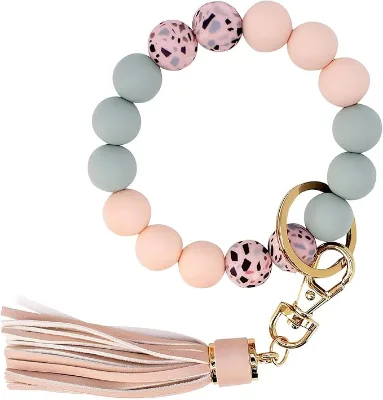
Custom Rubber Silicone Keychain Beautiful Cute Pendant Keychain Silicone Keychain Wristlet Accessory
$1.17 - $1.29
MOQ: 500 pieces
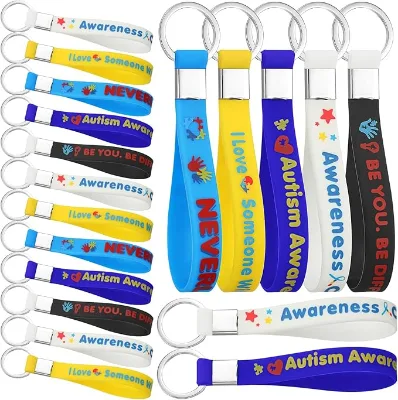
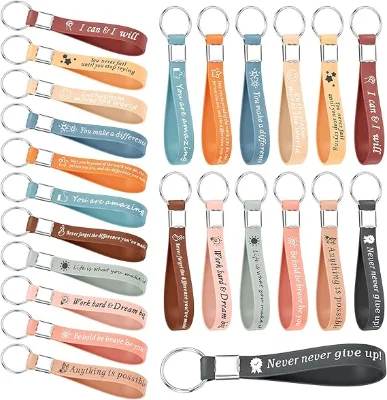
Autism Awareness Silicone Keychains Colorful Inspirational Autism Education Keychains
$0.1678 - $0.5423
MOQ: 1000 pieces
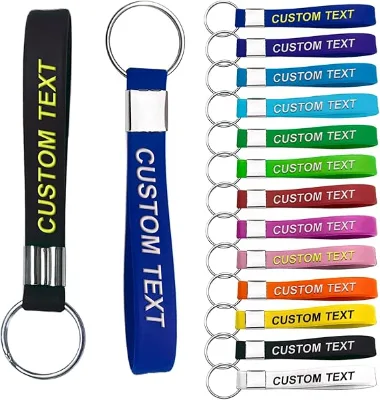
$0.16 - $0.52
MOQ: 1000 pieces
$0.1678 - $0.5423
MOQ: 1000 pieces

Zhongshan Niya Metal Manufacture Co., Ltd.
- Verified by BV
- Manufacturer/Factory
- China Guangdong
- Lead time15 days
- Avg. response≤ 3h
Main productsKeychain, Lapel Pin, Medal, Coin, Bottle Opener, Cufflinks, Metal Cards, Wine Stopper, Fridge Magnet, Dog Tag
Main marketsSouth America,Eastern Europe,Mid East,North America,Southeast Asia,Eastern Asia,Oceania,Western Europe,Africa

Promotional Rubber Key Tag Ring Chain Keyholder Plastic Keychain Keyring Silicone Keychain
$0.65 - $0.75
MOQ: 800 Pieces

Manufacturer Customized Logo Silicone Keychain Soft PVC Rubber Keyring Keyholder
$0.65 - $0.75
MOQ: 800 Pieces

- Verified by TUVRHEINLAND
- Combined
- China Jiangsu
- Lead time15 days
- Avg. response≤ 4h
Main productsMetal Crafts, Embroidery Crafts, PVC Crafts, Acrylic Crafts, Key Chains, Promotional Gifts, Canvas Bag/Shopping Bag/Drawstring Bag, Baseball Cap/Bucket Hat/Other Caps, Ceramic Mug/PVC Mug/Stainless Steel Cup, Gift Boxes
Main marketsNorth America

China Manufacturers PVC Rubber Keychain Custom Colorful Silicone Keychains
$1.72 - $2.26
MOQ: 50 Pieces

Fashion Acrylic Keychains Custom Cartoon Keyring Key Chain Cute Liquid Crystal Keychain for Bag
$0.92 - $1.31
MOQ: 50 Pieces

Zhongshan Xinyuan Silicone Rubber Co. Ltd
- Verified by TUVRHEINLAND
- Combined
- China Guangdong
- Lead time15 days
- Avg. response≤ 2h
Main productsSilicone Mold, Silicone Ice Cube Tray, Silicone Wristband, Silicone Tea Infuser, Silicone Bakeware, Silicone Keychain, Silicone Cup Coaster, Silicone Bag
Main marketsSouth America,Southeast Asia/ Mideast,Domestic,Europe,North America

Wenzhou Guda Technology Co., Ltd.
- Verified by BV
- Combined
- China Zhejiang
- Lead time30 days
- Avg. response≤ 4h
Main marketsEurope


Personalized Custom Keyring Soft Rubber Souvenir Keychain Printing Waterproof Silicone Keychain
$0.08 - $0.20
MOQ: 1000 Pieces


Fujian Jianxinsheng Intelligent Technology Co., Ltd.
- Verified by TUVRHEINLAND
- Trading Company
- China Fujian
- Lead time0 days
- Avg. response≤ 10h
Main productsWristband, RFID Wristband, Wooden Card, Bamboo Card, Business Card, RFID Polyester Woven Wristband, PVC Card, Silicone Wristband, Bandana, Bracelet
Shenzhen Maibaobao Industrial Co., Ltd.
- Verified by TüVRheinland
- Manufacturer, Trading Company
- Lead time0 days
- Avg. response≤ 2h
Main productsEVA Beach Bag, Beach Bag Accessories, Silicone Rubber Bag, EVA Shoes, Silicone Gift Products
Main marketsNorth America(35%), South America(10%), Western Europe(10%)
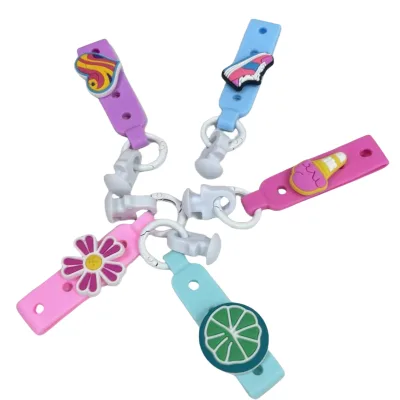
Custom Logo Design PVC Rubber Keychain Promotion Silicone Soft Pvc Keychain
$0.58 - $0.80
MOQ: 3 pieces
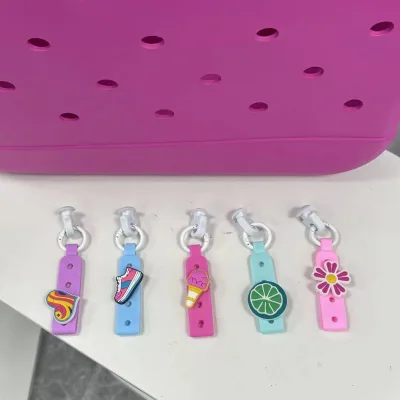
$0.58 - $0.80
MOQ: 3 pieces

Hangzhou Xianghui Internation Trading Co., Ltd
- Verified by TUVRHEINLAND
- Trading Company
- China Zhejiang
- Lead time30 days
- Avg. response≤ 7h
Main productsTote Bag, Shopping Bag, Cosmetic Bag, Sports Bag, Paper Bag, Laptop, Backpack, Brand Bag, Gift Bag, Socks
Main marketsSouth America,North America

Customized Logo Rubber Keychain Keyring Silicone Key Chain Soft PVC Rubber Key Ring PVC Key Chain
$0.20 - $0.60
MOQ: 500 sets


- Manufacturer, Trading Company
- Zhejiang, China
- Lead time7 days
- Avg. response≤ 7h
Main productsName badge,Medal,Keychain,Badge,Sign
Main marketsWestern Europe(20.00%), North America(20.00%), South America(15.00%), Eastern Europe(10.00%), Central America(5.00%), Southern Europe(5.00%), Northern Europe(5.00%), Domestic Market(5.00%), Oceania(5.00%), South Asia(4.00%), Southeast Asia(3.00%), Eastern Asia(2.00%), Mid East(1.00%)
Zhejiang Shizan Arts And Crafts Co., Ltd.
- Manufacturer, Trading Company
- Lead time旺季: "1 - 5":10,"> 5":"To be negotiated", 淡季: "1 - 5":10,"> 5":"To be negotiated"
- Avg. response≤ 3h
Main productsAcrylic craft and keychain, Sticker, Notebook, Cotton Doll, Metal gift and craft
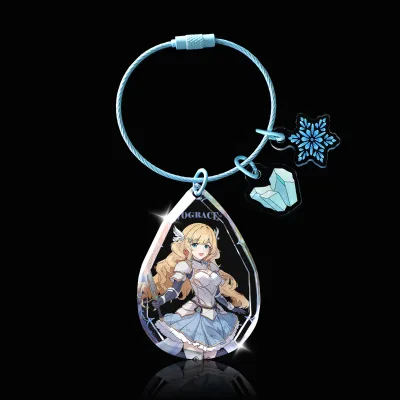
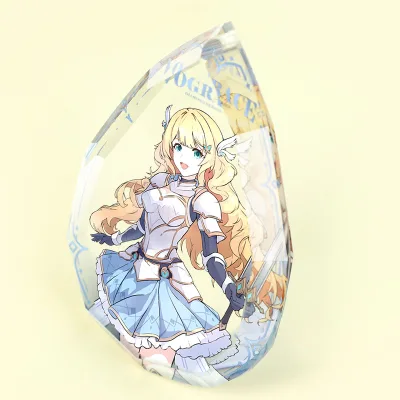
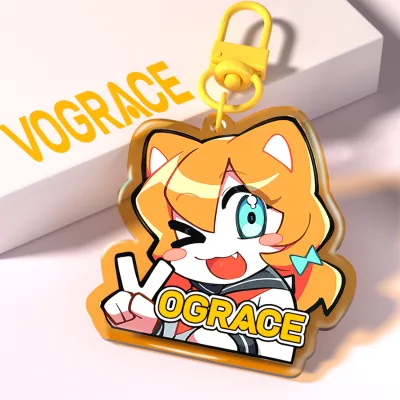
Custom Acrylic Diamond Keychain
$0.80 - $3.47

Jinjiang Naike Eco Technology Co., Ltd.
- Verified by SGS
- Trading Company
- China Fujian
- Lead time30 days
- Avg. response≤ 2h
Main productsKeychain, Promotional Gifts, Shoes Charm, Straw Toppers, Pencil Toppers, Christmas Decoration, Party Decoration, Toy, Metal Craft, Silicone Products
Main marketsEurope,North America


Wholesale Custom Logo Promotional Gifts Key Chain Silicone Rubber PVC Keychain
$0.10 - $0.15
MOQ: 1000 Pieces

Custom Logo Printed Double Side 2D Soft PVC Silicone Keyring Rubber Promotional Keychain
$0.13 - $0.25
MOQ: 1000 Pieces

$0.05 - $0.09
MOQ: 1000 Pieces


Zhongshan Mingxin Silicone Manufactory
- Verified by SGS
- Combined
- China Guangdong
- Lead time15 days
- Avg. response≤ 5h
Main productsSilicone Kitchenware, Silicone Keypaid, Silicone Bracelet, Silicone Wristband, Silicone Ashtray, Silicone Tube, Silicone Watch, Silicone Rubber, Silicone Sex Doll, Silicone Mold
Main marketsEurope,North America
Zhongshan City Hongfeng Craft & Adornment Factory
- Manufacturer, Trading Company
- Guangdong, China
- Lead time15 days
- Avg. response≤ 8h
Main productsKeychain , Bracelet, Magnet, Bottle Opener, Coasters
Main marketsNorth America(30.00%), South America(30.00%), Western Europe(10.00%), Eastern Europe(10.00%), Domestic Market(10.00%), Southeast Asia(10.00%)
Zhongshan Lucky Art And Crafts Gifts Co., Ltd.
- Manufacturer, Trading Company
- Lead time旺季: "1 - 100":7,"101 - 5000":15,"> 5000":"To be negotiated", 淡季: "1 - 100":7,"101 - 5000":15,"> 5000":"To be negotiated"
- Avg. response≤ 3h
Main productsCoin, Medal, Lanyards, Keychain, Lapel Pin
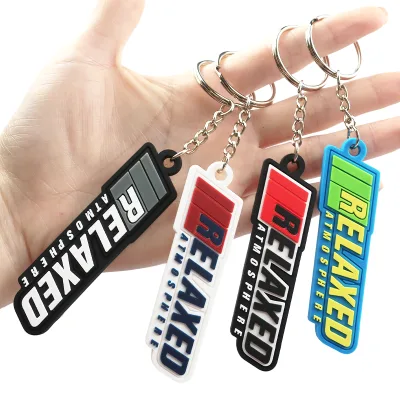
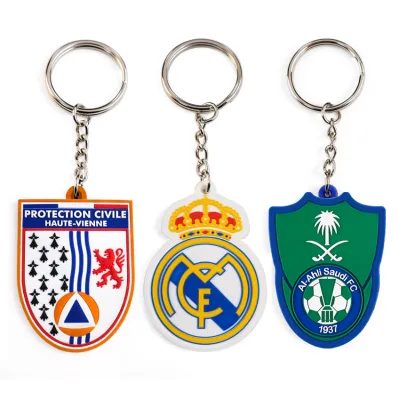
Cheap Custom Eco Friendly Key Ring Pvc Rubber Cheap Full Colored Keychain Custom Silicone Keyrings
$0.15 - $0.35
MOQ: 100 pieces
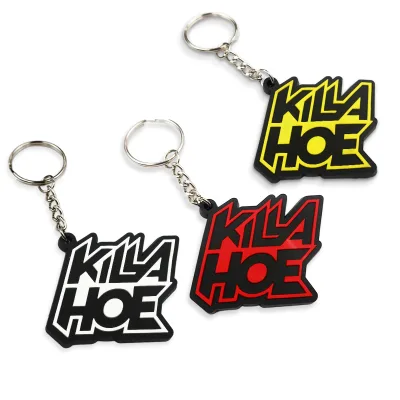
Customizable Inspirational Silicone Souvenir Gift Pvc Pendant Keychain Corporate Gift
$0.1573 - $0.367
MOQ: 100 pieces
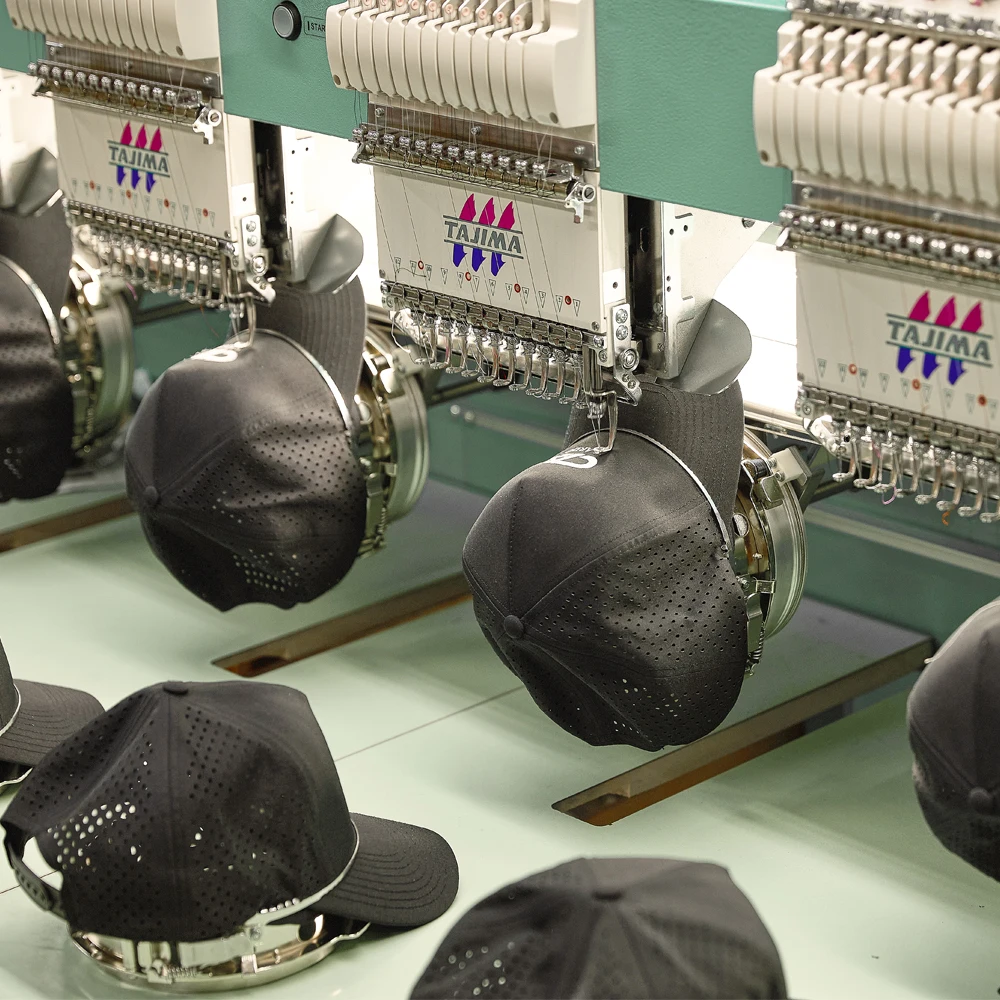
Fuzhou Toklung Business Services Co., Ltd.
- Trading Company
- Fujian, China
- Lead time0 days
- Avg. response≤ 5h
Main productsCustom Promotional Gifts,Corporate Giveaways,Branded Merchandise,Event Supplies,OEM & ODM Solutions
Main marketsNorth America(65.00%), Eastern Europe(25.00%), South America(10.00%)
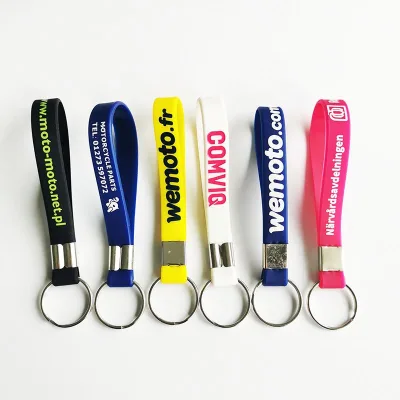
Cheap No Minimum Custom Silicone Wristlet Keychain Silicon Key Holders
$0.0716 - $0.1543
MOQ: 100 pieces
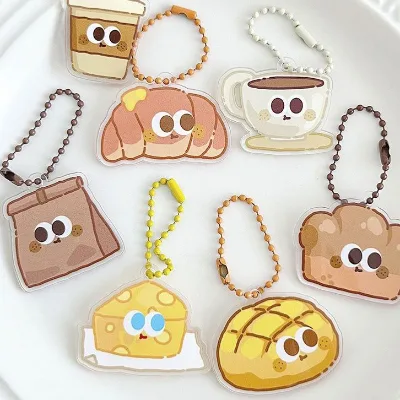

Zhongshan Xinyuan Silicone Rubber Co., Ltd.
- Verified by TUVRHEINLAND
- Combined
- China Guangdong
- Lead time15 days
- Avg. response≤ 2h
Main productsEmbroidery Patch, PVC Keychain, Pin Badge, Medal, Lanyard, Challenge Coin, Paper Air Freshener, Coffee Maker, Luggage Tag, Coffee Maker/Grinder
Main marketsSouth America,Southeast Asia/ Mideast,Domestic,Europe,North America


Silicone Keychain Rubber Key Rings Key Holders with Display Package Card
$0.20 - $0.48
MOQ: 100 Pieces

Wuxi Enjoy Promo Gifts Co., Ltd.
- Trading Company
- Jiangsu, China
- Lead time10 days
- Avg. response≤ 8h
Main productsPromotional Gifts,Umbrellas,Notebooks,Bags,Sport Water Bottle
Main marketsWestern Europe(30.00%), North America(30.00%), Oceania(15.00%), Mid East(5.00%), Africa(5.00%), Southern Europe(3.00%), Northern Europe(3.00%), Southeast Asia(3.00%), South Asia(2.00%), Central America(2.00%), South America(2.00%)
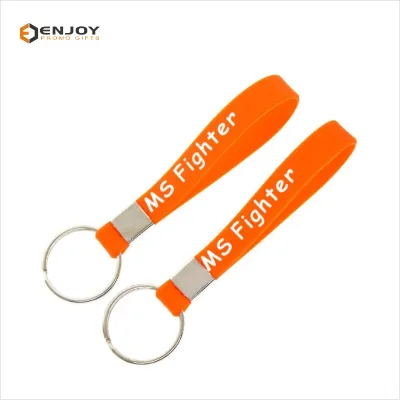
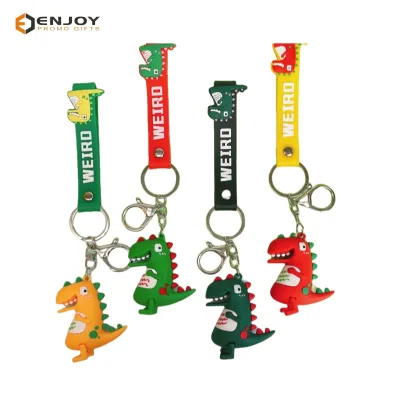
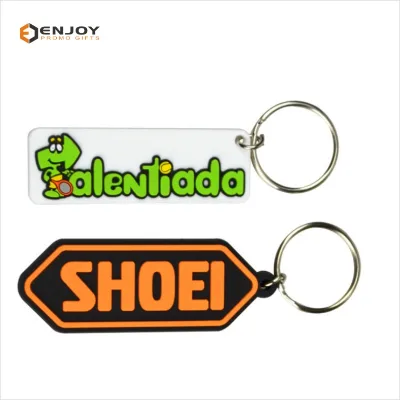
All Type of Key Chains Wholesale Personalized Custom Soft PVC Rubber Keychains for Promotion Gift
$0.07 - $0.10
MOQ: 500 pieces

Zhongshan Lucky Art & Crafts Gifts Co., Ltd.
- Verified by BV
- Combined
- China Guangdong
- Lead time15 days
- Avg. response≤ 3h
Main productsCustom Medal, Key Chain, Custom Coin, Custom Lapel Pin, Custom Lanyard, Custom Badge, Custom Patch, Custom Air Fresheners, Custom Silicone Bracelets, Custom Cufflinks
Main marketsEast Asia(Japan/ South Korea),Europe,North America


Custom Soft PVC Keychain Key Chain Logo Rubber Keychains Silicone Keyring Personalized
$0.12 - $0.60
MOQ: 300 Pieces

Zhongshan Artigifts Premium Metal & Plastic Co., Ltd.
- Verified by BV
- Combined
- China Guangdong
- Lead time15 days
- Avg. response≤ 3h
Main productsPin, Key Chain, Label, Coin, Lanyard, Purse Hanger, PVC Key Holder, Button Badge, Trolley Coin, Medal
Main marketsSouth America,Africa,Others(foreignTradeCapacity.exportBusinessCapacityMarketOther),Southeast Asia/ Mideast,East Asia(Japan/ South Korea),Europe,Australia,North America
Ganzhou Hongsheng Weaving Belts Co., Ltd.
- Manufacturer, Trading Company
- Jiangxi, China
- Lead time10 days
- Avg. response≤ 5h
Main productslanyards,Fabric wristbands,silicone bracelets,pvc keychain,pvc patch
Main marketsEastern Europe(20.00%), Northern Europe(20.00%), Southern Europe(10.00%), Western Europe(10.00%), North America(10.00%), Mid East(10.00%)
Zhongshan Artilanyard Industrial Co., Ltd.
- Verified by Intertek
- Manufacturer, Trading Company
- Lead time15 days
- Avg. response≤ 2h
Main productsLanyard, Medal, Pin Badge, Key Chain
Main marketsNorth America(30%), Eastern Europe(10%), Eastern Asia(10%)
$0.20 - $0.65
MOQ: 100 pieces
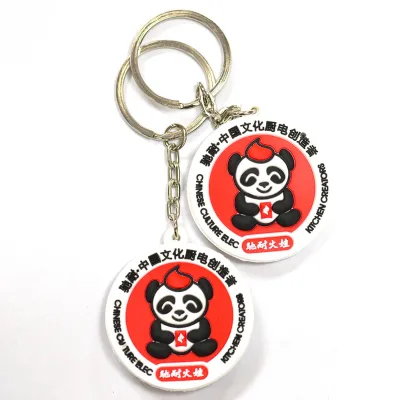

EVER GREATER IMP. & EXP. CO., LIMITED
- Verified by TUVRHEINLAND
- Trading Company
- China Zhejiang
- Lead time15 days
- Avg. response≤ 6h
Main productsDisposable Cup, Paper Cup, Pet Cup, PLA Cup, Sleeve, Coaster, Food Packag Box, Pizza Box, Cake Box, Paper Box
Main marketsSoutheast Asia/ Mideast,Europe,Australia,North America

- Verified by SGS
- Combined
- China Fujian
- Lead time15 days
- Avg. response≤ 5h
Main marketsEurope
- Trading Company
- Taiwan, China
- Lead time30 days
- Avg. response≤ 9h
Main productsBag,Lifestyle accessories,Keychain,Stationery,Umbrella
Main marketsDomestic Market(80.00%), North America(15.00%), Southeast Asia(2.00%), Eastern Europe(1.00%), South Asia(1.00%), Mid East(1.00%)

Zhongshan Xiaolan Lianxin Gifts & Arts Factory
- Verified by CTI
- Combined
- China Guangdong
- Lead time15 days
- Avg. response≤ 2h
Main productsLanyard, Embroidery Patch, Key Chain, Pet Collar, Pet Leash, Label Pin, Medal, Wristband, Bracelet, Patch
Main marketsSoutheast Asia/ Mideast,Domestic,Europe
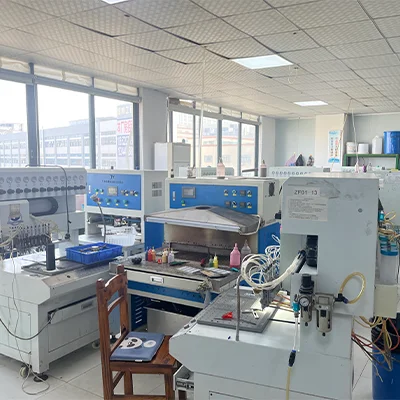
Zhongshan City Dongfeng Town Lifelong Craft & Gifts Factory
- Manufacturer, Trading Company
- Guangdong, China
- Lead time1 days
- Avg. response≤ 1h
Main productsFridge Magnet, Coasters, Keychain, Bottle Opener, Luggage Tag
Main marketsSouthern Europe(20.00%), Eastern Europe(20.00%), Western Europe(20.00%), North America(20.00%), Southeast Asia(10.00%), South America(10.00%), Eastern Asia(10.00%), Northern Europe(10.00%), Oceania(10.00%), Central America(5.00%), Mid East(5.00%)
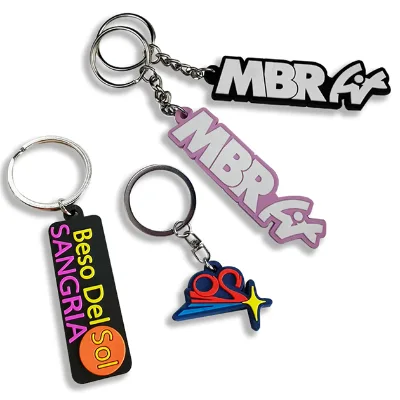
$0.11 - $0.27
MOQ: 100 pieces
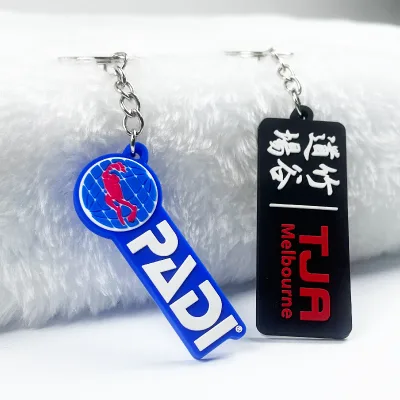
Hot Sales Persionnalized Custom Keychain Pvc Rubber Keychains Custom Your Own Keychains
$0.0521 - $0.2607
MOQ: 50 pieces

Zhongshan Yingying Textile Co., Ltd.
- Verified by SGS
- Manufacturer
- China Guangdong
- Lead time15 days
- Avg. response≤ 2h
Main productsPatch, Keychain, Sequin Patch, Towel Embroidery Patch, Embroidery Patch, Embroidery Keychain, Woven Label Patch, Woven Patch, Woven Keychain, Lanyard

Jinjiang Jiaxing Supply Management Co., Ltd.
- Verified by TUVRHEINLAND
- Trading Company
- China Fujian
- Lead time30 days
- Avg. response≤ 2h
Main productsEVA Clogs, Flip Flop, Shoe Charms, Shopping Bags, Wristbands, Gifts, Promotional Gifts, Slipper, Sport Cap, Ball
Main marketsNorth America

Zhongshan Xinyihong Metal Craft Products Factory
- Verified by TUVRHEINLAND
- Combined
- China Guangdong
- Lead time15 days
- Avg. response≤ 2h
Main productsBadge, Lape Pin, Coin, Medal, Key Chain, Cufflink, Tie Clip, Bottle Opener, Golf Divolt, Name Plate
Main marketsNorth America
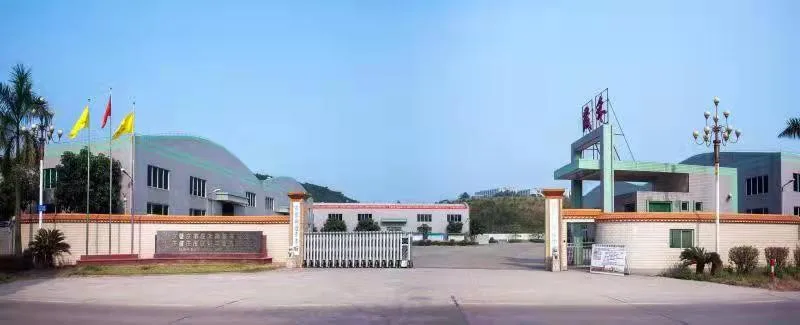
Zhaoqing Feixinda Metal Co., Ltd.
- Trading Company
- Guangdong, China
- Lead time7 days
- Avg. response≤ 8h
Main productsHandmade Product,Embroidery patch keychain,Custom product,PVC keychain patch,Metal product
Main marketsWestern Europe(30.00%), Eastern Europe(30.00%), South America(20.00%), North America(20.00%)

Zhongshan Lixin Crafts Co.,Ltd.
- Verified by BV
- Combined
- China Guangdong
- Lead time15 days
- Avg. response≤ 1h
Main productsPatch, Sports Event Medal, Enamel Pin, Custom Keychain, Challenge Coin, Fridge Magnet
Main marketsDomestic












Comprehensive Sourcing Guide
Eco-Friendly Fluorescent Silicone Keychain Supplier Concentration and Factory Types
The current supplier landscape for eco-friendly fluorescent silicone keychains reveals a distinct geographic concentration in Zhejiang and Guangdong provinces within China. These regions serve as primary manufacturing hubs, offering buyers access to established industrial clusters that specialize in plastic fabrication, hardware, and silicone rubber products. Factories located in these areas typically possess the necessary infrastructure to handle complex molding processes required for fluorescent materials, ensuring consistent quality and color vibrancy. Buyers evaluating suppliers should prioritize those with a documented presence in these specific provinces, as the local supply chain for raw silicone and fluorescent pigments is most mature here. This geographic clustering facilitates faster material sourcing and reduces logistical friction for large-scale production runs.
Supplier types in this category vary between pure manufacturers, trading companies, and hybrid entities that offer both OEM and ODM services. Many factories in Guangdong explicitly advertise capabilities for custom logo acceptance and personalized designs, catering to promotional and corporate gifting markets. Some suppliers also list main products that extend beyond keychains to include sports training stickers and emotion relief products, indicating a broader expertise in silicone and rubber applications. When assessing factory types, buyers should verify whether the entity is a direct manufacturer or a trading company, as this impacts pricing structures and communication efficiency. Direct manufacturers often provide more flexibility in material selection, while trading companies may offer a wider variety of finished designs from multiple factories.
How to Verify Eco-Friendly Fluorescent Silicone Keychain Suppliers
Verifying supplier credibility requires a multi-layered approach that goes beyond basic profile reviews. Buyers should prioritize suppliers who display third-party verification badges, such as BV verification, which indicates that an independent agency has audited the company’s business legitimacy and operational capabilities. Additionally, checking for system certifications like ISO 9001 and BSCI is crucial, as these standards demonstrate adherence to quality management and social responsibility protocols. Suppliers with these certifications are generally more reliable for producing eco-friendly products, as they are subject to regular audits that ensure compliance with environmental and labor standards. Buyers should request copies of these certificates and verify their validity through the issuing bodies to avoid fraudulent claims.
Response time and sample availability are also critical indicators of supplier reliability. A quick response time, such as under four hours, suggests that the supplier has dedicated customer service teams and efficient internal communication channels. Buyers should test this by sending detailed inquiries about material safety and fluorescent durability. Furthermore, checking if the supplier offers samples is essential for verifying the actual quality of the eco-friendly fluorescent silicone. Some suppliers provide free samples in stock, while others may charge for sample shipping. Evaluating the sample’s color consistency, material softness, and print quality helps buyers assess whether the supplier can meet specific aesthetic and functional requirements before committing to a large order.
What to Compare Across Eco-Friendly Fluorescent Silicone Keychain Suppliers
When comparing suppliers, buyers must analyze key operational metrics such as minimum order quantity (MOQ), lead times, and pricing structures. MOQs for silicone keychains typically range from 500 to 1000 pieces, depending on the complexity of the design and customization level. Suppliers with lower MOQs may be more suitable for small businesses or initial market testing, while those with higher MOQs might offer better unit prices for bulk orders. Lead times also vary significantly, with some suppliers indicating production times of 15 to 30 days. Buyers should compare these timelines against their project deadlines to ensure timely delivery. Additionally, response speed should be factored into the comparison, as faster responses often correlate with better project management and fewer delays.
Pricing and payment terms are another critical area for comparison. Unit prices for silicone keychains can range from $0.16 to $1.29, depending on material quality, printing methods, and order volume. Buyers should request detailed quotes that break down costs for molding, printing, and packaging. Some suppliers offer flexible payment terms, such as a 30% deposit with the balance paid before shipment, while others may require full payment upfront. It is also important to compare the customization options available, such as logo laser engraving, embossing, or offset printing. Suppliers that offer multiple customization methods provide greater flexibility for branding needs. Buyers should also check if the supplier accepts OEM/ODM services, which can be crucial for unique product designs.
Common Eco-Friendly Fluorescent Silicone Keychain Sourcing Risks
One of the primary risks in sourcing eco-friendly fluorescent silicone keychains is the potential discrepancy between advertised material properties and actual product performance. Buyers must be cautious of suppliers who claim eco-friendly status without providing verifiable certifications or test reports. Fluorescent materials can sometimes degrade under UV exposure or lose their vibrancy over time, so it is essential to verify the durability of the pigments used. Suppliers should be able to provide data on the material’s resistance to fading, tearing, and chemical exposure. Buyers should request material safety data sheets (MSDS) and third-party test results to ensure that the products meet international safety standards, particularly if they are intended for children or sensitive markets.
Another significant risk is the inconsistency in production quality across different batches. Silicone molding processes can be sensitive to temperature and pressure variations, leading to defects such as flash, warping, or color inconsistencies. Buyers should establish clear quality control protocols and consider hiring third-party inspection services before shipment. Additionally, communication barriers can lead to misunderstandings regarding design specifications, resulting in products that do not meet expectations. Buyers should maintain detailed documentation of all design requirements and confirmations with the supplier. It is also important to verify the supplier’s capacity to handle rush orders or changes in design, as this can impact production timelines and costs. Clear contracts and regular communication can mitigate these risks.
Eco-Friendly Fluorescent Silicone Keychain Regional Sourcing and Logistics
Sourcing from China offers logistical advantages due to the mature infrastructure in Zhejiang and Guangdong provinces. These regions have well-developed ports and transportation networks, facilitating efficient export processes. Buyers should consider the proximity of the supplier to major shipping hubs, as this can reduce inland transportation costs and lead times. Guangdong, in particular, is home to several major ports, making it a convenient location for international shipments. Buyers should also evaluate the supplier’s experience with export documentation and customs clearance, as this can impact the smoothness of the logistics process. Suppliers with a track record of exporting to the buyer’s target market are likely to have established relationships with freight forwarders and customs brokers.
Logistics planning should also account for potential delays due to holidays, weather conditions, or supply chain disruptions. Buyers should build buffer time into their shipping schedules to accommodate these variables. Additionally, considering the weight and volume of the products is important for calculating shipping costs. Silicone keychains are generally lightweight but can be bulky if packaged in large quantities. Buyers should optimize packaging designs to minimize volume and reduce shipping expenses. It is also advisable to compare shipping methods, such as sea freight versus air freight, based on urgency and budget. Sea freight is more cost-effective for large orders, while air freight is suitable for urgent or smaller shipments. Buyers should work with their suppliers to determine the most efficient logistics strategy.
Eco-Friendly Fluorescent Silicone Keychain Commercial Terms and Order Planning
Commercial terms play a vital role in ensuring a smooth transaction and protecting buyer interests. Buyers should negotiate clear terms regarding payment methods, such as T/T, PayPal, or Western Union, and ensure that the payment schedule aligns with production milestones. Escrow services can provide an additional layer of security by holding funds until the buyer confirms receipt and quality of the goods. Buyers should also clarify the warranty and return policies in case of defective products. Suppliers should be willing to offer a reasonable warranty period and a clear process for handling claims. Understanding these terms helps buyers manage financial risks and ensures that they have recourse in case of issues.
Order planning requires careful coordination between design finalization, production scheduling, and logistics. Buyers should provide detailed design files and specifications early in the process to avoid delays. It is also important to confirm the sample approval process, as this sets the standard for mass production. Buyers should request multiple samples if necessary to ensure consistency. Additionally, planning for potential volume discounts or tiered pricing can help optimize costs. Buyers should communicate their long-term volume expectations to suppliers, as this can influence pricing and priority in production scheduling. Regular updates and check-ins during the production process help maintain transparency and address any issues promptly. Effective order planning ensures timely delivery and customer satisfaction.
FAQs
What is the price range for silicone keychains?
Prices vary by material and customization. Silicone keychains range from $0.16 to $1.29 per unit. PVC options start around $0.20. Bulk orders typically secure lower rates. Buyers should request quotes for exact pricing based on quantity and design complexity.
What are the minimum order quantities?
MOQs depend on the supplier and product type. Some manufacturers require 500 pieces for silicone items. Others set the threshold at 800 or 1000 units. Custom designs often have higher minimums. Buyers should verify specific MOQs before placing orders to ensure alignment with production capabilities.
How long does production take?
Lead times vary by supplier location and order size. Some factories report production times of 15 to 30 days. Sample preparation may take 3 to 7 days. Buyers should confirm specific lead times with suppliers to plan inventory and shipping schedules effectively for timely delivery.
Do suppliers offer OEM and ODM services?
Many manufacturers accept OEM and ODM requests. Suppliers in Guangdong and Zhejiang often provide custom logo printing and design services. Buyers can submit their own designs or use factory templates. Customization options include offset printing and laser engraving for personalized branding on keychains and accessories.
What certifications do suppliers hold?
Verified suppliers may hold ISO 9001 and BSCI certifications. These indicate adherence to quality management and social responsibility standards. Buyers should request certification documents to verify compliance. Third-party verifications like BV audits provide additional assurance of manufacturing reliability and ethical production practices for international sourcing.
Where are these suppliers located?
Manufacturers are primarily located in Zhejiang and Guangdong provinces in China. These regions specialize in plastic, silicone, and hardware fabrication. Buyers can filter results by location to reduce shipping costs. Proximity to ports in these areas often facilitates faster export logistics and efficient supply chain management.