Taiwan Magnetic Signs Suppliers and Manufacturers
Explore 19 verified options for Taiwan Magnetic Signs to compare lead times, certifications, and response times. Review product specifications like size and material before contacting factories for custom orders; review the available evidence before requesting comparable quotations from suitable candidates.
Updated
Suppliers List
Cangnan Didi Auto Accessories Co., Ltd.
- Verified by SGS Group
- Manufacturer, Trading Company
- Lead time10 days
- Avg. response≤ 5h
Main productsCar Sticker, Emblem Badges, Electrostatic Stickers/Metal Sticker/Car Sunshade Static Stickers
Main marketsDomestic Market(40%), North America(20%), Eastern Europe(10%)
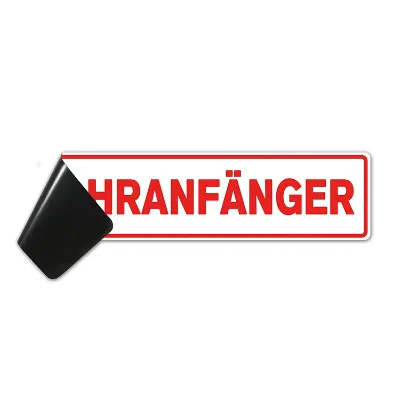
German Driving School Magnetic Signs Magnetic Foil Driving School Magnetic Sign Warning Sign
$0.40 - $0.60
MOQ: 100 pieces
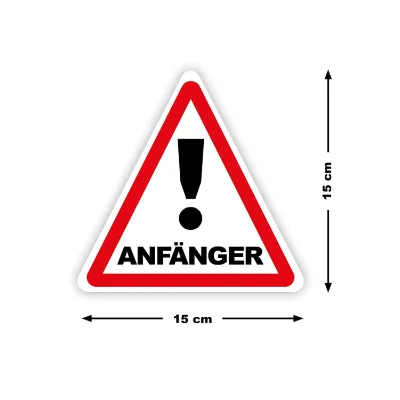
Triangle Warning Sign Magnetic Sign for Beginners Drivers 15 X 15 cm with UV Protection Car Sticker
$0.25 - $0.45
MOQ: 200 pieces

Shenzhen Shengcai Advertising Co., Ltd.
- Verified by SGS
- Combined
- China Guangdong
- Lead time15 days
- Avg. response≤ 8h
Main marketsDomestic,Europe,Australia,North America

American Flag Car Magnet Patriotic Decorative Magnetic Sign for SUV Truck Window
$0.30 - $0.48
MOQ: 10 Pieces

High Quality Waterproof Car Door Advertisement Magnets Magnetic Signs for Vehicle
$0.28 - $0.50
MOQ: 10 Pieces

High Quality Waterproof Car Door Advertisement Magnets Magnetic Signs for Vehicle
$0.30 - $0.48
MOQ: 10 Pieces

Safety Warning Magnetic Sign Student Learner Driver Magnet Signs Painting Car Sticker
$0.28 - $0.50
MOQ: 10 Pieces


Dongguan Maghard Flexible Magnet Co., Ltd.
- Verified by TüVRheinland
- Manufacturer, Trading Company
- Lead time15 days
- Avg. response≤ 6h
Main productsMagnetic Materials, Decorative Accents, Whiteboards, Magnetic Blocks, Other Educational Toys
Main marketsDomestic Market(20%), Eastern Europe(15%), Western Europe(15%)
Dongguan Maghard Flexible Magnet Co., Ltd.
- Manufacturer, Trading Company
- Lead time旺季: "1 - 5000":20,"> 5000":"To be negotiated", 淡季: "1 - 5000":20,"> 5000":"To be negotiated"
- Avg. response≤ 7h
Main productsRubber Magnetic Sheets Strip Rolls, Magnetic Promotion Items, Fridge Magnet, Magnetic Toys, Magnetic Stationery Gifts
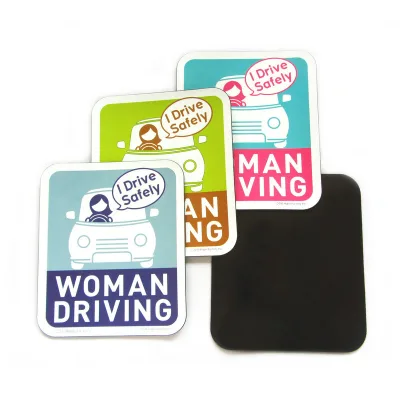
Custom Car Magnet Sign Waterproof Magnetic Sticker for Van Truck Magnetic Stickers
$0.40 - $0.50
MOQ: 1000 sets


Coming Soon Sign Rider Reusable Magnetic Real Estate
$0.75 - $0.95


Shanghai Taixiong Magnetic Industrial Co., Ltd.
- Combined
- China Shanghai
- Lead time30 days
- Avg. response≤ 9h
Main productsMagenet
Main marketsEast Asia(Japan/ South Korea),Europe,North America


High Energy Flexible Composite Magnet Receptive Media Magnetic Roll Sign Display
$20.00 - $55.00
MOQ: 10 Rolls

Lu'an Baytari Advertising Production Co.,ltd.
- Manufacturer, Trading Company
- Anhui, China
- Lead time7 days
- Avg. response≤ 2h
Main productsBanners,Flags,Stickers & Decals,Table Cloths,Signs
Main marketsNorth America(25.00%), Western Europe(15.00%), Oceania(10.00%), Southern Europe(10.00%), Northern Europe(10.00%), Eastern Europe(10.00%), Africa(5.00%), Southeast Asia(5.00%), South America(5.00%), Eastern Asia(5.00%)
Hongsu Promotion & Advertising Products (Yancheng) Co., Ltd.
- Trading Company
- Jiangsu, China
- Lead time30 days
- Avg. response≤ 4h
Main productsFlag Banner,Advertising Tents,Advertising Inflatables,Indoor and Outerdoor Displays,Gift Promotion
Main marketsNorth America(50.00%), Western Europe(40.00%), Mid East(10.00%)
Longgang Zhongyue Industrial Co., Ltd.
- Verified by TüVRheinland
- Manufacturer, Trading Company
- Lead time0 days
- Avg. response≤ 6h
Main productsMagnetic Puzzle, Fridge Magnets, Magnetic Erasable White Board
Main marketsDomestic Market(50%), South America(15%), North America(10%)
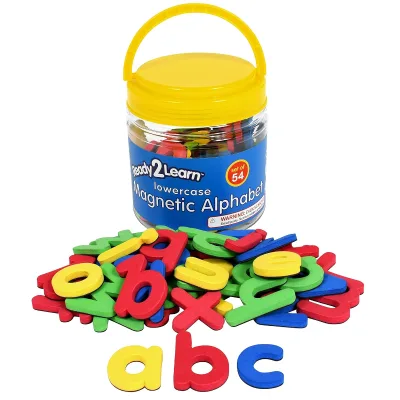
Magnetic Alphabet Lowercase Letters Foam Magnetic Letters for Refrigerator White Board Large Magnets
$2.00 - $2.80
MOQ: 300 sets
Dailymag Magnetic Technology (ningbo) Limited
- Verified by SGS Group
- Trading Company
- Lead time15 days
- Avg. response≤ 16h
Main productsMagnetic Tools; Neodymium Magnets; Magnetic Assembles, Linear Actuator, Sharps Container
Main marketsNorth America(38%), Western Europe(24%), Mid East(8%)
Anhui Angran Green Technology Co., Ltd.
- Verified by SGS Group
- Manufacturer, Trading Company
- Lead time7 days
- Avg. response≤ 2h
Main productsPhotoluminescent Anti Slip Stair Nosing/, Fire Signs, Reflective Signs, Custom Signs, Photoluminescent Safety Warning Signs
Main marketsDomestic Market(40%), North America(30%), Western Europe(20%)
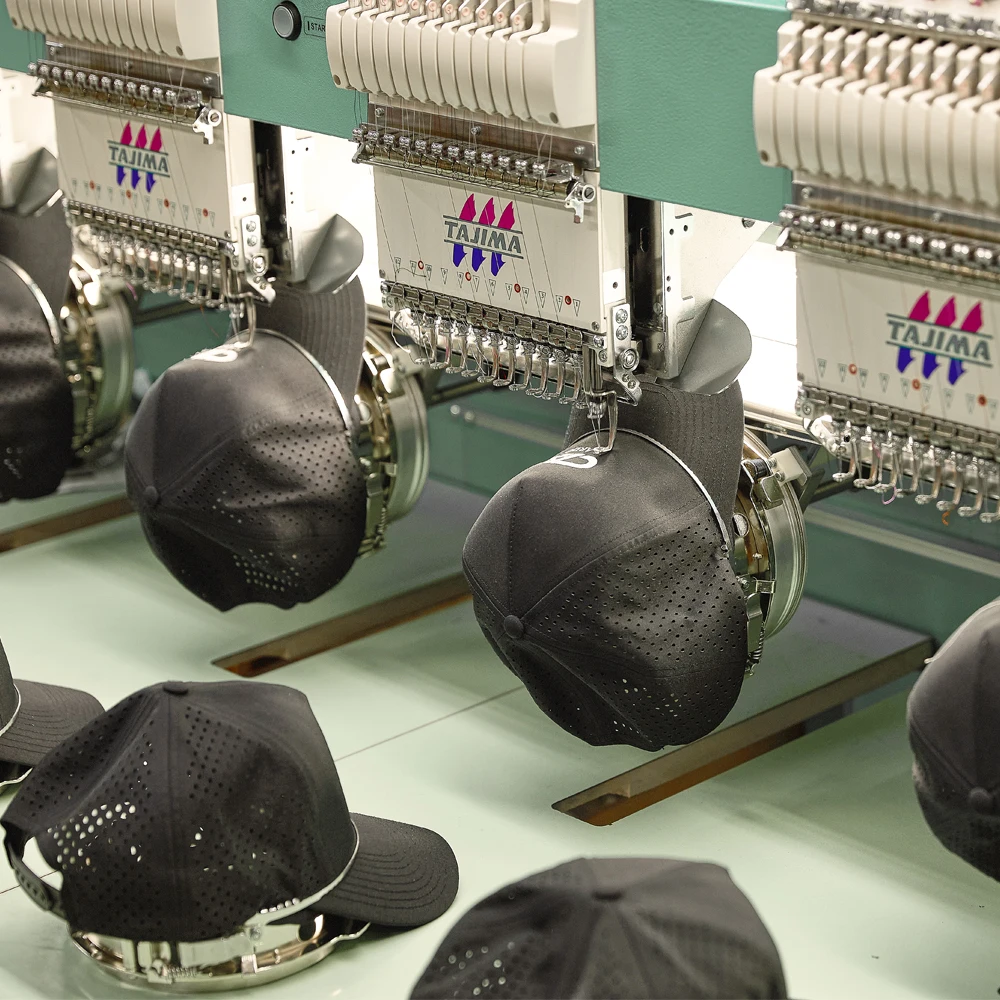
Fuzhou Toklung Business Services Co., Ltd.
- Trading Company
- Fujian, China
- Lead time0 days
- Avg. response≤ 5h
Main productsCustom Promotional Gifts,Corporate Giveaways,Branded Merchandise,Event Supplies,OEM & ODM Solutions
Main marketsNorth America(65.00%), Eastern Europe(25.00%), South America(10.00%)

- Combined
- China Guangdong
- Lead time30 days
- Avg. response≤ 5h
Main productsTin Can
Main marketsSouth America,Africa,Southeast Asia/ Mideast,East Asia(Japan/ South Korea),Domestic,Europe,Australia,North America

Custom Advertising Panel Beer Small Magnet Metal Signs, Magnet Tin Sign Billboard
$0.10 - $0.15
MOQ: 10000 Pieces

Wholesale Advertising Panel Beer Small Magnet Metal Signs, Magnet Tin Sign Billboard
$0.10 - $0.15
MOQ: 10000 Pieces


Xiamen Balin New Materials Co., Ltd.
- Verified by SGS
- Trading Company
- China Fujian
- Lead time30 days
- Avg. response≤ 2h
Main productsMagnet, Neodymium Magnet, Ferrite Magnet, Rubber Magnet, Magnetic Assembly, Ferrite Core, AlNiCo Magnet, SmCo Magnet, Magnetic Toy, Magnetic Materials
Main marketsDomestic,Europe,North America

$0.10 - $10.00
MOQ: 10 Rolls


Balin Rubber Coated Magnets PVC Rubber Fridge Magnet for Signage Displays
$0.10 - $10.00
MOQ: 10 Rolls

Balin Magnetic Paper Magnetic Sheet Flexible Rubber Magnet Soft Rubber Magnets
$0.10 - $10.00
MOQ: 10 Rolls

Balin Circular Rubber Magnet with Irregular Shape and Adhesive Backing Soft Magnetic Sheet
$0.10 - $10.00
MOQ: 10 Rolls


Shanghai Tongjie Printing Production Co., Ltd.
- Verified by TUVRHEINLAND
- Combined
- China Shanghai
- Lead time15 days
- Avg. response≤ 5h
Main productsBanner, Outdoor Banner, Sticker, Flag, Flatbed Printing, Pull up Banner, Decal, Poster, Digital Printing, Indoor Banner
Main marketsEurope,Australia,North America
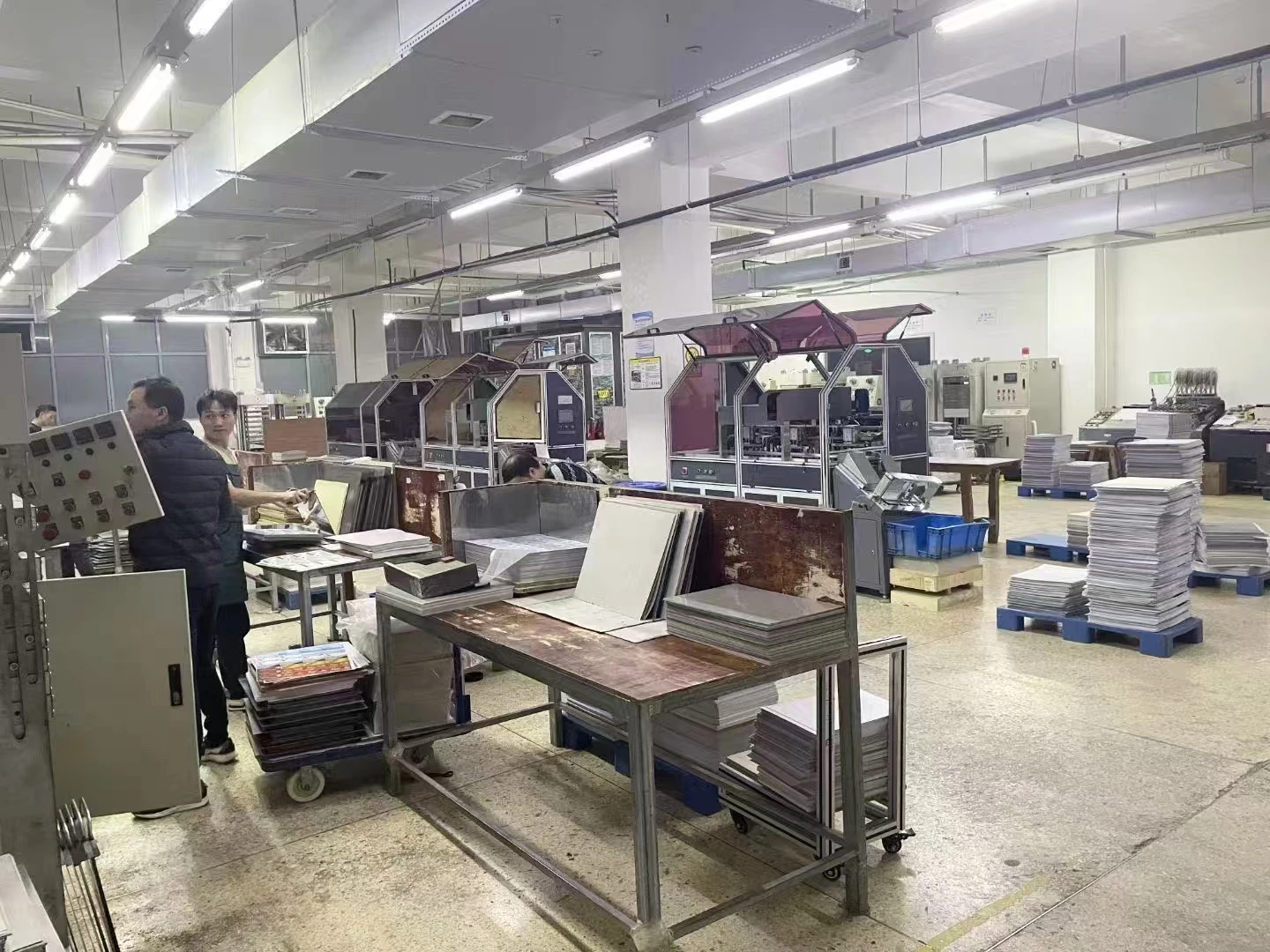
Shenzhen Geyi Technology Co., Ltd,
- Trading Company
- Guangdong, China
- Lead time0 days
- Avg. response≤ 2h
Main productsLuggage Tag,CD Coaster,PVC luggage tag loop strap,PU card bags,fridge magnet
Main marketsNorth America(50.00%), Western Europe(20.00%), Oceania(10.00%), Eastern Europe(8.00%), South America(5.00%), Southeast Asia(5.00%), Eastern Asia(2.00%)
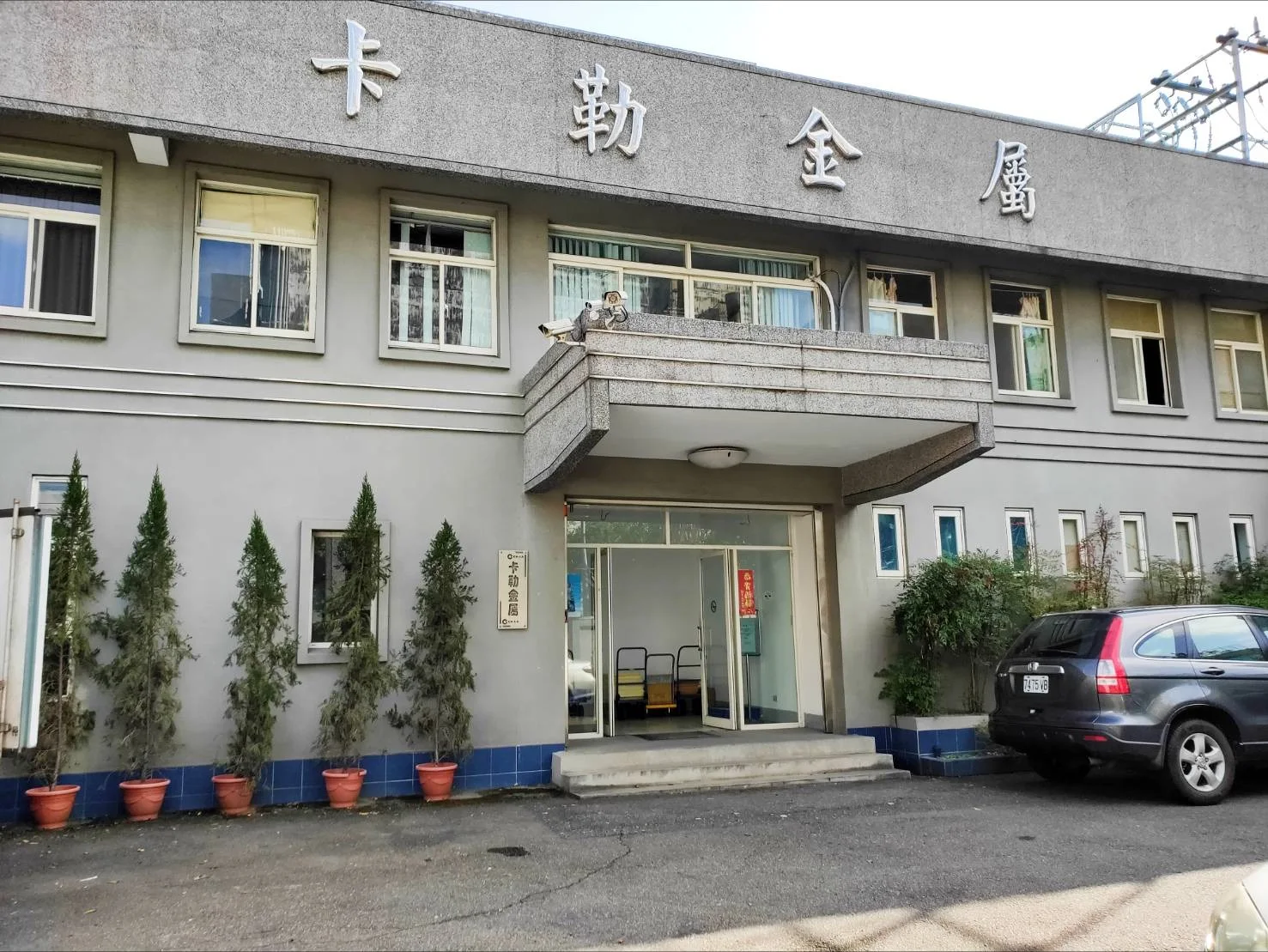
- Manufacturer
- Taiwan, China
- Lead time30 days
- Avg. response≤ 5h
Main productsFaceplate,Overlays,Souveniors,Stickers,Nameplates
Main marketsSoutheast Asia(10.00%), North America(8.00%)
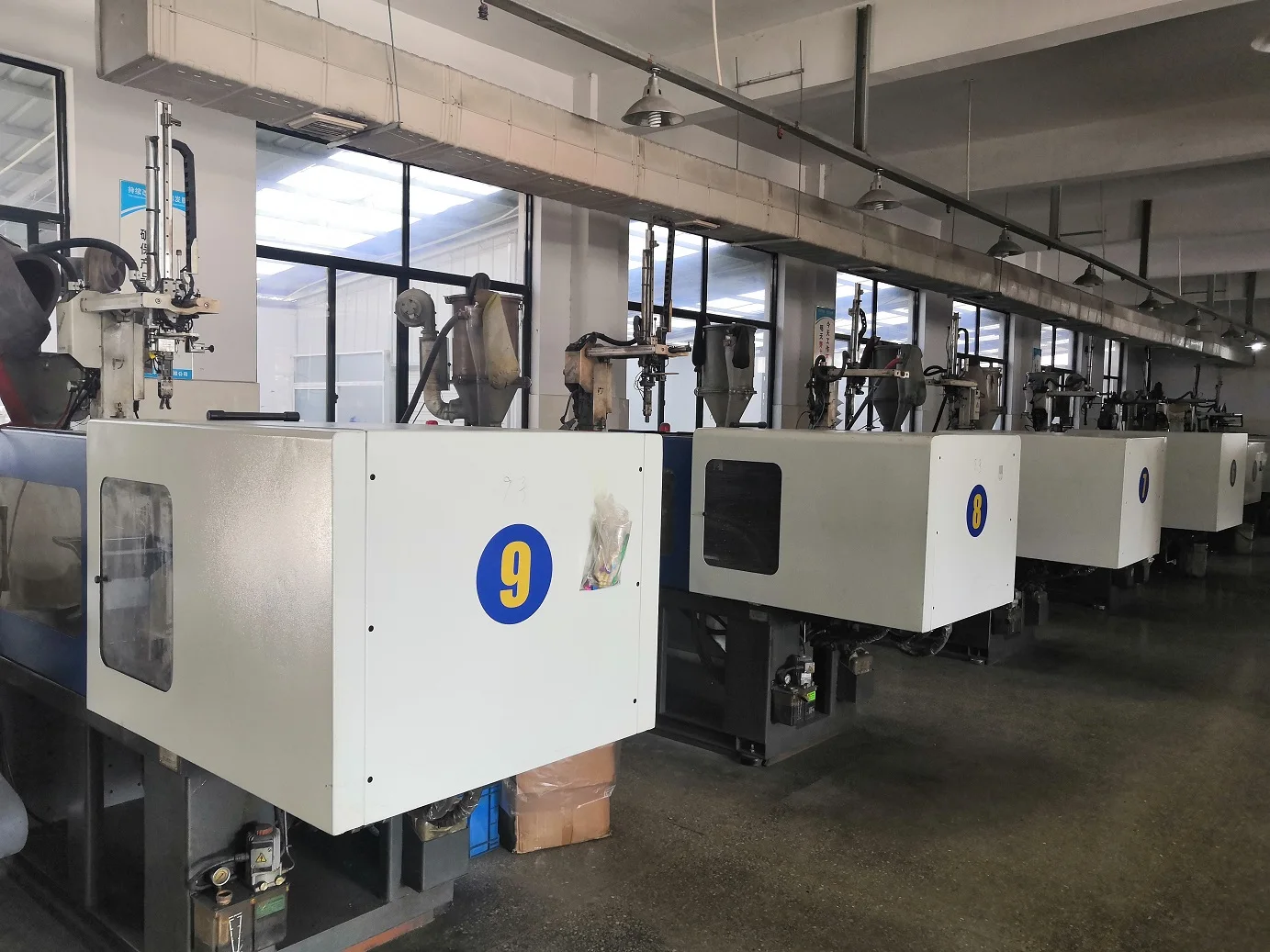
Jilin Lewei Homewares Manufacturer Co., Ltd.
- Trading Company
- Jilin, China
- Lead time15 days
- Avg. response≤ 2h
Main productswater bottle,ceramic product,flowerpot,candle warmer,coffee cups
Main marketsNorth America(40.00%), Oceania(10.00%), Southeast Asia(10.00%), Northern Europe(10.00%), Western Europe(10.00%), Southern Europe(5.00%), Eastern Europe(5.00%), South America(5.00%), Eastern Asia(5.00%)
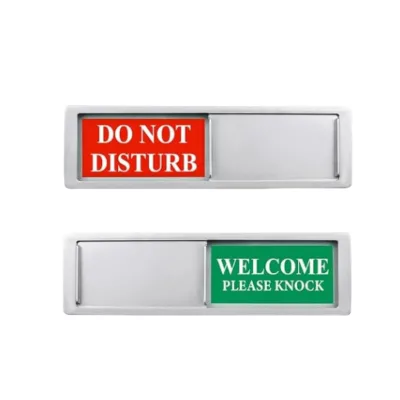
Privacy Sign Silver Easy to Read Non-Scratch Magnetic Slider Do Not Disturb Sign for Office
$1.05 - $1.50
MOQ: 200 pieces
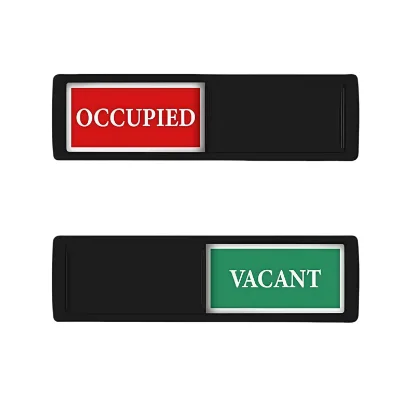
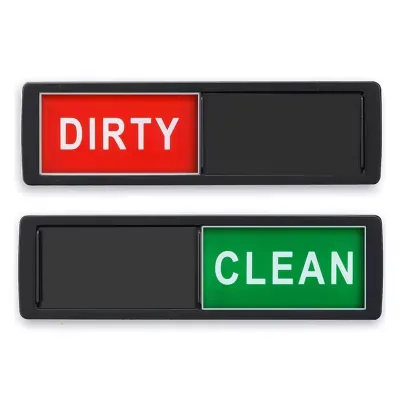
Home Restroom Magnetic Black 7'' X 2'' Widely Use Vacant Occupied Office Sign
$1.05 - $1.50
MOQ: 200 pieces
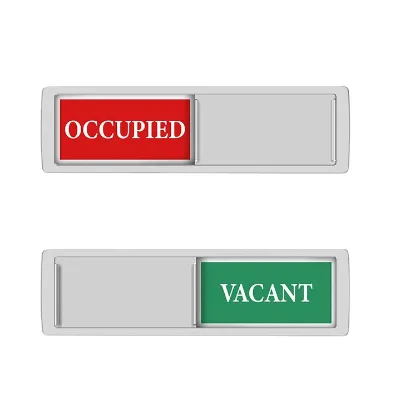
$1.05 - $1.50
MOQ: 200 pieces
Zhongshan Logoson Arts And Crafts Co., Ltd.
- Verified by SGS Group
- Manufacturer, Trading Company
- Lead time30 days
- Avg. response≤ 3h
Main productsFridge Magnets, Bottle Openers, Key Chains, Dinner Bells, Decorative Plates
Main marketsNorth America(17%), Western Europe(15%), Southern Europe(11%)
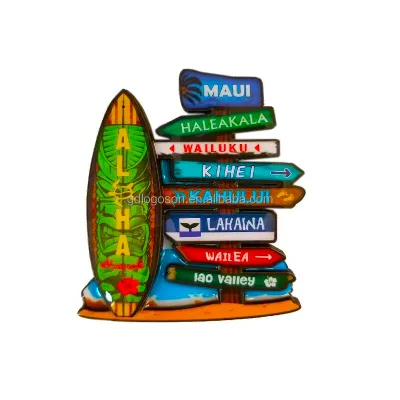
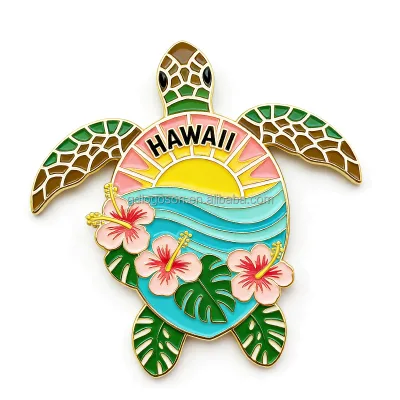
3D Aloha Polyresin Magnet Surfboard Road Guide Sign Signpost Colorful Hot Hawaii Souvenirs Magnets
$0.3897 - $0.4302
MOQ: 1 pieces
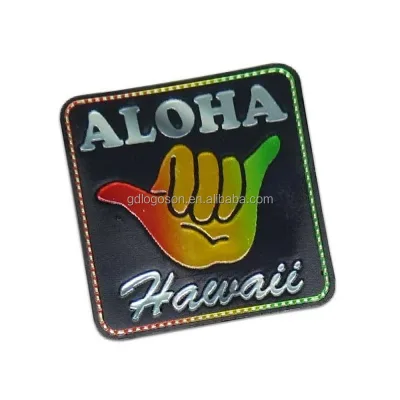
Logoson Brand Aloha Souvenirs Shaka Sign Hands Hawaiian Square Magnets Hawaii Foil Fridge Magnets
$0.30 - $0.32
MOQ: 1000 pieces
- Trading Company
- Lead time旺季: "1 - 100":35,"> 100":"To be negotiated", 淡季: "1 - 100":35,"> 100":"To be negotiated"
- Avg. response≤ 8h
Main productsfashion jewelry,women necklace,women earrings,fashion rings jewelry,fashion bracelets jewelry
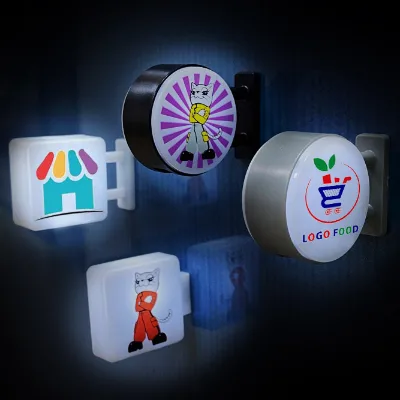
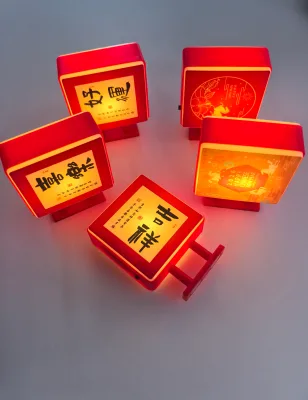
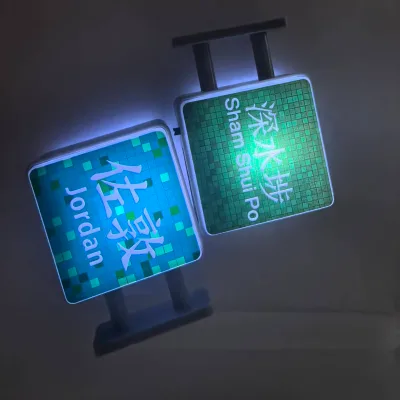
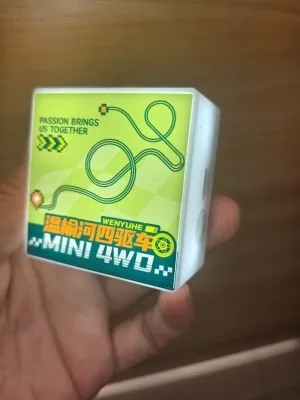
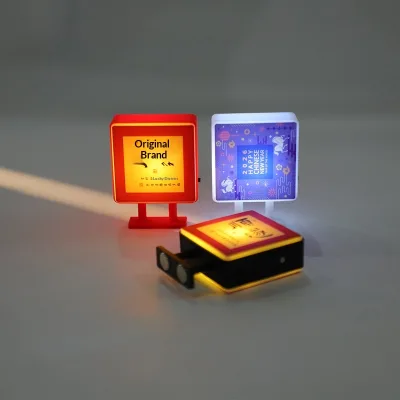
Advertising Custom logo Imprinting Lightbox Fridge Magnet Portable Shop Mini Led Sign Board
$2.30 - $2.50
MOQ: 100 pieces
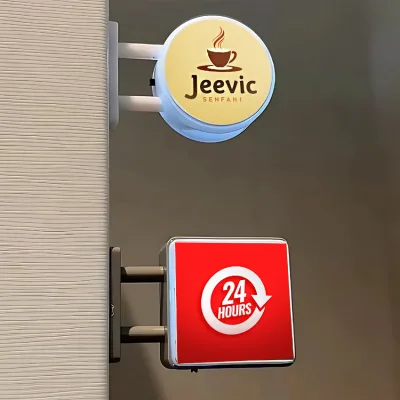
ABS Plastic Souvenir Custom logo Personalized Promotional Light up Fridge Magnets
$2.30 - $2.50
MOQ: 100 pieces











Comprehensive Sourcing Guide
Taiwan Magnetic Signs Supplier Concentration and Factory Types
The sourcing landscape for magnetic signs reveals a diverse mix of manufacturing capabilities, primarily centered in Guangdong, China, rather than a specific concentration in Taiwan. Current data indicates that suppliers offering these products are predominantly located in the Guangdong region, which serves as a major hub for vehicle accessories and promotional goods. This geographic clustering allows for efficient supply chain logistics, leveraging established infrastructure for both raw material sourcing and finished goods distribution. Buyers should note that while the search term specifies Taiwan, the actual verified suppliers are based in mainland China, highlighting the importance of verifying the true origin of goods rather than relying solely on marketing keywords. The presence of manufacturers in this region suggests a mature ecosystem for producing custom magnetic materials, including PVC-coated magnets and die-cut shapes, which are essential for high-quality vehicle signage.
Supplier types vary significantly, ranging from pure manufacturers to trading companies and combined entities that offer both production and sourcing services. This diversity impacts the level of direct control a buyer has over the production process. Manufacturers typically offer more flexibility for OEM and ODM projects, allowing for deep customization of materials, shapes, and printing techniques. In contrast, trading companies may provide a broader catalog of existing stock items, such as standard warning signs or decorative flags, with faster turnaround times for small orders. The distinction is crucial for buyers who need specific technical specifications, such as UV protection or high adhesiveness, as these often require direct factory involvement. Understanding whether a supplier is a manufacturer or a trader helps in negotiating better terms and ensuring quality control measures are appropriately implemented throughout the production cycle.
How to Verify Taiwan Magnetic Signs Suppliers
Verification is a critical step in mitigating risk when sourcing magnetic signs, as the market includes both verified and unverified entities. Buyers should prioritize suppliers who have undergone third-party inspections by reputable agencies such as SGS Group or TüV Rheinland. These verifications provide an additional layer of confidence regarding the supplier’s business legitimacy and operational capabilities. For instance, some suppliers display SGS verification, indicating that their business licenses and factory conditions have been audited. Others may hold TüV Rheinland certifications, which often involve rigorous testing of product safety and quality standards. These badges are not merely decorative; they serve as tangible evidence that the supplier has met specific international benchmarks for reliability. Buyers should actively look for these verification marks on supplier profiles and request copies of the verification reports to ensure the claims are current and accurate.
Beyond basic business verification, product-specific certifications are essential for magnetic signs, especially those intended for international markets. Certifications such as RoHS, ISO9001:2015, BSCI, and EN71 indicate compliance with environmental, quality management, and safety standards. RoHS certification, for example, ensures that the magnetic materials do not contain hazardous substances, which is crucial for automotive applications. ISO9001:2015 certification demonstrates a systematic approach to quality management, reducing the likelihood of defects in mass production. Additionally, standards like ASTM F963 and CPSIA are relevant if the magnetic signs are marketed for use in contexts involving children or educational toys. Buyers should verify that these certifications are valid and specific to the products they intend to purchase, as some suppliers may hold certifications for other product lines but not for magnetic signs. Requesting updated certification documents directly from the supplier is a prudent step to ensure compliance with local regulations in the destination market.
What to Compare Across Taiwan Magnetic Signs Suppliers
When evaluating multiple suppliers, buyers must compare key operational metrics such as lead times, minimum order quantities (MOQs), and response times to determine the best fit for their business needs. Lead times vary significantly, with some suppliers offering production cycles as short as 10 days, while others may require up to 15 days or more. This difference can impact inventory planning and time-to-market, especially for seasonal products or urgent promotional campaigns. Similarly, MOQs range widely, from as low as 10 pieces for custom die-cut magnets to 200 or more for specialized items like driving school warning signs. Buyers with smaller budgets or testing requirements should seek suppliers with low MOQs, while those planning large-scale deployments should negotiate volume discounts with suppliers capable of handling higher volumes. Response times are another critical factor, with some suppliers responding within 5 hours and others taking up to 7.58 hours. Faster response times often correlate with better customer service and more agile problem-solving during the sourcing process.
Product specifications and customization capabilities also require careful comparison. Buyers should assess the available materials, such as PVC-coated magnets or flexible magnetic sheets, and the printing techniques offered, including UV printing for high durability. Some suppliers offer graphic processing and sample processing services, which are valuable for creating unique designs. The physical attributes of the products, such as thickness (e.g., 0.8mm) and size (e.g., 32 x 8 cm or 5 inches), must align with the buyer’s application requirements. Additionally, features like waterproofing, matte finishes, and high adhesiveness are important for outdoor vehicle use. Buyers should request samples to verify these attributes firsthand, as product descriptions may not always capture the tactile quality or durability of the materials. Comparing price ranges, which can vary from $0.25 to $1.00 per unit depending on complexity and quantity, helps in budgeting accurately. It is also important to check if the supplier offers combined services, such as packaging and labeling, to streamline the logistics process.
Common Taiwan Magnetic Signs Sourcing Risks
One of the primary risks in sourcing magnetic signs is the discrepancy between advertised specifications and actual product quality. Suppliers may claim high durability or specific material compositions, such as magnet with printed PVC, but the actual product may differ in thickness, flexibility, or adhesive strength. This risk is particularly prevalent with custom orders, where the final output depends heavily on the supplier’s production capabilities. Buyers may encounter issues with color accuracy, especially when using UV printing, where the final shade may not match the digital proof. Additionally, the durability of the magnetic backing can vary, with some products losing adhesion in extreme temperatures or after prolonged exposure to sunlight. To mitigate this risk, buyers should insist on pre-production samples and conduct rigorous testing, including adhesion tests and weather resistance checks, before committing to large orders. Clear communication of technical requirements and acceptance criteria in the contract is essential to hold suppliers accountable for quality standards.
Another significant risk is the potential for intellectual property infringement or unauthorized use of designs. Suppliers may reuse existing designs or logos without proper authorization, leading to legal complications for the buyer. This is especially relevant for custom magnetic signs featuring brand logos or proprietary graphics. Buyers must ensure that the supplier has the necessary rights to produce the designs and that the final products do not infringe on third-party patents or trademarks. Additionally, there is a risk of supply chain disruptions due to raw material shortages or production delays. Suppliers located in industrial clusters like Guangdong may face capacity constraints during peak seasons, leading to extended lead times. Buyers should diversify their supplier base and maintain open communication to anticipate and manage these disruptions. Verifying the supplier’s production capacity and past performance through references or case studies can help assess their reliability and ability to meet deadlines consistently.
Taiwan Magnetic Signs Regional Sourcing and Logistics
Sourcing magnetic signs from the Guangdong region in China offers logistical advantages due to the area’s well-developed infrastructure and proximity to major ports. This region is a hub for vehicle accessories and promotional products, providing easy access to raw materials such as magnets, PVC, and printing inks. The concentration of suppliers in this area facilitates efficient coordination for custom orders, allowing for faster prototyping and production cycles. Buyers should consider the impact of transportation costs and lead times when planning their logistics. Shipping from Guangdong to international destinations typically involves sea freight for large volumes, which is cost-effective but slower, or air freight for urgent, smaller shipments. The choice of shipping method depends on the order size, urgency, and budget constraints. Buyers should work with their suppliers to determine the most efficient shipping routes and consolidate orders to reduce per-unit shipping costs.
Packaging and handling are also critical aspects of logistics for magnetic signs, as they are susceptible to damage during transit. Suppliers often use carton packaging to protect the products, but buyers should verify the packaging quality to ensure it meets their requirements. For fragile or high-value items, additional protective materials such as bubble wrap or reinforced boxes may be necessary. Buyers should also consider the environmental impact of packaging materials, especially if they are targeting eco-conscious markets. Some suppliers offer customized packaging options, such as printed polybags or branded boxes, which can enhance the product’s presentation. Understanding the Incoterms agreed upon with the supplier is essential for clarifying responsibilities for shipping, insurance, and customs clearance. Buyers should ensure that the supplier provides accurate documentation, including commercial invoices and packing lists, to facilitate smooth customs clearance in the destination country.
Taiwan Magnetic Signs Commercial Terms and Order Planning
Commercial terms and order planning are pivotal for ensuring a smooth transaction and successful delivery of magnetic signs. Buyers should negotiate clear payment terms, such as using escrow services to protect their funds until the goods are received and verified. Escrow provides a secure mechanism for transactions, reducing the risk of fraud or non-delivery. Additionally, buyers should clarify the warranty and return policies in case of defects or discrepancies. Some suppliers offer warranties on their products, covering issues such as peeling, fading, or magnetic failure. Understanding these terms helps in managing expectations and resolving disputes efficiently. Buyers should also consider the total cost of ownership, including shipping, duties, and taxes, when evaluating supplier quotes. Transparent pricing and detailed cost breakdowns enable accurate budgeting and prevent unexpected expenses.
Order planning involves aligning production schedules with market demand to avoid stockouts or excess inventory. Buyers should provide suppliers with accurate forecasts and lead times to ensure timely production. For custom orders, allowing sufficient time for design approval, sample production, and mass manufacturing is crucial. Buyers should also plan for potential delays by maintaining a buffer stock or having alternative suppliers ready. Regular communication with the supplier throughout the production process helps in tracking progress and addressing any issues promptly. Additionally, buyers should consider the scalability of the supplier’s production capabilities to accommodate future order increases. Building a long-term relationship with reliable suppliers can lead to better pricing, priority production, and improved service quality. By carefully managing commercial terms and order planning, buyers can optimize their sourcing strategy and achieve their business objectives effectively.
FAQs
What certifications do these magnetic signs hold?
Suppliers offer RoHS, ISO9001:2015, BSCI, ISO14001, SVHC, EN 71, ASTM F963, CPSIA, CPC, and CE certifications. These credentials ensure compliance with international safety and environmental standards for vehicle accessories and promotional items. Buyers should verify specific certificates for their target market requirements before placing bulk orders.
What is the typical response time for inquiries?
Response times range from 5 to 7.58 hours based on current supplier data. This indicates a relatively quick turnaround for initial communications. Buyers can expect timely replies regarding product specifications, pricing, and customization options. Faster response times often correlate with established trading companies or manufacturers with dedicated support teams.
What are the minimum order quantities for magnets?
MOQs vary significantly, ranging from 10 pieces for custom American flag magnets to 200 pieces for triangle warning signs. Some products have an MOQ of 100 units. Buyers seeking small batches can find low-quantity options, while larger orders benefit from standardized production runs. Always confirm MOQs for specific designs.
Where are these magnetic signs manufactured?
Products originate from Guangdong, China. This region is a major hub for manufacturing vehicle accessories and promotional goods. Buyers sourcing from this location benefit from established supply chains and competitive pricing. Origin details are crucial for determining shipping logistics and potential import duties in the destination country.
What customization options are available for car magnets?
Suppliers provide ODM, OEM, light customization, and customized on-demand services. Options include graphic processing, sample processing, and die-cut shapes. Buyers can request custom logos, specific colors like white or blue, and various sizes. Waterproof and UV-protected materials are available for outdoor vehicle use.
What is the lead time for production?
Lead times are reported as 10 and 15 days. These durations apply to standard production runs after order confirmation. Buyers should account for this timeframe when planning inventory or promotional campaigns. Expedited shipping options may be available but could incur additional costs depending on the supplier's capacity.
What is the price range for custom car magnets?
Prices range from $0.25 to $1.00 per unit depending on the product. Triangle warning signs start at $0.25, while custom printed magnets can reach $1.00. Pricing is influenced by material thickness, size, and customization complexity. Bulk orders typically offer better unit rates for cost-effective sourcing.