Fiberglass Mannequin Suppliers and Manufacturers in China
Compare 11 verified Fiberglass Mannequin suppliers by location, lead time, and certification. Review response times and MOQs to select a factory. Contact suppliers directly to request samples and confirm pricing details; review the available evidence before requesting comparable quotations from suitable candidates.
Suppliers List

Suzhou Highbright Enterprise Limited
- Combined
- China Jiangsu
- Lead time30 days
- Avg. response≤ 4h
Main productsShopping Trolley, Shopping Cart, Gondola Shelf, Display Shelf, Shop Fittings, Store Fixtures, Roll Container, Shopping Basket, Checkout Counter, Swing Gate
Main marketsSouth America,Africa,Southeast Asia/ Mideast,East Asia(Japan/ South Korea),Europe,Australia,North America

Dongguan Yongzhao Hardware Products Co., Ltd.
- Combined
- China Guangdong
- Lead time15 days
- Avg. response≤ 6h
Main productsHanger, Plastic Hanger, Clothes Hangers, Mannequins, Fiberglass Mannequins, Clothing Hangers, Velvet Hangers, Rubber Coating Hanger, Lingerie Hanger, Swimwear Hanger
Main marketsSouth America,Southeast Asia/ Mideast,Europe,Australia,North America
Ownway Display Equipment (guangzhou) Co., Ltd.
- Verified by TüVRheinland
- Trading Company
- Lead time25 days
- Avg. response≤ 2h
Main productsDisplay Hooks, Garment Rack, Mannequins, Tube Connectors, Display Showcase
Main marketsEastern Europe(15%), North America(10%), South America(10%)
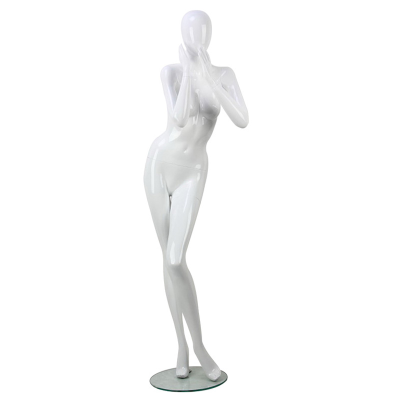
Wholesale Fiberglass Female Mosaic Glossy Mannequin Mannequin Mannequin
$100.85 - $142.01
MOQ: 3 pieces
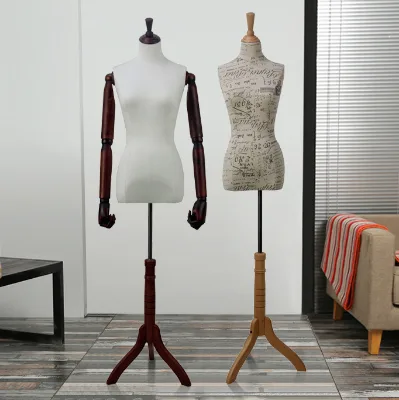
Female Mannequins Womens Cheap for Dressmaker Mannequin
Contact supplier

Quanzhou Hexing Display Products Co., Ltd.
- Verified by SGS
- Combined
- China Fujian
- Lead time15 days
- Avg. response≤ 4h
Main productsMannequin, Shoe Tree, Clothes Hanger
Main marketsSouth America,Africa,Southeast Asia/ Mideast,East Asia(Japan/ South Korea),Domestic,Europe,Australia,North America


Sports Athletic Fitness Fiberglass Mannequin Realistic Female Running Mannequins
$89.00 - $125.00
MOQ: 5 pieces

New Woman Fashion Doll Full Body Fiberglass Mannequin Mannequins Adult Abstract Lady Dummy
$89.00 - $125.00
MOQ: 5 pieces

Suzhou Malltek Supply China Co., Ltd.
- Verified by BV
- Trading Company
- China Jiangsu
- Lead time15 days
- Avg. response≤ 2h
Main productsShopping Trolley, Shopping Bakset, Airport Trolley, Supermarket Cart, Supermarket Shelf, Mannequin, Wire Container, Storage Rack, Shopping Cart, Checkout Counter
Main marketsSouth America,Africa,Others(foreignTradeCapacity.exportBusinessCapacityMarketOther),Southeast Asia/ Mideast,East Asia(Japan/ South Korea),Europe,Australia,North America


Polished White Female Plastic Abstract Face Long Limbs Fiberglass Mannequin
$30.00 - $68.00
MOQ: 5 Pieces

Wholesale Fashion Fiberglass Mannequin Standing Full Body Female Posing Mannequin
$70.00 - $80.00
MOQ: 5 Pieces

Black Fiberglass Female Mannequin with Wooden Hands for Clothing Display
$78.00 - $80.00
MOQ: 5 Pieces

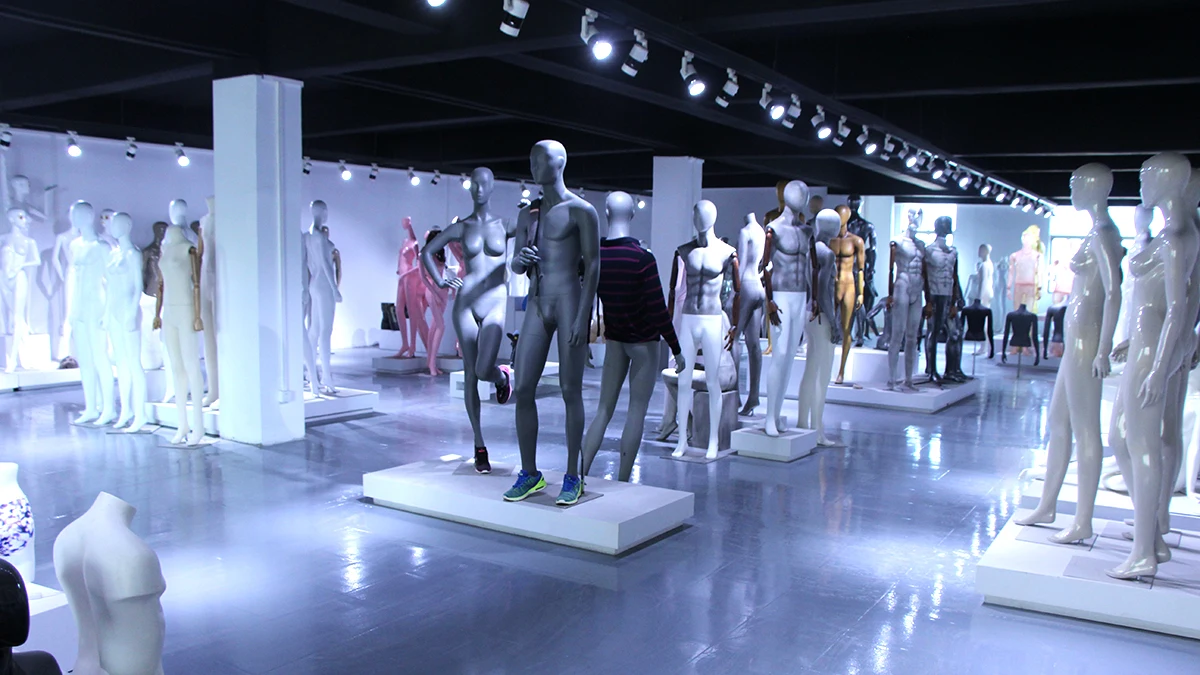
Dongguan Jasmine Display Products Co., Ltd.
- Trading Company
- Guangdong, China
- Lead time15 days
- Avg. response≤ 2h
Main productsmannequin,hanger,display rack,dress form
Main marketsMid East(65.00%), North America(25.00%), Western Europe(10.00%)
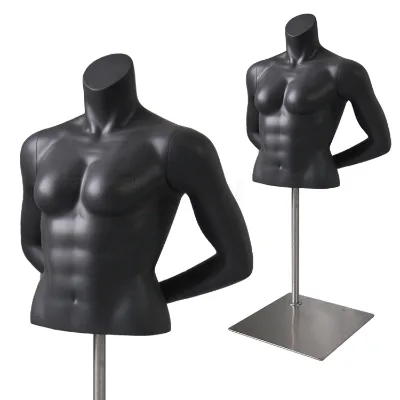
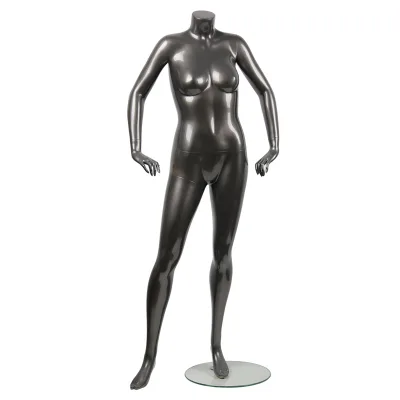
Headless Fiberglass Mannequins Upper Half Body Female Mannequin Torso Mannequin
Contact supplier
MOQ: 5
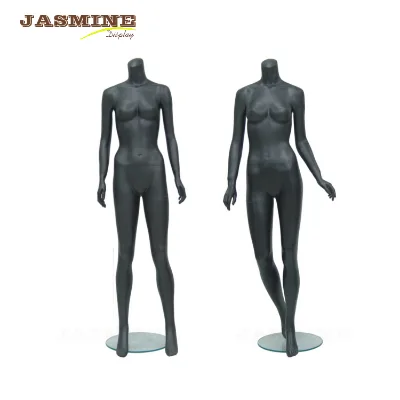
Fashionable Best Quality Fiberglass Black Female Full-Body Mannequin Women Model
Contact supplier
MOQ: 5
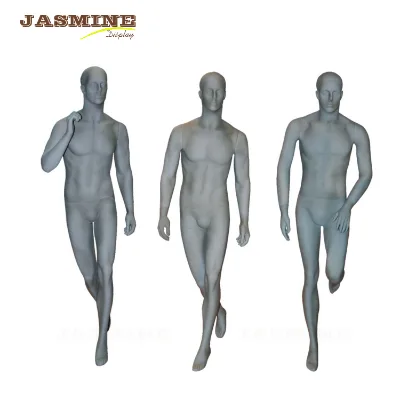
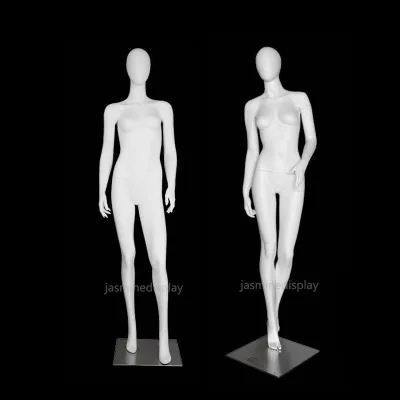
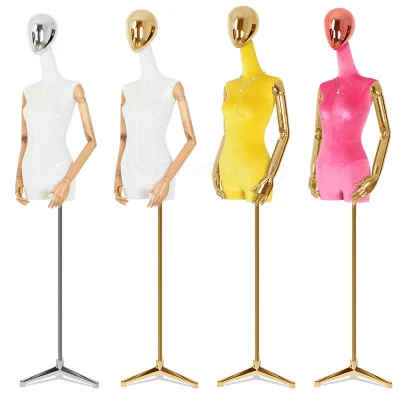
Quanzhou Hexing Display Factory
- Verified by TüVRheinland
- Manufacturer, Trading Company
- Lead time8 days
- Avg. response≤ 5h
Main productsMannequins, Clothes Hanger, Shoe Tree
Main marketsSouthern Europe(15%), North America(10%), Eastern Europe(10%)
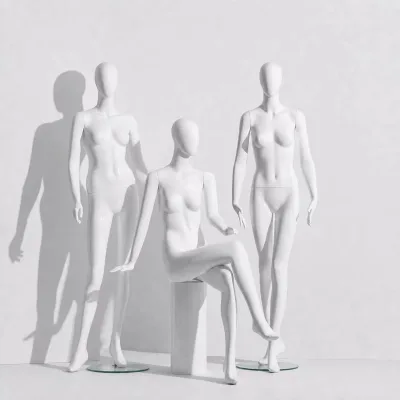
Wholesale Fiberglass Display Female Mannequin Homme Complet Fashionable Mannequin Women
$85.00 - $120.00
MOQ: 1
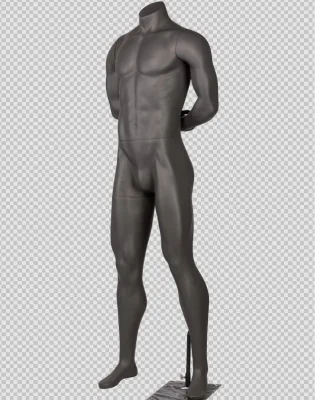

Ownway Display Equipment (Guangzhou) Co., Ltd.
- Verified by TUVRHEINLAND
- Trading Company
- China Guangdong
- Lead time23 days
- Avg. response≤ 6h
Main productsDisplay Showcase, Retail Display Cabinet, Store Fixtures, Shop Furniture, Jewelry Display Cabinet, Cosmetic Display Cabinet, Optical Store Furniture, Retail Store Design, Display Rack, Mannequin
Main marketsOthers(foreignTradeCapacity.exportBusinessCapacityMarketOther),Southeast Asia/ Mideast,Domestic,North America


Wholesale Mannequin Femme Fiberglass Female Mannequins Full Body Dress Form Mannequin
$110.00 - $129.00
MOQ: 3 Pieces

Mannequin Female Full Body Fiberglass Clothing Mannequin Plus Size Male Mannequin
$59.00 - $149.00
MOQ: 1 Pieces

Wholesale Dress Display Makeup Mannequin Women Full Body Mannequins Fiberglass Mannequins Female
$112.00 - $129.00
MOQ: 3 Pieces

High Quality Fashion Designed Fiberglass Full Body Female Mannequins Dummy
$142.00 - $191.00
MOQ: 3 Pieces

Fashion Full Body Mannequin Mannequin Black Male Sitting Mannequin Torso Dummy Model
$139.00 - $169.00
MOQ: 3 Pieces

Suzhou Sigmetal Business Equipment Co., Ltd.
- Verified by SGS
- Trading Company
- China Jiangsu
- Lead time30 days
- Avg. response≤ 12h
Main productsDisplay Rack, Gondola Shelving, Store Fixtures, Shop Fitting, Checkout Counter, Shopping Trolley, Display Hook, Shopping Basket, Furniture Accessories, Supermarket Supporting Facilities
Main marketsEurope,Australia
Changshu Fancaci Display Co., Ltd.
- Trading Company
- Jiangsu, China
- Lead time30 days
- Avg. response≤ 1h
Main productsmannequins,grinder head,shopping cart,machine parts,shopfitting
Main marketsNorth America(40.00%), Northern Europe(20.00%), Domestic Market(10.00%), South America(10.00%), Western Europe(10.00%), Africa(10.00%)

PEIDA MACHINERY GROUP CO., LTD.
- Verified by BV
- Manufacturer/Factory
- China Anhui
- Lead time90 days
- Avg. response≤ 10h
Main productsBarge, Tugboat, Oil Tanker Ship, Cargo Ship, Tug Boat, Floating Crane Barge, Passenger Ship, Passenger Boat, Deck Barge, Oil Barge
Main marketsSouth America,North America,Southeast Asia,Western Europe,Africa


38 Size Female Fitting Mannequin with One Long Arm Tailoring Use Dress Form
$30.00 - $300.00
MOQ: 1 Pieces


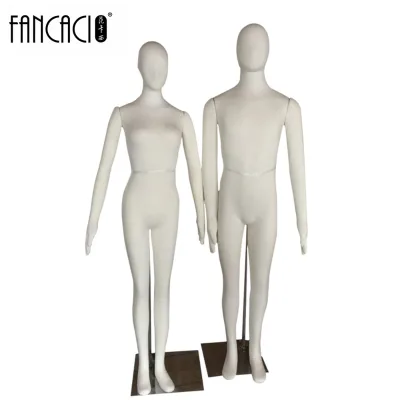
Comprehensive Sourcing Guide
Fiberglass Mannequin Supplier Concentration and Factory Types
Fiberglass Mannequin production is concentrated in eastern and southern China, and the supplier data on this page reflects that pattern. One group of listings is based in Jiangsu province, with a product origin noted as Suzhou, while another set of suppliers operates out of Guangdong province. Jiangsu-based suppliers in these results tend to list broader store-equipment lines—shopping trolleys, gondola shelving, display shelves, checkout counters—alongside mannequins, which suggests factory groups serving full retail-fitout projects rather than mannequin-only workshops. Guangdong listings are narrower, pairing fiberglass mannequins with hangers and garment-display accessories, a profile closer to dedicated display-product manufacturers.
Buyers should treat these two profiles differently when shortlisting. A combined supplier with wide store-fitting catalogs may suit a multi-item shop-opening order but could subcontract mannequin sculpting; ask directly which processes happen in-house. A mannequin-focused Guangdong supplier listing ODM and OEM capability, customized logos, and sample times of three to seven days is more likely to hold its own molds and finishing benches. Where location data is not displayed for a given supplier, do not assume a cluster base—ask for the factory address, distinguish it from the registered trading address, and check whether the company describes itself as a manufacturer, a combined manufacturer-and-trader, or a pure trading company before comparing quotations.
How to Verify Fiberglass Mannequin Suppliers
Verification starts with documents that confirm the supplier actually produces fiberglass display figures. Ask for the business license and check the registered scope covers mannequin or display-product manufacture. One Jiangsu supplier in these results displays an ISO9001:2015 system certificate; request the certificate number and validity dates and confirm it against the issuing body rather than accepting a badge on a listing. Product-level claims also deserve scrutiny: several listings cite SGS or SGS CE as a production standard, so ask which specific SGS report applies—material testing, finished-product testing, or something else—and request the report copy before relying on it.
Factory verification is the second layer. Request recent photos or a live video walkthrough showing fiberglass lay-up, sanding, painting, and assembly areas, since mannequin quality depends heavily on surface preparation. For custom work, confirm the supplier's stated capability type—own brand, ODM, or OEM—and ask for evidence such as mold-making photos or previous custom colorways. Check responsiveness before ordering: response times in the current results range from roughly three and a half to just over five hours, but treat displayed figures as indicative and test them yourself with technical questions about resin types, base options, or pose modifications. Finally, verify the person negotiating the order has authority over production scheduling, especially with combined suppliers where mannequins may be one small line among many.
What to Compare Across Fiberglass Mannequin Suppliers
Build a comparison sheet using the attributes suppliers actually display, without assuming every field is filled for every supplier. Useful dimensions here include location (Jiangsu versus Guangdong in the current results), lead time, MOQ, response time, company type, and main-product breadth. Lead times shown range from fifteen to thirty days, a meaningful difference for store-opening deadlines, but confirm whether the quoted window covers sampling, bulk production, or both. MOQs in the listings vary from twenty pieces to one hundred pieces depending on the model, so match minimums to your store count and spare-unit needs rather than defaulting to the lowest.
Compare product specifications line by line, because displayed attributes differ by model. Height, chest, waist, hip, and shoulder measurements appear on some standing female listings; surface finish options (matte or glossy), base types (chromed or glass), packing formats, and customization availability appear on others. Note that price gaps are wide: listings span from the mid-twenties to over two hundred dollars per unit, usually reflecting pose complexity, finish, and fiberglass content. Request itemized quotations using one consistent specification so quotes are comparable. Also weigh response speed and product-breadth signals together—a focused mannequin maker answering within hours often outperforms a broad-line supplier, but a broad supplier may bundle displays, hangers, and fixtures into one shipment and simplify your inbound logistics.
Common Fiberglass Mannequin Sourcing Risks
The most frequent risk is surface-quality drift between approved samples and bulk production. Fiberglass mannequins require multiple sanding and priming stages before painting; suppliers under time pressure may skip stages, producing orange-peel texture, visible seams at the waist or limb joints, or paint that chips at high-contact points. Mitigate this by specifying finish standards in writing, approving a signed sample, and stating that bulk units must match it, with photographic inspection before shipment. Listing data showing sample times of three to seven days and bulk times of eighteen to twenty-five days suggests a workable cadence, but compressed schedules are where quality slips first.
A second risk is specification ambiguity. Listings may describe the same figure differently—some state exact body measurements, others only gender and pose—so a quotation without dimensioned drawings invites disputes. Material composition also varies: some models combine fiberglass with PVC components, and one listing describes fiber as the material, so confirm which parts are fiberglass, which are PVC or metal, and how the base attaches. Packing is a third risk area; export cartons are standard in these listings, but mannequins are fragile at fingers, noses, and base plates, so require individual inner protection and foam. Finally, with combined suppliers carrying shopping carts and shelving, confirm the mannequin line is not deprioritized, and agree production milestones with penalty or re-make clauses for rejected units.
Fiberglass Mannequin Regional Sourcing and Logistics
The two provincial bases visible in these results imply different logistics profiles. Jiangsu suppliers sit in the Yangtze Delta manufacturing region, with Suzhou specifically noted as a product origin, offering access to major East China ports and dense supplier networks for bases, stands, and packaging. Guangdong suppliers are positioned near South China's export ports, which historically offers frequent sailings and strong forwarding competition. Where a supplier's location is not displayed, ask for the factory's city and nearest port before comparing freight quotes, because inland factories add trucking cost and time that can erase a lower unit price.
Mannequin logistics hinge on volumetric weight and breakage. Full-body figures are bulky relative to their weight, and listings describe light-weight construction with combination structures—detachable parts that reduce carton size. Confirm whether bodies ship assembled or disassembled, and request carton dimensions and gross weights per model to calculate container utilization; a fifty-piece order may fill significantly more volume than expected if figures ship with bases and heads packed separately. One listing indicates a thirty-day lead time and another fifteen days, so build your shipping plan backward from the store-opening date and add buffer for finish rework. For mixed orders, note that broad-line Jiangsu suppliers shipping trolleys or shelving alongside mannequins can consolidate into one container, but mixed loading increases handling and damage exposure at the mannequin end.
Fiberglass Mannequin Commercial Terms and Order Planning
Commercial terms should be fixed in writing before any deposit. Use the displayed price ranges only as orientation—listings on this page span roughly twenty-five to two hundred fifteen dollars per unit depending on model and finish—and require quotations that itemize unit price, tooling or custom-color charges, sample cost, packing, and the assumed Incoterm. MOQs vary by model in these results, from twenty to one hundred pieces, so plan orders around the specific figures you need and ask whether mixed poses or colors can share one MOQ. Payment structure is a key negotiation point for custom mannequins because molds and paint masters are supplier-specific investments.
Order planning should sequence sampling, approval, and bulk against your deadline. Evidence in the listings shows sample times of three to seven days and bulk production of eighteen to twenty-five days at one Guangdong supplier, while another Jiangsu supplier lists a thirty-day lead time; confirm which schedule applies to your chosen models and add inspection time. For customization, lock down the color code, pose, base finish (chromed or glass), and logo placement in a specification sheet before production. Verify escrow or secure-payment options if displayed, and consider staged payments tied to sample approval and pre-shipment inspection. Finally, order spare units of high-turn figures and confirm the supplier can repeat the same model in future orders, since mannequin molds and color matches change over time.
FAQs
What materials are typically used in fiberglass mannequins?
Most fiberglass mannequins listed here are made primarily of fiberglass, and some models combine fiberglass with PVC. Fiberglass offers a light weight, strong structure, and a finish that can be matte or glossy. Buyers should confirm the exact material mix, surface treatment, and base type with each supplier before ordering samples.
Can fiberglass mannequins be customized for my store?
Yes, customization is available on the mannequins shown in these results. Suppliers list options such as custom colors, OEM designs, and customized logos, with both female and male full-body styles. Customization may affect price and lead time, so confirm your pose, color, and finish requirements in writing before confirming a bulk order.
What are typical MOQ and price ranges for fiberglass mannequins?
Listed MOQs for fiberglass mannequins range from 20 to 100 pieces, and single-unit prices in the results span roughly 25 to 215 dollars depending on style, pose, and finish. Abstract or premium fiberglass models tend to cost more than standard standing female designs. Always request an updated quotation that reflects your chosen customization.
How long does production take for a Fiberglass Mannequin order?
One Guangdong supplier in the results lists a 15-day lead time, while a Jiangsu supplier lists 30 days. Individual product listings also mention sample times of 3 to 7 days and bulk production of 18 to 25 days. Actual timing depends on order size and customization, so confirm the schedule per order.
Which certifications should I look for when sourcing mannequins?
Some listings reference SGS and CE standards for the products, and one supplier holds an ISO9001:2015 system certification. These indicate baseline quality management and product testing practices. Certifications can lapse or vary by product, so ask each supplier for current certificate copies and verify that the certificate covers the mannequin model you intend to buy.
Where are these Fiberglass Mannequin suppliers located?
The suppliers in these results are located in Jiangsu and Guangdong provinces in China, with product origins listed in places such as Suzhou, Jiangsu. Both provinces are established hubs for display and store-fitting products. Location affects shipping time and cost, so ask each supplier about export experience to your destination port.
Do suppliers offer ODM or OEM services for mannequins?
Yes, the suppliers in the results list ODM and OEM capabilities, and one also offers its own brand. This means they can produce mannequins to your design or modify existing molds. Provide clear drawings or reference poses, confirm mold and tooling fees, and ask how design changes affect the quoted price and production schedule.
What should I check in a Fiberglass Mannequin sample?
Check the surface finish for bubbles or seams, confirm the pose matches your approved design, and test the base stability and fitting hardware. Verify the stated measurements, such as the listed 179cm height with 79cm chest and 61cm waist on one standing female model. Photograph any defects and agree on remediation terms before bulk production.