Fleece Lining Knitted Beanie Suppliers and Manufacturers
Explore 30 verified suppliers offering Fleece Lining Knitted Beanie options with varying lead times, MOQs, and certifications. Buyers can compare response times, locations in China, and product specifications like material and customization before requesting quotes; review the available evidence before requesting comparable quotations from suitable candidates.
Updated
Suppliers List

Jurong Yuanfeng Industries Ltd.
- Verified by BV
- Trading Company
- China Jiangsu
- Lead time23 days
- Avg. response≤ 6h
Main productsBandana, Multi Tube Bandana, Baseball Caps, Beanie, Handkerchiefs, Socks, Durag, Head Band, Wrist Band, Head Wear
Main marketsEurope,North America


Double Layer Knit Beanie with Arctic Fleece Lining and Moisture Wicking Beanie
$0.80 - $2.50
MOQ: 500 Pieces

Knitted Beanie with Arctic Fleece Lining for Extreme Cold Weather Beanie
$0.80 - $2.50
MOQ: 500 Pieces

Chunky Knit Beanie with Plush Arctic Fleece Lining and Fold Over Design Beanie
$0.80 - $2.50
MOQ: 500 Pieces

Windproof Knitted Beanie with Arctic Fleece Lining for Outdoor Sports Beanie
$0.80 - $2.50
MOQ: 500 Pieces


- Verified by CTI
- Trading Company
- China Anhui
- Lead time23 days
- Avg. response≤ 2h
Main productsFurniture, Home Furniture
Main marketsSoutheast Asia/ Mideast

Kunshan Kairui Clothes Co., Ltd.
- Trading Company
- Jiangsu, China
- Lead time30 days
- Avg. response≤ 2h
Main productsHAT,SCARF,GLOVES,SPORTS Accessories
Main marketsNorth America(40.00%), Northern Europe(20.00%), Western Europe(20.00%), Mid East(10.00%), Oceania(10.00%)
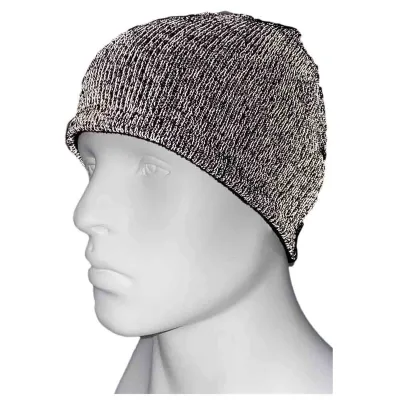
High Visibility Winter Warm Running Fleece Lined Knitted Hat Safety Reflective Beanie
$1.80 - $3.80
MOQ: 10 pieces
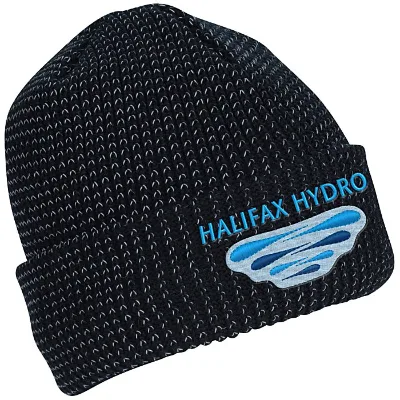

- Verified by TUVRHEINLAND
- Trading Company,Manufacturer/Factory
- China Jiangsu
- Lead time23 days
- Avg. response≤ 4h
Main productsMedal, Coin, Lapel Pin, PVC Patch, Embroidery Patch, Keychain, Button Badge, Silicone Wristband, Lanyards, Gift
Main marketsSouth America,Eastern Europe,Mid East,North America,Oceania,Western Europe
Nanjing Maxship Textile Co., Ltd.
- Verified by Intertek
- Trading Company
- Lead time20 days
- Avg. response≤ 6h
Main productsKnit Beanie, Straw Hat, Spa Headband, Bonnet, Sleep Mask
Main marketsNorth America(69%), Western Europe(13%), Oceania(8%)
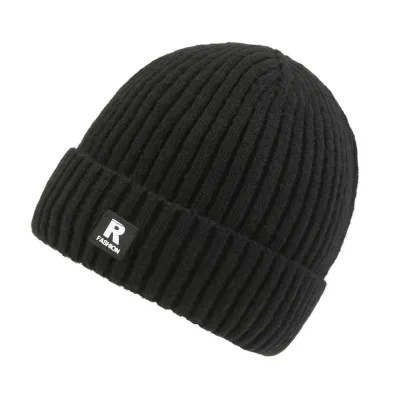
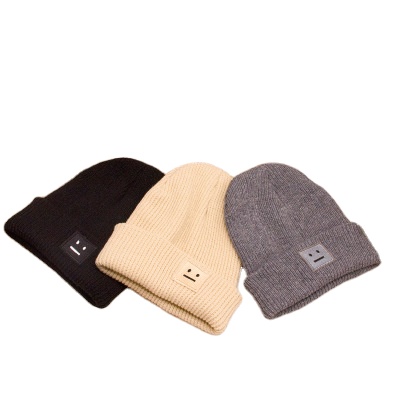
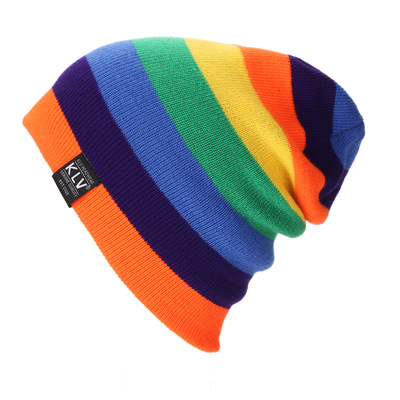
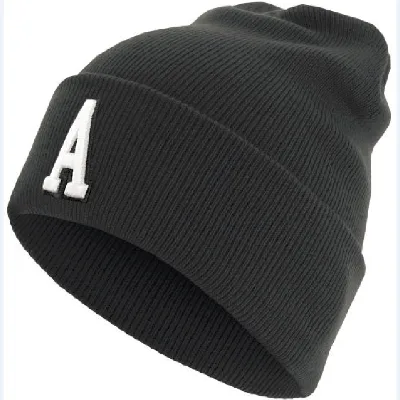
Mens Slouch Knit Beanie With Custom Embroidery logo
$0.85 - $3.00

Wenzhou Success Group Co., Ltd.
- Trading Company
- China Zhejiang
- Lead time23 days
- Avg. response≤ 11h
Main productsT-Shirt, Umbrella, Flip Flop, Scarf, Baseball Cap, Flag, Beach Towel, Beach Ball, Lanyard
Main marketsAfrica,Europe,North America
Wuxi Jihe Industrial Technology Co., Ltd
- Verified by SGS Group
- Trading Company
- Jiangsu, China
- Lead time15 days
- Avg. response≤ 4h
Main productsBaseball Cap, Bucket Hat, Trucker Hat, Shorts, T-Shirt
Main marketsNorth America(70%), Oceania(25%), South America(5%)
Zhangjiagang Sewingman Caps & Apparel Co., Ltd.
- Manufacturer, Trading Company
- Lead time旺季: "1 - 200":35,"201 - 500":40,"501 - 5000":45,"> 5000":"To be negotiated", 淡季: "1 - 200":35,"201 - 500":40,"501 - 5000":45,"> 5000":"To be negotiated"
- Avg. response≤ 3h
Main productsCap, Beanies, Bucket Hats, Bandanas, Balaclavas
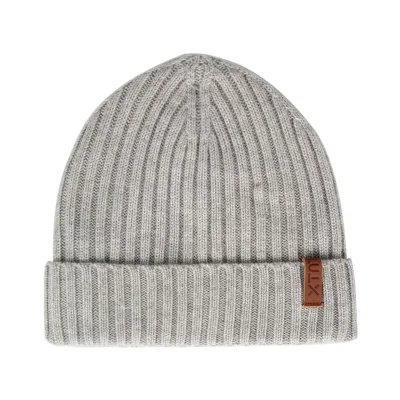
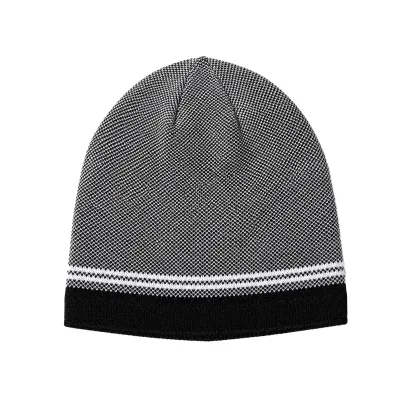
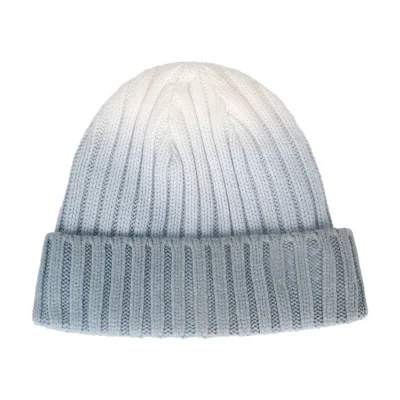
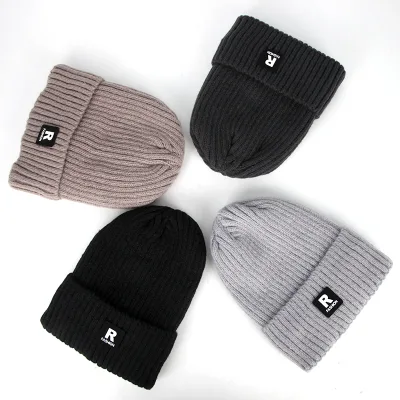
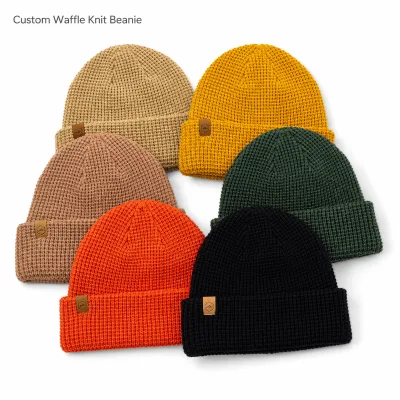
OEM Custom Contrast Stripe Design Cuffless Knit Winter Beanie with Warm Fleece Lined
$1.35 - $2.03
MOQ: 200
- Verified by TüVRheinland
- Manufacturer, Trading Company
- Lead time25 days
- Avg. response≤ 3h
Main productsBeanie, Scarf, Glove, Sock, Crochet Doll
Main marketsNorth America(35%), Eastern Europe(20%), Western Europe(20%)
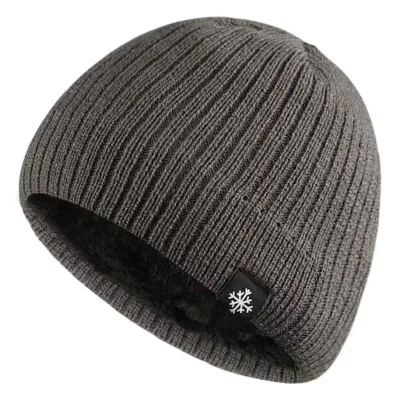
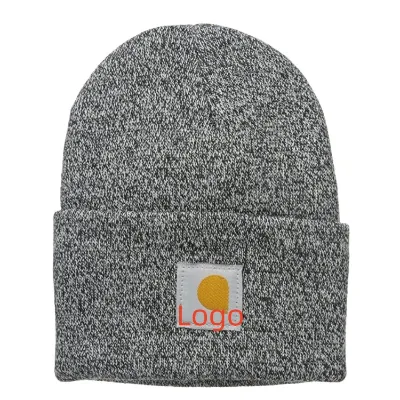
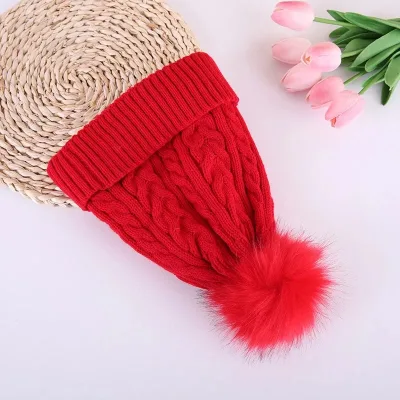
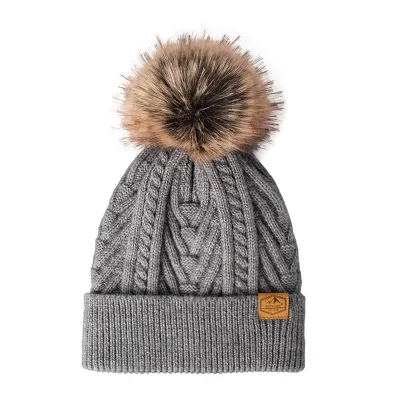
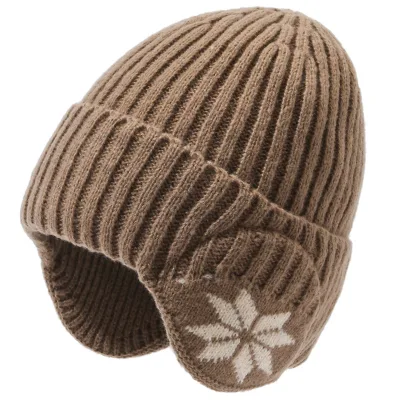
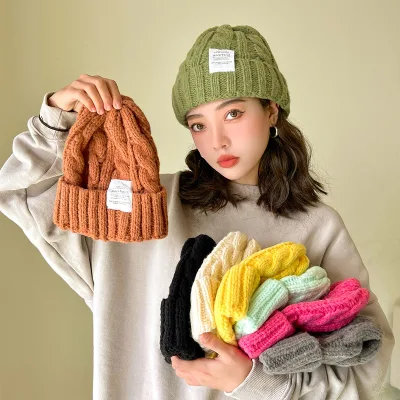
Promotion Cheap Knitted Beanie with Fleece Lining Winter Hat with Top Pompom
$2.0433 - $2.4522
MOQ: 300 pieces

Capwindow International Co., Ltd.
- Verified by BV
- Combined
- China Guangdong
- Lead time30 days
- Avg. response≤ 2h
Main productsBaseball Cap, Snapback Hat, Promotion Cap, Cotton Cap, Sports Cap, Trucker Cap, Wrist Band, Bucket Hat, Promotional Gifts, Clothing Accessories
Main marketsSouth America
Henan Huaxin Import & Export Trade Co., Ltd.
- Verified by SGS Group
- Trading Company
- Lead time6 days
- Avg. response≤ 7h
Main productsTowels, Bed Sheets, Key Chain, Plastic Bottles, Bucket Hats
Main marketsSoutheast Asia(50%), Western Europe(15%), North America(10%)

Manke (Dongguan) Textile Co., Ltd.
- Verified by TUVRHEINLAND
- Trading Company,Manufacturer/Factory,Other
- China Guangdong
- Lead time90 days
- Avg. response≤ 6h
Main productsBaseball Cap, Snapback Caps, Hoodies, Trucker Hat, Bucket Hat, Beanie Hat, Scarf, Golf Caps, Sports Caps, T-Shirts
Main marketsSouth America,Eastern Europe,Mid East,North America,Southeast Asia,Oceania,Western Europe,Africa


High Quality Outdoor Winter Warm Wool Knit Cap Beanie Warm Cap Knitted Hat
$0.95 - $2.86
MOQ: 100 Pieces


Zhenjiang Fashiontex Industries Co., Ltd.
- Verified by TUVRHEINLAND
- Trading Company
- China Jiangsu
- Lead time30 days
- Avg. response≤ 2h
Main productsHandkerchief, Bandana, Towel, Muslin Cloth, Facial Cleansing Cloth, Makeup Remove Cloth
Main marketsAustralia

Jurong Mujie Apparel Co., Ltd.
- Verified by TUVRHEINLAND
- Combined
- China Jiangsu
- Lead time23 days
- Avg. response≤ 10h
Main productsJersey Beanie, Knitting Beanie, Knitting Scarf, Bandana
Main marketsDomestic
Jiangsu Jinzhifeng Knitting Co., Ltd.
- Verified by Intertek
- Manufacturer, Trading Company
- Lead time30 days
- Avg. response≤ 5h
Main productsHat, Scarf, Gloves
Main marketsNorth America(30%), Western Europe(30%), Eastern Europe(30%)
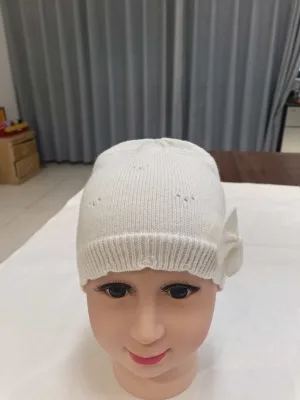
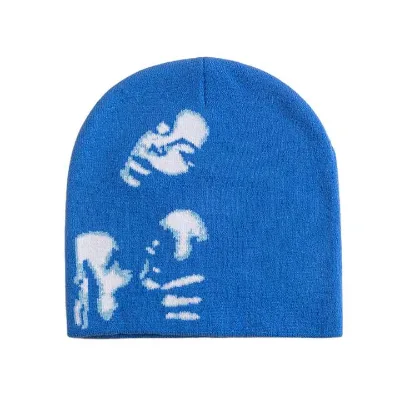
Kids' Cute Bow Knit Beanie Comfortable High-Quality Knit Beanie
$2.9256 - $3.0784
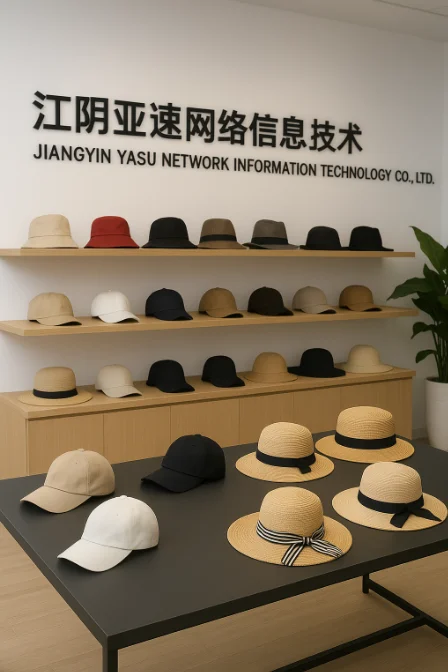
Jiangyin Yasu Network Technology Co., Ltd.
- Trading Company
- Jiangsu, China
- Lead time30 days
- Avg. response≤ 3h
Main productsHats, Men's Clothing, Women's Clothing, Luggage Tags
Main marketsSouthern Europe(15.00%), North America(14.00%), South America(12.00%), Eastern Europe(12.00%), South Asia(10.00%), Northern Europe(7.00%), Central America(6.00%), Eastern Asia(5.00%), Western Europe(5.00%), Domestic Market(5.00%), Oceania(4.00%), Africa(3.00%), Southeast Asia(2.00%)
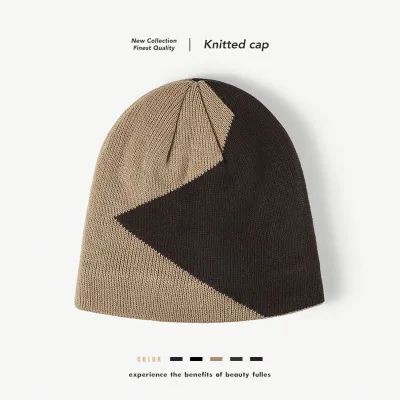
$2.2889 - $2.3504
MOQ: 2 pieces
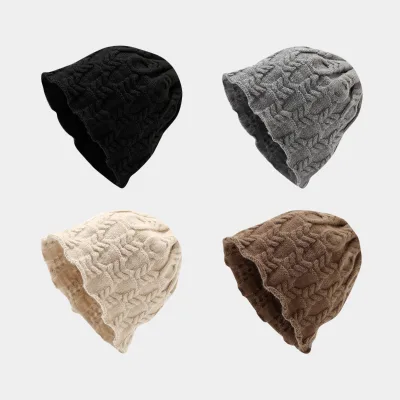

Sungnan Import & Export Co., Ltd.
- Verified by TUVRHEINLAND
- Combined
- China Zhejiang
- Lead time30 days
- Avg. response≤ 6h
Main productsScarf, Socks, China Scarf, Leggings, Hats, Bags, Gloves
Main marketsNorth America

Baoding Yukaihe Clothing Import & Export Co., Ltd.
- Verified by TUVRHEINLAND
- Trading Company
- China Hebei
- Lead time15 days
- Avg. response≤ 6h
Main productsCap, Hat, Baseball Cap, Bucket Hat, Beanie, Running Hat, Snapback Caps, Sport Hat, Trucker Hat, Camp Caps
Main marketsSoutheast Asia/ Mideast,Europe,Australia,North America

Fuzhou Chongkang Gifts Trade Co., Ltd.
- Verified by SGS
- Manufacturer/Factory
- China Fujian
- Lead time23 days
- Avg. response≤ 5h
Main productsPromotional Gifts, Baseball Cap, Beanies Hat, Gift Bags, Scarf, Microfiber Cleaning Cloth, Keychain, USB Charging Line, Luggage Tag, Mobile Phone Holder
Main marketsSouth America,Eastern Europe,Mid East,North America,Southeast Asia,Eastern Asia,Oceania,Western Europe,Africa

- Verified by TUVRHEINLAND
- Trading Company,Manufacturer/Factory
- China Chongqing
- Lead time38 days
- Avg. response≤ 5h
Main productsBaseball Cap, Beanie Hat, Trucker Hat, Bucket Hat, Snapback Hat, Scarf, Gloves, Apron, Sock, T Shirt&Polo Shirt
Main marketsSouth America,Eastern Europe,Mid East,North America,Southeast Asia,Eastern Asia,Oceania,Western Europe,Africa


Custom Winter Acrylic Fleece 100%Acrylic Winter Earflap Hat Knitted Hat Beanie
$1.50 - $3.50
MOQ: 50 Pieces

Fashion Promotion Winter Acrylic Cotton Gift Warm Xmas Christimas Knit Hat Beanie
$1.00 - $3.50
MOQ: 50 Pieces

Dongguan Kyle Sporting Goods Co., Ltd.
- Verified by BV
- Trading Company,Manufacturer/Factory
- China Guangdong
- Lead time15 days
- Avg. response≤ 3h
Main productsSportswear, Teamwear, Sports Caps, Sports Socks, Schoolwear, Leisure Polo Tshirt, Hoodies, Tracksuit
Main marketsSouth America,Eastern Europe,North America,Southeast Asia,Oceania,Western Europe

Custom Logo Acrylic High Quality Winter Caps Embroidered Knitted Beanie for Men
$1.05 - $4.05
MOQ: 100 Pieces

Custom High Quality Embroidery Logo Beanie Knit with Fleece Warm Winter Hat
$1.05 - $4.05
MOQ: 100 Pieces
- Manufacturer, Trading Company
- Zhejiang, China
- Lead time18 days
- Avg. response≤ 2h
Main productsKnit Beanie / Knit Scarf / Knit Gloves / Printing Scarf,Knit Sweater
Main marketsDomestic Market(60.00%), Western Europe(25.00%), North America(5.00%), Eastern Europe(5.00%), Oceania(5.00%)
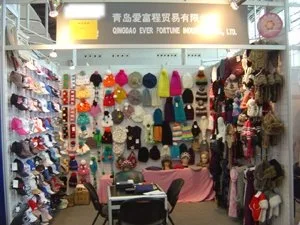
Qingdao Ever Fortune Industrial Co., Ltd.
- Trading Company
- Shandong, China
- Lead time35 days
- Avg. response≤ 4h
Main productsCaps / Hats / Beanie / Balaclava,Kippah,Gloves,Scarves,Accessories
Main marketsNorth America(68.00%), Eastern Asia(12.00%), Eastern Europe(9.00%), Western Europe(8.00%), Oceania(3.00%)

- Verified by SGS
- Manufacturer
- China Shanghai
- Lead time23 days
- Avg. response≤ 3h
Main productsScarf, Bag, Hat, Blanket, House Shoes, Indoor Slippers, Scarf & Warmth Set, Shawl, Hijab Headscarf, Cap
Main marketsEast Asia(Japan/ South Korea),Domestic,Europe,North America
- Verified by TüVRheinland
- Manufacturer, Trading Company
- Lead time30 days
- Avg. response≤ 4h
Main productsBeret, Beaine, Bucket Hat, Baseball Cap, Straw Hat
Main marketsNorth America(42%), Western Europe(20%), Oceania(10%)
Shijiazhuang Sunny International Trade Co, Ltd
- Verified by TüVRheinland
- Trading Company
- Lead time0 days
- Avg. response≤ 1h
Main productsBaseball Caps, Trucker Hats, Snapback Caps, Bucket Hats, Sports Caps
Main marketsNorth America(50%), Oceania(16%), Southeast Asia(12%)

NINGBO FANST IMP.&EXP. CO., LTD.
- Verified by BV
- Trading Company
- China Zhejiang
- Lead time30 days
- Avg. response≤ 21h
Main productsPolyester Yarn, Acrylic Yarn, Knitting Yarn, Acrylic Knitting Yarn, LED Flash Torch, Headlamps, Bicycle Light, LED Work Light, Torches
Main marketsOthers(foreignTradeCapacity.exportBusinessCapacityMarketOther),Southeast Asia/ Mideast,Australia
Beijing Wan Xiang Xin International Trade Co., Ltd.
- Verified by TüVRheinland
- Trading Company
- Lead time10 days
- Avg. response≤ 2h
Main productsCashmere Scarf, Cashmere Shawl, Wool Scarf, Wool Shawl, Cashmere Hat And Gloves
Main marketsNorth America(30%), Eastern Asia(20%), Eastern Europe(15%)
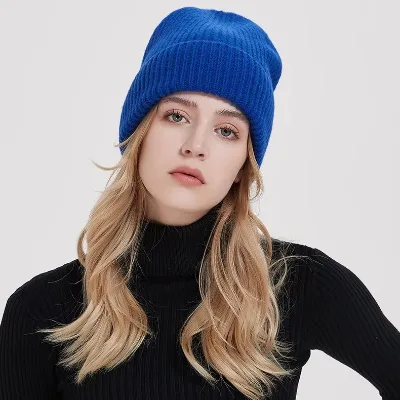
Oversized Wool Beanie Hat for Men and Women - Thick Knit, Extra Warm Winter Cap
$6.49 - $6.91
MOQ: 1 pieces
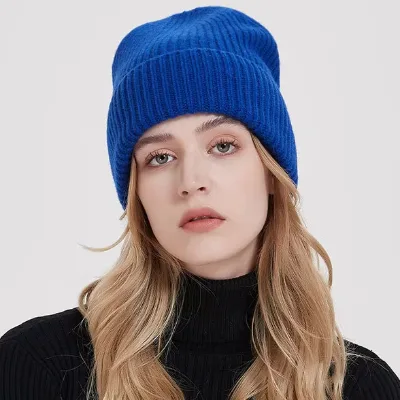
Wool Knitted Unisex Beanie-100% Wool Adjustable Fit Elegant Design Inner Mongolia Origin
$6.49 - $6.91
MOQ: 1 pieces
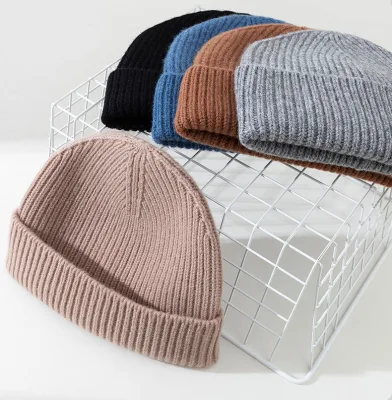

Shenzhen Three Keys Technology Co., Ltd.
- Verified by SGS
- Trading Company
- China Guangdong
- Lead time23 days
- Avg. response≤ 3h
Main productsPatch, Keychain, Coin, Badge, T Shirt, Hat
Main marketsEurope,Australia,North America
Dongguan Han Yishi Clothing Co., Ltd.
- Verified by TüVRheinland
- Manufacturer, Trading Company
- Lead time35 days
- Avg. response≤ 2h
Main productsMen's Sweater, Custom Sweater, Sweater Vest, Men's Sweater Vest, Women's Sweater
Main marketsWestern Europe(21%), North America(13%), Eastern Europe(10%)








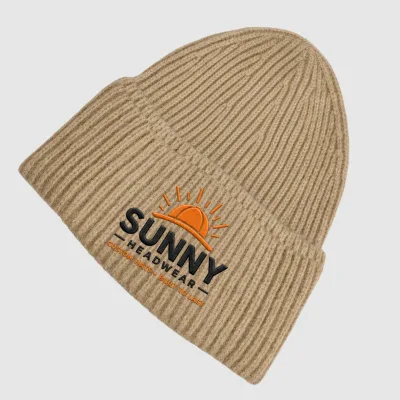
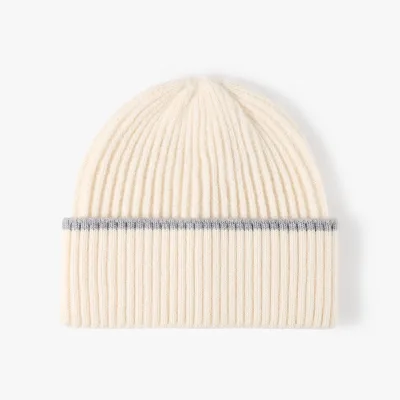


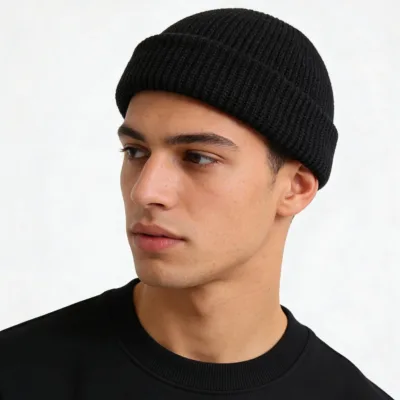
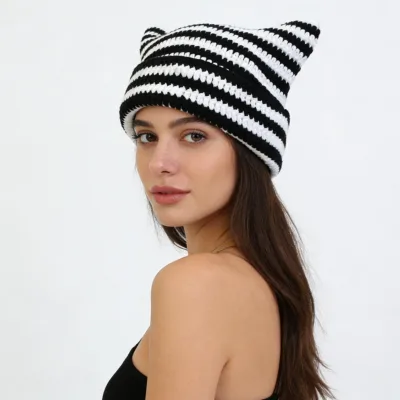
Comprehensive Sourcing Guide
Fleece Lining Knitted Beanie Supplier Concentration and Factory Types
The current supplier landscape for fleece lining knitted beanies reveals a distinct concentration of manufacturing and trading entities within specific Chinese provinces, primarily Jiangsu and Anhui. These regions serve as critical hubs for textile production, offering buyers access to established supply chains for knitwear and accessories. In Jiangsu, suppliers often operate as trading companies that aggregate products from various factories, providing a diverse range of items such as bandanas, socks, and headwear alongside beanies. This trading model allows for broader product catalogs and potentially faster access to multiple SKUs, though it may introduce an additional layer between the buyer and the actual production floor. The presence of verified entities in these areas suggests a mature industrial ecosystem where infrastructure supports both small-batch customization and larger volume orders. Buyers should recognize that while the location indicates a strong textile base, the specific factory type—whether a direct manufacturer or a trading intermediary—will significantly influence communication dynamics, pricing structures, and quality control processes. Understanding this distinction is vital for setting realistic expectations regarding direct factory access versus managed sourcing services.
In contrast, suppliers located in Anhui demonstrate a different operational focus, often specializing in furniture and home goods, which may indicate a broader manufacturing capability or a diversified portfolio. However, the presence of knitted beanie products within these catalogs suggests that these facilities have adapted to meet demand for apparel accessories, potentially leveraging existing knitting machinery or textile expertise. The verification status of these suppliers, such as BV or CTI certifications, provides a baseline of trustworthiness but does not automatically confirm the depth of their knitwear specialization. Buyers must carefully evaluate whether a supplier’s primary product line aligns with their specific needs, as a company primarily focused on furniture might have less dedicated expertise in technical knitwear features like moisture-wicking or extreme cold weather performance compared to a dedicated apparel manufacturer. The geographic spread across Jiangsu and Anhui highlights the importance of verifying the actual production capabilities and main product focus of each supplier, rather than assuming uniformity based on regional clustering alone. This verification step ensures that the chosen partner has the specific technical proficiency required for high-quality fleece lining beanies.
How to Verify Fleece Lining Knitted Beanie Suppliers
Verifying the credibility and operational capacity of Fleece Lining Knitted Beanie suppliers requires a multi-layered approach that goes beyond simple profile reviews. Buyers should prioritize suppliers who hold recognized third-party verification badges, such as BV or CTI, as these indicate that an independent agency has audited the company’s business legitimacy and operational standards. However, verification is only the first step; buyers must also assess the supplier’s response time, which serves as a proxy for their customer service efficiency and organizational responsiveness. For instance, a response time of 1.22 hours suggests a highly agile team capable of addressing urgent inquiries, while a 5.25-hour window may indicate a more traditional or potentially slower communication flow. This metric is crucial for projects with tight deadlines or those requiring rapid iteration on design samples. Additionally, buyers should scrutinize the supplier’s main product declarations to ensure they align with the specific technical requirements of fleece lining beanies, such as moisture-wicking properties or extreme cold weather insulation. A supplier listing furniture as their main product may still offer beanies, but their core expertise and quality control protocols might differ significantly from those of a dedicated apparel manufacturer.
Furthermore, buyers must validate the authenticity of product claims by requesting detailed specifications and, if possible, physical samples. The presence of specific product attributes, such as material composition (e.g., 100% Polyester or 100% Acrylic) and customization options, should be cross-referenced with the supplier’s stated capabilities. For example, a supplier offering a "Cozy Knitted Beanie with Fleece Lining" should be able to provide clear evidence of their knitting techniques and lining attachment methods. Buyers should also check for any relevant certifications, such as the General Certificate of Conformity (GCC), which may be required for certain markets, particularly the United States. While not all suppliers will display every certification, those who do provide an additional layer of assurance regarding regulatory compliance. It is also advisable to review the supplier’s history and establishment year, if available, to gauge their experience in the industry. A longer track record often correlates with more refined processes and a deeper understanding of market demands. By combining verification badges, response time analysis, product specificity checks, and certification reviews, buyers can build a comprehensive profile of each supplier’s reliability and suitability for their specific sourcing needs.
What to Compare Across Fleece Lining Knitted Beanie Suppliers
When evaluating multiple suppliers for fleece lining knitted beanies, buyers must systematically compare key operational metrics to identify the most suitable partner for their specific business model. One of the most critical factors is the minimum order quantity (MOQ), which can vary significantly across different suppliers. For example, some suppliers may require an MOQ of 500 pieces, which is suitable for established brands with consistent demand, while others might offer lower MOQs of 100 or 200 pieces, catering to startups or test markets. This variation directly impacts inventory risk and cash flow, making it essential for buyers to align MOQ requirements with their sales projections and storage capabilities. Additionally, the price range for these products can differ based on material quality, customization complexity, and order volume. Buyers should compare the price points for similar product specifications, such as a double-layer knit beanie with Arctic fleece lining versus a standard knitted beanie, to understand the value proposition of each supplier. It is important to note that lower prices may sometimes correlate with reduced material quality or less rigorous quality control, so buyers should balance cost considerations with quality expectations.
Another crucial aspect of comparison is the lead time and delivery speed, which directly affect supply chain reliability and customer satisfaction. Suppliers may advertise different lead times, such as 23 days or 30 days, and some may offer faster delivery windows of 5-7 working days for specific items or expedited orders. Buyers should assess whether these lead times are realistic and consistent with their product launch schedules. Furthermore, the response time of the supplier’s sales team is a vital indicator of their operational efficiency. A supplier with a response time of 2 hours is likely more responsive to urgent requests and changes than one with a 5.25-hour response time. Buyers should also compare the customization options available, such as the ability to add custom logos, specific patterns, or unique packaging. Some suppliers may offer extensive customization services, including sublimation transfer printing or machine embroidery, while others may have more limited options. By systematically comparing MOQs, prices, lead times, response speeds, and customization capabilities, buyers can make informed decisions that align with their strategic goals and operational constraints. This comparative analysis helps mitigate risks and ensures that the selected supplier can meet the buyer’s specific requirements for quality, cost, and timing.
Common Fleece Lining Knitted Beanie Sourcing Risks
Sourcing fleece lining knitted beanies from international suppliers introduces several potential risks that buyers must proactively manage to ensure a successful procurement process. One significant risk is the discrepancy between product samples and bulk production quality. Suppliers may provide high-quality samples that do not accurately represent the materials or craftsmanship used in mass production. This issue is particularly relevant for products with specific features like Arctic fleece lining or moisture-wicking properties, where the performance of the lining is critical. Buyers should mitigate this risk by requesting detailed material specifications and, if possible, conducting third-party quality inspections before shipment. Another common risk is the miscommunication regarding customization requirements, such as logo placement, color shades, or packaging standards. Even with clear written specifications, cultural and language barriers can lead to misunderstandings that result in non-conforming products. To address this, buyers should establish clear communication protocols, use visual aids, and confirm all details in writing before production begins. Additionally, buyers should be aware of potential delays in production or shipping, which can disrupt supply chains and lead to missed market opportunities.
Furthermore, buyers face the risk of encountering suppliers who overstate their capabilities or verification status. While a supplier may display a BV or CTI badge, this does not guarantee that every product line meets the same high standards. Buyers should verify the scope of the supplier’s verification and ensure that it covers the specific products they intend to purchase. Another risk is the lack of transparency in pricing, where hidden costs such as mold fees, sample charges, or expedited shipping fees may not be initially disclosed. Buyers should request a comprehensive quote that includes all potential costs to avoid unexpected expenses. Additionally, the risk of intellectual property infringement is a concern, especially for suppliers offering custom logo services. Buyers should ensure that their designs and trademarks are protected and that the supplier has policies in place to prevent unauthorized use. Finally, buyers should be cautious of suppliers who do not provide clear return or dispute resolution policies. Establishing a clear agreement on how to handle defective products or order discrepancies is essential for protecting the buyer’s interests. By identifying and addressing these common risks through thorough due diligence and clear contractual agreements, buyers can minimize potential losses and ensure a smoother sourcing experience.
Fleece Lining Knitted Beanie Regional Sourcing and Logistics
The geographic location of suppliers plays a pivotal role in determining logistics costs, lead times, and overall supply chain efficiency for fleece lining knitted beanies. Suppliers located in Jiangsu, China, benefit from proximity to major ports and established textile manufacturing clusters, which can facilitate faster shipping and lower freight costs. This region’s infrastructure supports efficient export processes, making it an attractive option for buyers seeking reliable and timely delivery. However, buyers must also consider the specific logistics requirements of their target markets, as shipping times can vary based on the destination country and the chosen shipping method. For instance, air freight may be necessary for urgent orders, while sea freight is more cost-effective for larger volumes. Suppliers in Anhui, China, may have different logistical advantages, potentially offering competitive rates for certain routes or modes of transport. Buyers should evaluate the supplier’s experience in handling international shipments and their ability to provide accurate tracking information. Additionally, the supplier’s location may influence their ability to source raw materials, such as acrylic or polyester, which can impact production consistency and cost.
Moreover, buyers should assess the supplier’s packaging and labeling practices to ensure compliance with international shipping regulations and retail requirements. Proper packaging is essential to protect the beanies from damage during transit and to maintain their quality until they reach the end consumer. Suppliers should use appropriate materials, such as polybags or paper cartons, and include necessary labels, such as care instructions and country of origin markings. Buyers should also consider the environmental impact of packaging materials, as many retailers and consumers are increasingly demanding sustainable options. Furthermore, the supplier’s ability to handle customs clearance and documentation is crucial for avoiding delays at the destination port. Buyers should ensure that the supplier provides all necessary documents, such as commercial invoices, packing lists, and certificates of origin, in a timely manner. By carefully evaluating the logistical capabilities of suppliers in different regions, buyers can optimize their supply chain, reduce costs, and ensure that their products arrive in perfect condition. This strategic approach to regional sourcing and logistics helps buyers navigate the complexities of international trade and build a resilient supply chain.
Fleece Lining Knitted Beanie Commercial Terms and Order Planning
Effective order planning and clear commercial terms are essential for managing the procurement of fleece lining knitted beanies and ensuring a smooth transaction process. Buyers should establish a detailed production timeline that accounts for sample approval, material sourcing, production, quality control, and shipping. This timeline should be aligned with the supplier’s stated lead times, such as 23 or 3
FAQs
What is the price range for fleece lined beanies?
Prices for fleece lined knitted beanies typically range from $0.50 to $20.00 per unit. Basic polyester models start around $0.50, while premium acrylic or wool options can reach higher price points. Buyers should verify specific costs based on material choice, customization requirements, and order volume to ensure accurate budgeting.
What is the minimum order quantity for these beanies?
The minimum order quantity varies by supplier, generally starting at 100 units for some items and 500 units for others. Buyers must check individual product listings to confirm the exact MOQ. Lower quantities may be available for specific styles, while bulk orders often require higher minimums to secure production slots.
How long does delivery take for fleece beanies?
Standard delivery times for fleece lined beanies are typically 5-7 working days for production. Some suppliers may have longer lead times, such as 23 or 30 days, depending on order complexity and current capacity. Buyers should confirm specific timelines with the supplier before placing orders to avoid delays.
What materials are used for fleece lined beanies?
Common materials include 100% polyester, 100% acrylic, and 100% cotton. Some premium options feature extra-fine merino wool. The fleece lining is often made from polar or arctic fleece for added warmth. Buyers should select materials based on desired comfort, durability, and seasonal suitability for their target market.
Are customization options available for knitted beanies?
Yes, customization is widely available for knitted beanies. Suppliers offer options for custom logos, embroidery, and specific color patterns. Buyers can request plain dyed or custom printed designs. It is essential to discuss customization details, such as logo placement and color matching, directly with the supplier to meet brand requirements.
Where are these fleece beanies manufactured?
These beanies are primarily manufactured in China, with suppliers located in Jiangsu and Anhui provinces. Buyers can filter results by location to find suppliers in specific regions. Manufacturing in these areas often provides access to established textile supply chains and competitive pricing for knitted headwear products.