Floral Print V-Neck A-Line Dress Suppliers and Manufacturers
Compare 28 verified suppliers offering floral print v-neck a-line dresses with varying lead times, certifications, and locations. Review response times and MOQs to select a partner that fits your production schedule and budget requirements; review the available evidence before requesting comparable quotations from suitable candidates.
Updated
Suppliers List

Jiaxing Qijia Imp&Exp Co., Ltd
- Verified by SGS
- Trading Company
- China Zhejiang
- Lead time60 days
- Avg. response≤ 1h
Main productsDress, Blouse, Sweater, Knitwear, Pants, Woven, Pullover, Jumper
Main marketsEurope,North America

GUANGZHOU SICHEM GARMENT CO., LTD
- Verified by BV
- Trading Company,Manufacturer/Factory
- China Guangdong
- Lead time45 days
- Avg. response≤ 15h
Main productsWomen Clothing, Children Clothing, Skirt, Dress, T Shirt, Pants, Blouse, Coat, Jumpsuit, Shirt
Main marketsEastern Europe,North America,Oceania,Western Europe


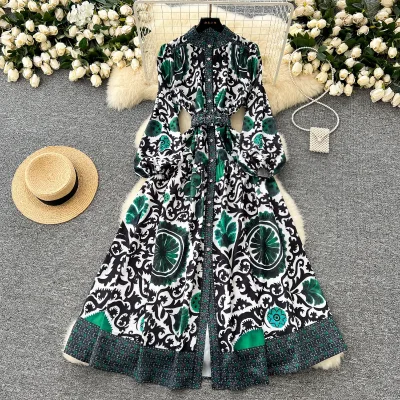
Summer New Arrival Plus Size Fashion Slim Yellow Floral Printed A-Line Casual Dress
$8.50 - $10.80
MOQ: 150 piece


High Quality Casual Loose Floral Printed Mesh Ruffles Round-Neck Long Sleeve Dress
$8.20 - $10.50
MOQ: 150 piece

Goldely Garment Import and Export Inc.
- Verified by SGS
- Trading Company
- China Guangdong
- Lead time15 days
- Avg. response≤ 5h
Main marketsNorth America

- Verified by CTI
- Trading Company
- China Anhui
- Lead time23 days
- Avg. response≤ 2h
Main productsFurniture, Home Furniture
Main marketsSoutheast Asia/ Mideast

Quanzhou Gaomei Trading Co., Ltd
- Verified by SGS
- Trading Company
- China Fujian
- Lead time15 days
- Avg. response≤ 3h
Main productsClothing
Main marketsSouth America,Southeast Asia/ Mideast,East Asia(Japan/ South Korea),Domestic,Europe,Australia,North America


Summer New Printed Lapel Short Sleeved A-Line Dress Fashionable Casual Women's Dress
$15.00 - $17.00
MOQ: 5 Pieces

Summer New Printed Dress Short Sleeved Waist Cinched A-Line Women's Dress
$17.00 - $19.00
MOQ: 5 Pieces

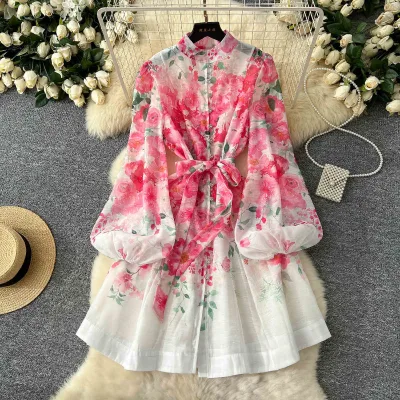
Summer New Style Bubble Sleeves V-Neck Waist Cinched A-Line Women's Dress
$23.00 - $25.00
MOQ: 5 Pieces


- Verified by TüVRheinland
- Manufacturer, Trading Company
- Lead time25 days
- Avg. response≤ 3h
Main productsSheet, Duvet Cover, Pillowcase, Pyjama, Dress
Main marketsOceania(70%), North America(30%)

Guangzhou Shangqian Clothing Co. Ltd
- Verified by CTI
- Trading Company
- China Guangdong
- Lead time38 days
- Avg. response≤ 25h
Main productsChildren's Clothing
Main marketsEurope,North America


Girls Sleeveless Floral Print Dress with Ruffle Trim & A-Line Silhouette
$7.00 - $16.00
MOQ: 300 Pieces


Xiamen Hualecai Clothing Co., Ltd.
- Manufacturer, Trading Company, Distributor/Wholesaler
- Fujian, China
- Lead time5 days
- Avg. response≤ 6h
Main productsfashion clothing,women's clothing,swimsuit,Yoga Wear,shoes
Main marketsNorth America(95.00%), Western Europe(2.00%), Africa(2.00%), Southern Europe(1.00%)

- Verified by CTI
- Trading Company
- China Zhejiang
- Lead time15 days
- Avg. response≤ 6h
Main productsJewelry, Brooch, Belt, Necklace, Agent, Bracelet, China Trim, China Ring, China Hair Accessory, China Earring
Main marketsSouth America
Xinxiang Chushi Clothing Co., Ltd.
- Trading Company
- Henan, China
- Lead time7 days
- Avg. response≤ 4h
Main productsClothing and Customization,Design and customization of label and water washing label patterns,Design and customization of clothing tags,LOGO Design and Customization,Clothing and Accessories
Main marketsNorth America(20.00%), Central America(10.00%), South Asia(10.00%), South America(10.00%), Mid East(10.00%), Africa(8.00%), Domestic Market(5.00%), Southeast Asia(5.00%), Eastern Asia(5.00%), Northern Europe(5.00%), Oceania(3.00%), Western Europe(3.00%), Southern Europe(3.00%), Eastern Europe(3.00%)
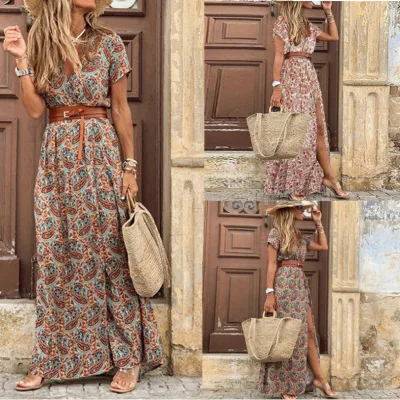
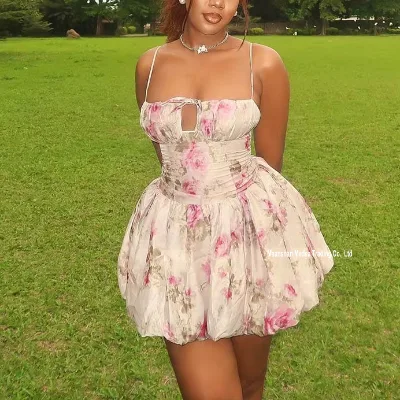
Women's Casual V Collar Floral Dress Summer Floor-Length Chiffon Front Logo Hot Explosions
$4.33 - $4.67
MOQ: 2 pieces
Love Double Apparel (Guangdong) Co., Ltd.
- Trading Company
- Guangdong, China
- Lead time10 days
- Avg. response≤ 5h
Main productsCasual Dresses, Women's Sets, Women's Blouses & Shirts, Women's Pants & Trousers, Women's Coats
Main marketsNorth America(50.00%), Africa(30.00%), Eastern Asia(10.00%), Western Europe(5.00%), Southeast Asia(5.00%)
Xinxiang Baiyin Clothing Co., Ltd.
- Trading Company
- Henan, China
- Lead time15 days
- Avg. response≤ 3h
Main productsGarment making,Costume printing,Clothing sales
Main marketsSouth America(35.00%), Domestic Market(5.00%), North America(5.00%), South Asia(5.00%), Southern Europe(5.00%), Northern Europe(5.00%), Central America(5.00%), Western Europe(5.00%), Eastern Asia(5.00%), Mid East(5.00%), Oceania(5.00%), Africa(5.00%), Southeast Asia(5.00%), Eastern Europe(5.00%)
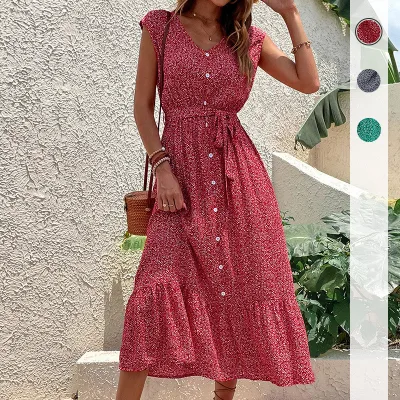
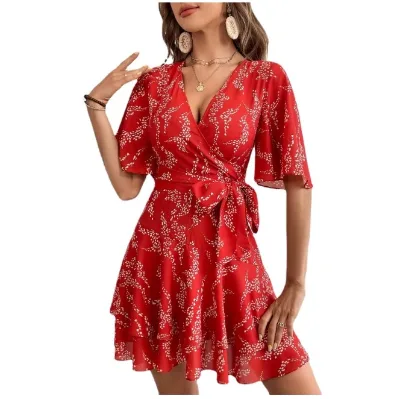
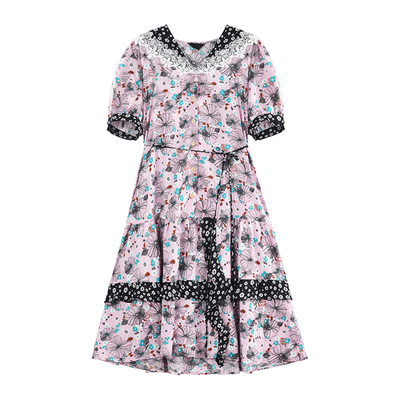
Womens Summer Short Sleeve V Neck Floral Print Dress New Women Chiffon Belt Dress
$7.20 - $7.90
MOQ: 2 pieces



Guangzhou Mingyu Manufacturing Co., Ltd
- Verified by SGS
- Trading Company
- China Guangdong
- Lead time15 days
- Avg. response≤ 1h
Main productsCoat, Dress, Trousers
Main marketsDomestic

Jiaxing Layo Imp. & Exp. Group Co., Ltd.
- Verified by BV
- Manufacturer/Factory,Group Corporation
- China Zhejiang
- Lead time45 days
- Avg. response≤ 3h
Main productsJacket, Bag, Suit, Trench Coat, Wool Coat, Dress, Sweater, Faux Leather, Backpack, Duffle Bag
Main marketsSouth America,Eastern Europe,Mid East,North America,Southeast Asia,Eastern Asia,Oceania,Western Europe,Africa

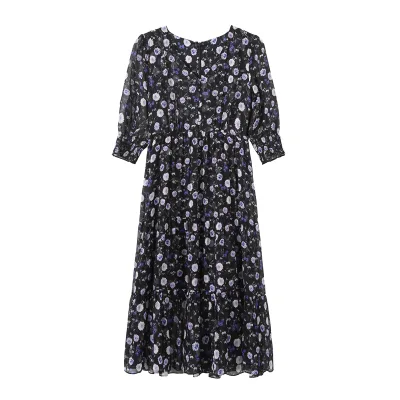
Floral Print Customized Ladies Long Dress Women Dress with Half-Sleeve V Neckline
$28.99 - $36.99
MOQ: 500 PCS

Wholesale Plant Print Ladies Long Cotton Dresses Women V Neckline Casual Dress
$22.50 - $32.50
MOQ: 500 PCS

Shijiazhuang Cool Apparel Co., Ltd.
- Verified by BV
- Combined
- China Hebei
- Lead time23 days
- Avg. response≤ 7h
Main productsBaby Cloth, Baby Romper, Baby Bib, Baby Onesie, Baby Pajamas, T-Shirts, Polo Shirts, Pajamas, Baby Sleeping Bag, Baby Hats
Main marketsSouth America,Africa,Southeast Asia/ Mideast,East Asia(Japan/ South Korea),Domestic,Europe,Australia,North America

Guangzhou Dongzhou Garment Co., Ltd.
- Verified by TUVRHEINLAND
- Combined
- China Guangdong
- Lead time15 days
- Avg. response≤ 6h
Main productsDress, Blazer / Suit Jacket, Trousers / Dress Pants, Vest / Waistcoat, Chanel Style / Tweed Style, Skirt
Main marketsDomestic,Europe
Nanjing Jingshuiliushen Garment Co., Ltd.
- Verified by SGS Group
- Trading Company
- Lead time0 days
- Avg. response≤ 4h
Main productsGarment, Dress, Ladies Suits, Women Shorts, Women Top
Main marketsDomestic Market(40%), North America(30%), Western Europe(10%)
Guangzhou I-Cube Clothing Limited Company
- Manufacturer, Trading Company, Agent
- Guangdong, China
- Lead time15 days
- Avg. response≤ 3h
Main productsKnitwear,Dresses,Coats & Jackets,Trousers & Skirts,Shirts & Blouses
Main marketsNorth America(30.00%), South America(20.00%), Western Europe(15.00%), Southern Europe(5.00%), Northern Europe(5.00%), Eastern Europe(5.00%), Eastern Asia(5.00%), Mid East(5.00%), Oceania(5.00%), Southeast Asia(5.00%)
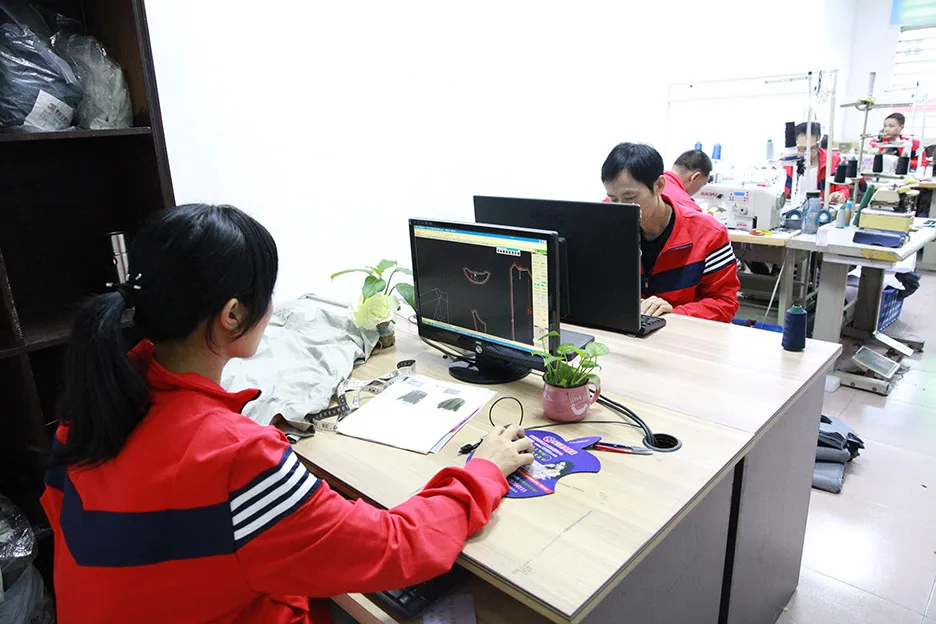
Shanghai Tiandian Fashion Co., Ltd.
- Manufacturer, Trading Company
- Shanghai, China
- Lead time30 days
- Avg. response≤ 18h
Main productsClothes,Shirts,skirts,pants,Blouses
Main marketsNorth America(40.00%), Eastern Europe(18.00%), Northern Europe(16.00%), Southern Europe(13.00%), Southeast Asia(7.00%), Western Europe(6.00%)
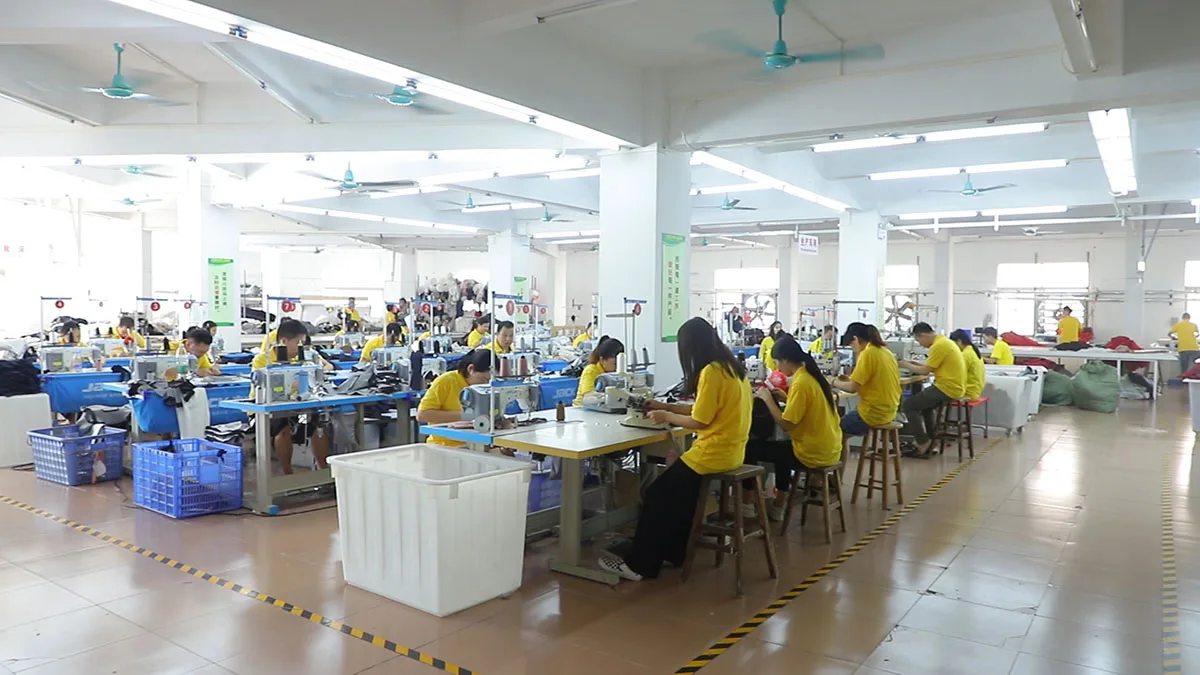
Dongguan Yuema Clothing Co., Ltd.
- Manufacturer, Trading Company
- Guangdong, China
- Lead time25 days
- Avg. response≤ 7h
Main productsDress, Coat, Trousers, Hoodies, T-Shirt
Main marketsNorth America(40.00%), Western Europe(20.00%), Northern Europe(20.00%), Oceania(10.00%), Southeast Asia(10.00%)
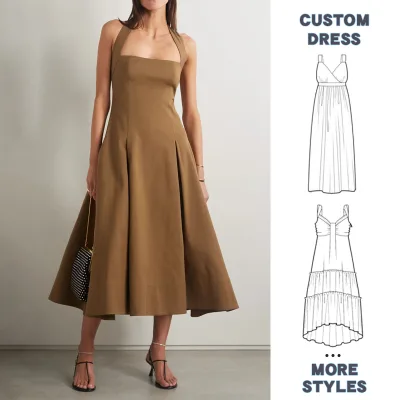
Summer High-quality Customized Neckline High-waist Design Women's A-line Midi Dress
$15.30 - $16.00
MOQ: 50 pieces
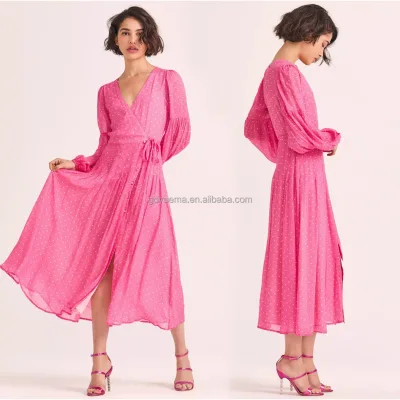
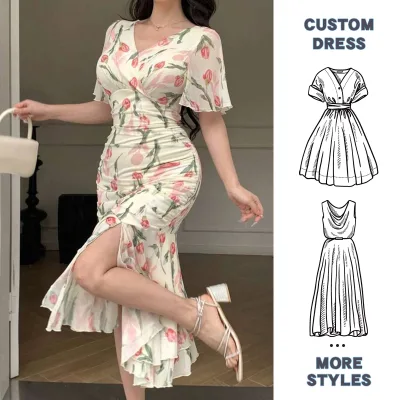
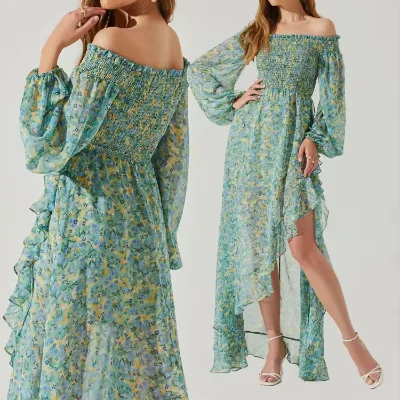
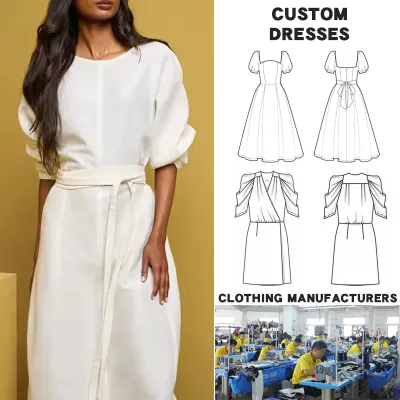
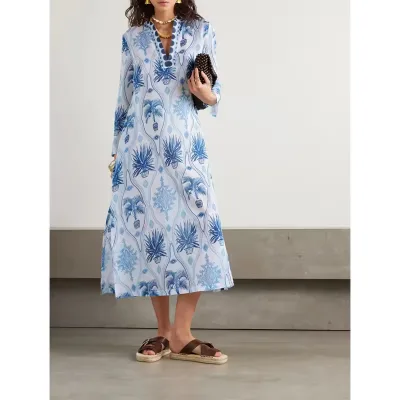
$12.50 - $15.50
MOQ: 50 pieces
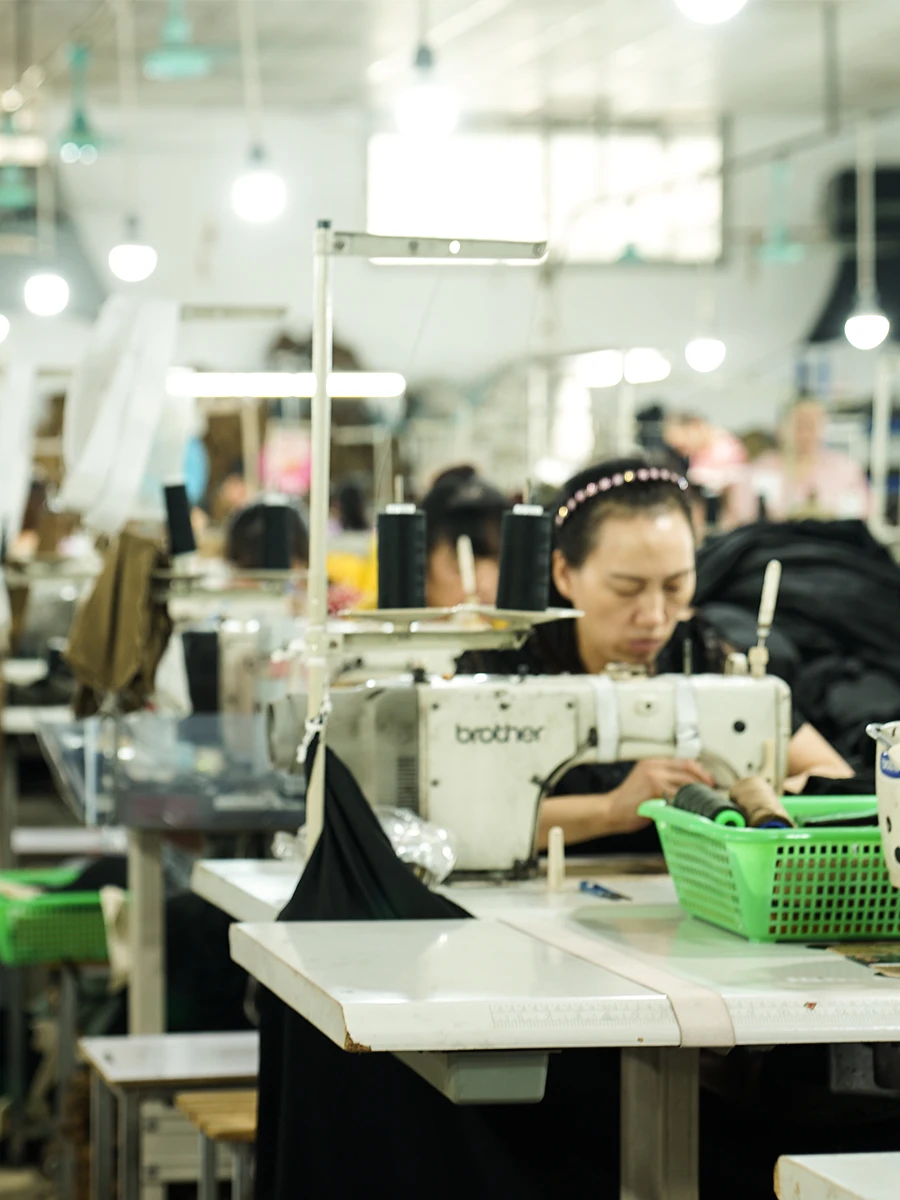
Guangzhou Cat Claw Clothing Co., Ltd.
- Manufacturer, Trading Company
- Guangdong, China
- Lead time0 days
- Avg. response≤ 8h
Main productsDress/Shirt/Evening Dress
Main marketsSoutheast Asia(100.00%)

Dongguan Humen Yichang Garment Factory
- Verified by CTI
- Combined
- China Guangdong
- Lead time23 days
- Avg. response≤ 18h
Main productsFashion Clothing
Main marketsEurope,North America
Guangzhou Cheerfeel Trading Co., Ltd.
- Trading Company
- Guangdong, China
- Lead time10 days
- Avg. response≤ 4h
Main productsClothes , Bodice Applique, Wedding hair accessories
Main marketsNorth America(40.00%), Western Europe(15.00%), Eastern Europe(15.00%), South America(10.00%), South Asia(5.00%), Central America(5.00%), Northern Europe(5.00%), Southeast Asia(5.00%)

Jinan Nanfei Information Technology Co., Ltd.
- Verified by CTI
- Trading Company
- China Shandong
- Lead time15 days
- Avg. response≤ 3h
Main productsWomen/Men Activewear, Women Tops Blouses & Tee, Women Dresses, Women Bottoms, Women Sweatshirts, Women Outerwear, Women Beachwear, Men Co-Ords, Men Hoodies & Sweatshirts, Men Bottoms
Main marketsDomestic

Casual A-Line Knee-Length Dress for Effortless Everyday Style, Women Dress
$13.99 - $40.00
MOQ: 2 Pieces

Retro Floral Print Dress with a Smudged Square Neckline, Drawstring Lacing, and Puffed Sleeves
$11.00 - $15.52
MOQ: 2 Pieces

Dongguan Xiuyu Fashion Garment Co., Ltd.
- Verified by TUVRHEINLAND
- Combined
- China Guangdong
- Lead time15 days
- Avg. response≤ 5h
Main productsSuit, Dress, Hoodie, T-Shirt, Jeans, Trousers, Skirt, Top, Shorts, Blazer
Main marketsEurope,Australia,North America


Women's Elegant Floral Print Summer Casual Party Style Girls Fashion Dress
$13.00 - $15.00
MOQ: 100 pieces

Spring Summer Chiffon One-Piece Deep V-Neck Sleeveless High Waist Long Evening Dress
$18.60 - $22.80
MOQ: 100 pieces


Guangzhou Sunyoung Garment Co., Ltd.
- Verified by SGS
- Combined
- China Guangdong
- Lead time15 days
- Avg. response≤ 6h
Main productsPolo-Shirt, Shirt, Suit, Coat, Uifrom
Main marketsDomestic
Dongguan Jiasheng Garment Co., Ltd.
- Verified by Intertek
- Manufacturer, Trading Company
- Lead time21 days
- Avg. response≤ 2h
Main productsHoodie Set, Tops, Pant, Hoodie, Linen Dress
Main marketsNorth America(35%), Western Europe(30%), Oceania(15%)

Yuanyang Jiayun Department Store Co., Ltd.
- Trading Company
- Henan, China
- Lead time0 days
- Avg. response≤ 3h
Main productsWomen clothes,Bag,Shoes,Human hair,Eyelashes
Main marketsNorth America(70.00%), Africa(10.00%), Southeast Asia(5.00%)


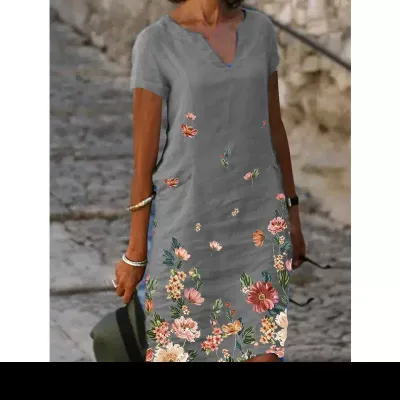
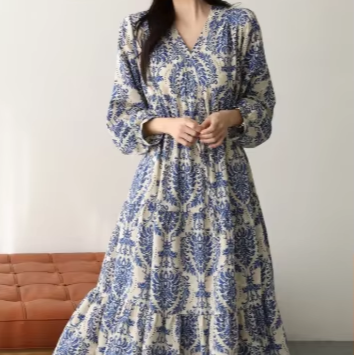
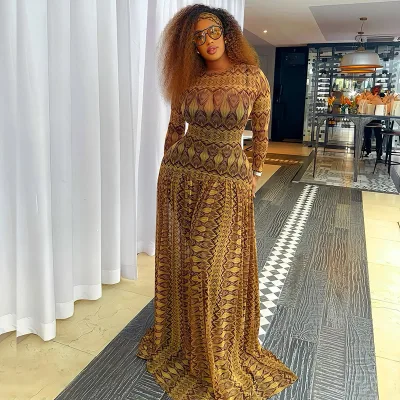
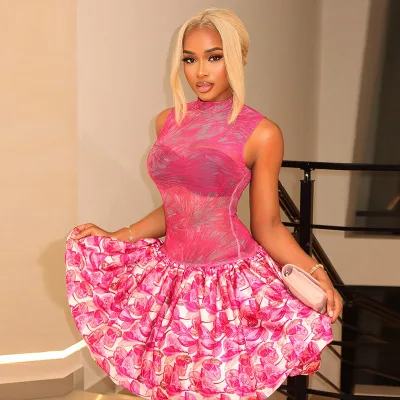
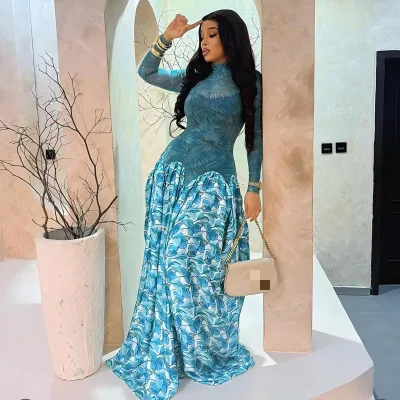
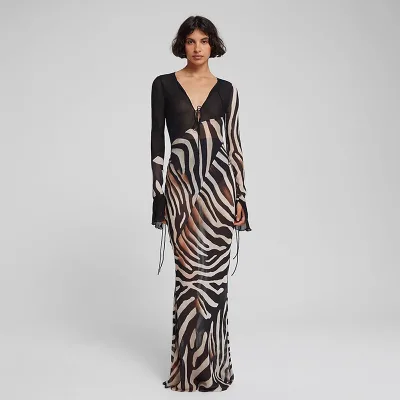
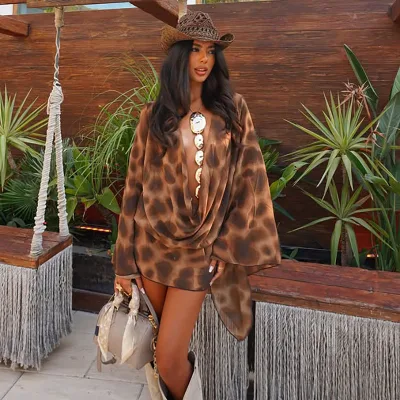




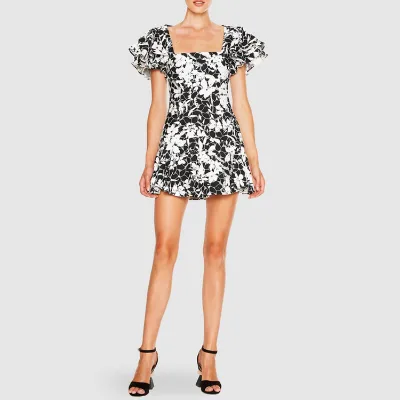
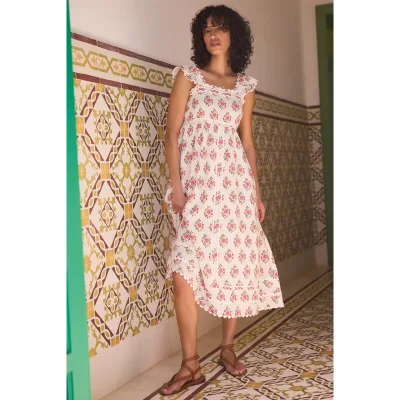


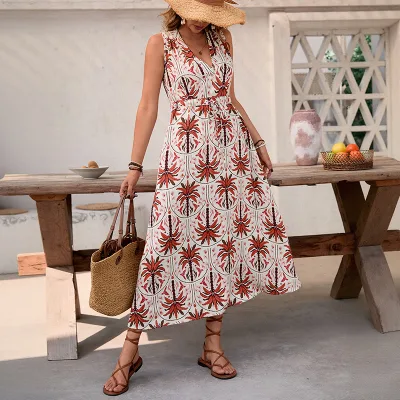
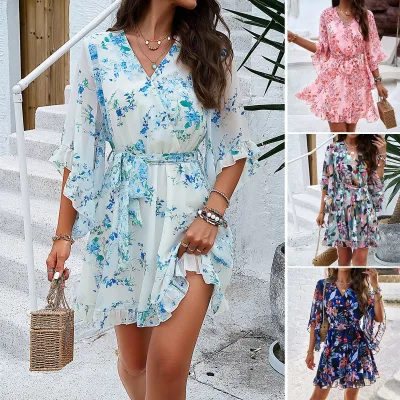


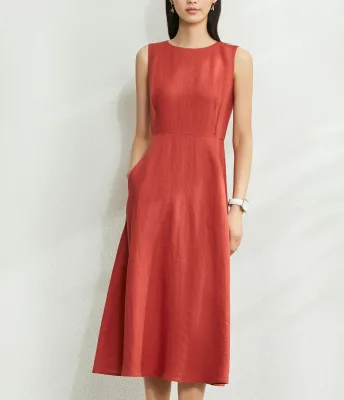
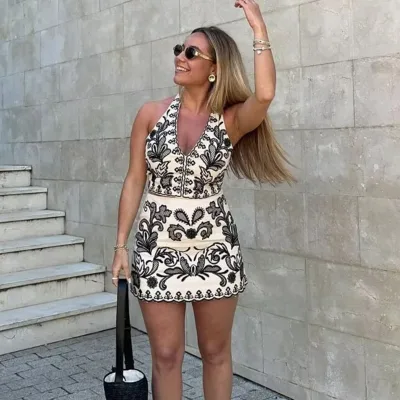
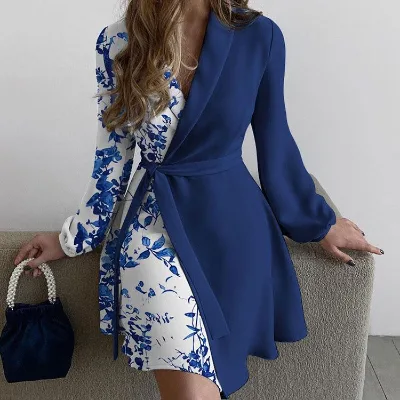
Comprehensive Sourcing Guide
Floral Print V-Neck A-Line Dress Supplier Concentration and Factory Types
The current supplier landscape for floral print v-neck a-line dresses reveals a distinct concentration of manufacturing and trading entities within specific Chinese provinces, primarily Zhejiang and Guangdong. These regions serve as critical hubs for apparel production, offering varying advantages depending on the supplier type. In Zhejiang, the available results indicate a strong presence of trading companies that specialize in a diverse range of women's clothing items, including dresses, blouses, and knitwear. These entities often act as intermediaries, aggregating products from various factories to offer a broader catalog to international buyers. The focus in this region appears to be on higher-end materials, such as silk, which is evident in the product attributes listed for certain suppliers. This suggests that buyers seeking premium, natural fiber garments may find specialized trading partners in Zhejiang who can source specific fabric qualities that might be less common in mass-market production centers.
Conversely, the Guangdong region presents a mixed ecosystem of both trading companies and direct manufacturers or factories. This dual presence allows for greater flexibility in sourcing, as buyers can choose between entities that offer direct production capabilities and those that provide broader logistical support. The main products listed for suppliers in this area include a wide array of women's and children's clothing, indicating a robust local supply chain capable of handling diverse order types. The availability of OEM and ODM capabilities among these suppliers highlights their capacity for customization, which is crucial for buyers looking to develop unique floral print designs or specific v-neck a-line silhouettes. Understanding this geographic and structural distribution helps buyers align their sourcing strategy with their specific needs, whether they prioritize material quality, production control, or product variety.
How to Verify Floral Print V-Neck A-Line Dress Suppliers
Verifying the legitimacy and capability of suppliers requires a careful examination of their verification status and certification records. In the current results, some suppliers display verification from recognized third-party agencies such as SGS and BV. These verifications provide a baseline level of confidence regarding the supplier's business operations and physical existence. However, it is important to note that not all suppliers in the current dataset display such verification, and the absence of a visible badge does not necessarily indicate a lack of quality, but rather a difference in how the supplier presents their credentials. Buyers should prioritize suppliers with these verifications when possible, as they have undergone external audits that confirm their business legitimacy. This step is crucial for mitigating the risk of engaging with fraudulent entities or unverified trading companies that may not have the capacity to fulfill large orders.
Beyond basic verification, buyers should scrutinize the system certifications listed by suppliers, such as BSCI and SEDEX. These certifications are particularly relevant for ethical sourcing and social compliance, ensuring that the manufacturing facilities adhere to specific labor and environmental standards. In the current results, some suppliers in Guangdong explicitly list these certifications, which can be a significant advantage for buyers in markets with strict regulatory requirements regarding supply chain ethics. Additionally, buyers should assess the supplier's response time and lead time metrics as indicators of operational efficiency. A supplier with a rapid response time, such as under one hour, may indicate a more agile and customer-focused operation, while longer response times might suggest a larger, potentially less flexible organization. Combining these verification checks with operational metrics provides a comprehensive view of a supplier's reliability and suitability for long-term partnership.
What to Compare Across Floral Print V-Neck A-Line Dress Suppliers
When evaluating multiple suppliers, it is essential to compare key operational metrics such as lead time, minimum order quantity (MOQ), and response speed to determine the best fit for your business model. The current data shows a wide range in lead times, with some suppliers offering a 45-day turnaround while others indicate a 60-day period. This difference can significantly impact inventory planning and time-to-market, especially for seasonal items like summer dresses. Similarly, MOQs vary considerably, with some suppliers requiring as few as 100 pieces, while others set the bar at 300 or more. Buyers with smaller budgets or those testing new designs should prioritize suppliers with lower MOQs, whereas those with established sales channels and higher volume demands may benefit from the economies of scale offered by suppliers with higher thresholds.
Price and customization options are also critical factors in the comparison process. The price ranges for floral print v-neck a-line dresses in the current results span from approximately $7.50 to $35.99, reflecting differences in material quality, design complexity, and production methods. Suppliers offering silk dresses naturally command higher prices compared to those producing polyester or chiffon alternatives. Additionally, the availability of customization services, such as OEM and ODM, should be assessed. Suppliers that explicitly state customization is available and offer design flexibility can be valuable partners for brands looking to differentiate their offerings. By systematically comparing these attributes, buyers can create a shortlist of suppliers that align with their specific requirements for cost, volume, and product uniqueness, ensuring a more informed and strategic sourcing decision.
Common Floral Print V-Neck A-Line Dress Sourcing Risks
One of the primary risks in sourcing floral print v-neck a-line dresses is the potential discrepancy between sample quality and bulk production. Suppliers may provide high-quality samples that do not accurately represent the final product, particularly when it comes to fabric weight, print clarity, and stitching consistency. This risk is heightened when dealing with trading companies that may not have direct control over the manufacturing process. Buyers should mitigate this by requesting detailed product specifications and, if possible, conducting third-party inspections before shipment. The current results show various material types, including silk, polyester, chiffon, and lace, each with unique handling and quality characteristics. Understanding these material properties and setting clear quality benchmarks in the purchase agreement can help prevent costly surprises upon delivery.
Another significant risk is the variability in supplier responsiveness and communication efficiency. The current data highlights a stark contrast in response times, with some suppliers responding in under an hour while others take significantly longer. Slow communication can lead to delays in order processing, difficulty in resolving issues, and a lack of transparency throughout the production cycle. This is particularly problematic for buyers who require frequent updates or need to make quick adjustments to their orders. Additionally, the lack of visible certifications or verification for some suppliers adds an element of uncertainty regarding their operational standards and financial stability. Buyers should be cautious when engaging with suppliers who do not provide clear information about their capabilities and compliance status, as this can lead to complications in dispute resolution and contract enforcement.
Floral Print V-Neck A-Line Dress Regional Sourcing and Logistics
Sourcing from different regions in China offers distinct logistical advantages and challenges that buyers must consider when planning their supply chain. The current results indicate a concentration of suppliers in Zhejiang and Guangdong, two major apparel manufacturing hubs. Zhejiang is known for its strong textile industry and access to high-quality materials, making it an ideal location for sourcing premium silk and knitwear dresses. The proximity to ports in this region can facilitate efficient export logistics, reducing transit times and costs for buyers targeting international markets. However, buyers should also consider the specific capabilities of trading companies in this area, which may offer a broader range of products but potentially less direct control over production schedules.
In contrast, Guangdong is renowned for its extensive manufacturing infrastructure and diverse supplier base, including both factories and trading companies. This region's robust logistics network and proximity to major shipping routes make it a convenient choice for large-volume orders. The presence of suppliers with OEM and ODM capabilities in Guangdong suggests a high level of manufacturing flexibility, allowing for customized production runs. Buyers should evaluate the specific location of their chosen supplier within these regions, as local infrastructure and labor costs can impact overall pricing and delivery times. Additionally, understanding the regional strengths and weaknesses helps buyers make informed decisions about where to source different product lines, balancing cost, quality, and logistical efficiency to optimize their overall supply chain performance.
Floral Print V-Neck A-Line Dress Commercial Terms and Order Planning
Effective order planning for floral print v-neck a-line dresses requires a thorough understanding of commercial terms, including pricing structures, payment conditions, and production timelines. The current results show a wide price range, from budget-friendly options around $7.50 to premium silk dresses nearing $36.00. Buyers should align their budget with the desired product quality and target market, ensuring that the chosen supplier's pricing model supports their profit margins. It is also crucial to clarify the MOQ and any associated discounts for larger orders, as this can significantly impact the overall cost per unit. Suppliers with lower MOQs may charge a premium, while those with higher thresholds might offer more competitive pricing for bulk purchases.
Lead time and response speed are critical components of order planning, influencing inventory management and customer satisfaction. The current data indicates lead times ranging from 45 to 60 days, which buyers must factor into their production schedules to avoid stockouts or excess inventory. Suppliers with faster response times, such as those under one hour, may offer better support for urgent orders or last-minute changes. Additionally, buyers should verify the supplier's packing standards and origin details, as these can affect shipping costs and customs clearance. By carefully reviewing these commercial terms and aligning them with their business needs, buyers can establish clear expectations and foster a more collaborative and efficient relationship with their suppliers, ultimately leading to smoother order execution and better market outcomes.
FAQs
What is the price range for floral print v-neck a-line dresses?
Prices for these dresses typically range from $7.50 to $35.99 per unit. The lower end covers polyester and chiffon options with minimum orders around 100 to 150 pieces. Higher prices apply to silk materials and more complex customizations, often requiring a minimum order of 300 units for production.
What are the minimum order quantities for these dresses?
Minimum order quantities vary by supplier and material. Some factories accept orders as low as 100 pieces for lace styles, while others require 150 units for polyester options. Silk dresses generally have a higher threshold, starting at 300 pieces. Buyers should confirm specific MOQs based on their chosen design and fabric.
How long does production take for these dresses?
Standard lead times for manufacturing these dresses range from 45 to 60 days. Suppliers in Guangdong often offer faster turnaround times around 45 days, while those in Zhejiang may require up to 60 days. These timelines apply to standard orders and may extend for complex customizations or large volume requirements.
Are these dresses available for customization?
Yes, customization is widely available across most suppliers. Buyers can often request changes to patterns, colors, and sizes. Many factories also support OEM and ODM services, allowing for unique designs. It is essential to discuss specific customization needs directly with the supplier to ensure feasibility and accurate pricing.
What materials are commonly used for these dresses?
Common materials include polyester, chiffon, lace, and silk. Polyester and chiffon are popular for their affordability and drape, while silk offers a premium feel. Lace is often used for detailed patterns. Buyers should verify material specifications with suppliers, as quality and composition can vary significantly between different manufacturing sources.
Where are these dresses typically manufactured?
These dresses are primarily manufactured in China, with key production hubs in Zhejiang and Guangdong provinces. Zhejiang suppliers often specialize in silk and knitwear, while Guangdong factories frequently handle polyester and chiffon items. Buyers can filter suppliers by location to align with logistical preferences and supply chain requirements.
What certifications do these suppliers hold?
Some suppliers hold BSCI and SEDEX certifications, indicating compliance with social responsibility standards. Verification services like SGS and BV are also available for certain manufacturers. Buyers should request current certification documents to ensure the supplier meets specific ethical and quality standards required for their market or corporate policies.