Tie Dyed Ruffled Crop Top Suppliers and Manufacturers
Explore 27 verified suppliers offering Tie Dyed Ruffled Crop Top with ODM capabilities and response times ranging from 5.68 to 18 hours. Compare lead times, MOQs, and pricing to source your next order efficiently; review the available evidence before requesting comparable quotations from suitable candidates.
Updated
Suppliers List

Dongguan Humen Hucai Garment Co., Ltd.
- Verified by SGS
- Combined
- China Guangdong
- Lead time30 days
- Avg. response≤ 6h
Main productsSportswear, Yoga Pants, Sports Bra, T Shirt, Tank Top, Jogger Pants, Tracksuit, Hoodies, Shorts, Leggings
Main marketsSouth America,Africa,Southeast Asia/ Mideast,East Asia(Japan/ South Korea),Domestic,Europe,Australia,North America

Guangzhou Jiaozi Garment Co., Ltd.
- Manufacturer, Trading Company
- Guangdong, China
- Lead time15 days
- Avg. response≤ 18h
Main productsDress,Tops/Blouse,Pants,Hoodies,Skirt
Main marketsOceania(50.00%), North America(30.00%), Eastern Europe(10.00%), Northern Europe(5.00%), Western Europe(5.00%)
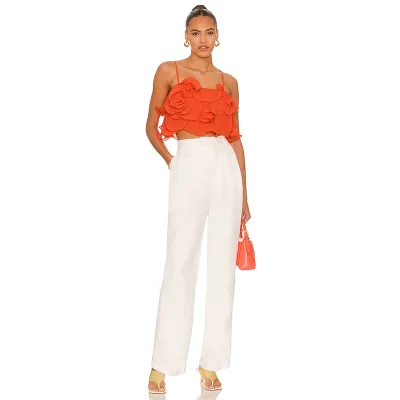
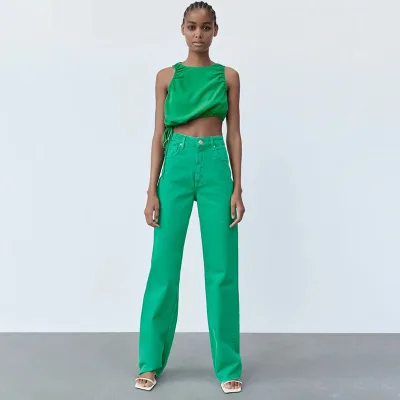
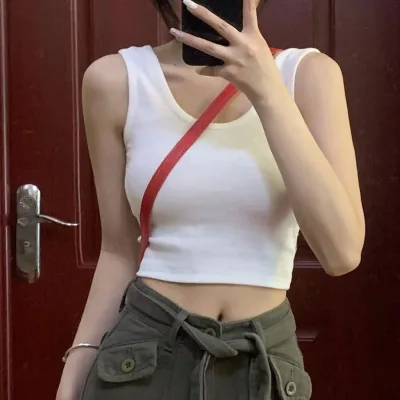
New Arrival Fashion Casual Top Round Neck Asymmetrical Hem With Tie Crop Top for Women
$7.6458 - $13.8445
MOQ: 100 pieces

Shanghai Jspeed Industry Co., Ltd.
- Verified by BV
- Trading Company
- China Shanghai
- Lead time60 days
- Avg. response≤ 7h
Main productsMen/Women Swimwear, Underwear, Bra, Socks, Men/Women Pants, Men/Women Jackets, Dress, Sportwear, Skirt, Shirt
Main marketsEurope
Dongguan Chengwang Trading Co., Ltd.
- Verified by Intertek
- Manufacturer, Trading Company
- Lead time19 days
- Avg. response≤ 3h
Main productsDresses, Tops, Pants, Hoodies, Skirts
Main marketsNorth America(30%), Eastern Europe(15%), Southeast Asia(15%)
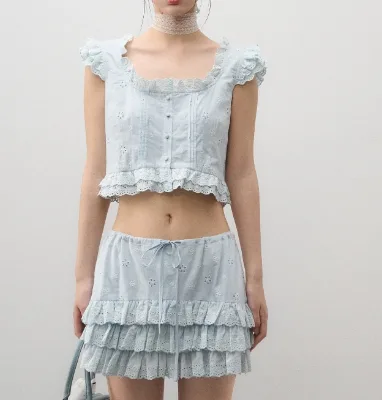
$11.50 - $12.90
MOQ: 50 bags
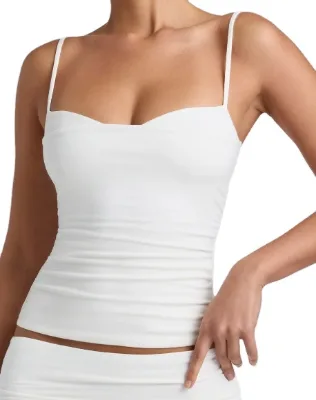
Women's Ruched Layered Tank Top
$5.10 - $6.60

HANGZHOU PERSERPRO GARMENT CO., LTD.
- Other
- China Zhejiang
- Lead time45 days
- Avg. response≤ 23h
Main productsKnitwear, Kid's Sweater, Men's Sweater, Cashmere Sweater, Sweater, Knitting Accessories, Ladie's Sweater, Knitted Sweater
Main marketsSouth America,Eastern Europe,Mid East,North America,Western Europe
Guangzhou Cheerfeel Trading Co., Ltd.
- Trading Company
- Guangdong, China
- Lead time10 days
- Avg. response≤ 4h
Main productsClothes , Bodice Applique, Wedding hair accessories
Main marketsNorth America(40.00%), Western Europe(15.00%), Eastern Europe(15.00%), South America(10.00%), South Asia(5.00%), Central America(5.00%), Northern Europe(5.00%), Southeast Asia(5.00%)

- Verified by BV
- Combined
- China Guangdong
- Lead time0 days
- Avg. response≤ 25h
Main productsWomen Dress, Ladies Dress, Bridesmaid Dress, Skirt, Jumpsuit, Trousers, Jacket, Coat, Blouse, Shirt
Main marketsSoutheast Asia/ Mideast,Europe,Australia,North America

Times Chensheng (Xiamen) Trading Co., Ltd.
- Trading Company,Manufacturer/Factory
- China Fujian
- Lead time45 days
- Avg. response≤ 10h
Main productsJacket, Beach Shorts, Hoodies, Sports Wear, T-Shirt, Kids Wear, Casual Shorts, Swimming Wear, Sweater, Sport Bar
Main marketsSouth America,Eastern Europe,Mid East,North America,Southeast Asia,Eastern Asia,Oceania,Western Europe,Africa
Goldely Garments Import And Export Inc.
- Verified by SGS Group
- Manufacturer, Trading Company
- Lead time40 days
- Avg. response≤ 4h
Main productsRib Shirt, Sweater, Jeans Wear, Satin Skirt, Hoodie
Main marketsNorth America(80%), Western Europe(8%), Domestic Market(3%)

Dongguan Aktik Sportswear Co., Ltd.
- Manufacturer/Factory
- China Guangdong
- Lead time23 days
- Avg. response≤ 15h
Main productsActivewear, Sportswear, Leggings, Sports Bra, Biker Shorts, Sweatsuits, Tank Tops, Sweatpants, Hoodie, Tracksuit
Main marketsSouth America,Eastern Europe,Mid East,North America,Southeast Asia,Eastern Asia,Oceania,Western Europe,Africa
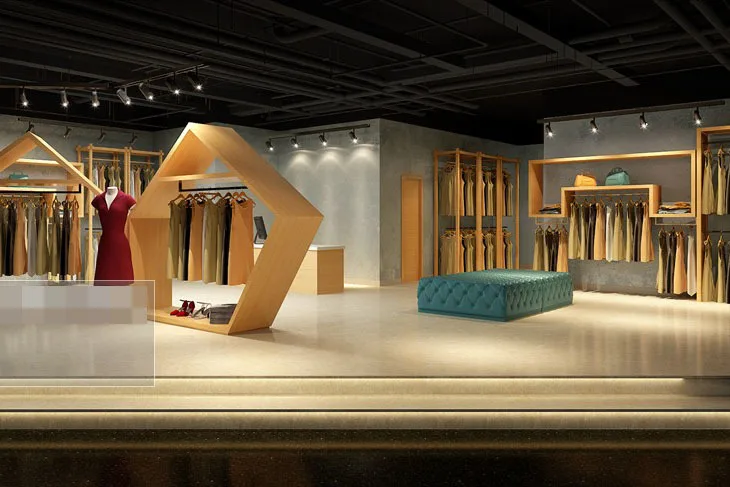
Love Double Apparel (Guangdong) Co., Ltd.
- Trading Company
- Guangdong, China
- Lead time10 days
- Avg. response≤ 5h
Main productsCasual Dresses, Women's Sets, Women's Blouses & Shirts, Women's Pants & Trousers, Women's Coats
Main marketsNorth America(50.00%), Africa(30.00%), Eastern Asia(10.00%), Western Europe(5.00%), Southeast Asia(5.00%)

Tong Lu Spring River Knitting Group Co., Ltd.
- Verified by BV
- Manufacturer/Factory
- China Zhejiang
- Lead time60 days
- Avg. response≤ 25h
Main productsSweater, Cashmere Cardigan, Cashmere Sweater, Knitwear, Merino Sweater, Knitted Pullover, Kid Sweater, Wool Sweater, Women Sweater, Men Sweater
Main marketsEastern Europe,Mid East,North America,Eastern Asia,Western Europe
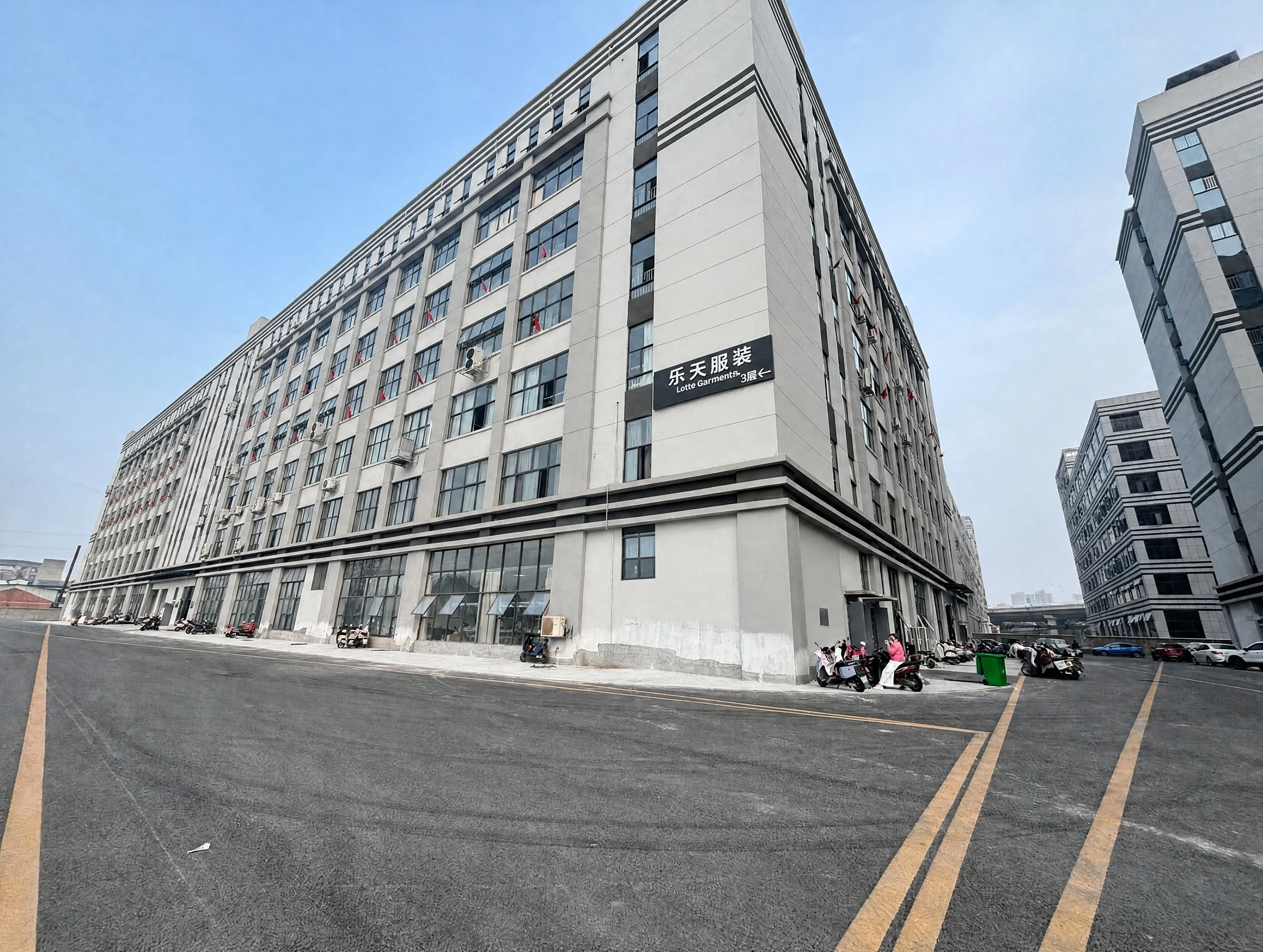
Jiangxi Lotte Garments Co., Ltd.
- Manufacturer
- Jiangxi, China
- Lead time0 days
- Avg. response≤ 7h
Main productsT-Shirts,Hoodies & Sweatshirts,Pants & Trousers,Polo Shirts,Jackets
Main marketsNorth America(48.00%), Oceania(15.00%), Domestic Market(12.00%), South America(5.00%), Mid East(5.00%), Western Europe(5.00%), Eastern Asia(3.00%), Southern Europe(3.00%), Northern Europe(2.00%), Eastern Europe(2.00%)

Guangzhou Dongzhou Garment Co., Ltd.
- Verified by TUVRHEINLAND
- Combined
- China Guangdong
- Lead time15 days
- Avg. response≤ 6h
Main productsDress, Blazer / Suit Jacket, Trousers / Dress Pants, Vest / Waistcoat, Chanel Style / Tweed Style, Skirt
Main marketsDomestic,Europe

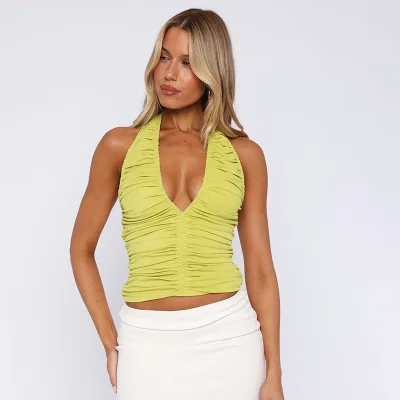
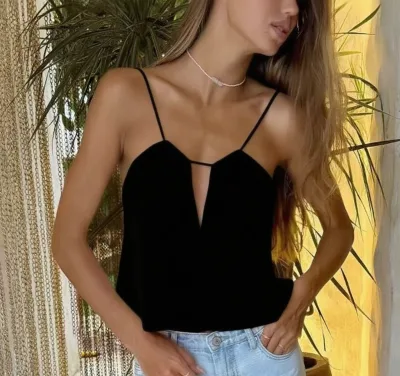
Womens Halter Neck Cowl Neck Crop Top, Backless Tie up Sleeveless Cami Top
$5.00 - $25.00
MOQ: 100 Pieces


$5.00 - $25.00
MOQ: 100 Pieces

One Shoulder Sequin Crop Top for Women, Cutout Detail with Asymmetrical Hem
$5.00 - $25.00
MOQ: 100 Pieces
Dongguan Lingzhixiu Clothing Co., Ltd.
- Verified by Intertek
- Manufacturer, Trading Company
- Lead time20 days
- Avg. response≤ 3h
Main productsCoat, Tops, Skirt, Hoodie, Dress
Main marketsNorth America(63%), Southeast Asia(20%), Oceania(10%)
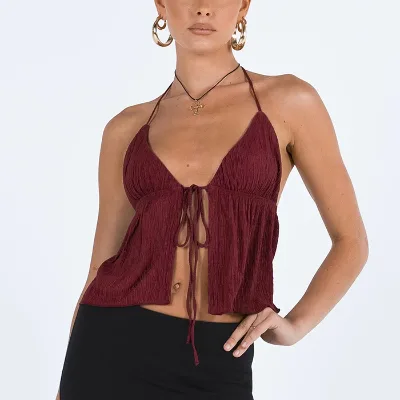
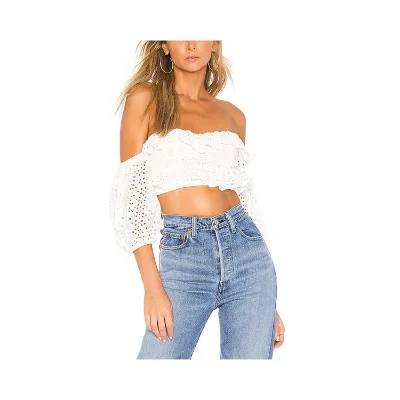
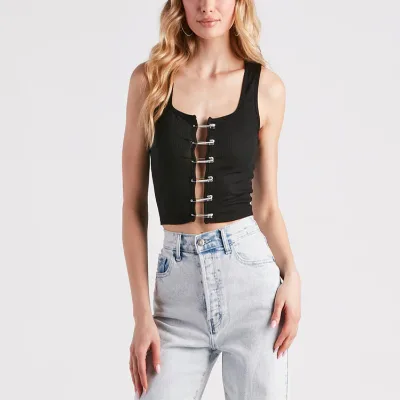
Custom Latest Fashion Ribbed tank Top Summer Black Crop Tops for Women's tank Tops
$12.80 - $14.80
MOQ: 100
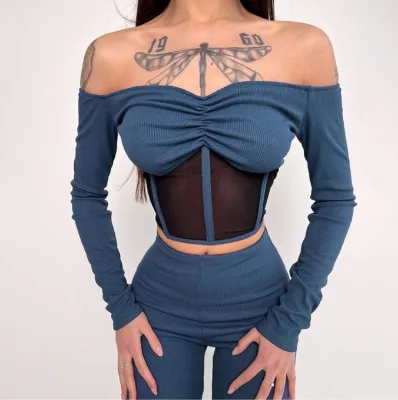
$7.60 - $8.80
MOQ: 50 pieces
Haikou Longhua Lanqingxue E- Commerce Firm
- Trading Company
- Hainan, China
- Lead time30 days
- Avg. response≤ 5h
Main productscloth,bodysuits jumpsuits,hoodies jogger,women tops,cosmetics
Main marketsNorth America(35.00%), Northern Europe(25.00%), South America(15.00%), Southern Europe(7.00%), Africa(6.00%), South Asia(5.00%), Southeast Asia(5.00%), Mid East(5.00%), Eastern Asia(4.00%), Western Europe(2.00%), Domestic Market(2.00%), Oceania(1.00%)
Dongguan Humen Yihao Clothing Co., Ltd.
- Manufacturer, Trading Company
- Lead time旺季: "1 - 100":25,"101 - 500":35,"501 - 1000":40,"> 1000":"To be negotiated", 淡季: "1 - 100":25,"101 - 500":35,"501 - 1000":40,"> 1000":"To be negotiated"
- Avg. response≤ 5h
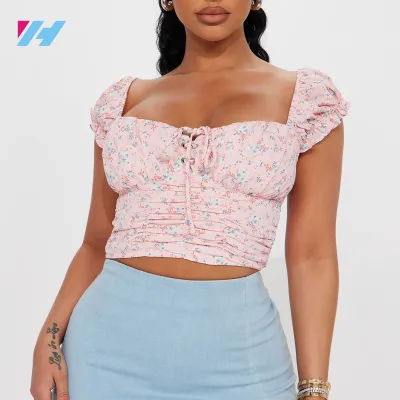
Main productsSilk Dress, Crop Top, Women Oversized T Shirts, Bodysuit, Mini Dress
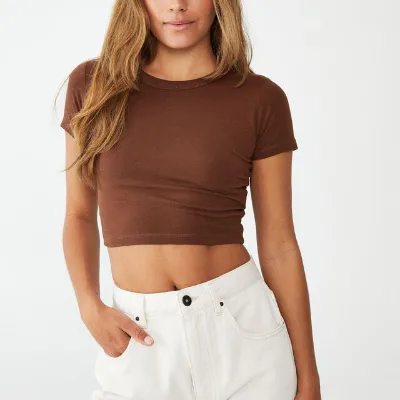
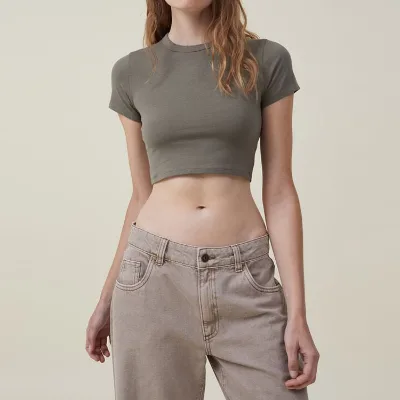
Soft Crop Top for Women Summer Custom Color Casual Elastic Grey O-neck Crop Top
$6.23 - $7.65
MOQ: 80 pieces
- Verified by Intertek
- Manufacturer, Trading Company
- Lead time0 days
- Avg. response≤ 2h
Main productsT-shirt, Sweatshirt, Pants, Polo shirt, Children Garment
Main marketsNorth America(32%), South America(27%), Central America(18%)
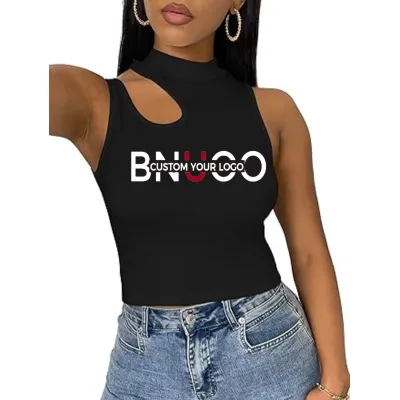
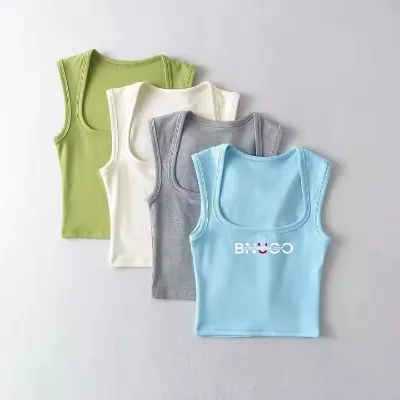
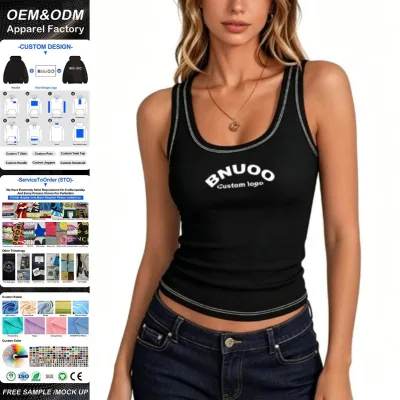
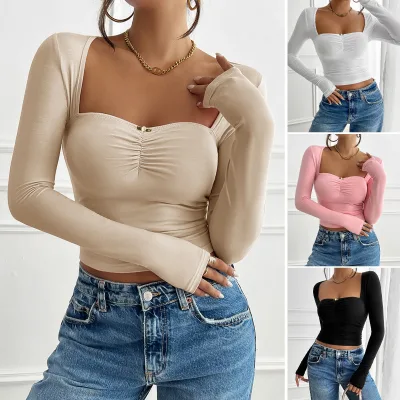
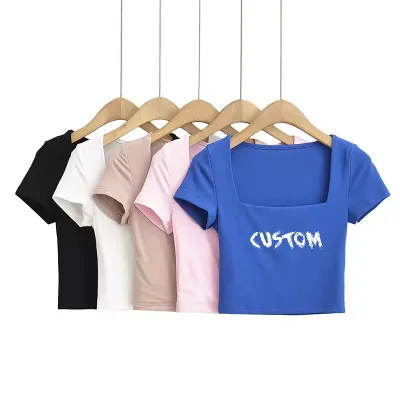
Women's tank Tops Wholesale Summer Crop Top High Quality square Neck Soft Athletic Cotton tank Top
$4.1629 - $8.3364
MOQ: 20 pieces


Zhongshan K & P Knitting Co., Ltd.
- Verified by SGS
- Combined
- China Guangdong
- Lead time15 days
- Avg. response≤ 1h
Main productsSweater, Knitwear
Main marketsEurope,Australia,North America

Dongguan Edee Apparel Co., Ltd.
- Verified by TUVRHEINLAND
- Trading Company,Manufacturer/Factory
- China Guangdong
- Lead time23 days
- Avg. response≤ 3h
Main productsSportswear, Activewear, Gym Clothing, Yoga Wear, Dancewear, Sports Bra, Sports Leggings, Sweatshirt, Track Suit, Hoodie
Main marketsSouth America,Eastern Europe,Mid East,North America,Eastern Asia,Oceania,Western Europe
- Verified by TüVRheinland
- Manufacturer, Trading Company
- Lead time25 days
- Avg. response≤ 3h
Main productsSheet, Duvet Cover, Pillowcase, Pyjama, Dress
Main marketsOceania(70%), North America(30%)

- Verified by CTI
- Trading Company
- China Anhui
- Lead time23 days
- Avg. response≤ 2h
Main productsFurniture, Home Furniture
Main marketsSoutheast Asia/ Mideast

- Manufacturer/Factory
- China Guangdong
- Lead time23 days
- Avg. response≤ 11h
Main productsYoga Clothes, Gym Clothes, Workout Clothes, Fitness Clothes, Running Clothes, Tennis Clothes, Golf Clothes, Plitates Clothing, Fashion Fitness, Sportswear
Main marketsEastern Europe,North America,Western Europe


Women's Square Neck Crop Workout Top with Contrast Stitching & Short Sleeves
$9.90 - $19.90
MOQ: 1 Pieces
Nanchang Jiakai Clothing Co., Ltd.
- Verified by TüVRheinland
- Manufacturer, Trading Company
- Lead time35 days
- Avg. response≤ 3h
Main productsApparel
Main marketsNorth America(80%), Western Europe(10%), South America(2%)

Jiangmen Neiyishe Garment Co., Ltd
- Verified by CTI
- Combined
- China Guangdong
- Lead time15 days
- Avg. response≤ 25h
Main productsUnderwear, Women Underwaer, Panty, Lace Underwear, Thong, Period Underwear, Plush Underwear
Main marketsDomestic

Guangzhou Mingyu Manufacturing Co., Ltd
- Verified by SGS
- Trading Company
- China Guangdong
- Lead time15 days
- Avg. response≤ 1h
Main productsCoat, Dress, Trousers
Main marketsDomestic
Hangzhou Jiadejia Cross-Border E-Commerce Co., Ltd.
- Trading Company
- Zhejiang, China
- Lead time0 days
- Avg. response≤ 6h
Main productsWomen Beaded Crop Top,Waist Body Chain,Body Jewelry,Men Top,Knitted Clothing
Main marketsNorth America(73.00%), Western Europe(10.00%), Eastern Europe(10.00%), South America(2.00%), Eastern Asia(1.00%), Mid East(1.00%), Southern Europe(1.00%), Northern Europe(1.00%), Southeast Asia(0.50%), Oceania(0.50%)
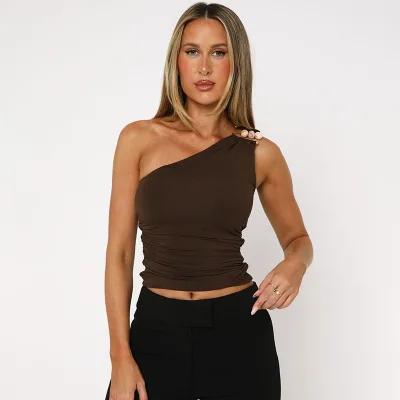
$3.27 - $5.89
MOQ: 2 pieces




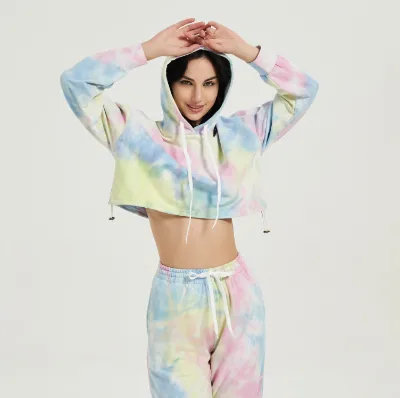
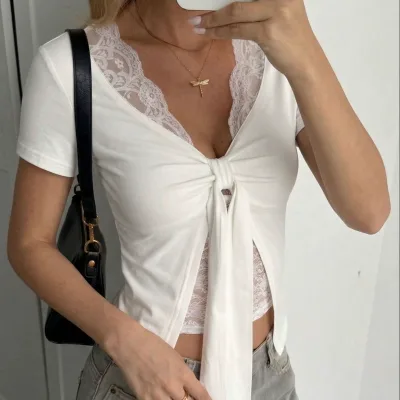
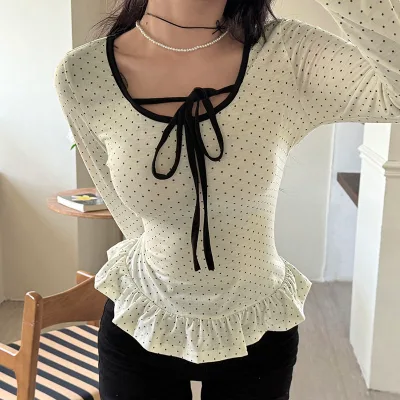


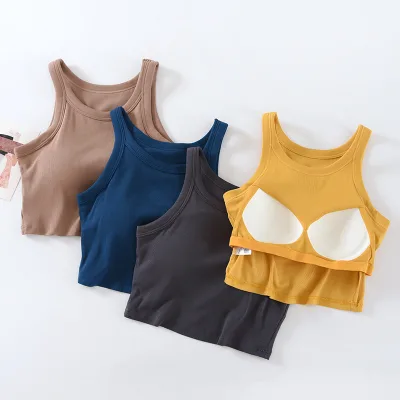
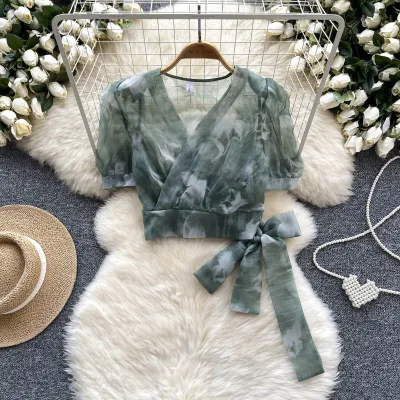


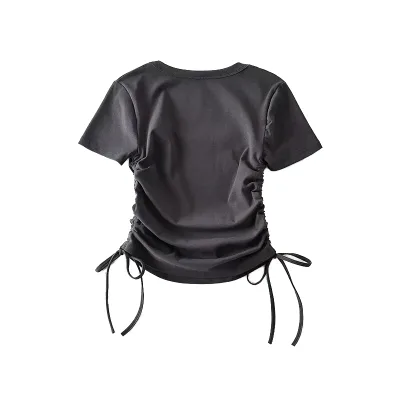
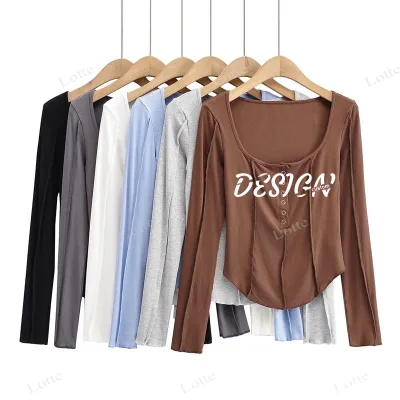
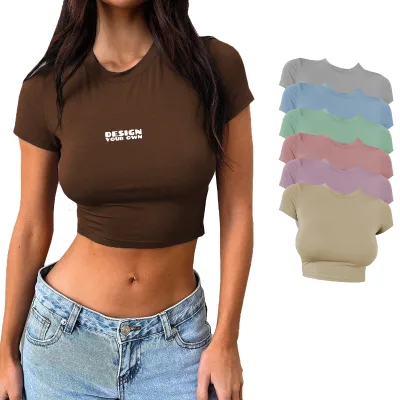







Comprehensive Sourcing Guide
Tie Dyed Ruffled Crop Top Supplier Concentration and Factory Types
The current supplier landscape for tie dyed ruffled crop tops reveals a distinct concentration of manufacturing and trading entities within specific geographic clusters. Evidence indicates that a significant portion of available suppliers are located in China, with Guangdong province emerging as a primary hub for this category. This regional focus is not arbitrary; Guangdong has long established itself as a critical center for apparel manufacturing, offering robust supply chains for textiles, dyeing processes, and garment assembly. Buyers evaluating potential partners should recognize that locating suppliers in this region often correlates with access to established infrastructure for both raw material sourcing and finished goods logistics. The presence of combined company types, including manufacturers and trading companies, suggests a diverse ecosystem where some entities handle direct production while others facilitate trade and quality control. Understanding this geographic distribution is the first step in narrowing down the field, as proximity to these manufacturing hubs can influence lead times, communication efficiency, and the overall cost structure of the final product.
Within this concentrated region, the types of suppliers vary significantly in their operational models and capabilities. The data shows a mix of combined entities, manufacturers, and trading companies, each offering different value propositions to the buyer. Manufacturers typically provide greater control over the production process, allowing for more customized specifications regarding fabric weight, dye techniques, and ruffle construction. Trading companies, on the other hand, may offer a broader range of styles and faster turnaround times for smaller orders by aggregating production from multiple factories. It is crucial for buyers to distinguish between these types when assessing suppliers, as the company type directly impacts flexibility, pricing, and communication. Some suppliers are verified by third-party inspection agencies like SGS, which adds a layer of credibility to their operational claims. However, verification status alone does not define the supplier's capacity or specialization. Buyers must look beyond the company type label to understand the actual production capabilities, such as whether the supplier specializes in ODM services or offers purely OEM solutions. This distinction is vital for brands looking to develop unique tie dyed ruffled crop tops that stand out in a competitive market.
How to Verify Tie Dyed Ruffled Crop Top Suppliers
Verifying the legitimacy and capability of Tie Dyed Ruffled Crop Top suppliers requires a multi-layered approach that goes beyond surface-level profile information. One of the most critical steps is to check for third-party verification badges, such as SGS, which indicate that an independent agency has assessed the supplier's business operations. While this verification provides a baseline of trust, it does not guarantee the quality of every product or the consistency of future orders. Buyers should request detailed company profiles that include photos of the actual factory floor, production lines, and quality control processes. This visual evidence helps confirm whether the supplier is a genuine manufacturer or a trading company acting as an intermediary. Additionally, examining the supplier's main product list can provide insights into their specialization. Suppliers focusing primarily on sportswear, yoga pants, and crop tops are likely to have more expertise in the specific fabrics and construction techniques required for tie dyed ruffled designs compared to general apparel traders.
Another essential verification step involves assessing the supplier's responsiveness and communication efficiency. The data indicates varying response times among suppliers, with some averaging around 5.68 hours and others taking up to 18 hours. A faster response time often correlates with better project management and a more dedicated customer service team, which is crucial for resolving issues during the sampling and production phases. Buyers should also inquire about the supplier's sample process, including the sample time and cost. Evidence suggests that sample times typically range from 10 to 15 days, which is a standard benchmark for custom apparel. However, some suppliers may offer expedited sample services for an additional fee. It is also important to verify the supplier's ability to handle customizations, such as private labeling and logo printing. Suppliers that explicitly state their acceptance of OEM and ODM services are generally more flexible and experienced in working with brand-specific requirements. By combining these verification methods, buyers can build a more accurate picture of a supplier's reliability and suitability for their specific needs.
What to Compare Across Tie Dyed Ruffled Crop Top Suppliers
When evaluating multiple suppliers for tie dyed ruffled crop tops, buyers must systematically compare key operational metrics to identify the best fit for their business model. One of the most significant differentiators is the minimum order quantity (MOQ). The evidence shows that MOQs can vary, with some suppliers requiring 100 pieces per design while others set the bar at 200 pieces. This variation has direct implications for inventory management and cash flow, especially for new brands or those testing new designs. Buyers should align their order volumes with the supplier's MOQ requirements to avoid excessive inventory costs or production delays. Additionally, comparing lead times is crucial for planning production schedules. While some suppliers indicate a lead time of 30 days, others may offer shorter turnaround times of 15 days. Understanding these differences allows buyers to select suppliers that match their time-to-market goals, particularly for seasonal collections or urgent restocking needs.
Price and payment terms are another critical area for comparison. The data reveals price ranges for specific products, such as crop tops priced between $11.00 and $14.00 per unit. However, buyers should not focus solely on the unit price; they must also consider the total cost of ownership, including shipping, customs duties, and potential rework costs. Payment terms also vary, with many suppliers requiring a 40% deposit and a 60% balance before shipping. This structure is common in the industry but requires buyers to manage their cash flow carefully. Furthermore, comparing the supplier's capacity and customization options is essential. Some suppliers offer ODM services, allowing for design modifications, while others may only provide OEM services based on existing designs. Buyers should also look at the supplier's main product range to ensure they have the expertise to handle tie dyed ruffled styles. Suppliers with a strong focus on sportswear and activewear may offer better technical fabrics and construction methods suitable for active use. By systematically comparing these factors, buyers can make informed decisions that balance cost, quality, and operational efficiency.
Common Tie Dyed Ruffled Crop Top Sourcing Risks
Sourcing tie dyed ruffled crop tops from international suppliers introduces several risks that buyers must proactively manage to ensure a successful partnership. One of the most significant risks is quality inconsistency, particularly with complex designs like tie dye and ruffles. The tie dye process is inherently variable, and without strict quality control measures, color matching and pattern consistency can vary significantly between batches. Buyers should request detailed quality assurance protocols from suppliers, including how they handle color matching and defect rates. Additionally, the construction of ruffles requires precise sewing techniques to prevent fraying or unevenness. Suppliers with limited experience in this specific style may produce garments that do not meet brand standards. To mitigate this risk, buyers should invest in thorough sampling and pre-production inspections, ensuring that the final product matches the approved sample in every detail.
Another common risk is communication breakdown and delayed responses, which can disrupt production schedules and lead to missed deadlines. The data shows that response times can vary widely, with some suppliers taking up to 18 hours to reply. This delay can be problematic when quick decisions are needed regarding design changes or production issues. Buyers should establish clear communication channels and set expectations for response times from the outset. It is also important to verify the supplier's ability to handle customizations, such as private labeling and specific packaging requirements. Suppliers that do not explicitly state their customization capabilities may struggle to meet brand-specific needs. Furthermore, buyers should be cautious of suppliers who do not provide transparent pricing or payment terms. Hidden costs or ambiguous payment structures can lead to financial disputes and strained relationships. By identifying and addressing these risks early in the sourcing process, buyers can build a more resilient supply chain and reduce the likelihood of costly errors.
Tie Dyed Ruffled Crop Top Regional Sourcing and Logistics
The geographic location of suppliers plays a pivotal role in determining logistics efficiency and overall sourcing costs for tie dyed ruffled crop tops. Evidence indicates that many suppliers are concentrated in Guangdong, China, a region known for its advanced manufacturing infrastructure and proximity to major shipping ports. This location offers significant logistical advantages, including faster access to international shipping routes and a well-developed network of freight forwarders. Buyers sourcing from this region can benefit from reduced transit times and potentially lower shipping costs, especially for air freight. However, it is important to consider the specific port of dispatch, as some suppliers may list Guangzhou as their port, which can impact customs clearance and final delivery times. Understanding these logistical nuances helps buyers plan their inventory replenishment strategies more effectively and avoid unexpected delays.
In addition to location, buyers must evaluate the supplier's shipping options and packaging standards. The data shows that suppliers typically offer shipping by express, air, or sea, each with different cost and time implications. Express shipping is ideal for urgent orders or samples, while sea freight is more cost-effective for large bulk orders. Buyers should compare these options based on their specific needs and budget. Packaging is another critical factor, as improper packaging can lead to damage during transit. Suppliers often use polybags and cartons, with specific packing quantities per carton. Buyers should ensure that the packaging meets their brand's requirements for protection and presentation. Additionally, buyers should verify the supplier's ability to handle customs documentation and compliance requirements. Suppliers with experience in international trade are better equipped to navigate these complexities, ensuring a smoother import process. By carefully considering regional logistics and shipping options, buyers can optimize their supply chain and reduce overall sourcing costs.
Tie Dyed Ruffled Crop Top Commercial Terms and Order Planning
Effective order planning for tie dyed ruffled crop tops requires a thorough understanding of the commercial terms offered by suppliers. Payment terms are a key component of this planning, with many suppliers requiring a 40% deposit and a 60% balance before shipping. This structure is standard in the industry but requires buyers to manage their cash flow carefully. Buyers should negotiate payment terms that align with their financial capabilities and risk tolerance. Additionally, buyers should clarify any additional costs, such as sample fees, mold charges, or customization fees, to avoid unexpected expenses. It is also important to establish clear delivery schedules and penalties for delays. Suppliers with longer lead times, such as 30 days, may require earlier order placement, while those with shorter lead times of 15 days offer more flexibility. Understanding these timelines helps buyers plan their production schedules and inventory levels more accurately.
Another critical aspect of order planning is the management of samples and approvals. The data indicates that sample times typically range from 10 to 15 days, which is a crucial phase in the sourcing process. Buyers should allocate sufficient time for sample review and feedback to ensure that the final product meets their quality standards. It is also important to verify the supplier's ability to handle revisions and adjustments during the sampling phase. Suppliers that are responsive and flexible during this stage are more likely to deliver a satisfactory final product. Furthermore, buyers should consider the supplier's capacity and scalability. Suppliers with higher monthly production capacities, such as 50,000 pieces, are better suited for large orders, while those with lower capacities may be ideal for smaller, boutique brands. By carefully planning commercial terms and order timelines, buyers can minimize risks and ensure a smooth production process from start to finish.
FAQs
What is the typical lead time for custom crop tops?
Manufacturers in Guangdong, China, generally require 15 to 30 days for production. This timeframe depends on order volume and customization complexity. Buyers should confirm specific schedules with suppliers before placing bulk orders to ensure timely delivery for seasonal collections.
What is the minimum order quantity for these items?
Most suppliers set the minimum order quantity at 100 or 200 pieces per design. This allows for manageable inventory levels while securing manufacturing efficiency. Buyers should verify the exact MOQ with their chosen supplier, as some may offer lower thresholds for sample orders.
How much do ruffled crop tops cost per unit?
Prices typically range from $11.00 to $14.00 per piece. This cost reflects material quality, design complexity, and order volume. Buyers should request detailed quotes based on their specific design requirements and quantity to understand the final pricing structure for their budget.
What payment terms are standard for these orders?
The standard payment term is a 40% deposit with the remaining 60% balance due before shipping. This structure protects both parties by securing the order and ensuring production completion. Buyers should confirm these terms clearly in the contract before initiating the manufacturing process.
How long does it take to receive a sample?
Sample production usually takes 10 to 15 days. This period covers material sourcing, pattern making, and quality inspection. Buyers should plan their timeline accordingly, as sample approval is a critical step before proceeding with full-scale production for the final order.
Are these suppliers verified for quality assurance?
Some suppliers hold SGS verification, indicating a level of third-party quality assurance. Buyers should check the specific verification status of each supplier on the platform. This verification helps ensure that manufacturing processes meet international standards for safety and quality control.
What customization options are available for these tops?
Suppliers offer OEM and ODM services, including custom logos, labels, and colors. Buyers can request specific designs, fabrics, and packaging options. This flexibility allows brands to create unique products that align with their identity while leveraging the supplier's manufacturing capabilities.