Source Turn-Down Collar Shirt Dress for Casual, Vintage, and Daily Wear
Source 30 turn-down collar shirt dress options from Guangdong, China. Compare styles including linen-cotton blends and polyester designs in knee-length, midi, and floor-length cuts. Evaluate features like breathable fabric, loose fit, and ODM supply types for summer and spring collections.
Updated
Key considerations
Products List

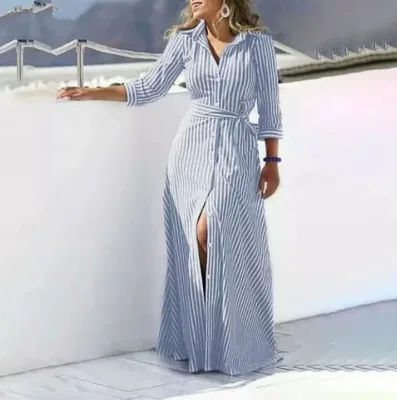
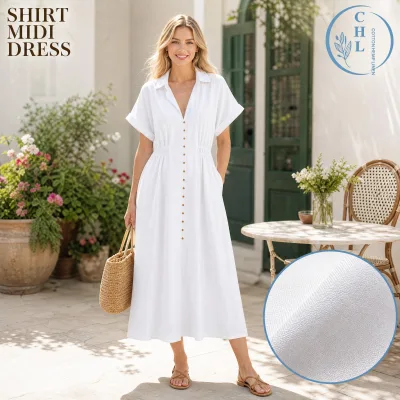
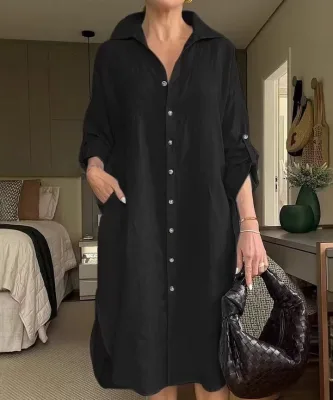


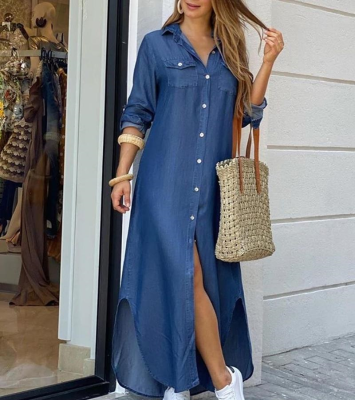

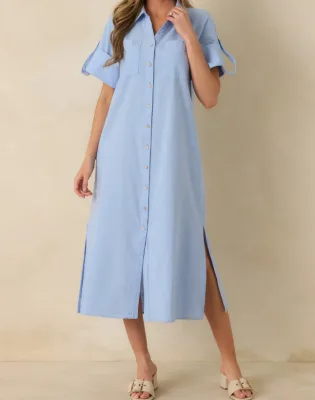
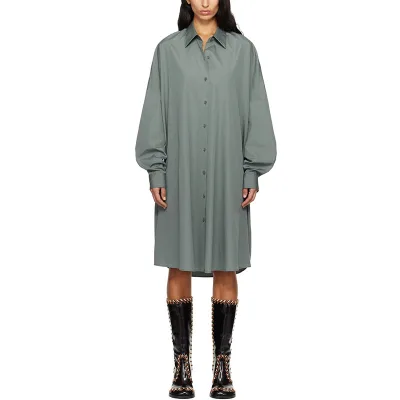

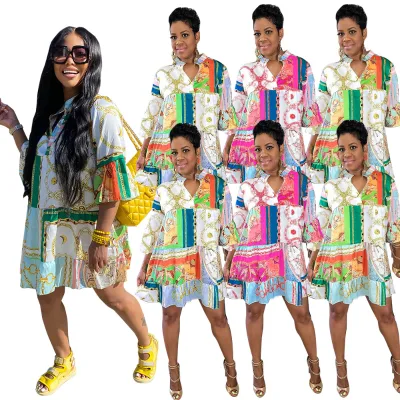
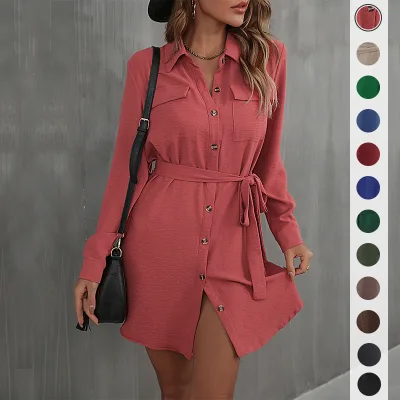


Elegant Deep Gray-Blue Shirt Dress with Turned-Down Collar and Cinched Waist
$5.00 - $25.00
MOQ: 100 Pieces


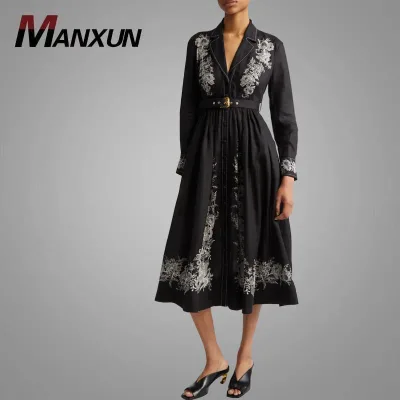
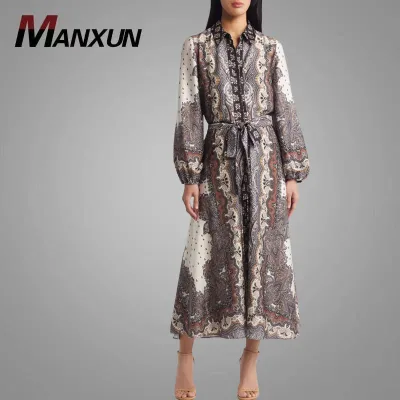
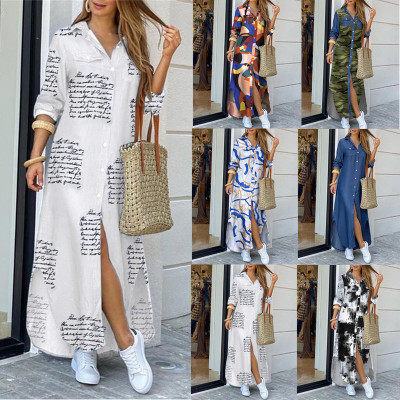


Comprehensive Sourcing Guide
Turn-Down Collar Shirt Dress Sourcing Guide
Sourcing turn-down collar shirt dresses requires balancing vintage aesthetics with modern manufacturing capabilities. The observed market signals indicate a strong preference for casual, breathable fabrics suitable for warm weather. Buyers must navigate a diverse range of material compositions, from natural linen-cotton blends to synthetic polyester options, each offering distinct performance characteristics. Understanding these material differences is critical for selecting the right product for specific seasonal demands and customer expectations.
The supply chain for these garments is heavily concentrated in Guangdong, China, leveraging established textile infrastructure. Suppliers offer both ODM and standard production models, allowing for varying degrees of customization. Key visual elements include solid and striped patterns, with hem shapes ranging from straight to regular cuts. This variety enables buyers to curate collections that appeal to different style preferences while maintaining a cohesive brand identity focused on simplicity and vintage charm.
Product Scope and Observed Listing Signals
The current market landscape for turn-down collar shirt dresses reveals a wide spectrum of design variations. Observed listings highlight key attributes such as knee-length, midi, and floor-length silhouettes, catering to diverse body types and style preferences. The neckline consistently features a turn-down collar, reinforcing the classic shirt dress aesthetic. Sleeve lengths vary significantly, with options including full, short, and three-quarter sleeves, allowing buyers to target specific seasonal needs, particularly for summer and spring collections.
Color palettes are generally restrained, focusing on versatile shades like white, black, olive green, pink, and blue. These colors align with the casual and vintage style elements prevalent in the market. Decorative features such as ties at the hem or back neck logos add subtle branding opportunities without overwhelming the simple design. Buyers should note that while some products emphasize eco-friendly features, others focus on breathability and washability, requiring careful selection based on target market values.
Technical Specifications to Verify
Technical verification begins with fabric composition and weight, which directly impact garment drape and durability. Listings indicate materials ranging from linen-cotton blends to 100% polyester, each with distinct care requirements and performance traits. Buyers must confirm fabric types, such as woven constructions, and verify specific weights to ensure the final product meets quality expectations. Single gross weights observed range from 0.39 kg to 0.530 kg, providing a baseline for shipping cost calculations and inventory management.
Packaging dimensions and size charts are equally critical for logistics planning. Standard package sizes vary, with some items measuring 25x20x4 cm and others up to 30x25x6 cm. Size availability typically includes S, M, L, and XL, with US sizing equivalents like S(2), M(4), and L(6). Buyers should verify fit profiles, noting that loose fits are common, and confirm waistline placements, which are often natural. Accurate specification verification prevents sizing discrepancies and reduces return rates in downstream sales channels.
Compliance and Safety Documentation
Compliance documentation is essential for ensuring that turn-down collar shirt dresses meet international safety and quality standards. Buyers must request detailed material safety data sheets, particularly for polyester-based garments, to verify the absence of harmful substances. While specific certification statuses are not universally listed, suppliers should be able to provide evidence of compliance with relevant textile regulations. This includes verifying that dyes and finishes used in plain dyed or printed fabrics adhere to environmental and health guidelines.
Labeling requirements must also be strictly enforced to avoid customs delays or consumer complaints. Care labels should accurately reflect fabric composition, such as 100% polyester or linen-cotton blends, and include washing instructions that align with the garment’s features. Buyers should ensure that origin labels clearly state Guangdong, China, or China, as required by destination market laws. Proper documentation not only facilitates smooth import processes but also builds consumer trust through transparent product information.
Cost Drivers and Commercial Terms
Cost structures for turn-down collar shirt dresses are influenced by material choices, production complexity, and order volumes. Observed price ranges span from 0.5 to 66.49 USD, reflecting significant variation based on fabric quality and design intricacies. Minimum order quantities typically range from 1 to 500 units, offering flexibility for both small-scale testers and large-volume buyers. Understanding these commercial terms helps buyers align their procurement strategy with budget constraints and inventory turnover goals.
Lead times and sample availability are key factors in supply chain planning. Some suppliers support seven-day sample order lead times, enabling rapid prototyping and design validation. Others may not support samples, requiring buyers to rely on existing catalogs or reference images. Buyers should negotiate clear terms for sample costs and production lead times to avoid delays. Transparent communication regarding these terms ensures that procurement timelines remain realistic and aligned with seasonal launch schedules.
Supplier Qualification and Quality Control
Supplier qualification involves assessing manufacturing capabilities and quality control processes. Buyers should prioritize suppliers with proven experience in producing casual and vintage-style garments. Verification of production facilities, particularly those in Guangdong, China, can provide insights into their capacity and consistency. Requesting references or case studies from previous clients helps validate the supplier’s reliability and ability to meet specific design requirements.
Quality control measures must be clearly defined before production begins. Buyers should establish acceptance criteria for fabric defects, stitching quality, and color consistency. Regular inspections during production and pre-shipment checks are recommended to ensure that final products meet agreed-upon standards. Collaborating with third-party inspection agencies can provide an additional layer of assurance, particularly for large orders. Effective quality control minimizes the risk of receiving substandard goods and protects brand reputation.
Long-Term Procurement Checks
Long-term procurement success depends on continuous supplier performance monitoring and relationship management. Buyers should track key metrics such as on-time delivery rates, defect percentages, and responsiveness to issues. Regular feedback loops with suppliers help identify areas for improvement and foster collaborative problem-solving. Maintaining open communication channels ensures that any changes in production capabilities or material availability are addressed promptly.
Adapting to market trends is crucial for maintaining product relevance. Buyers should stay informed about emerging styles, fabric innovations, and consumer preferences in the casual and vintage segments. Periodic reviews of product performance and customer feedback can guide future sourcing decisions. By staying agile and responsive, buyers can optimize their supply chain and ensure that turn-down collar shirt dresses continue to meet evolving market demands.
FAQs
What materials are used for turn-down collar shirt dresses?
The available options include linen and cotton blends as well as 100% polyester. Linen cotton fabrics offer a woven texture suitable for casual wear, while polyester variants provide breathable and eco-friendly characteristics. Buyers can select based on preferred fabric weight and seasonal comfort requirements for summer or spring collections.
Can I order samples with a 7-day lead time?
Sample support varies by supplier configuration. Some manufacturers explicitly support a 7-day sample order lead time, while others do not support this rapid turnaround. Buyers should verify the specific lead time capability during the inquiry phase to ensure alignment with their urgent development schedules and product launch timelines.
What sizes are available for these shirt dresses?
Standard sizing includes US sizes S, M, and L, corresponding to numerical sizes 2, 4, and 6. Additional listings may offer S, M, L, and XL options. The fit is generally loose with a natural waistline, ensuring comfortable wear across various body types for daily or casual occasions.
Where are these dresses manufactured?
Production originates primarily from Guangdong, China, and other regions within China. This location indicates a strong manufacturing hub for woven fabrics and casual apparel. Buyers sourcing from this region benefit from established supply chains for linen, cotton, and polyester materials used in summer and spring seasonal collections.
What are the common dress lengths offered?
Lengths range from knee-length to floor-length, including midi options. Knee-length styles feature straight hems, while floor-length variants may include regular hems with ties. Buyers can choose based on occasion needs, with midi lengths suitable for daily wear and longer styles offering a vintage aesthetic.
What colors are available for these garments?
Common color options include white, black, olive green, and pink. Some polyester styles are available in black and blue. These colors support casual and vintage styles, allowing buyers to curate collections that match specific seasonal trends or brand identity requirements for summer and autumn apparel lines.