Vintage Pleated Fit and Flare Women Wedding Dress Suppliers
Source Vintage Pleated Fit and Flare Women Wedding Dress options from 24 verified suppliers in Henan and Fujian, China. Compare key dimensions including response times, lead times, and pricing to find the right partner. Contact suppliers directly to request samples and confirm production details.
Updated
Suppliers List
Xinxiang Baiyin Clothing Co., Ltd.
- Trading Company
- Henan, China
- Lead time15 days
- Avg. response≤ 3h
Main productsGarment making,Costume printing,Clothing sales
Main marketsSouth America(35.00%), Domestic Market(5.00%), North America(5.00%), South Asia(5.00%), Southern Europe(5.00%), Northern Europe(5.00%), Central America(5.00%), Western Europe(5.00%), Eastern Asia(5.00%), Mid East(5.00%), Oceania(5.00%), Africa(5.00%), Southeast Asia(5.00%), Eastern Europe(5.00%)
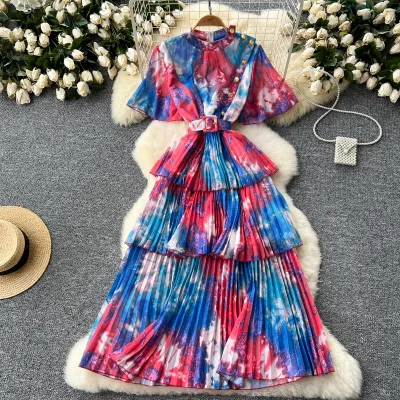
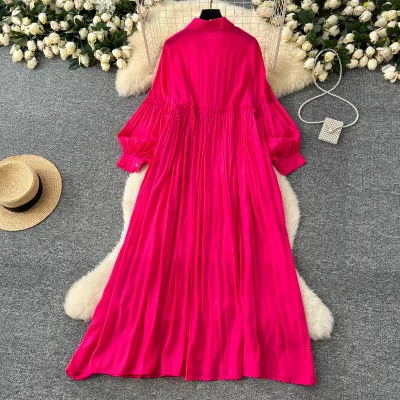
$9.40 - $12.30
MOQ: 2 pieces
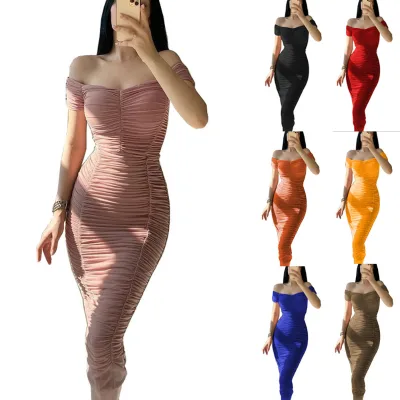
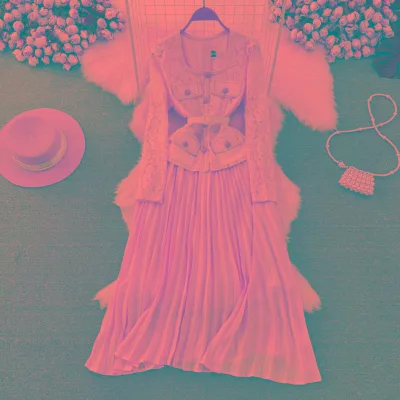

Quanzhou Gaomei Trading Co., Ltd
- Verified by SGS
- Trading Company
- China Fujian
- Lead time15 days
- Avg. response≤ 3h
Main productsClothing
Main marketsSouth America,Southeast Asia/ Mideast,East Asia(Japan/ South Korea),Domestic,Europe,Australia,North America

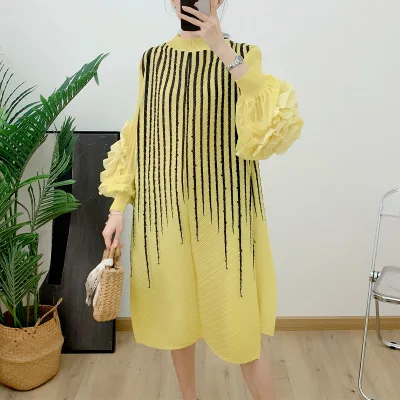
Elegant Halter Pleated Long Dress with Fitted Waist and Floral Pattern Women's Dress
$34.00 - $36.00
MOQ: 5 Pieces


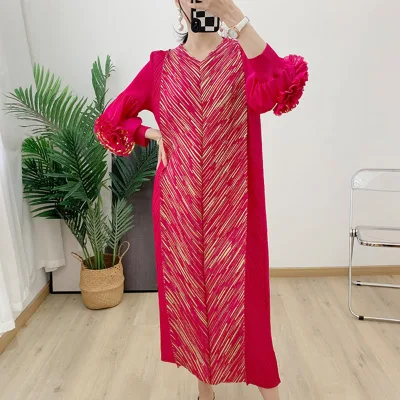
Women's V-Neck Embroidered Dress with Fitted Waist Floral Print and Pleated Design
$21.00 - $23.00
MOQ: 5 Pieces

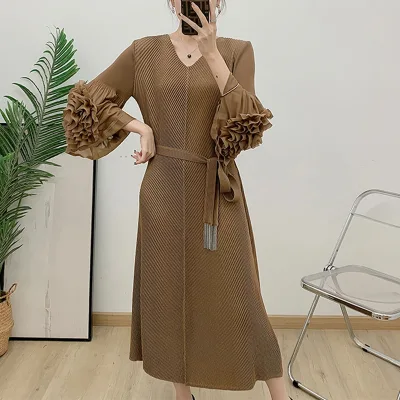
Vintage Elastic Pleated Flare Sleeve Dress for Women Elegant Large Ruffle
$20.00 - $22.00
MOQ: 5 Pieces

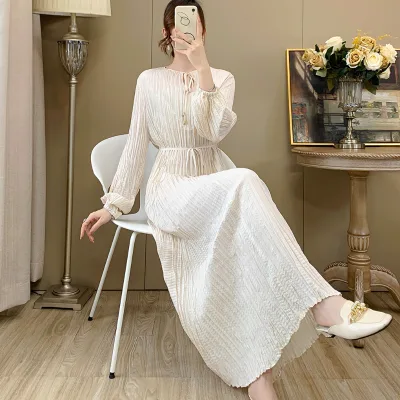
Vintage Pleated Pure-Color Dress for Women Niche Light-Mature Style Loose Long Dress
$20.00 - $22.00
MOQ: 50 Pieces

Vintage Pleated Pure-Color Dress for Women Niche Light-Mature Style Loose Long Dress
$20.00 - $22.00
MOQ: 5 Pieces

Zhangzhou Xiangcheng Danxing Trading Co., Ltd
- Verified by SGS
- Trading Company
- China Fujian
- Lead time15 days
- Avg. response≤ 19h
Main productsDress Shoes, Sports Shoes, Heel Shoes, Kids Shoes, Outdoor Shoes, Basketball Shoes, Trainers, Casual Shoes, Clothes, Bags
Main marketsSouth America,Africa,Southeast Asia/ Mideast,East Asia(Japan/ South Korea),Europe,Australia,North America
Dongguan Zhexin Garment Co., Ltd.
- Manufacturer, Trading Company
- Guangdong, China
- Lead time7 days
- Avg. response≤ 4h
Main productsPleated dress,Pleated suits,Pleated coat,Miyake dress,T-shirt
Main marketsNorth America(25.00%), Mid East(15.00%), Central America(15.00%), Domestic Market(13.00%), Africa(10.00%), Western Europe(8.00%), Eastern Europe(8.00%), Eastern Asia(2.00%), Southern Europe(2.00%), South America(2.00%)
Love Double Apparel (Guangdong) Co., Ltd.
- Trading Company
- Guangdong, China
- Lead time10 days
- Avg. response≤ 5h
Main productsCasual Dresses, Women's Sets, Women's Blouses & Shirts, Women's Pants & Trousers, Women's Coats
Main marketsNorth America(50.00%), Africa(30.00%), Eastern Asia(10.00%), Western Europe(5.00%), Southeast Asia(5.00%)
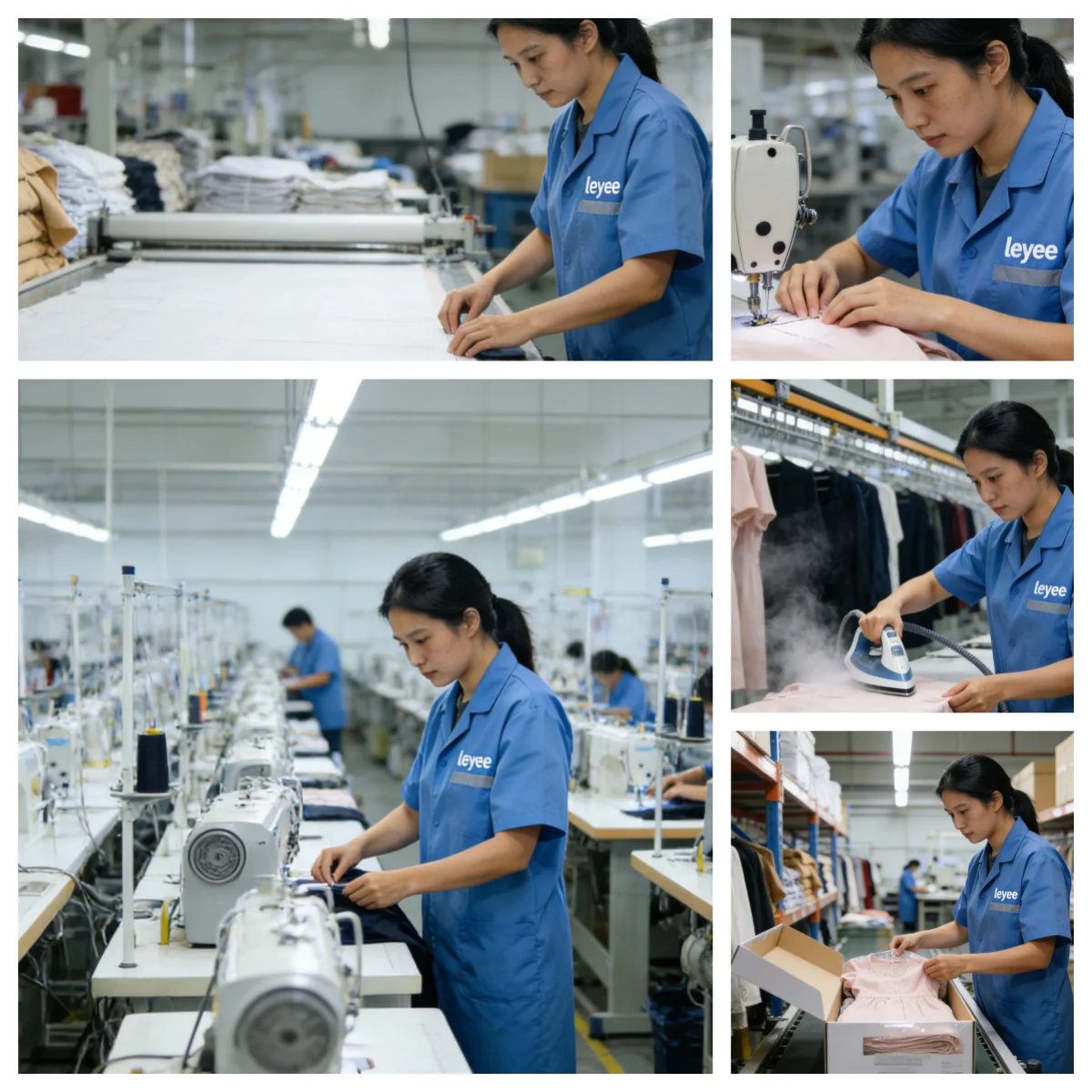
Guangzhou Leyee Garment Co., Ltd.
- Manufacturer, Trading Company
- Guangdong, China
- Lead time0 days
- Avg. response≤ 3h
Main productsdress,2-piece set,Pants,Tops,coat
Main marketsNorth America(50.00%), Southern Europe(20.00%), Eastern Europe(10.00%), Western Europe(10.00%), Africa(10.00%)
Fuzhou Sanli Garments Co., Ltd.
- Manufacturer, Trading Company
- Fujian, China
- Lead time0 days
- Avg. response≤ 9h
Main productsTulle Fabric,Spandex Fabric,Mesh/Net Fabric,Leggings,Sportswear
Main marketsNorth America(35.00%), South America(30.00%), Eastern Asia(20.00%), Western Europe(15.00%)
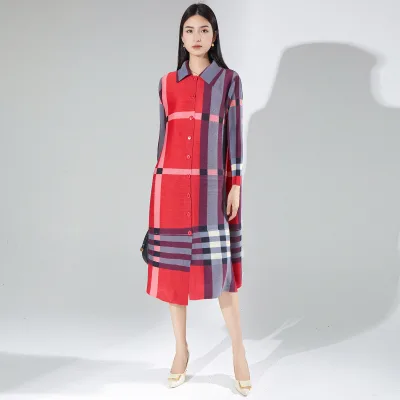
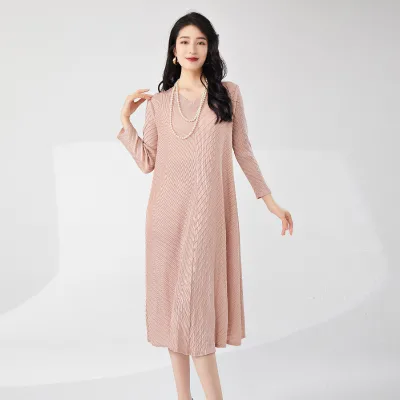
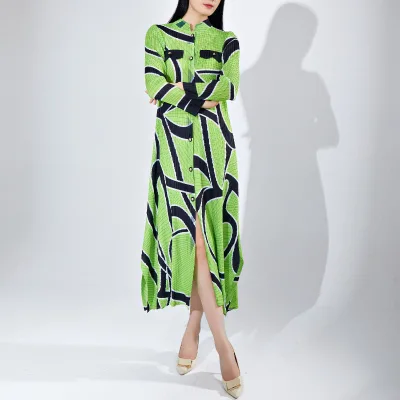
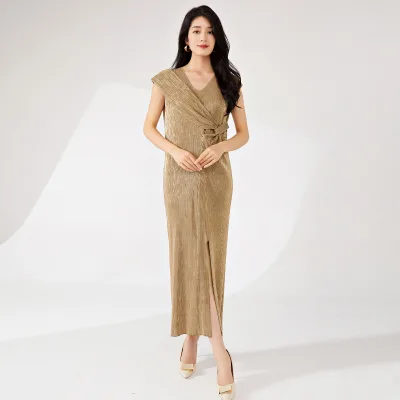
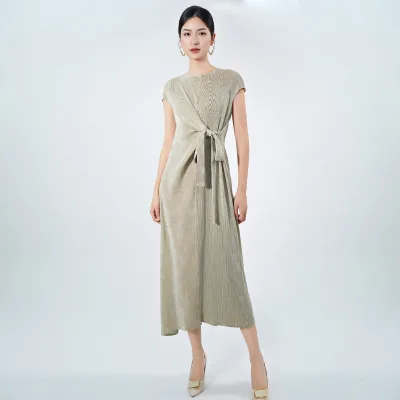
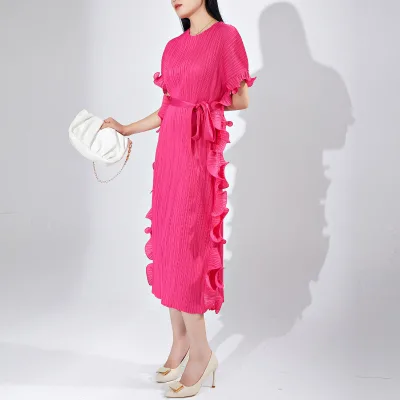
$19.25 - $20.35
MOQ: 2 pieces

- Verified by CTI
- Trading Company
- China Anhui
- Lead time23 days
- Avg. response≤ 2h
Main productsFurniture, Home Furniture
Main marketsSoutheast Asia/ Mideast
Yuanyang Baina Trading Co., Ltd.
- Trading Company
- Henan, China
- Lead time0 days
- Avg. response≤ 3h
Main productsMen's clothing,women's clothing,gift decoration,artificial flowers,shoes
Main marketsCentral America(10.00%), Eastern Asia(10.00%), Mid East(10.00%), Oceania(10.00%), Africa(10.00%), Southeast Asia(10.00%), Eastern Europe(10.00%), South Asia(10.00%), South America(10.00%), North America(10.00%), Domestic Market(5.00%), Northern Europe(5.00%)
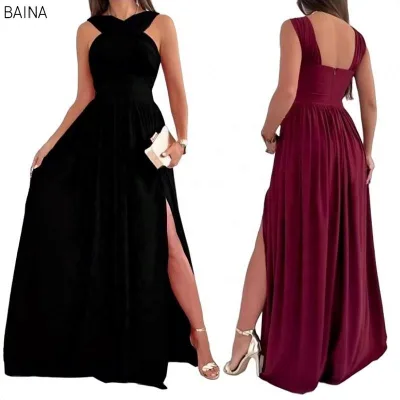
$6.38 - $7.18
MOQ: 2 pieces
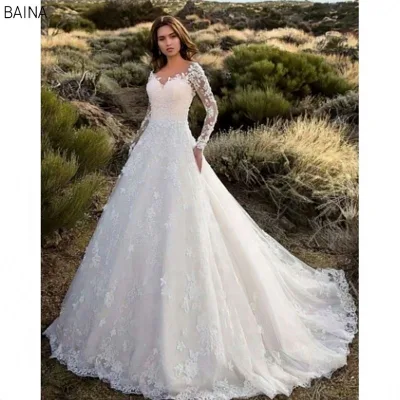
$8.88 - $9.88
MOQ: 2 pieces

Dongguan Humen Yichang Garment Factory
- Verified by CTI
- Combined
- China Guangdong
- Lead time23 days
- Avg. response≤ 18h
Main productsFashion Clothing
Main marketsEurope,North America
Dongguan Anxi Clothing Co., Ltd
- Verified by Intertek
- Manufacturer, Trading Company
- Guangdong, China
- Lead time15 days
- Avg. response≤ 2h
Main productsWomen Dress, Women Skirt, Women Shirt, Women Pant, Women Short
Main marketsNorth America(35%), Eastern Europe(25%), Oceania(20%)

Guangzhou Shengke Clothing Co., Ltd.
- Trading Company
- China Guangdong
- Lead time0 days
- Avg. response≤ 2h
Main productsWoman Clothes, Dress, Clothes, Jeans, All Clothes
Quanzhou Gaomei Trading Co., Ltd.
- Trading Company
- Fujian, China
- Lead time0 days
- Avg. response≤ 2h
Main productsClothing,Knitted spinning,A shoe cap,Luggage and luggage,shoe
Main marketsDomestic Market(70.00%), Southern Europe(15.00%), Eastern Europe(10.00%), Southeast Asia(5.00%)
- Manufacturer, Trading Company
- Hong Kong S.A.R.
- Lead time7 days
- Avg. response≤ 1h
Main productsPleated Dress,Fashion suit,Pleated T-shirt,Pleated skirt,robe
Main marketsNorth America(40.00%), Mid East(15.00%), Southeast Asia(10.00%), South Asia(10.00%), Eastern Europe(5.00%), Northern Europe(5.00%), Western Europe(5.00%), Eastern Asia(5.00%), South America(5.00%)

Jiaxing Qijia Imp&Exp Co., Ltd
- Verified by SGS
- Trading Company
- China Zhejiang
- Lead time60 days
- Avg. response≤ 1h
Main productsDress, Blouse, Sweater, Knitwear, Pants, Woven, Pullover, Jumper
Main marketsEurope,North America

Women's Cotton Dress with Pleated Full Skirt, Fitted Waist and Shoulder-Wrap Sleeves
$26.99 - $32.99
MOQ: 300 Pieces


V Neck Flowers Elegant Dresses Lady Dress Summer Elegant Formal Gown Luxury
$25.09 - $27.50
MOQ: 300 Pieces

- Verified by SGS
- Trading Company
- China Zhejiang
- Lead time30 days
- Avg. response≤ 3h
Main productsBlazers, Dress, Jumpsuits&Bodysuits, Bottoms&Pants, Blouses, Sportswear, Skirts, Tops, T-Shirts, Coats&Jackets
Main marketsEurope,Australia,North America

Graduation Casual Dress for Women with Pleated Waist Belt and Front Buttons
$8.90 - $15.00
MOQ: 30 Pieces


Customizable Casual Wedding Dress in Polyester Lace with Ruffle Sleeves
$11.00 - $15.00
MOQ: 30 Pieces
Guangzhou Balry International Trade Co., Ltd.
- Manufacturer
- Guangdong, China
- Lead time7 days
- Avg. response≤ 2h
Main productsWomen clothes,Yoga wear,Men clothes,Pajamas,technology Item
Main marketsCentral America(25.00%), Western Europe(20.00%), Northern Europe(20.00%), South America(13.00%), Eastern Asia(10.00%), Southern Europe(6.00%), Mid East(3.00%), Africa(3.00%)
Yiwu Jiandie Trading Co., Ltd.
- Trading Company
- Zhejiang, China
- Lead time25 days
- Avg. response≤ 3h
Main productsHandbags,Backpacks,Travel Bags,Shoulder Bags,Evening Bags
Main marketsOceania(20.00%), Africa(20.00%), North America(20.00%), Mid East(10.00%), Western Europe(10.00%), Southeast Asia(10.00%), Domestic Market(2.00%), Southern Europe(2.00%), Eastern Asia(1.00%), South Asia(1.00%), Eastern Europe(1.00%), Northern Europe(1.00%), Central America(1.00%), South America(1.00%)

Guangzhou Panyu district south village Jinluoxuan clothing factory
- Verified by CTI
- Combined
- China Guangdong
- Lead time15 days
- Avg. response≤ 16h
Main productsOutfit, Sequin Evening Gown
Main marketsDomestic

Womens Shiny Pleated Elastic Sheer Long Sleeve V-Neck Flared A-Line Formal Evening Dress
$25.00 - $26.00
MOQ: 50 Pieces

Fully Lined Elegant Shiny Pleated Sheer Long Sleeve V-Neck Flared A-Line Evening Dress for Women
$25.00 - $26.00
MOQ: 50 Pieces

Elegant Women’ S Shiny Pleated Sheer Long Sleeve V-Neck A-Line Flared Fully Lined Evening Gown Dress
$25.00 - $26.00
MOQ: 50 Pieces

$25.00 - $26.00
MOQ: 50 Pieces

Guangzhou Vincenia Trading Co., Ltd.
- Trading Company
- China Guangdong
- Lead time23 days
- Avg. response≤ 7h
Main productsUnderwear, Lingerie, Shapewear, Legging, Lace, Bra, Briefs, Yoga, Fabrics
Main marketsSouth America,Southeast Asia/ Mideast,East Asia(Japan/ South Korea),Europe,North America

New Design Long Sleeves Ladies Dress for Women Pleated Straight Elegant Dress
$7.80 - $8.00
MOQ: 100 Pieces

New Women's Backless Slim Fit Temperament Pleated Decorative Long Sleeved Dress
$4.80 - $5.00
MOQ: 100 Pieces

Shanghai Hubei Apparel Co., Ltd
- Verified by BV
- Trading Company,Manufacturer/Factory
- China Shanghai
- Lead time45 days
- Avg. response≤ 22h
Main productsShirt, Dress, Skirt, Coat, Suit, Knitwear, Blazer, Shorts, Pants
Main marketsSouth America,Eastern Europe,Mid East,North America,Southeast Asia,Eastern Asia,Oceania,Western Europe,Africa

V-Neck Slender Waist Pleated Long Sleeve Women Luxury Long Ladies Dress
$25.00 - $25.80
MOQ: 100 Pieces


Dongguan Zhuoyang Garments Co., Ltd.
- Verified by SGS Group
- Manufacturer, Trading Company
- Guangdong, China
- Lead time7 days
- Avg. response≤ 1h
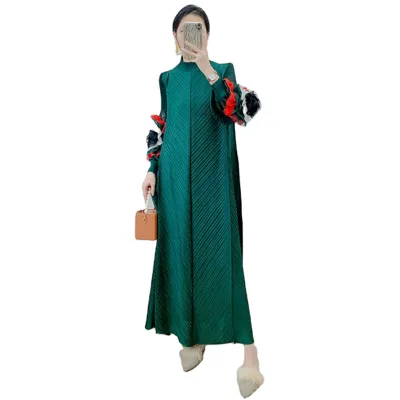
Main productsMen's pleated jackets,Men's pleated trousers,Men's pleated tops,Men's pleated sets,Women's pleated clothing
Main marketsMid East(40%), North America(30%), Southeast Asia(10%)
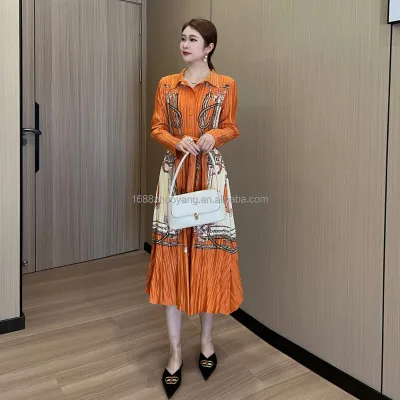
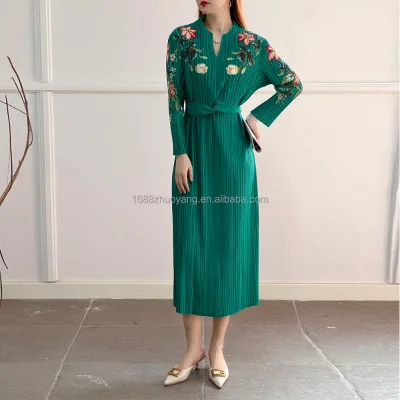
$22.8071 - $24.362
MOQ: 10 pieces
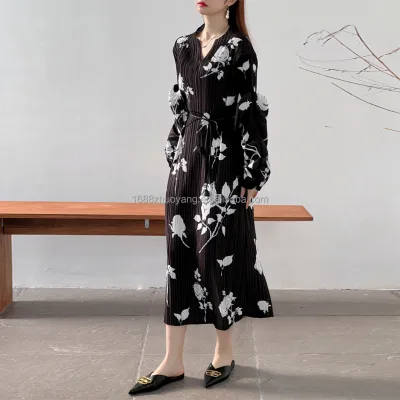
$22.5419 - $24.0789
MOQ: 10 pieces
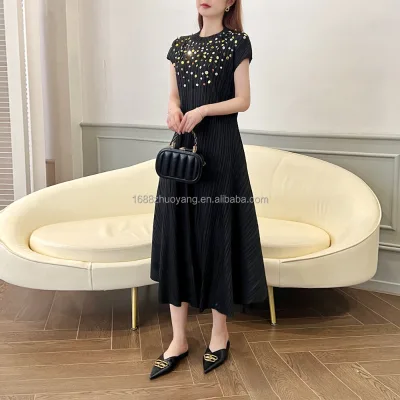
$21.5472 - $23.0857
MOQ: 10 pieces
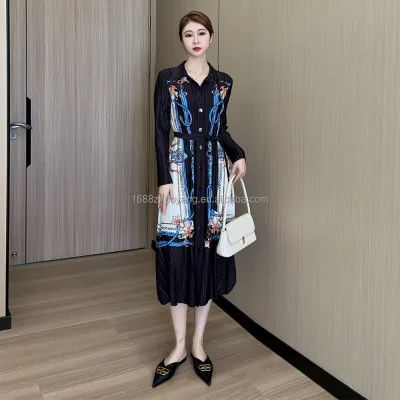

Guangzhou Yifu Clothing Co., Ltd.
- Verified by SGS
- Combined
- China Guangdong
- Lead time15 days
- Avg. response≤ 9h
Main marketsDomestic

Handmade Floral Dress a Fashionable Plus-Size Women's Dress in Solid Color with High Elastic Pleats
$23.25 - $34.25
MOQ: 50 pieces


Guangzhou Zengcheng Yi lai Shun Garment Trading Co., Ltd
- Trading Company
- China Guangdong
- Lead time15 days
- Avg. response≤ 3h
Main productsClothing, Women Dress, Fashion Dress, T-Shirt, Fashion Clothes
Main marketsSouth America,Eastern Europe,Mid East,North America,Southeast Asia,Eastern Asia,Oceania,Western Europe,Africa


a High-Quality Fashionable MID-Length Women's Dress with a V-Neck and Long Sleeves Design. Eves
$1.50 - $2.00
MOQ: 100 Pieces




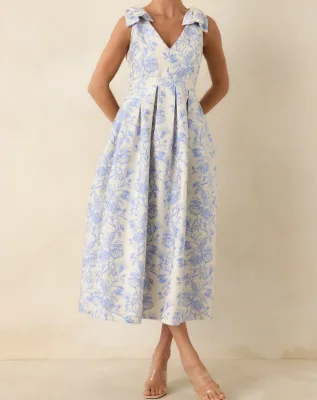
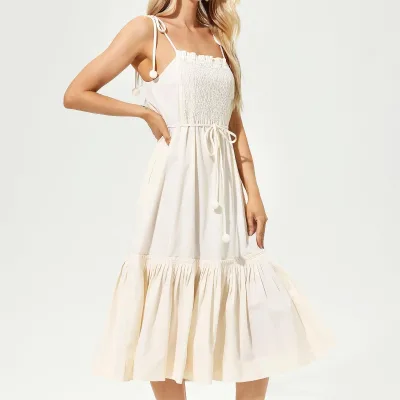


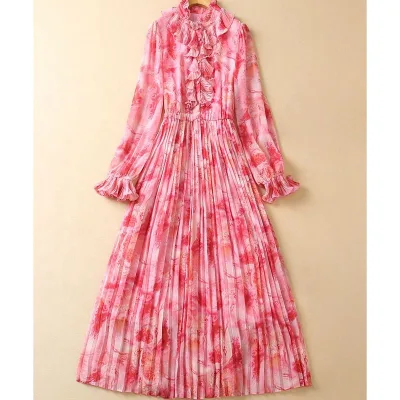
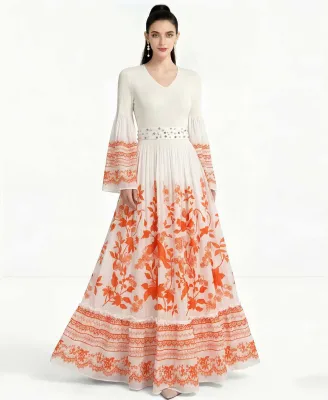
Comprehensive Sourcing Guide
Vintage Pleated Fit and Flare Women Wedding Dress Supplier Concentration and Factory Types
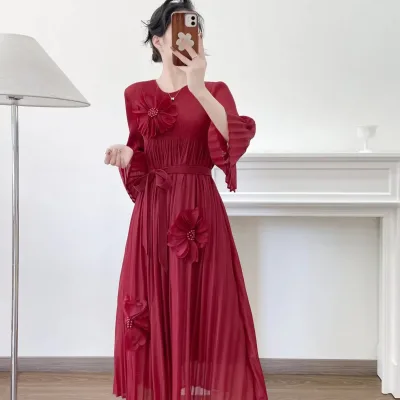
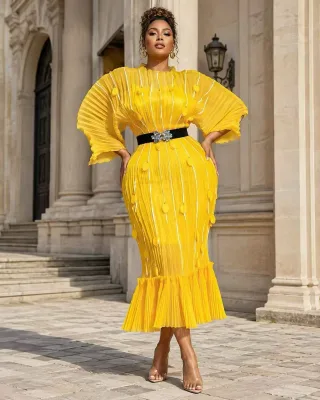
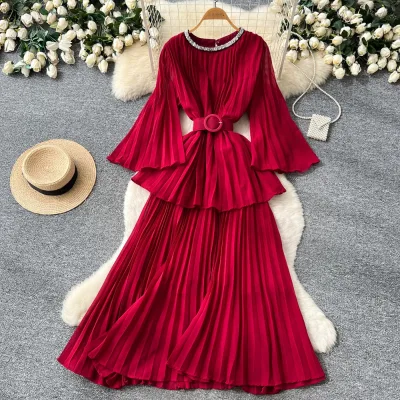
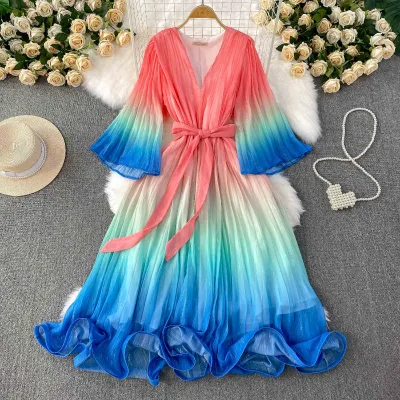
Suppliers listing Vintage Pleated Fit and Flare Women Wedding Dress styles in current search results cluster in a small number of Chinese provinces, with Henan and Fujian both represented. The Henan-based entry presents itself as a trading company whose declared main products span garment making, costume printing, and clothing sales, which signals a hybrid sourcing-and-production operation rather than a single-focus factory. The Fujian-based entry lists clothing as its main product category, carries third-party verification, and advertises ODM design capacity, suggesting a supplier capable of adapting existing pleated dress blocks to buyer specifications. Buyers should treat these two profiles as the practical starting archetypes: intermediaries with broad category coverage, and garment suppliers offering design modification.
Because search results shift, do not assume the current geographic picture is complete. To identify clusters yourself, sort supplier lists by location and note where multiple suppliers of pleated, A-line, and wedding-adjacent dresses repeat. A cluster usually shows a dense repeat of a single province, adjacent product keywords such as casual dresses and cocktail dresses, and similar price bands. When one province dominates, ask each candidate whether it owns cutting and pleating equipment or subcontracts, since intermediaries in garment regions often outsource stitching while controlling printing and finishing. Confirm this in writing before sampling, because factory type determines who is accountable when pleat spacing, hem swing, or waist seam quality drifts from your approved counter-sample.
How to Verify Vintage Pleated Fit and Flare Women Wedding Dress Suppliers
Verification should begin with the attributes a platform actually displays, then move to documents you request directly. In the current results, one Fujian supplier carries SGS verification, which is an observable credential worth weighting, while the Henan trading company discloses no such badge, so you should ask for a business license, export record, and factory photos or a live video walkthrough. Response time is displayed for both entries—around three hours for the Henan company and just under three for the Fujian supplier—so send an identical technical question about pleating methods and compare not only speed but the specificity of the answers.
Next, verify product claims against the listings themselves. Several dress listings in the results are labeled as in-stock items with digital printing, worsted or polyester blends, and stated attributes such as A-line silhouettes, midi lengths, and O-neck or square collars. Ask the supplier to confirm that the vintage pleated fit and flare wedding dress you intend to buy matches these attributes, and request a physical sample before any deposit. Check whether the listing shows needle detection, since one entry marks it yes and another no, and bridal and occasionwear buyers often need this for import compliance. Finally, confirm years in operation if not displayed, ask for two reference customers buying similar dresses, and cross-check the company name on the license against the payout account to reduce redirection fraud risk.
What to Compare Across Vintage Pleated Fit and Flare Women Wedding Dress Suppliers
Build a comparison sheet from the dimensions visible in supplier results: location, main products, company type, verification status, response time, lead time, MOQ, and ODM or OEM capability. In the current data, the Henan trading company shows a fifteen-day lead time, a stated response time of three hours, and dress listings ranging from roughly five dollars to over thirty per unit, while the Fujian supplier shows a response time near 2.9 hours, ODM capacity, and one listing above thirty-four dollars. Use these as example rows, not as guarantees, because attributes can change between searches and not every supplier displays every field.
Compare in three passes. First, structural fit: a trading company may aggregate multiple dress factories and suit mixed-SKU orders, while a verified clothing supplier with ODM capacity suits buyers who need pattern changes, custom pleat depth, or bridal-specific trims. Second, operational numbers: put lead time, MOQ, and response time side by side, noting that the lowest observed MOQ in these results is two units, which favors sampling and small test orders, but confirm whether production MOQ differs from the in-stock listing MOQ. Third, commercial signals: compare price bands against fabric claims, since a spandex-polyester bodycon listing and a worsted A-line listing sit at different cost levels, and a supplier quoting far below its own displayed range deserves scrutiny. Record each attribute with its date, and re-verify anything not directly shown before shortlisting.
Common Vintage Pleated Fit and Flare Women Wedding Dress Sourcing Risks
The most frequent risk in this category is attribute drift between listing and shipment. Listings in the current results describe features such as washable, translucent finishes, anti-wrinkle and breathable treatments, and plain dyed or pleated technics, but these labels are self-declared. A wedding dress buyer who orders a style shown as opaque worsted may receive a lighter polyester-cotton variant, so lock fabric composition, weight, and lining into the purchase contract and approve a sealed counter-sample. The same applies to silhouette: one listed dress is A-line, another bodycon, so confirm the fit and flare block in writing with measurements at bust, waist, and hem sweep.
Supplier-type risk follows. A trading company may not control pleating quality at the subcontracted factory, so delayed reworks can stretch beyond any displayed lead time; a fifteen-day lead time shown on an in-stock listing rarely applies to made-to-order wedding volumes. Communication risk is smaller when response times are near three hours, but fast replies can mask thin technical knowledge, so test with questions about pleat-setting temperature and pressing tolerance. Compliance risk includes missing needle detection and unverified fiber content. Mitigate by staging payments, using platform escrow where offered, and inspecting goods pre-shipment against a documented quality checklist covering stitch density, pleat alignment, zipper function, and color consistency across the bodice and flared skirt.
Vintage Pleated Fit and Flare Women Wedding Dress Regional Sourcing and Logistics
Current results point to two provinces: Henan, an inland region whose supplier presents garment making and costume printing among its main products, and Fujian, a coastal province with a verified clothing supplier offering ODM services. The distinction matters for logistics. A coastal Fujian supplier is typically closer to major container ports, which can shorten inland haulage before export, while an inland Henan supplier may add domestic trucking time to the fifteen-day production lead time shown in its results. Ask each candidate to quote door-to-port transit separately from production time so the true ex-factory date is visible.
Plan around the product's seasonality and packaging. Wedding and occasion dresses are lightweight but bulky; the packing dimension shown on one listing is thirty by thirty by ten centimeters, so calculate container utilization with hanging-versus-flat packing options and confirm whether pleats survive compression in flat pack. Request a carton-drop trial on a packed sample, since translucent fabrics and pleated textures mark easily. For sample orders, one listing states support for a seven-day sample order lead time, which is useful for runway timing, but confirm courier options and whether sample freight is charged separately. If you source from both provinces, split trial orders to compare real transit and handling performance. Finally, ask about peak-season congestion around wedding-buying windows and whether the supplier can hold buffer stock of in-stock SKUs for rapid replenishment.
Vintage Pleated Fit and Flare Women Wedding Dress Commercial Terms and Order Planning
Anchor negotiations to the numbers suppliers actually display, then test them. Observed dress price ranges in current results run from under six dollars to above thirty-four dollars depending on fabric, silhouette, and detailing, so a vintage pleated fit and flare wedding dress quote should be benchmarked against comparable listings in the same fabric family rather than against the cheapest bodysuit-style listing. The lowest displayed MOQ is two units, which is an in-stock figure; treat it as a sampling threshold and negotiate a separate production MOQ with tiered pricing at defined quantity breaks. Put the fifteen-day lead time in the contract as an ex-factory date with a delay remedy, not as a verbal assurance.
Structure payments and tooling conservatively. Use platform escrow or a letter-of-credit style milestone split for first orders, release the balance only after inspection, and pay separately for the counter-sample if the supplier requests it. Clarify ODM terms with the Fujian-style supplier: who owns the modified pattern, whether pleating tooling carries a fee, and whether customized colors raise the unit price above the displayed range. Plan orders in waves—sample, pilot, repeat—so that a style proven at two units scales predictably. Reconfirm all displayed attributes, including verification status and response commitments, at order time, since platform data refreshes and yesterday's listing terms are not today's contract terms.
FAQs
What is the price range for vintage pleated fit and flare wedding dresses?
Prices for these dresses typically range from $5.83 to $34.00 per unit. The lowest cost options are simple bodycon styles, while higher prices reflect complex features like lace embroidery or long sleeves. Buyers should expect variation based on fabric type and specific design details.
What is the minimum order quantity for these dresses?
The minimum order quantity is generally two pieces. This low threshold allows buyers to test product quality before committing to larger bulk orders. It is ideal for small boutiques or individual resellers looking to sample inventory without significant upfront capital investment.
How long does it take to receive an order?
Standard lead times are approximately 15 days for production. Some suppliers support sample orders within seven days for quick evaluation. Buyers should confirm specific timelines with the supplier, as rush orders or custom modifications may extend the delivery window beyond standard periods.
Are these dresses available in in-stock items?
Yes, many suppliers offer these dresses as in-stock items. This supply type ensures faster shipping compared to made-to-order garments. Buyers can often select from existing inventory, which is particularly useful for urgent wedding seasons or immediate retail restocking needs.
What materials are used for these vintage pleated dresses?
Common materials include polyester, cotton, and spandex blends. Some dresses use worsted fabric for structure, while others feature nonwoven or woven constructions. Buyers should check specific product attributes for details on fabric composition, as this affects durability, drape, and overall comfort for the wearer.
Can I customize these dresses with my own logo?
Customization is available from certain suppliers, including logo placement on the front. Buyers should verify if the supplier offers ODM services or specific printing methods like digital printing. Custom orders may have different lead times and minimum order quantities compared to standard stock items.