Foldable Reusable Knitted Bag Suppliers and Manufacturers
Explore 32 verified options for Foldable Reusable Knitted Bag suppliers and manufacturers in Zhejiang and Guangdong. Compare response times, lead times, certifications, and MOQs to find the right partner. Contact suppliers directly to request samples and confirm pricing details; review the available evidence before requesting comparable quotations from suitable candidates.
Updated
Suppliers List
Wenzhou City Lanwan Packing Co., Ltd.
- Manufacturer, Trading Company
- Zhejiang, China
- Lead time10 days
- Avg. response≤ 4h
Main productsPolyester drawstring bag, Cotton bag, Cooler bag, Non woven bag
Main marketsNorth America(20.00%), South America(20.00%), Eastern Asia(10.00%), Western Europe(10.00%), Southern Europe(10.00%), Northern Europe(10.00%), Eastern Europe(10.00%), Southeast Asia(5.00%), South Asia(1.00%), Oceania(1.00%), Central America(1.00%), Africa(1.00%), Mid East(1.00%), Domestic Market(0.00%)
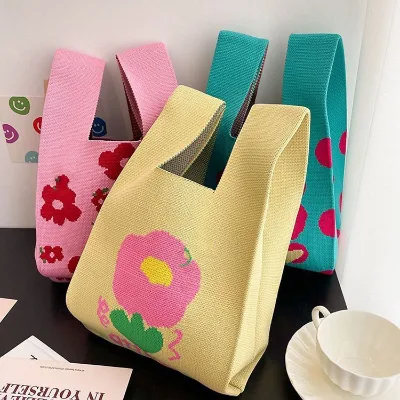
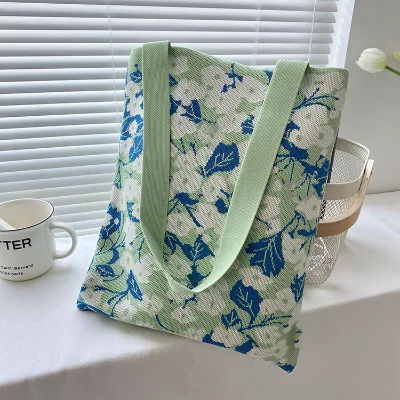
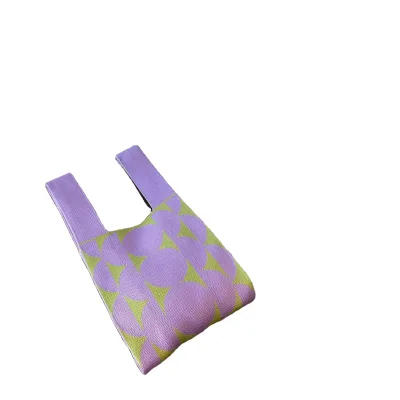
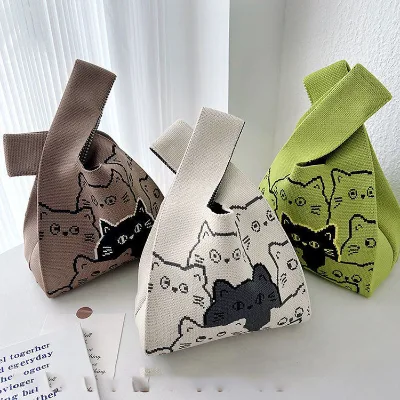
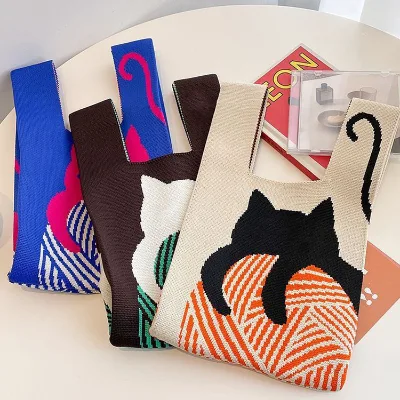
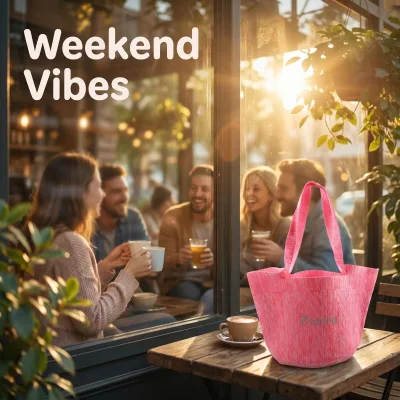
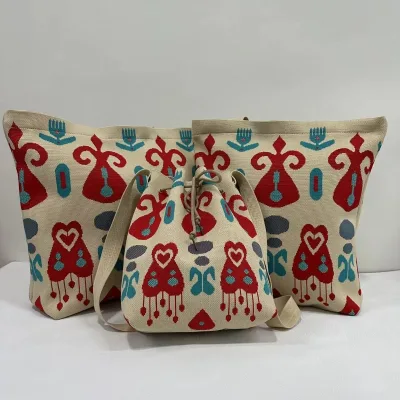
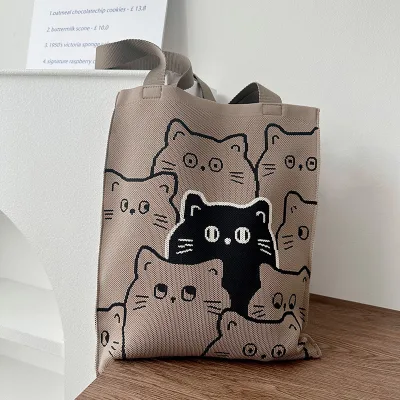
Eco Simple Semicircle Printed Fashion Reusable Knitting Tote Bags Custom Shopper Gift Bags
$1.0793 - $1.4375
MOQ: 1 pieces
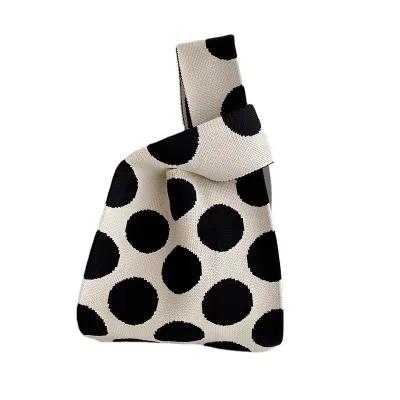

Shenzhen Gymtion Industrial Co., Ltd
- Verified by SGS
- Trading Company,Manufacturer/Factory
- China Guangdong
- Lead time23 days
- Avg. response≤ 5h
Main productsTote Bag, Shopping Bag, Clear Bag
Main marketsEastern Europe,Mid East,North America,Oceania,Western Europe

Qingdao Yide Shine Industry Co., Ltd.
- Verified by SGS
- Manufacturer/Factory
- China Shandong
- Lead time15 days
- Avg. response≤ 3h
Main productsPaper Bag, Kraft Paper Bag, Non Woven Bag, Craft Paper Bag, Value Bag, Shopping Bag, PE Bag, Paper Napkin, Take Away Food Bag, Hanburger Box
Main marketsSouth America,Eastern Europe,Mid East,North America,Southeast Asia,Eastern Asia,Oceania,Western Europe,Africa

Xiamen Top Green Bags Co., Ltd.
- Verified by SGS
- Trading Company,Manufacturer/Factory
- China Fujian
- Lead time45 days
- Avg. response≤ 5h
Main productsCooler Bags, Sports Bags, Apron, Promotional Bag, Waist Bag, Shoulder Bag, Travel Bags, Cosmetic Bag, Laptop Bag, Pencil Bag
Main marketsSouth America,Eastern Europe,North America,Southeast Asia,Eastern Asia,Oceania,Western Europe,Africa

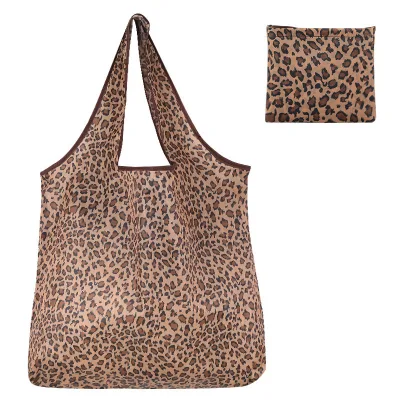
Carry Small Foldable Pocket Tote Polyester Reusable Folding Shopping Bag
$0.28 - $0.48
MOQ: 1000 Pieces

Lightweight Reusable Cotton Folding Foldable Cloth Shopping Bag with Customized Printing
$0.49 - $1.00
MOQ: 500 Pieces
Guangzhou Starlink Trading Development Co., Ltd.
- Verified by SGS Group
- Trading Company
- Lead time20 days
- Avg. response≤ 1h
Main productsBusiness Gift Sets , Promotional Gifts, Exhibition and Event Gifts, Eco-friendly Sustainable Gifts , Festival Holiday Gifts
Main marketsNorth America(40%), Western Europe(20%), Mid East(20%)
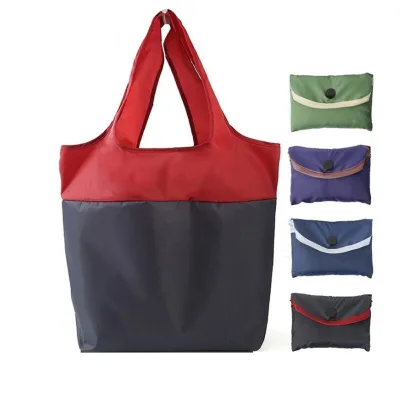
Custom Eco-friendly Carry Packaging Reusable Portable Recycle Shopping Grocery Reusable Bag
$0.1035 - $0.3118
MOQ: 100 pieces
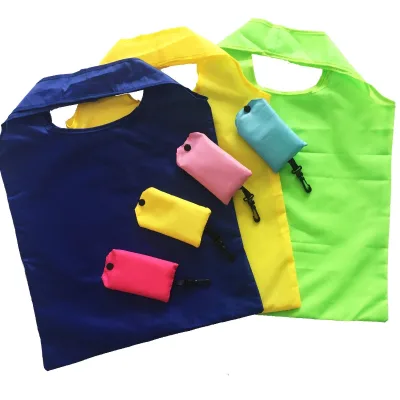
Factory Customized Logo Reusable Grocery Bags Large Foldable Shopping Bags Eco-Friendly Tote Bags
$0.103 - $0.3103
MOQ: 100 pieces
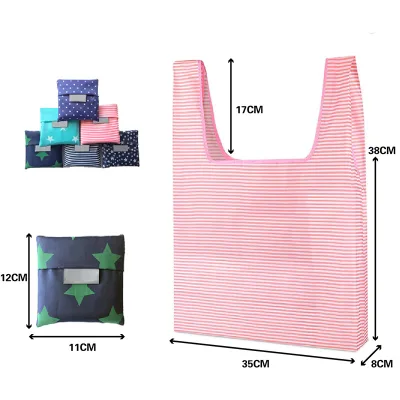
Foldable Tote Shoulder Bag Eco-Friendly Customized Logo Shopping Bag Gift for Women
$0.4527 - $0.4932
MOQ: 100 pieces
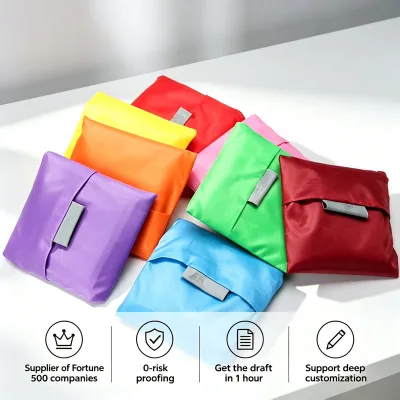

Quanzhou Wuzhou Minstarbags Co., Ltd.
- Verified by SGS
- Trading Company
- China Fujian
- Lead time60 days
- Avg. response≤ 3h
Main marketsSouth America,Southeast Asia/ Mideast,Europe,Australia,North America
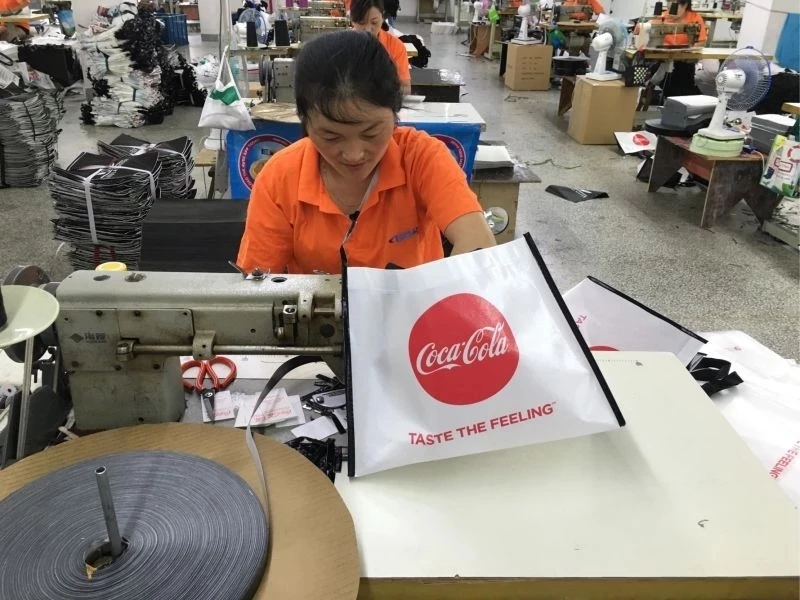
- Manufacturer, Trading Company
- Jiangsu, China
- Lead time3 days
- Avg. response≤ 5h
Main productscotton bags,cotton mesh bags,shopping bag,excavator part,turbocharger
Main marketsSouthern Europe(26.00%), Western Europe(25.00%), North America(20.00%), Eastern Europe(10.00%), South America(10.00%), Southeast Asia(4.00%), Central America(3.00%), Domestic Market(1.00%), South Asia(1.00%), Mid East(1.00%)
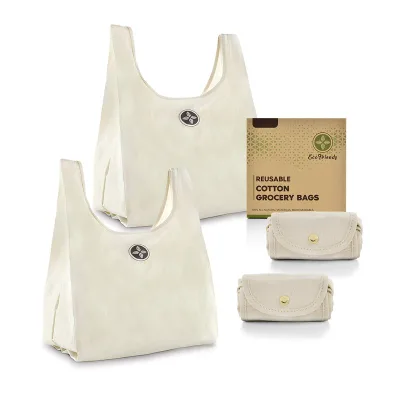
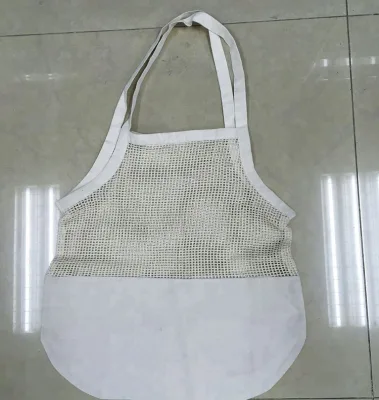
Reusable Cotton Net String Shopping Bag with Canvas Bottom and Customized Label
$0.4107 - $0.5037
MOQ: 200 pieces

Jiangmen Zhaohui Color Printing Plastic Company Ltd.
- Verified by BV
- Combined
- China Guangdong
- Lead time30 days
- Avg. response≤ 17h
Main productsPlastic Flat Bag on Roll, Shipping T-Shirt Bag, Food Bag, Trash Plastic Bag, Plastic Bag, Gift Bag
Main marketsOthers(foreignTradeCapacity.exportBusinessCapacityMarketOther)


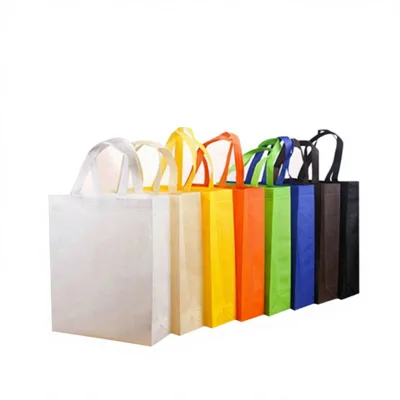
Customized Logo Printed Tote Bag Foldable Reusable Shopping Folding Non Woven Bag
$0.025 - $0.03
MOQ: 100000 Pieces


XIAMEN J-MAX INDUSTRY AND TRADE CO., LTD.
- Trading Company,Manufacturer/Factory
- China Fujian
- Lead time45 days
- Avg. response≤ 7h
Main productsSustainable Bags, Foldable Bags, Shopping Bags, Cooler Bags, Travel Bags, Backpack, ...etc
Main marketsSouth America,Eastern Europe,Mid East,North America,Southeast Asia,Eastern Asia,Oceania,Western Europe


Lightweight Custom Eco-Friendly Recyclable Portable Reusable Stylish Storage Tote Bag F
$0.631 - $0.83
MOQ: 500 Pieces
BANTEX INDUSTRIES AND TRADING COMPANY LIMITED
- Trading Company
- Hong Kong S.A.R.
- Lead time0 days
- Avg. response≤ 2h
Main productsSlipper, School Bag
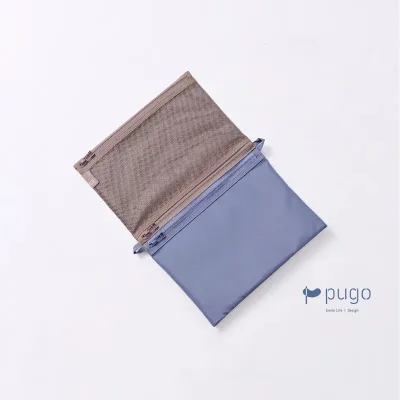
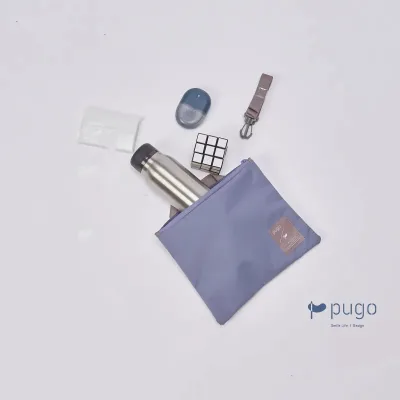
Multi-Functional Portable Large Size Folding Bag Simple Solid Color Folding Bag
$11.00 - $11.70
MOQ: 10 pieces

Shenzhen Lebon Handbags Luggage Co., Ltd
- Verified by SGS
- Combined
- China Guangdong
- Lead time30 days
- Avg. response≤ 3h
Main marketsNorth America
Dongguan Yongcheng Textile Co., Ltd.
- Manufacturer, Trading Company
- Guangdong, China
- Lead time25 days
- Avg. response≤ 8h
Main products3D Air Mesh,Jacquard Mesh,Single/Double-Sided Mesh,Elastic Fabric,Fly Knitting
Main marketsSoutheast Asia(80.00%), South Asia(20.00%)

Wenzhou Guanmin Import and Export Co., Ltd.
- Verified by BV
- Trading Company,Manufacturer/Factory
- China Zhejiang
- Lead time120 days
- Avg. response≤ 7h
Main productsShopping Bag, Cooler Bag, Notebook, Pen, Color Pencil, Lanyard, Beach Ball, Umbrella, Sunshade, Air Freshener
Main marketsSouth America,Eastern Europe,Mid East,North America,Southeast Asia,Eastern Asia,Western Europe

Qingdao Heshengchang New Materials Co., Ltd.
- Verified by TUVRHEINLAND
- Trading Company,Manufacturer/Factory
- China Shandong
- Lead time23 days
- Avg. response≤ 4h
Main productsPP Woven Bag, BOPP Bag, Weed Mat, FIBC Bag, Big Bag, PP Sack, Polypropylene Bag, Laminated Bag, Jumbo Bag, Bulk Bag
Main marketsSouth America,Mid East,North America,Africa

Hangzhou Initi Imp&Exp Co., Ltd.
- Verified by SGS
- Combined
- China Zhejiang
- Lead time30 days
- Avg. response≤ 7h
Main productsTote Bag, Cotton Bag, Canvas Bag, Drawstring Bag, Garment Bag, Cooler Bag, Cosmetic Bag, Shaker Bottle, Felt Bag, Corduroy Bag
Main marketsSoutheast Asia/ Mideast,East Asia(Japan/ South Korea),Europe,Australia,North America


Factory Wholesale Customized Color High-Capacity Waterproof Eco-Friendly Foldable Bag
$0.30 - $0.60
MOQ: 100 Pieces


Customable Washable Printed Waterproof Folding Customizable Nylon Tote Bag
$1.80 - $2.30
MOQ: 200 Pieces
Changshu Zhitang Marys Bag Factory
- Manufacturer, Trading Company
- Jiangsu, China
- Lead time20 days
- Avg. response≤ 9h
Main productsShopping Bag,Non Woven Bag,Promotional Bag,apron
Main marketsSouth Asia(7.69%), Southern Europe(7.69%), Northern Europe(7.69%), Central America(7.69%), Western Europe(7.69%), Eastern Asia(7.69%), Mid East(7.69%), Oceania(7.69%), Africa(7.69%), Southeast Asia(7.69%), Eastern Europe(7.69%), South America(7.69%), North America(7.69%)
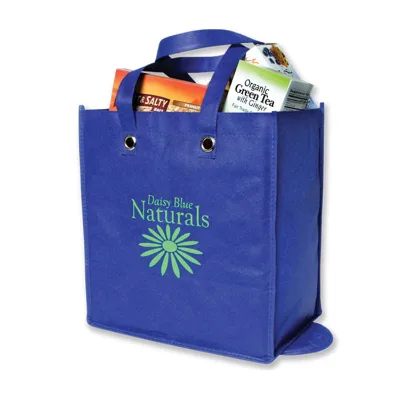
portable fold-up snap bag with reinforced grommeted handles and handle-washable
$0.4662 - $0.8289
MOQ: 3 pieces
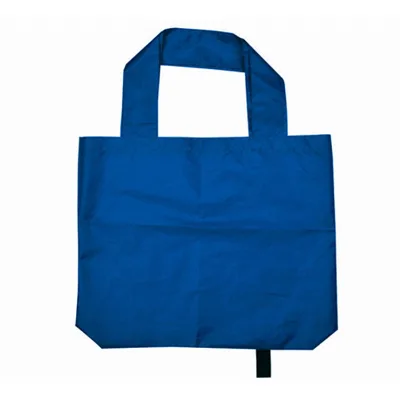
$0.50 - $0.80
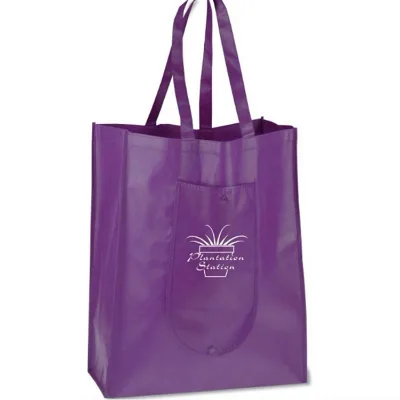
non-woven fold up bag with plastic button
$0.23 - $0.60

Hangzhou Langjie Technology Co., Ltd.
- Verified by TUVRHEINLAND
- Trading Company
- China Zhejiang
- Lead time15 days
- Avg. response≤ 4h
Main productsNon-Woven Bag, Paper Box, Laminated Bag, Thermal Insulation Bag, Paper Bag, Canvas Bag, Notebook, Clothing Dust-Proof Bag, Sticker, Cosmetics Bag
Main marketsDomestic,North America

Dongguan Chenghua Industrial Co., Ltd.
- Verified by BV
- Manufacturer/Factory
- China Guangdong
- Lead time23 days
- Avg. response≤ 4h
Main productsZiplock Bag, Biodegradable Bag, Aluminum Bag, Doypack, Zipper Bag, Food Bag, OPP Bags, Plastic Bags, Poly Bags, Specimen Bags
Main marketsSouth America,Eastern Europe,Mid East,North America,Southeast Asia,Eastern Asia,Oceania,Western Europe,Africa
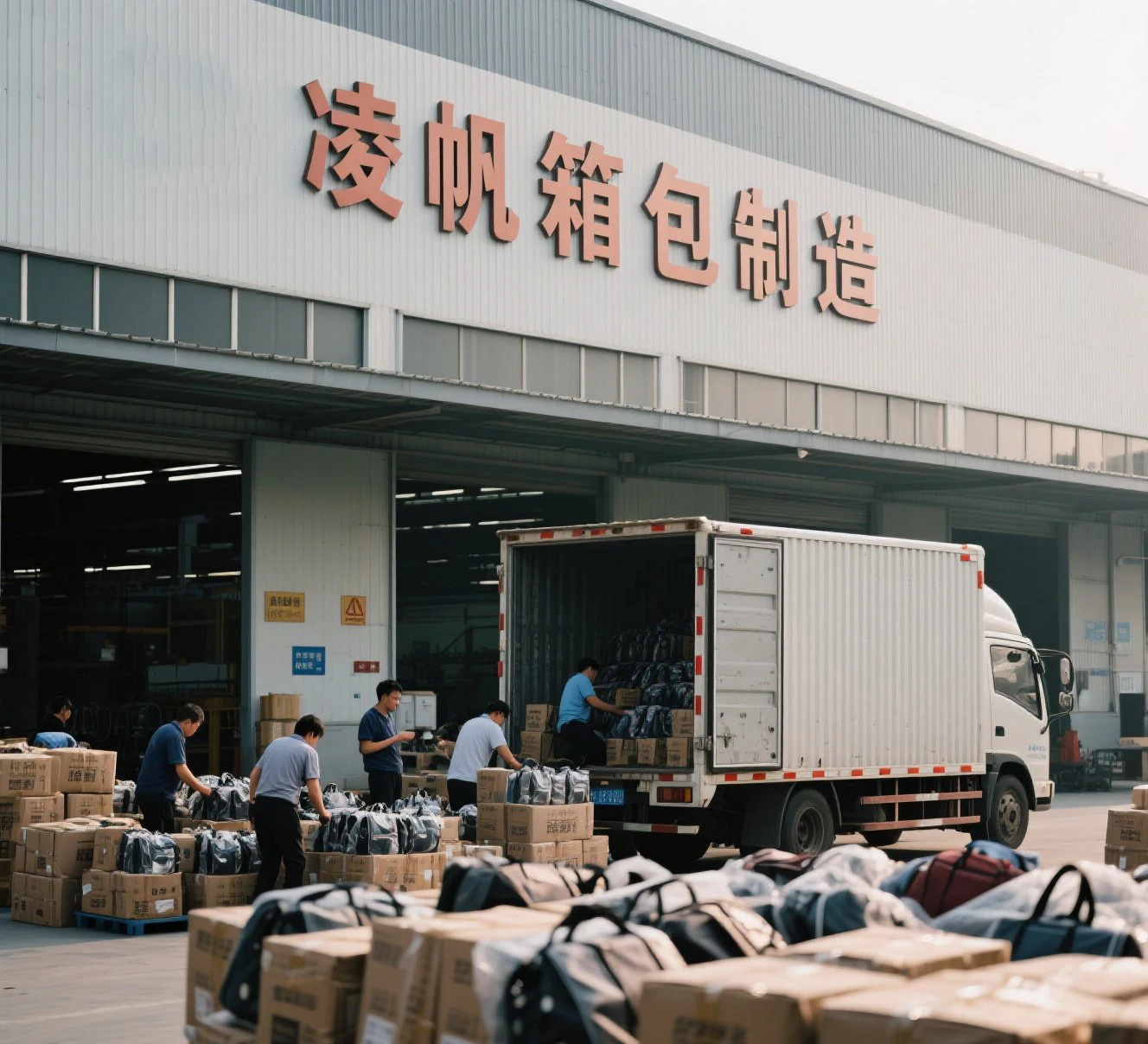
Quanzhou Lingfan Sports Co., Ltd.
- Manufacturer, Trading Company
- Fujian, China
- Lead time60 days
- Avg. response≤ 2h
Main productsSports Bags,Pickleball Bags,Tennis Bags,Outdoor bags,Backpack
Main marketsOceania(10.00%), Africa(10.00%), Southeast Asia(10.00%), Central America(10.00%), Eastern Asia(10.00%), Mid East(10.00%), Domestic Market(5.00%), South Asia(5.00%), Southern Europe(5.00%), Northern Europe(5.00%), Eastern Europe(5.00%), Western Europe(5.00%), South America(5.00%), North America(5.00%)
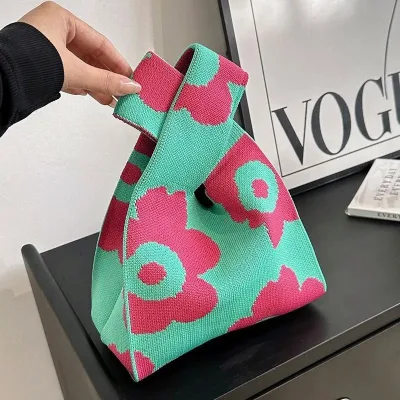
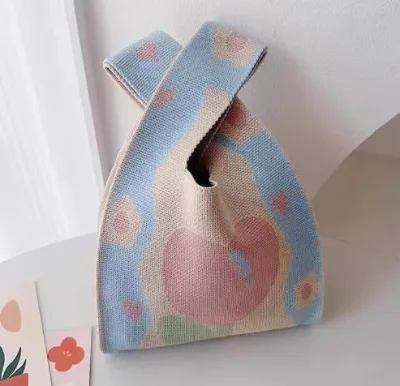
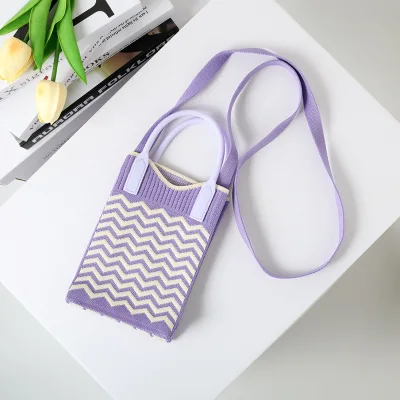
Fashion 2023 Knitted Printed Bag Tote Bag Small Capacity Custom Tote Bag Knitted
$1.48 - $1.68
MOQ: 1000 pieces
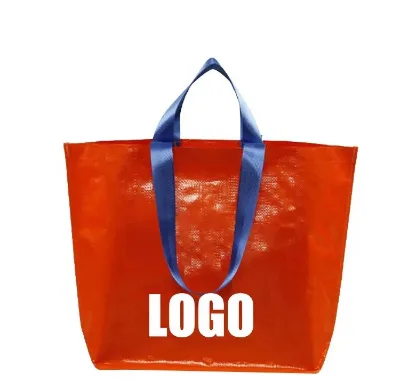
Custom Reusable 140gsm PP Woven Bag Eco-Friendly Folding Grocery Shopping Handled Style Folding
$0.21 - $0.46
MOQ: 1000 pieces
Wenzhou Chongye Packaging Co., Ltd.
- Verified by TüVRheinland
- Manufacturer, Trading Company
- Lead time15 days
- Avg. response≤ 1h
Main productsNon-woven Bag, PP Woven Bag, Cotton Bag, Paper Bag, Felt Bag
Main marketsNorth America(20%), South America(20%), Eastern Europe(10%)

Guangzhou Blf Packing Co., Ltd.
- Verified by TUVRHEINLAND
- Combined
- China Guangdong
- Lead time15 days
- Avg. response≤ 7h
Main productsPaper Bag, Paper Box, Gift Box, Non Woven Bag, Book, Tag, Sticker, Air Freshener, Cards, Jewelry Box
Main marketsOthers(foreignTradeCapacity.exportBusinessCapacityMarketOther),Europe,North America

ANHUI GOOD LUCK INDUSTRIAL CO., LTD.
- Verified by BV
- Trading Company
- China Anhui
- Lead time15 days
- Avg. response≤ 5h
Main productsCosmetic Bag, Backpack, Lunch Bag, Cooler Bag, Shopping Bag, Diaper Bag, Sports Bag, Handbag, Beach Bag, Make up Bag
Main marketsSouth America,Africa,Southeast Asia/ Mideast,East Asia(Japan/ South Korea),Domestic,Europe,Australia,North America


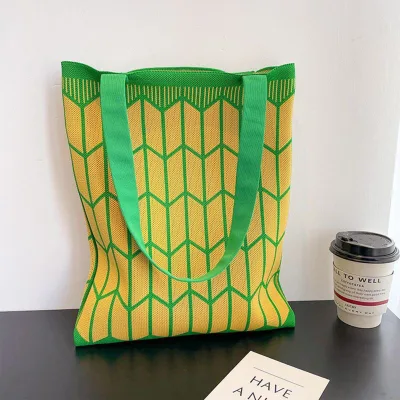
High Quality Knit Tote Bags Stripped Travel Shopping Storage Tote Shopping Bag
$3.90 - $4.90
MOQ: 500 Pieces

Laizhou Pairuike Crafts Co., Ltd.
- Manufacturer/Factory
- China Shandong
- Lead time45 days
- Avg. response≤ 3h
Main productsBusiness Scope: Processing and Selling Hand-Wove, PLA Non Woven Bag, RPET Woven Bag, PP Woven Bag, Lamination Non Woven Bag, Non Woven Bag
Main marketsSouth America,Eastern Europe,Mid East,North America,Southeast Asia,Eastern Asia,Oceania,Western Europe,Africa
- Verified by SGS Group
- Manufacturer, Trading Company
- Lead time15 days
- Avg. response≤ 3h
Main productsShopping Bag; PP Woven Bag; PP Non-woven Bag; Eco-friend Bag; Recycle Bag; Christmas Gift Bag; Paper Bag; Cotton Bag; Canvas Bag
Main marketsNorth America(35%), Eastern Europe(10%), Eastern Asia(8%)
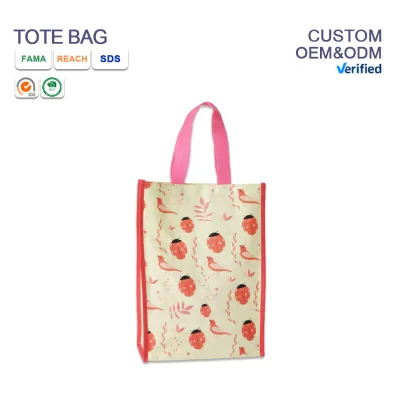
$0.0824 - $1.0313
MOQ: 500 pieces
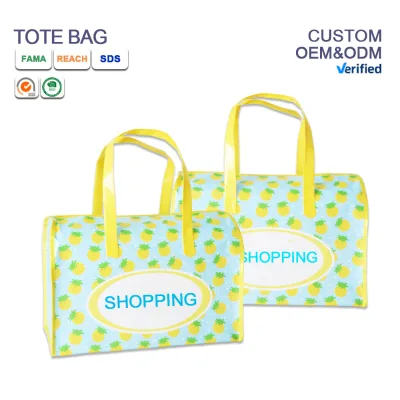
Wenzhou Conlene Bags Co., Ltd.
- Verified by SGS Group
- Manufacturer, Trading Company
- Lead time15 days
- Avg. response≤ 3h
Main productsShopping Bags; Cooler Bag; Canvas Bag, Beach Mat, Washable Kraft Paper Bag
Main marketsNorth America(25%), Domestic Market(25%), Eastern Asia(20%)
- Verified by SGS Group
- Trading Company
- Lead time7 days
- Avg. response≤ 2h
Main productsCanvas Bag, Polyester Bag, Non-woven Bags, Drawstring Bag, Backpack
Main marketsNorth America(20%), South America(10%), Eastern Europe(10%)

Laizhou Jinhong Textile Co., Ltd.
- Combined
- China Shandong
- Lead time23 days
- Avg. response≤ 14h
Main productsPP Spunbond Nonwoven Fabric, Weed Mat, Nonwoven Fabric, Landscape Fabric, Ground Cover, Weed Control Fabric, Plant Cover, Disposable Coverall
Main marketsEast Asia(Japan/ South Korea),Europe,North America

Shanghai Tuanjue Trading Co., Ltd.
- Trading Company
- China Shanghai
- Lead time0 days
- Avg. response≤ 25h
Main productsLadies' Bag
Guangzhou Fengxing Plastic Packaging Products Co., Ltd.
- Verified by SGS Group
- Manufacturer, Trading Company
- Lead time5 days
- Avg. response≤ 2h
Main productsZipper Bag, Mylar Bags, Non-Woven Bag, Opp Plastic Bag, Gift Bag
Main marketsNorth America(40%), Western Europe(25%), Southeast Asia(25%)

Ningbo Anklun Imp. & Exp. Co., Ltd.
- Verified by SGS
- Trading Company
- China Zhejiang
- Lead time30 days
- Avg. response≤ 4h
Main productsBags and Suitcase, LED Lights and LED Torches, Umbrellas, Toys and Inflatable Items, Stationeries and Gifts, Keychains and Bottle Openers, Kitchenwares&Dishwares, Tools, Daily Necessities General Merchandises, Promotional Items Gifts and Goods
Main marketsEurope

Polyester Hot Selling High Quality New Design Fashion Promotion Foldable Shopping Bag
$0.20 - $0.40
MOQ: 5000 Pieces

Non-Woven Hot Selling High Quality New Design Fashion Promotion Foldable Shopping Bag
$0.20 - $0.40
MOQ: 5000 Pieces

Shanghai J&D International Co., Ltd.
- Trading Company
- China Shanghai
- Lead time23 days
- Avg. response≤ 20h
Main productsShirts, Necktie, Ties, Scarves, Waistcoat, Cufflink, Neckwear, Accessories
Main marketsSoutheast Asia/ Mideast,Domestic,Europe,Australia,North America

Fujian Angel Nonwoven Fabric Tech Co., Ltd.
- Verified by SGS
- Manufacturer
- China Fujian
- Lead time15 days
- Avg. response≤ 7h
Main productsNonwoven Fabric, Disposable Bed Sheet, Meltblown, Nonwoven Bag, Mattress Cover, Earloop/Nose Wire for Mask, PLA/Pet Nonwoven Fabric, Landscape Cover, Weed Control, TNT Table Cloth
Main marketsSoutheast Asia/ Mideast,Europe










Comprehensive Sourcing Guide
Foldable Reusable Knitted Bag Supplier Concentration and Factory Types
The sourcing landscape for foldable reusable knitted bags reveals a distinct concentration of manufacturing capabilities within specific Chinese industrial zones. Evidence indicates that Zhejiang, China, serves as a primary hub for these products, with suppliers listing this location as their place of origin. This region is known for its robust textile infrastructure, which supports the production of polyester-based knitted items. Buyers evaluating suppliers should note that many entities in this area operate as both manufacturers and trading companies, offering a hybrid model that can streamline communication while maintaining direct control over production quality. The presence of these dual-role entities suggests a mature supply chain where factory-direct pricing may be accessible, yet the flexibility of a trading company’s service layer is also available. This concentration allows for efficient clustering of raw material sourcing, particularly for polyester yarns and knitting machinery, which are essential for producing the soft, durable fabrics characteristic of these tote bags.
In contrast to the Zhejiang cluster, other suppliers are identified in Guangdong, China, indicating a broader geographic spread of manufacturing capacity for similar bag types. While Zhejiang suppliers often highlight specific product attributes like flower patterns or animal prints, Guangdong-based entities may focus on different structural elements, such as waterproof features or specific fabric types like Oxford cloth. The company types observed include dedicated manufacturers, trading companies, and factory-owned brands, each offering distinct advantages. Manufacturers typically provide greater control over customization and cost structures, whereas trading companies might offer a wider variety of designs from multiple factories. Buyers must carefully distinguish between these types to understand who holds the actual production capability. The diversity in company types across these regions means that sourcing strategies should be tailored to whether the priority is deep customization, rapid prototyping, or large-scale standardized production. Understanding this mix helps in selecting partners who align with specific project needs rather than assuming all suppliers in a region operate identically.
How to Verify Foldable Reusable Knitted Bag Suppliers
Verification begins with scrutinizing the supplier’s stated company type and operational history. Buyers should prioritize suppliers who explicitly identify as manufacturers or factory-owned entities if direct production control is a priority. The presence of a trading company label does not necessarily indicate a lack of quality, but it does imply an intermediary layer that may affect communication speed and cost transparency. It is crucial to verify if the supplier has established long-term operational stability, although specific establishment years are not always prominently displayed in initial search results. Buyers should look for indicators of longevity and consistency in their product listings. Additionally, checking for third-party verification badges, such as SGS verification, provides an external layer of trust regarding the supplier’s business legitimacy. These verifications confirm that the entity exists and operates within legal frameworks, reducing the risk of engaging with fraudulent or non-existent entities. This step is foundational before diving into product-specific details or negotiating terms.
Beyond basic legitimacy, buyers must assess the supplier’s responsiveness and technical capability through direct interaction. The response time metric is a critical indicator of operational efficiency; suppliers with faster response times, such as those averaging around four hours, are likely more engaged and capable of handling urgent inquiries or changes. Buyers should initiate contact to test this responsiveness and evaluate the quality of the technical support provided. Furthermore, examining the supplier’s certification portfolio is essential for ensuring compliance with international standards. Some suppliers display certifications like BSCI and ISO 9001, which attest to their adherence to social responsibility and quality management systems. These certifications are particularly important for buyers in regulated markets or those with strict corporate social responsibility policies. Buyers should request copies of these certificates and verify their validity through the issuing bodies. This due diligence ensures that the supplier not only produces quality goods but also operates ethically and consistently, mitigating risks associated with labor practices and production variability.
What to Compare Across Foldable Reusable Knitted Bag Suppliers
When evaluating multiple suppliers, lead time and minimum order quantity (MOQ) are pivotal comparison metrics. Suppliers in the Zhejiang region often demonstrate shorter lead times, with some indicating production windows of around ten days, which is advantageous for time-sensitive orders. In contrast, suppliers in Guangdong may have longer lead times, potentially extending to twenty-three days, which could impact inventory planning for buyers with tight deadlines. Similarly, MOQs vary significantly; some suppliers offer low MOQs starting at just one unit, facilitating easy sampling and small-batch testing, while others require minimum orders of one thousand units, which suits large-scale distribution needs. Buyers must align these metrics with their sales volume forecasts and cash flow constraints. Comparing these operational parameters helps in identifying suppliers who can accommodate the buyer’s specific order size and delivery schedule requirements without compromising on production quality or reliability.
Product attributes and customization capabilities also require careful comparison across different suppliers. The material composition, primarily polyester, is consistent across many listings, but variations in weight, size, and design options exist. For instance, some bags are specified with a weight of 100g or 135g, affecting durability and portability. Buyers should compare these technical specifications to ensure they meet the end-user’s expectations for strength and feel. Additionally, the availability of customization options, such as logo printing, pattern design, and color variations, varies by supplier. Some suppliers offer fully customized designs, while others may have limited pre-set patterns. Price ranges also differ, with some products listed between $1.05 and $1.20, while others range from $1.95 to $2.20. Buyers should not solely focus on the lowest price but consider the total value, including customization flexibility, sample quality, and after-sales support. A comprehensive comparison of these factors ensures a balanced selection that meets both functional and commercial objectives.
Common Foldable Reusable Knitted Bag Sourcing Risks
One significant risk in sourcing foldable reusable knitted bags is the discrepancy between sample quality and mass production output. Suppliers may provide high-quality samples that do not reflect the consistency of bulk orders, particularly when dealing with knitted fabrics that can vary in stitch density and texture. Buyers must establish clear quality control protocols and consider hiring third-party inspection services before shipment. Another risk is the ambiguity in customization specifications. Terms like "customized" or "ODM" can be interpreted differently by suppliers and buyers, leading to misunderstandings regarding design details, logo placement, or color matching. To mitigate this, buyers should provide detailed technical packs with precise measurements, Pantone colors, and material specifications. Clear communication and documented agreements are essential to prevent costly errors and rejections. Additionally, buyers should be cautious of suppliers who do not provide transparent pricing structures, as hidden costs for molds, setup, or shipping can erode profit margins.
Intellectual property and design theft represent another critical risk, especially when working with suppliers who offer extensive customization services. Buyers sharing unique designs or proprietary patterns must ensure that confidentiality agreements are in place to protect their intellectual property. Suppliers with strong OEM and ODM capabilities may have access to similar designs from other clients, increasing the risk of design leakage. Buyers should verify the supplier’s track record in handling confidential projects and request non-disclosure agreements before sharing sensitive information. Furthermore, reliance on a single supplier for critical components, such as specific knitting machines or dyeing processes, can create supply chain vulnerabilities. Buyers should diversify their supplier base to reduce dependency on any single entity. Regular audits and performance reviews can help identify potential issues early, allowing for proactive management of risks. By addressing these common pitfalls, buyers can build a more resilient and secure sourcing strategy for their Foldable Reusable Knitted Bag products.
Foldable Reusable Knitted Bag Regional Sourcing and Logistics
Sourcing from Zhejiang, China, offers logistical advantages due to its proximity to major ports and established textile supply chains. This region’s infrastructure supports efficient raw material procurement and finished goods export, potentially reducing transit times and costs. Buyers sourcing from Zhejiang-based suppliers should consider the impact of local logistics networks on overall delivery schedules. The concentration of manufacturers in this area also facilitates easier factory visits and audits, allowing buyers to verify production capabilities firsthand. However, buyers must also account for regional factors such as seasonal weather patterns or local holidays that might affect production timelines. Understanding these logistical nuances helps in planning inventory levels and avoiding stockouts. Additionally, the availability of local freight forwarders and customs brokers in Zhejiang can streamline the export process, ensuring smoother clearance and faster delivery to international destinations.
In contrast, sourcing from Guangdong, China, provides access to a different logistical ecosystem, often characterized by its strong export-oriented manufacturing base. Suppliers in this region may have established relationships with international shipping lines, offering competitive freight rates and reliable service. Buyers should evaluate the specific port of departure for Guangdong-based suppliers, as this can influence transit times to various global markets. The logistical advantages of Guangdong include its proximity to Hong Kong and Shenzhen, which are major hubs for international trade. However, buyers must also consider the potential for higher labor costs or stricter environmental regulations in this region, which might impact pricing and production schedules. Comparing the logistical profiles of suppliers from different regions allows buyers to optimize their supply chain for cost, speed, and reliability. By aligning regional sourcing strategies with specific market demands, buyers can enhance their competitive edge and ensure timely delivery of their products.
Foldable Reusable Knitted Bag Commercial Terms and Order Planning
Commercial terms, including payment methods and warranty policies, are critical components of order planning. Buyers should negotiate clear payment terms that balance risk and cash flow, such as using escrow services or letters of credit for larger orders. These financial instruments provide security for both parties, ensuring that payments are released only upon satisfactory delivery of goods. Additionally, buyers must clarify the supplier’s warranty and return policies for defective products. Understanding the process for handling quality issues, including who bears the cost of return shipping and replacement, is essential for minimizing financial losses. Buyers should also inquire about the supplier’s capacity for handling rush orders or volume discounts, as these factors can significantly impact overall costs. Transparent commercial terms help in building a trustworthy partnership and prevent disputes during the transaction process.
Order planning should also consider the supplier’s production capacity and scalability. Buyers must assess whether the supplier can handle fluctuations in demand, particularly during peak seasons. Suppliers with established OEM and ODM capabilities may offer greater flexibility in adjusting production volumes. Buyers should discuss long-term partnership opportunities, which can lead to better pricing and priority treatment during high-demand periods. Additionally, buyers should plan for regular communication and performance reviews to ensure continuous improvement. Establishing a structured order planning process, including clear timelines for sampling, production, and shipping, helps in maintaining control over the supply chain. By integrating commercial terms with strategic order planning, buyers can optimize their sourcing operations, reduce risks, and achieve better overall value from their supplier relationships. This holistic approach ensures that both immediate order needs and long-term business goals are met effectively.
FAQs
What is the price range for foldable reusable knitted bags?
Prices typically range from $1.00 to $2.20 per unit depending on customization and material specifications. Buyers should expect costs around $1.05 to $1.20 for basic polyester options, while more complex designs with specific patterns may cost up to $2.20. Final pricing depends on order volume and design complexity.
What is the minimum order quantity for these bags?
Minimum order quantities vary by supplier, with some accepting orders as low as one unit for samples or small batches. Other suppliers require a minimum of 1000 units for production runs. Buyers should verify the specific MOQ with each supplier before placing an order to ensure it meets their volume requirements.
Where are these bags manufactured?
These bags are primarily manufactured in Zhejiang and Guangdong provinces in China. Suppliers in these regions offer polyester and knitted materials with various customization options. Buyers can expect products originating from these specific Chinese locations, which are known for their packaging and bag manufacturing capabilities.
How long does production take?
Lead times generally range from 10 to 23 days depending on the supplier and order complexity. Some suppliers offer faster turnaround times around ten days, while others may require up to twenty-three days for production. Buyers should confirm the exact lead time with their chosen supplier to plan their inventory effectively.
What certifications do suppliers hold?
Some suppliers hold BSCI and ISO 9001 certifications, indicating adherence to specific quality and social responsibility standards. Verification services like SGS may also be available for certain suppliers. Buyers should request certification documents directly from suppliers to ensure compliance with their specific sourcing requirements and quality standards.
Can I customize the logo and design?
Yes, most suppliers offer customized logo printing and design options for their knitted bags. Buyers can choose from various patterns, colors, and styles, including flower prints or animal designs. Customization is widely available, allowing businesses to create unique products that align with their brand identity and marketing goals.