Thermal Waterproof Insulated Food Bag Suppliers and Manufacturers
Source Thermal Waterproof Insulated Food Bag from 31 verified suppliers in China. Compare lead times, MOQs, certifications, and response rates to find the right partner. Contact suppliers directly to request quotes and samples; review the available evidence before requesting comparable quotations from suitable candidates.
Updated
Suppliers List

Acoolda Bags Technology Co., Limited
- Verified by SGS
- Combined
- China Guangdong
- Lead time30 days
- Avg. response≤ 3h
Main productsFood Delivery Bag, Delivery Bag, Cooler Bag, Water Bottle, Delivery Cloth, Helmet
Main marketsSoutheast Asia/ Mideast,Europe,North America


Custom Large Capacity Waterproof Insulated Cooler Bag Waterproof Thermal Delivery Food Bag
$19.00 - $21.50
MOQ: 300 Pieces

Customize Food Waterproof Delivery Bag for Motorcycle Insulated Thermal Food Delivery Bag
$19.00 - $22.00
MOQ: 300 Pieces

New Commercial Insulated Thermal Cooler Bag, Customized Food Delivery Bag
$19.00 - $23.00
MOQ: 300 Pieces


Insulated Thermal Bags Lunch Thermal Bag Carry Bag Motorcycles Bag Cooler Backpack
$18.50 - $21.00
MOQ: 300 Pieces

Xiamen Top Green Bags Co., Ltd.
- Verified by SGS
- Trading Company,Manufacturer/Factory
- China Fujian
- Lead time45 days
- Avg. response≤ 5h
Main productsCooler Bags, Sports Bags, Apron, Promotional Bag, Waist Bag, Shoulder Bag, Travel Bags, Cosmetic Bag, Laptop Bag, Pencil Bag
Main marketsSouth America,Eastern Europe,North America,Southeast Asia,Eastern Asia,Oceania,Western Europe,Africa

Waterproof Insulated Bag Thermal Food Pizza Bag Food Delivery Cooler Bag
$7.50 - $10.00
MOQ: 300 Pieces

China Portable Insulation Thermal Food Thermal Lunch Cooler Bags Insulated Bag
$2.10 - $2.80
MOQ: 500 Pieces


Disposable Food Delivery Cheap Price Thermal Insulated Cooler Thermal Bag
$1.65 - $1.99
MOQ: 500 Pieces


Ningbo Beniway International Trade Co.,Ltd
- Verified by SGS
- Trading Company
- China Zhejiang
- Lead time60 days
- Avg. response≤ 1h
Main productsBags and Luggages, School Backpack, Leisure Backpack, Business Backpack, Travel Bag, Outdoor Sports Backpack, Promotional Gift, Crossbody Bag, Insulated Cooler Bag, Tote Bag
Main marketsSoutheast Asia/ Mideast,Europe

Thermal Meal Bag Insulated Cooler Bag Custom Insulated Lunch Bag Picnic Food Bags
$4.84 - $5.16
MOQ: 500 Pieces


Carry-on Insulated Cooler Bag Thermal Lunch Bag Food Delivery Picnic Bag
$5.19 - $5.56
MOQ: 500 Pieces

Carry-on Outdoor Insulated Cooler Bacpack Bag for Food Storage Thermal Lunch Bag
$3.06 - $3.56
MOQ: 500 Pieces

Large Thermal Lunch Bag Premium Insulated Cooler Bag Food Storage Solution
$3.25 - $4.15
MOQ: 500 Pieces

Large Double Compartment Waterproof Insulated Meal Bag Outdoor Lunch Bag Thermal Cooler Bag
$7.15 - $7.56
MOQ: 500 Pieces
- Verified by SGS Group
- Manufacturer, Trading Company
- Lead time29 days
- Avg. response≤ 2h
Main productsRunning vest, Cooler Bag, Hiking Backpack, Tactical Bag, Gym bag
Main marketsWestern Europe(45%), North America(25%), Northern Europe(15%)

Qingdao Kunpeng Plastic Products Co., Ltd.
- Verified by BV
- Combined
- China Shandong
- Lead time23 days
- Avg. response≤ 4h
Main productsBiodegradable T-Shirt Bag, Biodegradable Bags on Rolls, BOPP Bag, PVC Bag, Plastic Bag, String Bag, Kraft Paper Stand-up Bag, Composite Color Printed Bags, Aluminized Bag, Express Bag
Main marketsEast Asia(Japan/ South Korea),Domestic


Delivery Thermal Insulated Bag Waterproof Grocery Outdoor Waterproof Food Packing
$0.01 - $0.03
MOQ: 10000 Pieces

QUANZHOU DANKIN IMP AND EXP CO., LTD.
- Manufacturer/Factory
- China Fujian
- Lead time45 days
- Avg. response≤ 3h
Main productsBackpack, Cooler Bag, Tool Bag, Laptop Bag, Gun Bag, Travel Bag, Hiking Bag, Tennis Bag, Running Bag, Diaper Bag
Main marketsSouth America,Eastern Europe,Mid East,North America,Southeast Asia,Eastern Asia,Oceania,Western Europe,Africa

Qingdao Yide Shine Industry Co., Ltd.
- Verified by SGS
- Manufacturer/Factory
- China Shandong
- Lead time15 days
- Avg. response≤ 3h
Main productsPaper Bag, Kraft Paper Bag, Non Woven Bag, Craft Paper Bag, Value Bag, Shopping Bag, PE Bag, Paper Napkin, Take Away Food Bag, Hanburger Box
Main marketsSouth America,Eastern Europe,Mid East,North America,Southeast Asia,Eastern Asia,Oceania,Western Europe,Africa

Guangzhou Fu Li Ya Industry Co., Ltd.
- Verified by TUVRHEINLAND
- Combined
- China Guangdong
- Lead time30 days
- Avg. response≤ 11h
Main productsShopping Bag, Promotional Bag, Canvas Bag, Polyester Bag, Cotton Bag, Tote Bag, Non Woven Bag, Garment Bag, Cooler Bag, Hand Bag
Main marketsEurope,North America

Wenzhou Gaodeng Packaging Technology Co., Ltd.
- Trading Company,Manufacturer/Factory
- China Zhejiang
- Lead time23 days
- Avg. response≤ 8h
Main productsCooler Bag, Non Woven Bag, Cotton Bag Canvas Bag, Jute Tote Bag, Cosmetic Bag, PP Woven Bag, Polyester Bag/Drawstring Bag, Ultrasonic Bag, Toolkit
Main marketsSouth America,Eastern Europe,Mid East,North America,Southeast Asia,Eastern Asia,Oceania,Western Europe,Africa

Custom Design Insulated Lunch Cooler Bag Thermal Bag Food Delivery Insulated
$0.35 - $0.60
MOQ: 1000 Pieces


- Verified by SGS Group
- Manufacturer, Trading Company
- Lead time15 days
- Avg. response≤ 5h
Main productsKids Backpack, Mommy Bag
Main marketsNorth America(35%), Western Europe(30%), South America(22%)
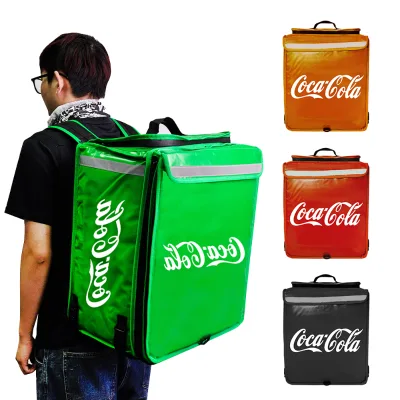
$18.50 - $24.60
MOQ: 100 pieces
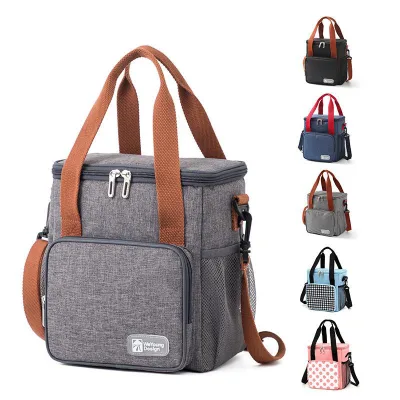

ANHUI GOOD LUCK INDUSTRIAL CO., LTD.
- Verified by BV
- Trading Company
- China Anhui
- Lead time15 days
- Avg. response≤ 4h
Main productsCosmetic Bag, Backpack, Lunch Bag, Cooler Bag, Shopping Bag, Diaper Bag, Sports Bag, Handbag, Beach Bag, Make up Bag
Main marketsSouth America,Africa,Southeast Asia/ Mideast,East Asia(Japan/ South Korea),Domestic,Europe,Australia,North America

Outdoor Thermal Insulated Food Storage Bags Reusable Lunch Box Travel Picnic Bags
$1.18 - $1.68
MOQ: 2 Pieces

Wholesale Portable Picnic Food Box Bag Thermal Insulated Lunch Cooler Bag
$0.79 - $1.18
MOQ: 10 Pieces


Huizhou Green Foil Insulation Co., Ltd.
- Verified by BV
- Combined
- China Guangdong
- Lead time15 days
- Avg. response≤ 2h
Main productsCooler Bag, Gift Bag, Gift Box, Insulated Bag, Color Printed Box, Jewelry Box, Paper Bag, Paper Box, Packaging Box, Insulated Mailer
Main marketsEast Asia(Japan/ South Korea),Europe,North America

Shenzhen Kasi Teng Technology Co., Ltd
- Manufacturer, Trading Company
- Guangdong, China
- Lead time35 days
- Avg. response≤ 1h
Main productsTool Bag,EVA Case,Car Detailing Bag,Camping Bag,Toiletry Bag
Main marketsNorth America(35.00%), Oceania(20.00%), Eastern Asia(15.00%), Western Europe(15.00%), Northern Europe(10.00%), Mid East(5.00%)

Quanzhou Golden Nonwoven Co., Ltd.
- Verified by BV
- Trading Company
- China Fujian
- Lead time23 days
- Avg. response≤ 4h
Main productsNonwoven Bag, Cooler Bag, Jute Bag, Canvas Bags, Garment Bag, PP Woven Bag, Backpack, Nonwoven Fabric, T-Shirt/D-Cut Nonwoven Bag, RPET PLA Nonwoven Bag
Main marketsSouth America,Southeast Asia/ Mideast,Europe,North America

Thermal Bag Food Delivery Bag Insulated Pizza Bag Delivery Waterproof Cooler Backpack
$10.00 - $15.00
MOQ: 500 Pieces

Disposable Insulated Food Bag for Takeout Takeaway Lunch Thermal Cooler Bag
$0.07 - $0.12
MOQ: 500 Pieces

Food Delivery Customized Thermal Bags Nonwoven Cooler Large Insulated Cooler Bag
$0.07 - $0.12
MOQ: 500 Pieces

High Quality Cooler Food Delivery Insulated Disposable Nonwoven Thermal Bag
$0.07 - $0.12
MOQ: 500 Pieces


Longgang City Lemei Bags Co., Ltd.
- Verified by SGS Group
- Manufacturer, Trading Company
- Lead time20 days
- Avg. response≤ 3h
Main productsNon Woven Bag, Aprons, shopping bag, Cooler Bag, Cotton Bag
Main marketsNorth America(36%), Northern Europe(31%), Western Europe(20%)

Shenzhen Gymtion Industrial Co., Ltd
- Verified by SGS
- Trading Company,Manufacturer/Factory
- China Guangdong
- Lead time23 days
- Avg. response≤ 4h
Main productsTote Bag, Shopping Bag, Clear Bag
Main marketsEastern Europe,Mid East,North America,Oceania,Western Europe


$3.80 - $6.70
MOQ: 500 Pieces

Thermal Bag for Food Canvas Cooler Bag Custom Logo Insulated Cooler Grocery Bag
$3.80 - $6.60
MOQ: 500 Pieces
- Verified by SGS Group
- Manufacturer, Trading Company
- Lead time30 days
- Avg. response≤ 2h
Main productsDry Backpack, Cooler Bag, Hiking Backpack, Tactical Bag, Waterproof Duffel Bag
Main marketsWestern Europe(45%), North America(25%), Northern Europe(15%)
Henan Huaxin Import & Export Trade Co., Ltd.
- Verified by SGS Group
- Trading Company
- Lead time6 days
- Avg. response≤ 7h
Main productsTowels, Bed Sheets, Key Chain, Plastic Bottles, Bucket Hats
Main marketsSoutheast Asia(50%), Western Europe(15%), North America(10%)

Wenzhou Hongtao Packing Co., Ltd.
- Verified by TUVRHEINLAND
- Manufacturer/Factory
- China Zhejiang
- Lead time15 days
- Avg. response≤ 17h
Main productsNon Woven Bag, Cotton Bag, Drawing String Bag, PP Woven Bag, RPET Bag, Canvas Bag, Cooler Bag, Garment Bag
Main marketsEastern Europe,North America,Eastern Asia,Western Europe


China Large 20L TPU Waterproof Food Thermal Bag Insulated Cooler Backpack
$0.50 - $1.00
MOQ: 1000 Pieces

Zhangzhou Taki Industry and Trade Co., Ltd
- Verified by BV
- Manufacturer/Factory
- China Fujian
- Lead time23 days
- Avg. response≤ 6h
Main productsPackaging Paper Bag, Packaging Paper Box, Products Box, Fold Boutique Gift Box, Shopping Paper Bag, Fruit Packaging Cartons Box, Kraft Paper Bags Food Bag, Plastic Box Pet PVC Boxes, Paper Sleeves with Brand Design, One-Stop Packaging Supplier
Main marketsSouth America,Eastern Europe,Mid East,North America,Southeast Asia,Eastern Asia,Oceania,Western Europe,Africa


Thermal Insulation Bag Wholesale Non Woven Insulated Lunch Cooler Bag for Food
$0.30 - $0.45
MOQ: 5000 Pieces

High Quality Leakproof Waterproof Insulated Thermal Lunch Cooler Bags with Custom Logo
$0.30 - $0.45
MOQ: 5000 Pieces

Suzhou Jinfeixin New Material Technology Co., Ltd.
- Verified by SGS
- Combined
- China Jiangsu
- Lead time15 days
- Avg. response≤ 2h
Main productsThermal Insulation Bag, Poly Bubble Mailer, Kraft Paper Bag, Air Cushion Bag
Main marketsEast Asia(Japan/ South Korea)


Aluminized Bubble Insulated Resealable Thermal Lunch Food Packaging Bag
$0.05 - $0.20
MOQ: 5000 Pieces


Keep Food Hot Or Cold With Aluminum Bubble Insulated Food Packaging Bag
$0.05 - $0.20
MOQ: 5000 Pieces


- Verified by TüVRheinland
- Trading Company
- Lead time25 days
- Avg. response≤ 5h
Main productsCanvas Bag, Backpack, Luggage Case, Handbag, Cooler Bag
Main marketsAfrica(33%), Domestic Market(21%), Southeast Asia(13%)

- Verified by CTI
- Manufacturer/Factory
- China Fujian
- Lead time23 days
- Avg. response≤ 6h
Main productsTrolley Luggage, Travel Bags, School Bag, Cooler Bag, Special Backpack, Delivery Bag, Picnic Bag, Hunting Bag, Duffel Bag, Rolling Bag
Main marketsMid East,North America,Southeast Asia,Western Europe

Factory Customized Waterproof Cooler Bag with Pocket Insulated Thermal Bag
$9.68 - $11.00
MOQ: 500 Pieces

Professional Waterproof Hot/Cold Thermal Carrier Insulated Food Delivery Ice Bag
$7.68 - $9.96
MOQ: 500 Pieces
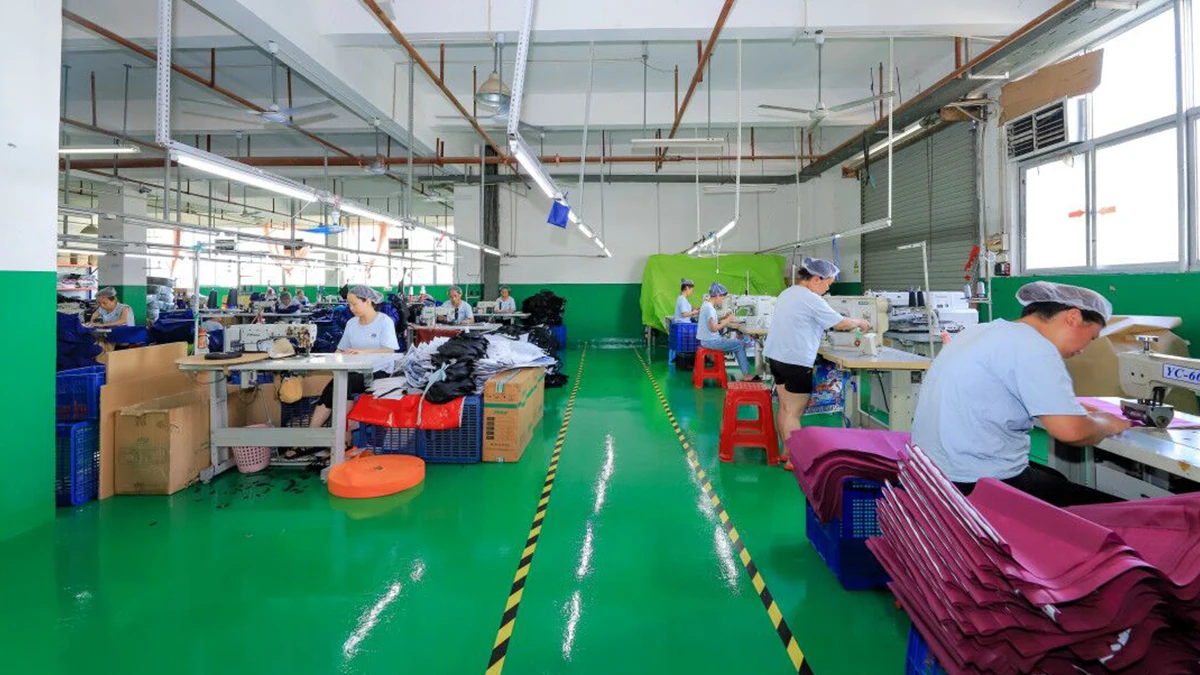
Xiamen Justup Industrial Co., Ltd.
- Manufacturer
- Fujian, China
- Lead time30 days
- Avg. response≤ 3h
Main productsNon-woven product,non-woven bag,shopping bag,school bag,cooler bag
Main marketsWestern Europe(12.50%), Eastern Asia(12.50%), Mid East(12.50%), Africa(12.50%), Southeast Asia(12.50%), Eastern Europe(12.50%), South America(12.50%), North America(12.50%)
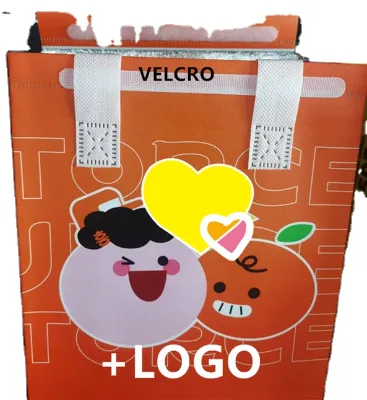
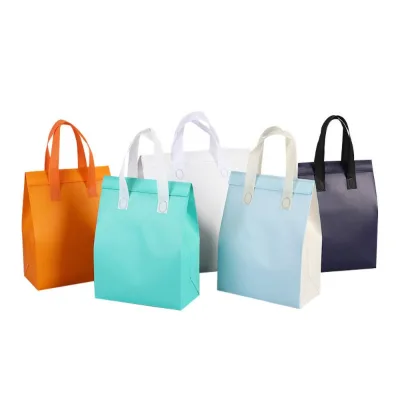
Custom Food and Beverage Takeaway Packaging Insulated Thermal Bags with LOGO design
$0.18 - $0.21
MOQ: 1000 pieces
Shenzhen Xinda Package Technology Co., Ltd.
- Manufacturer
- Guangdong, China
- Lead time30 days
- Avg. response≤ 5h
Main productsClear Top Canvas Bag,Tailgate Bag,Car Detailing Tool Bag,Lineman Tool Apron,Hard EVA Case
Main marketsNorth America(40.00%), Oceania(20.00%), Northern Europe(20.00%), Mid East(10.00%), Africa(5.00%), Eastern Asia(5.00%)
- Verified by TüVRheinland
- Manufacturer, Trading Company
- Lead time25 days
- Avg. response≤ 3h
Main productsNon Woven Bag, Pp Woven Bag, Rpet Bags, Cooler Bag & Picnic Bag, Drawstring Bag
Main marketsDomestic Market(37%), North America(28%), Western Europe(10%)

Changzhou Kent Plastic Packaging Co., Ltd.
- Verified by BV
- Combined
- China Jiangsu
- Lead time23 days
- Avg. response≤ 4h
Main productsBubble Mailer, PE Packaging, PE Film, Paper Packaging, Vci Packaging, Thermal Insulated Packaging, PP Film, Pet Film, PVC Film, Air Column Bag/Film
Main marketsDomestic
- Verified by SGS Group
- Manufacturer, Trading Company
- Lead time30 days
- Avg. response≤ 1h
Main productsCooler Bag , Non woven Bag, Canvas Bag, Jute Bag , Lamination Bag
Main marketsNorth America(30%), Western Europe(30%), Africa(20%)
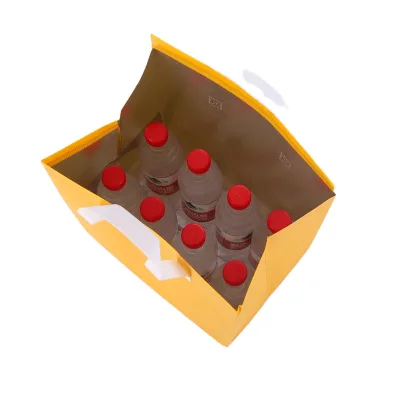
Reycled nonwoven aluminium foil thermal bag food delivery thermal bag for food lunch
$0.12 - $0.14
MOQ: 3000


Zhejiang Zhongtai Printing Industry Co., Ltd
- Verified by SGS
- Combined
- China Zhejiang
- Lead time15 days
- Avg. response≤ 1h
Main productsRice Bag, Woven Bag, Food Bag
Main marketsDomestic

Thermal Insulated Delivery Bag for Hot Food Safety and Coffee Temperature Retention
$0.05 - $0.20
MOQ: 1000 Pieces

Lightweight Thermal Insulated Bag for Hot Cold Food Delivery Non Woven Structure
$0.05 - $0.20
MOQ: 1000 Pieces
Dongguan Auspicious Industrial Co., Ltd.
- Verified by TüVRheinland
- Trading Company
- Lead time20 days
- Avg. response≤ 3h
Main productsPlastic Food Packaging Bags, Mailing Bags, Ice Bags, Mushroom Grow Bags, Cooler Bags
Main marketsNorth America(30%), Western Europe(12%), Northern Europe(11%)

Shenzhen Beone Handbags Manufacturing Co., Ltd.
- Manufacturer, Trading Company
- Guangdong, China
- Lead time30 days
- Avg. response≤ 3h
Main productsCosmetic Bag,Toiletry Bag,Cooler Bag,Shopping Bag,Drawstring Bag
Main marketsWestern Europe(35.00%), North America(20.00%), Northern Europe(12.00%), South America(8.00%), Southern Europe(6.00%), Eastern Europe(6.00%), Southeast Asia(5.00%), Eastern Asia(4.00%), Mid East(3.00%), Oceania(1.00%)
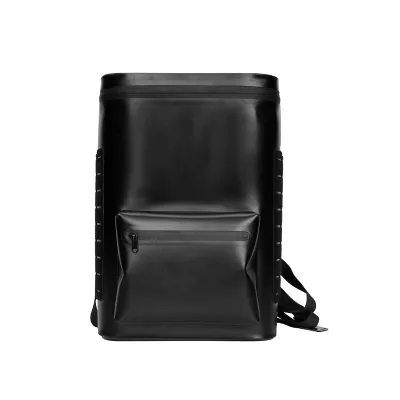


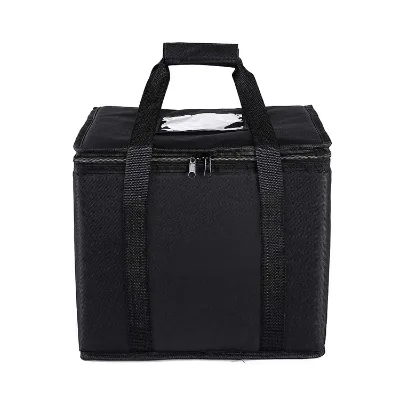
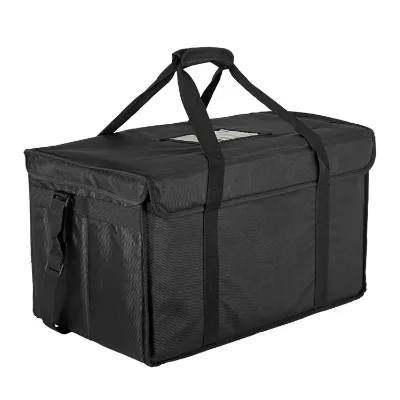
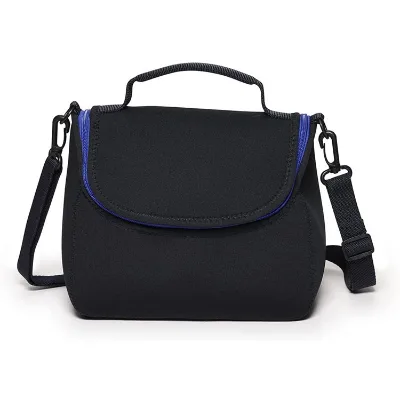
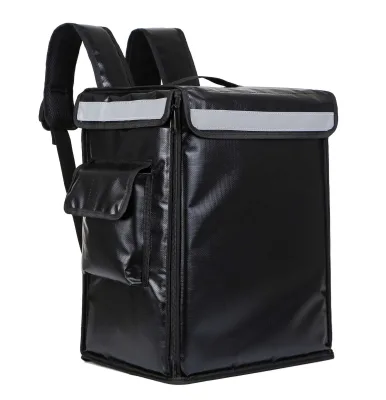
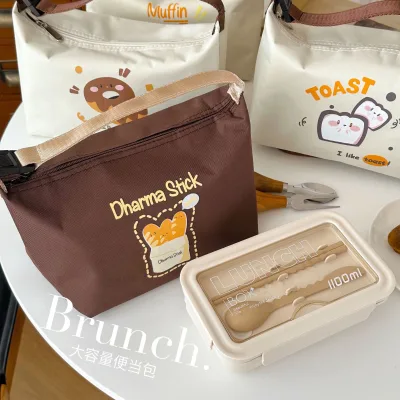
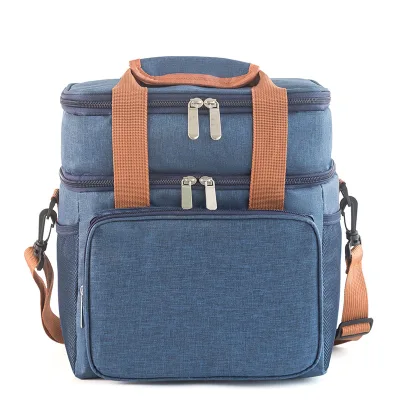
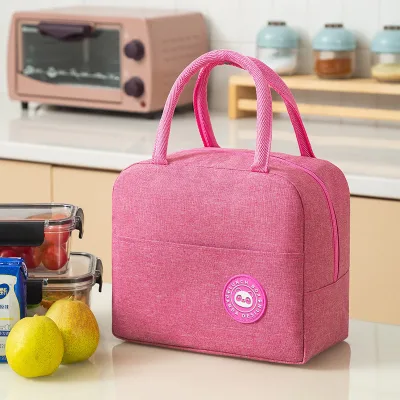
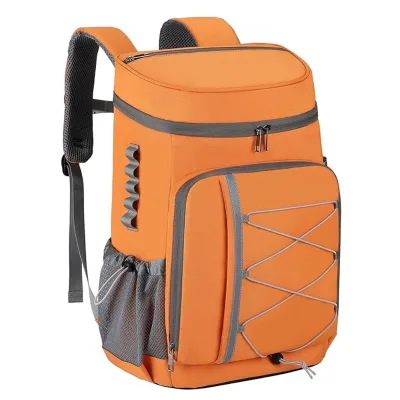
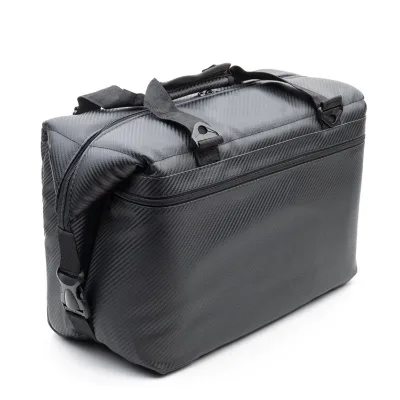
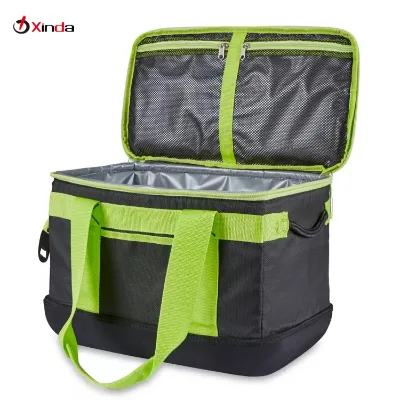
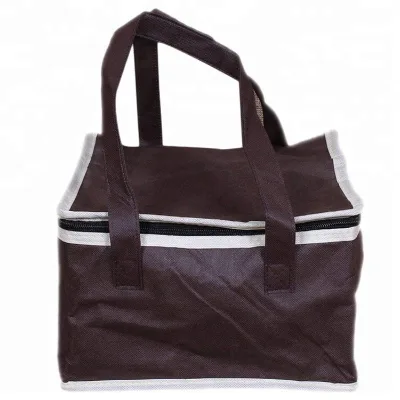
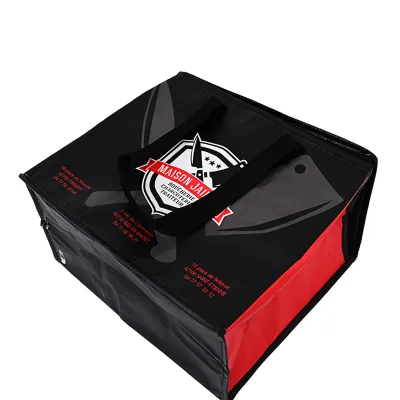


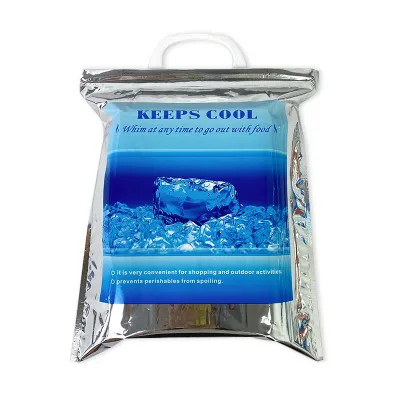
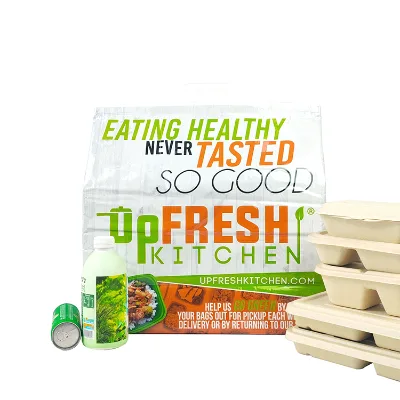
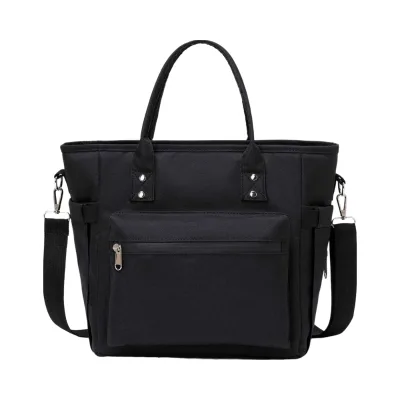
Comprehensive Sourcing Guide
Thermal Waterproof Insulated Food Bag Supplier Concentration and Factory Types
Suppliers of the Thermal Waterproof Insulated Food Bag in current results concentrate in two Chinese provinces: Guangdong and Fujian. Guangdong-based listings, including products originating in Guangzhou, sit at the heart of this category, with factories whose main products span food delivery bags, cooler bags, water bottles, delivery cloths and helmets — a profile typical of a cluster serving the food delivery economy. Fujian suppliers, by contrast, list cooler bags alongside sports bags, aprons, waist bags, shoulder bags, travel bags, cosmetic bags, laptop bags and pencil bags, indicating a broader soft-goods manufacturing base where food delivery bags are one line among many. Treat these two provinces as the primary places to search, while verifying each factory's actual category depth.
Company types differ in ways that affect your order. Some profiles are combined manufacturer-trader operations, which may quote factory pricing while outsourcing overflow production; others identify purely as trading companies with factory partnerships. Research and development capability labels also split the field: some suppliers advertise ODM, OEM and their own brands, meaning they can modify insulation thickness, zipper closures or backpack styling, while others mainly reproduce existing models. Product listings show backpack-style insulated bags with zipper closures, capacities above ten kilograms and cold-retention claims ranging from four to six hours to more than six hours, so understanding which factory type controls those design variables is the first structural question to resolve.
How to Verify Thermal Waterproof Insulated Food Bag Suppliers
Verification should begin with the credentials actually displayed on supplier profiles, because these are the only claims with third-party backing. In current results, one Guangdong supplier shows SGS verification, while a Fujian supplier displays system certifications including ISO 9000, ISO 9001, ISO 14000, BSCI, SA 8000 and QC 080000. Do not assume every supplier carries equivalent credentials; ask each candidate for copies of the certificates shown and cross-check certificate numbers with the issuing bodies. Where a profile lacks verification marks, request recent audit reports rather than accepting self-declared descriptions, and treat "combined" company-type labels as a prompt to clarify which production steps happen in-house.
Product-level verification matters just as much as corporate paperwork. Listings contain concrete, testable specifications — cold times of four to six hours or more than six hours, bearing capacity above ten kilograms, gross weights from roughly 1.5 to 3.02 kilograms, and zipper closures — so insist on samples and replicate delivery conditions with heated or chilled contents before committing. Model numbers such as ACD-H-013, ACD-B-038, ACD-B-001 and DF-04 let you track exactly which specification sheet belongs to which sample. Ask for the packing details shown in listings, such as one piece per poly bag or six pieces per carton, and confirm origin claims, since one product lists Guangdong while another lists only "China" as its origin.
What to Compare Across Thermal Waterproof Insulated Food Bag Suppliers
Build a comparison table from the attributes suppliers actually display. Current results show average response times of 2.56 hours for one supplier and 4.51 hours for another — a meaningful gap when you are iterating on samples. Lead times differ similarly: 30 days versus 45 days for the suppliers showing this field. Minimum order quantities vary by product, with one thermal bag listed at an MOQ of 300 pieces and a pizza delivery bag at 500 pieces. Unit prices in visible listings range from roughly three to 3.60 dollars for smaller bags up to about 19 to 23 dollars for large-capacity models, so compare like-for-like sizes rather than headline prices.
Beyond logistics numbers, compare capability and scope. Location matters for freight consolidation: Guangdong and Fujian suppliers may ship from different ports, affecting total landed cost. Main-product breadth signals specialization — a supplier listing only delivery bags, cooler bags and related accessories is more category-focused than one splitting attention across pencil bags and aprons. Customization flags in product listings show which suppliers accept modified colors, sizes and branding; several listings explicitly mark customization as available. Company type, ODM/OEM/own-brand capability and verification status complete the picture. Remember that not every supplier displays every field — absence of a lead time or MOQ means you must request it, not that it is unfavorable.
Common Thermal Waterproof Insulated Food Bag Sourcing Risks
The most frequent risk in this category is unverified performance data. Listings carry cold-time claims of four to six hours or more than six hours, but these are supplier self-declarations; independent thermal testing is rarely included. Another risk is specification inconsistency: one Fujian product lists its insulation performance as "soaking time" and marks the bag as disposable, while nearly all Guangdong listings describe non-disposable backpacks — a reminder that keyword-matched products may differ fundamentally from what you intend to buy. Gross weight ranges also vary widely, from above 1.5 kilograms to 3.02 kilograms, which affects shipping cost calculations if taken from listings without confirmation.
Counterparty risk follows from mixed company types. A "combined" manufacturer-trader may subcontract without telling you, so quality drifts between orders. Similarly, a Fujian supplier whose main products are mostly non-insulated bags may treat food delivery bags as a sideline, weakening process control. Watch for origin ambiguity — one listing states Guangzhou while another says only China — and confirm the actual production address. Finally, attribute errors are common: one product carries a model number identical to a different item's listing, so always bind your purchase contract to a specific model, dimension set and packing spec rather than a product title, and require a golden sample signed by both parties before mass production begins.
Thermal Waterproof Insulated Food Bag Regional Sourcing and Logistics
Regional differences between Guangdong and Fujian shape both product mix and logistics. Guangdong listings, with origins in Guangzhou and elsewhere in the province, cluster tightly around delivery equipment — backpack-style insulated bags, cooler boxes, helmets and delivery cloths — so sourcing there favors suppliers who understand food delivery operations and can accessorize a program. Fujian suppliers come from a broader bag-making base, which can mean competitive pricing on soft goods and easier consolidation if you also need sports, travel or cosmetic bags in the same shipment. Check individual port and inland-freight arrangements with each supplier, as these were not disclosed in current results and materially change landed cost.
Carton-level logistics details appear in the listings and should anchor your freight planning. Visible packing specs include one piece per poly bag, six pieces per carton and ten pieces per carton, with net and gross weights of 15 and 16 kilograms per carton for one pizza-bag model and individual bag weights ranging from above 1.5 to 3.02 kilograms. Bag dimensions such as 34 by 23 by 33 centimeters, 40 by 50 by 30 centimeters and 43 by 40 by 47 centimeters determine how many units fit per container. Lead times of 30 to 45 days plus sample times of five to seven days define your calendar; confirm sea-freight schedules and peak-season capacity before placing repeat orders.
Thermal Waterproof Insulated Food Bag Commercial Terms and Order Planning
Plan orders around the commercial parameters suppliers display. MOQs of 300 pieces for a smaller thermal bag and 500 pieces for a large pizza delivery backpack set the entry threshold; if a supplier shows no MOQ, request it in writing. Prices visible in listings run from about 3.00 to 3.60 dollars at the low end to 19.00 to 23.00 dollars for large-capacity models, with some listings showing only a maximum price — always obtain a written quotation tied to your confirmed model, quantity and customization level. Use platform escrow or third-party payment protection where available, and agree on inspection rights before final payment.
Sequence your timeline from the data shown: sample lead times of five to seven days, production lead times of 30 to 45 days, and customization marked as available on multiple listings. Budget one or two sample rounds, since thermal performance and waterproofing often need adjustment, then lock the specification — model number, dimensions, cold time, closure, packing format and origin — into the contract. Reorder planning should account for the lead-time spread between suppliers: a 30-day producer supports faster replenishment cycles than a 45-day one, which matters for seasonal delivery-fleet demand. Finally, verify whether your chosen supplier holds the certifications your market requires, and file certificate copies with the order record.
Word count check: roughly 1,380 words across six sections, each between 225 and 235 words, with two paragraphs per section.
FAQs
What is the price range for thermal insulated food delivery bags?
Prices for these insulated bags typically range from $3.00 to $23.00 per unit depending on specifications. Basic models start around $3.00, while larger custom backpacks can cost up to $23.00. Buyers should verify exact pricing based on order volume and customization requirements.
What is the minimum order quantity for these bags?
Minimum order quantities vary by supplier, generally starting at 300 pieces for standard items. Some suppliers require a minimum of 500 pieces for specific models. Buyers must confirm the exact MOQ with the supplier before placing an order to ensure compliance with production constraints.
How long does it take to produce these bags?
Production lead times typically range from 30 to 45 days after order confirmation. Some suppliers offer a 30-day delivery time for specific models. Buyers should confirm the exact lead time with the supplier to plan inventory and shipping schedules effectively.
What certifications do these suppliers hold?
Suppliers may hold various certifications including SGS, BSCI, ISO 9001, and ISO 14000. Verification status varies, with some suppliers being SGS verified. Buyers should request current certification documents to ensure compliance with their specific quality and ethical sourcing standards.
What is the cold retention time for these bags?
Cold retention times generally range from 4 to 6 hours for standard models. Some high-performance bags offer cold times exceeding 6 hours. Buyers should check the specific product attributes to ensure the thermal performance meets their food delivery requirements.
Where are these suppliers located?
Suppliers are primarily located in China, specifically in Guangdong and Fujian provinces. Guangdong suppliers often offer faster response times. Buyers should verify the exact location to assess shipping costs and logistics efficiency for their specific destination.