Source Dry And Wet Separation Toiletry Bag for Travel, Home Storage, Stationery
Compare 30 verified options for the Dry And Wet Separation Toiletry Bag designed for travel, home storage, and stationery. These waterproof bags feature customizable logos, multiple compartments, and various materials including polyester and leather to meet diverse sourcing needs; compare the available evidence and request quotations based on your requirements.
Updated
Key considerations
Products List


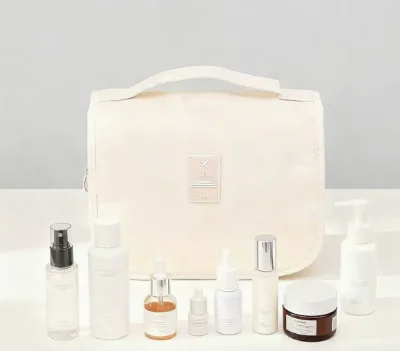
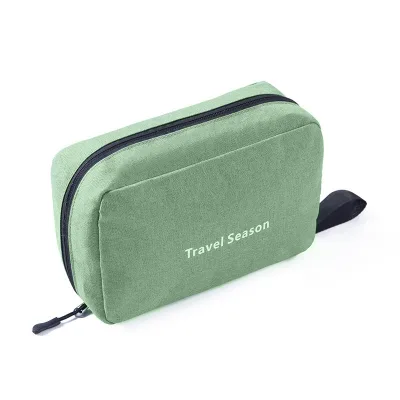
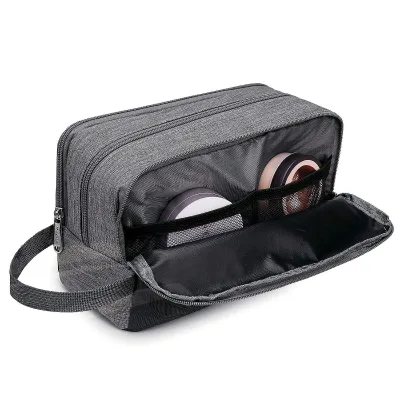
Travel Toiletry Bag with Dry-Wet Separation and Cosmetic Storage Compartments
$2.06 - $2.19
MOQ: 500 Pieces
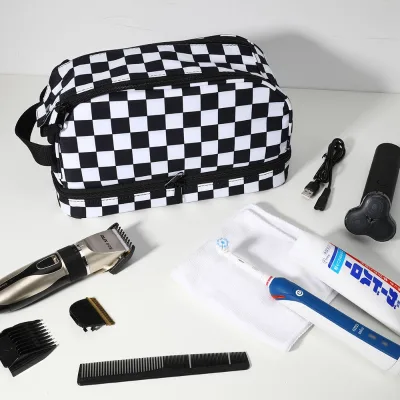
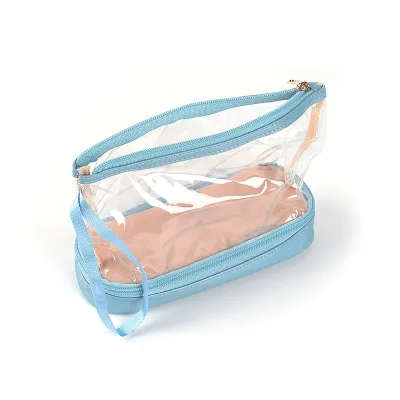
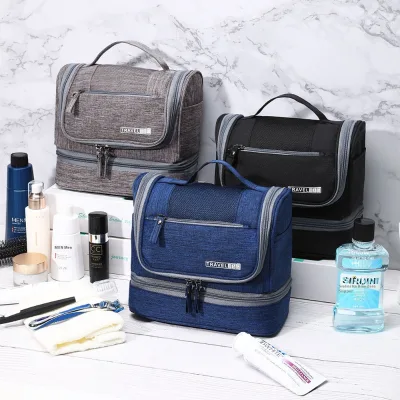
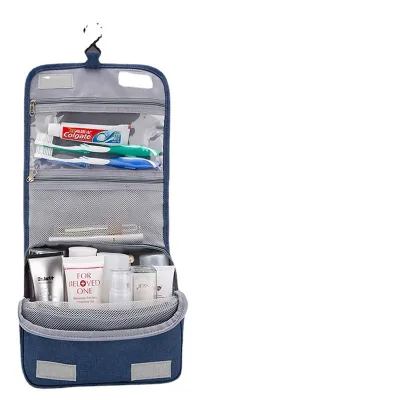


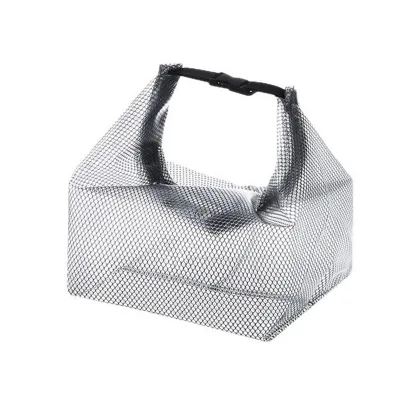
Dry-and-Wet Separation Fitness Bag Waterproof Toiletries Storage Beach Bag
$0.58 - $2.28
MOQ: 100 Pieces

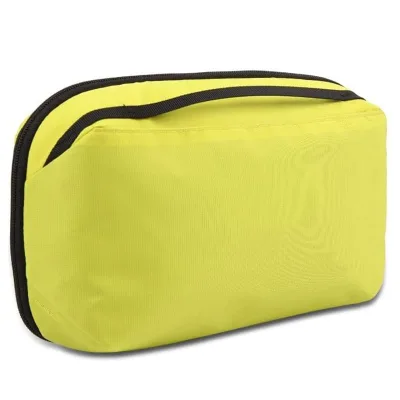
Multifunctional Makeup Portable Travel Toiletry Bag Waterproof Mask Storage Bag
$0.32 - $0.55
MOQ: 100 Pieces



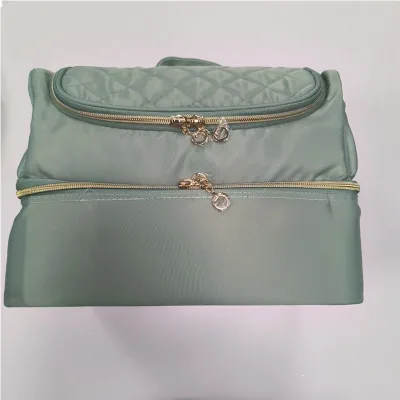
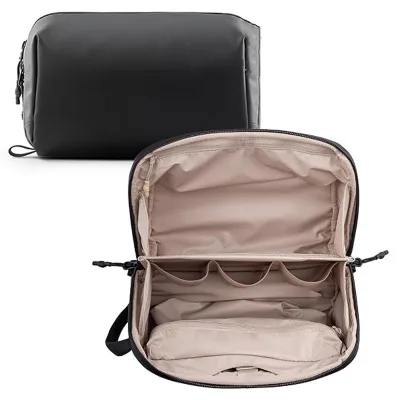
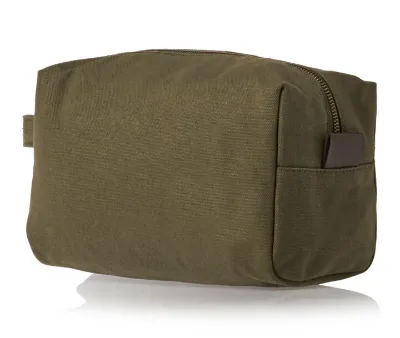
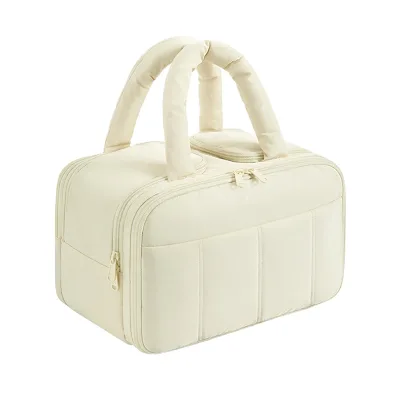
Comprehensive Sourcing Guide
Dry And Wet Separation Toiletry Bag Sourcing Guide
Sourcing dry and wet separation toiletry bags requires a clear understanding of the functional dichotomy these products serve in modern travel and home storage. These items are designed to isolate damp or leaking items from dry essentials, a critical feature for maintaining hygiene and organization. Buyers must recognize that while the core function is separation, the execution varies significantly based on material choice and structural design. The observed market signals indicate a strong emphasis on portability and waterproofing, with many listings highlighting features such as high waterproof levels and multiple compartments. This suggests that procurement teams should prioritize suppliers who demonstrate robust sealing mechanisms and durable fabric construction, as these are the primary determinants of product longevity and user satisfaction.
The product scope extends beyond simple storage, encompassing a variety of formats including soft bags, cooler bags, and specialized holders. Observed attributes reveal a trend toward customizable solutions, with many manufacturers offering logo customization and tailored sizing options to meet specific brand requirements. The intended use cases span both travel and home storage, indicating a versatile market appeal. Buyers should note that materials range from fabric and polyester to leather, each offering distinct aesthetic and functional properties. Understanding these material differences is essential for aligning product selection with target customer preferences, whether they prioritize lightweight portability or premium durability.
Product Scope and Observed Listing Signals
The current market landscape for dry and wet separation toiletry bags is characterized by a diverse array of product models and configurations. Observed listings show a wide range of product models, such as SU-OGR-025, SU-CMT-171, and NC250918, each potentially catering to different market segments or functional needs. The presence of both single and double open features suggests that buyers should evaluate the ease of access and organization capabilities required for their specific use cases. Additionally, the availability of folded and hangable options indicates a focus on space efficiency and convenience, which are key selling points for travelers and individuals with limited storage space.
Price and minimum order quantity (MOQ) ranges provide insight into the commercial viability of different supplier tiers. The observed price range of 0.32 to 19.68 USD and MOQs between 30 and 1000 units suggest a flexible market that can accommodate both small-scale testing and large-volume production runs. Buyers should consider the trade-offs between lower unit costs associated with higher MOQs and the flexibility of smaller orders. Furthermore, the customization options available, including logo printing and size adjustments, allow for brand differentiation, making these products suitable for promotional campaigns or private label offerings.
Technical Specifications to Verify
When evaluating technical specifications, buyers must prioritize the verification of waterproofing capabilities and material integrity. The observed attributes highlight high waterproof levels and features such as washability, which are critical for maintaining hygiene in wet environments. It is essential to confirm the specific waterproof standards or tests used by suppliers, as these directly impact the product's ability to contain leaks and prevent mold growth. Additionally, the hardness of the material, described as medium soft in some listings, should be assessed for its balance between structural support and flexibility, ensuring the bag can withstand regular use without deforming.
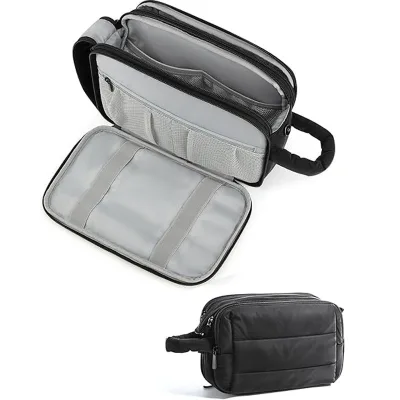
Compartments and organizational features are another key area for verification. Products with multiple compartments and portable designs offer enhanced utility, allowing users to categorize items effectively. Buyers should request detailed diagrams or samples to understand the internal layout and ensure it aligns with their functional requirements. The presence of zippers and other fasteners should also be inspected for durability and smooth operation, as these components are prone to failure if not properly engineered. Verifying the weight of the product, such as the observed 0.12kg for certain models, helps in assessing portability and overall user experience.
Compliance and Safety Documentation
Compliance and safety documentation are paramount when sourcing toiletry bags, especially those intended for personal care and travel. Buyers must ensure that suppliers provide relevant safety data sheets and material compliance certificates, particularly if the products come into contact with skin or personal items. While specific standards were not explicitly detailed in the observed data, buyers should inquire about adherence to international safety regulations for consumer goods, such as REACH or CPSIA, depending on the target market. This due diligence helps mitigate risks associated with harmful substances and ensures that the products meet legal requirements for sale in various regions.
Packaging and labeling compliance is another critical aspect of documentation. The observed customary packing and carton packaging options suggest that buyers need to verify that packaging materials are suitable for protecting the products during transit and storage. Additionally, any claims made on the product or its packaging, such as waterproof or waterproof level, must be substantiated by test reports to avoid misleading consumers. Buyers should also check for proper labeling requirements, including care instructions and material composition, to ensure transparency and compliance with local labeling laws.
Cost Drivers and Commercial Terms
Cost drivers for dry and wet separation toiletry bags include material selection, customization complexity, and order volume. The use of premium materials like leather or specialized waterproof fabrics can significantly impact the unit cost, while standard polyester or fabric options may offer more competitive pricing. Customization features, such as logo printing and tailored sizes, add to the production complexity and cost, so buyers should carefully evaluate the necessity of these features against their budget constraints. Understanding these cost drivers allows for more accurate budgeting and negotiation with suppliers.
Commercial terms, including lead times and payment conditions, play a crucial role in the procurement process. The observed delivery date of 35-45 days and sample date of 7-10 days provide a baseline for planning production schedules. Buyers should negotiate clear terms regarding sample approval, production timelines, and quality control checkpoints to ensure timely delivery. Additionally, understanding the MOQ requirements and potential volume discounts can help optimize costs, especially for large-scale orders. Clear communication of these terms with suppliers is essential to avoid misunderstandings and ensure a smooth procurement experience.
Supplier Qualification and Quality Control
Supplier qualification is a critical step in ensuring the reliability and quality of dry and wet separation toiletry bags. Buyers should conduct thorough due diligence on potential suppliers, including verifying their business licenses, production capabilities, and past performance. Requesting references or case studies from previous clients can provide valuable insights into the supplier's reliability and quality standards. Additionally, assessing the supplier's commitment to continuous improvement and customer service can help identify partners who are likely to provide long-term value and support.
Quality control measures should be established early in the procurement process to ensure that products meet specified requirements. Buyers should implement a robust quality control plan that includes pre-production samples, in-process inspections, and final random inspections. Clear acceptance criteria for defects, such as stitching errors, zipper failures, or material inconsistencies, should be defined and communicated to the supplier. Regular communication and feedback loops with the supplier can help address any quality issues promptly and prevent recurring problems, ensuring that the final products meet the desired quality standards.
Long-Term Procurement Checks
Long-term procurement checks involve ongoing monitoring and evaluation of supplier performance and product quality. Buyers should establish key performance indicators (KPIs) to track metrics such as on-time delivery, defect rates, and customer satisfaction. Regular audits and reviews of supplier processes can help identify areas for improvement and ensure that quality standards are consistently maintained. Additionally, staying informed about industry trends and technological advancements can help buyers make informed decisions about product updates and supplier partnerships.
Building a strong relationship with suppliers is essential for long-term success. Open communication, mutual respect, and collaborative problem-solving can foster a partnership that benefits both parties. Buyers should also consider diversifying their supplier base to mitigate risks associated with single-source dependencies. By maintaining a proactive approach to supplier management and quality control, buyers can ensure a steady supply of high-quality dry and wet separation toiletry bags that meet their customers' needs and expectations.
FAQs
Can I customize the logo on dry and wet separation toiletry bags?
Yes, customized logos are available for these storage holders and bags. The product page confirms that logo customization is offered for various models. Buyers can request specific branding to align with their corporate identity or retail requirements. This service supports both travel and home storage applications, ensuring the final product meets specific marketing needs.
What is the typical lead time for dry and wet separation toiletry bags?
The delivery date is typically 35-45 days for production. Sample dates are generally 7-10 days. These timelines apply to the rectangular fabric and leather options listed. Buyers should account for this duration when planning inventory. The lead time ensures quality control for waterproof and multifunctional designs intended for travel use.
What materials are used for dry and wet separation toiletry bags?
The bags are constructed from fabric, leather, and polyester materials. These materials provide durability and waterproof protection for travel essentials. The product attributes indicate a medium soft hardness for comfort. This combination of materials supports the intended use for storing stationery and toiletries while maintaining a portable and hangable design.
What is the minimum order quantity for dry and wet separation toiletry bags?
The minimum order quantity ranges from 30 to 1000 units. Specific models like the NC250918 have an MOQ of 300 pieces. This flexibility allows buyers to test the market with smaller orders or scale up for larger distributions. The packaging is typically provided in OPP bags or cartons depending on the specific product model selected.
Are dry and wet separation toiletry bags waterproof?
Yes, the bags feature high waterproof levels and are designed to be waterproof. This ensures that wet items do not leak onto dry contents. The material composition, including polyester and fabric, supports this functionality. This feature is essential for travel and home storage, protecting belongings from moisture and maintaining hygiene in various environments.
What sizes are available for dry and wet separation toiletry bags?
Sizes are customized, with medium sizes available for specific models. The product specifications allow for tailored dimensions to fit various needs. Some models have standard sizes like 23*19cm. Buyers can request specific sizing to accommodate different quantities of toiletries or stationery. This customization ensures the bag fits perfectly into luggage or storage spaces.